
Cusco rewards travelers who look past the standard day-trip narrative. Within the city and nearby valleys, Inca foundations, earlier regional centers, and colonial monuments explain how authority changed hands while streets stayed in use. These sites show engineering choices, sacred planning, and resistance during the conquest, all without long transfers or permits. The stops below focus on places with clear historical value, strong physical remains, and direct ties to Cusco’s civic story. Most can be reached by taxi or local bus, and several are covered by the tourist ticket, so time can be planned around altitude and museum hours.
1. Qorikancha and Santo Domingo Convent
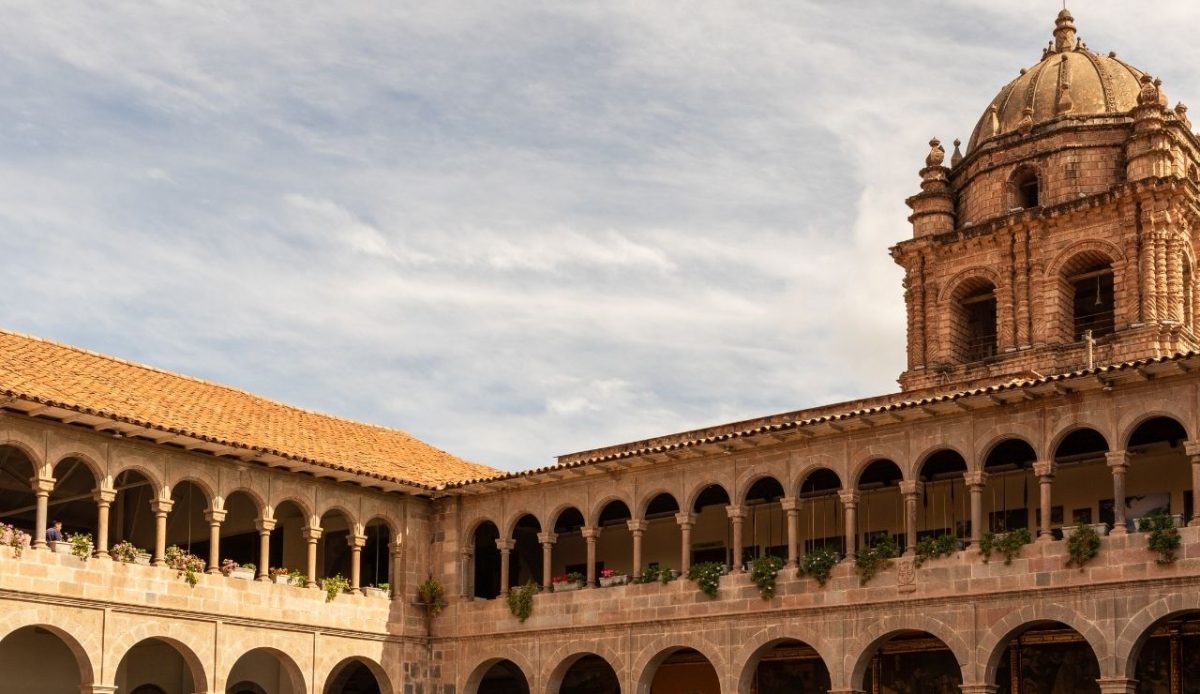
Qorikancha began as the Inca Temple of the Sun and later had the Santo Domingo convent built over it. At the base, finely fitted Inca stone remains visible, while upper walls reflect Spanish masonry and later repairs. This layered construction is often cited because earthquake damage has exposed which methods held firm. Inside, displays explain how the site served state ritual, astronomy, and offerings tied to the imperial calendar. Visiting here makes the conquest tangible because the reuse of sacred space can be traced step by step. It also anchors the historic core, a short walk from Plaza de Armas, so it fits easily between other stops.
2. Saqsaywaman
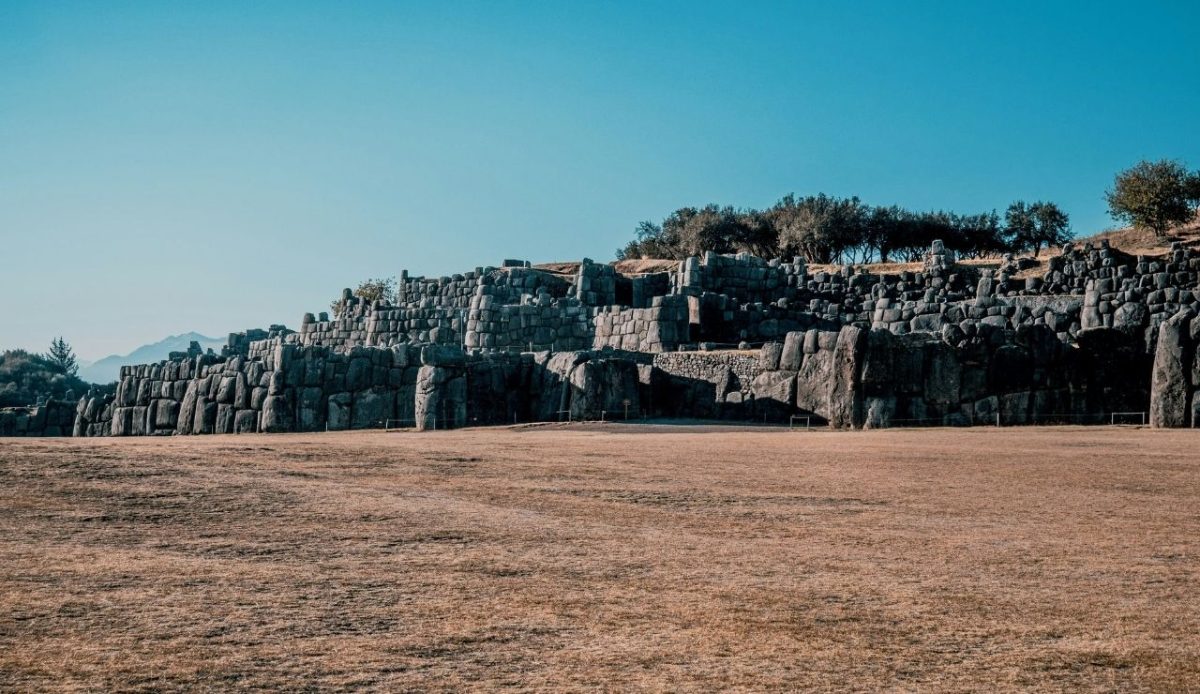
Saqsaywaman crowns the ridge above Cusco and is known for three huge zigzag walls assembled from massive blocks. Stones were shaped to lock together without mortar, a technique that reduced collapse during seismic movement. The complex is thought to have hosted ceremonies as well as served defensive needs, since open plazas and narrow gates coexist. In 1536, fighting during Manco Inca’s uprising occurred here, and the ruins help explain that campaign’s geography. From the ramparts, Cusco’s original puma plan is easier to understand. Today, the Inti Raymi reenactment is staged on the esplanade, showing that the place remains a public symbol.
3. Puka Pukara
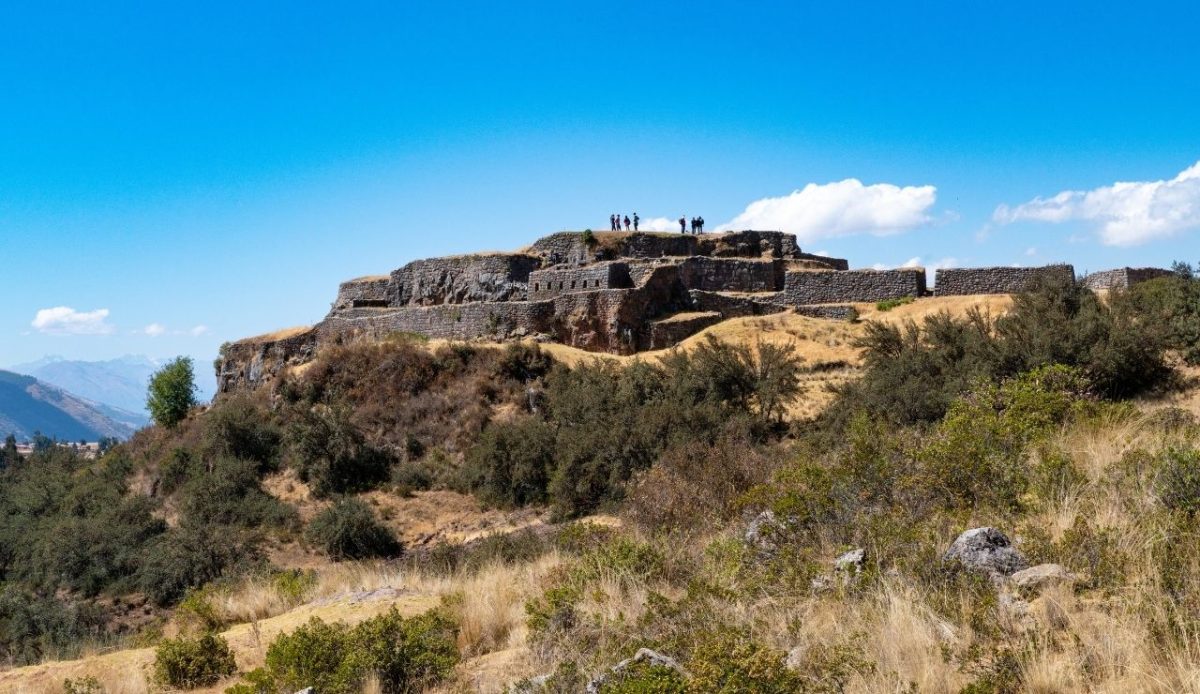
Puka Pukara is a compact complex on the road toward Pisac and the high passes, positioned to watch traffic moving to and from Cusco. Its terraces, interior courts, and small rooms suggest short stays by officials rather than a permanent town. Because the walls follow the slope, sight lines open toward the valley and adjacent routes, which supports the checkpoint theory. Nearby sites share the same circuit, so it can be compared with Tambomachay and Qenqo in a single outing. The stop adds context on how movement was managed across the empire. Its name is often translated as red fortress since the stone can appear red in late light after rain.
4. Tambomachay
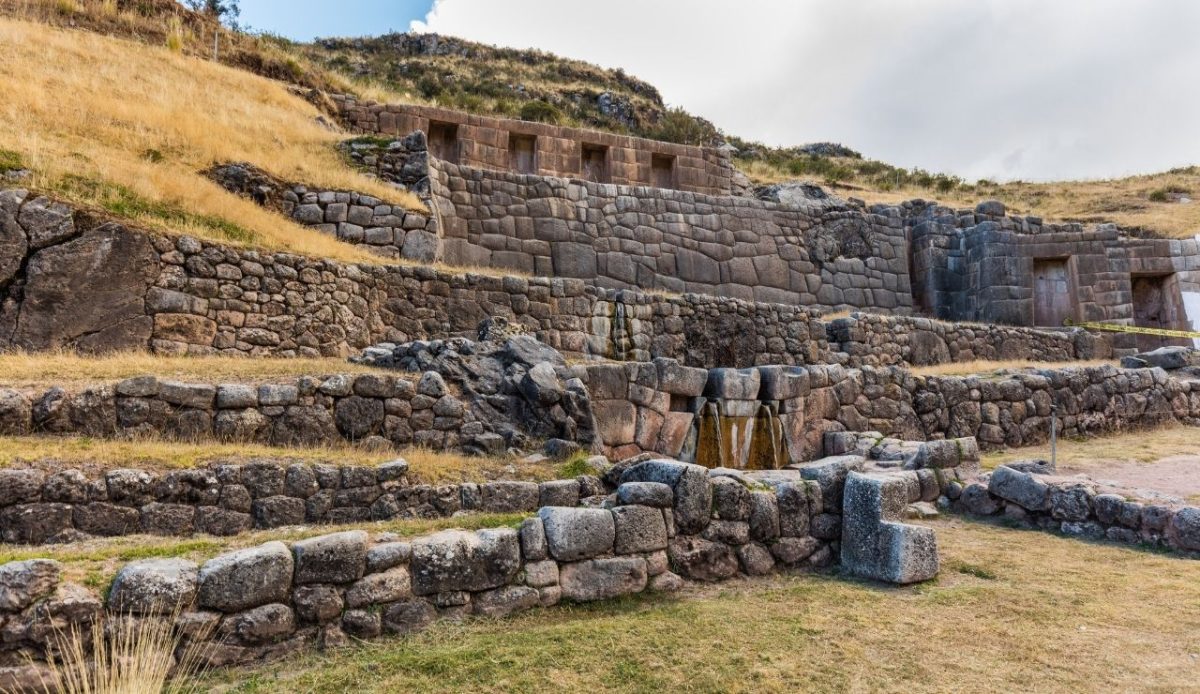
Tambomachay is centered on springs that were captured and directed through carved channels into paired fountains. Water still runs, which allows the engineering to be observed rather than imagined from dry cuts. The site lacks large housing areas, so it is usually linked to ritual washing, royal leisure, or controlled access ceremonies. Stonework is crisp and symmetrical, and flow is maintained through carefully graded conduits that resist clogging. Standing by the outlets clarifies how water, authority, and sacred practice were bound together in Inca state life. It is close enough for a brief stop on the upper road circuit.
5. Tipon
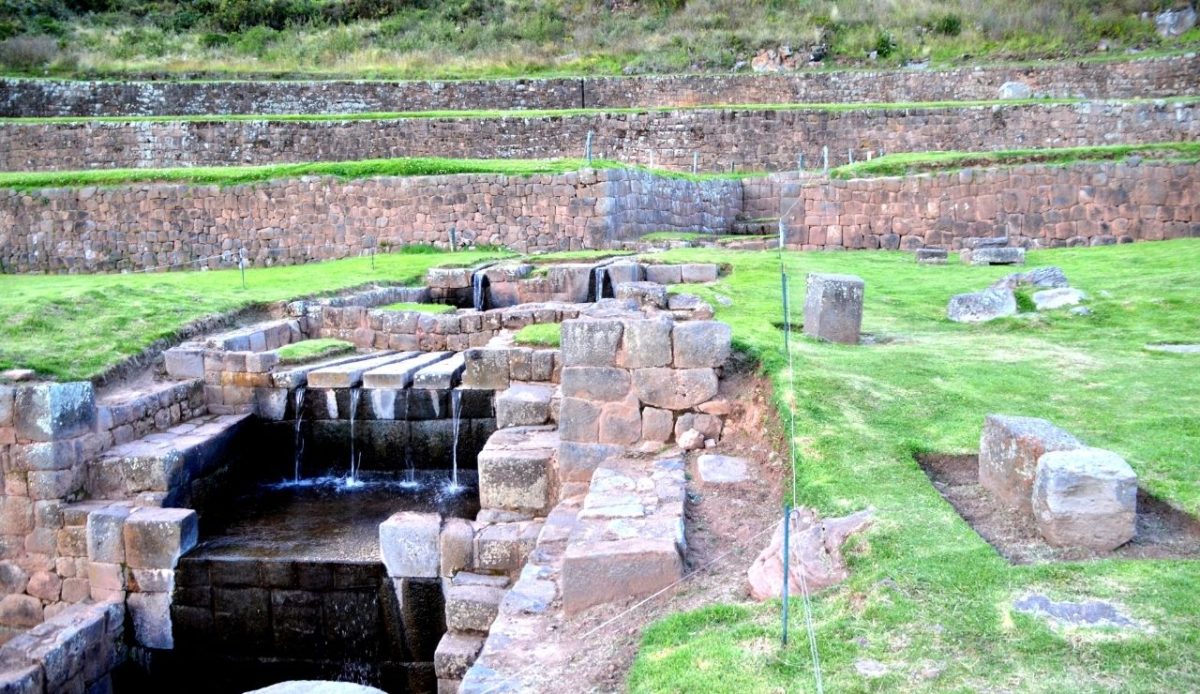
Tipon, in the South Valley, is valued for terraces fed by a precise canal network that still functions. Water is distributed across multiple levels through stone channels with consistent gradients, so erosion is limited. The layout suggests controlled agricultural production tied to elite needs, since ceremonial walls and fine masonry appear near the main flows. Study visits often focus on how joints were cut to prevent leaks and how overflow was handled during heavy rain. Tipon shows that farming, hydrology, and planning were treated as one system by Inca builders. It pairs well with other South Valley stops, keeping travel time efficient.
6. Pikillaqta
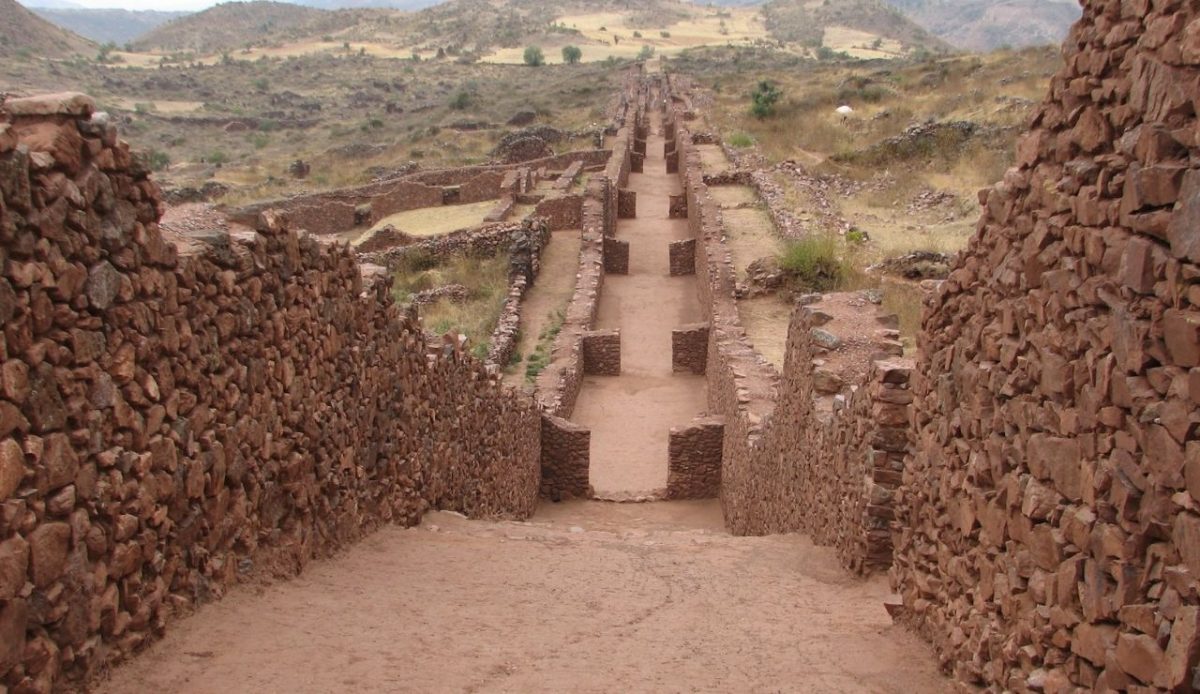
Pikillaqta, also written Piquillacta, is a large Wari-era settlement that predates Inca rule by centuries. Long straight walls, a gridlike plan, and repeated room blocks point to centralized administration rather than organic growth. Many buildings were likely storage or control spaces, and parts of the town were left unfinished, which hints at shifting political priorities. Because the architecture differs so sharply from Inca stone fitting, the site helps travelers recognize multiple cultural layers in the region. A visit here widens the timeline of Cusco’s history in a concrete way. It is near Lucre Lagoon.
7. Iglesia de la Compañía de Jesús
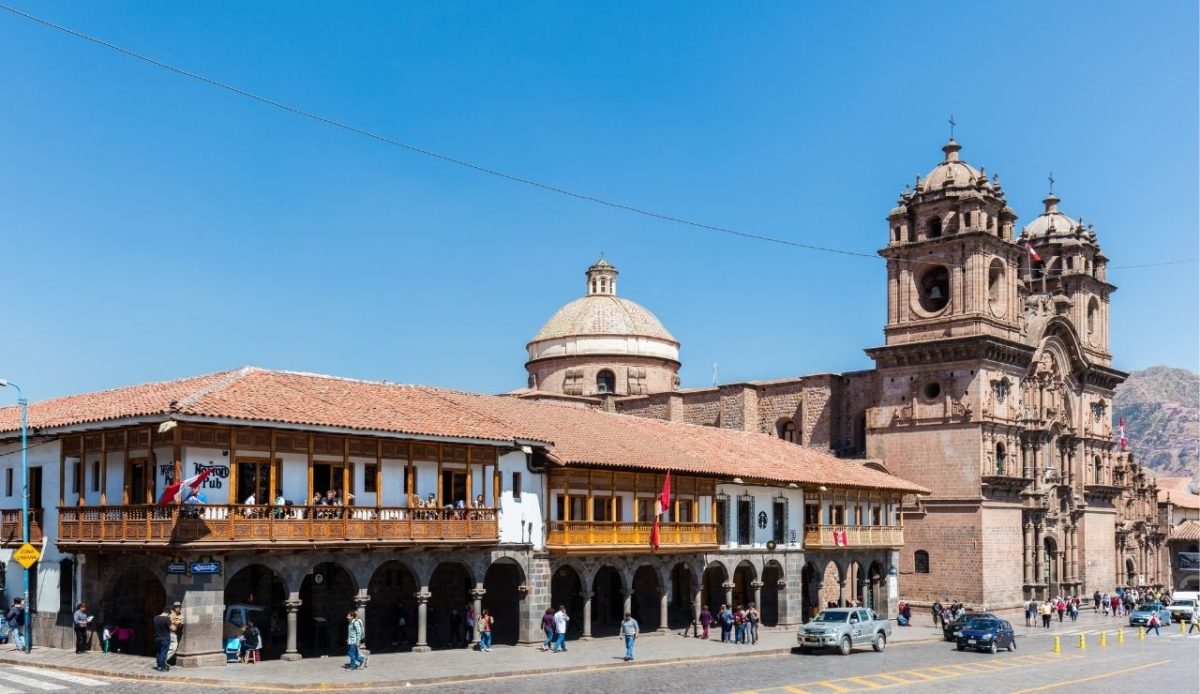
The Church of the Society of Jesus faces Cusco’s Plaza de Armas and represents the city’s colonial rebuilding. Construction began in the seventeenth century, and the facade and interior show Andean Baroque work made by Indigenous craftsmen. The church occupies space tied to former Inca elite property, so the setting reflects how authority was reassigned through urban design. Art and altars were commissioned to teach doctrine, and many details were produced locally rather than imported. Visiting the church helps connect Cusco’s religious history to the street plan travelers use today. It also anchors a walk through the historic center.
