
European destinations often surprise first-time visitors with how smoothly daily experiences unfold. Cities and towns across the region focus on practical systems, community traditions, and predictable services that help travelers navigate confidently. Many countries continue to invest in transportation, public health, and cultural spaces, which raises the overall quality of life and makes travel planning straightforward. The combination of dependable services and easy movement between regions allows visitors to enjoy their trips without unnecessary delays. This structure helps travelers spend more time exploring and less time managing complications.
1. Public Transportation Systems That Actually Work
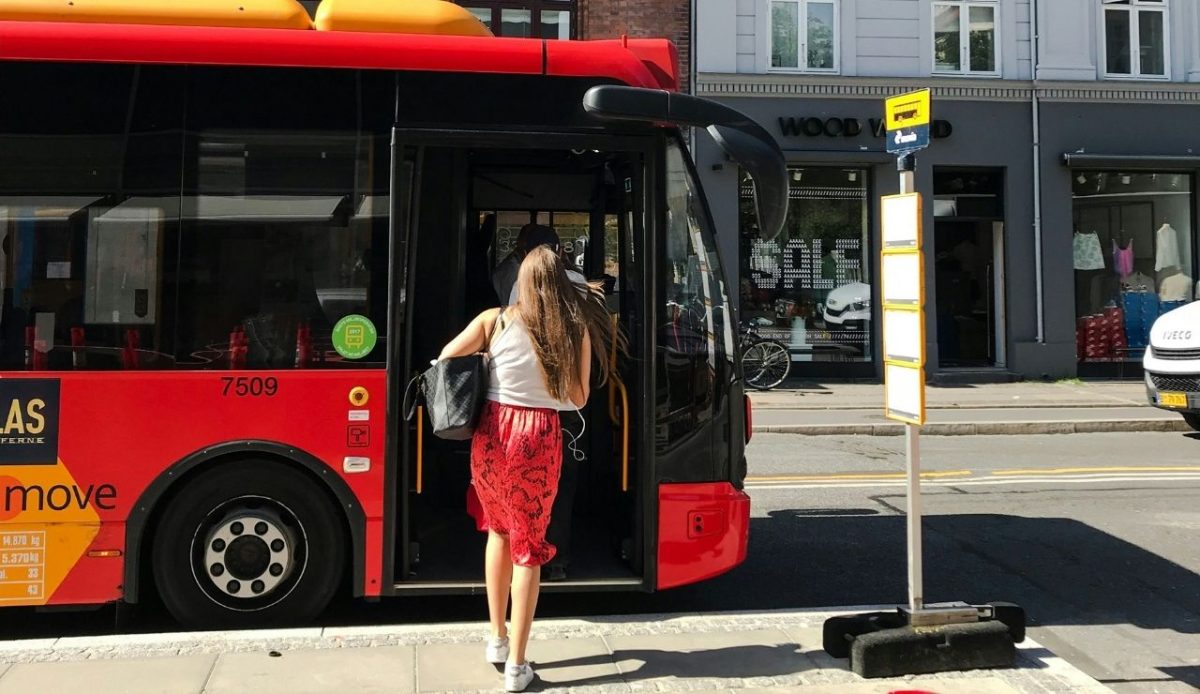
European cities run transit systems that focus on reliability, frequency, and clear schedules. Travelers notice that buses and metro trains arrive close to their posted times, even during busy hours. Many regions use unified tickets that work across rail, tram, and bus lines, which removes confusion for visitors moving between neighborhoods. Larger rail networks link major cities through fast connections that reduce travel time compared to driving. Local residents depend on transit for daily needs, so systems receive steady investment and routine maintenance. Real-time route apps and multilingual machines at stations help travelers understand connections without long delays.
2. Genuinely Authentic Culinary Experiences

Food culture in Europe prioritizes simple preparation, local sourcing, and dishes tied to regional identity. Travelers often find that restaurants highlight seasonal produce and traditional recipes instead of relying on mass-produced ingredients. Smaller towns maintain cooking methods passed down through families, and markets give chefs access to fresh items grown nearby. Many cities regulate labeling so customers know exactly what they are ordering. This builds trust and helps visitors understand what makes each region distinct. Travelers also observe that street food and neighborhood bakeries follow strict hygiene standards, which makes casual dining more comfortable.
3. Wine Regions Offering World-Class Experiences at Reasonable Prices
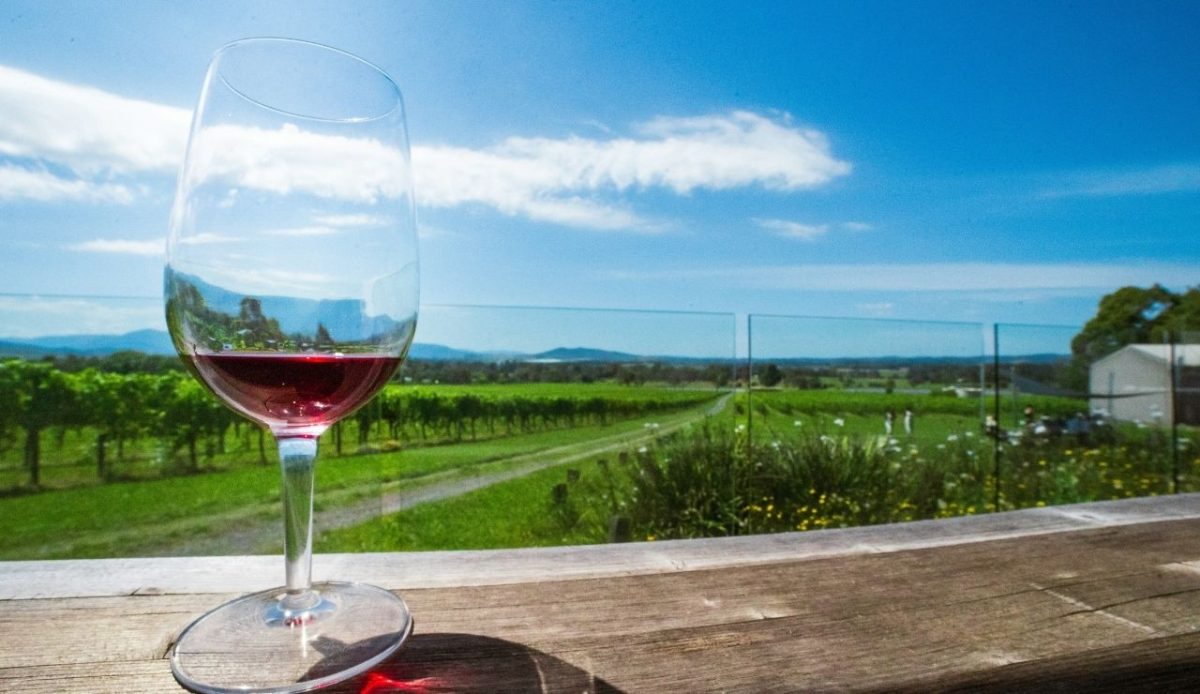
Wine-producing areas in Europe welcome visitors with affordable tastings, clear explanations from staff, and access to vineyards that operate year-round. Travelers can join guided visits that show how grapes move from harvest to bottle, usually without high fees. Many vineyards stand close to towns, so visitors can reach them by train or short drives. Local producers often keep tasting rooms small, which helps staff answer questions directly instead of rushing guests. Wine shops in these regions also offer fair pricing, so travelers can purchase bottles without added tourist charges. Because producers depend on regular customers instead of luxury buyers, the entire experience remains approachable for first-time visitors.
4. Walkable Cities With Pedestrian-Friendly Design
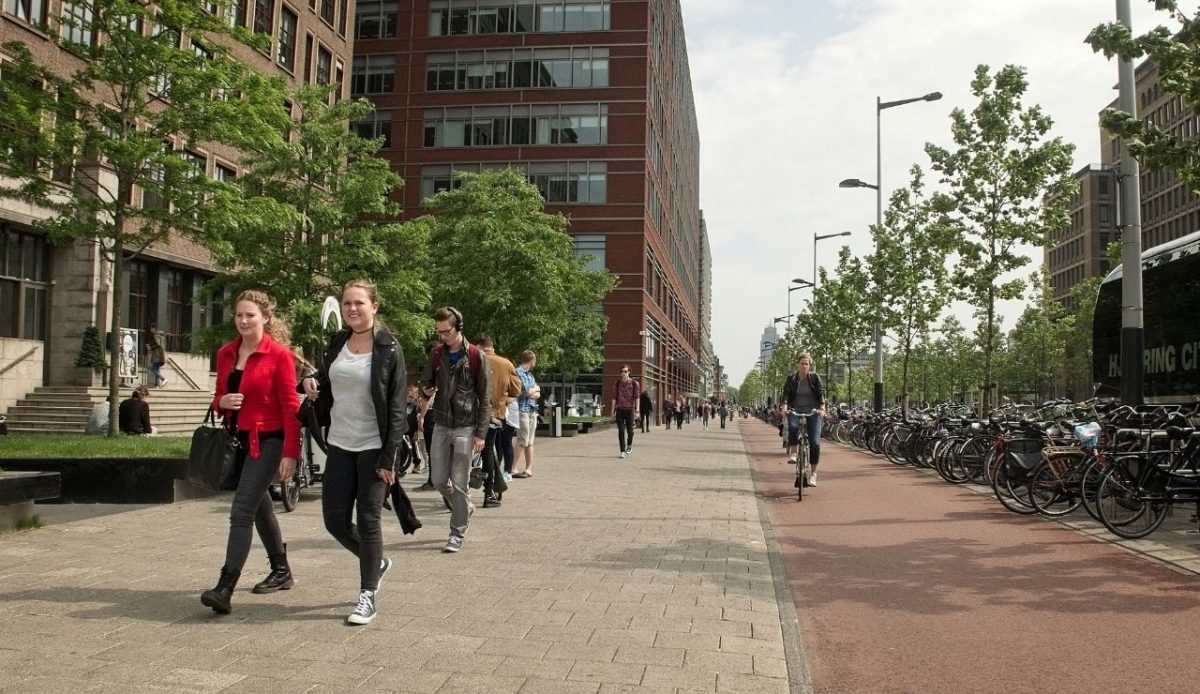
European cities organize streets and public areas so people can move around safely without relying on cars. Many historic centers restrict traffic, which keeps noise low and makes sidewalks easier to navigate. Wide pedestrian zones give travelers room to explore landmarks, shops, and restaurants without constant vehicle interruption. Crosswalks, traffic lights, and curb ramps follow predictable patterns, so visitors understand how to cross roads even in unfamiliar places. City planners add benches, lighting, and shade to support long walks during different seasons. Public transit links directly with these walking zones, allowing travelers to arrive by train or tram and continue on foot.
5. Affordable Healthcare Access for Travelers

Travelers visiting Europe often find that medical care is available at manageable prices, even for nonresidents. Public hospitals provide treatment for urgent issues, and fees for basic services remain low compared to countries with higher medical costs. Private clinics in many regions offer quick appointments, and prices stay within a range that does not overwhelm short-term visitors. Pharmacies carry common medications and provide basic guidance without requiring long consultations. Staff in healthcare facilities usually speak enough English to explain procedures clearly.
6. Museum Collections That Rival Major Global Destinations
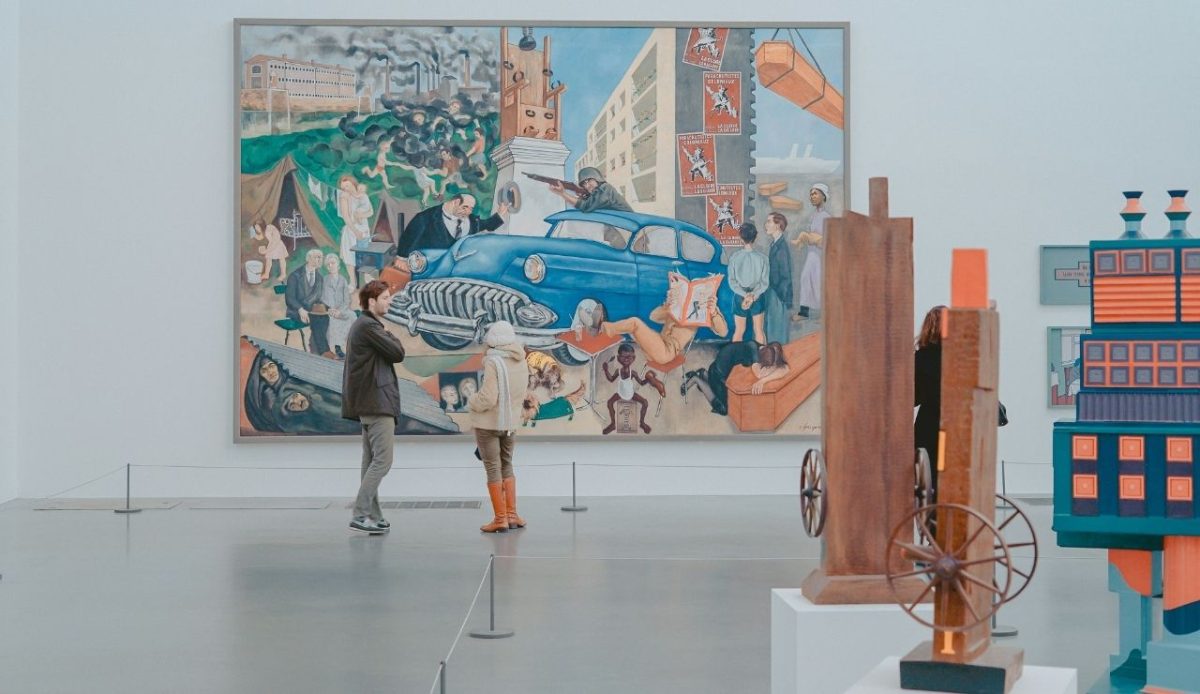
Europe maintains many museums that hold artworks and historical pieces from different periods, which gives travelers direct access to materials they may have only seen in books. Large national museums display collections that cover thousands of years, while smaller city museums highlight regional stories. Curators update exhibits often, so visitors see organized timelines instead of crowded halls. Audio guides in several languages help explain context without overwhelming guests. Many museums stay open late on certain days, which gives travelers extra time to visit after exploring other parts of the city.
7. Preserved Historic Architecture Spanning Millennia
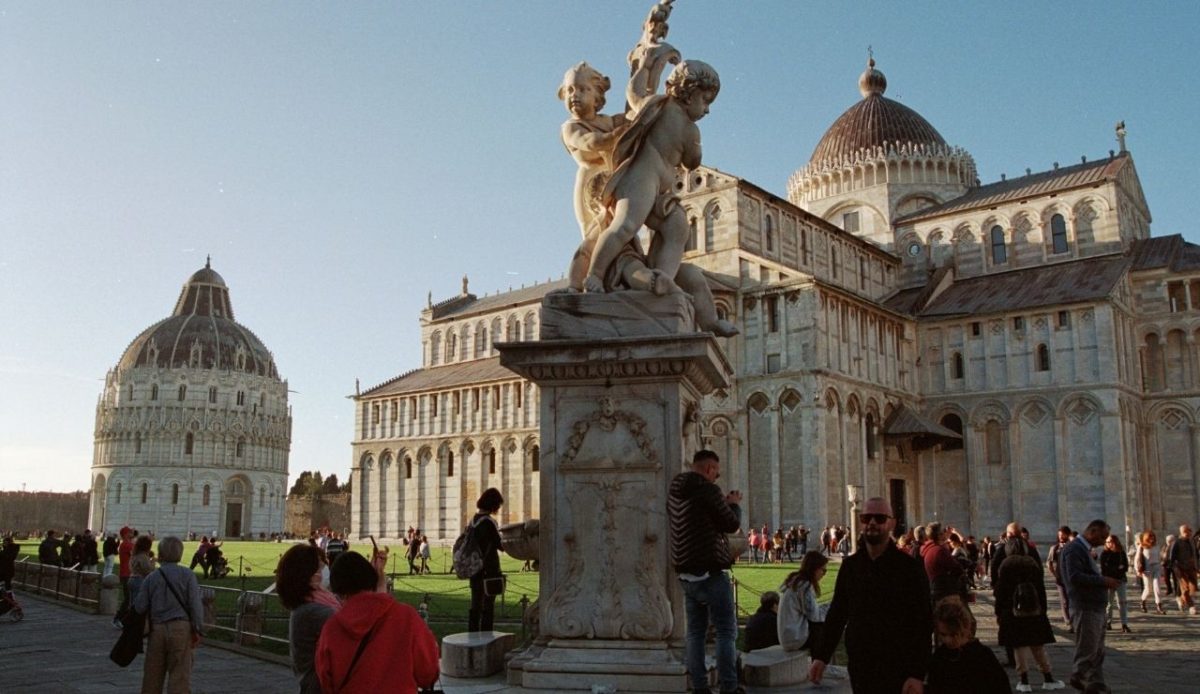
Many European cities protect old buildings through clear rules that prevent unnecessary changes. Travelers can walk through districts where structures from different centuries stand close together, allowing them to understand past construction styles firsthand. Local governments inspect historic areas regularly and require owners to maintain façades and materials that match original designs. Restoration teams receive training to repair stonework, wood details, and murals using methods that protect long-term stability. Public access to these areas remains strong because streets usually stay open instead of fenced off.
8. Diverse Climate Zones Within Short Travel Distances

Europe offers travelers a wide range of climates without long flights. Southern regions stay warm for most of the year, which makes beach visits possible during spring and fall. Central areas have cooler seasons with mild summers that allow comfortable outdoor activities. Northern regions bring colder winters and shorter days, giving travelers access to snow sports and winter scenery. Mountain areas offer even more variation, with temperatures shifting quickly as elevation changes. Because train and road networks connect these regions tightly, travelers can move between warm coastlines, forest zones, and colder northern spots in the same trip.
9. Festivals Celebrating Long-Standing Local Traditions
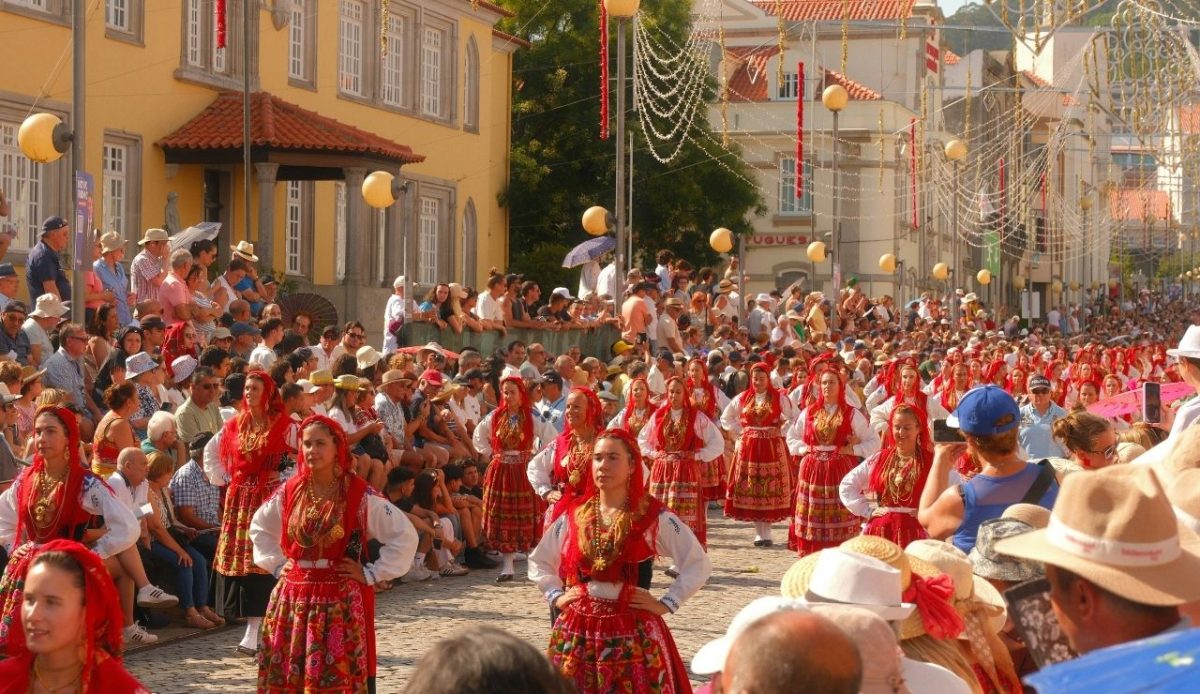
European cities and towns hold annual events rooted in community identity, and travelers often encounter celebrations that have operated for decades or centuries. These festivals highlight local crafts, music, and customs instead of focusing mainly on commercial attractions. Town halls and cultural groups organize schedules early, which helps visitors plan trips around major events. Parades, food stalls, and traditional clothing help explain each region’s background in ways that feel clear and welcoming. Many festivals remain open to all ages and rarely require high admission fees, which encourages both locals and visitors to join.
10. Cuisine Rooted in Regional Terroir
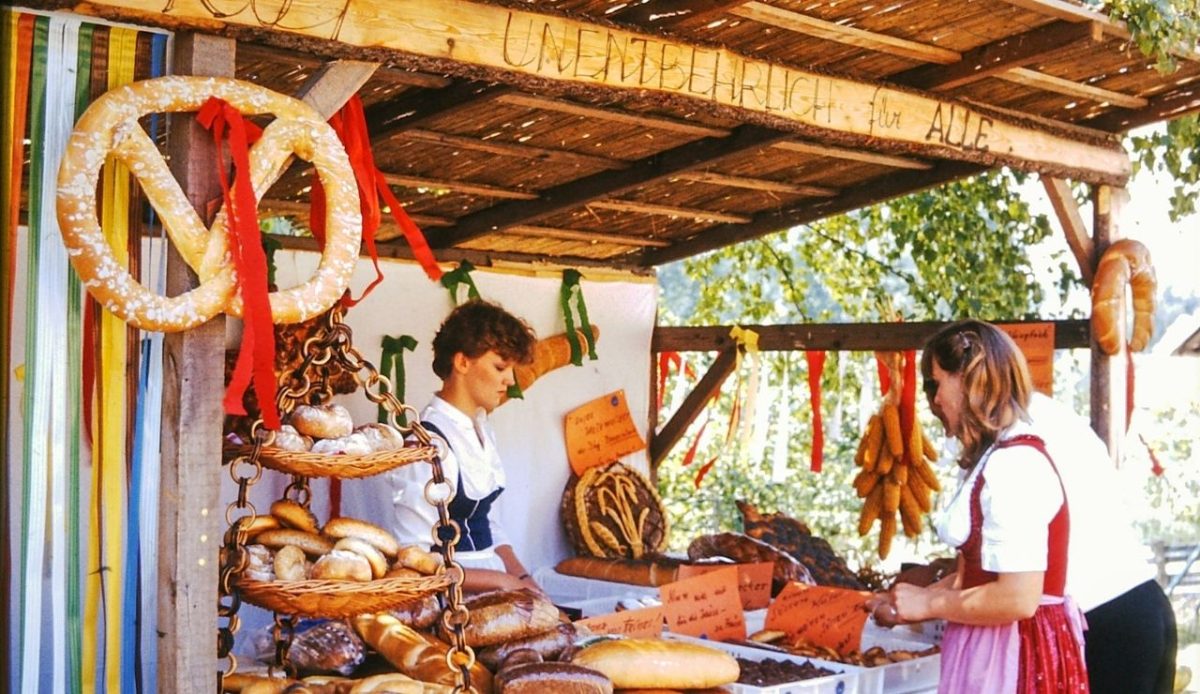
European cuisine varies widely between regions because cooks rely on local produce, meats, and dairy items that reflect their surroundings. Travelers often notice that menus highlight specialties tied to climate, soil, and long-standing farming practices. Many rural areas still support small farms that supply fresh goods directly to markets and restaurants. This approach keeps regional dishes distinct, whether it involves hearty meals from colder areas or lighter plates from coastal towns. Restaurants tend to use straightforward preparation to let ingredients show their natural character. Because labeling laws encourage clarity, diners understand what they are ordering without confusion.
11. Beach Quality and Cleanliness Held to Strict Standards
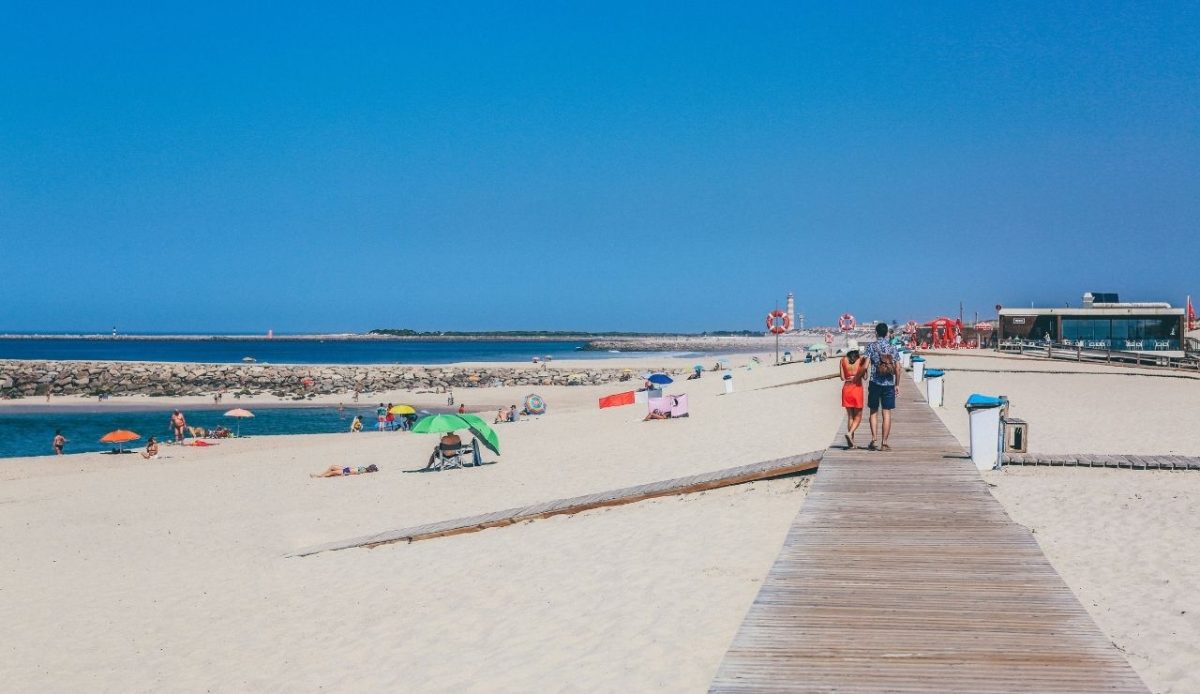
Coastal regions in Europe maintain strong water testing programs to ensure beaches meet health and safety requirements. Local agencies take samples often and publish results so visitors understand current conditions before entering the water. Many beaches receive recognition for meeting high safety and hygiene criteria, which helps travelers choose reliable locations. Maintenance teams clean public areas daily during peak seasons, removing debris and checking facilities such as restrooms and walkways. Cities also regulate nearby construction and wastewater systems to protect coastal areas from contamination. As a result, many beaches remain pleasant for swimming, walking, and other activities.
12. Train Travel Designed as a Complete Experience
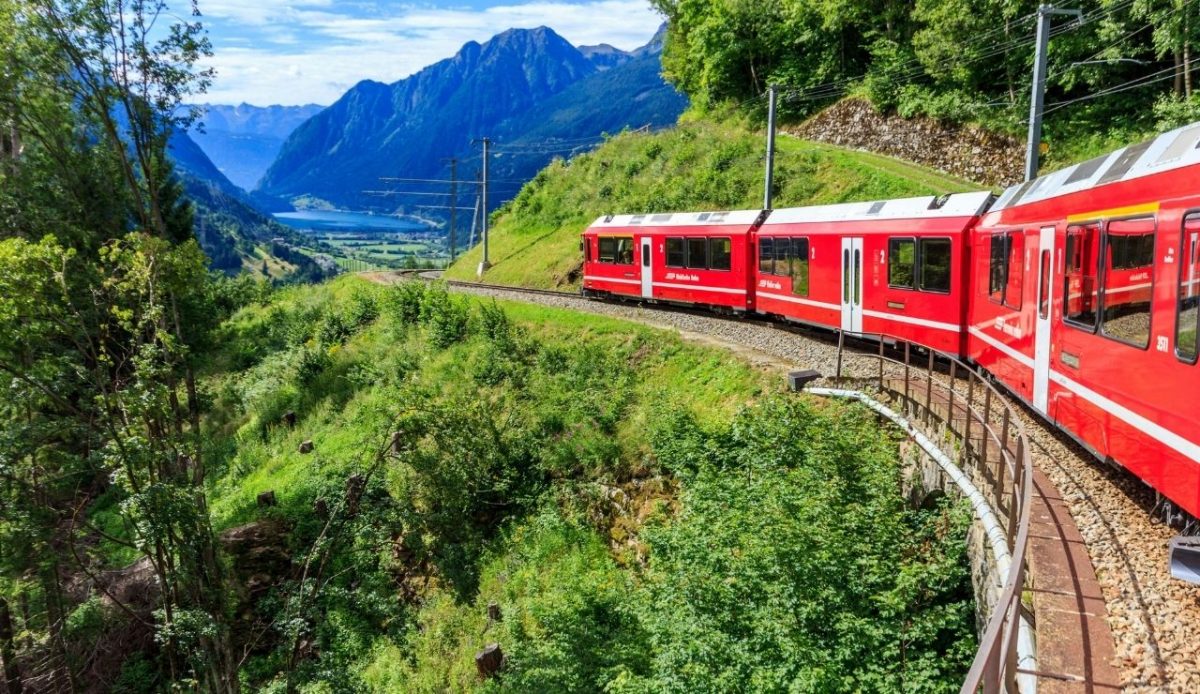
European train operators focus on comfort, clear schedules, and easy transfers, which makes longer journeys more convenient than driving. Many trains offer wide seating, stable WiFi, restrooms, and consistent temperature control. Long routes include dining cars or carts, giving travelers access to meals without leaving the train. Large windows provide open views of countryside areas, cities, and mountains along the way, which makes the trip itself more enjoyable. Stations usually sit in central locations, so travelers reach hotels, restaurants, and attractions without lengthy transfers. High-speed lines reduce travel time between major cities, while regional lines connect smaller towns.
13. Language Accessibility Without Losing Cultural Character
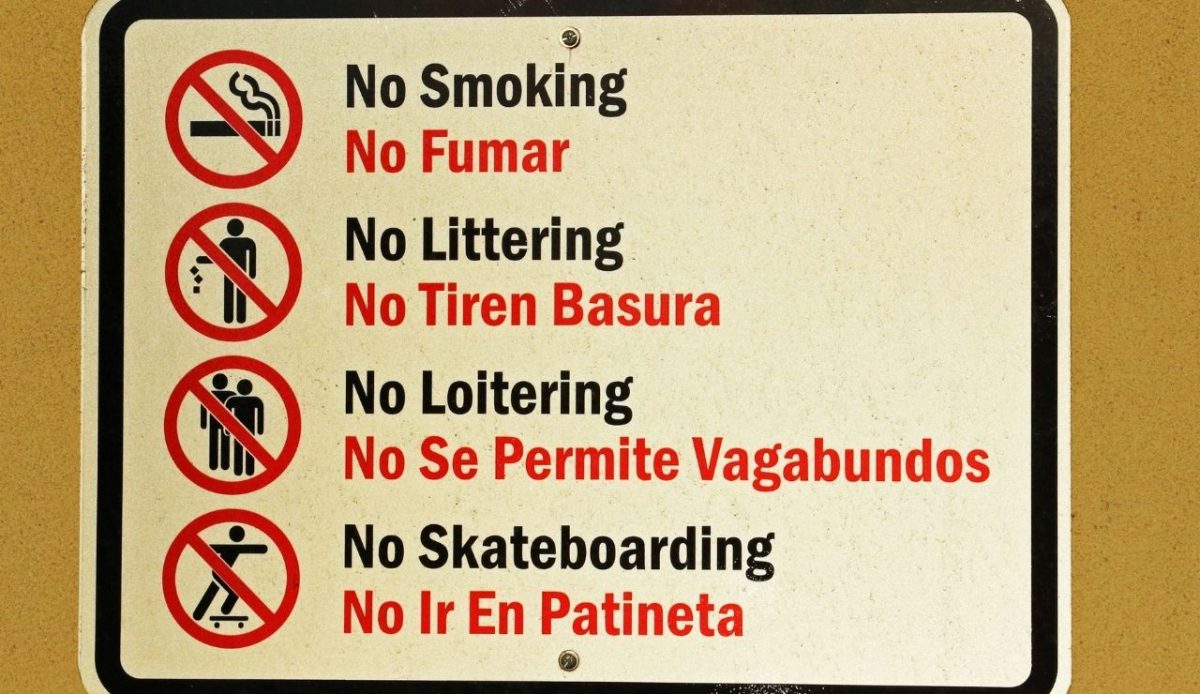
Europe accommodates international travelers through widespread use of English in service settings, while still maintaining local identity in signage, food, and everyday interaction. Hotels, museums, transport counters, and tour offices usually have staff who can explain procedures clearly. Major attractions provide audio guides and printed information in several languages, which helps visitors follow historical or cultural details without confusion. Restaurants often include English translations on menus, allowing travelers to order without uncertainty. At the same time, local languages remain visible on storefronts, markets, and public boards, giving travelers an authentic sense of each region.
14. Schengen Area Freedom for Cost-Free Border Movement
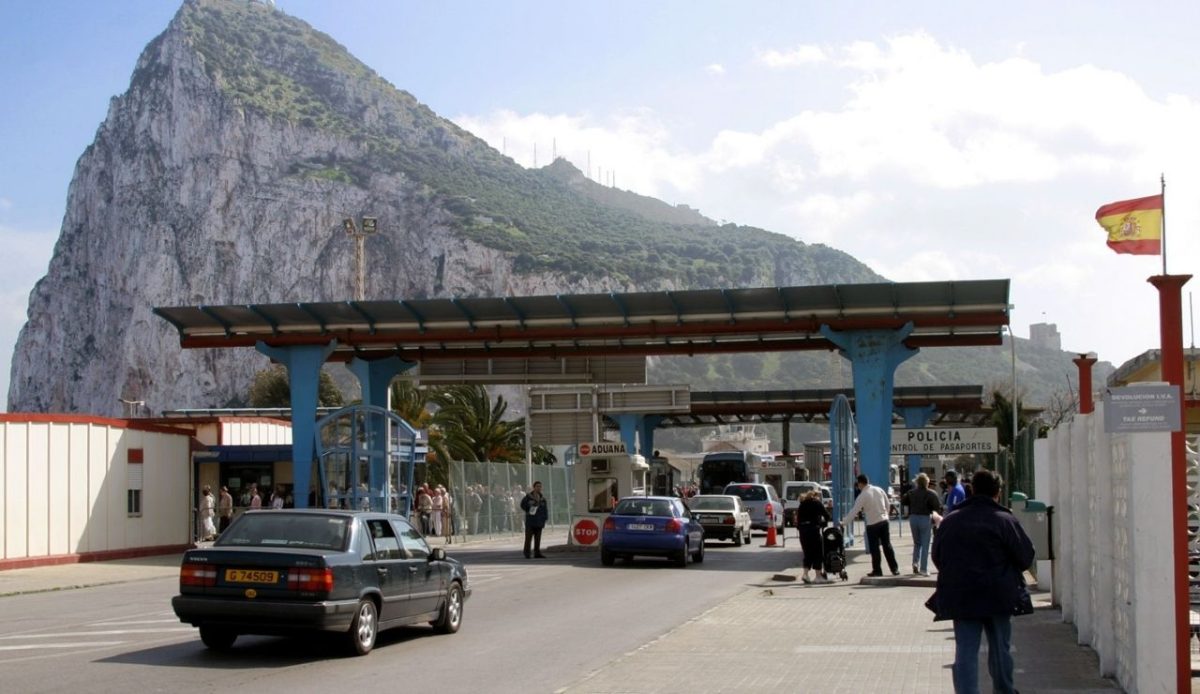
The Schengen arrangement allows travelers to move between participating countries without repeated passport checks, creating a smooth experience across large portions of Europe. Once a visitor enters the zone, they can travel by train, bus, or car to other countries without formal inspection at border crossings. This saves time, reduces paperwork, and avoids long lines that often appear at international checkpoints elsewhere. For travelers planning multi-country trips, this system removes several steps related to visas or entry forms, making route planning easier. Flights within the Schengen zone operate much like domestic routes, with simple check-in and minimal procedures upon arrival.
15. Reliable Tap Water Available Almost Everywhere

Travelers visiting Europe often find that tap water is safe to drink in most countries, which reduces the need to buy bottles during daily activities. Local authorities test water supplies often and publish results for public access, giving residents and visitors clear information about quality levels. Restaurants usually provide tap water upon request, and hotels maintain regular inspections to ensure plumbing systems remain clean. Public fountains in many cities supply filtered water that follows strict safety standards, making it convenient for travelers who spend long hours outdoors. This consistent access helps visitors stay hydrated without added costs and reduces plastic waste from single-use bottles.
