
Europe’s coastline ranges from the cold bays of the north to the warm coves of the south. Wind, rock, and water give each region its own character. Fishing villages, cliffs, and long beaches show how people and nature share the same space. The variety stretches across more than 40,000 miles of coastline, linking islands, peninsulas, and estuaries that each tell a distinct story. Some shores feel remote and quiet, while others bustle with ferries and small harbors. These destinations reveal the range of Europe’s seaside, giving travelers calm, beauty, and a clear sense of place.
1. Cinque Terre, Italy
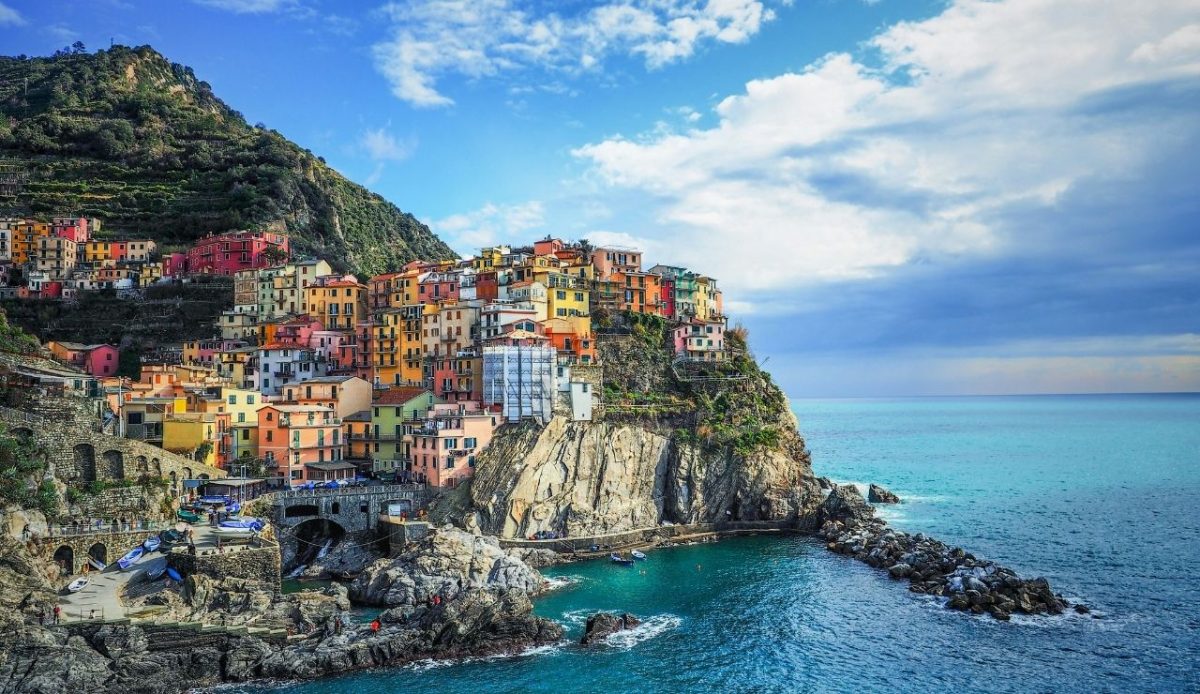
Cinque Terre comprises five hillside coastal villages on the Italian Riviera. Local rules keep cars out of most centers, so travelers move by train, ferry, or on foot along cliff paths. Officials reopened the Via dell’Amore between Riomaggiore and Manarola and now charge a fee to manage demand. Colorful houses descend steep slopes, and terraced vineyards line stone walls above the sea. Trains link the towns every few minutes in season. Stay in Vernazza or Monterosso for direct access to coastal trails and early starts before day-tripper crowds arrive.
2. Amalfi Coast, Italy
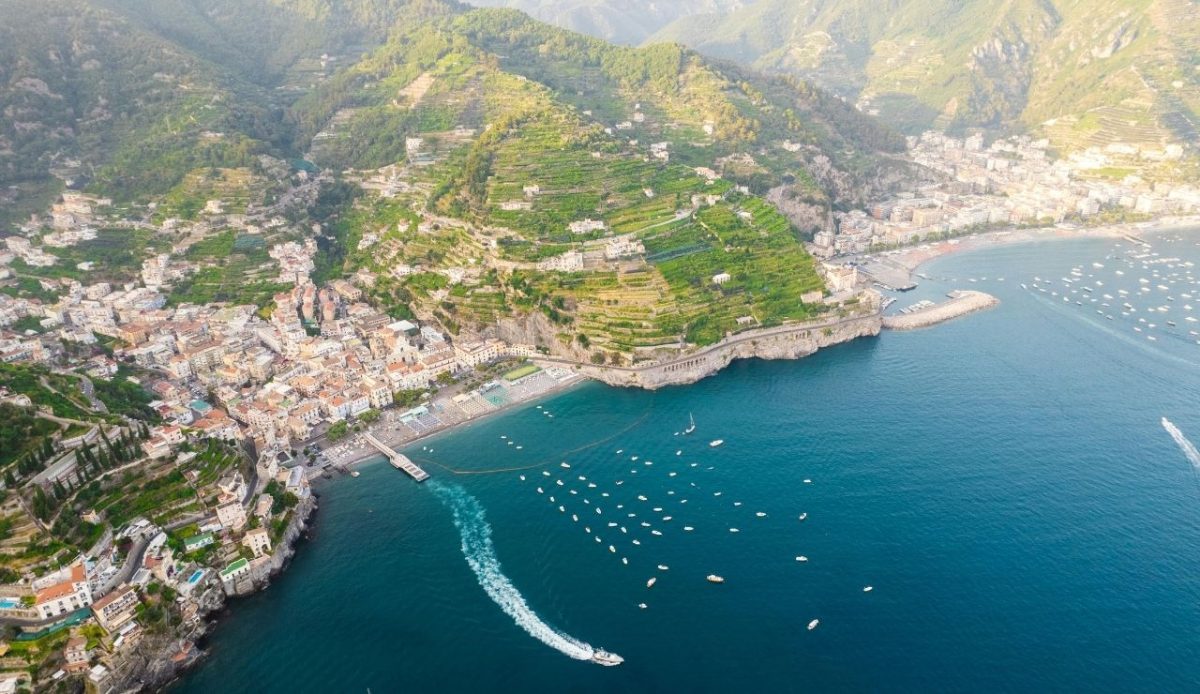
Travelers who want dramatic cliff roads and pastel villages find the Amalfi Coast rewarding. Positano, Amalfi, and Ravello cluster along steep lanes above the Tyrrhenian Sea. Seasonal ferries connect the main harbors and ease traffic pressure. Lemons grow on terraces that face the water, and coastal churches mark each turn. Hikers follow the Path of the Gods for high views across the shoreline. Expect tight bends and summer crowding, yet viewpoints and ferry decks deliver wide, uninterrupted scenery in late afternoon light.
3. La Maddalena Archipelago, Sardinia, Italy
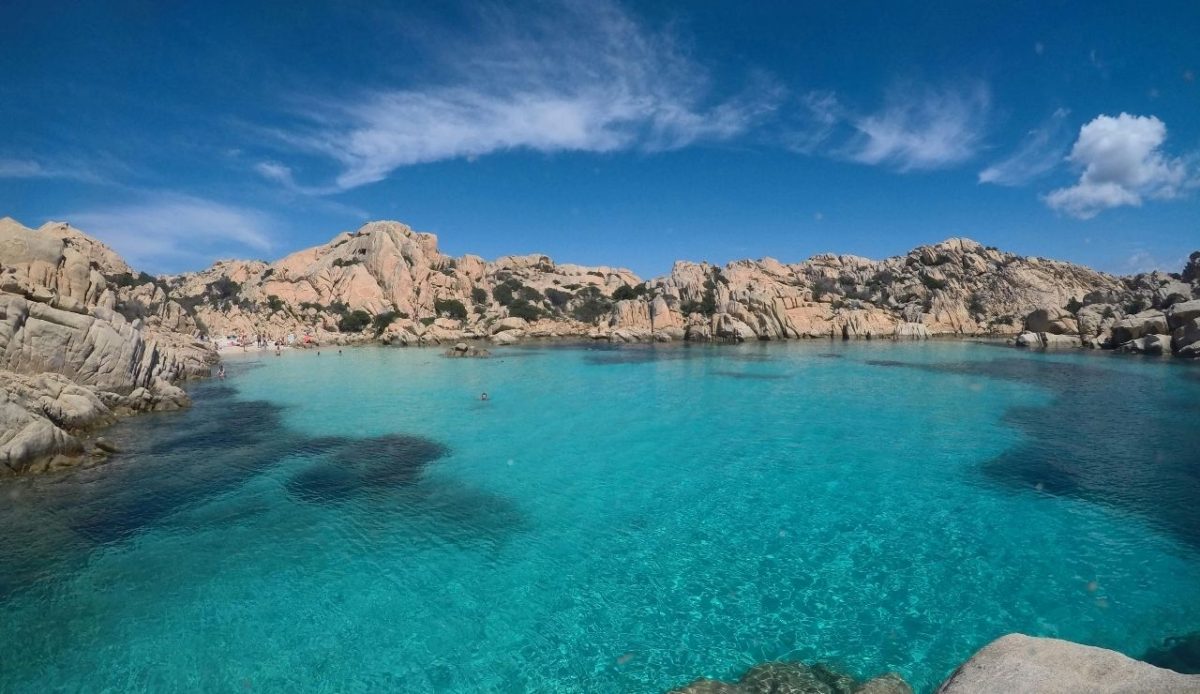
The La Maddalena Archipelago forms a national park of granite islands, quiet coves, and clear channels. The park authority limits new development and patrols protected waters. Ferries and private boats reach the main island, and small charter boats visit the outer beaches when the weather allows. Trails cross low scrub and rock, opening to bays that show deep blues against pale sand. Snorkelers find good visibility in calm conditions. Stay in La Maddalena town and plan day trips that adjust to wind and sea forecasts.
4. Santorini (Oia and Caldera), Greece
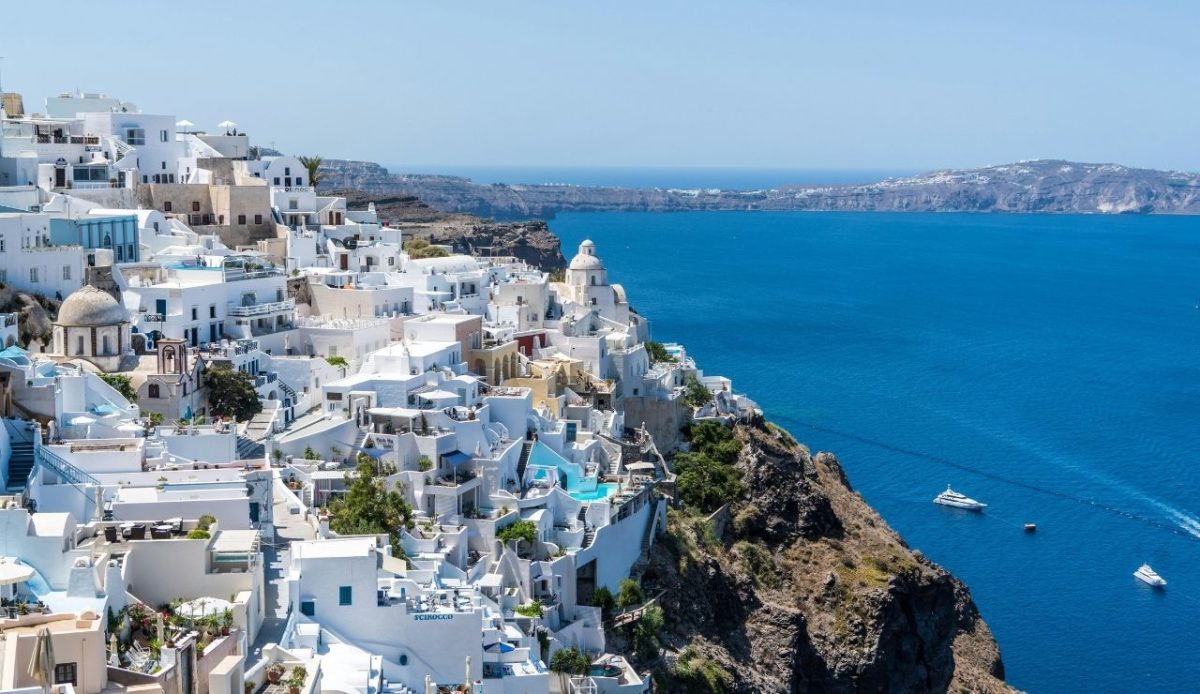
Those who chase famous sunset views head to Oia on Santorini’s caldera rim. Whitewashed lanes line the edge of a volcanic crater, and terraces face the flooded caldera. Peak months draw heavy foot traffic, so early morning and shoulder seasons work best. Cliff hotels and cafés overlook the water, and buses link Oia to Fira and the ferry port. Walk the Fira to Oia trail for wide angles over the sea. Clear air after windy days creates the sharpest evening color across the crater.
5. Navagio Beach, Zakynthos, Greece
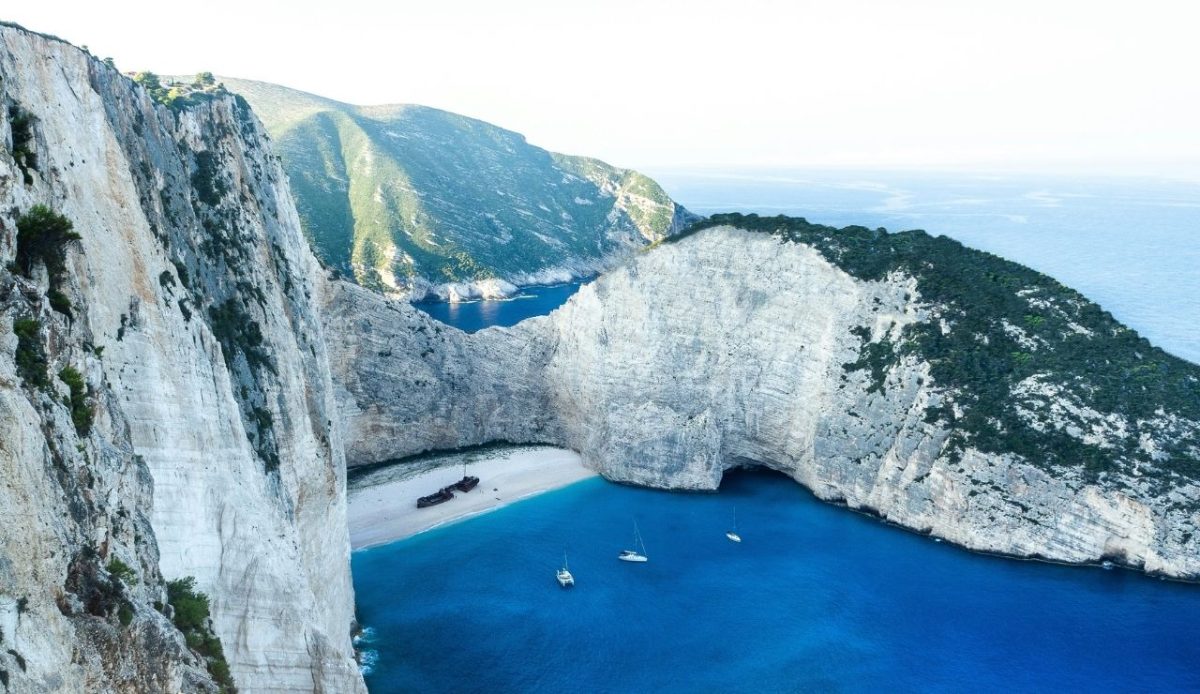
Navagio, also called Shipwreck Beach, lies in a cove of white sand beneath sheer limestone walls. You reach the beach only by boat, and many visitors first view the cove from the cliff overlook before booking a ride. A rusted freighter rests on the sand and anchors the scene for photos. Boat operators adjust routes to sea conditions and often stop at nearby caves for swimming when it is safe. Summer schedules run most frequently, while spring and autumn bring calmer crowds and cooler water.
6. Luskentyre Sands, Isle of Harris, Scotland
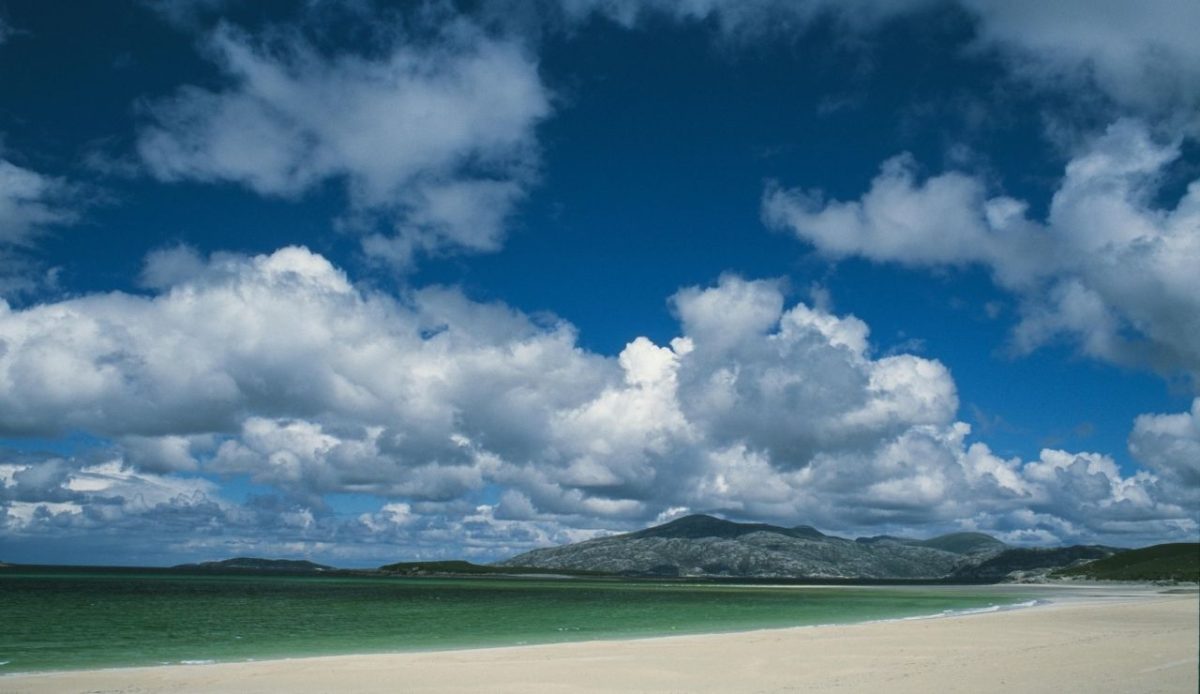
Visitors who want long empty beaches walk Luskentyre on Harris’s west coast. The strand extends for miles, and tides shift the water from pale blue to deep green through the day. The remote setting keeps numbers low, and seals and seabirds appear often along the shore. Reach the beach on a single-track road from Tarbert and park at the signed lot. Strong winds sweep the dunes and leave fresh ripple patterns after each gusty spell, creating new textures for photos.
7. Praia da Marinha, Algarve, Portugal
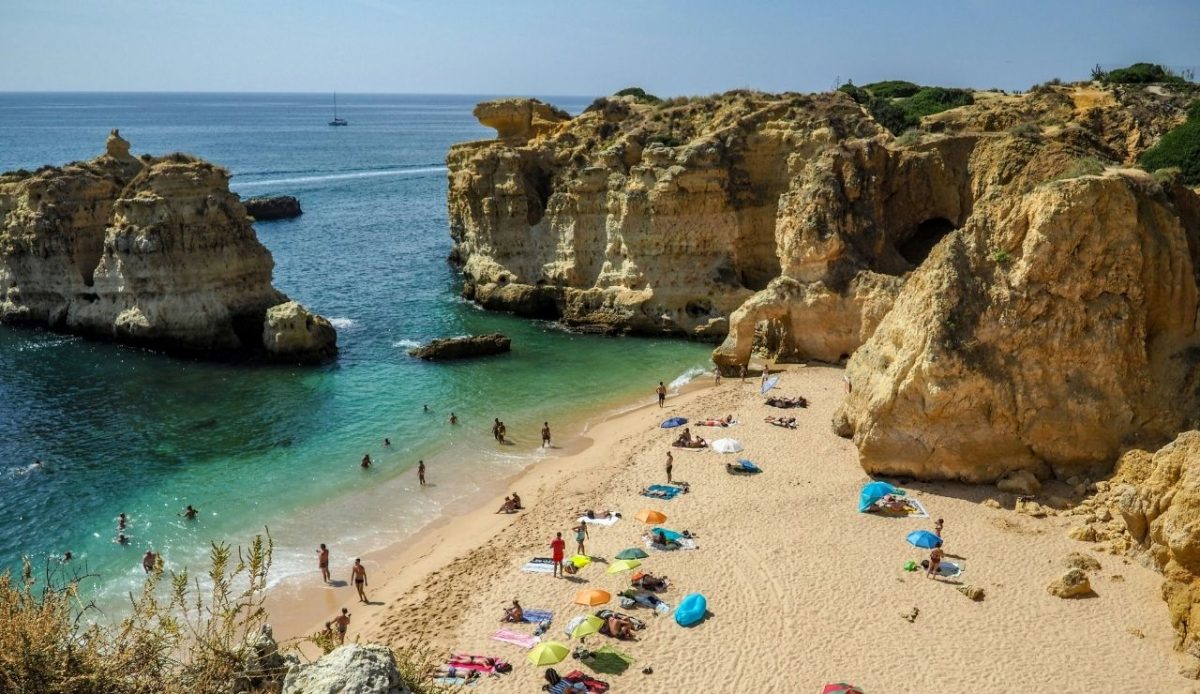
Praia da Marinha ranks among Portugal’s most photographed beaches for its limestone arches and clear coves. Drivers reach the car park off the N125 and follow a signed path down the cliff. The Seven Hanging Valleys Trail runs along the rim and links several overlooks for easy photo stops. Calm days reveal high water clarity that suits snorkeling close to the rocks. Spring and autumn bring lighter crowds and cooler air. Nearby coves give shelter when swells rise on the open beach.
8. Ponta de São Lourenço, Madeira, Portugal
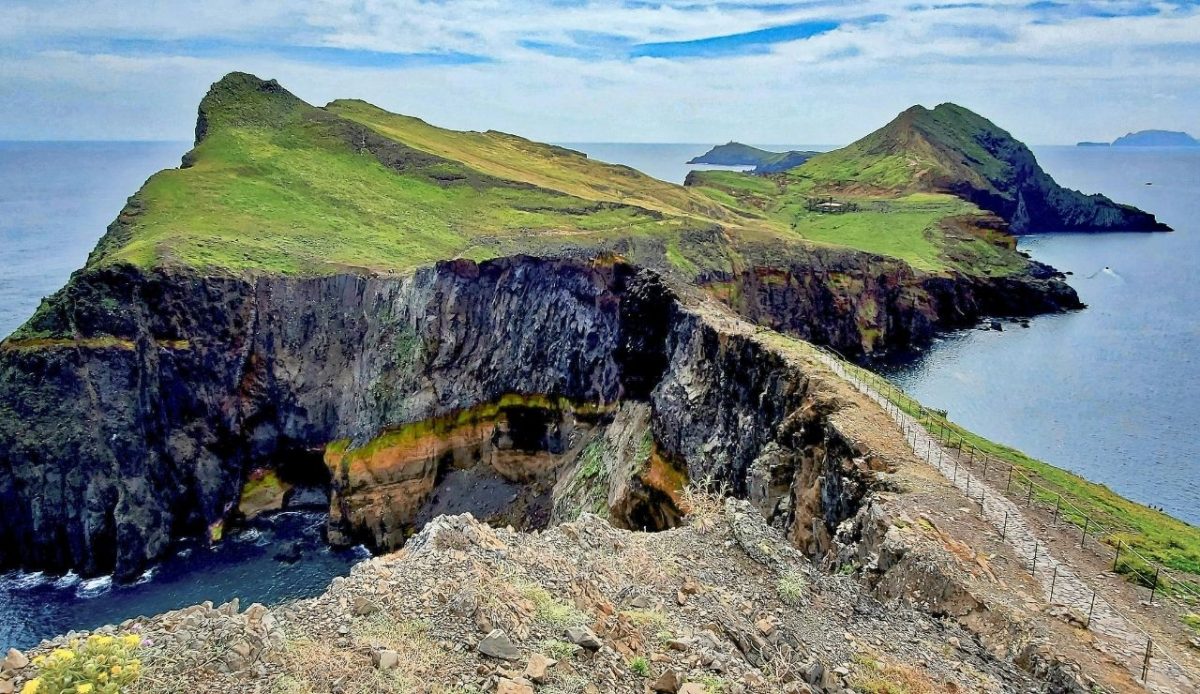
Hikers who want raw volcanic scenery walk the PR8 trail on Ponta de São Lourenço. Authorities manage this partial nature reserve to limit erosion and protect native plants. The path follows a narrow ridge with sea on both sides and ends at Casa do Sardinha for rest and water. Clear days reveal Porto Santo on the horizon. Early starts bring softer light and fewer people, while afternoon winds cool the return walk. Sturdy shoes help on loose rock and short, steep sections.
9. São Miguel Coast, Azores, Portugal
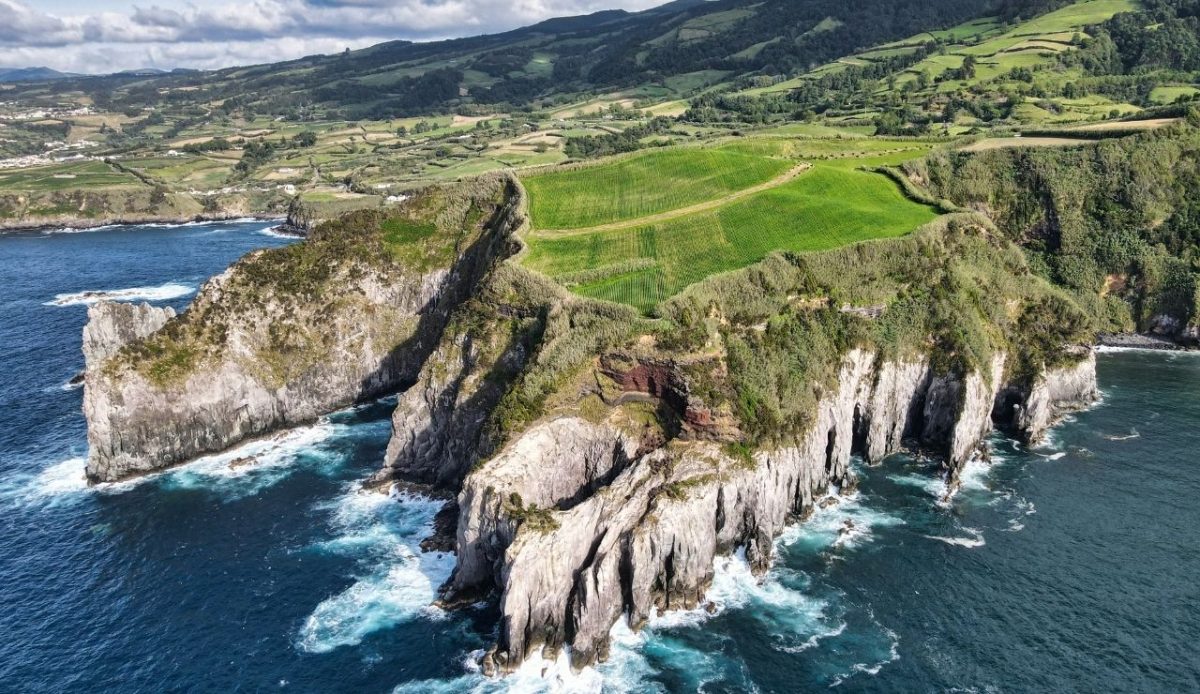
São Miguel’s north coast combines lava cliffs, hot springs, and viewpoints such as Miradouro de Santa Iria. Villages such as Mosteiros and Ribeira Grande border black-sand beaches formed by old eruptions. Managers cap daily entries to the marine pools at the Islet of Vila Franca do Campo to protect habitat. Weather shifts quickly in the mid-Atlantic, so repeat visits often yield new light and cloud shapes. Local guides link coastal stops with geothermal sites and tea plantations for varied day itineraries.
10. Dubrovnik and the Adriatic Cliffs, Croatia
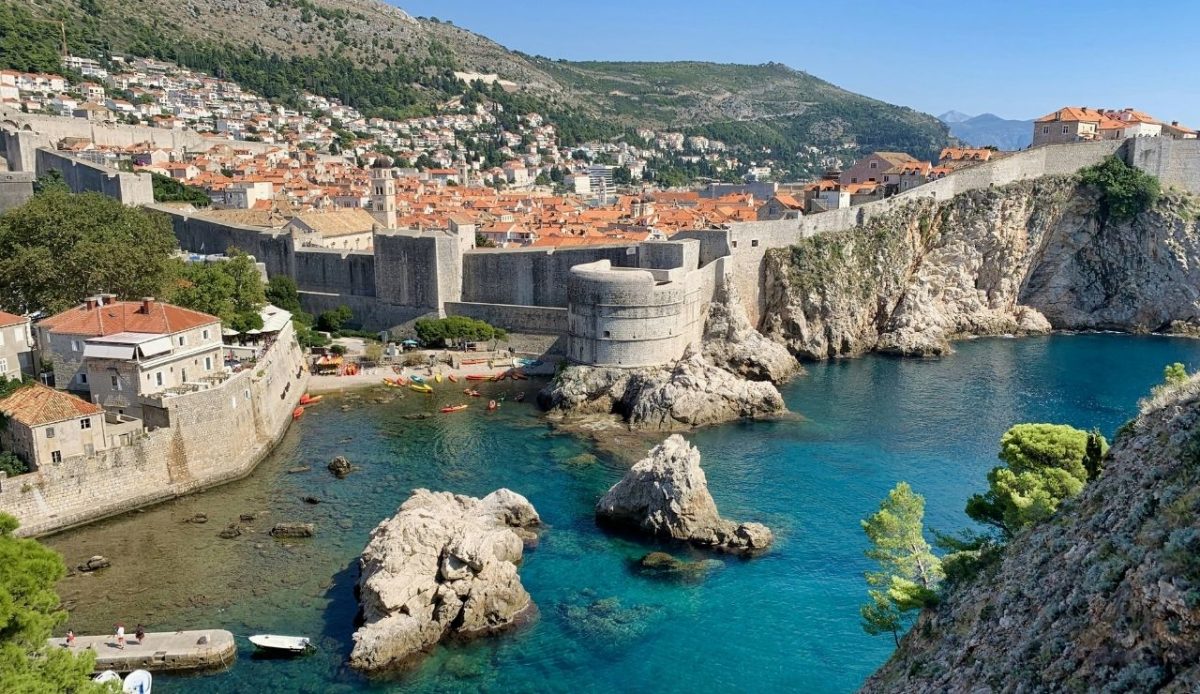
Dubrovnik’s stone walls stand above the Adriatic and frame one of Europe’s clearest coastal skylines. UNESCO inscribed the old town as a World Heritage Site, and the wall walk gives constant sea views. A cable car climbs Mount Srđ for sunset shots across the islands. Kayak tours trace the cliffs below and enter sea caves in calm conditions. Summer cruise traffic fills the lanes by mid-morning, so early entry or off-season trips keep the pace relaxed while preserving access to every lookout.
11. Hvar and the Pakleni Islands, Croatia
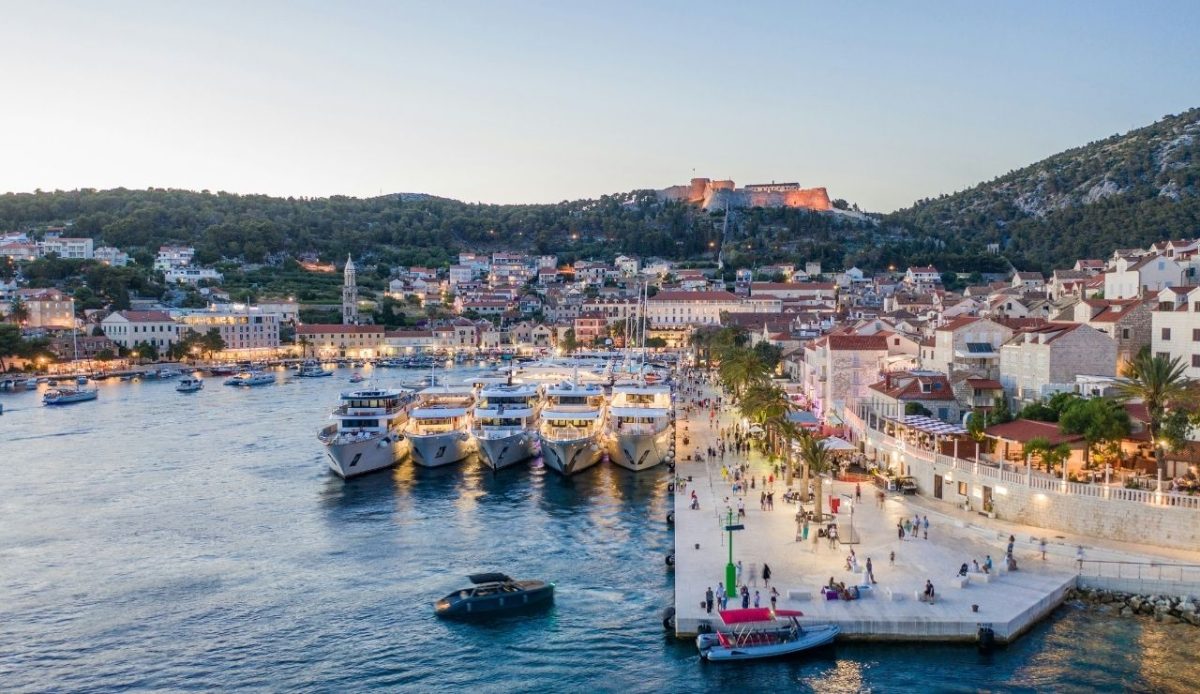
Hvar pairs warm weather with easy island-hopping to the nearby Pakleni chain. Hvar Town launches water taxis to coves backed by pines and low rock. Palmizana Bay provides calm water and small marinas that serve day boats. Spring and early autumn bring long, bright days without the party rush of midsummer. Short trails cross headlands for quick views over multiple inlets. Charter skippers post daily wind notes, which help visitors choose leeward beaches for swimming.
12. Bay of Kotor, Montenegro
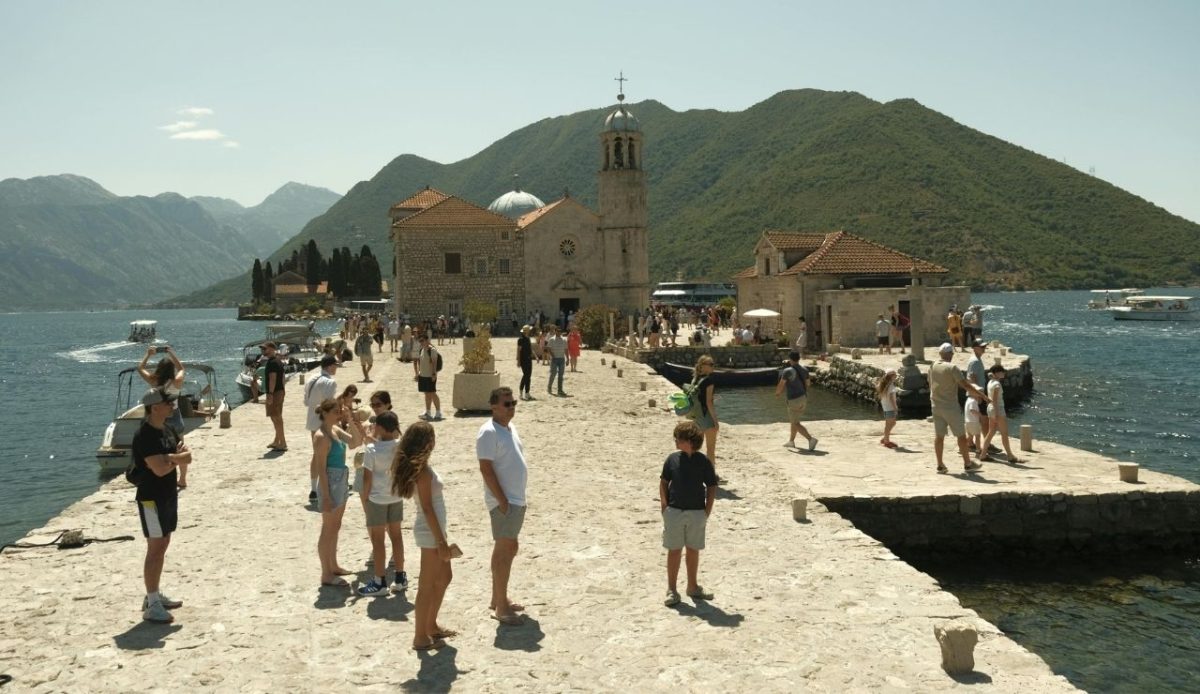
Travelers who want mountains meeting the sea find the Bay of Kotor memorable. Many guides call the bay Europe’s southernmost fjord, yet a drowned river valley actually formed it. Limestone cliffs border the inlets, and narrow channels lead to small towns with stone churches and quays. UNESCO lists Kotor’s old town for its preserved streets and fortifications. Boats link Perast and Herceg Novi, and calm water turns sunset light into mirror-like reflections from late spring into autumn.
13. Lofoten Islands, Norway
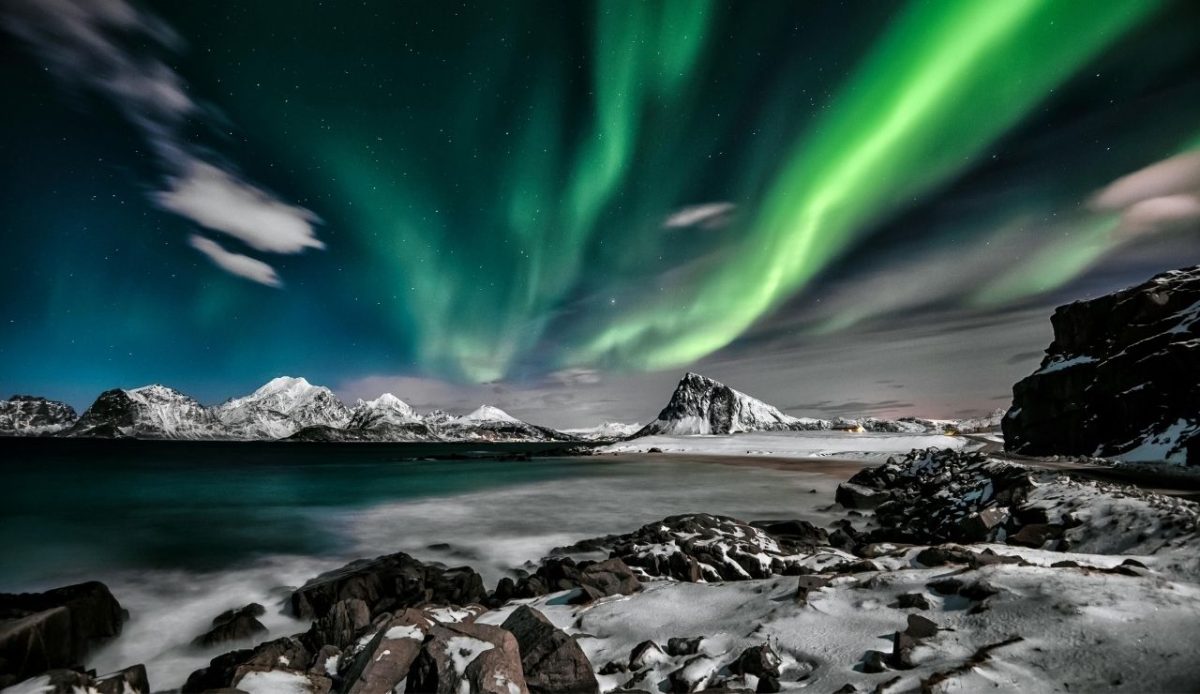
Those searching for Arctic beaches with mountain backdrops head to the Lofoten Islands. White sand and turquoise water meet sharp peaks, a contrast rare this far north. Villages such as Haukland and Ramberg give direct access to bays that glow under the midnight sun in summer. Winter brings the aurora to west-facing cabins. Ferries, tunnels, and bridges link the islands, and local forecasts help photographers time clear windows between passing weather fronts.
14. Bonifacio Sea Cliffs, Corsica, France
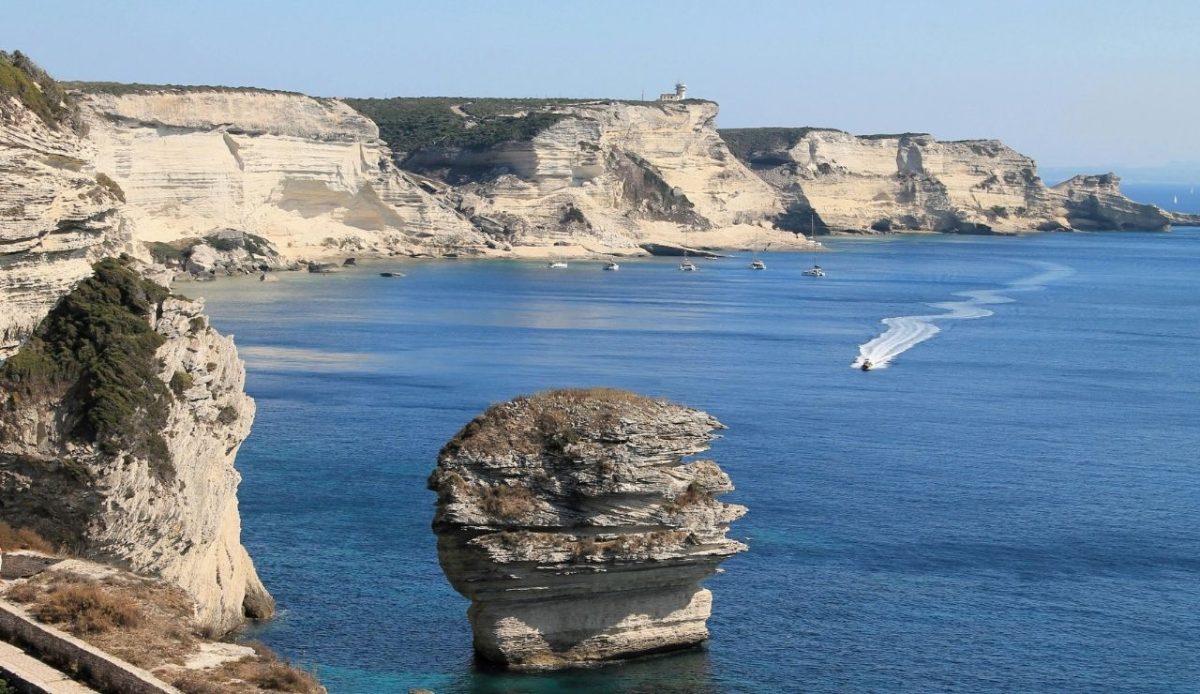
Visitors who want dramatic limestone scenery head to Bonifacio on Corsica’s southern tip. The town occupies a narrow promontory that faces Sardinia across the strait. The King of Aragon Steps descend to sea level and lead to ledges where waves and wind carved caves. Boat tours circle the headland and reveal cliff-edge houses that appear to hang above the water. A nearby marine reserve protects coral and seagrass beds, which keeps visibility high for divers and snorkelers.
15. Cap de Formentor, Mallorca, Spain
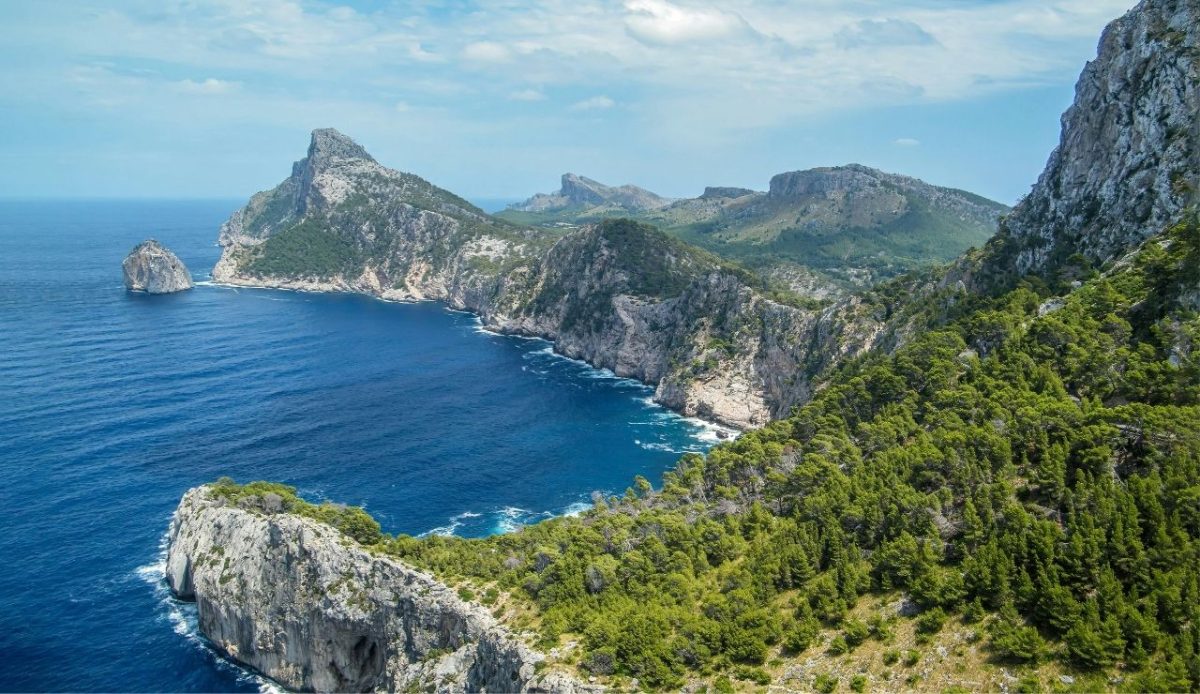
Cap de Formentor forms Mallorca’s northern point and rewards drivers with switchbacks, pines, and steep drop-offs. A lighthouse marks the end of the road and looks over the Balearic Sea. Mirador Es Colomer offers a safe pull-off for photos. Morning brings lighter traffic and softer light, while late afternoon adds strong contrast on rock and water. Park managers limit parking in peak months and run shuttle buses from nearby lots. Cyclists time climbs to avoid the midday rush.
