
America has monastic sites that are both historic and open to visitors, yet they still function as living communities. Tour access is usually limited to churches, visitor centers, libraries, and marked grounds, so daily prayer is not interrupted. This guide highlights fifteen places where public visiting hours or tour options are published by the communities, making planning straightforward. Expect quiet spaces, clear rules, and staff or volunteers who explain what can be seen and what areas remain private. Most locations welcome respectful photography in public areas, and many have shops that fund maintenance and charitable work.
1. Abbey of Gethsemani, Kentucky
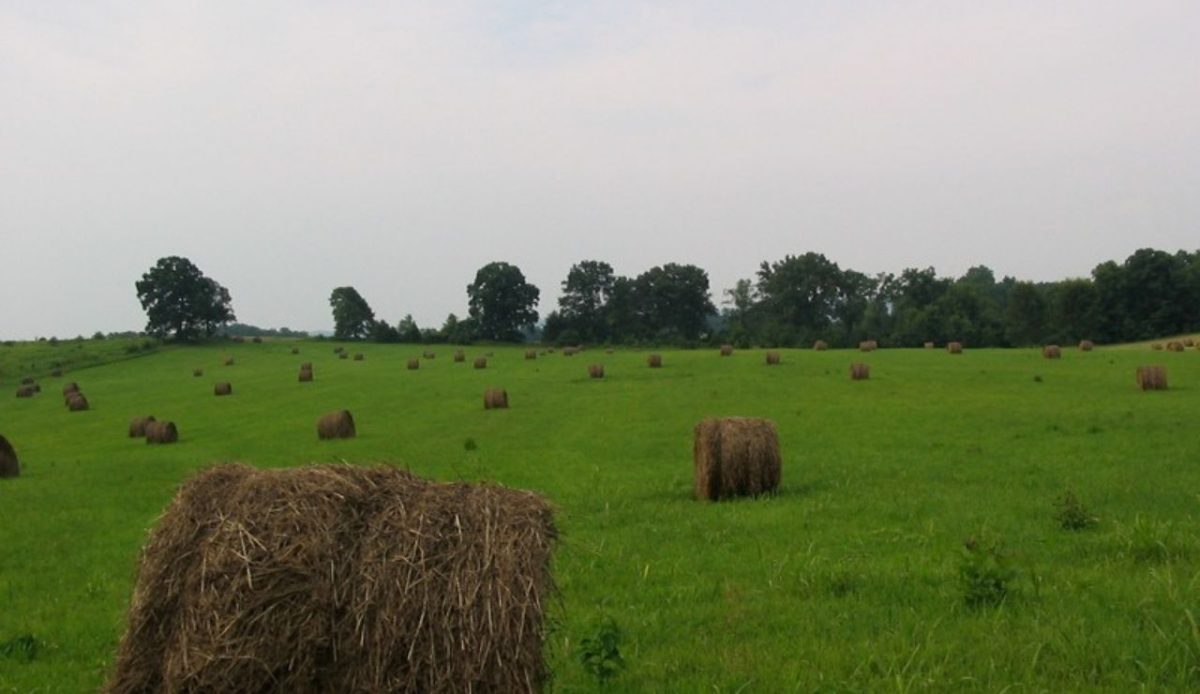
Founded in 1848, the Abbey of Gethsemani in Kentucky is the nation’s oldest Trappist monastery in continuous operation. Visitors are welcome to attend liturgy, walk designated paths, and visit the Thomas Merton Center for exhibits on his writings and the abbey’s history. A staffed welcome area explains Trappist practice, work routines, and visitor etiquette. Because public access is clearly defined, a day trip can be planned without guessing which spaces are off limits. The grounds are quiet even on busy weekends, and the on-site store supports the community through products made or selected by the monks.
2. Mepkin Abbey, South Carolina
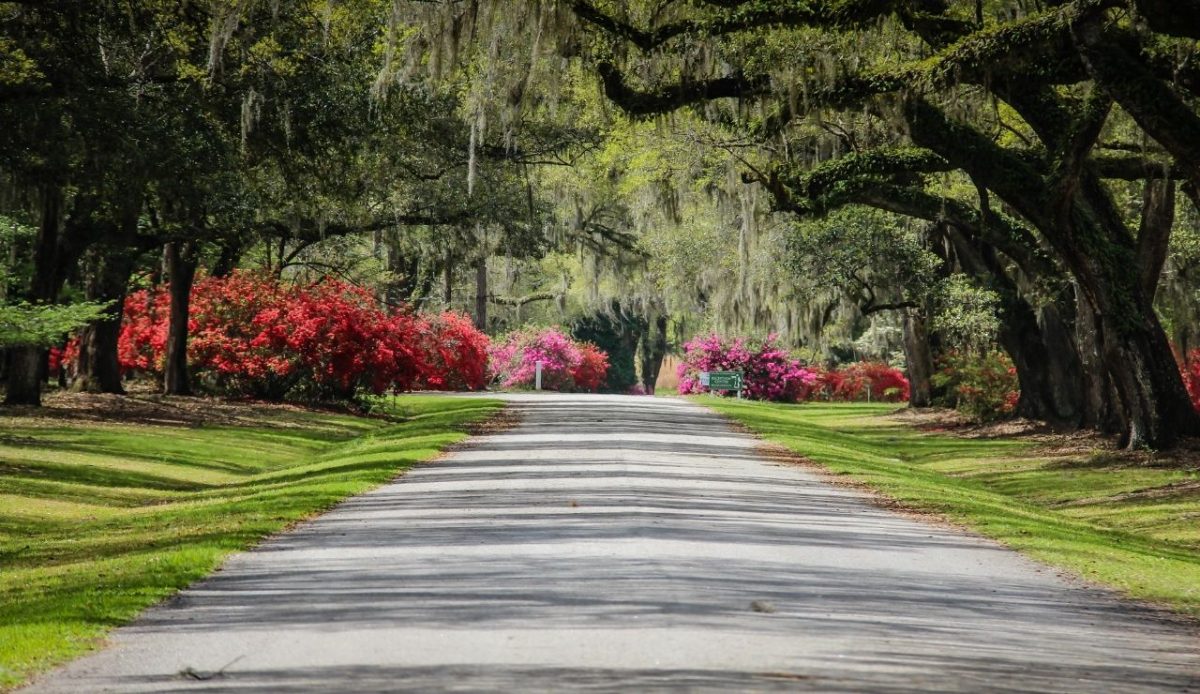
Mepkin Abbey in South Carolina stands on riverfront land once used as a plantation, and its story is explained in visitor materials on site. Public entry is scheduled, and guided church tours are offered at posted times, which keeps visits organized. Guests may walk through formal gardens and view displays that outline the community’s move toward contemplative life and service. Rules about silence and restricted areas are posted so the monks’ routine can continue without disruption. A short orientation at arrival is often provided, and the layout makes it easy for first-time visitors to follow a respectful route.
3. Monastery of the Holy Spirit, Georgia
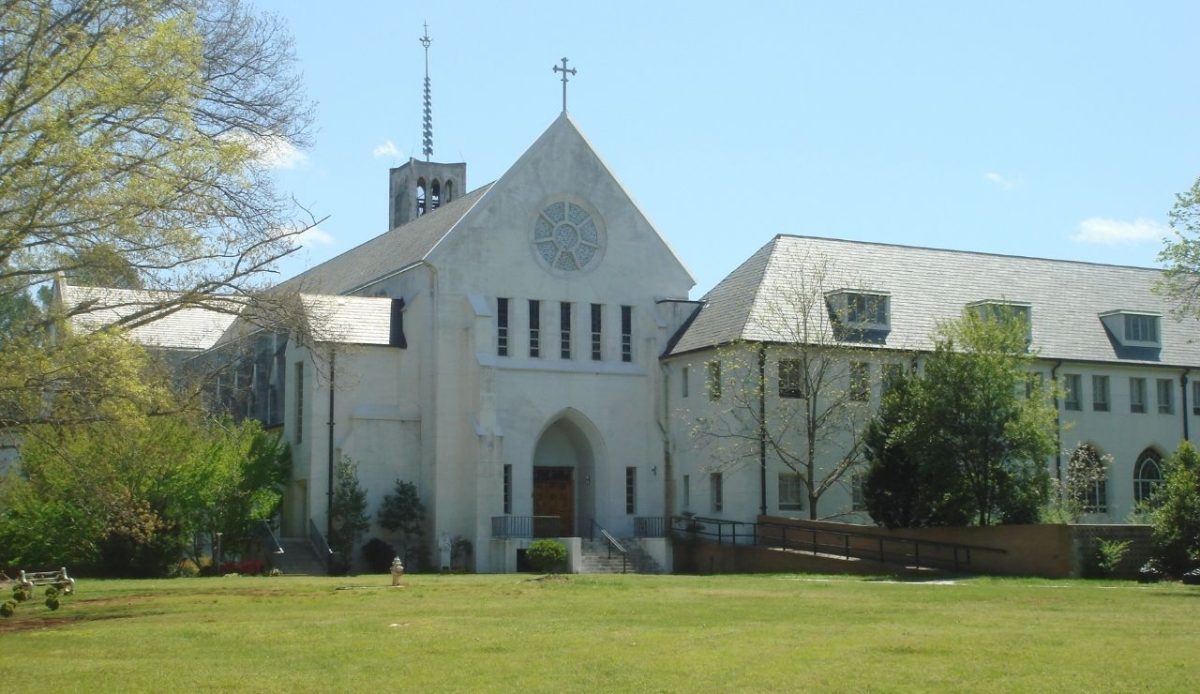
The Monastery of the Holy Spirit near Conyers, Georgia, welcomes visitors through a structured entrance that funnels guests toward public spaces. A heritage center presents exhibits on Trappist vows, daily labor, and the community’s roots in American monastic history. Guided tours are offered on certain days, while trails and the church remain accessible for quiet self-directed visits. Public areas are separated from living quarters, so curiosity can be satisfied without intruding on private silence. Service times are posted for travelers who want to observe chant and prayer, and a small shop helps fund upkeep of the grounds.
4. Conception Abbey, Missouri
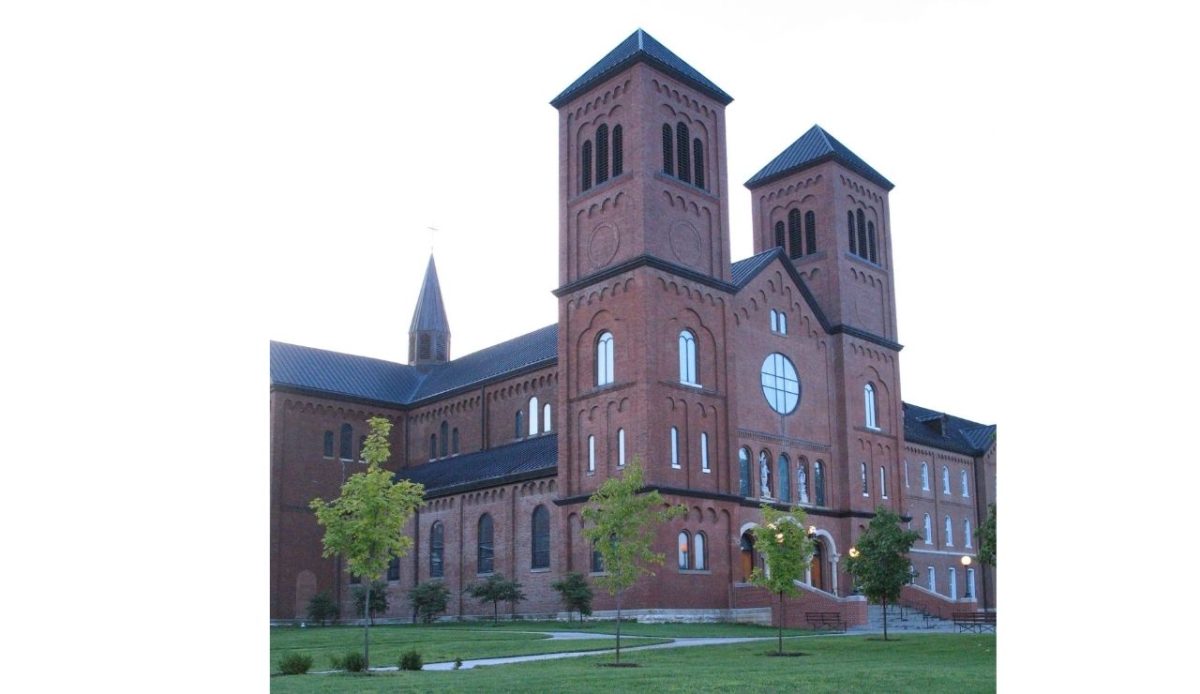
Conception Abbey in northwest Missouri is a Benedictine community known for its large basilica and long ties to education. Visitors are directed to a welcome center where self-guided tour information is provided, and public routes are explained. Inside the church, architecture and artwork can be viewed quietly, and services may be attended without special arrangements. Displays also describe how the abbey supported missionary work and trained clergy, placing the site in a wider American context. The surrounding campus-style grounds allow a slow walk between buildings, and the shop offers books and locally produced items for visitors.
5. Saint Meinrad Archabbey, Indiana
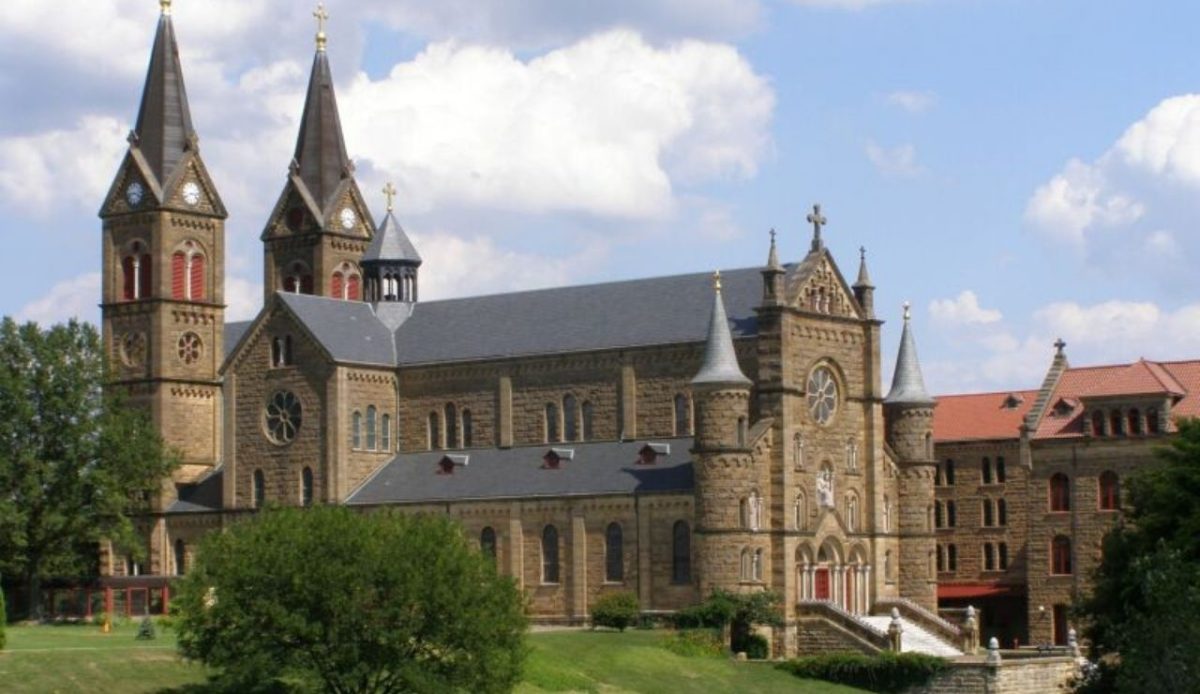
Saint Meinrad Archabbey in southern Indiana has welcomed guests since the 1800s and still publishes guidance for public visits. Self-guided walking tours lead travelers through the church and designated buildings while private spaces remain closed. Printed guides and audio resources explain Benedictine prayer, study, and labor, plus the archabbey’s role in training priests. Because a seminary operates on site, visitors should follow posted quiet zones so classes and worship are not disturbed. Many guests also visit the cemetery and look for architectural details that show different building phases across more than a century.
6. Saint Vincent Archabbey, Pennsylvania
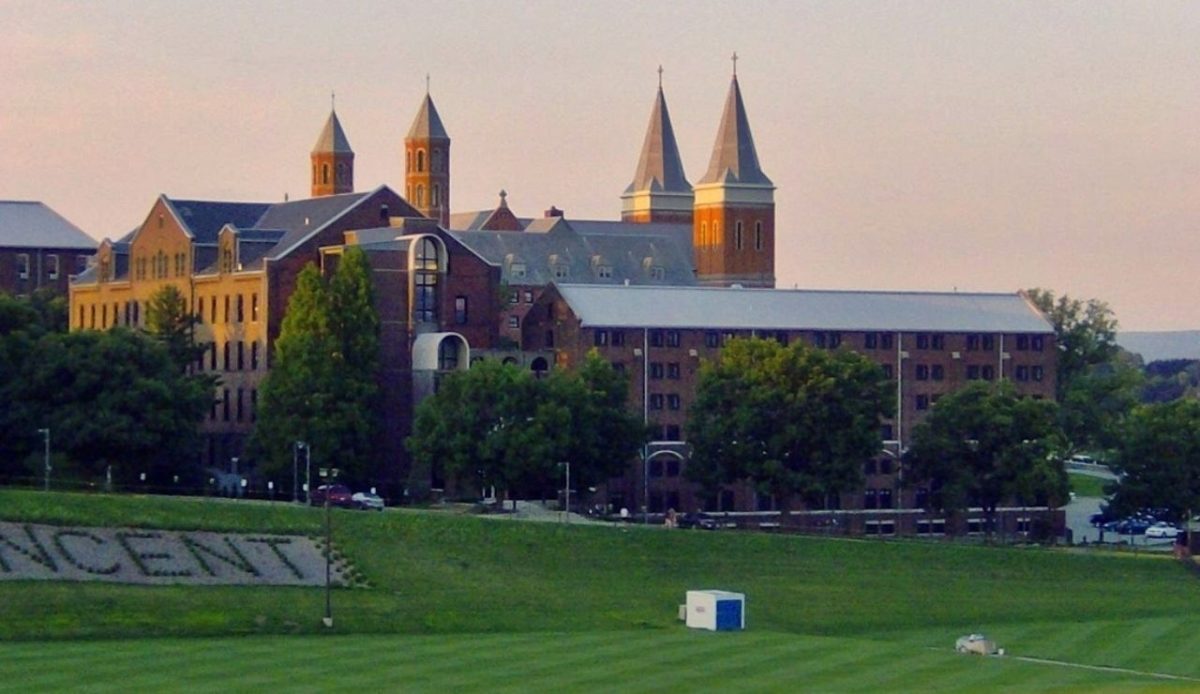
Saint Vincent Archabbey in Latrobe, Pennsylvania, founded in 1846, is recognized as the first Benedictine monastery established in the United States. Touring is typically organized through the Archabbey Basilica, where visit requests and schedules are handled. Visitors can study the church interior, learn about immigrant-era Catholic life, and see how the monks supported schooling and parish work. Access is managed so the campus remains active while travelers gain a clear, historically grounded view of monastic presence in the region. A visitor stop works well year-round because indoor areas provide most of the interpretive value.
7. Saint John’s Abbey, Minnesota
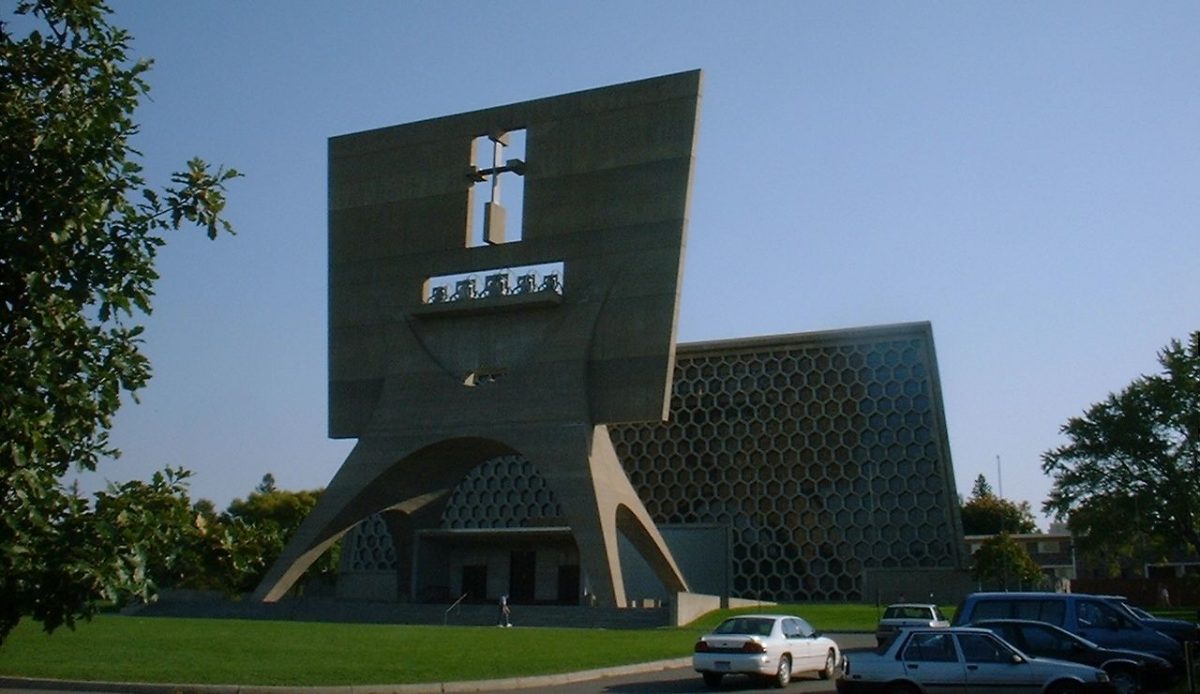
Saint John’s Abbey in Collegeville, Minnesota, pairs a Benedictine community with a major university, making tours easy to coordinate. Visitors are drawn to the abbey church, a noted modern design where guides explain liturgical layout, art, and building history. Self-guided options are also supported by signage and visitor materials, and services are open to the public. Walking routes connect the church to campus spaces, giving context on how monastic values influenced education and community life. Nearby facilities such as the bookstore and visitor services help travelers find maps, hours, and expectations before entering sacred spaces.
8. Christ in the Desert Abbey, New Mexico
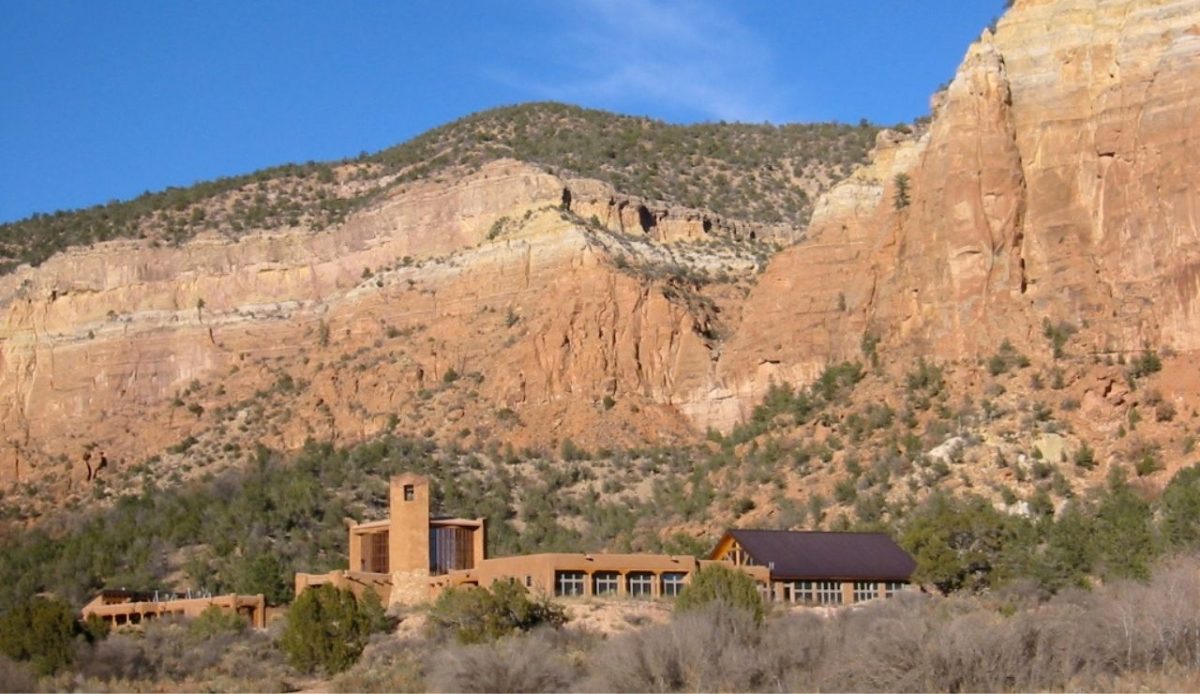
The Benedictine Abbey of Christ in the Desert, near Abiquiú, New Mexico, is known for its remote placement and clearly stated day visitor hours. Guests may attend services, enter the church during open times, and visit the gift shop that supports the community’s work. Written guidelines explain respectful behavior, including when conversation is appropriate and where photography is allowed. Because roads and weather can affect access, visitors should check posted updates and plan arrival during the announced window. The visit is kept simple by a single public route, and limited services nearby mean supplies should be arranged before leaving town.
9. Mount Angel Abbey, Oregon
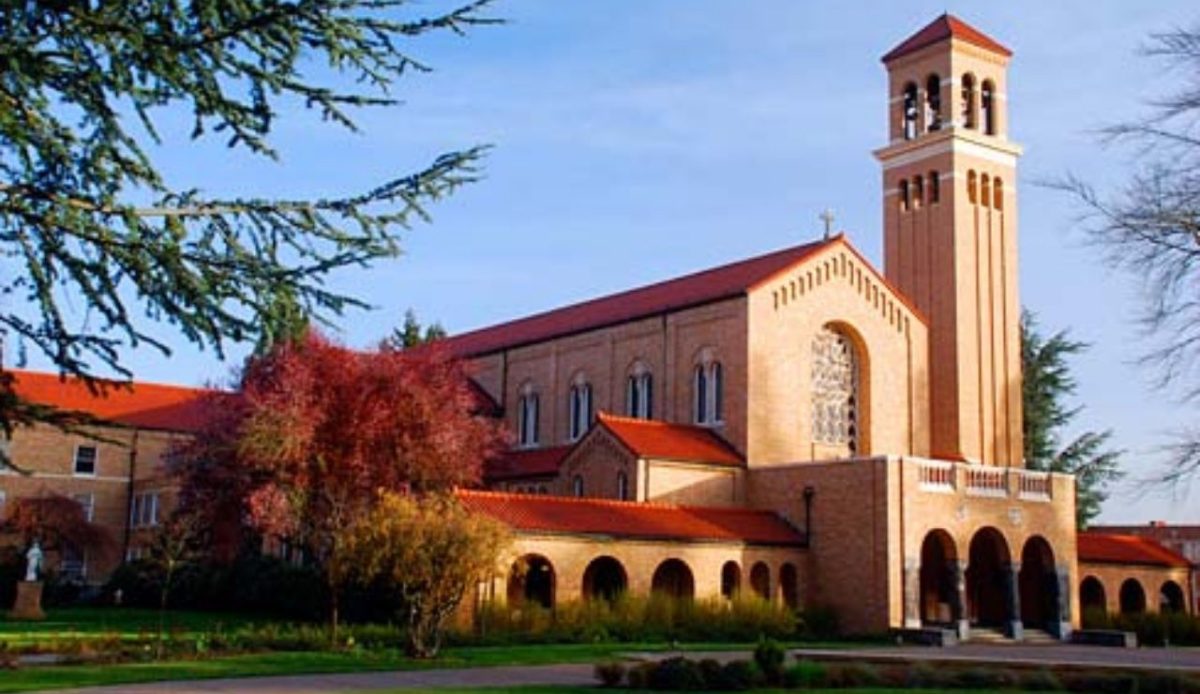
Mount Angel Abbey in Oregon welcomes the public to its church and to one of the best-known monastic libraries in the country. Visitors can follow posted guidance for quiet conduct, then visit public areas that interpret Benedictine prayer and study. The library’s access policies are published, so travelers can plan around hours and special closures. A self-guided walk across the grounds adds context about the abbey’s founding and the ways the community served surrounding towns. Visitor services provide brochures that explain what is visible inside the church, and a small store offers books and items that support maintenance.
10. Our Lady of Guadalupe Trappist Abbey, Oregon
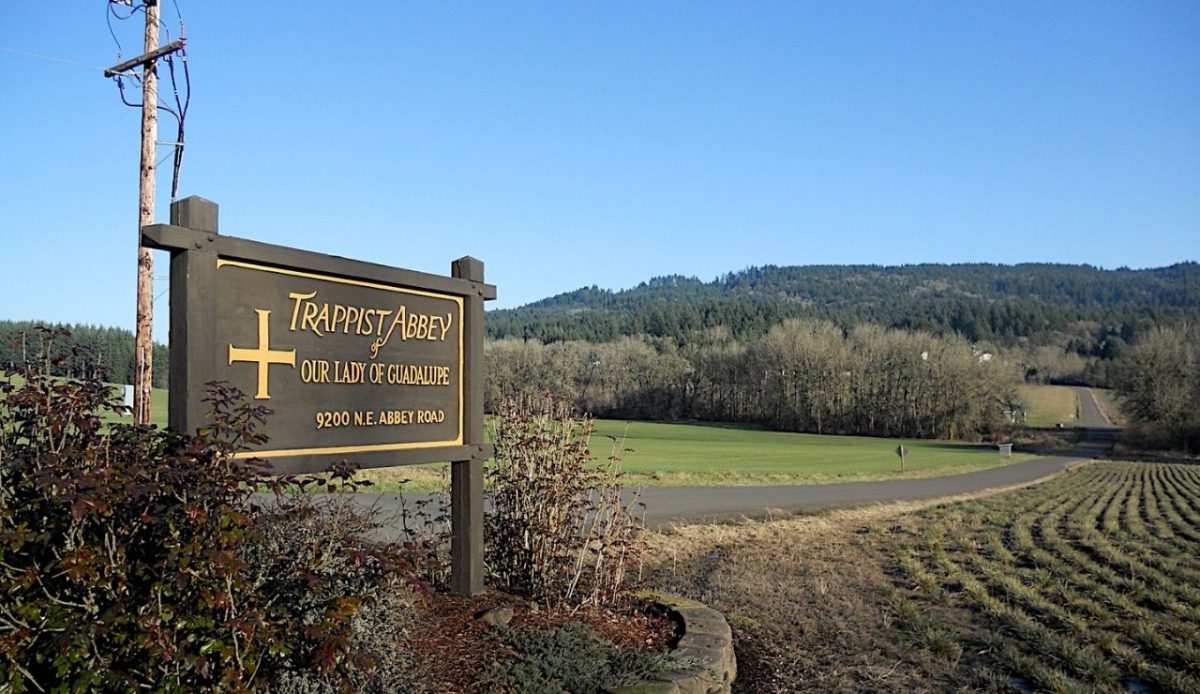
Our Lady of Guadalupe Trappist Abbey near Carlton, Oregon, permits public access mainly through designated forest trails and the church during open periods. Trail rules are posted at entry points, and visitors are asked to keep their voices low so the contemplative schedule is protected. Interpretive notes explain Trappist practice, stewardship of land, and the role of manual labor in daily life. This is a good choice for travelers who want an educational visit that stays outdoors for much of the time. A map at the trailhead shows routes and distance, and the public areas were planned so guests do not wander into restricted buildings.
11. Abbey of Our Lady of New Clairvaux, California
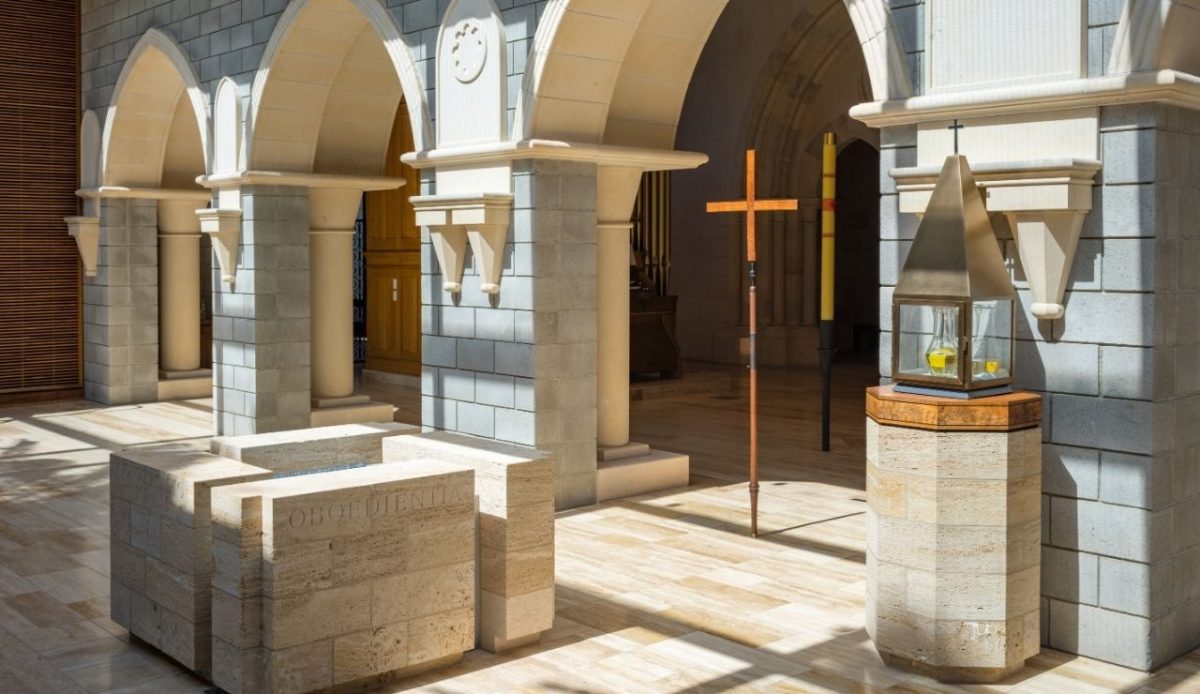
The Abbey of Our Lady of New Clairvaux in Vina, California, is a Trappist community that publishes afternoon hours for church visits. Visitors can tour the church and learn about the medieval stonework brought from Spain and rebuilt on site, a rare feature in American monastic buildings. Information panels describe how the community funds itself through agricultural work and hospitality. Guided tours may be available by arrangement, which helps groups understand both the architecture and the monastic schedule. Guests are asked to avoid loud conversation near the cloistered areas, and staff can point out which doors and corridors are private.
12. Prince of Peace Abbey, California
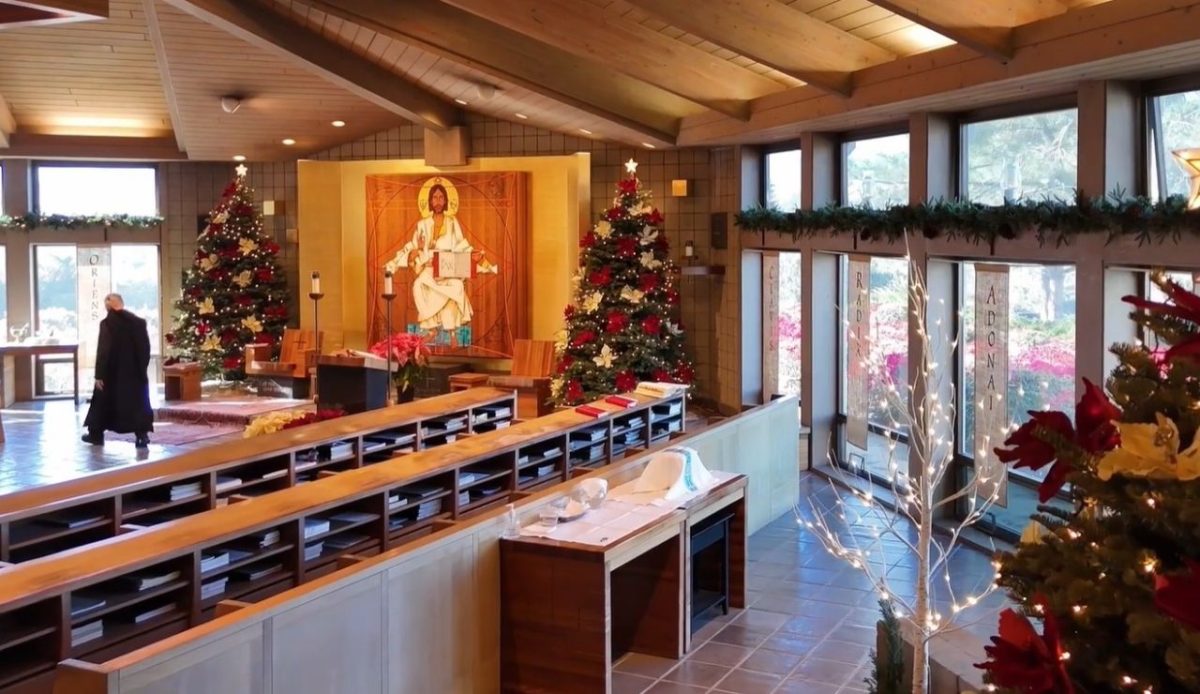
Prince of Peace Abbey in Oceanside, California, is a Benedictine monastery that welcomes visitors through retreat programming and public liturgies. Day visitors can attend services, visit public rooms, and consult posted schedules that explain when access is permitted. Materials on site describe Benedictine hospitality and the structure of prayer across the day, giving context for what visitors observe. Because the community serves retreatants, travelers should reserve ahead when programs are full and quiet areas are being used. A small shop offers books and devotional items, and purchases are used to support upkeep and outreach.
13. St. Benedict’s Abbey, Kansas
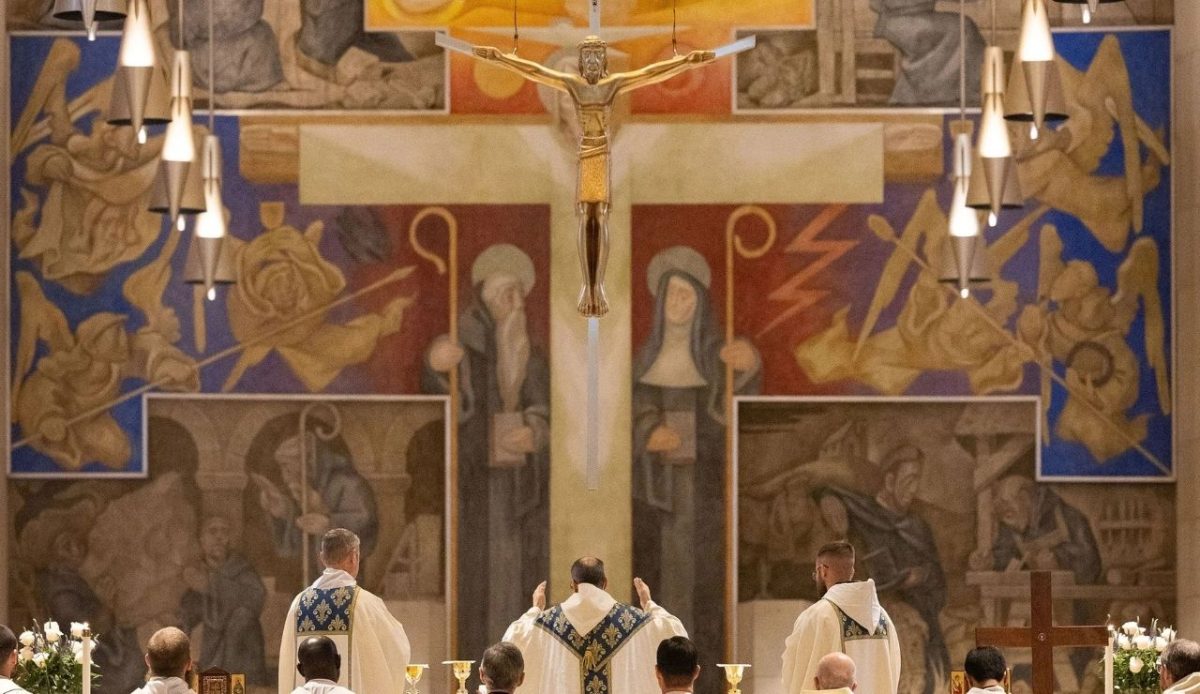
St. Benedict’s Abbey in Atchison, Kansas, is a Benedictine community with public visit guidance and tour options by request. Visitors can enter the church, walk approved routes on the grounds, and learn how the monks supported education and publishing in the region. Tour scheduling keeps visits orderly and helps protect prayer times. For travelers building an itinerary, the abbey’s posted instructions make it clear where to park, when to arrive, and what conduct is expected. Interpretive information is offered through brochures and conversations with staff, so visitors leave with facts rather than vague impressions.
14. Saint Joseph Abbey, Louisiana
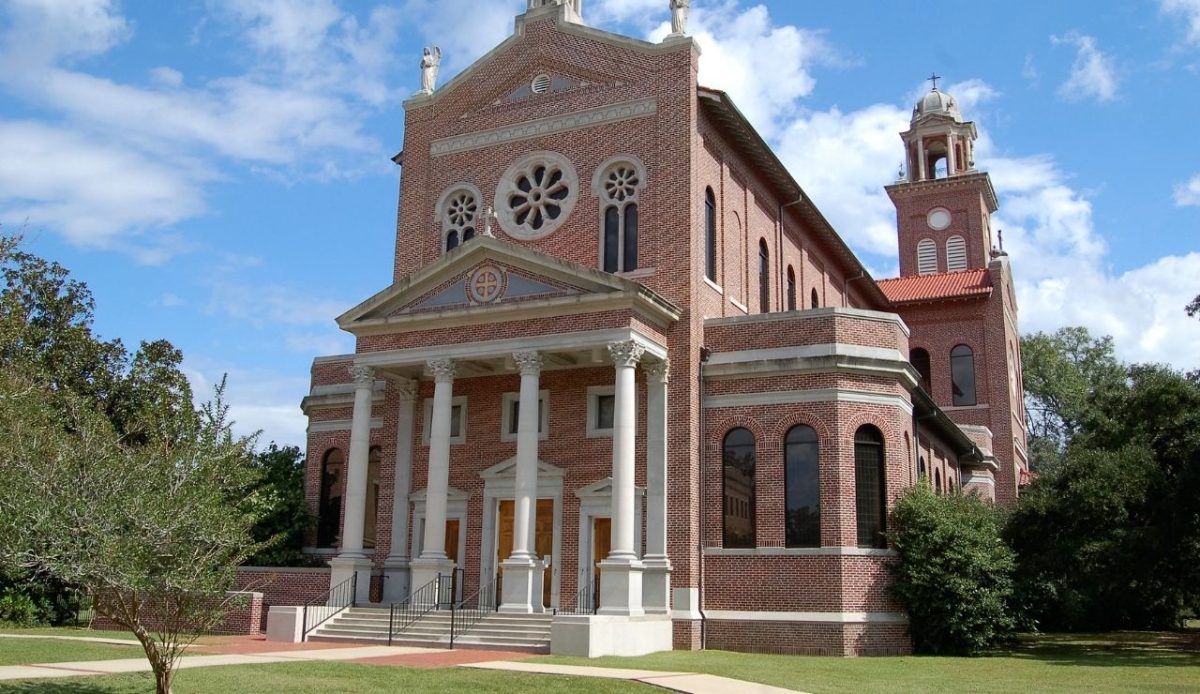
Saint Joseph Abbey in St. Benedict, Louisiana, founded in the nineteenth century, offers guided group tours that highlight key public spaces. Guests can learn about the church and refectory, see exhibits on local history, and hear how Benedictine life developed in the Gulf South. Tours are scheduled so the daily offices remain uninterrupted, and booking is often required for larger parties. This structure helps visitors gain a clear view of monastic practice without treating the community as a museum. A visitor area and shop support the tour program, and signage indicates which doors lead to private cloister spaces.
15. Holy Cross Abbey, Virginia
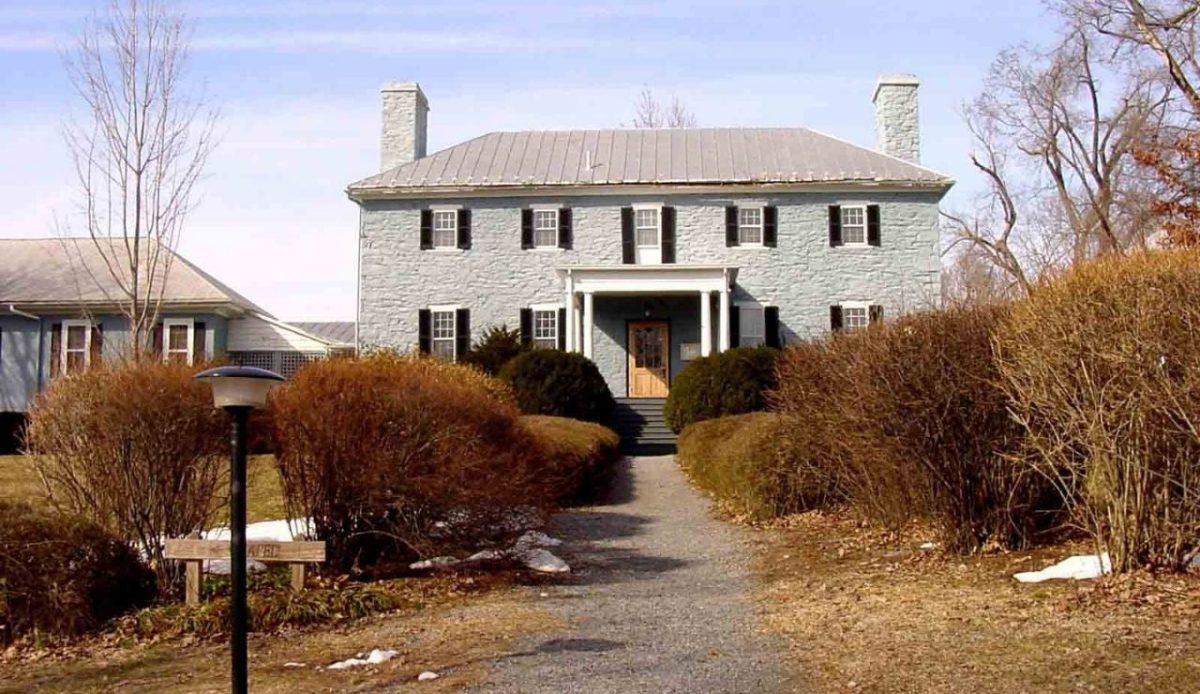
Holy Cross Abbey near Berryville, Virginia, is a Trappist monastery that permits visitors mainly for public worship and limited approved areas. Schedules and guidelines explain when the church is open and how guests should behave in a setting where silence is part of the rule. Unlike sites built around large tour programs, access here is intentionally narrow, which keeps the community’s rhythm intact. Visitors who follow the posted boundaries can still learn how Trappist life is practiced in the modern United States. A small store and information desk support short visits, and questions are answered without entering residential corridors.
