
Route 66 turns 100 in 2026, and its surviving motels remain one of the clearest ways to experience the road’s original travel culture. Instead of generic chain lodging, these properties still reflect the era of neon signs, motor courts, attached garages and family-run hospitality.
This list focuses on long-standing Route 66 stops that are still operating and welcoming guests in 2026. Some are meticulously restored, while others balance vintage character with modern updates.
Taken together, they show how the Mother Road’s lodging heritage survives from Missouri to Arizona. For travelers planning an anniversary-year road trip, these addresses are not just places to sleep, but part of the trip itself.
1. Wagon Wheel Motel, Cuba, Missouri
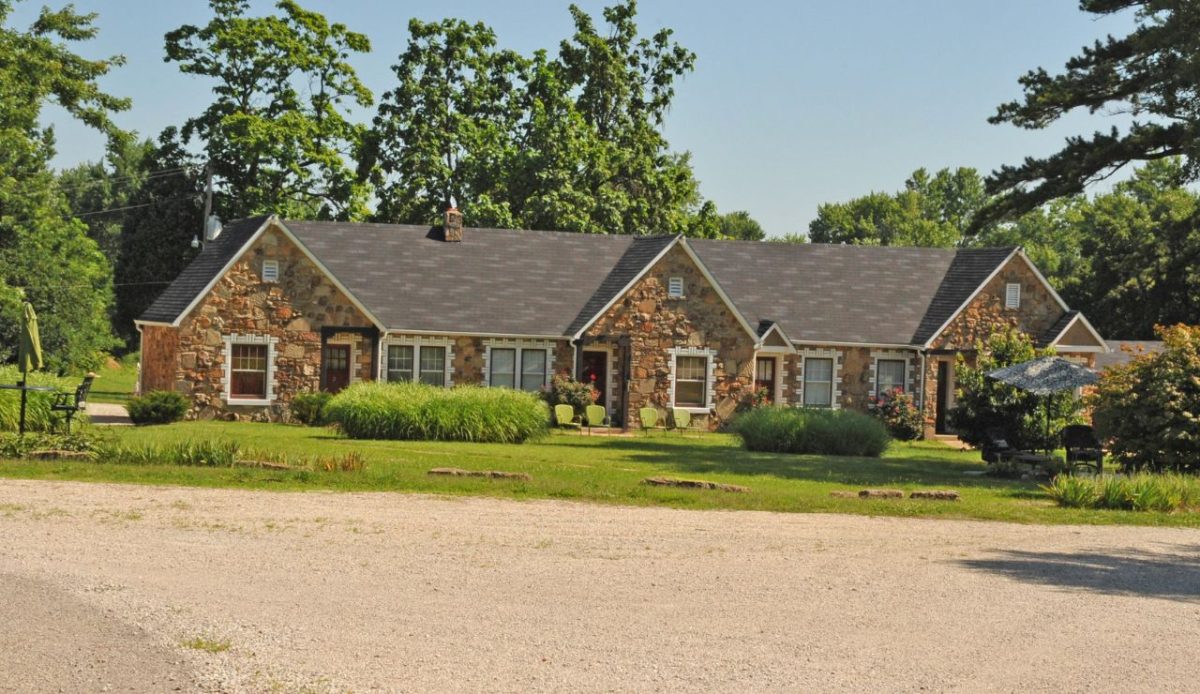
The Wagon Wheel Motel in Cuba is one of the most important overnight stops on Route 66 because it links directly to the road’s early motor-court era. Built in 1935, the stone cabins, café site and service-station roots make it more than a themed throwback.
The property has been carefully restored rather than flattened into something generic. Its original materials, low-rise layout and classic roadside feel still shape the guest experience today.
That balance is what makes Wagon Wheel stand out in 2026. Travelers get a place with real age, visible history and a still-active role on the Mother Road, not a replica trying too hard to cosplay the past.
2. Boots Court, Carthage, Missouri
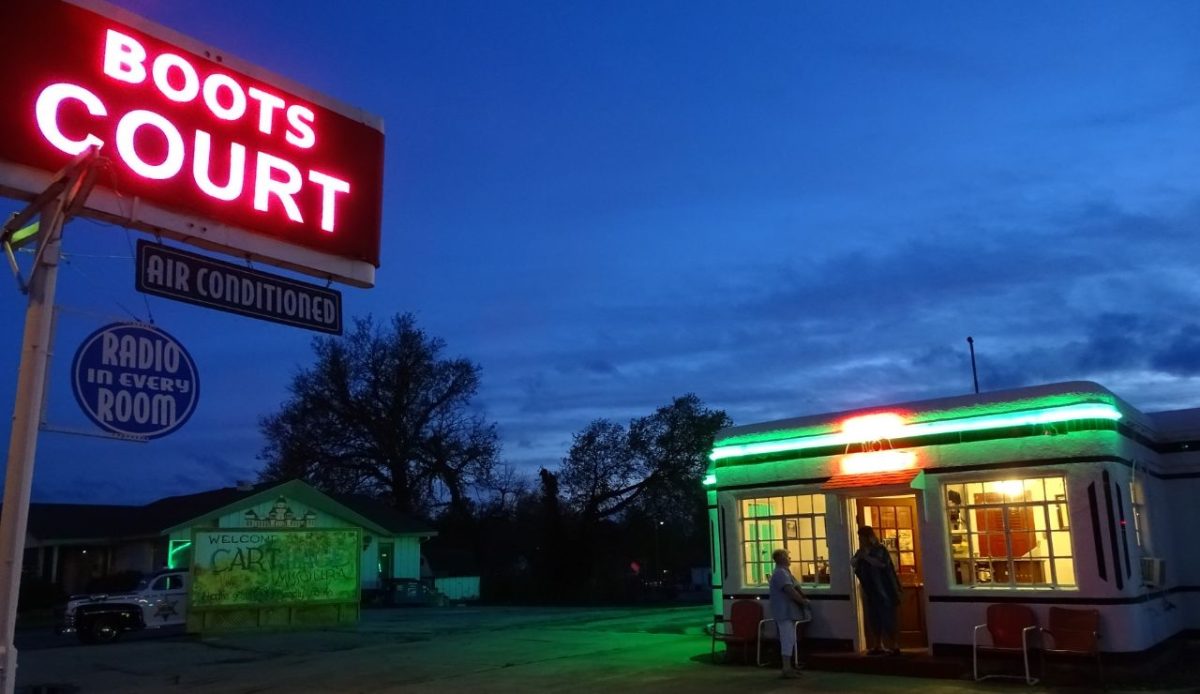
Boots Court is one of the best-known surviving motels on Route 66, and for good reason. Opened in 1939 in Carthage, it keeps the streamlined look of late-Depression roadside design while offering an unusually faithful restoration.
After years of decline, preservation work brought the property back instead of letting another Route 66 landmark disappear. The result is a motel that leans into period detail without forgetting that modern guests still need comfort and function.
In 2026, Boots Court feels historic in the right way. The neon, compact layout and revived rooms make it easy to picture how cross-country travelers once moved through Missouri one night, one motor court and one glowing sign at a time.
3. Best Western Route 66 Rail Haven, Springfield, Missouri
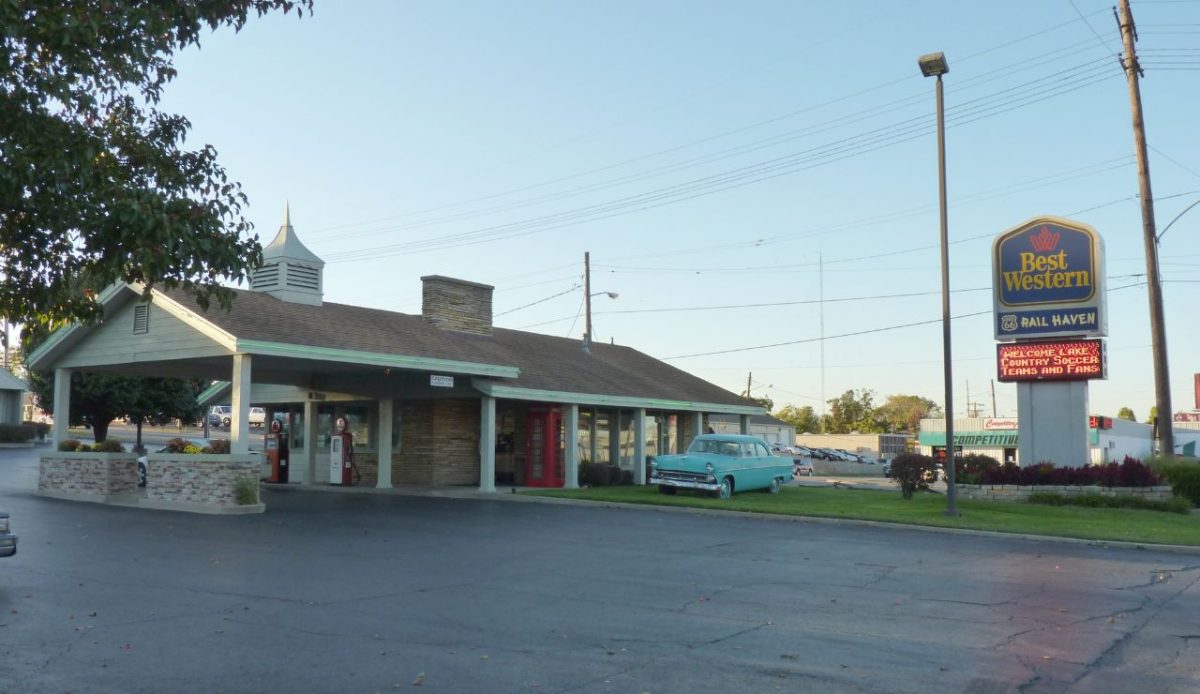
Rail Haven shows how a historic Route 66 property can stay active without freezing itself in amber. The original sandstone cottages date to 1938, and the site still carries the personality of an earlier roadside era even though it now operates under the Best Western flag.
That combination matters because not every traveler wants a fully stripped-back vintage stay. Rail Haven preserves visual links to the past while offering the predictability and amenities many road trippers still want after a long day behind the wheel.
For a 2026 Route 66 itinerary, it works as a practical middle ground. You still sleep at a genuine historic stop in Springfield, but the experience is more updated than at many smaller mom-and-pop properties.
4. Rockwood Motor Court, Springfield, Missouri
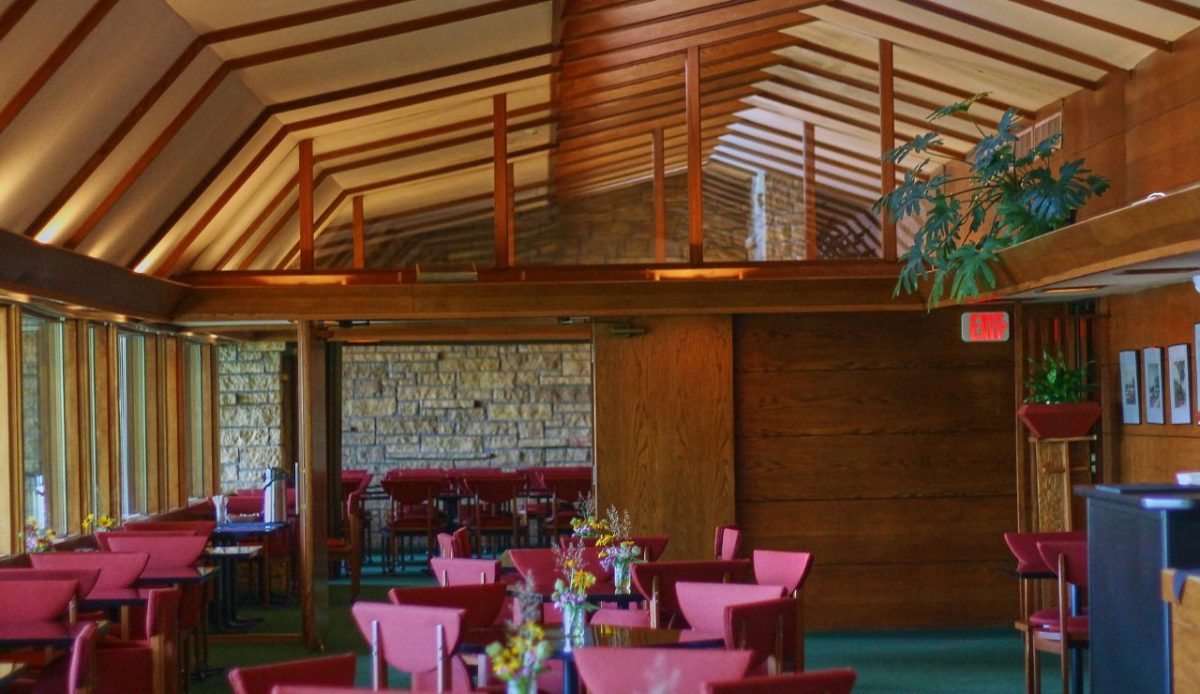
Rockwood Motor Court reaches even further back than most Route 66 lodging still in business. Built in 1929 as a tourist camp, it preserves six original cabins along with other early property elements that help explain what prewar auto travel actually looked like.
Its appeal is not polish alone. Rockwood remains interesting because restoration has respected the site’s age, scale and roadside logic instead of turning it into a generic boutique stay that only borrows vintage styling.
For travelers in 2026, Rockwood offers something increasingly rare on American highways: a chance to stay in a place where the architecture still reflects the first generations of long-distance car tourism on Route 66.
5. Munger Moss Motel, Lebanon, Missouri
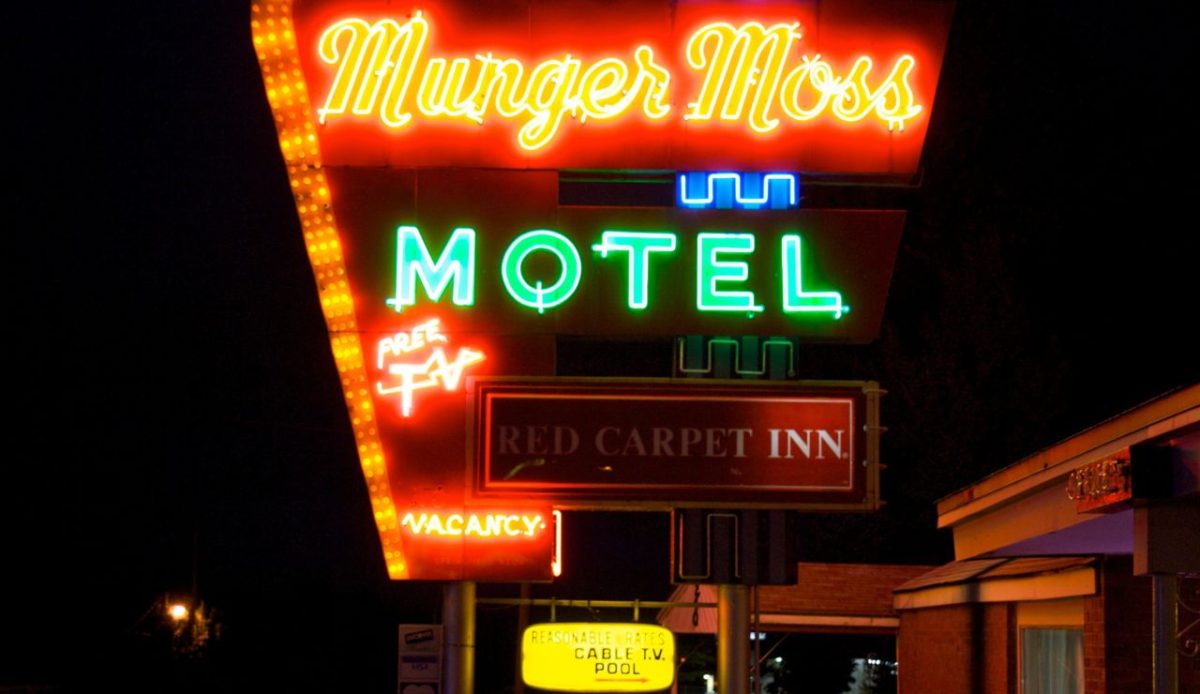
The Munger Moss Motel has long been one of Lebanon’s signature Route 66 stops, with a history that reaches back to a restaurant and filling-station business before the motel itself was added in 1946. That gives it deeper roadside roots than a simple neon-photo stop.
Its sign became famous, but the property’s staying power is really about continuity. For decades, travelers have used it as a dependable overnight base on the Missouri stretch of the Mother Road, and that reputation still shapes its identity.
In 2026, Munger Moss represents the classic mom-and-pop side of Route 66 lodging. It is familiar, unfussy and strongly tied to the era when independent roadside operators defined cross-country travel.
6. Lincoln Motel, Chandler, Oklahoma
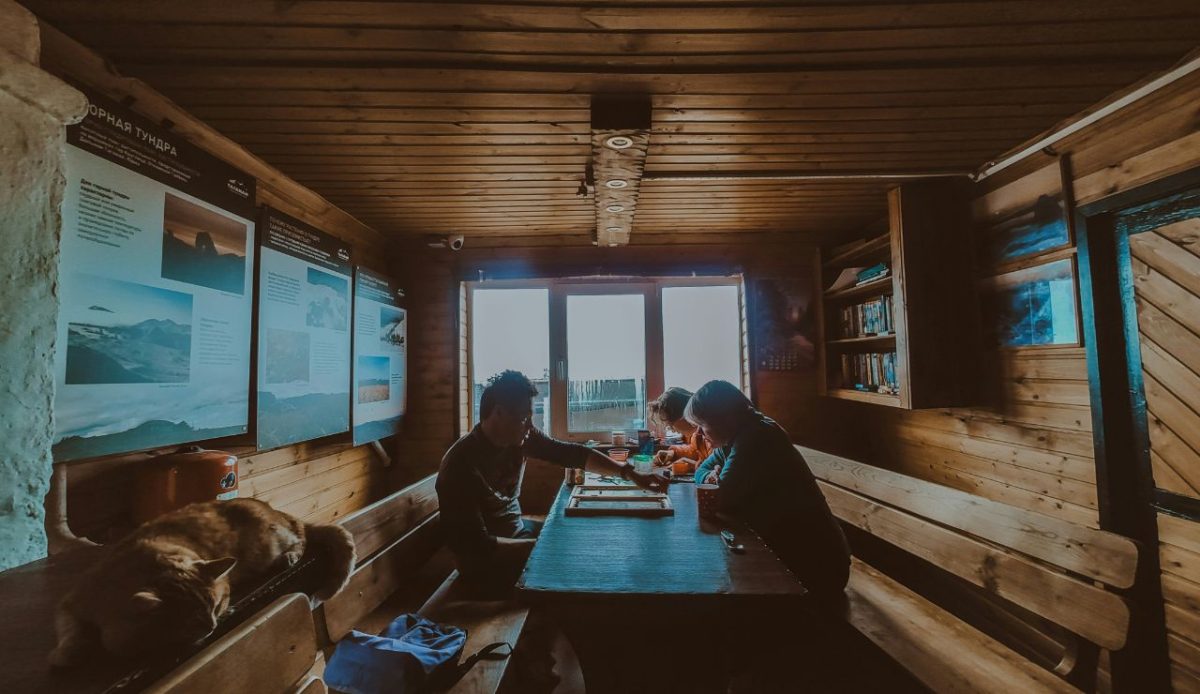
The Lincoln Motel in Chandler is a good example of a smaller Route 66 property that survives through scale, not spectacle. Built in 1939, it keeps the cottage-style motor-court form that once made roadside lodging feel more personal than the standard boxy motel format that came later.
That layout still matters because it gives the place a distinct identity tied to the highway’s early travel years. Travelers are not walking into a nostalgia set; they are checking into a roadside form that genuinely belongs to the period.
For a 2026 road trip, Lincoln Motel offers the kind of stop many visitors hope to find but rarely do. It is modest, historic and still grounded in the everyday architecture of Route 66’s working past.
7. Skyliner Motel, Stroud, Oklahoma
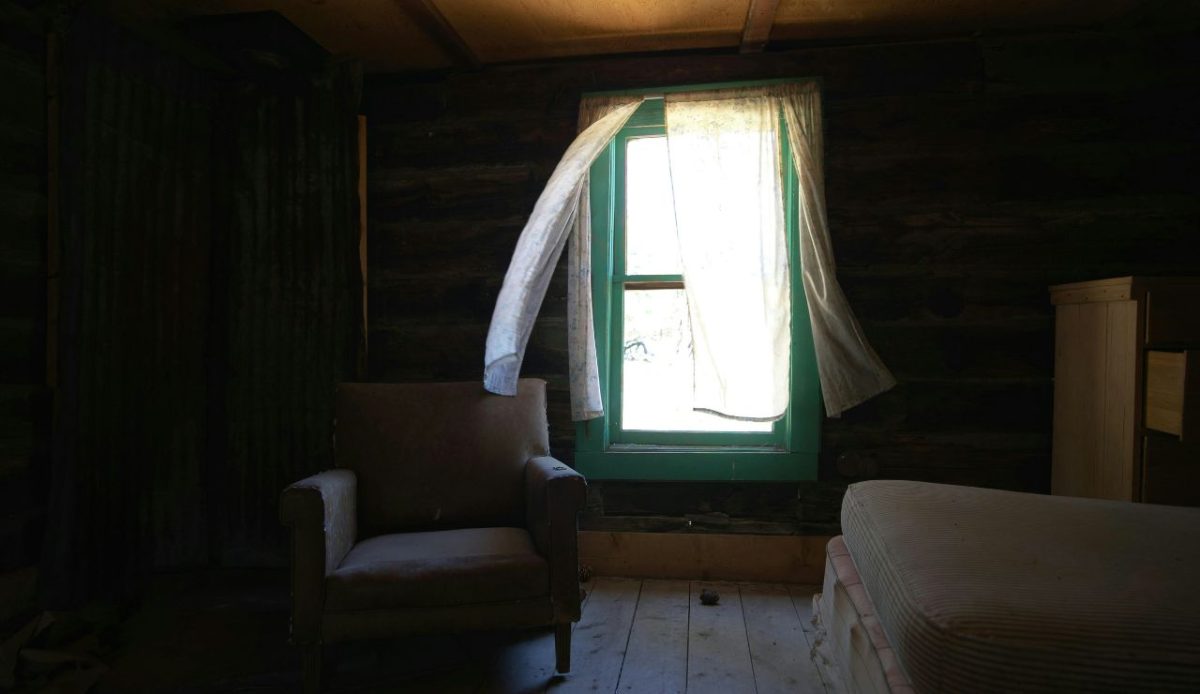
The Skyliner Motel in Stroud has become more visible again as Route 66’s centennial draws attention to surviving motor courts in Oklahoma. Its iconic neon sign and classic roadside profile make it one of those places that instantly signals old-highway travel, even before check-in.
What helps it earn a place on this list is continued operation combined with recent revival. Rather than being treated only as a photo stop, the property remains a functioning motel for travelers moving across the state.
That gives Skyliner real value in 2026. It reflects the renewed interest many communities now have in preserving Route 66 lodging not as static nostalgia, but as usable infrastructure that still belongs to the road’s living culture.
8. The Campbell Hotel, Tulsa, Oklahoma
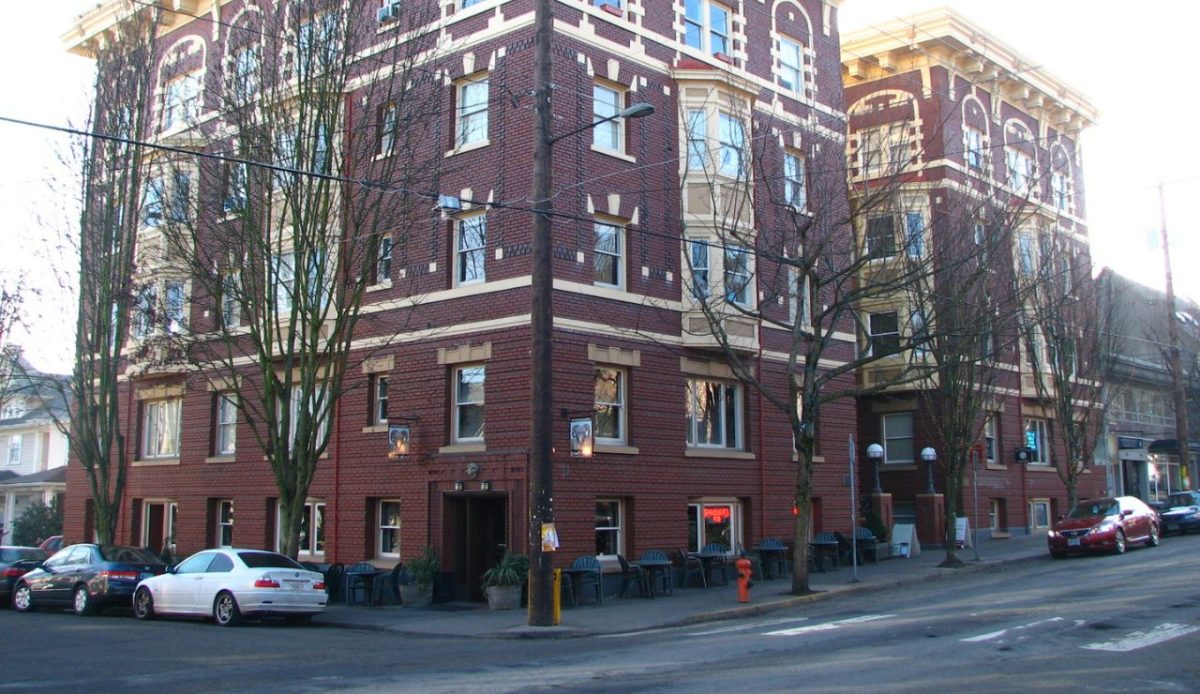
The Campbell Hotel is not a tiny motor court, but it is still one of Tulsa’s most notable historic overnight stops on Route 66. Originally built in 1927, it connects travelers to an earlier urban side of the Mother Road that existed alongside cabin courts and neon motels.
Its appeal comes from that city setting and from the way the building has remained in hospitality use. Rather than imitating roadside style, the Campbell reflects how Route 66 travel also passed through commercial districts and larger lodging properties.
For 2026 visitors, it adds range to a Route 66 itinerary. Staying here shows that the highway’s history was never only about isolated desert motels; it also included stylish stops with a different pace.
9. Blue Swallow Motel, Tucumcari, New Mexico
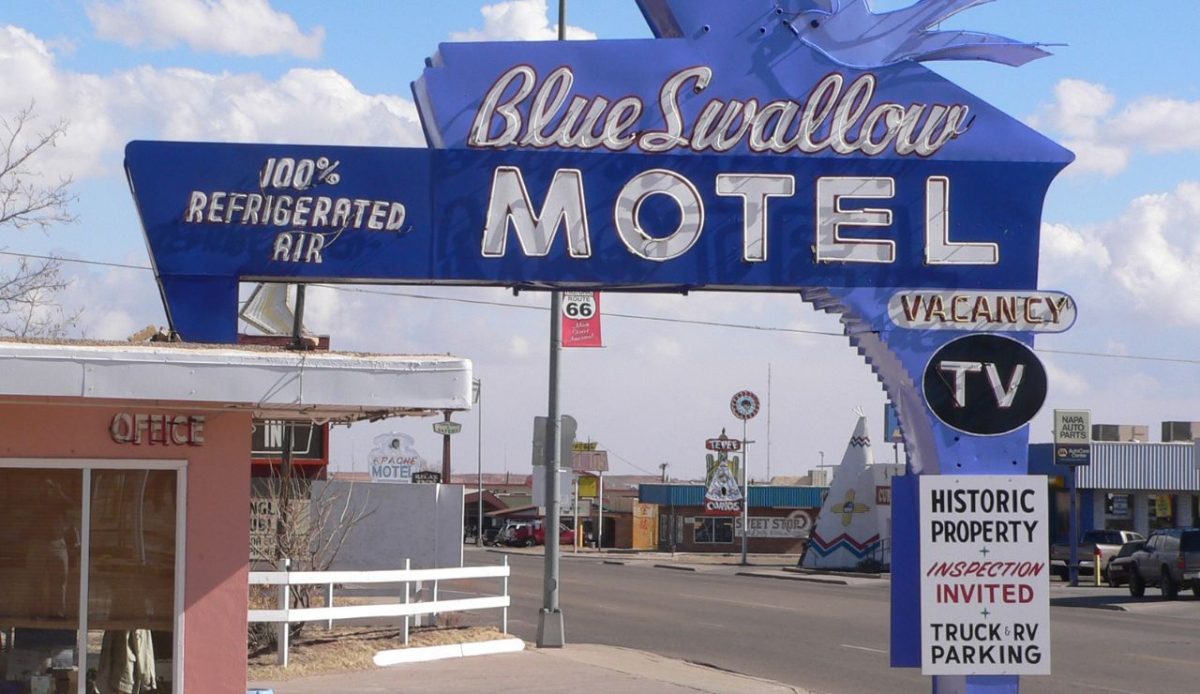
Blue Swallow may be the most instantly recognizable motel on all of Route 66. Open since 1939, it is famous for its neon, attached garages and carefully preserved mid-century atmosphere, but its reputation rests on more than looks.
The motel remains family run, which helps preserve the kind of personal hospitality many travelers associate with the Mother Road at its best. In Tucumcari, where Route 66 culture still shapes the city’s image, Blue Swallow works as both landmark and active lodging.
That is why it still matters in 2026. Guests are not only booking a photogenic sign; they are staying at one of the road’s most enduring and influential overnight stops, still doing the job it was built to do.
10. Roadrunner Lodge, Tucumcari, New Mexico
Roadrunner Lodge blends old Route 66 bones with a more intentionally updated guest experience. The older part of the property dates to 1947, when it operated as La Plaza Court, and later work rebuilt and reintroduced a classic roadside identity without erasing that history.
That makes it a useful example of how preservation can involve adaptation. The motel does not pretend nothing changed; instead, it shows how a surviving property can be refreshed while keeping its place on the historic corridor.
For travelers in 2026, Roadrunner Lodge offers a less museum-like version of Route 66 lodging. It stays rooted in the highway’s past while serving guests who want vintage character and present-day comfort.
11. Motel Safari, Tucumcari, New Mexico

Motel Safari opened in 1959, which places it in the later classic phase of Route 66 motel culture rather than the earliest cabin-court years. That timing matters because the property captures a more mid-century look, with geometric signage and design details that clearly belong to the postwar roadside boom.
Its continued operation keeps that design language alive in a functional way. Travelers are not just seeing a preserved facade; they can actually stay inside a place that still reflects the visual logic of late-1950s highway travel.
In 2026, Motel Safari adds variety to Tucumcari’s famous motel scene. It shows that Route 66 history did not stop in the 1930s or 1940s, but kept evolving as American car culture changed shape.
12. El Rancho Hotel, Gallup, New Mexico
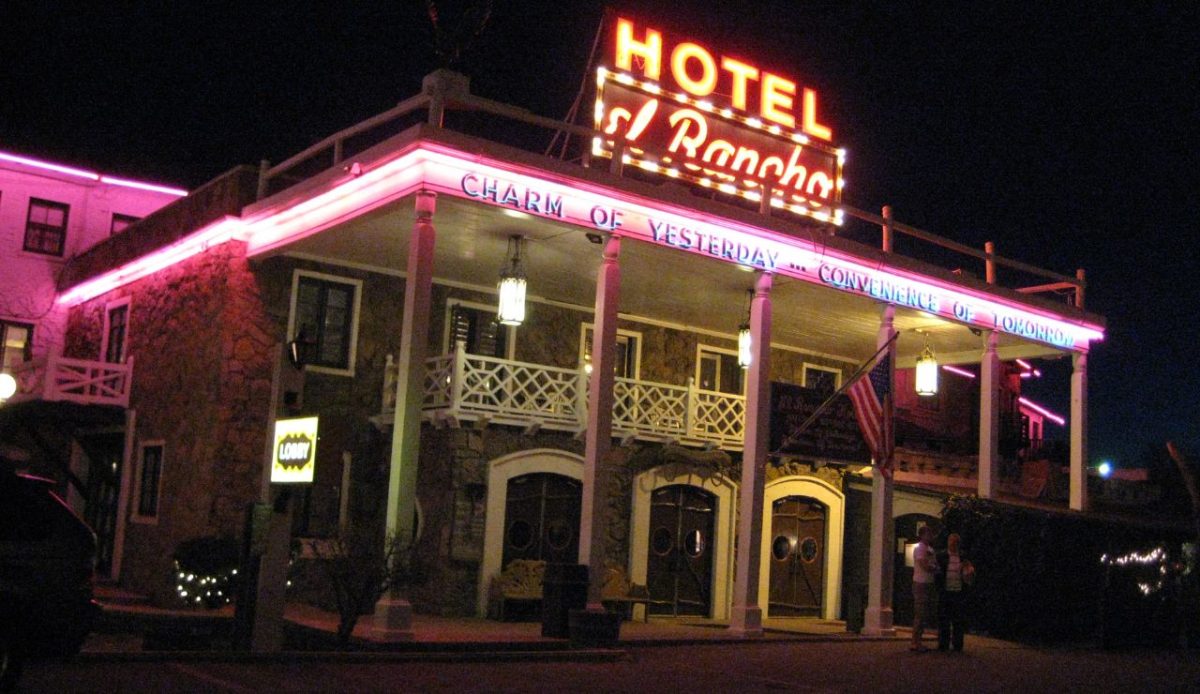
El Rancho is technically a hotel rather than a small motor court, but leaving it out of a Route 66 lodging story would make the picture less accurate. Built in 1936 along U.S. 66, it became closely tied to Gallup’s movie-industry years and to the broader culture of western travel in New Mexico.
Its scale and rustic style set it apart from neon motel strips, yet that difference is exactly why it belongs on a centennial-era itinerary. Route 66 was never one single type of stop; it included larger destination properties too.
For travelers in 2026, El Rancho offers a reminder that the Mother Road mixed practical lodging with glamour, regional identity and entertainment history. Few surviving places express that blend more clearly.
13. Wigwam Motel, Holbrook, Arizona
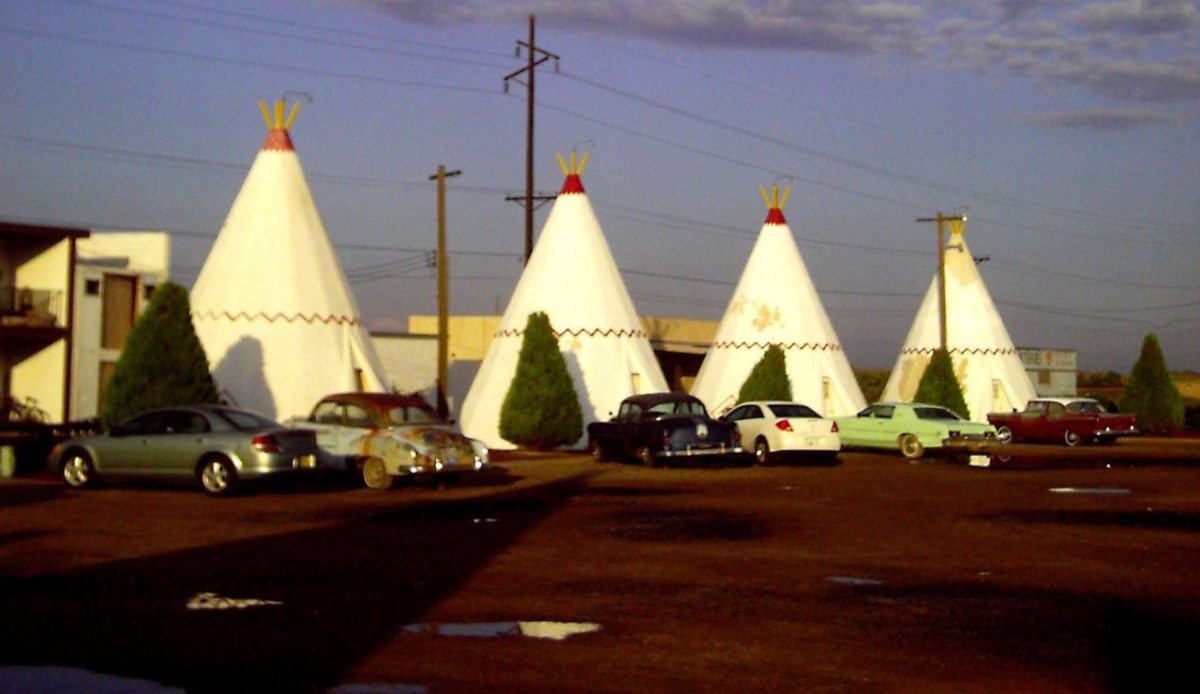
The Wigwam Motel in Holbrook remains one of Route 66’s most unusual surviving places to stay. The property’s concrete teepees make it instantly recognizable, but its longevity is not just about novelty. It has remained in operation and still connects visitors with a famous themed-lodging concept.
Inside, the accommodations have been adapted for modern use, yet the overall experience still depends on the original idea. That matters because it preserves a real piece of roadside imagination rather than a later imitation of it.
In 2026, Wigwam Motel still feels singular even on a road full of legends. It captures the era when highway businesses competed through bold shapes, memorable signs and a sense of travel as spectacle.
14. Aztec Motel, Seligman, Arizona
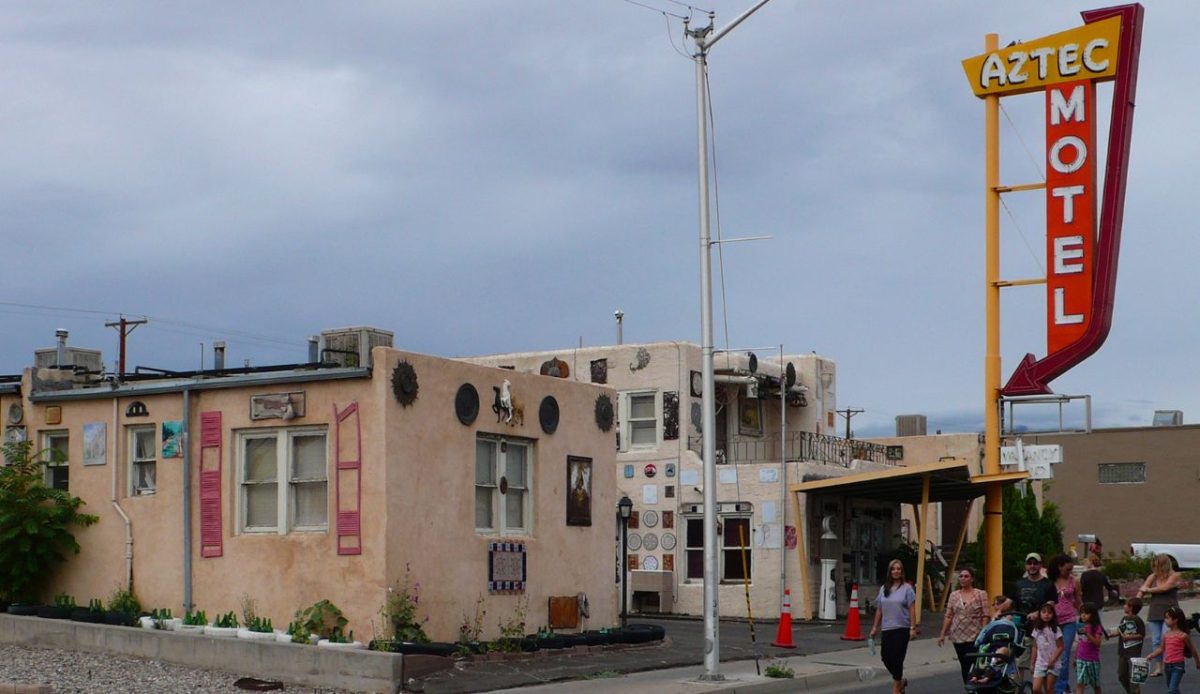
The Aztec Motel in Seligman shows how a Route 66 property can survive by evolving across more than a century of use. The site began in 1915 as a guest house, gained a motor-inn character through 1950s additions and was refurbished and reopened to visitors in 2021.
That layered history fits Seligman well, because the town became central to Route 66 preservation after Arizona designated its long surviving stretch as Historic Route 66. Staying here places travelers inside that preservation story rather than just beside it.
For a 2026 anniversary-year trip, Aztec feels especially relevant. It reflects how old roadside places are repeatedly adapted so they can remain part of the road instead of turning into relics.
