
Sea level rise is already reshaping Florida’s coast through higher high tides, saltwater intrusion, and more frequent “sunny-day” flooding in low-lying areas. Because much of the state sits close to sea level, even modest increases can push water into streets during king tides.
The places below are communities where low elevation, porous limestone, and storm-surge exposure combine to raise long-term flood risk. They are not guarantees of abandonment, but examples of where planners already account for higher water.
Conditions vary block by block, so risk depends on neighborhood height, drainage capacity, and shoreline buffers. NOAA mapping tools help residents visualize what different sea level scenarios could mean locally.
1. Miami Beach
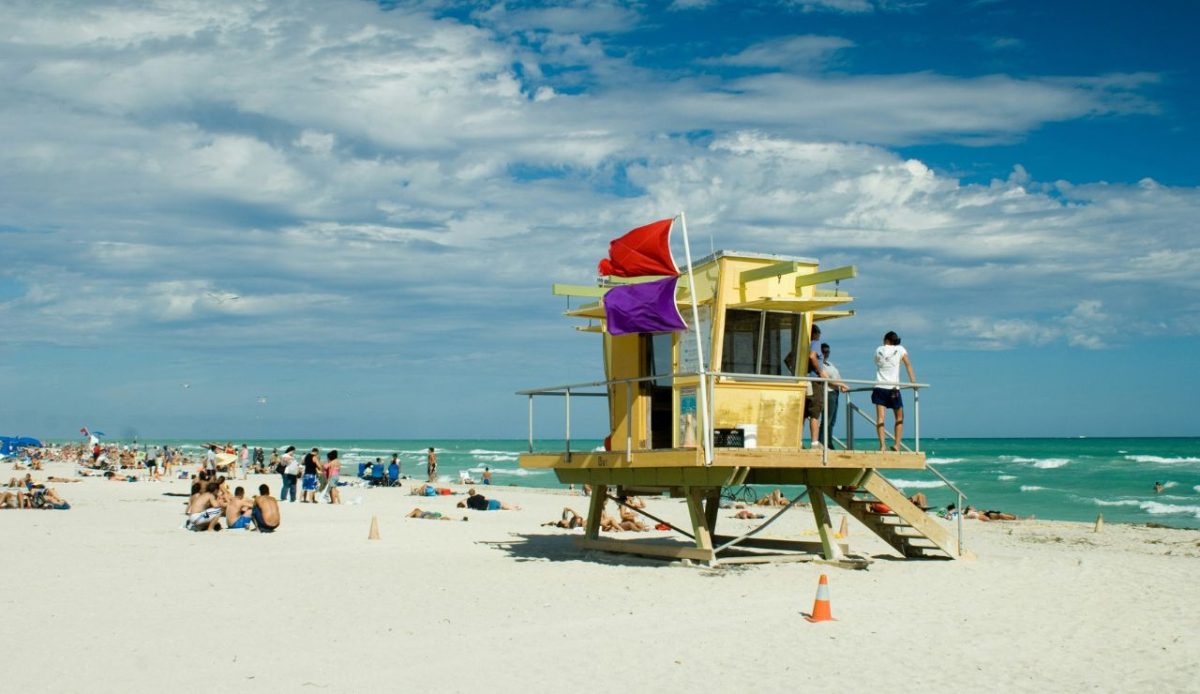
Miami Beach sits on low barrier-island ground with a high water table, so higher tides can limit how well storm drains move water. Flooding can appear during king tides even without rain, especially in lower streets near canals and the bay side.
The city has added pumps, raised some roads, and upgraded sea walls, but adaptation is costly and varies by neighborhood. As sea level keeps rising, drainage and road elevation become ongoing projects instead of one-time fixes.
For travelers, the impacts are practical: occasional street closures, standing saltwater, and slower traffic during high-tide periods. Local planning aims to keep utilities, emergency routes, and beach access working as water levels trend upward.
2. Fort Lauderdale
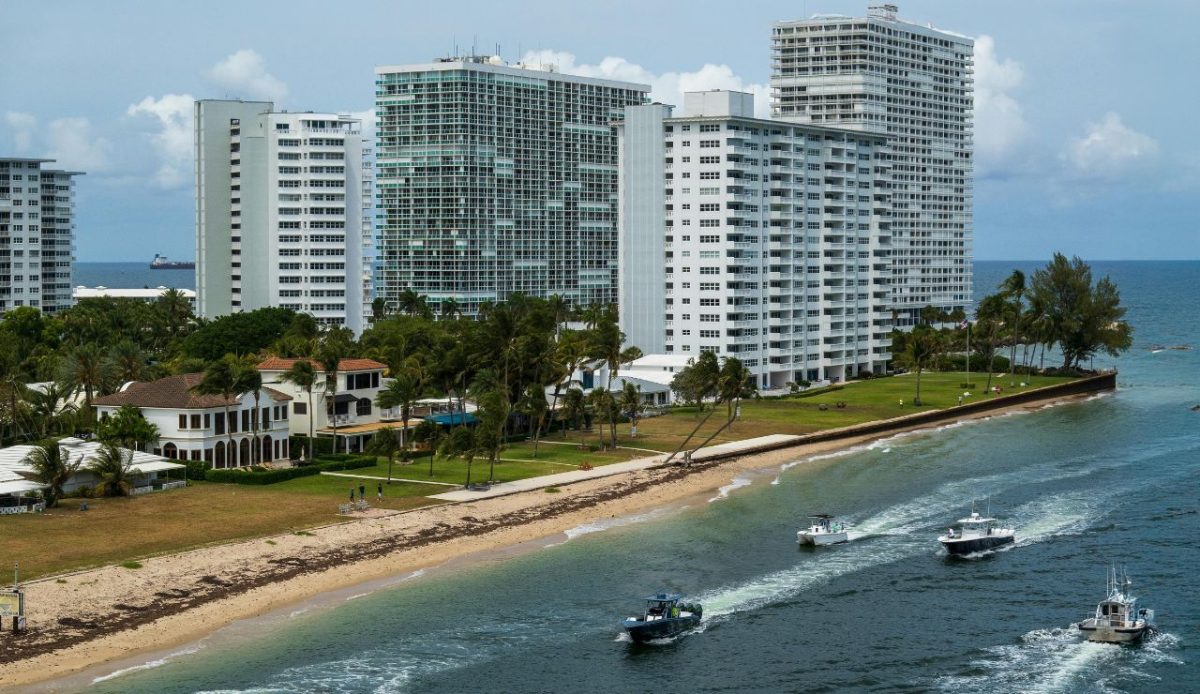
Fort Lauderdale’s canal neighborhoods sit close to sea level, so high tides and heavy rain can strain drainage. Saltwater can push into outfalls, and water may linger when tides stay elevated, especially near the Intracoastal Waterway.
Porous ground in South Florida also allows seawater to move through soil and into infrastructure, not only over sea walls. That makes resilience work as much about pumps, pipes, and valves as it is about shoreline barriers.
Day to day, sea rise can mean more roadway flooding, faster corrosion, and higher upkeep for seawalls and stormwater systems. Local planning often prioritizes hardening utilities and keeping key routes passable during peak tide periods.
3. Key West
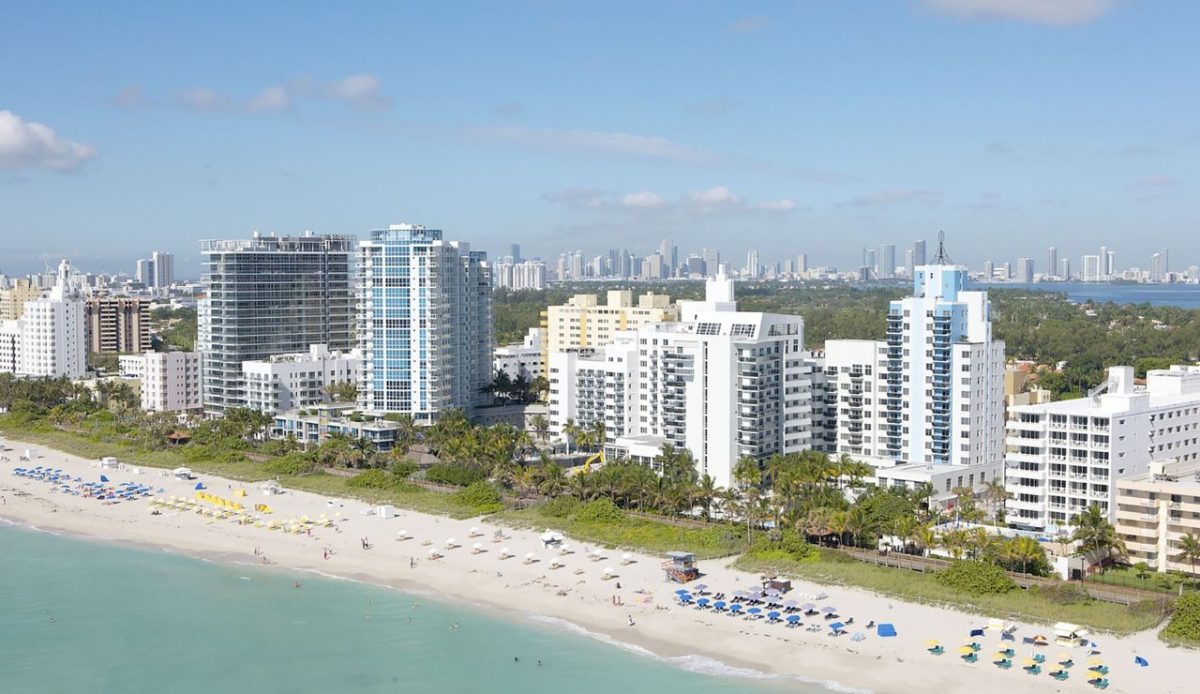
Key West is surrounded by water and has limited high ground, so higher seas can affect streets, utilities, and shoreline stability. The island setting also means storm surge can approach from multiple directions during tropical systems.
With tight space and historic development, options like raising roads and improving drainage are incremental and expensive. The goal is keeping essential services reliable while protecting the character that supports tourism.
Impacts include ponding on low streets during king tides, salt spray that accelerates wear, and access disruptions after storms. Long-term risk management centers on resilient power, potable water, and transportation links for an island community.
4. Tampa
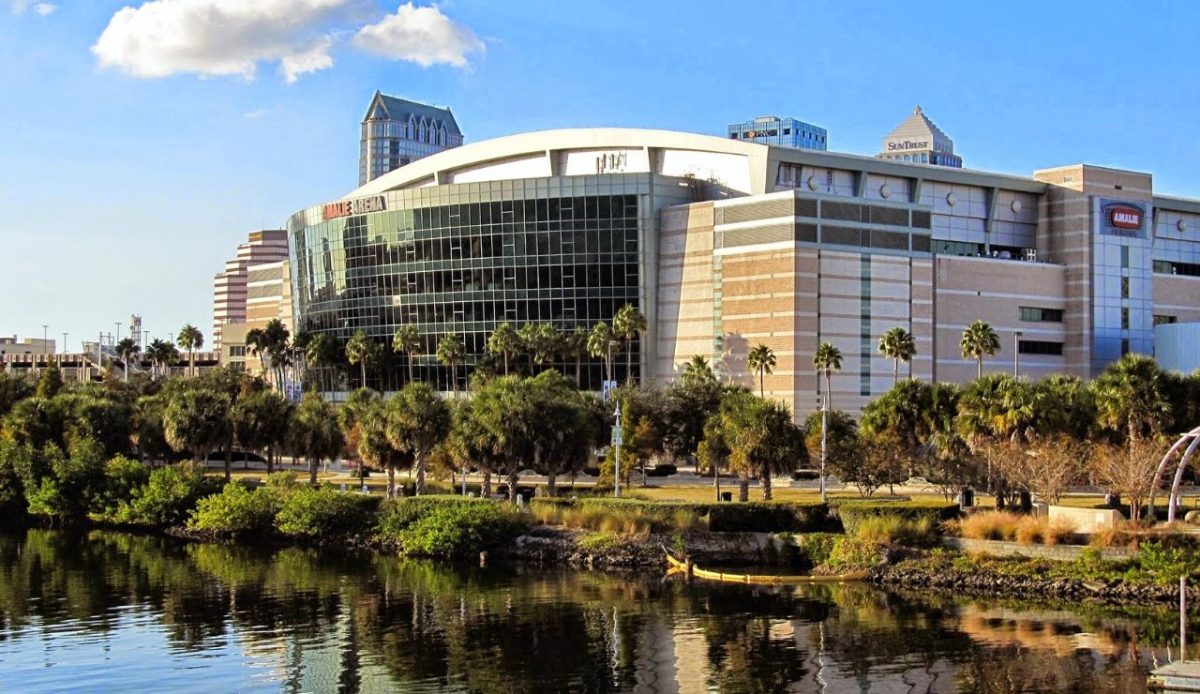
Tampa’s bayfront is shaped by Tampa Bay, where rising tides and storm surge can push water inland through channels and low streets. Flooding risk is often driven by water stacking up inside the bay, not just open-ocean waves.
When sea level is higher, runoff drains more slowly because outfalls lose elevation drop. That can turn ordinary rain into street flooding in flat areas, especially when rainfall lines up with high tide.
For residents and visitors, concerns include disruptions around waterfront roads, marinas, and low interchanges during storms. Adaptation work focuses on stormwater capacity, shoreline protection, and keeping bridges and evacuation corridors usable as water levels rise.
5. St. Petersburg
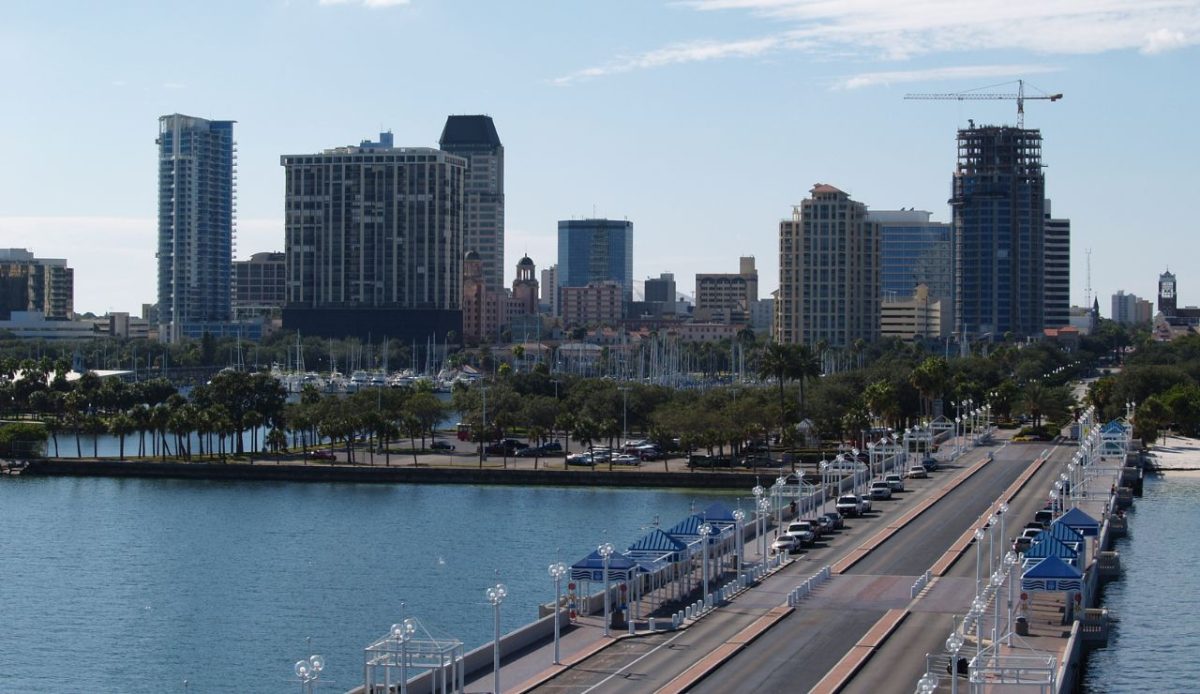
St. Petersburg wraps around Tampa Bay and includes low coastal flats, so it faces tidal flooding and surge risk from Gulf storms. Bayside neighborhoods can flood even when waves are calm because tides still rise across the shoreline.
Pinellas County is densely built, leaving limited space for new drainage basins. Many strategies emphasize seawall upkeep, improved outfalls, selective road elevation, and protecting wetlands that absorb water and reduce surge impacts.
Sea rise can look like routine ponding on low streets, saltwater stress on landscaping, and higher repair needs for docks and sea walls. Planning increasingly treats flooding as an infrastructure reliability problem, not a rare event.
6. Naples
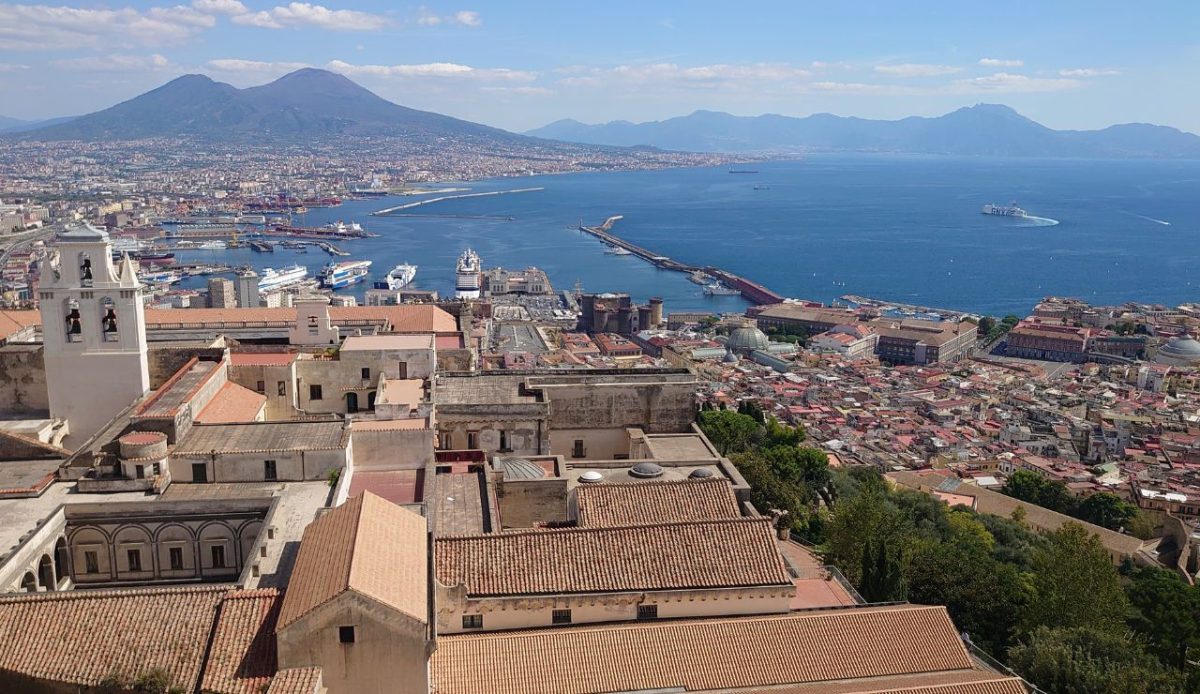
Naples includes low-lying coastal neighborhoods near bays, canals, and barrier islands, which can be sensitive to higher tides and Gulf storm surge. Elevated tides can raise groundwater, reducing how much stormwater the ground and drains can hold.
Growth adds more pavement, so runoff reaches drains faster. When sea level is higher, outfalls have less capacity to move water, increasing the chance of street flooding in flat, canal-heavy areas.
For visitors, impacts can include temporary closures near beach access points and slower traffic near low bridges after heavy rain. Long-term planning focuses on drainage upgrades, shoreline stabilization, and protecting freshwater supplies from saltwater intrusion.
7. Cape Coral
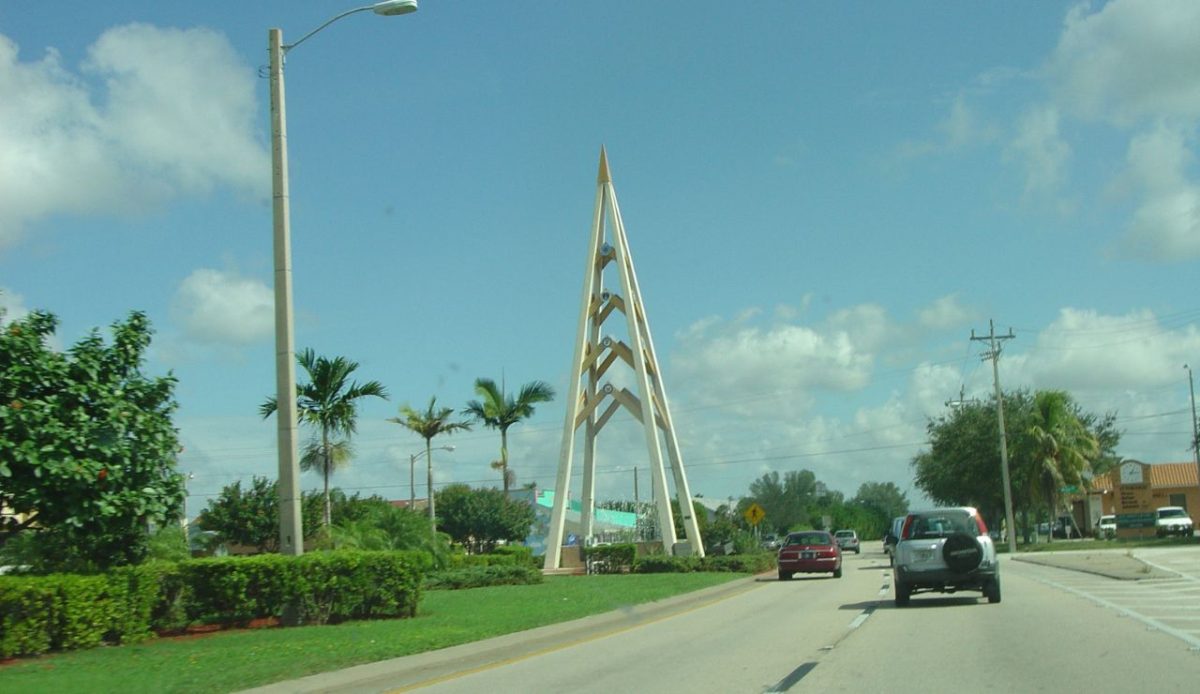
Cape Coral’s canal grid connects many neighborhoods directly to the coastal water levels. Higher tides can raise canal stages, leaving less room for rainfall to drain and increasing flood risk in low streets and intersections near canal edges.
Storm surge from the Gulf can also move through connected waterways, pushing higher water inland. Managing exposure often involves seawall upkeep, pump stations, and coordinated water-control structures across a large residential footprint.
Sea rise can mean more nuisance flooding and faster corrosion of infrastructure, along with higher insurance and maintenance costs. Resilience plans pair drainage improvements with stricter building elevations in the lowest areas.
8. West Palm Beach
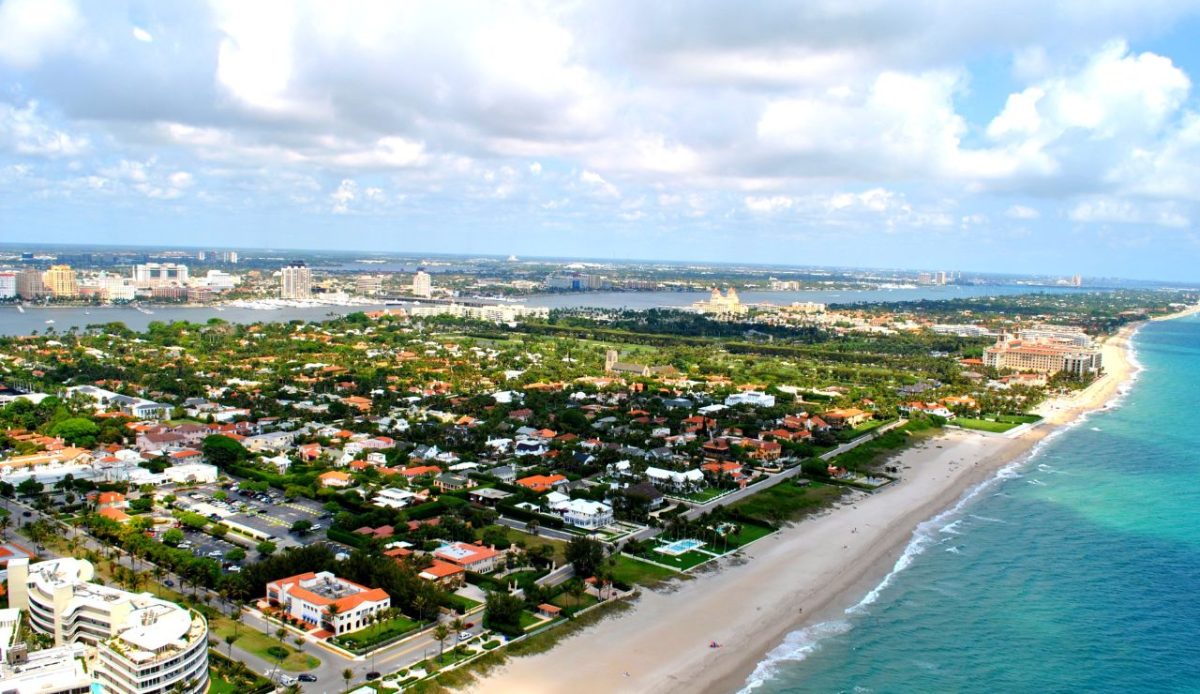
West Palm Beach sits along Lake Worth Lagoon, where rising water levels can affect shoreline roads, parks, and low neighborhoods. Lagoon-side exposure can cause flooding even when surf is minimal because tides raise nearby water levels.
Palm Beach County also faces saltwater intrusion concerns as higher seas push salty water inland through aquifers. Protecting drinking water and keeping stormwater systems working become linked challenges when groundwater climbs.
For travelers, disruptions are localized: ponding near the waterfront, detours after storms, and construction tied to resilience upgrades. Long-term plans prioritize hardened utilities, improved outfalls, and shoreline buffers that reduce tidal impacts.
9. Daytona Beach
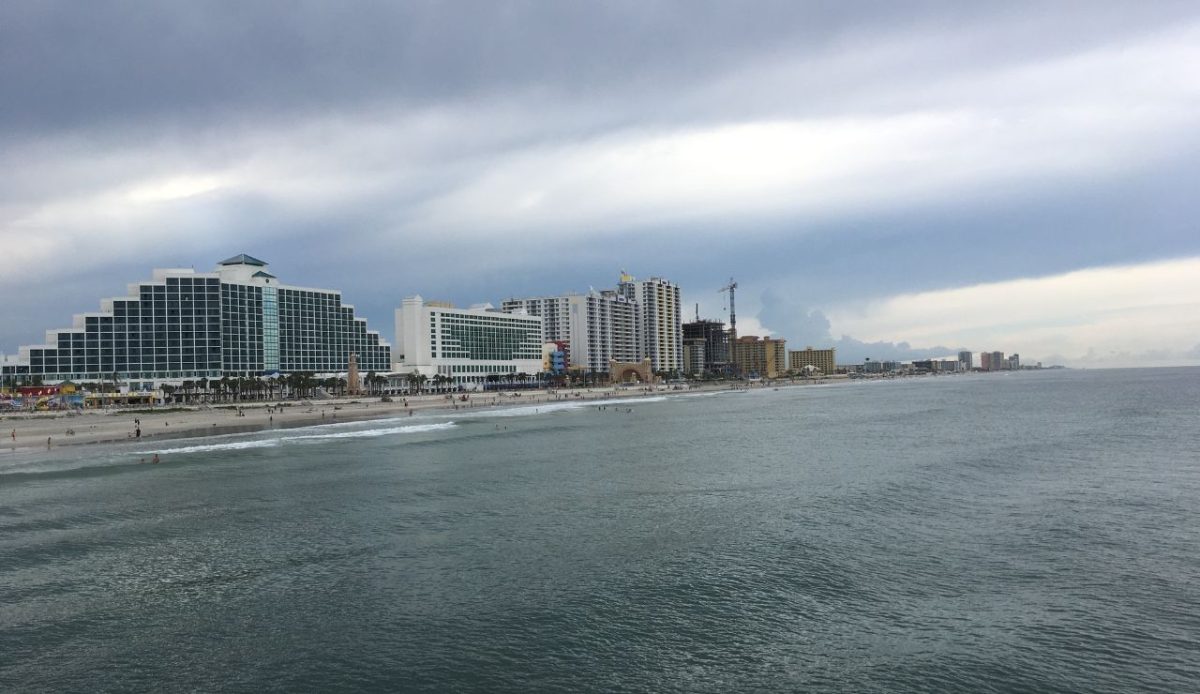
Daytona Beach has oceanfront development behind a shoreline exposed to higher water and storm-driven erosion. Sea level rise can intensify beach narrowing, increase dune overtopping, and add pressure on roads and buildings close to the sand.
Volusia County often relies on beach nourishment and dune restoration, but these require ongoing funding and suitable sand sources. As baseline water rises, projects may need to happen more often to maintain protection.
For visitors, impacts can include restricted beach access after storms, visible erosion-control work, and flooding near inlets or low crossings. Planning focuses on protecting coastal highways and maintaining emergency routes during stronger surge events.
10. St. Augustine
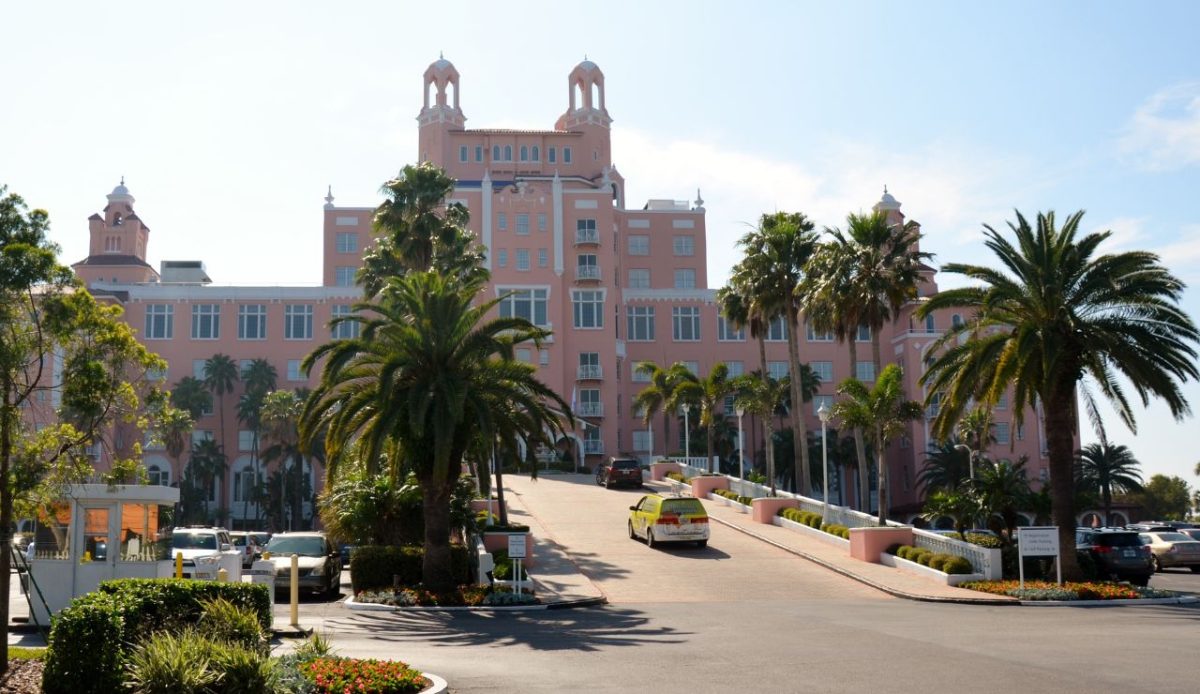
St. Augustine’s historic district sits near the Matanzas River and tidal marshes, so higher tides can affect low streets and older drainage. Nuisance flooding can occur during king tides, creating periodic water on roads near the bayfront.
Tidal wetlands can buffer water, but they need room to migrate inland as sea levels rise. Where development blocks that movement, wetlands can lose elevation relative to the tide, reducing natural flood protection over time.
For visitors, sea rise may mean temporary detours, damp walkways, and more frequent maintenance along seawalls and waterfront paths. Adaptation mixes drainage upgrades with shoreline and marsh restoration to protect heritage sites and everyday access.
11. Jacksonville
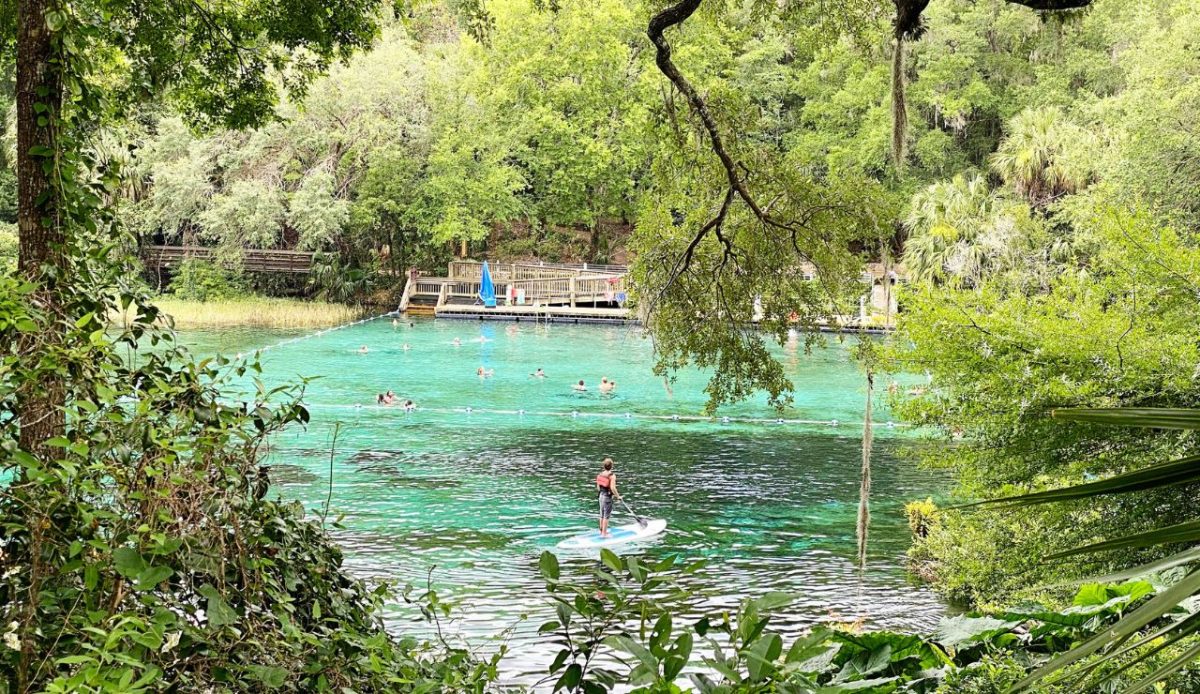
Jacksonville’s St. Johns River connects to the Atlantic and carries tidal influence inland, so higher sea levels can raise baseline river stages. That increases flooding odds along low riverfront areas and tributary creeks after heavy rain.
Duval County can face compound flooding when storm surge pushes upriver while rainfall drains downstream. Planning targets pump capacity, resilient road elevations, and protection for port and industrial zones near the river.
Impacts can include flooded underpasses, closures near riverfront parks, and saltwater stress on drainage pipes. Long-term strategies focus on keeping transportation corridors and utilities reliable as tides and surge reach farther upstream.
12. Pensacola Beach
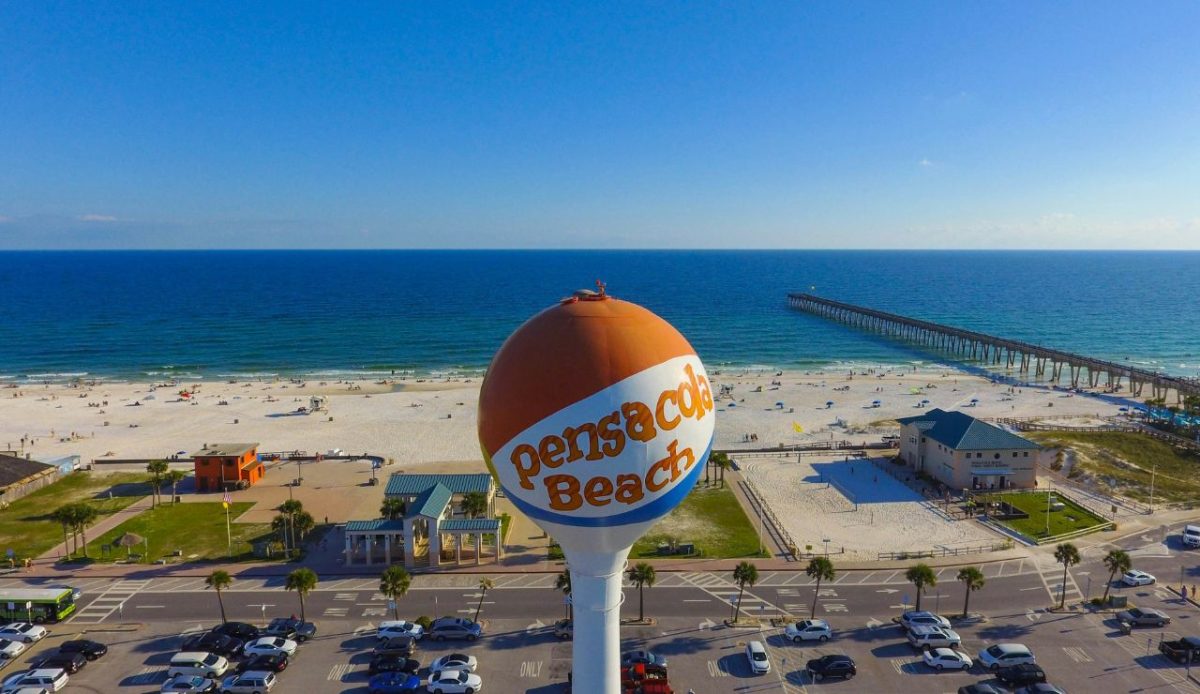
Pensacola Beach sits on Santa Rosa Island, a narrow barrier island exposed to Gulf waves and bay-side flooding. Rising seas increase the starting water level for storms, worsening overwash, dune damage, and roadway impacts during surge.
Barrier islands naturally shift, but fixed development limits that movement and concentrates risk in infrastructure. Resilience work includes dune restoration, elevated buildings, and careful management of the main access road used for evacuation.
For visitors, changes may show up as more frequent post-storm repairs and restricted access to some beach areas. Long-term planning balances recreation with the reality that barrier islands are among the most dynamic coastlines.
13. Cocoa Beach
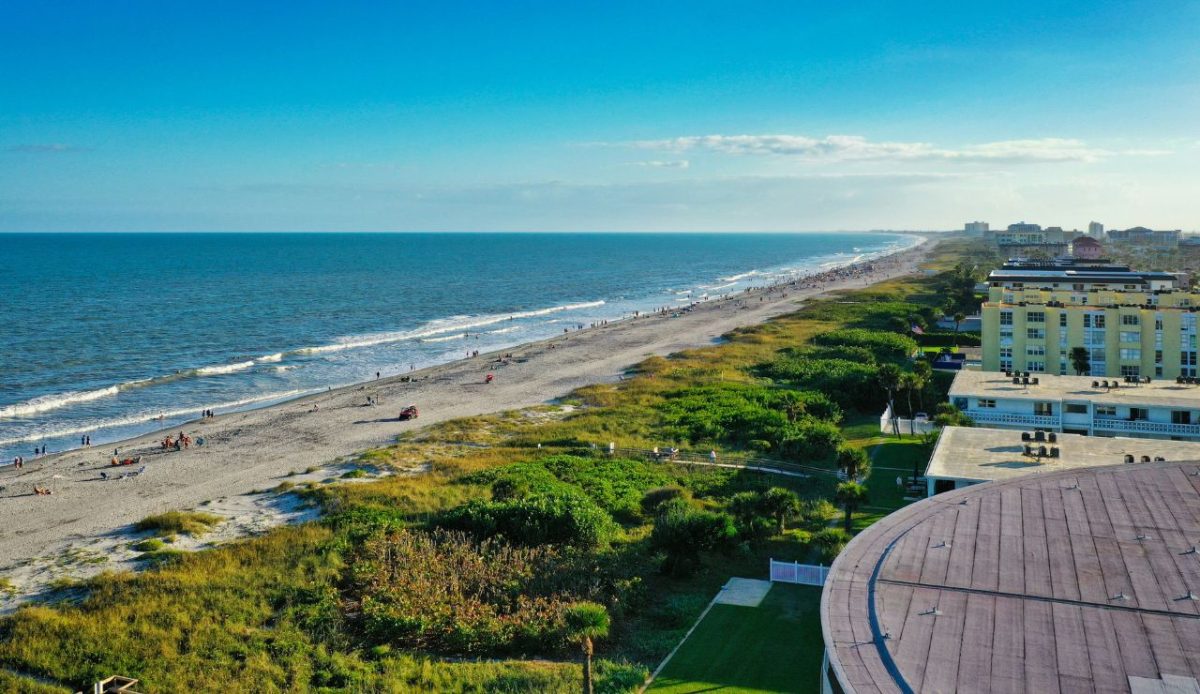
Cocoa Beach is a low Atlantic barrier island near Cape Canaveral, where rising seas combine with storm erosion and higher groundwater. When tides sit higher, rainfall drains more slowly, increasing flooding risk in flat neighborhoods.
Brevard County also manages nearby lagoon systems that respond to ocean tides and wind-driven water. Dune reinforcement and periodic nourishment reduce erosion, but they require repeat investment as baseline water levels rise.
For travelers, impacts can include narrower beaches after storms, visible sand-placement projects, and occasional road flooding near low crossings. Adaptation aims to protect access while keeping critical routes and utilities dependable during surge seasons.
14. Marco Island
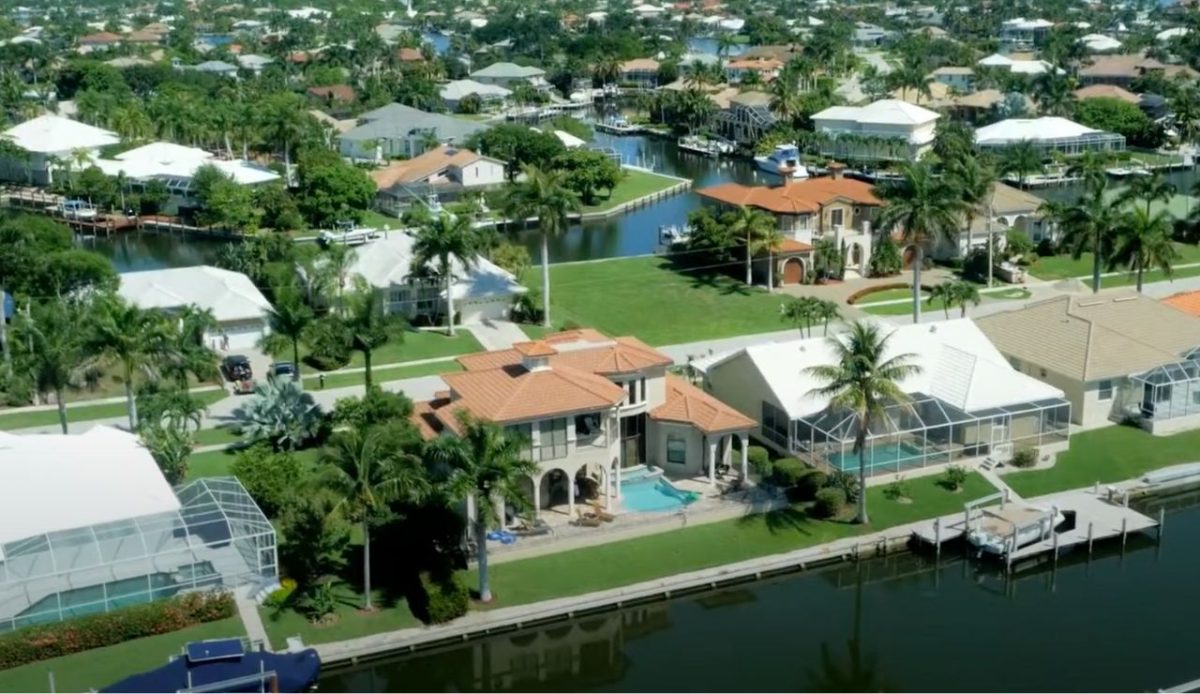
Marco Island is low-lying and surrounded by tidal waterways and mangroves, so higher seas can raise flooding frequency even in fair weather. Natural buffers help, but they need room to expand and migrate as water levels climb.
Sea level rise stresses seawalls, drainage outfalls, and building elevations, while saltwater can affect landscaping and on-site systems. A key challenge is maintaining reliable access on coastal roads close to high tide.
For visitors, impacts are often localized: water on streets during king tides, erosion near shorelines, and ongoing maintenance on docks and seawalls. Long-term strategies emphasize protecting evacuation routes, utilities, and mangrove and marsh buffers.
