
Overtourism on the U.S. East Coast shows up as overflow parking, littered trails, packed sidewalks, and stressed local services. When visitor numbers spike faster than staff, transit, and maintenance budgets, destinations can look worn down in real time.
This isn’t a “don’t go” list. It’s a reality check on places where peak-season crowds routinely outpace what streets, beaches, and parks can handle. In many spots, officials are adding shuttles, permits, or crowd controls to keep things functioning.
If you visit, go lightly: travel off-peak, use transit when you can, and follow rules around parking, dunes, historic sites, and wildlife. Small choices, where you walk, what you pack out, and when you arrive, add up fast.
1. Bar Harbor, Maine
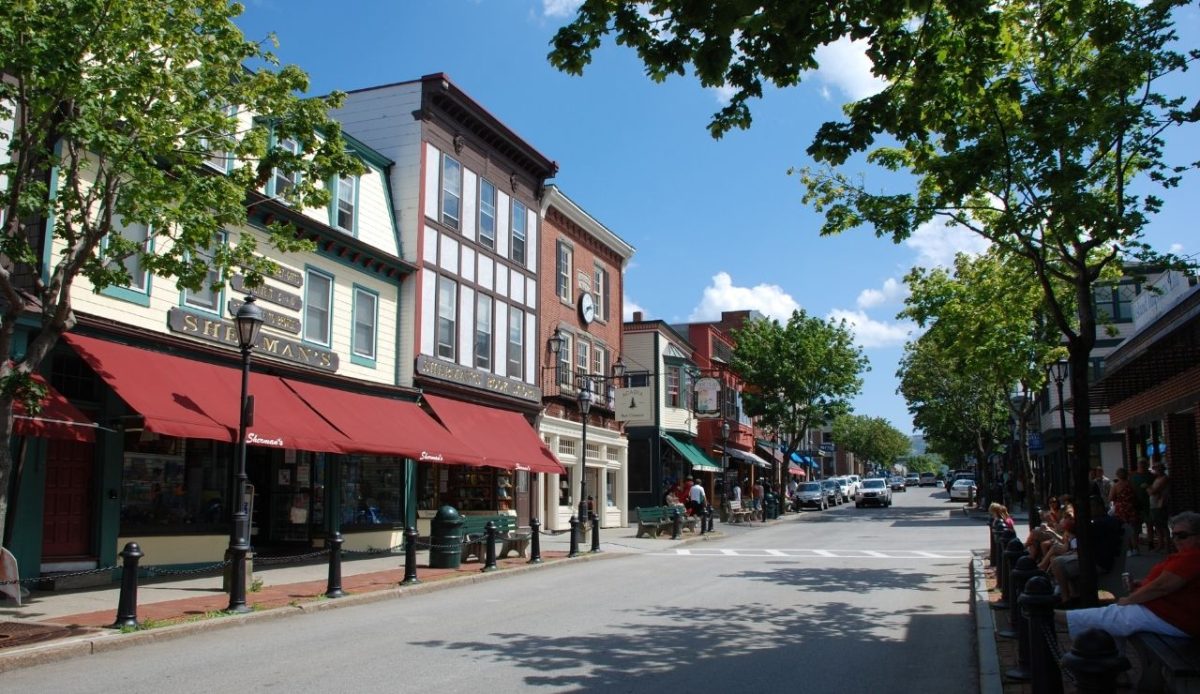
Bar Harbor is the front door to Acadia, and summer days can feel like the town is running at maximum capacity. Congested roads, scarce parking, and crowded waterfront sidewalks are common, especially when cruise passengers and day-trippers arrive together.
Pressure shows up in practical ways: longer waits for shuttles, full trailhead lots, and more wear on fragile coastal paths. Local debates over cruise-ship limits reflect how quickly visitor surges can overwhelm a small community.
To reduce impact, arrive early, use park shuttles, and choose lesser-used Acadia hikes instead of the most-photographed stops. Pack out trash, stay on marked trails, and treat downtown as walk-first, driving loops add congestion without adding fun.
2. Salem, Massachusetts
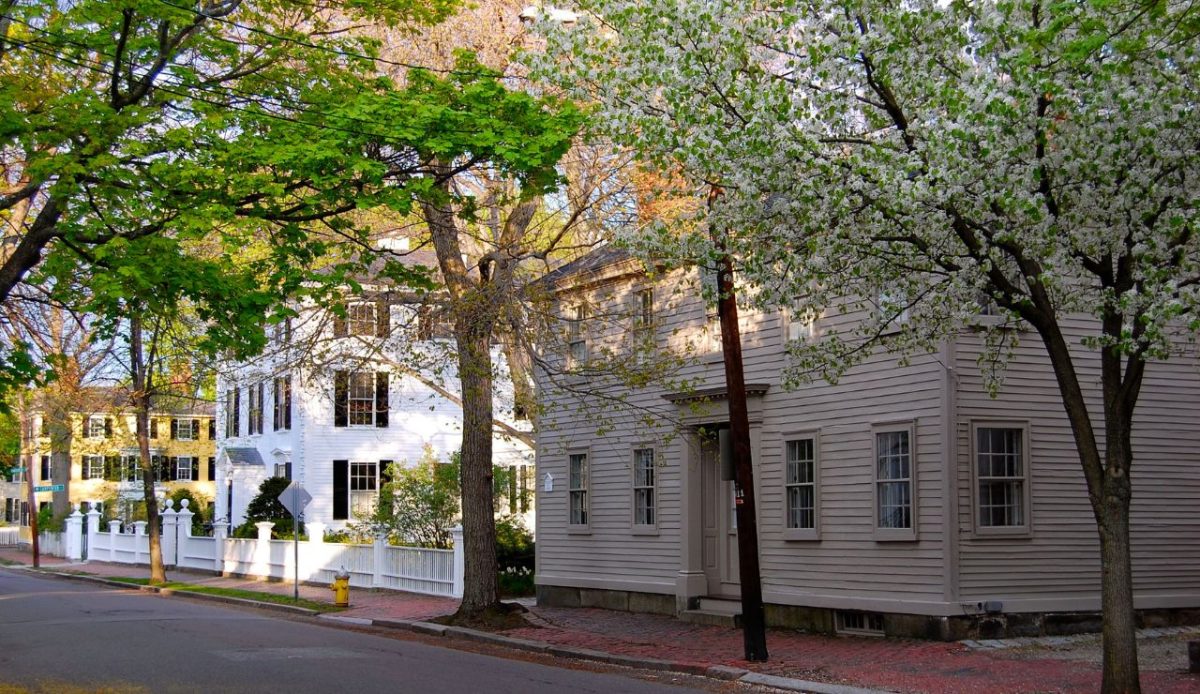
Salem’s October crowds are famous, but the strain is year-round now as Halloween tourism stretches the city’s small downtown grid. On peak days, sidewalks jam, traffic stalls, and public safety resources get pulled toward crowd management.
The damage isn’t always dramatic; it’s cumulative. Overflow parking spills into neighborhoods, trash bins fill faster than pickups, and historic streets take a beating from constant foot traffic and delivery vehicles serving the surge.
Visit on weekdays, use rail or park-and-ride options, and skip “must-do everything” itineraries that keep you circling the core. Respect private property and residential streets, and choose museums and tours with timed entry so crowds distribute instead of piling up.
3. Newport, Rhode Island
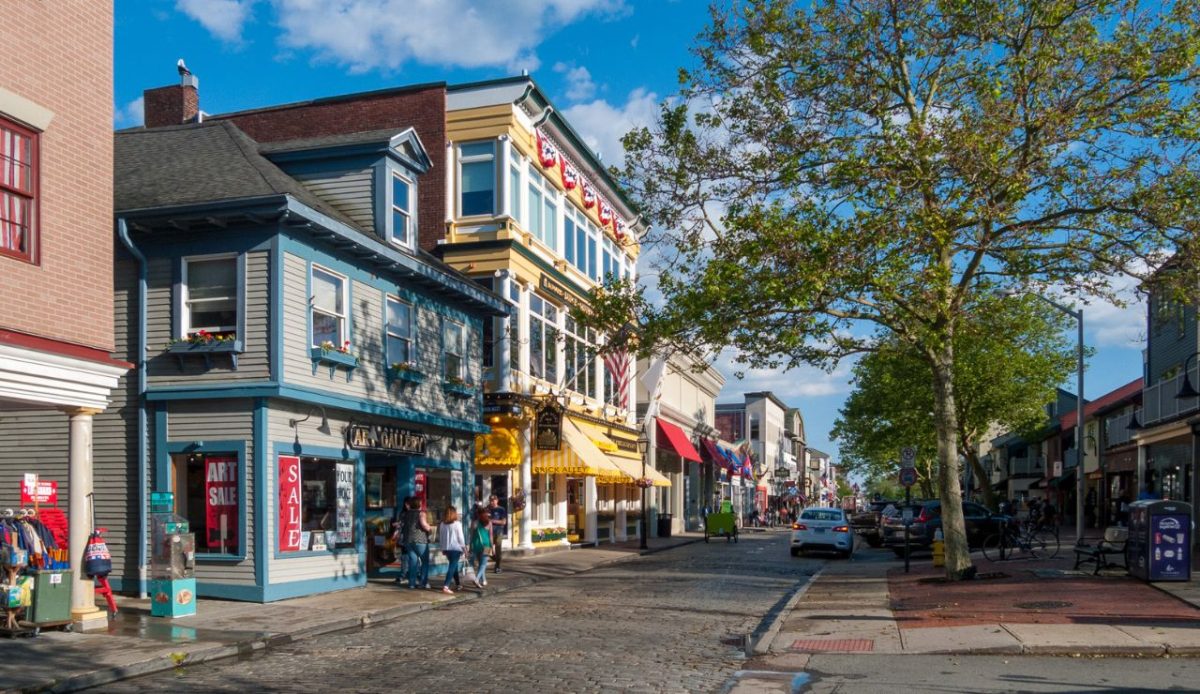
Newport’s mansion district, harbor walks, and summer weekends funnel big crowds into a compact city with limited road and parking capacity. When occupancy is high, the squeeze shows up as slow bridge traffic, packed waterfront paths, and long waits at restaurants and attractions.
Overuse problems look ordinary but expensive: trash volumes spike, tour-bus stops clog narrow streets, and shoreline areas erode when people cut off paths. Even short hops can turn into long loops during peak afternoons.
Plan around congestion, not just sights. Use shuttles and walking routes, book timed tickets for popular sites, and avoid driving through downtown at midday. Sticking to one area per day reduces traffic and makes the visit feel calmer.
4. Cape Cod, Massachusetts
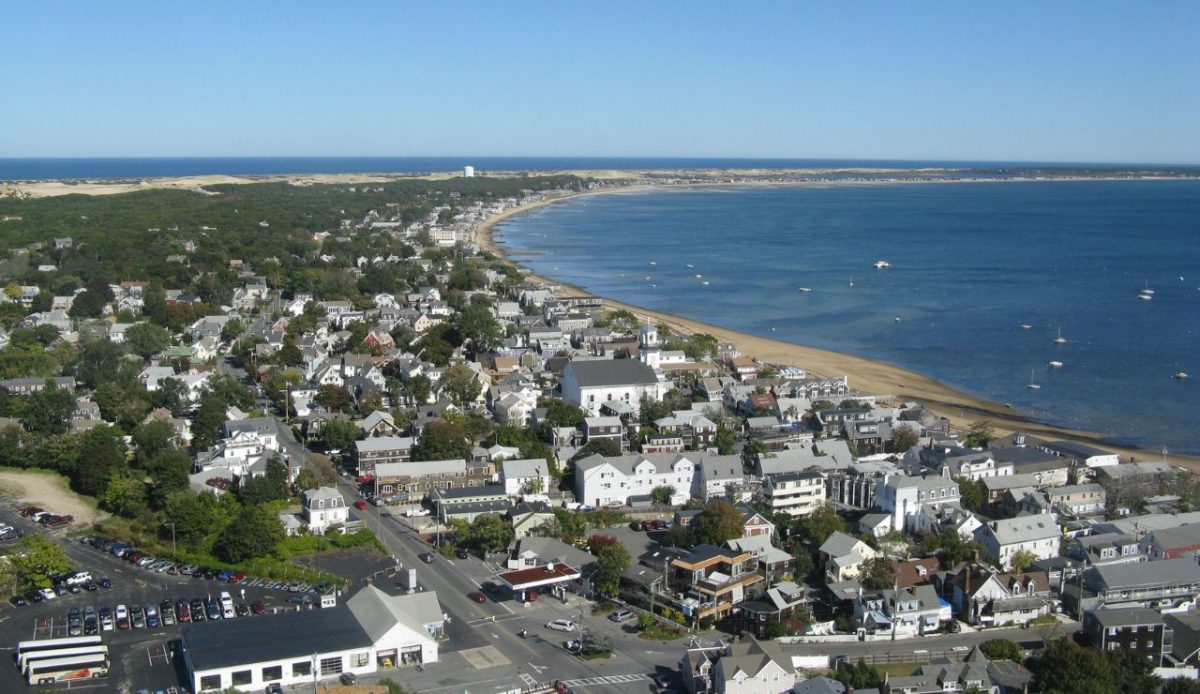
Cape Cod’s appeal is simple, beaches, seafood, and small towns, but peak season turns that simplicity into gridlock. Route bottlenecks, crowded rotaries, and limited beach parking can push visitors into dunes, shoulders, and residential streets.
The wear shows up on the landscape: trampled dune grass, overflowing bins, and access points widened by thousands of feet cutting new paths. Emergency services also run hotter when traffic delays slow response times during the busiest weeks.
Choose shuttle-served beaches, bike where it’s safe, and avoid “drive-and-hop” sightseeing that multiplies traffic. Arrive early, respect dune fencing, and pack out what you bring. The Cape feels better when movement stays on marked routes.
5. Martha’s Vineyard, Massachusetts
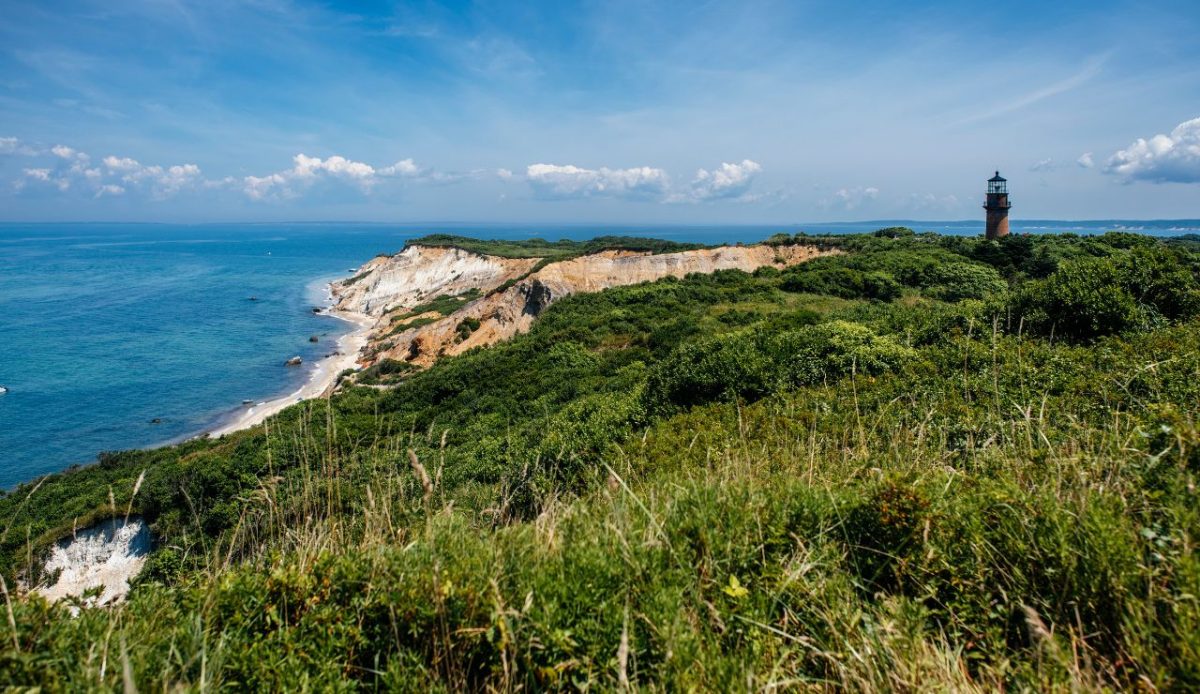
Martha’s Vineyard can feel overloaded in summer because arrivals come in waves, ferries, day tours, and seasonal residents hitting the same roads at once. Small-town streets and limited parking make short trips between beaches and villages slow.
Overtourism shows up as stressed beaches, full bike paths, and crowded harbor areas where trash and restrooms can’t keep pace. Dunes and wildlife areas take the hardest hit when people step off boardwalks for photos or shortcuts.
Visit responsibly by booking ferries early, staying car-light, and using buses or bikes for most moves. Pick one village per day, avoid peak afternoon travel, and follow beach access rules closely. Less driving means less congestion and less pressure on shoreline habitats.
6. Nantucket, Massachusetts
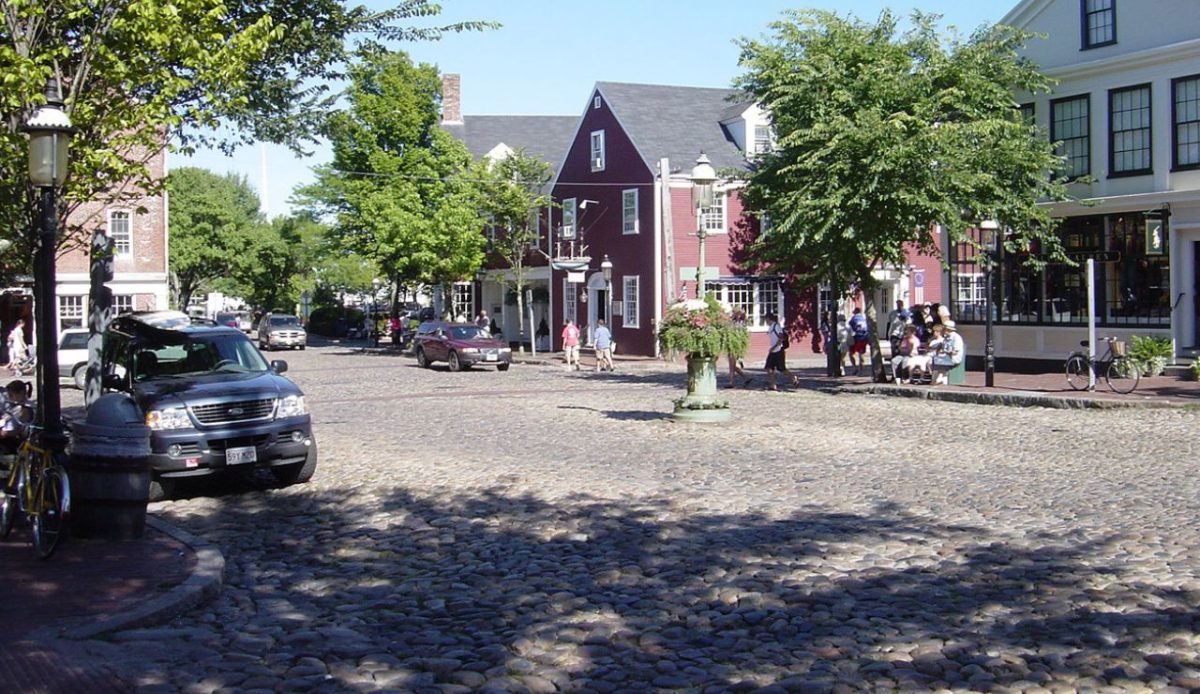
Nantucket’s small size is part of its charm, but it also means limited room for peak-season crowds. Ferry arrivals stack up, rental traffic increases, and narrow streets near town and popular beaches can feel saturated.
The strain shows up as crowded bike lanes, overflowing trash at access points, and pressure on historic areas not built for nonstop foot traffic. Dunes suffer when visitors step off marked paths, and parking spillover affects residential blocks.
Travel lighter by choosing ferry times outside midday surges and using bikes, shuttles, or walking for most moves. Pick less-crowded beaches, respect dune fencing, and pack out everything you bring. The island holds up better when movement stays contained.
7. Times Square, New York City
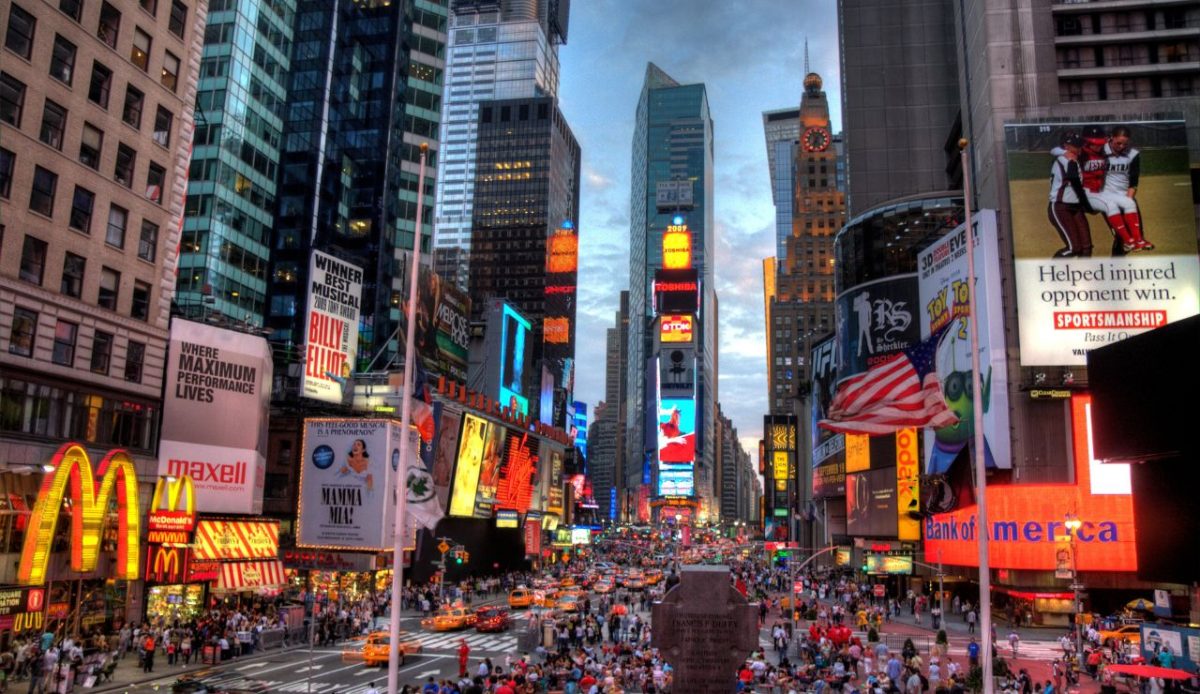
Times Square concentrates visitors into a few blocks, so “busy” can become “immovable,” especially during holidays and big events. Sidewalks narrow around photo stops, street furniture, and security barriers, creating bottlenecks.
The impact isn’t only crowding. Litter rises with takeout volume, public restrooms are scarce, and curb space turns chaotic as buses and rideshares compete. Nearby transit hubs absorb overflow, and platforms can feel packed at rush times.
For the vibe without the crush, go early morning, keep it short, and spend most of your day in less congested neighborhoods. Use the subway for short hops, and keep bags close, dense crowds make simple navigation harder.
8. National Mall, Washington, D.C.
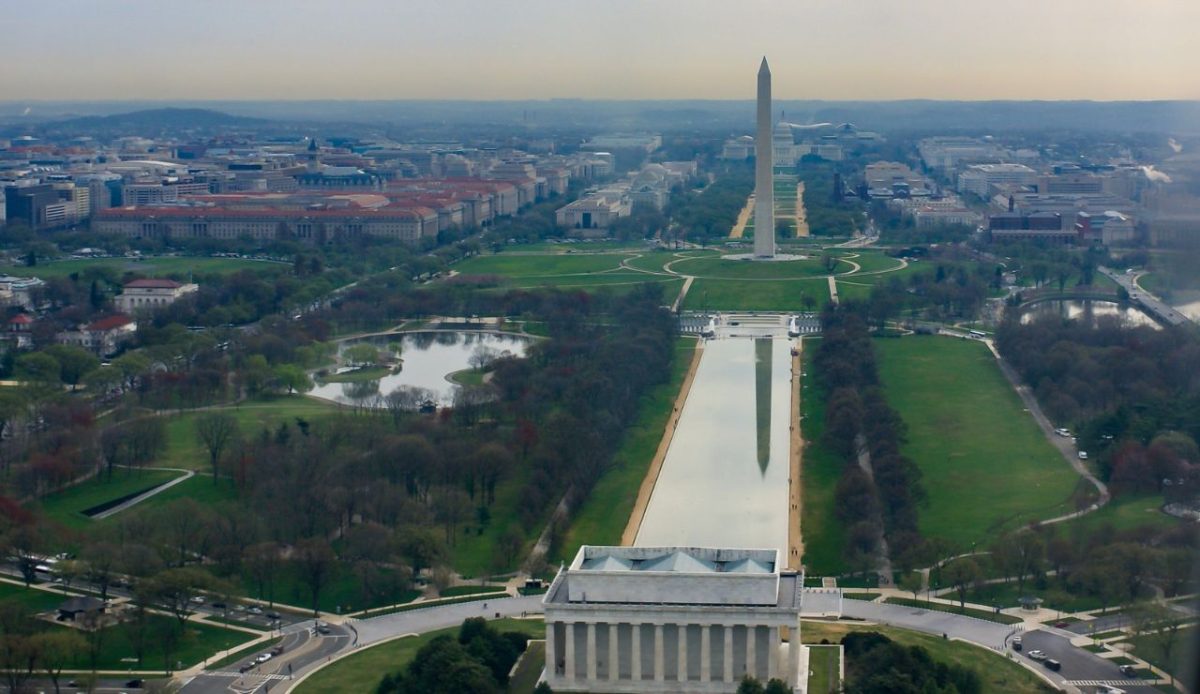
The National Mall can handle big crowds, but peak tourist weeks push it into overflow mode. School trips, tour buses, and summer visitors stack onto the same paths between monuments, museums, and the Tidal Basin.
Overuse shows up as worn lawns, long restroom lines, and heavy foot traffic that forces people off paths and into planted areas. During events, road closures and security zones can make simple cross-Mall walks longer and confusing for first-time visitors.
To reduce impact, arrive early, use Metrorail, and plan museum entries with timed passes when available. Walk on paved routes even when lawns look tempting, and carry water so you aren’t hunting for services in the hottest hours. Shorter, focused visits help the space recover.
9. Charleston Historic District, South Carolina
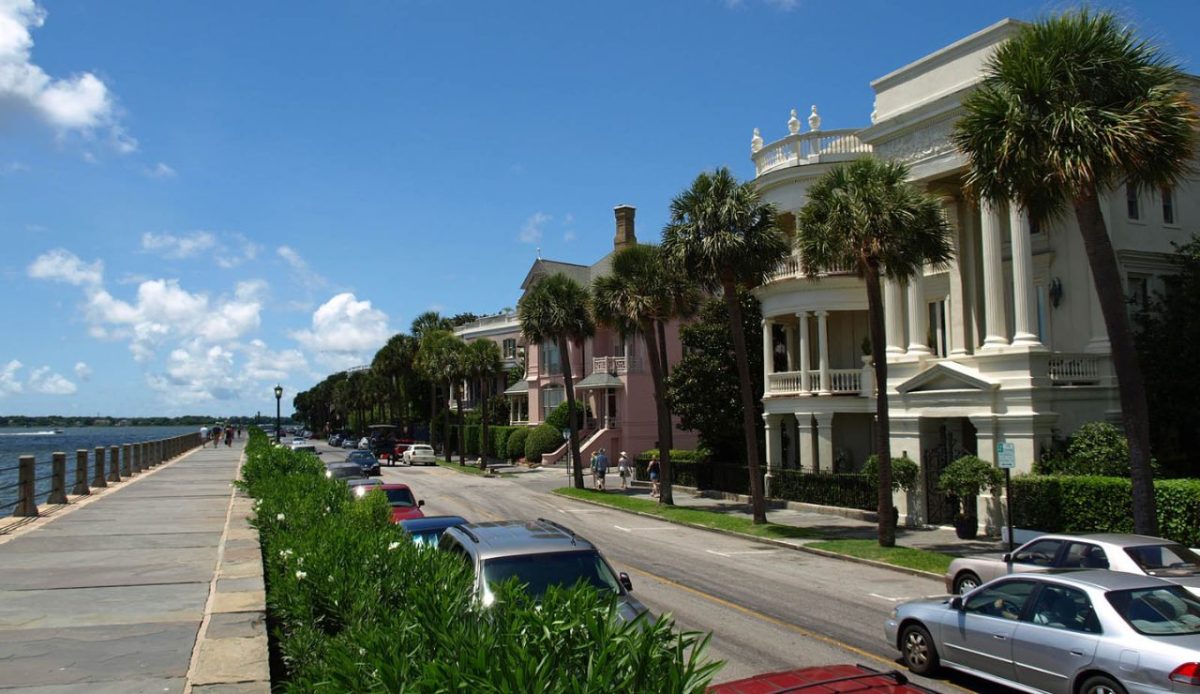
Charleston’s historic district is compact and photogenic, which makes overtourism feel immediate. On peak weekends, narrow sidewalks and tour groups concentrate people into a few residential streets.
The strain is less one big mess and more daily friction: trash pickup can’t always keep pace, traffic adds noise, and popular corners see constant footfall that wears down landscaping and historic surfaces.
Visit with a lighter footprint by staying walkable to your plans and using shuttles or bikes instead of circling for parking. Choose tours with capped group sizes, respect residential boundaries, and avoid blocking sidewalks for photos. The city works better when visitors keep space open.
10. Savannah Historic District, Georgia
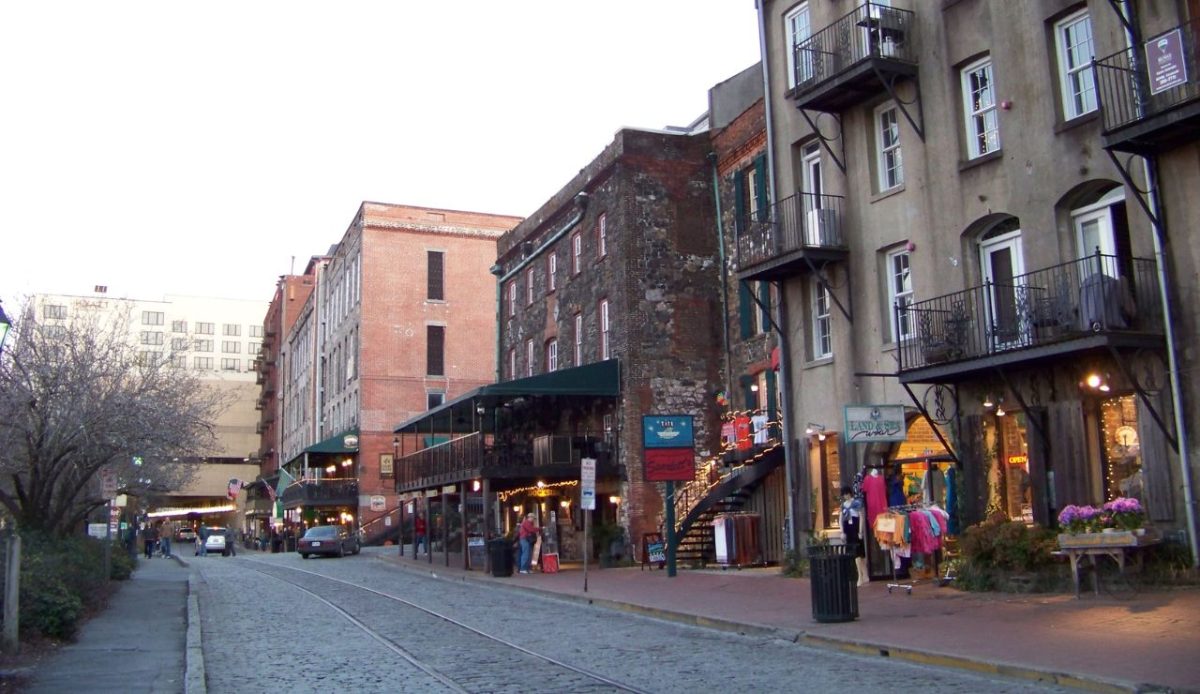
Savannah’s squares and riverfront draw heavy weekend crowds into an old street grid not built for constant surges. Tour trolleys, rideshares, and pedestrians compete for the same curb space, especially during festivals.
Overtourism shows up in maintenance pressure: trash and recycling pile up faster, public restrooms feel scarce, and square edges get scuffed when people step off paths. Noise and late-night foot traffic also spill into residential blocks.
Keep the visit smoother by staying in one zone per day and walking instead of hopscotching by car. Use legal parking, follow square rules, and book attractions at off-peak times so crowds spread out. Small adjustments reduce congestion and wear on the historic core.
11. Outer Banks, North Carolina
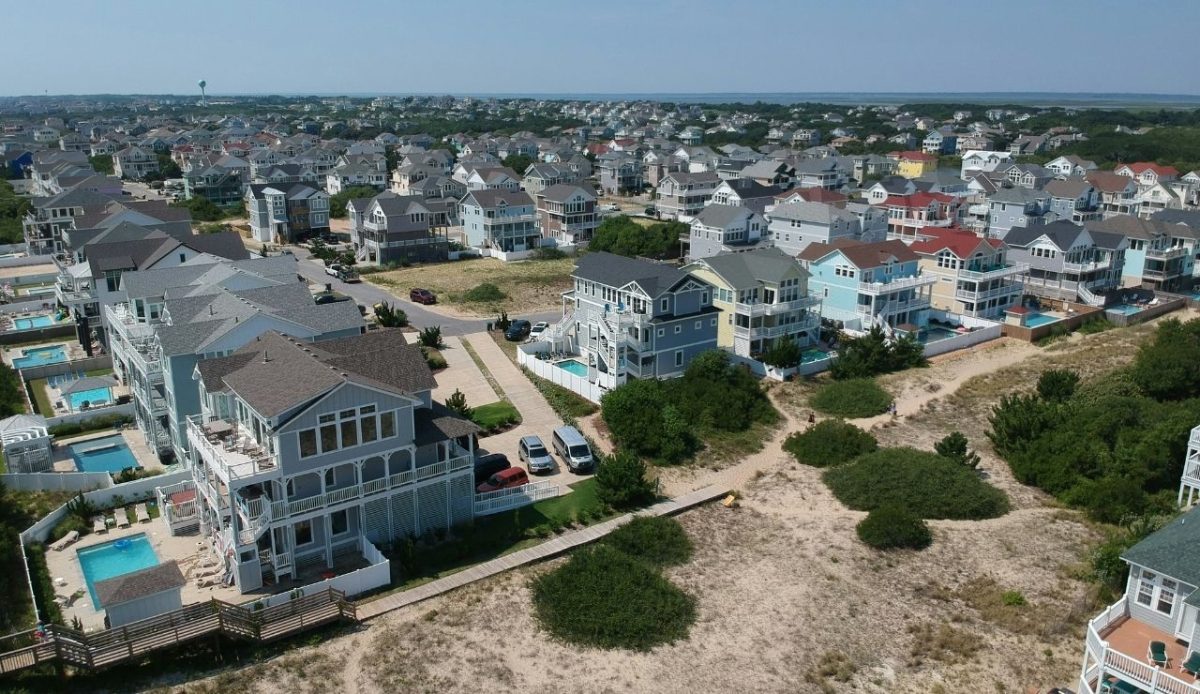
The Outer Banks can feel stretched in summer because it’s a barrier-island chain with limited road capacity. When rental changeover days hit, traffic backs up, parking overflows, and beach access points get hammered.
The impact is real: dunes and sea oats get trampled, wildlife areas see more disturbance, and litter travels fast in coastal wind. Emergency response can also slow when one main highway is the only route through.
Reduce pressure by avoiding peak Saturday turnover, using designated access points, and respecting dune fencing and nesting areas. Carry out what you carry in, and choose quieter stretches instead of the most famous ramps. Lower crowding keeps the coast healthier and safer.
12. Miami Beach, Florida
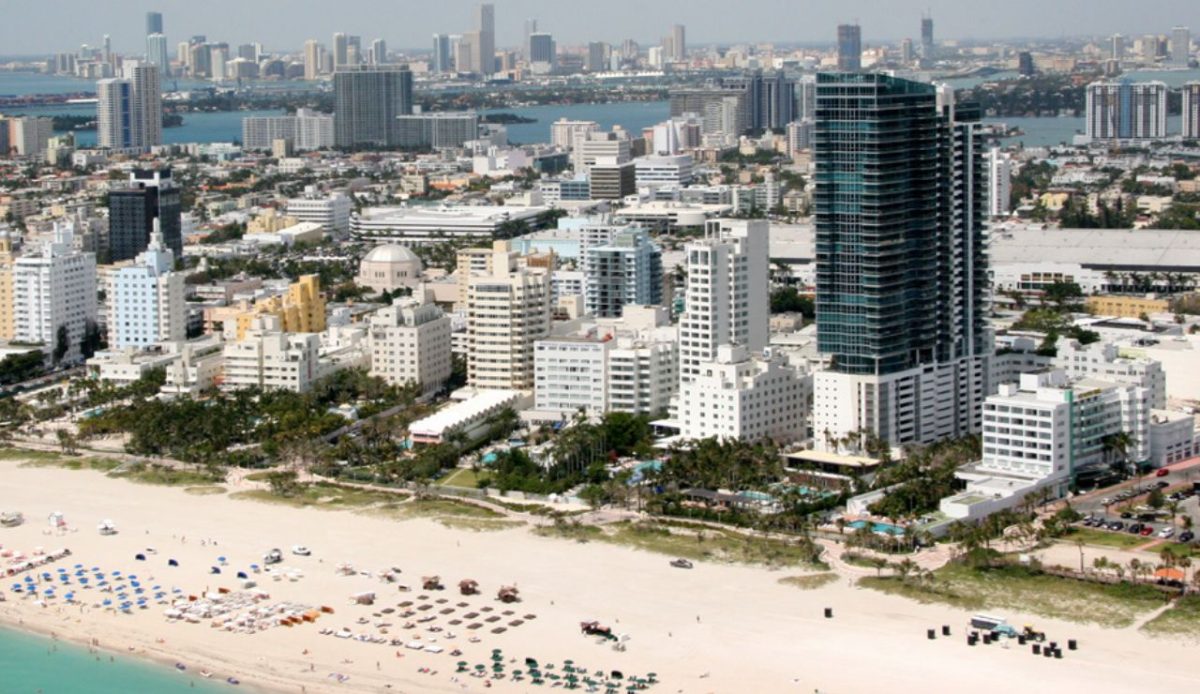
Miami Beach draws huge visitor waves into a narrow strip with limited road links, so congestion can spike fast. Peak weekends bring packed beach entrances and curbside chaos as rideshares and hotel drop-offs compete.
Overuse shows up as litter on busy blocks, stressed public restrooms, and beach wear where foot traffic concentrates. When big events overlap, stricter parking rules and enforcement kick in to keep streets passable.
Move transit-first: use shuttles, trolleys, or walking for short trips and avoid driving between neighborhoods. Choose less crowded access points, respect local rules, and pack out what you bring. A calmer schedule often improves the trip more than adding stops.
13. Key West, Florida
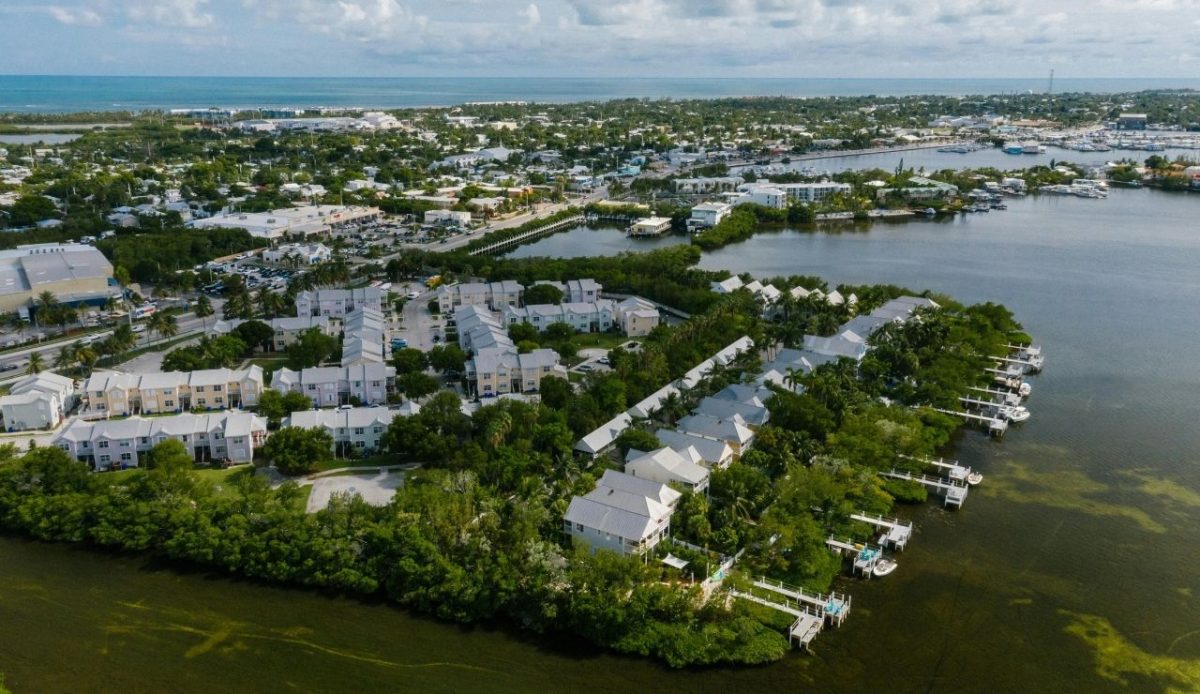
Key West is small and heavily marketed, which makes it vulnerable to crowd spikes from day-trippers and cruise traffic. When visitor numbers surge, Duval Street and the historic core can feel packed, while bikes and scooters fight for space.
Impacts include more litter, stressed restrooms, and pressure on marine environments when boating and snorkeling demand peaks. Even basic errands slow down when curb space is jammed with tours and deliveries.
Keep your footprint light by walking, biking, or using shuttles instead of driving into Old Town. Follow marine rules, choose operators that cap group sizes, and avoid touching reefs or wildlife. Off-peak mornings are calmer and reduce pressure on streets and water.
14. St. Augustine, Florida
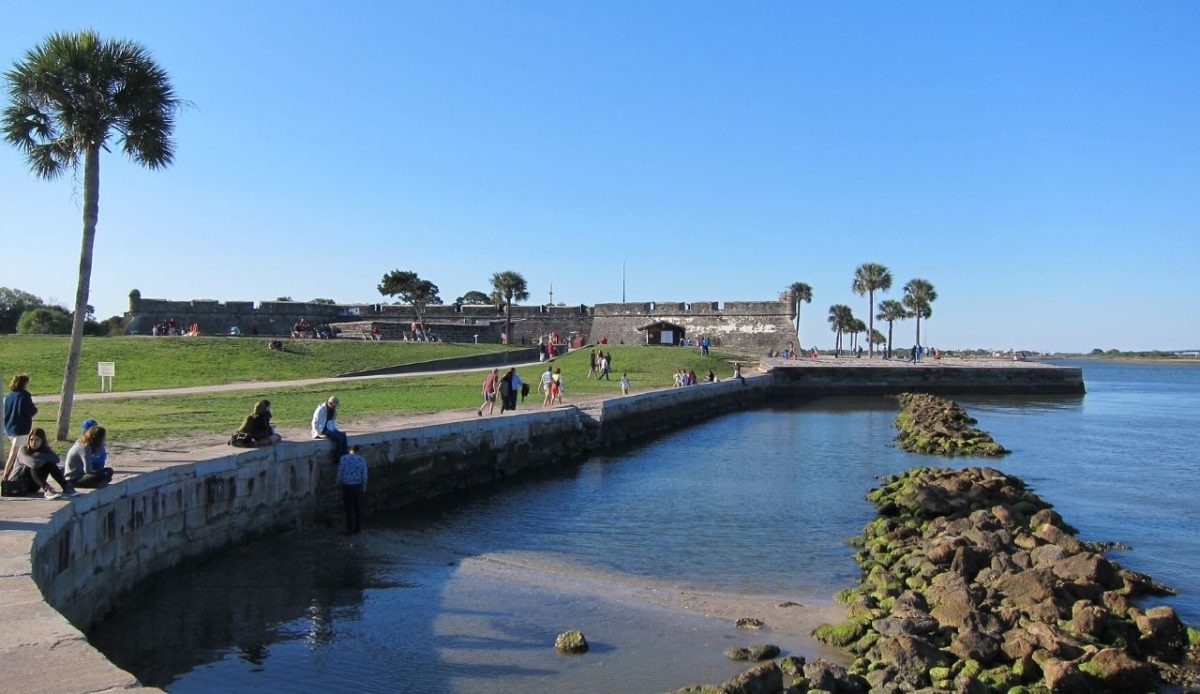
St. Augustine’s historic core is compact, so busy weekends can overwhelm streets laid out long before modern tourism. Tour trains, trolleys, and foot traffic cluster around a few blocks, and parking demand spills into near neighborhoods.
The strain shows up as worn paving, overflowing trash near popular stops, and long lines for restrooms and dining. Beach access can also feel pressured when visitors combine history sightseeing with coastal time in the same day.
For a better visit, come midweek, park once, and explore on foot instead of hopping between sites by car. Choose timed-entry attractions when possible, respect residential streets, and stay on established paths at historic sites. Spreading your day out reduces congestion and wear
