
Las Vegas feels brightly mapped, but the Strip is engineered for flow, not for keeping groups together. Crowds, mirrored lobbies, long corridors, and constant noise make it easy to lose sight of someone in seconds.
This guide highlights 13 parts of the Strip environment where people most often get separated, miss meet-up points, or become hard to locate, especially late at night, during conventions, or around headline shows.
Use it as a practical safety map: share live location, pick a reunion spot that never moves (like a specific valet sign), and note the nearest security desk, taxi stand, and well-lit exit on arrival first before you split up.
1. Casino Floors With Maze-Like Layouts
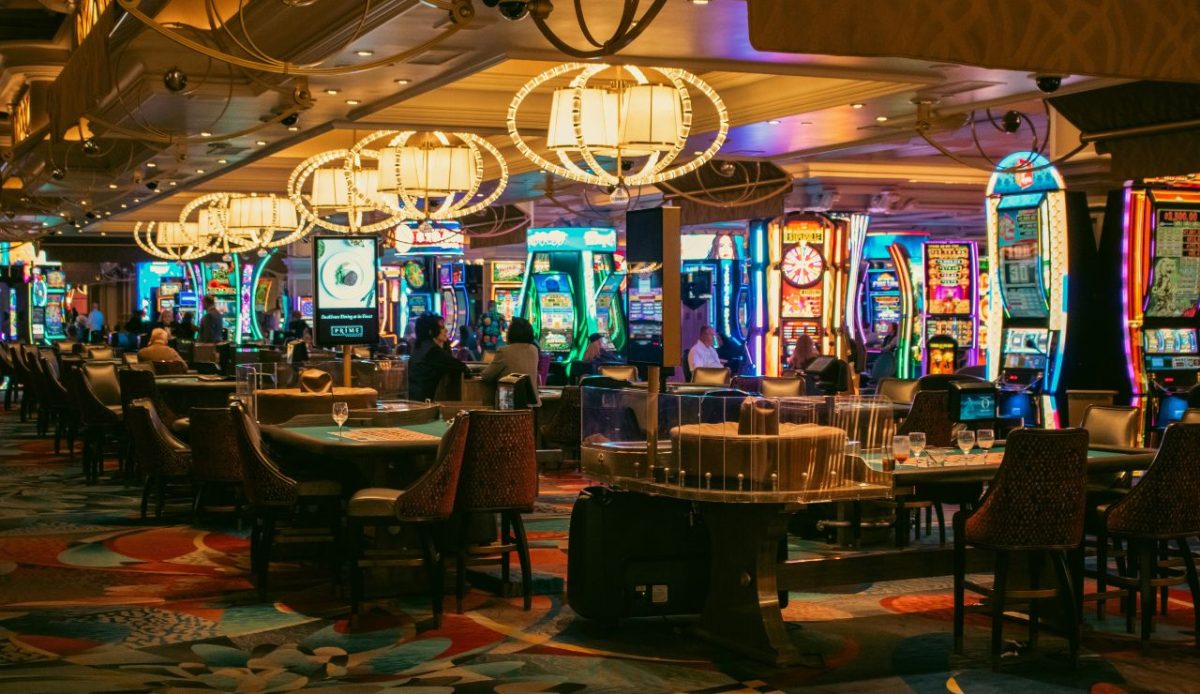
Casino floors are designed like open mazes: gaming areas blend into bars, lounges, and back-of-house doors. With no obvious “front,” two people can walk the same path and still end up on different sides of the room.
Sound and lighting reduce awareness. Slot rows block sightlines, and music makes quick check-ins harder to hear, so a simple “I’m right here” becomes a slow loop through identical aisles.
If you’re meeting inside, pick a fixed landmark outside the gaming area, an information desk, a named entrance, or a restaurant host stand, and agree on a time window. If someone doesn’t show, go to security immediately there instead of wandering.
2. Pedestrian Bridges Over Major Intersections
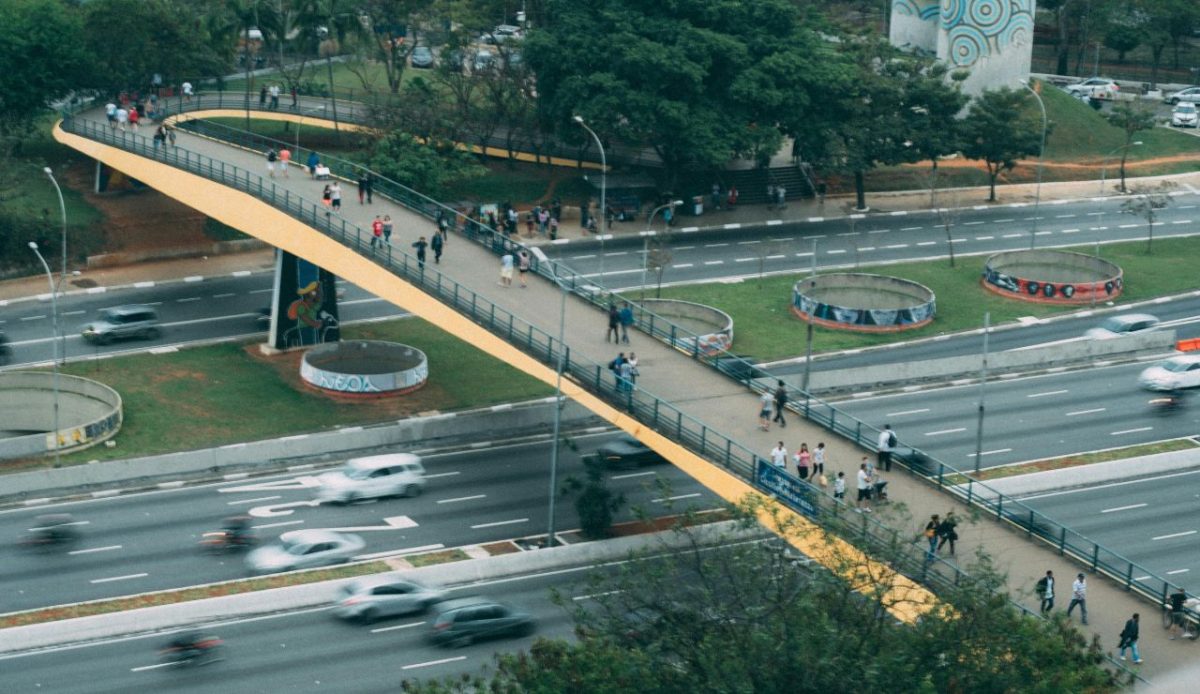
Pedestrian bridges over Las Vegas Boulevard and major intersections funnel thousands of people into narrow ramps and stairs. During peak hours, movement becomes a steady push, and it’s easy for a group to split at a landing or corner.
These bridges often have multiple exits into different resorts or shopping areas. If one person takes the left ramp and another takes the right, you can end up blocks apart without realizing it. GPS can also drift between levels.
Before crossing, decide which side you’re exiting to and name the exact spot you’ll wait, like the top of the escalator next to a specific sign, then stop moving until everyone is together again.
3. Mega-Resort Lobbies With Multiple “Main” Entrances
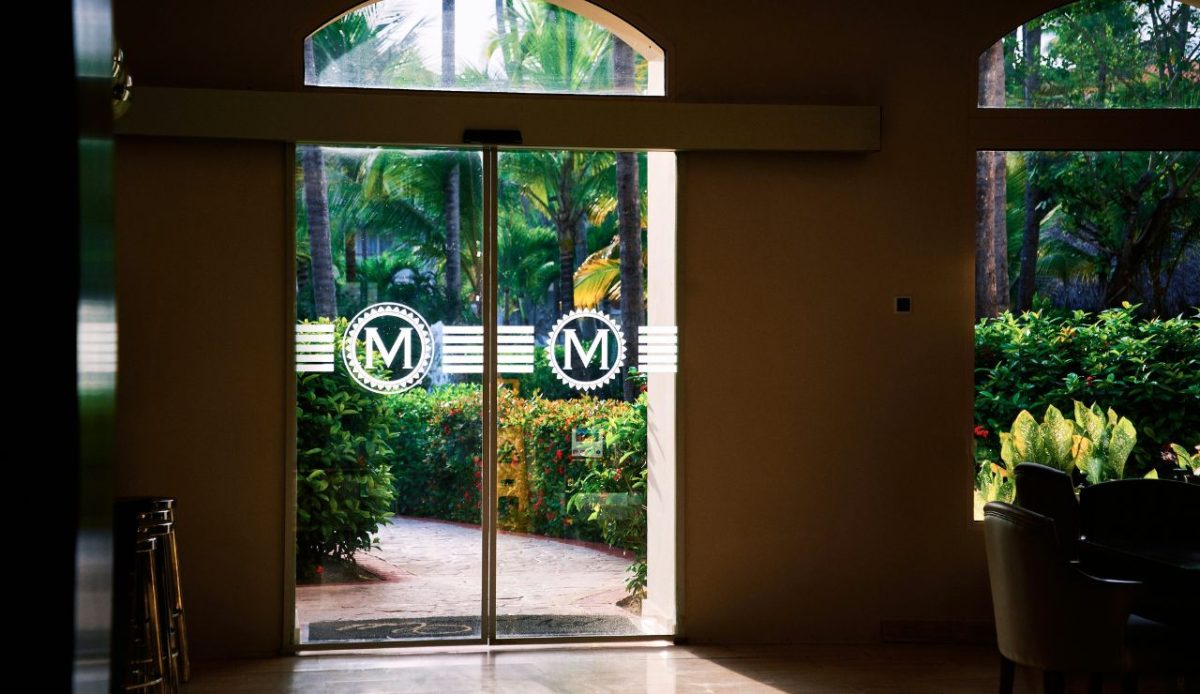
Large resort lobbies look simple, but they connect to casino floors, restaurants, spa corridors, and separate hotel towers. Many also have multiple street entrances that feel “main” depending on where you arrive.
Because the décor repeats, columns, fountains, and identical seating zones, people can stand in the same lobby and still miss each other by one turn. Late-night crowds add confusion, and elevators may be in different wings.
Use a landmark that has a name and a sign you can photograph, then share that image in your group chat. If someone goes missing, head to the nearest security or concierge desk and give the resort name and tower quickly.
4. Hotel Towers With Repeated Floor Layouts
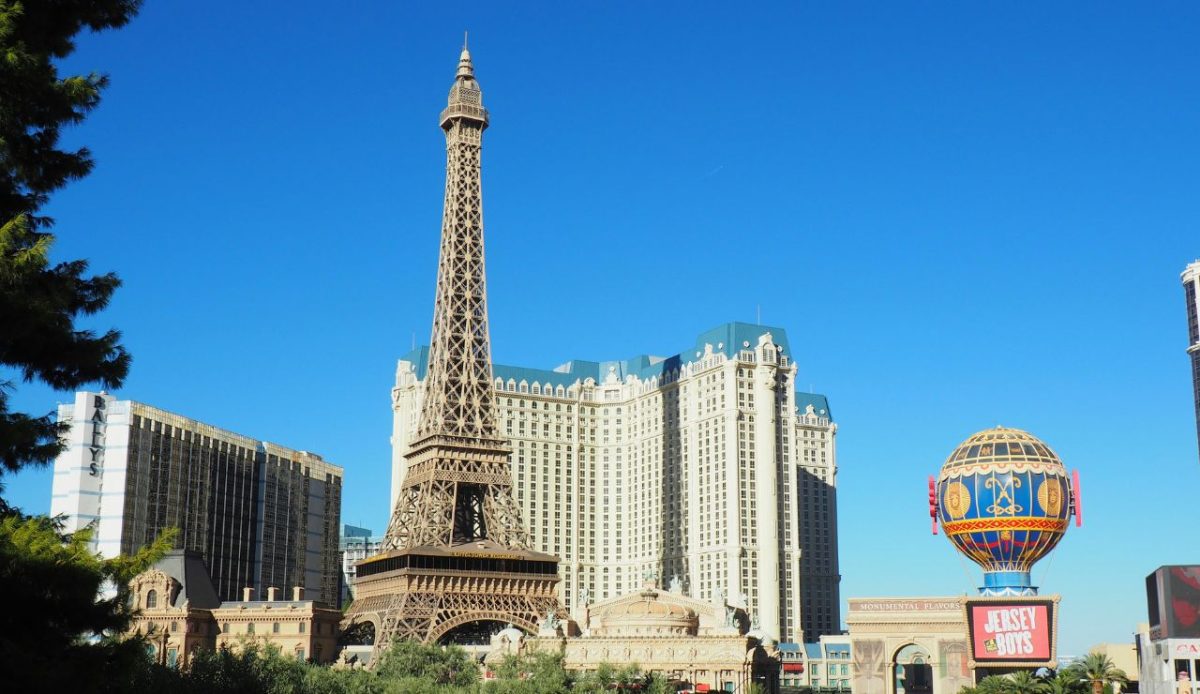
Hotel towers on the Strip can be a vertical city: banks of elevators, long corridors, and repeated floor layouts. If your party splits between elevator banks, you may exit on the same floor but at opposite ends.
Room numbering can be non-intuitive, and some resorts require key access for certain elevator routes. Cell service can weaken in the core of towers. Add tiredness after shows at 2 a.m., and a wrong turn becomes “I can’t find my room.”
Save your room number and tower name in your phone notes, and screenshot the elevator directory. If you get disoriented, return to a lobby level and reset rather than roaming hallways that all look alike.
5. Multi-Level Parking Garages And Shared Structures
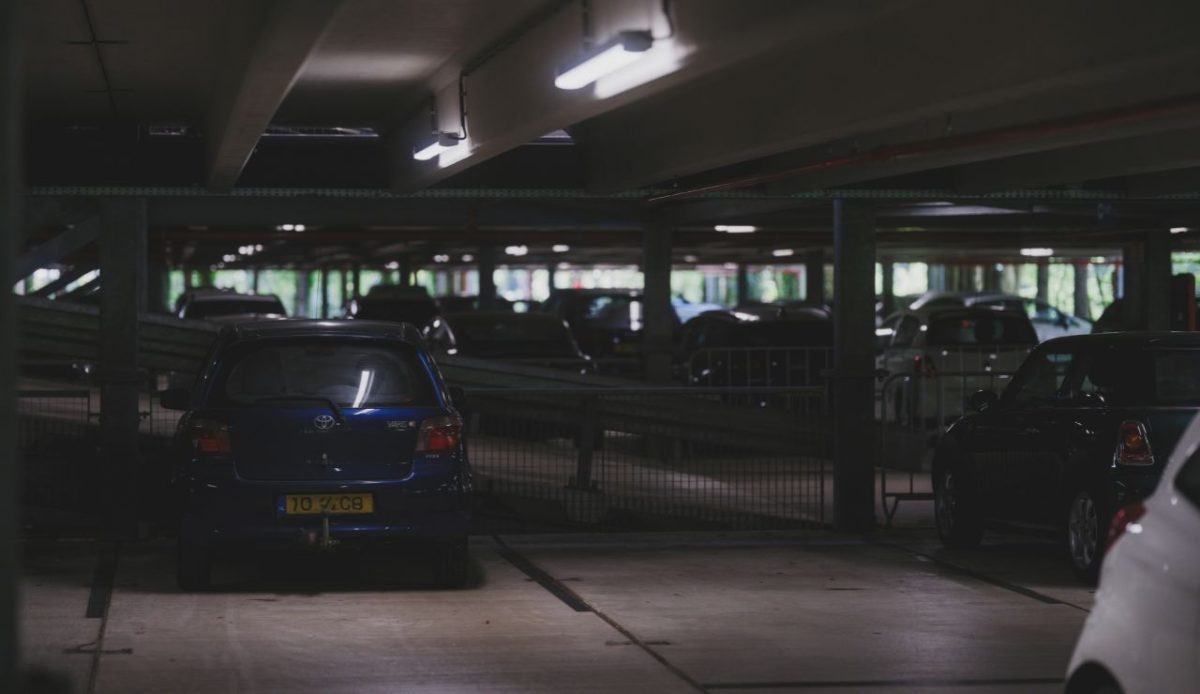
Strip parking garages are massive, multi-level, and often shared between connected properties. You can enter through one stairwell and exit through another, then realize the level markers don’t match what you remember.
Lighting changes between sections, and the distance between elevators and your car can be long. Similar-looking vehicles make second-guessing common. People also switch from vacation mode to “find the car now,” rushing.
Take a photo of your level, row, and the nearest pillar number, and drop it in your chat. If you can’t find the car within a few minutes, return to the elevator lobby where signage is clearer and restart calmly.
6. Rideshare Zones Hidden On Lower Levels
Rideshare zones sound straightforward, but many resorts place them in garages, side streets, or lower levels to manage traffic. That means multiple doors, escalators, and “follow the signs” routes that don’t feel intuitive.
At night, drivers may be directed to different lanes, and pickup pins can shift by a few dozen meters. If your group is split between lanes, you might watch the same car pass without connecting, especially during surges.
Confirm the exact pickup letter or bay number, not just the resort name, and keep everyone on one curb. Stand under a bright sign, keep your phone visible, and avoid walking into dark corners to “meet the car faster.”
7. Indoor Promenades And Resort-Connected Malls
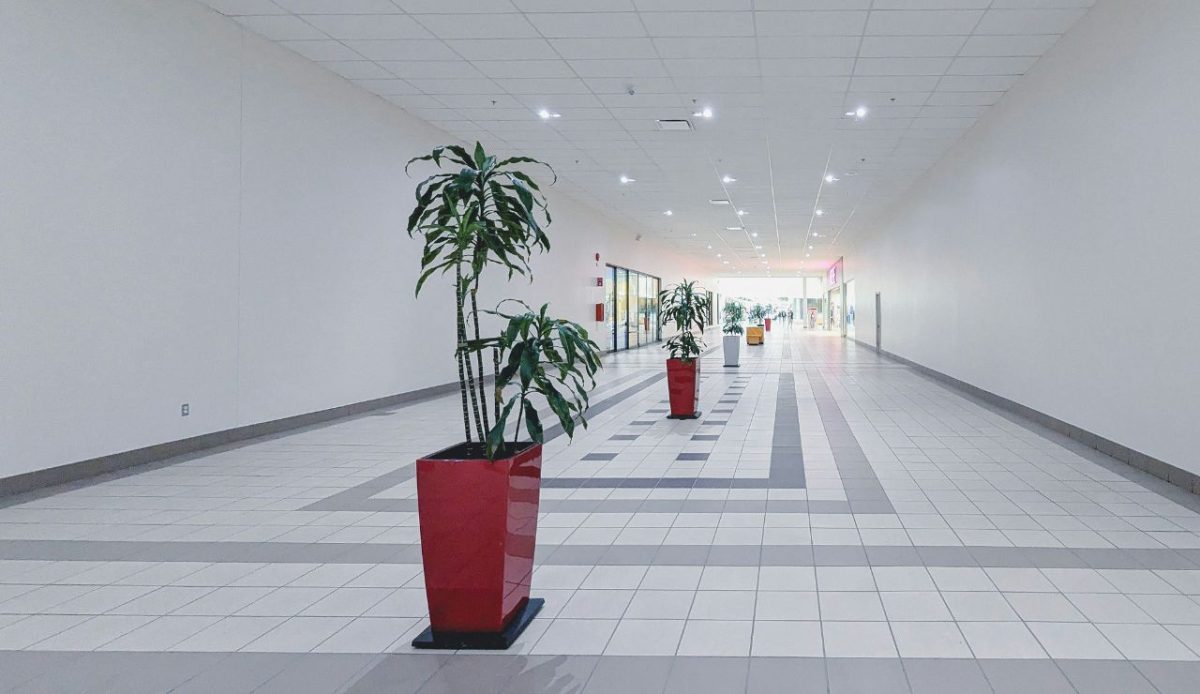
Indoor promenades and luxury mall corridors can stretch farther than they appear, with curved paths that hide what’s ahead. They also connect to multiple resorts, so “I’m by the shops” can describe half a mile of space.
Stores repeat across floors, and many areas have similar lighting and tile patterns. It’s easy to pass within a few meters of someone without seeing them, especially when display walls block sightlines. Closing times can also funnel crowds into a few exits.
Use a specific storefront name plus a nearby intersection, escalator, or restroom sign. If you’re regrouping, choose one anchor spot and stay put, walking “to look for them” usually makes the problem worse.
8. Show Venues And Post-Event Exit Waves
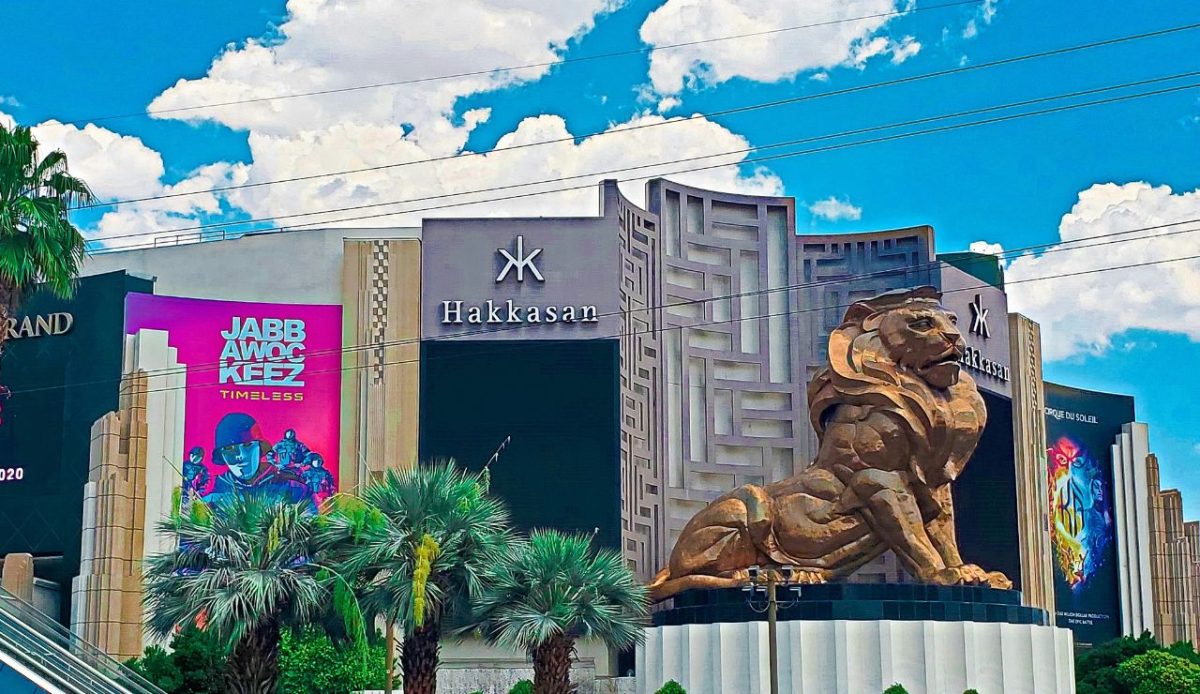
Show exits on the Strip create sudden, dense waves of people. Thousands step out at once, phones come up, and everyone moves in different directions toward bars, restrooms, or rideshares.
Venues often have multiple doors and levels, so two friends can leave the same show and still surface on different sidewalks. Merch and restroom lines pull people aside, and security may keep traffic moving while music continues outside.
Before the show starts, agree on an after-exit landmark outside the venue’s perimeter, not inside the crowd. Set a 10-minute rule: if you miss each other, go straight to the landmark and wait there with your back to a wall and without roaming alone.
9. Sidewalk Bottlenecks Along Las Vegas Boulevard
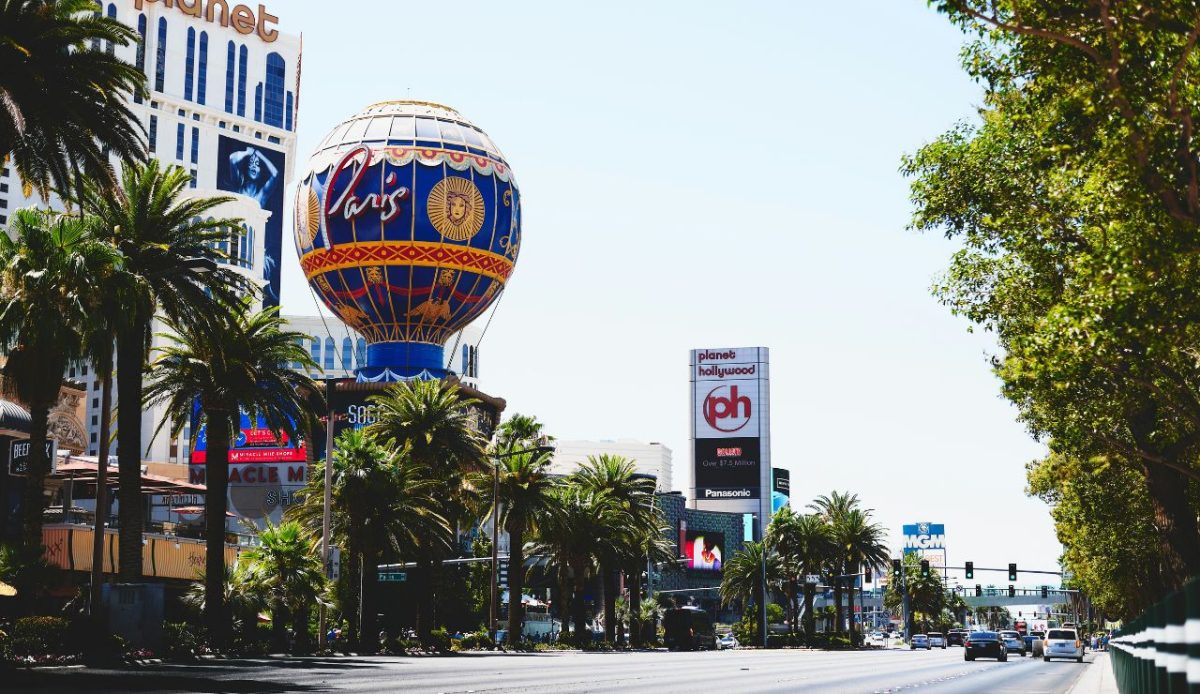
The Strip sidewalk looks open, but it constantly narrows around buskers, photo spots, construction fencing, and street vendors. A brief pause to check a map can separate a group by an entire block.
Crosswalk cycles and traffic lights add delays, and heat can make people move at different speeds. At night, bright signs and crowds make it hard to spot familiar faces, and shortcuts through driveways can be confusing.
Walk with a simple formation: one person sets the pace, one stays last, and nobody stops without saying it. If you get split, don’t sprint, step to the nearest well-lit storefront, hydrate, and reconnect by message with cross streets.
10. Monorail Platforms And Connector Hallways
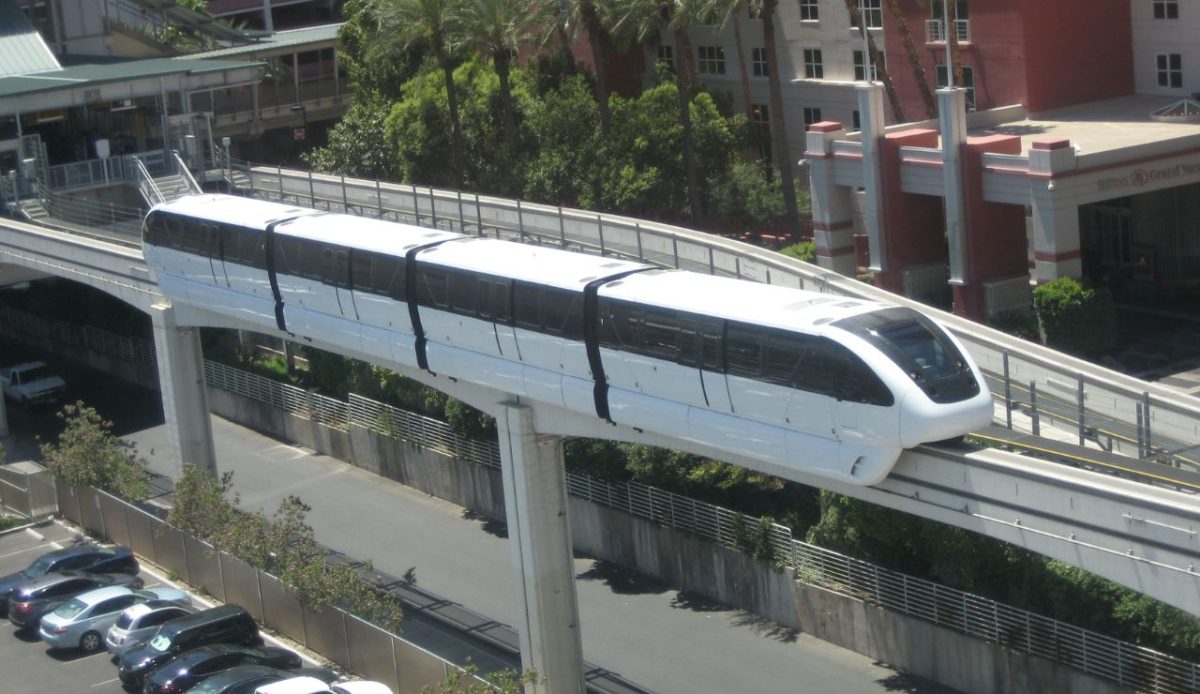
Transit points near the Strip, monorail platforms, shuttles, and station corridors create quick decisions under pressure. Doors close, trains arrive, and people step on “so they don’t miss it,” leaving others behind.
Stations can have multiple exits and long connector hallways into different properties. Ticket machines and escalators form small choke points where friends get separated by a few seconds. If cell service weakens inside, directions get messy.
Agree on one rule: nobody boards until everyone is physically present. If you miss a train, take the next one together. Use the posted station name, direction, and platform number when texting.
11. Restroom Corridors That Re-Route You
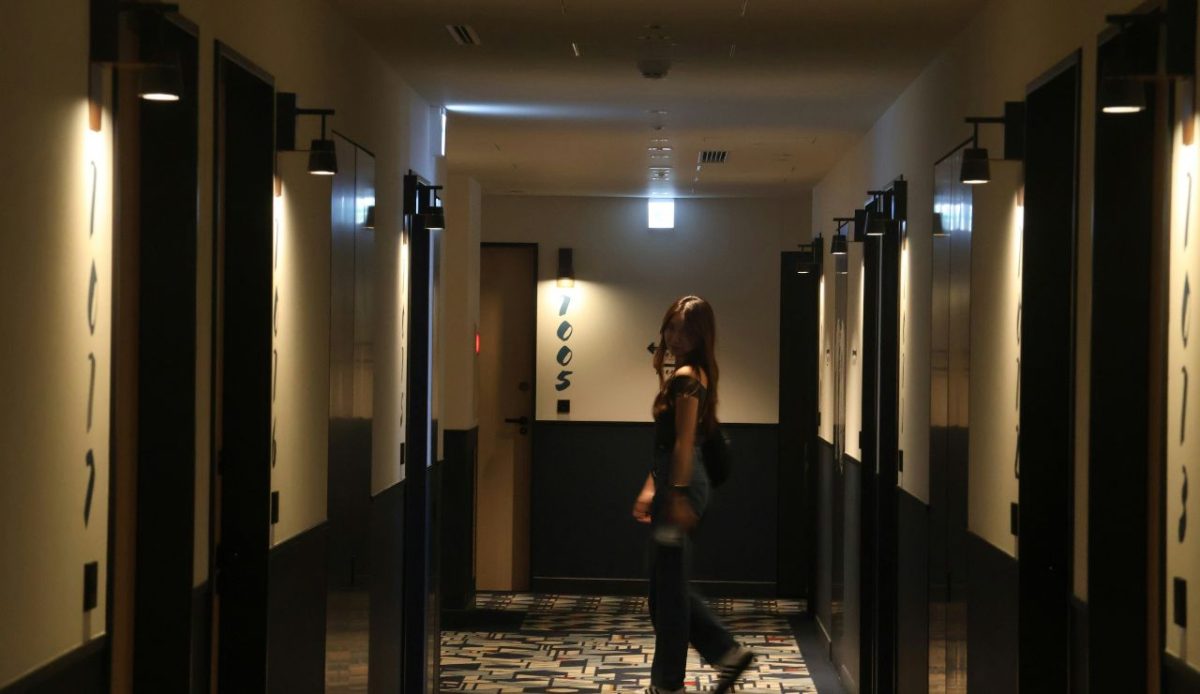
Restrooms on the Strip are often down long corridors and around corners, especially in older mega-resorts. One person goes quickly, then re-emerges into a different hallway than expected.
Some restroom areas connect to conference wings, restaurants, or secondary casino entrances. When you step out, everything looks similar, and tired travelers choose the wrong direction without noticing.
Before anyone splits off, pick a visible waiting point and a time limit. Keep essentials on you, not on the table, and don’t accept “I’ll show you” guidance from strangers. Follow the signs back to the same-named venue you came from. If you’re lost, ask the staff fast.
12. Service Doors Near Public Walkways
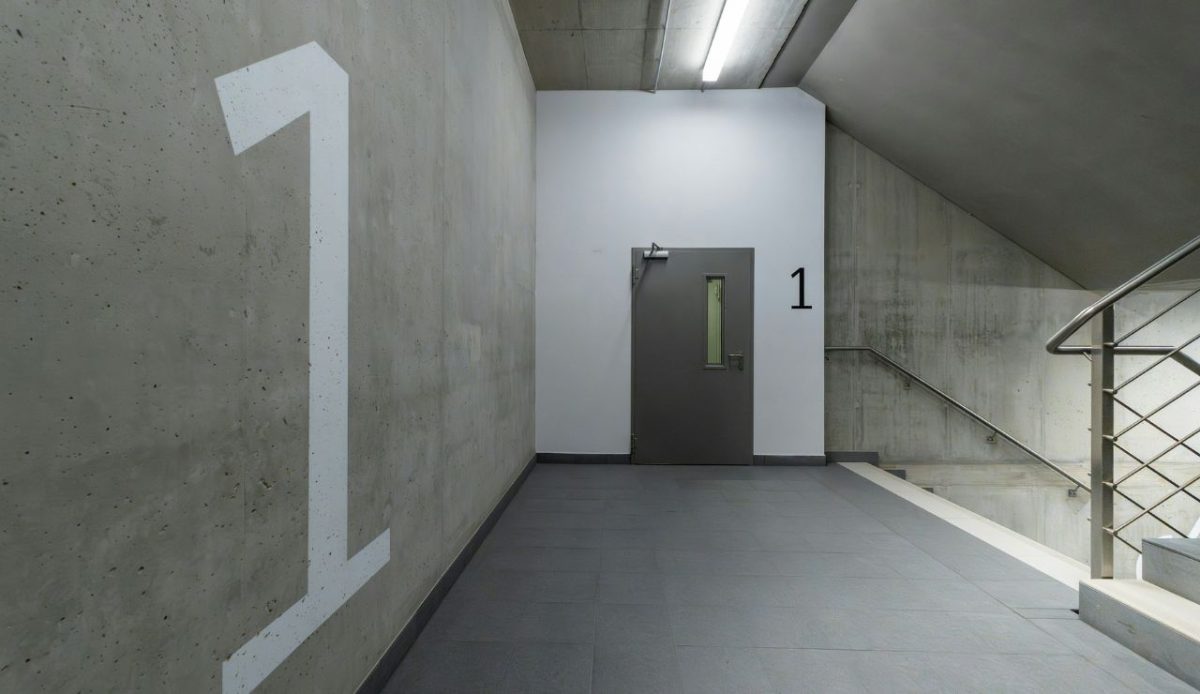
Behind the polished fronts, resorts run on service corridors, loading docks, and staff-only doors that sit near public walkways. A wrong turn toward “Employees Only” areas can pull someone out of the main flow in seconds.
These zones are quieter and less populated, which makes them feel like shortcuts, especially when you’re trying to reach parking or rideshares. They’re also confusing, with utilitarian signage and limited landmarks.
Stay on guest routes, even if it adds a minute. If you spot a friend heading the wrong way, call them back immediately. If you accidentally enter a restricted area, turn around and return to a staffed space rather than exploring for an exit.
13. The Dark Gaps At The Strip’s Edges
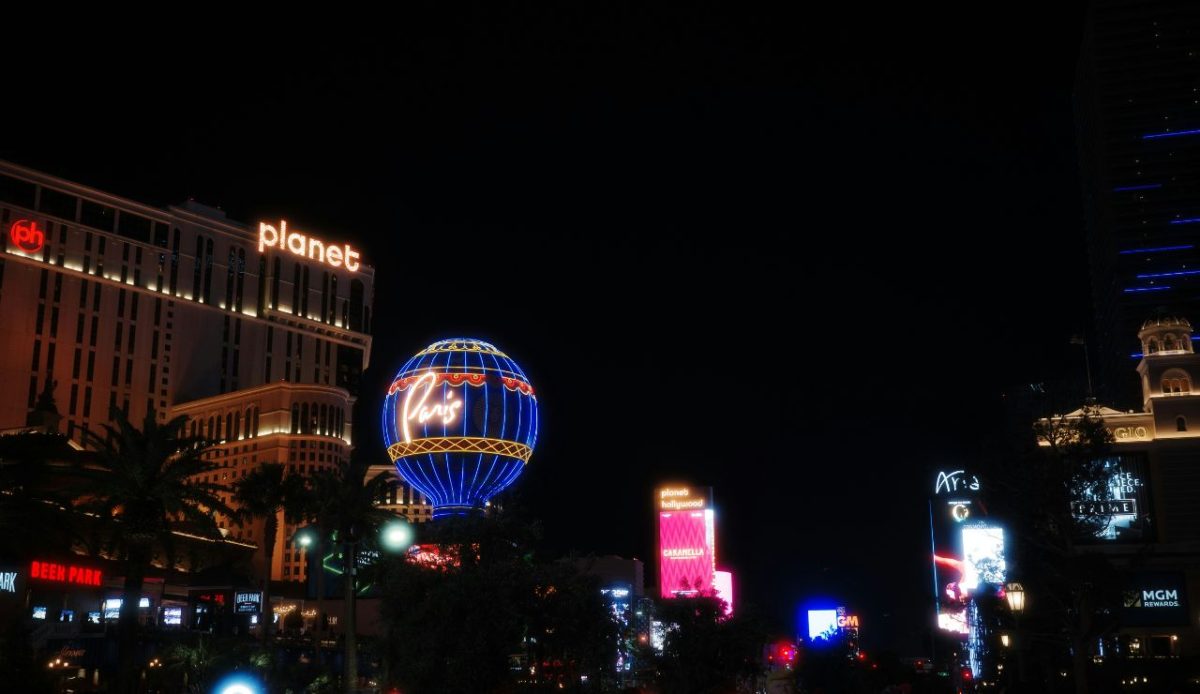
At the far south and north ends of the Strip, the bright corridor fades quickly into wide roads, empty lots, and darker stretches between properties. Distances look short on a map, but the walking environment changes fast.
If someone decides to “walk it” alone to the next stop, they may end up on a poorly lit shoulder or near fenced areas with few people around. In warm months, heat and dehydration add risk.
Use a taxi, rideshare, or bus for gaps that don’t have steady foot traffic. If you must walk, do it in a group and stay on main sidewalks. If you feel unsafe, go into the nearest open lobby and ask staff to help you route back safely now.
