
Thailand is often sold as an easy tropical escape, yet a first trip can feel uneasy when daily rules differ from what visitors assume. Speech, policing, and online behavior are treated seriously, and penalties can be applied quickly. Environmental stress also changes plans, from hazardous haze to water limits on busy islands. Some issues are hidden behind resort areas, including labor exploitation and animal handling. Knowing what is common, what is prohibited, and what is quietly tolerated helps travelers make safer choices and avoid problems that can escalate. Court processes can be slow, so prevention matters more than arguing later.
1. Royal Speech Is Criminally Regulated
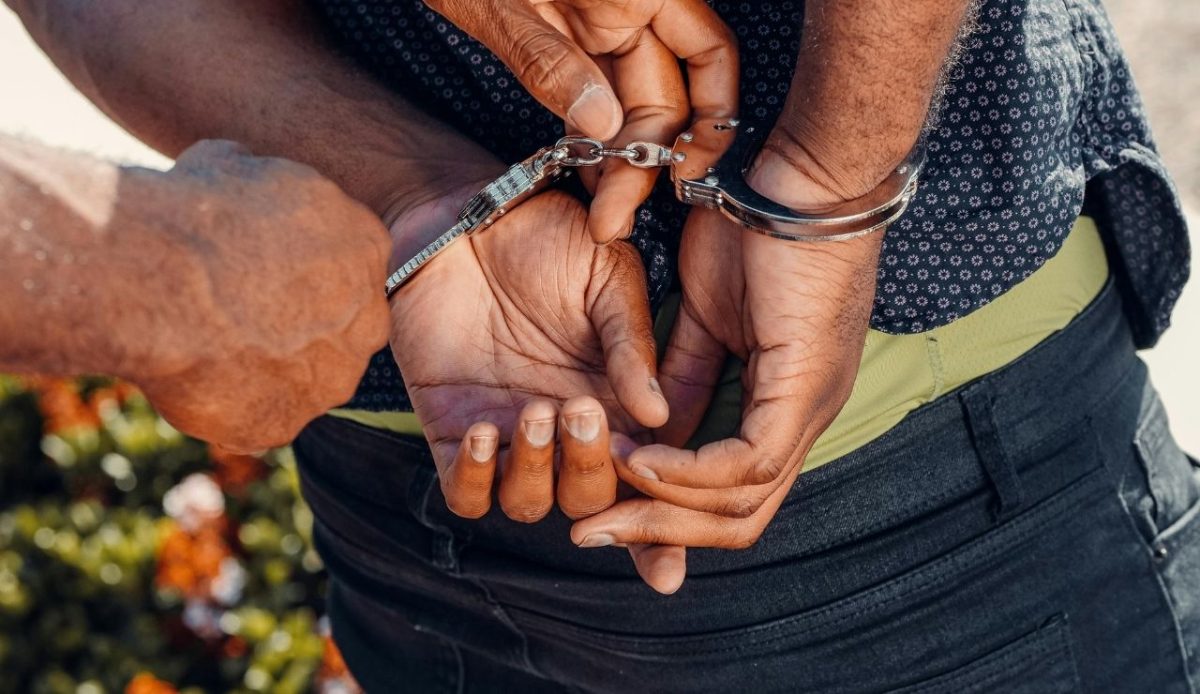
Thailand’s lèse majesté law makes casual talk risky in a way many outsiders do not expect. Under Section 112, statements seen as insulting the monarchy can bring multi-year prison terms per count, and cases have involved foreigners. The rule covers speech, writing, and online posts, and intent may not protect a defendant. Because complaints can be initiated by private citizens, attention can arrive after a remark is repeated or screenshot and shared. Even sharing memes or reposting commentary can be read broadly. Visitors should treat the topic as off-limits, since older content can be pulled into a later investigation.
2. Political Power Can Shift Overnight
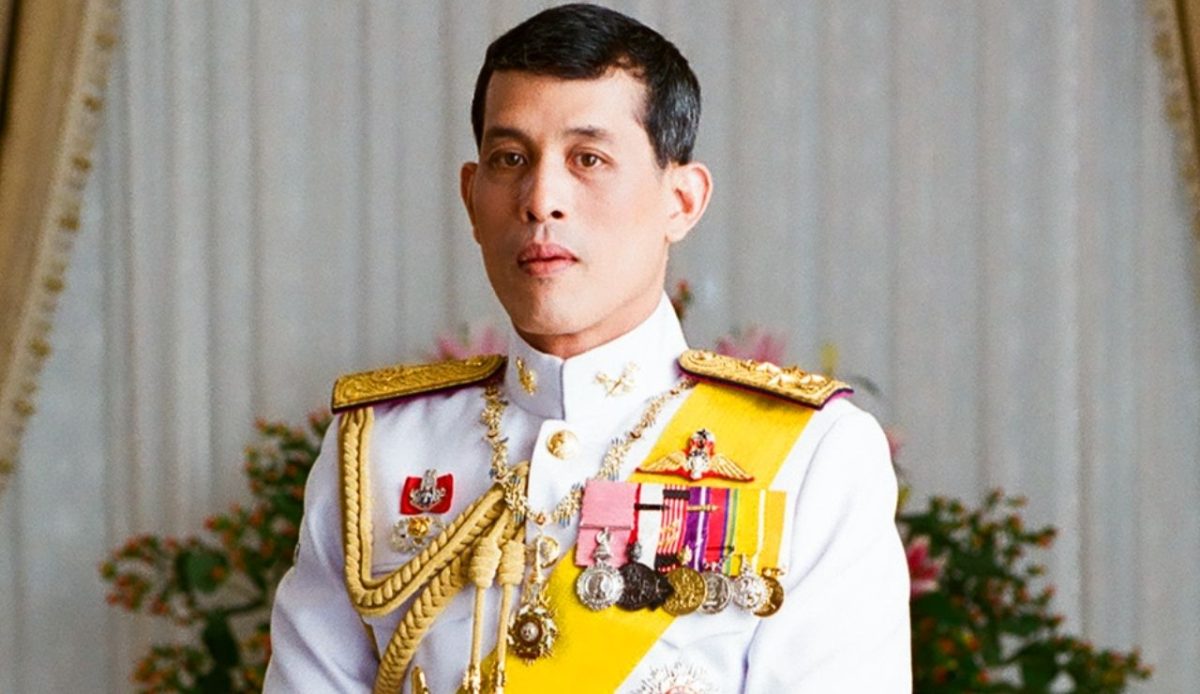
Political power in Thailand has shifted abruptly in the past, and visitors can be caught off guard by how fast rules change. After military takeovers, curfews have been announced, gatherings have been restricted, and certain broadcasts have been controlled. Airports and trains may keep running, yet checkpoints can appear, and public messaging can become tightly scripted. Because updates may be issued after measures are active, travelers should monitor official notices and keep plans flexible when tensions rise. Avoid filming soldiers or arguing at controls, since confrontations are more likely to be escalated during security periods.
3. Online Activity Is Actively Prosecuted

Online activity in Thailand is policed under laws that treat digital speech as a public act, not a private conversation. The Computer-Related Crime Act has been used in cases involving posts labeled false, threatening, or harmful to national security. A shared link, forwarded message, or sarcastic comment can be preserved as evidence, and content may be removed without explanation. Visitors who assume home country norms apply can be surprised when a casual post is questioned, especially if screenshots have circulated. Temporary blocks have occurred, so relying on one platform for updates is risky. Keep sensitive topics out of public channels.
4. Air Pollution Reaches Emergency Levels
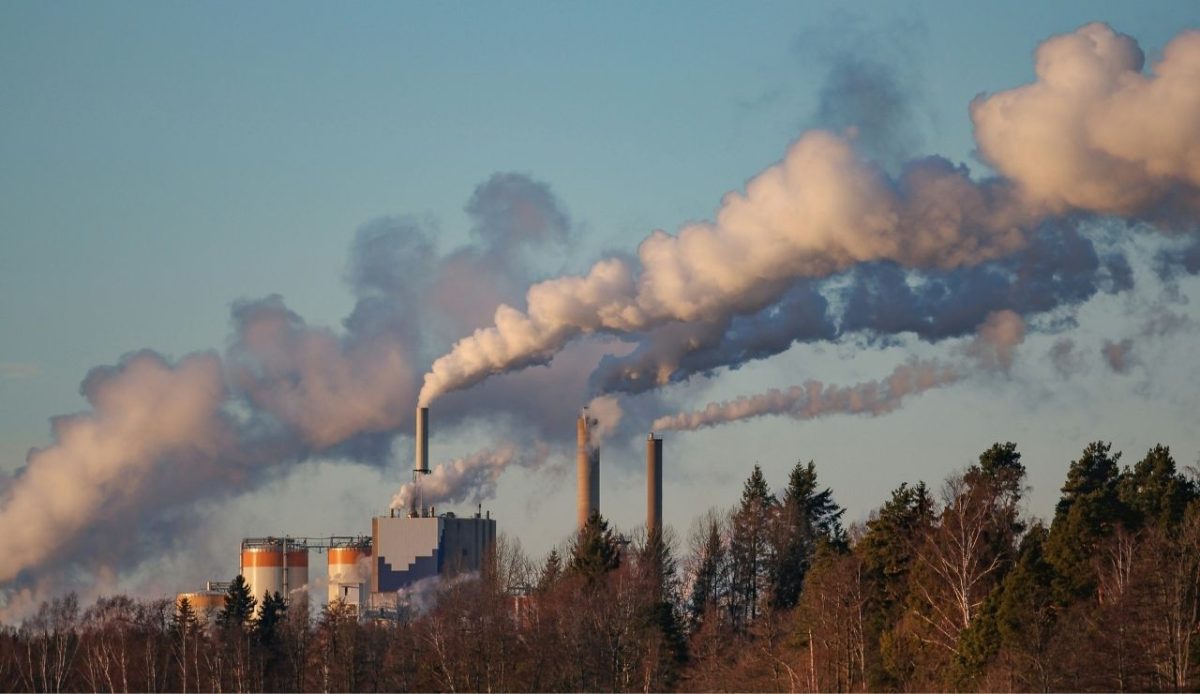
Air quality shocks many visitors, especially during Bangkok smog and the northern haze season. Fine particle pollution can reach unhealthy levels, and outdoor plans are often curtailed. Schools have been closed during major PM2.5 spikes, and flights may be delayed when visibility drops. Masks are common, and sensitive travelers may need medication or indoor time. In the north, agricultural burning is a driver, and smoke can linger for weeks. Lodging with decent air filtration can reduce symptoms. Use local AQI apps, avoid hard exercise outdoors on bad days, and keep a backup plan for indoor museums and markets.
5. Labor Abuse Persists in Key Industries
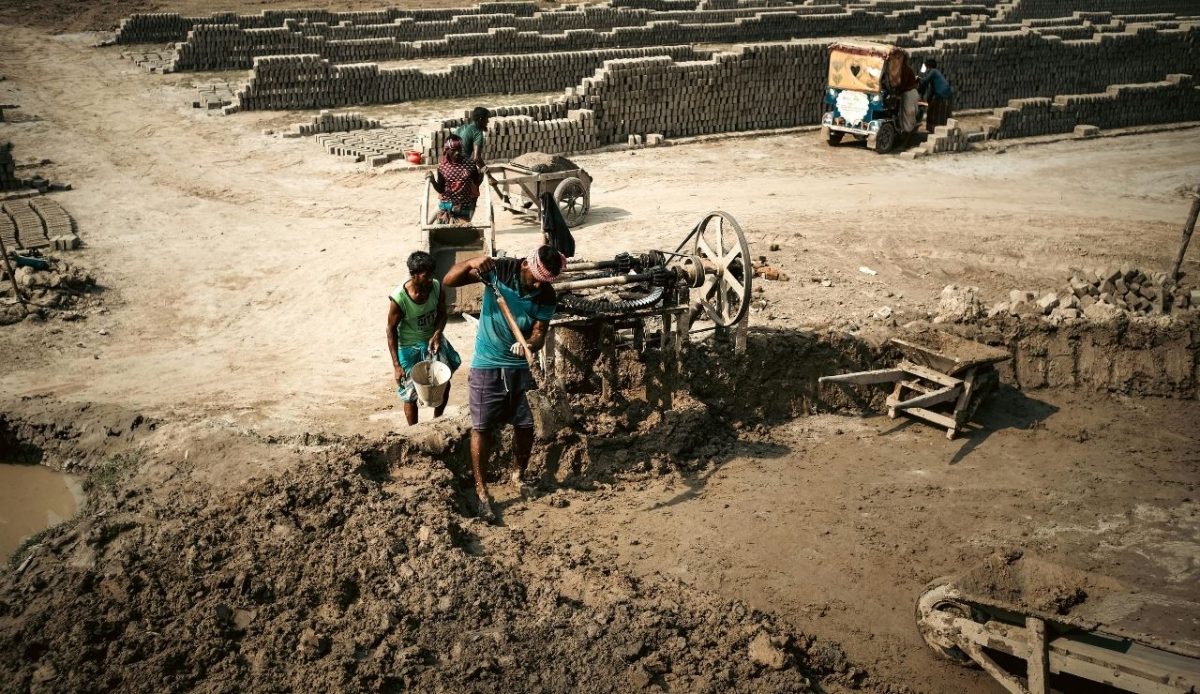
Thailand’s seafood economy has been linked in multiple investigations to forced labor and trafficking risks, especially in parts of the fishing supply chain. Migrant workers have reported withheld wages, debt pressure, and movement controls, while oversight has varied by port and employer. Reforms have been announced, yet enforcement is uneven and hard for travelers to observe. The unsettling part is that luxury meals and low prices can be supported by work conditions kept far from tourist routes, making ethical choices hard. Picking vendors that list sourcing details can reduce risk, though no label guarantees labor standards.
6. Tourist Wildlife Encounters Can Mask Abuse
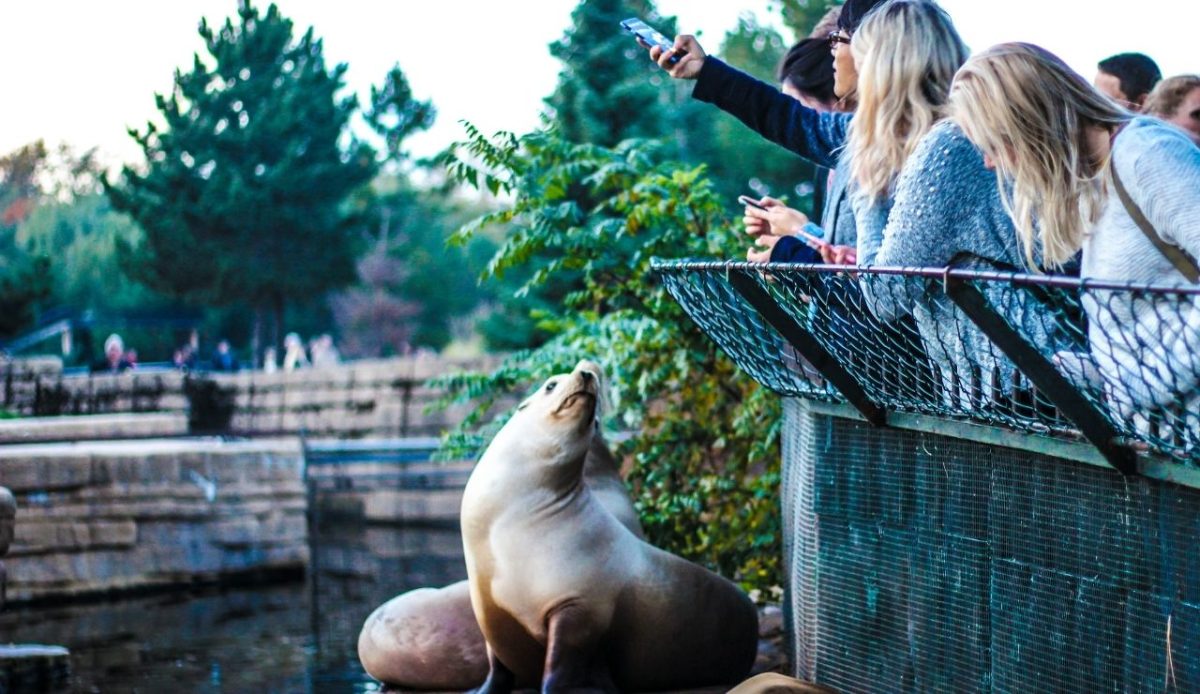
Wildlife encounters that look gentle on social media can depend on harsh handling behind the scenes. In some venues, elephants are trained through coercion and kept under tight control for rides or photos, and big cats may be sedated or bred for constant contact. Regulation exists but is inconsistently enforced, and marketing terms like sanctuary are not standardized. Visitors who pay for close interaction may be supporting practices that would be banned at home, even when the staff appear friendly on the surface. Look for places that limit touching, avoid performances, and allow animals to choose distance, and verify policies before booking.
7. Prisons Operate Far Beyond Capacity
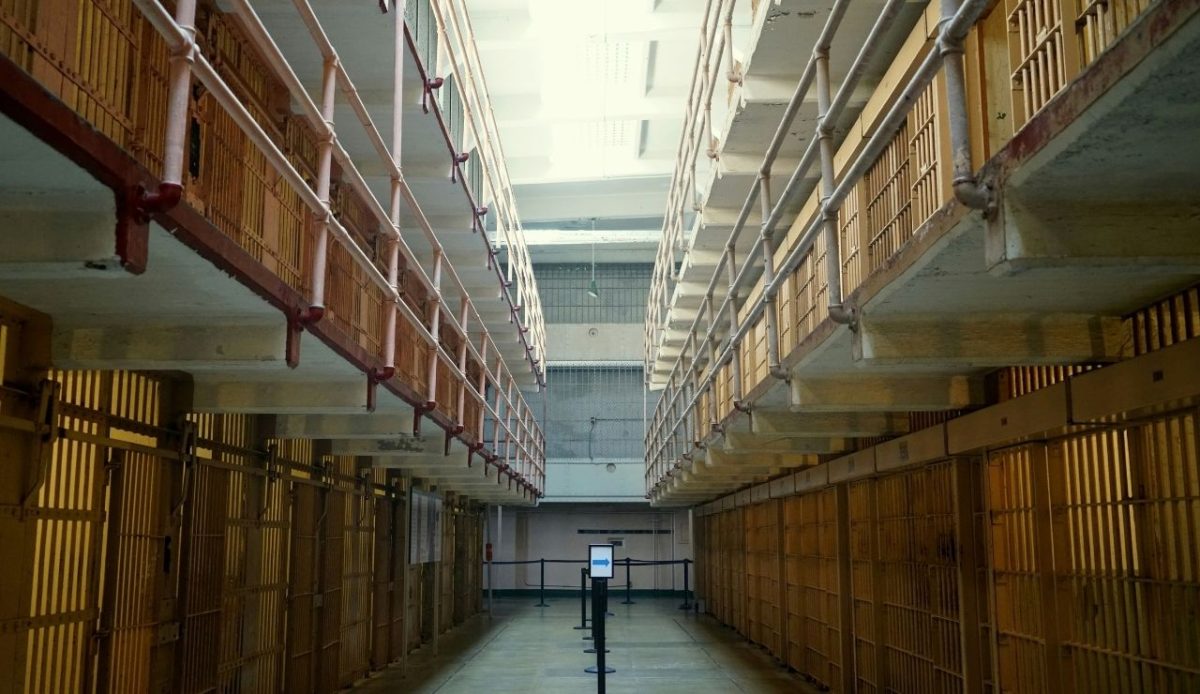
Thailand’s prisons are overcrowded, and conditions can be harsh for anyone who enters the system. Pretrial detention can last months, and bail is not assured for foreign nationals. Cells may be cramped, hot, and short on medical care, while legal timelines move slowly. Minor offenses that would lead to a ticket elsewhere can result in custody, especially when documentation is missing or a complaint has been filed. Interpreters may not appear quickly, and consular help cannot replace a lawyer, which adds stress at first contact. Keep ID copies, follow instructions, and avoid arguments, since escalation is punished more than the original issue.
8. Immigration Detention Is Separate and Severe
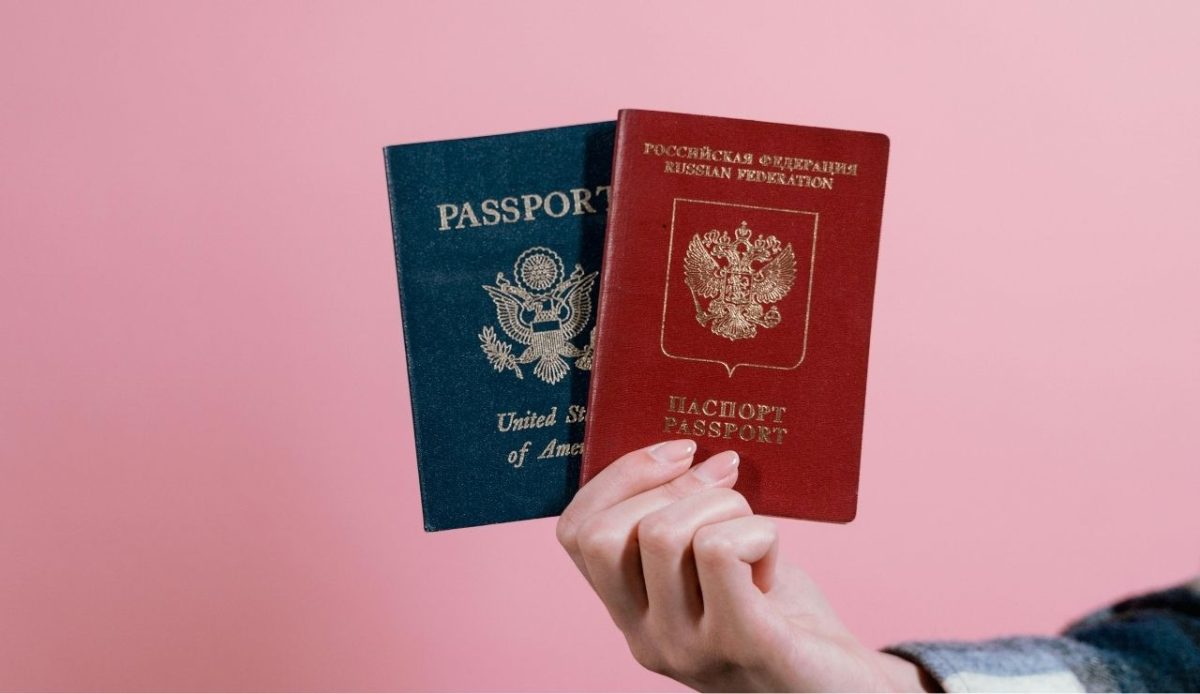
Immigration problems can turn serious because detention is used for overstays and visa disputes, not just fines. Holding centers are separate from prisons, yet crowding and limited medical access have been reported. People may be kept until flights are arranged and costs are covered, which can take weeks if money is short or paperwork is delayed. Many travelers assume a few extra days will be settled at the airport, but detention can follow if an overstay is discovered during checks or a police stop. Keep entry stamps and extension receipts, and resolve status before it expires. Once a file is opened, release can be slow even after payment.
9. Stateless Communities Live Within the Country
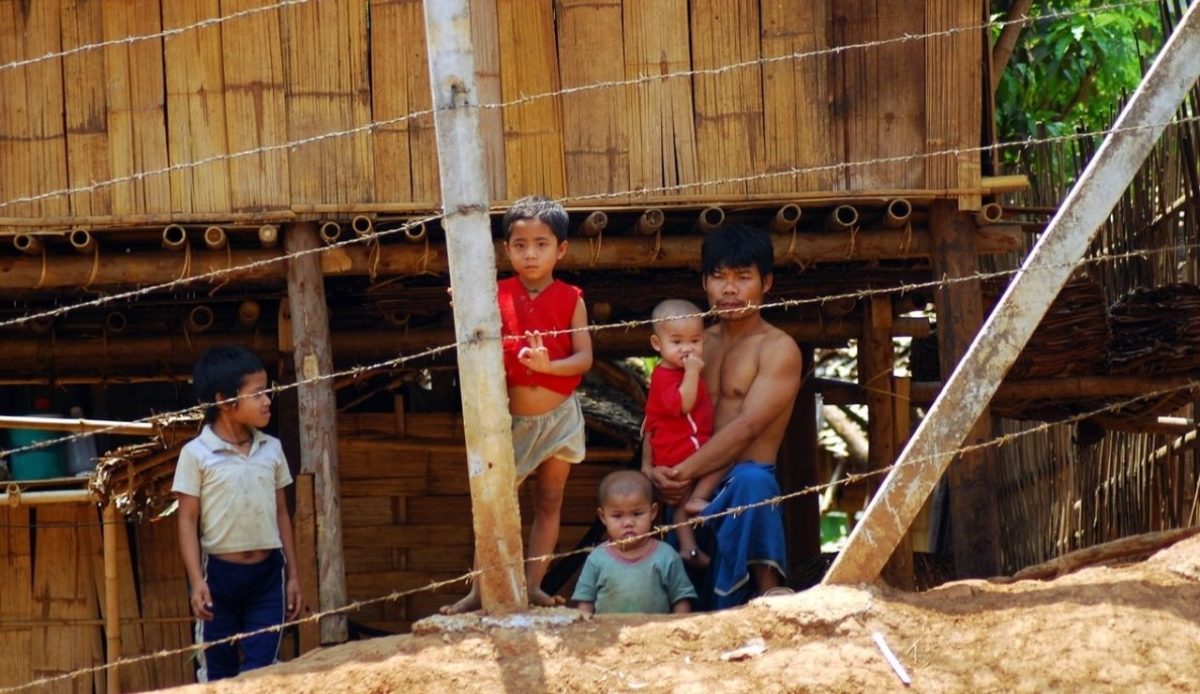
Thailand includes communities whose members remain stateless, especially in the north near border areas. Without citizenship, many face limits on travel, formal work, schooling, and access to some services. Nationality programs exist, but progress can be slow, and family records are hard to prove across decades. Tourists may pass through hill regions without noticing, yet the contrast between modern airports and residents without legal identity can feel unsettling. In some provinces, checkpoints are used, and locals may be asked for papers that visitors do not show. This can limit jobs and mobility for years, even for people born in Thailand.
10. Island Infrastructure Struggles Under Tourism
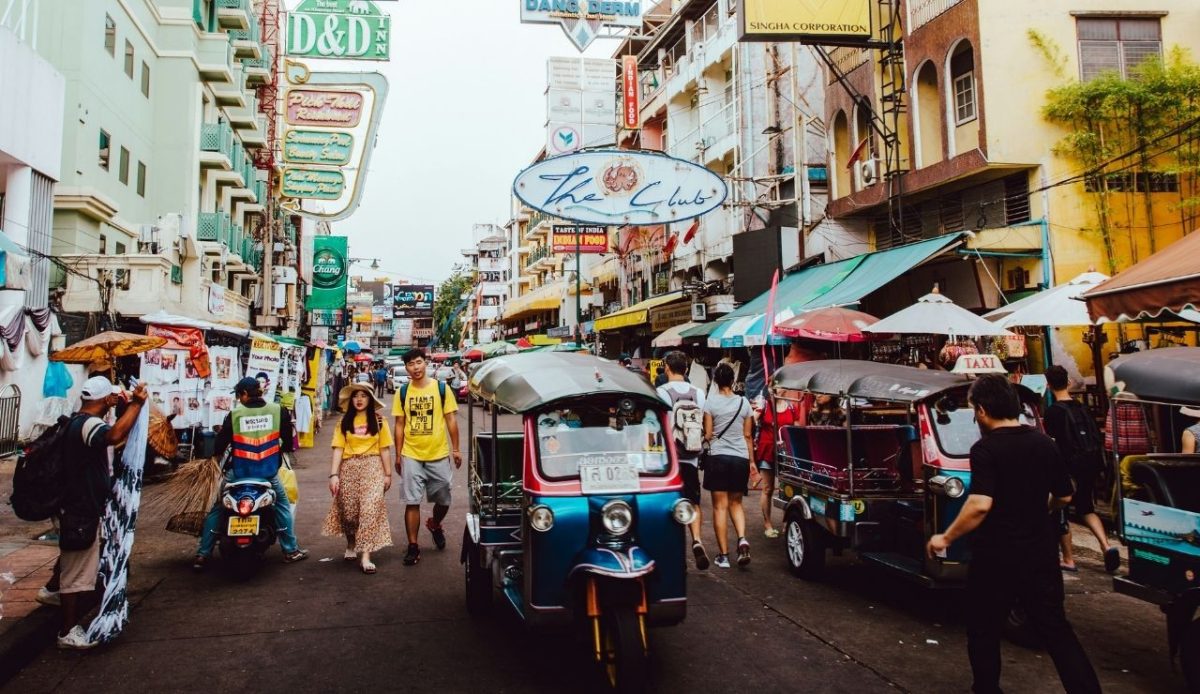
Island trips can look effortless, yet basic services on popular Thai islands can be strained by visitor demand. During dry periods, water shortages have been reported, and some neighborhoods have faced limited supply. Waste management also struggles in places where landfill capacity and collection systems were built for smaller populations. Resorts may buffer guests, but local beaches and back roads can show overflow, odors, or runoff after storms. The mismatch between the polished front stage and the stressed systems supporting it is often unexpected. Conserve water, use refill stations, and pick operators that manage waste during busy weeks.
11. Media Coverage Is Tightly Managed

News in Thailand can feel constrained, with legal and institutional limits that affect what is reported and how fast details appear. Sensitive political topics may be avoided, and repetition of official statements can be seen during tense periods. International outlets have faced blocks at times, and online posts can disappear, leaving gaps that rumors quickly fill. For travelers, this can make it hard to confirm what is happening during protests, disasters, or security operations, especially when English summaries arrive late. Check embassy alerts and several sources, since information may be filtered or delayed.
12. Legal Penalties Are Often Disproportionate
Penalties in Thailand can feel disproportionate because charging and sentencing are guided more by statute than by explanations. Drug offenses carry heavy consequences, and what some visitors treat as casual possession can lead to arrest and long detention. Immigration violations and speech-related complaints can also bring custody while a case proceeds, with translation gaps adding risk. Courts can move slowly, and bail may be denied, so strict compliance matters. Carry prescriptions for medicines and avoid informal purchases. Once a report is filed, negotiation is limited, and the process may continue even when it seems minor.
13. Public Order Is Enforced Through Broad Discretion
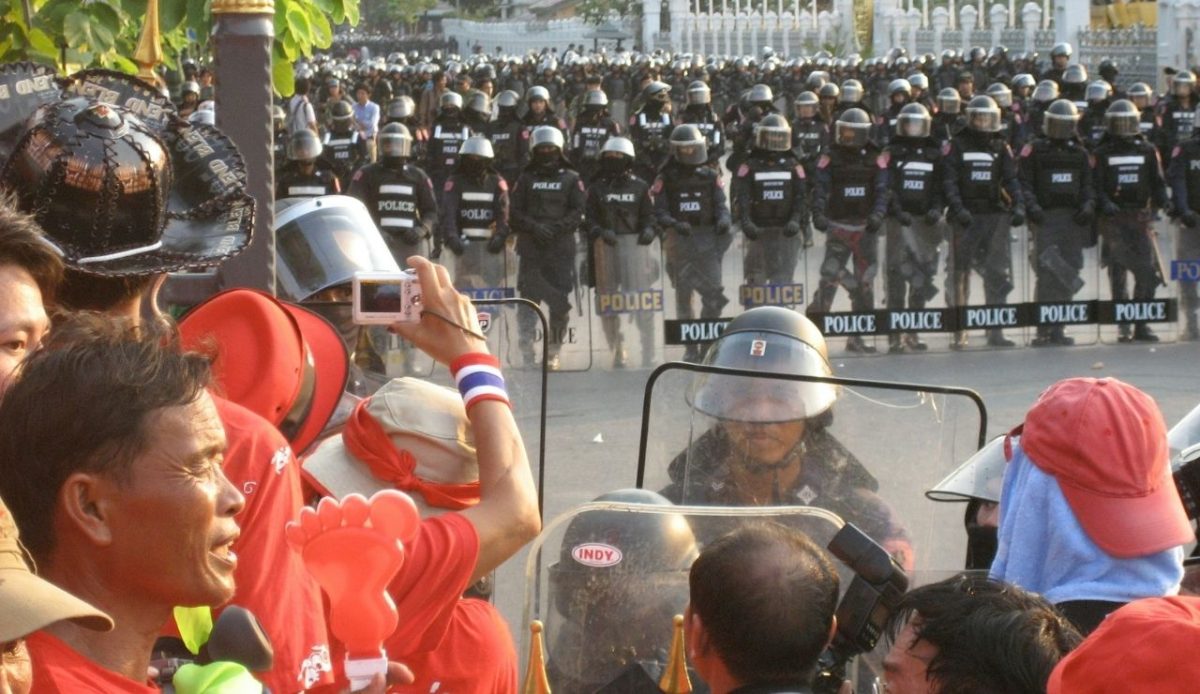
Public order is enforced with broad discretion, so behavior that feels normal elsewhere can trigger questioning in Thailand. Unpermitted gatherings, loud disputes, or political symbols may draw attention, and expectations vary by province and by security posture. If a situation escalates, passports can be held, and statements may be taken before a lawyer is reached. Filming officials or insisting on debate can worsen outcomes, even when no harm was intended. Use extra caution around nightlife, where intoxication and misunderstandings are more likely. Staying calm and complying first reduces risk. Complaints can be handled through channels.
