
Rock-throwing protests are not routine rallies. Stones turn a crowd into a fast hazard that can injure bystanders, smash windows, and push police into riot tactics. This article covers thirteen places where that pattern has been reported and where normal access can break down quickly.
Across cases, the mechanism is similar. Projectiles are picked up from streets or construction piles, then hurled from narrow lanes, over barricades, or from higher spots. Once rocks fly, tear gas, rubber rounds, and mass detentions often follow.
The goal is practical clarity. You will see how movement gets disrupted, what signals escalation, and why curfews and transit pauses can appear with little notice near parliaments, courthouses, and major junctions.
1. Jakarta, Indonesia
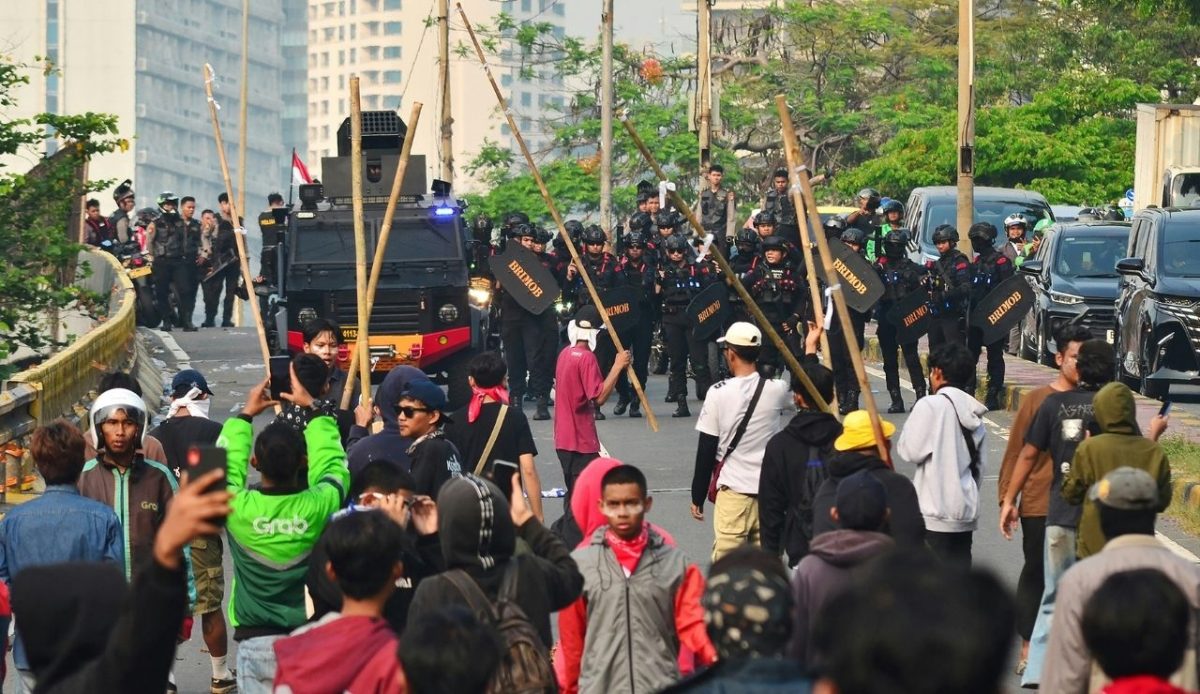
Jakarta’s protests that have shifted into rock-throwing have centered on national institutions and boulevards. When stones were directed at shield lines, riot tactics and perimeter closures followed. For visitors, the threat is less the slogan than the quick turn to projectile violence.
Stones are easy to grab from medians and worksites, so a crowd can arm itself in moments. Barricades and burning debris can slow traffic, while throws come from the fringe. That combination can pin taxis or buses between groups and police pushes.
Risk is driven by timing and geography. Crowds can build in late afternoon, then surge after dark when visibility drops. Routes near parliament, ministries, or squares can be cut off, and ride-hail pickups may pause.
2. Kathmandu, Nepal
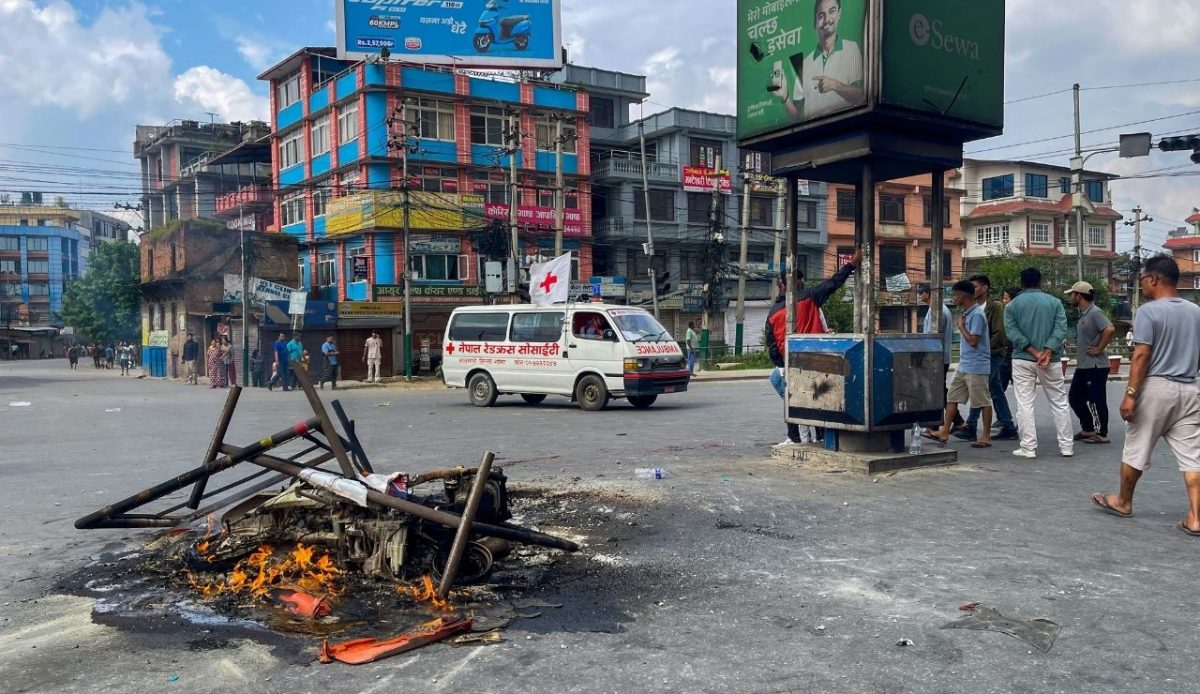
Kathmandu has seen stone throwing near central government sites when marches tried to press closer to officials. After rocks were hurled, crowd control intensified, and movement in the core tightened. Visitors can be surprised because crossings are often the first to close.
Risk increases from street design. Narrow lanes compress people, and stones may fly from behind parked vehicles or side alleys. Police lines may answer with gas to regain distance, scattering crowds into blocks.
Ongoing danger is signaled by curfews, advisories to avoid certain districts, and limits on gatherings. When curfew hours shift, airport transfers can slip, and ride services may refuse pickups. Avoid parliament approaches and junctions on protest days.
3. Tiznit, Morocco
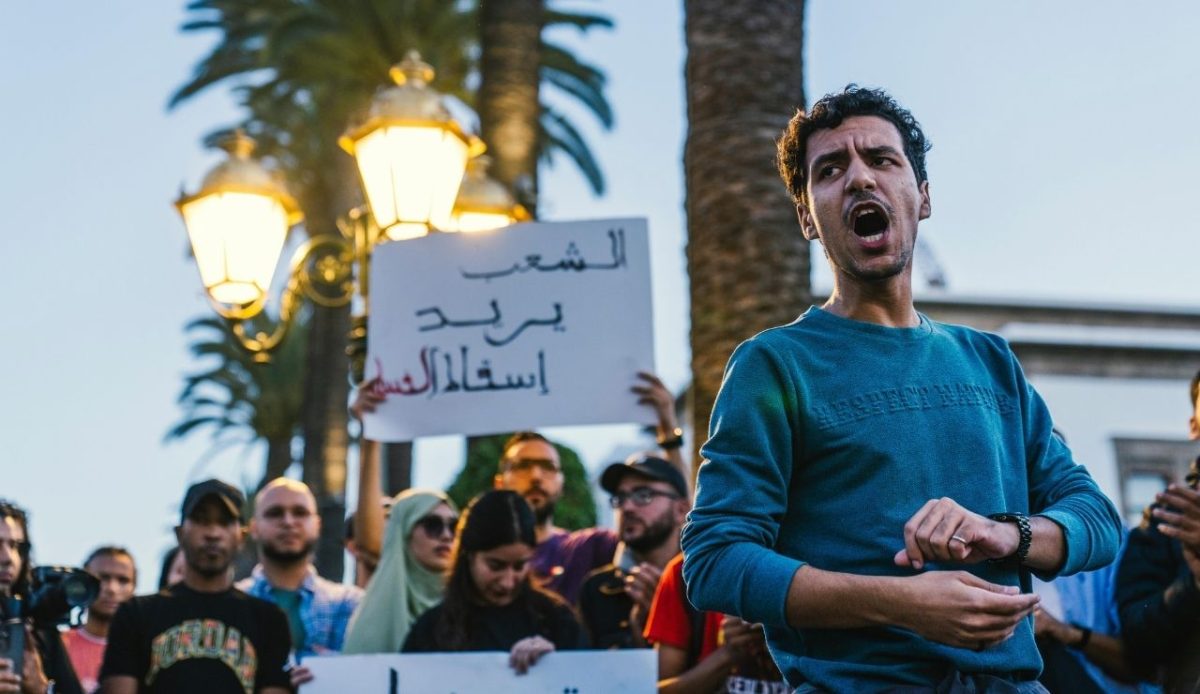
Tiznit saw confrontations as stones were aimed at security forces during a multi-night protest wave. When that tactic appears, the street becomes unpredictable because projectiles can reach beyond the front line. Anyone near the route can be hit without joining the crowd.
Stones are taken from curb edges and thrown in volleys to test police distance. Some groups then block roads with trash or tires, forcing vehicles to stop. Police replies have included tear gas and detentions, pushing clashes into side streets.
The impact is access loss. Roads into the center can be cut, and buses may skip stops. Hotels may be reachable only on foot. If you must move, use daylight, keep away from checkpoints, and watch alerts for curfew changes.
4. Kairouan, Tunisia
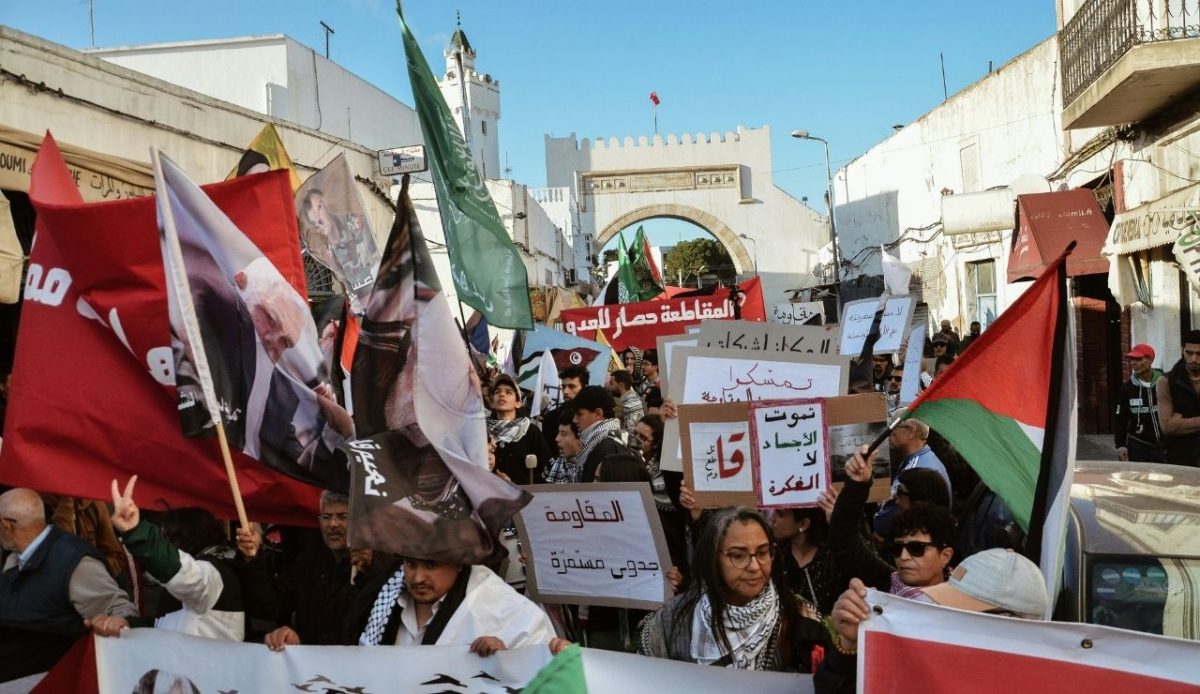
Kairouan has seen clashes after anger over a death spilled into the streets, with stones thrown at police. When grief shifts into projectile attacks, the response is forceful and fast. Travelers face risk because violence can flare in areas that are usually calm.
Rocks are gathered from broken pavement and hurled from clusters that shift quickly. Police efforts to clear the area may involve tear gas, which disperses the crowd. That diffusion can create new pockets of disorder near markets and bus corridors.
Danger persists through a snapback cycle. An hour can be followed by another surge when reinforcements arrive, or rumors spread. Streets may be sealed, and medical access can be tightened. Avoid gathering points and do not cross police lines.
5. Abuja, Nigeria
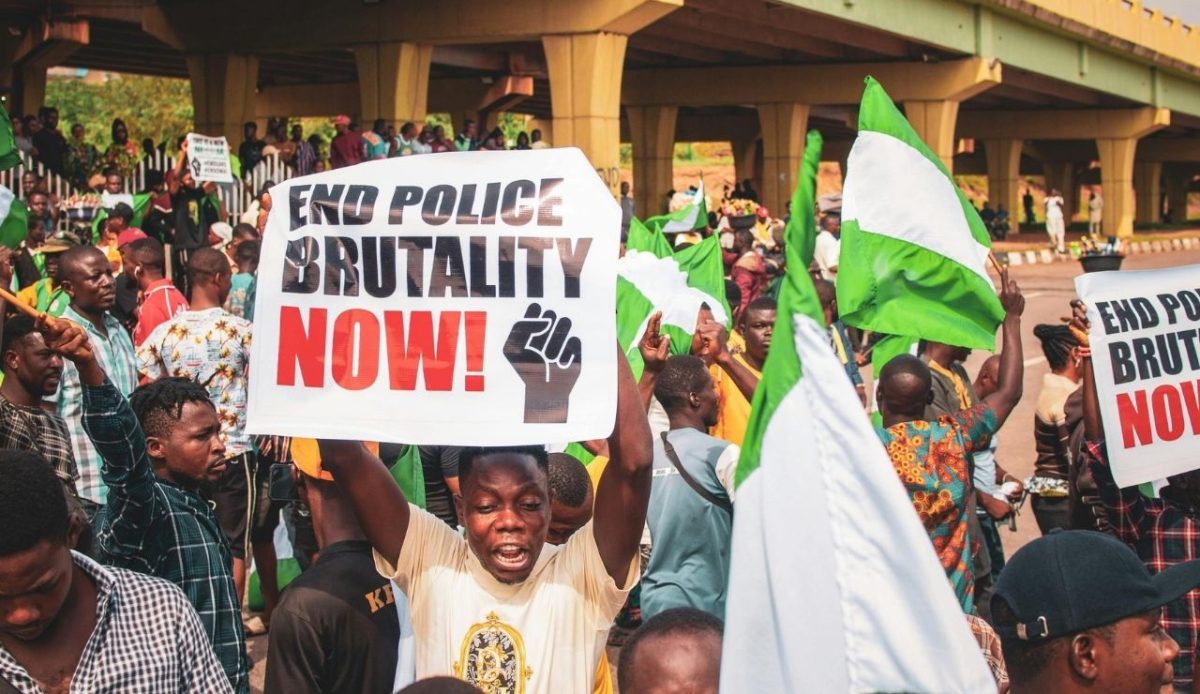
Abuja has hosted marches in which stones were hurled toward police vehicles during heated demonstrations. Once an armored truck is targeted, escalation becomes likely because security units treat it as an attack. The result can be lethal force, not just crowd control.
Groups move toward a convoy, then throw from close range before dispersing into side roads. Vehicles may accelerate or reverse, raising the risk of crushing injuries. Tear gas and live ammunition have been reported in severe episodes, and detentions can follow.
For visitors, the key risk is misreading a procession as safe. A route that looks open can lock down in minutes in government zones. Keep a distance from columns, plan alternate exits, and avoid filming security actions.
6. Tirana, Albania
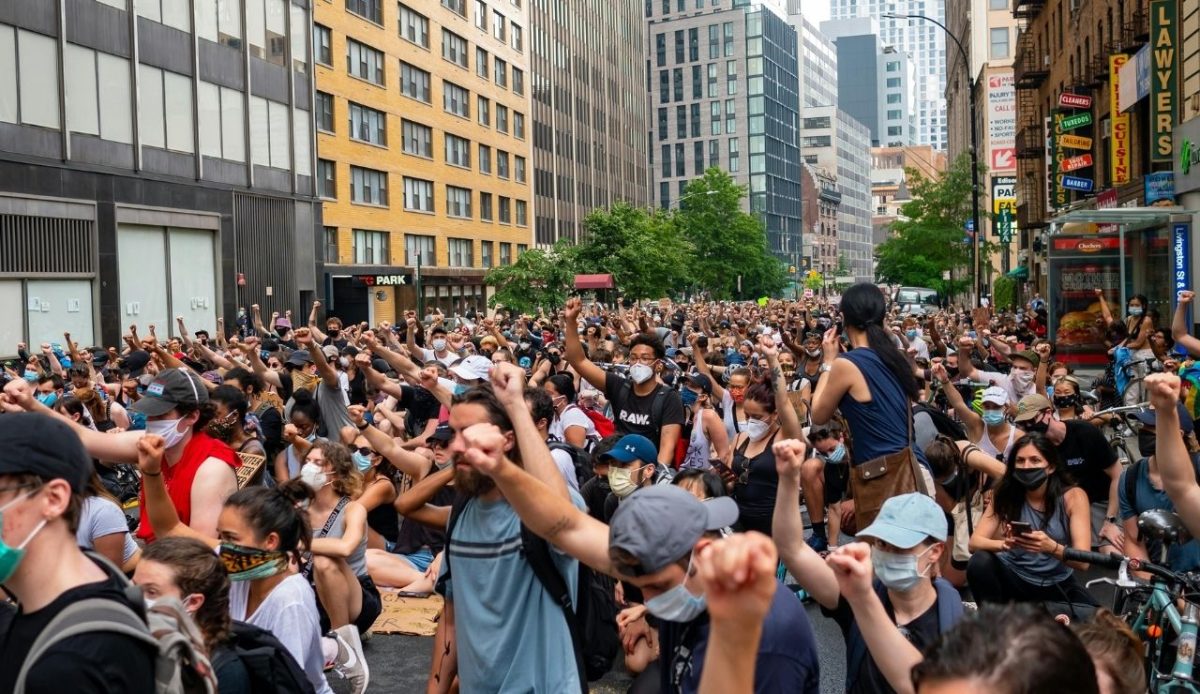
In Tirana, opposition protests have turned violent when stones and incendiaries were thrown near government buildings. When rocks and fire appear together, police use tear gas, and the crowd pushes. Errands can become risky even on the streets.
Stones may be thrown from behind improvised shields, while others target vehicles to disrupt monitoring. Once gas is released, visibility drops, and people run, raising trampling risk. Detentions can happen after the crowd breaks, so bystanders may be caught in sweeps.
Recurrence is a warning sign. When protests repeat, units may be placed early, and streets closed ahead of time. That affects hotels and transit routes. Keep plans flexible, carry identification, and avoid squares used for rallies.
7. Malé, Maldives
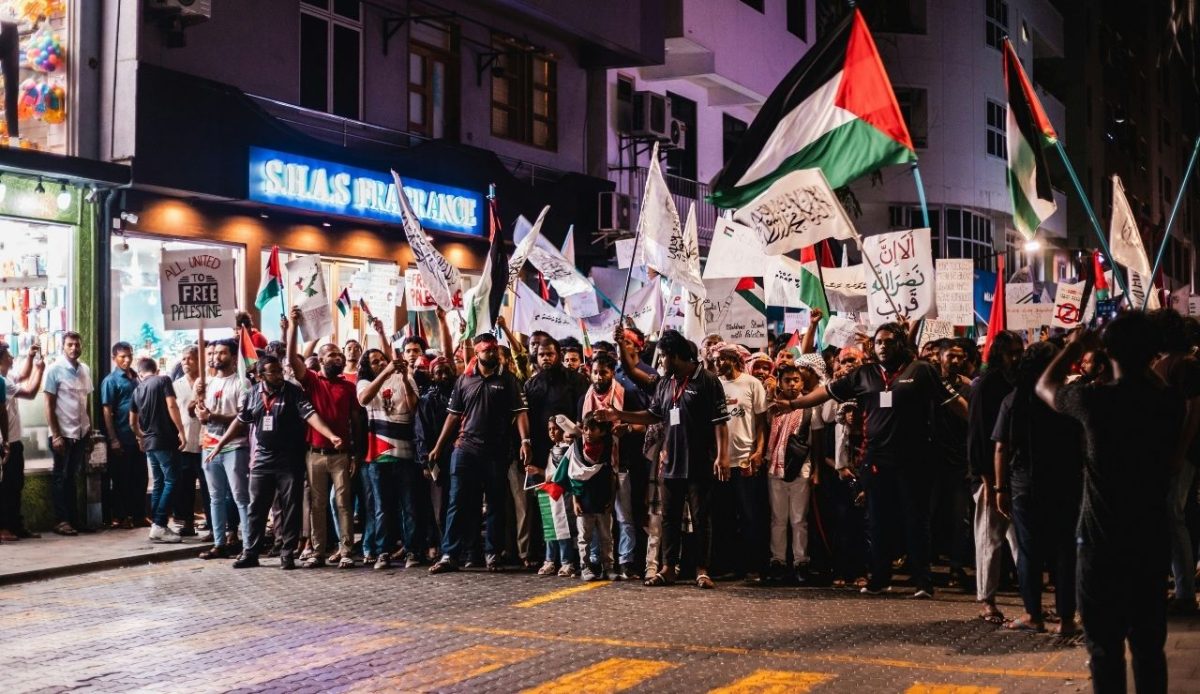
Malé has had clashes where police reported demonstrators threw rocks during political protests. In a small island capital, a few blocked streets can cut access to ferries, clinics, and government offices. With limited routes, spillover reaches anyone nearby.
Rocks are thrown from short distances, often from corners or behind parked scooters. Police replies can include pepper spray and detentions, which tighten movement. When a crowd runs, people can be pushed into seawalls or narrow passages, raising injury risk without direct hits.
Lack of space makes it hard to step away. If a protest starts near roads, there may be no alternate path. Check notices before leaving, avoid gathering areas, and delay ferry transfers when tensions rise.
8. Athens, Greece
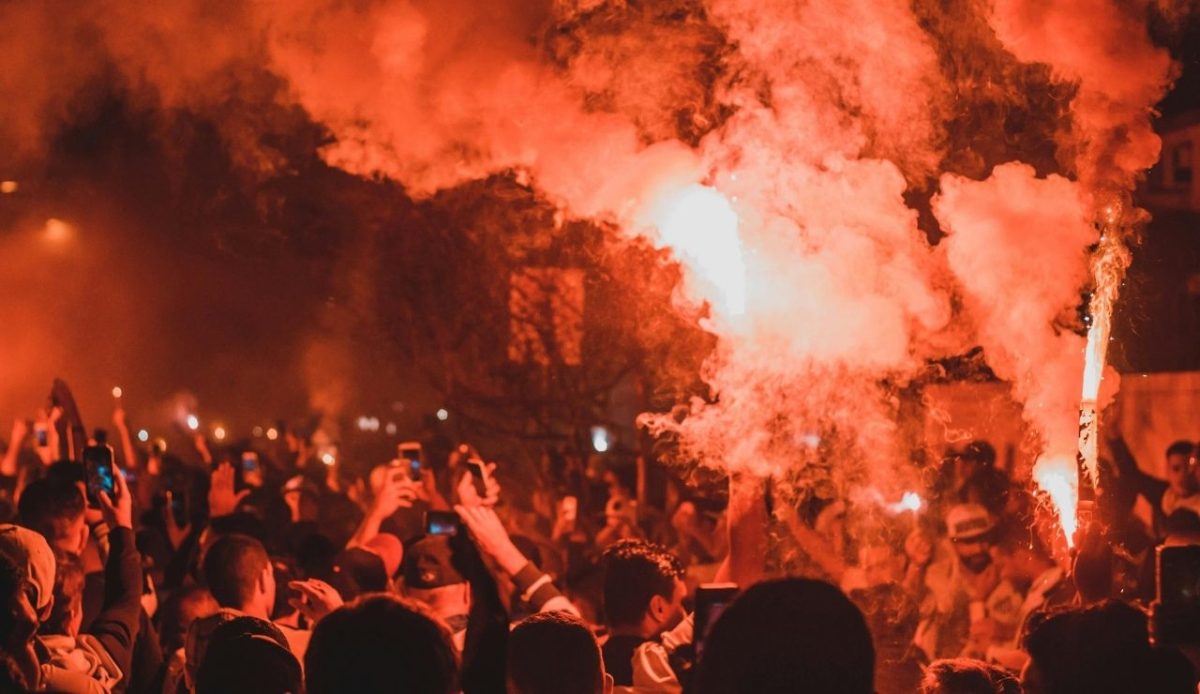
Athens demonstrations tied to grief and strikes have produced clashes where rocks were hurled near parliament. When a march turns into projectile attacks, police lines harden, and transit closures follow. Visitors can lose metro access and key squares with little notice.
Stones and other objects are thrown to force police back, sometimes alongside firebombs. Tear gas can spread beyond the clash zone into shopping streets and cafés. That creates breathing hazards and confusion, and it can separate groups in seconds.
Risk stays high on anniversary dates and strike days. These events draw crowds, and a smaller violent faction can shift conditions fast. Avoid Syntagma routes, track metro advisories, and choose lodging away from the center.
9. Lahore, Pakistan
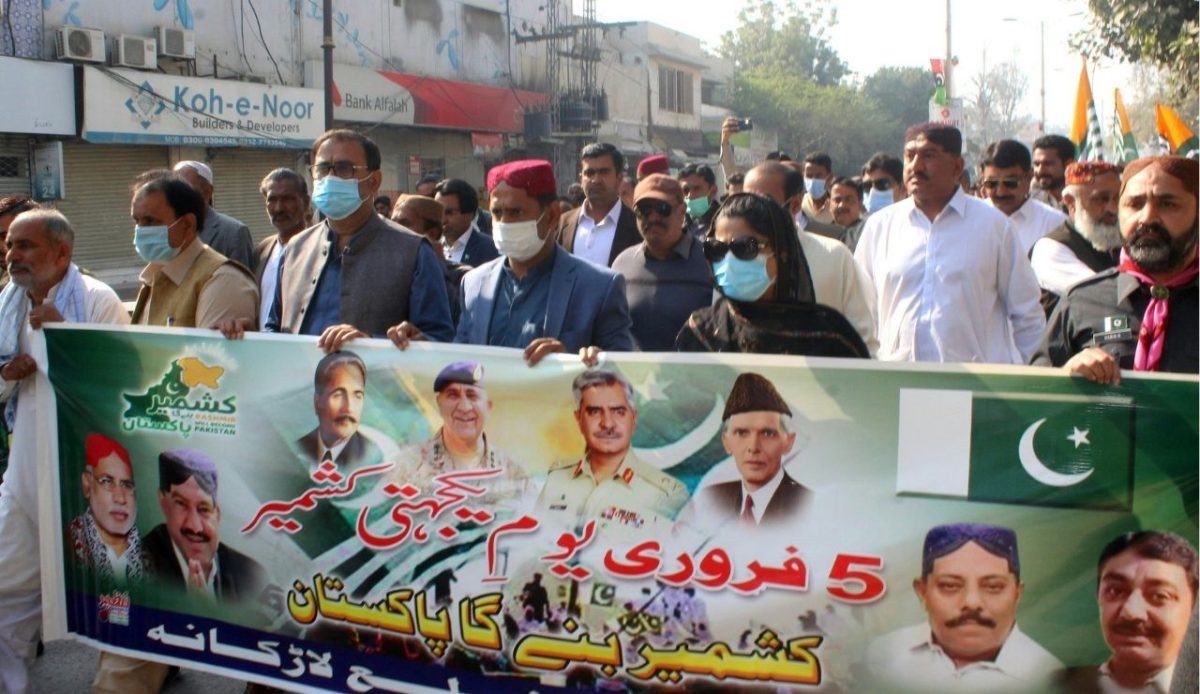
Lahore has seen confrontations where supporters threw stones at police during tense protests. When rock throwing begins, police shields and vehicles move in, and detentions often follow. Outsiders are at risk when streets are sealed at choke points.
Stones come from the back of the crowd while the front presses forward. Police can release tear gas and baton charges to open space, pushing people into traffic lanes and side roads. That movement can trigger further clashes at intersections and near transit stops.
Access impacts can last beyond the first clash. Routes can be shut, and rides diverted far from the destination. Avoid the protest corridor, carry water for gas exposure, and keep documents ready for checkpoint checks.
10. Turin, Italy
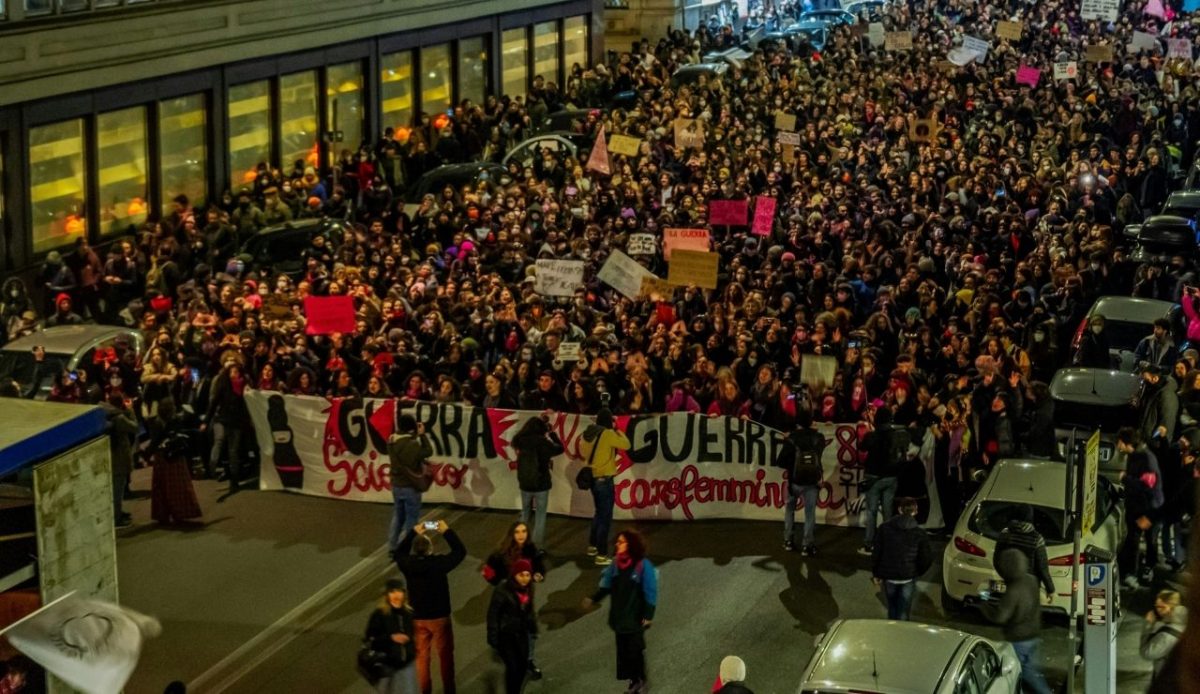
Turin has seen disorder during protests where stones and fireworks were tossed toward police. When projectiles combine with explosives, injury risk increases for anyone close. The response can include patrols and detention powers, changing how safe the area feels.
Stones are used to push police back, while fireworks distract and create panic. Broken glass and debris then become hazards for pedestrians. After clashes, police may set up checkpoints, so movement can stay constrained even when streets look calm.
For visitors, costs show up as delays and reroutes. Buses can be suspended, and taxis may avoid certain blocks. If you stay near protest sites, expect noise and night disruption. Choose lit routes and keep an exit plan if a crowd forms.
11. Buenos Aires, Argentina
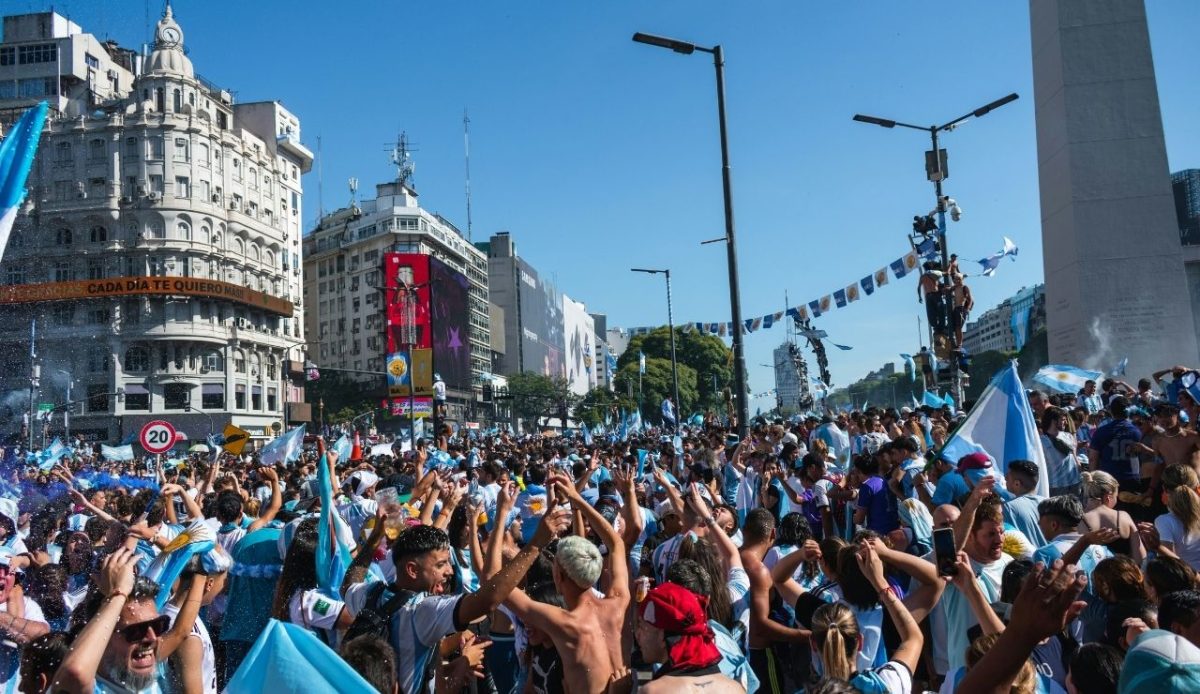
Buenos Aires protests near Congress have featured stone throwing during clashes over reforms. When stones are thrown close to government buildings, police deploy water cannon and tear gas to hold ground. That combination can turn an avenue into a hazard corridor within minutes.
Rocks fly from behind banners or from groups that blend into peaceful marchers. Once a charge begins, people run toward side streets, and rubber rounds may be used to disperse them. Running crowds can knock over barriers and push others into traffic.
A warning sign is the buildup of police vehicles and fencing near the legislature. When that appears, shops may close early. Avoid the plaza routes and skip buses that pass the government zone on protest afternoons.
12. Compton, California, US
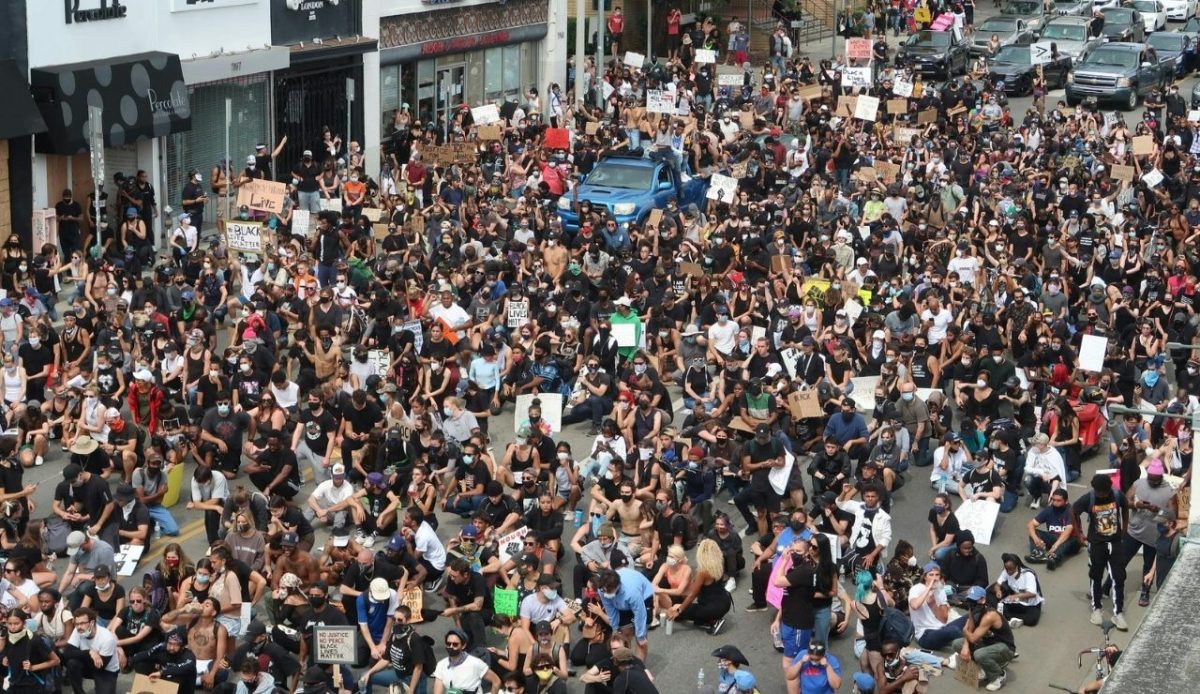
In Compton, protests linked to federal immigration actions have produced standoffs after stones were flung toward riot police. When clashes extend beyond one day, pressure builds, and escalation becomes more likely. Short trips can turn risky if a street is blocked.
Stones come off sidewalks and medians, sometimes from behind parked cars. Police sometimes answer with less lethal munitions and line advances. Traffic can be halted on nearby arterials, and drivers may face barricades or debris.
Route choice matters most. Avoid areas near detention-related gatherings and big intersections during announced demonstrations. Use real-time traffic tools keep extra fuel and do not stop to watch. If stuck, stay in the vehicle and leave when gaps open.
13. Paris, France
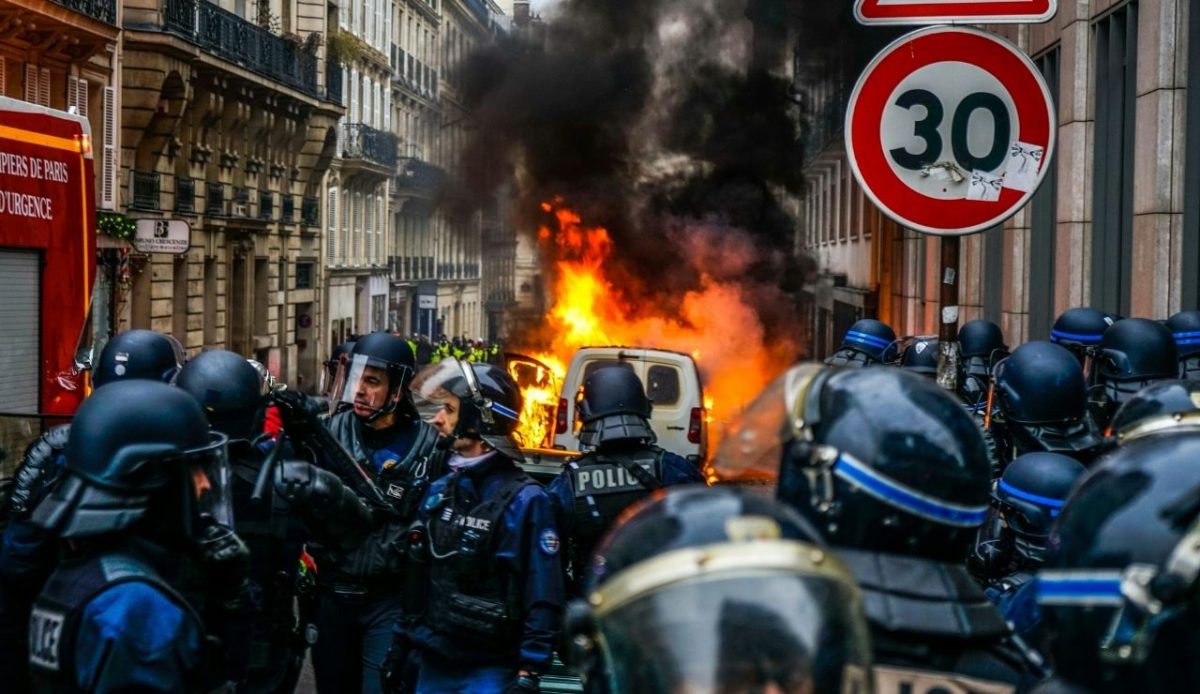
Paris has seen strike day clashes where black-clad groups hurled stones at police near central routes. When that pattern appears, stations may close, and riot units deploy quickly. Plans can fail because museums and transit rely on the same corridors.
Stones can be launched within larger marches, sometimes after barricades are built from street furniture. Police often deploy tear gas and charges, which can split the crowd and trigger running. Bystanders can be exposed to gas away from the first clash.
Risk returns on repeat strike days and planned marches. When several unions mobilize, turnout is high and control is harder. Check route notices, avoid the march front, and pick lodging within walking distance of basics if metro stops.
