
Safari tours in Ethiopia are still sold while parts of the country stay under security warnings. A route can look routine on a booking site even when roads are disrupted or escorts are advised. For trips far from cities, that mismatch can turn dangerous.
Most advisories are mapped by regional state, not by park fence. If a park lies inside a flagged area, the warning covers airports, highways, fuel, and emergency care a trip needs. Staff may be present while approach routes remain unsafe.
Below are thirteen marketed routes that overlap with advisory zones. Each section explains one mechanism, like kidnapping exposure on transit corridors or conflict near borders, that can derail a visit. The goal is practical planning from official maps.
1. Gambella National Park
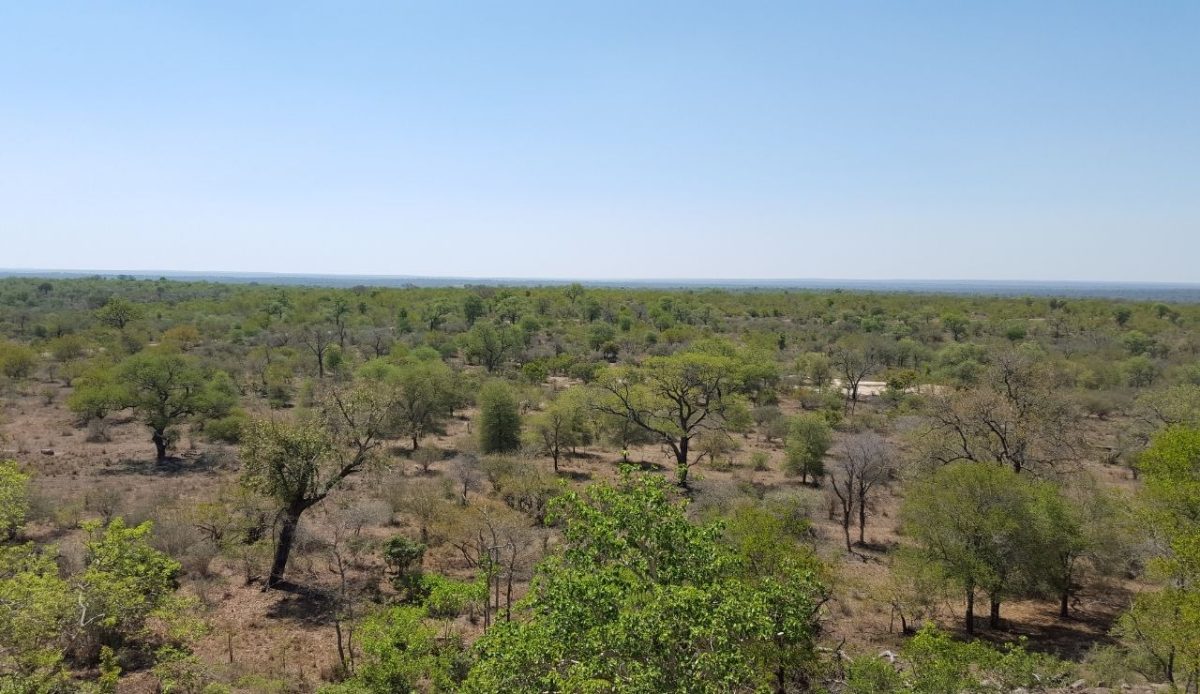
Tour listings portray Gambella National Park as a river and savanna trip with antelope, birds, and drives. Many offers include a domestic flight to Gambella, a local guide, and time on the Baro River before vehicle loops near the park edge.
Major advisories place Gambella Regional State in a do-not-travel category because kidnapping and armed violence are reported. The warning covers the airstrip, towns, and access roads that connect visitors to lodges and entry points, even if the gate is staffed.
For this route, risk is carried by transit and response limits. A trip can be scheduled while roadblocks or local clashes cut off movement. If evacuation options are thin, an itinerary that looks simple online can become unsafe after departure.
2. Kafta Sheraro National Park
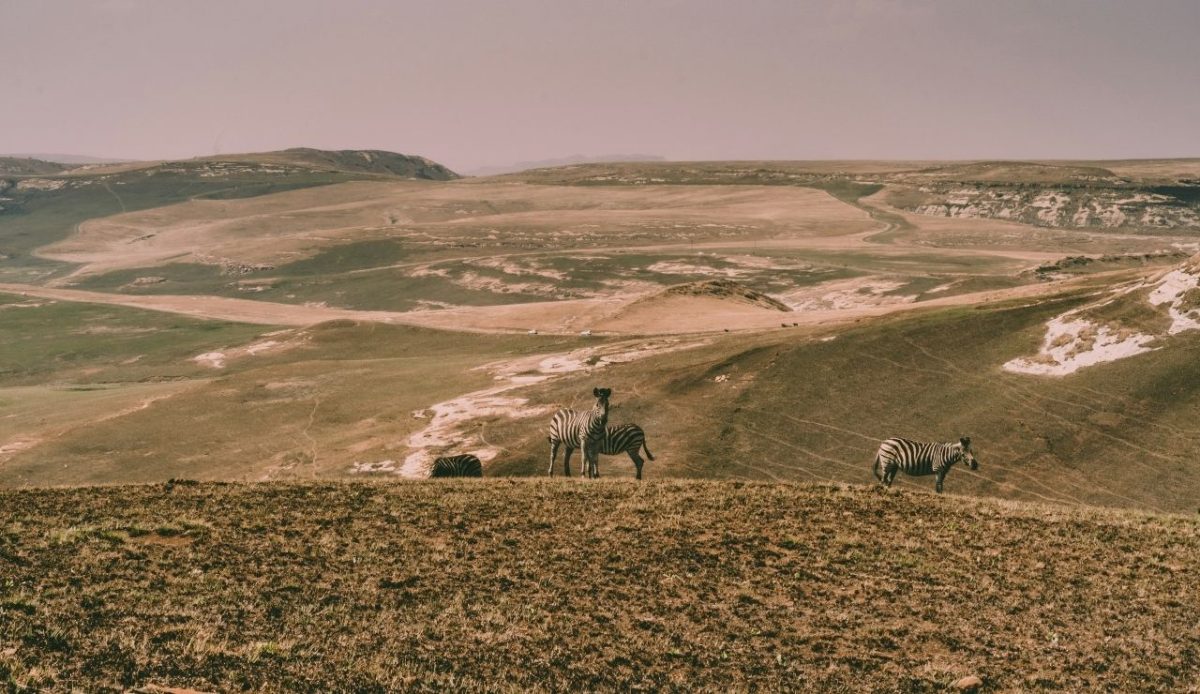
Operators promote Kafta Sheraro National Park through birding and wildlife trips that describe elephant sign tracking and woodland drives. The pitch stresses low visitation and promises camp support, scouts, and permits for remote field days in the lowlands.
Kafta Sheraro lies in Tigray, a region under strict travel warnings linked to conflict and unstable security. Checkpoints, damaged roads, and weak phone coverage can persist on corridors a safari needs for resupply and exit.
The constraint is safe movement between towns, not park rules. Fuel gaps and sudden closures can trap groups far from medical care. Because the region’s status drives access, a marketed expedition can remain high risk even when animals are present.
3. Alatish National Park
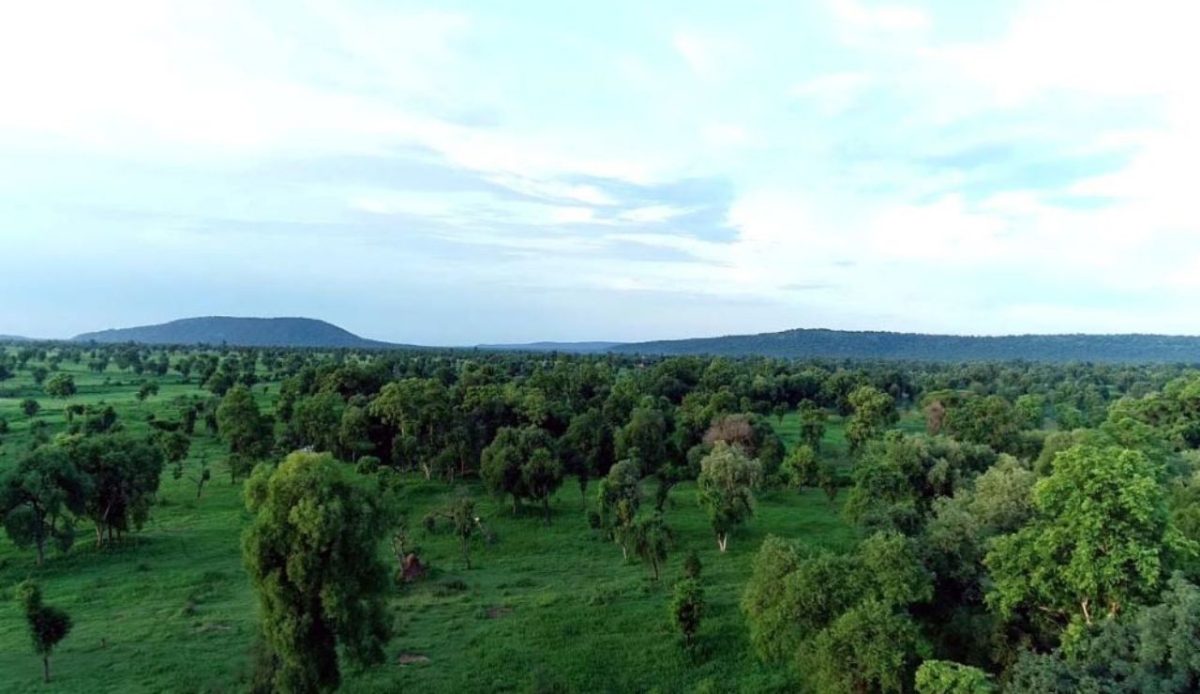
Alatish National Park shows up in tour plans as a lowland wildlife stop near Sudan with open woodland and rich birdlife. Tour pages promise long drives, tented nights, and logistics built around border roads and small towns that supply food and fuel.
The park falls within Amhara Regional State, covered by avoid travel guidance tied to armed conflict. That classification matters because access runs through districts where control can change, and incidents can close the main approach routes.
Border proximity adds uncertainty. Local disputes can be worsened by cross-border movement, and response time can be slow in sparsely served areas. A safari may be described as quiet and remote, yet risk comes from the travel network around the park.
4. Simien Mountains National Park
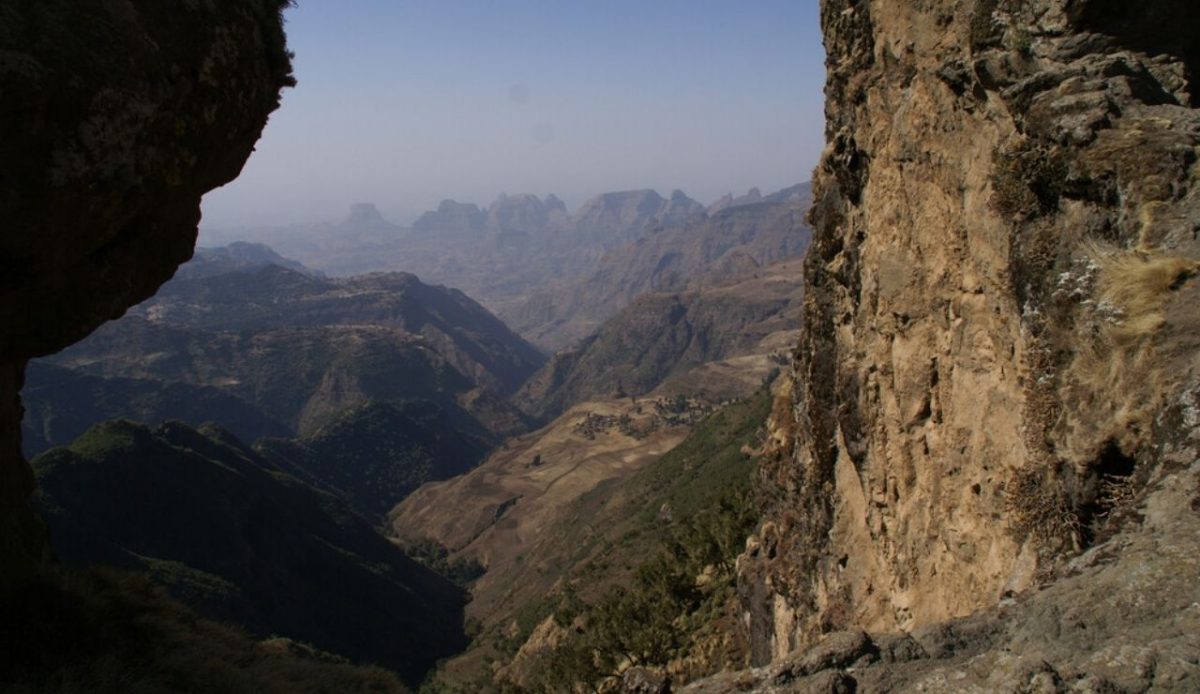
Trekking offers for Simien Mountains National Park focus on wildlife viewing, where geladas and ibex are seen along high ridges. Listings bundle permits, guides, and transport from Gondar, presenting a managed circuit with fixed trailheads and simple lodges.
Simien is located in Amhara, and regional instability has driven official warnings. Trekking relies on safe road access to Debark and camps, so highway disruptions can end a trip before hiking starts.
Because the product is framed as nature travel, buyers may overlook that the route crosses areas where escorts may be advised. When conditions shift, locals may still visit while foreigners face a higher targeting risk. The result can be a bookable trek that remains fragile.
5. Awash National Park
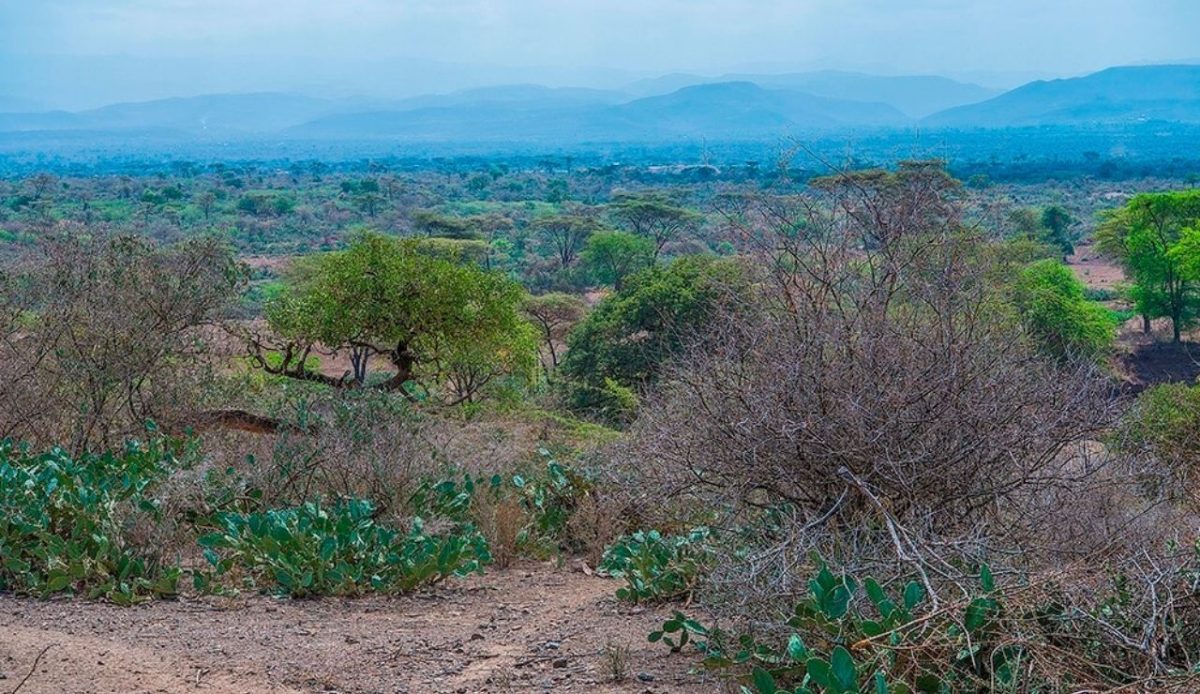
Awash National Park often gets pitched as a short safari from Addis Ababa, with oryx, baboons, and a falls stop. Two-day packages stress access on major roads, which can make the route feel low exposure compared with longer trips.
Awash is within Oromia, and parts of the region are named in travel warnings tied to clashes and road insecurity. Even when the park is quiet, the approach roads and junction towns can be where incidents happen and where travel plans are interrupted.
A short distance does not remove risk when the hazard is on transit corridors. A single closure can force detours through areas with limited services. For this route, the mechanism is corridor reliability, not animal density, so itinerary length is not a safety proxy.
6. Bale Mountains National Park
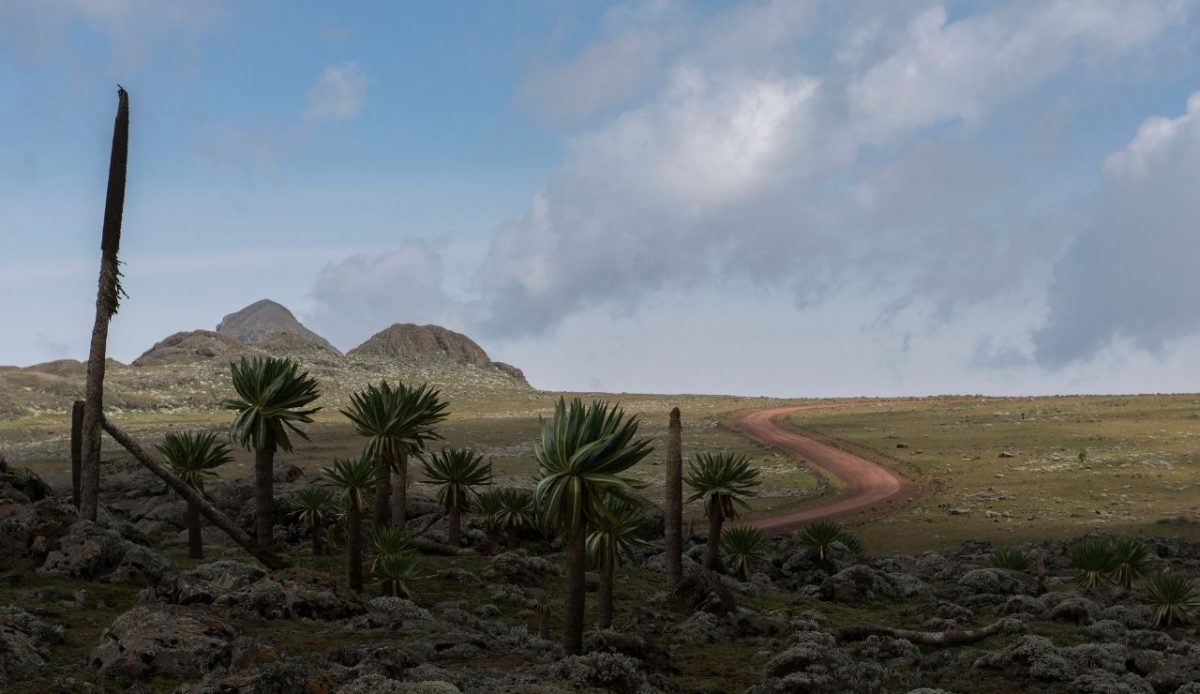
Bale Mountains National Park draws wildlife-focused travelers with the endangered Ethiopian wolf and highland habitats. Trips combine drives and hikes on the Sanetti Plateau with lodge stays near Dinsho, and guides are marketed as skilled at finding tracks.
Bale is in Oromia, where security problems in some zones are noted in travel guidance. The visit depends on long road legs from Addis Ababa through towns where armed activity can appear without warning, affecting supply and movement.
The risk pathway is exposure from multi-day overland travel. If communications drop or a route is blocked, a group can be stranded far from advanced care. The wildlife draw stays real, yet the safety profile is set by volatility beyond the park boundary.
7. Didessa Wildlife Sanctuary
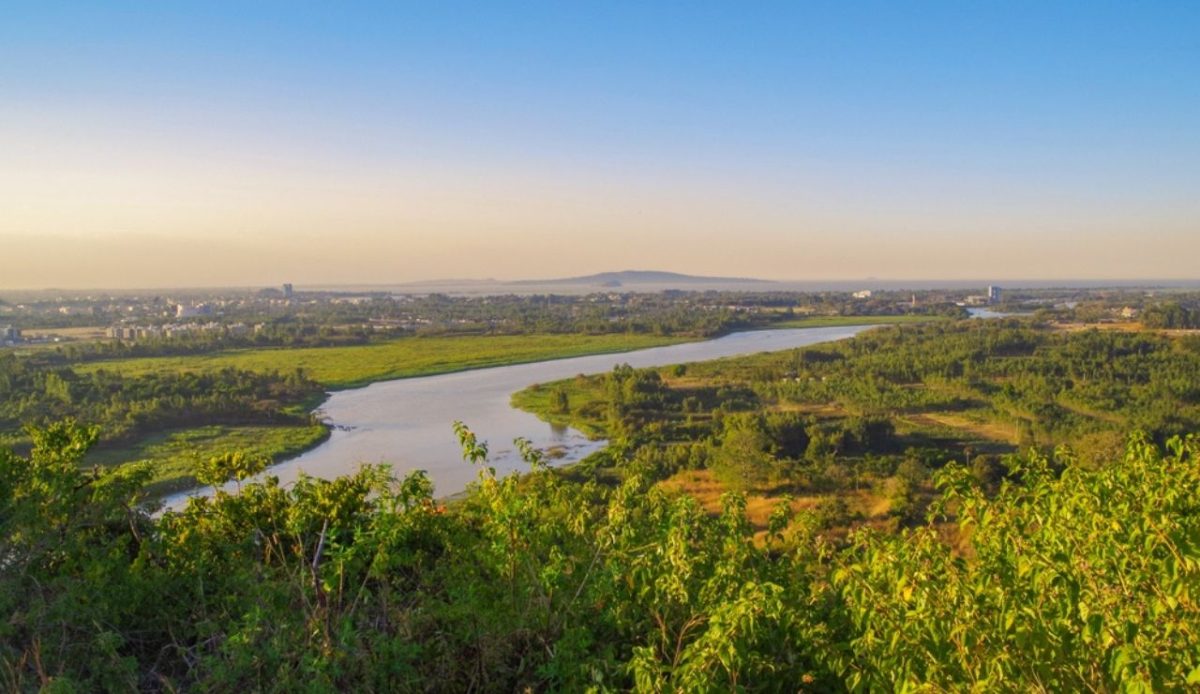
Some itineraries highlight Didessa Wildlife Sanctuary for river valleys and forest habitat. A few tours sell it as an alternative to busy circuits, pairing short walks with drives to look for mammals and birds.
Didessa is within Oromia, referenced in travel warnings for insecurity in certain zones. Limited tourism infrastructure can raise stakes because vetted lodging, dependable transport, and rapid help are harder to secure.
The mechanism is a thin support capacity. When a place is remote and rarely visited, a small incident can escalate because backup options are limited. A listing can promise a guide, yet emergency planning may remain uncertain.
8. Babile Elephant Sanctuary
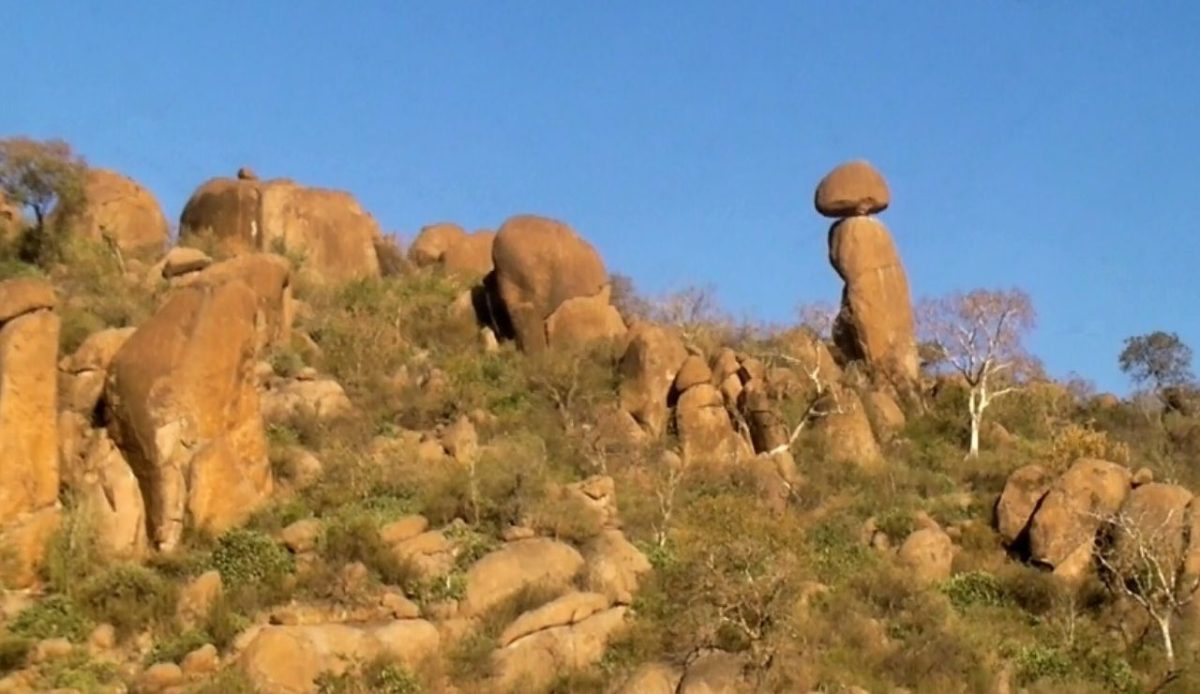
Packages for Babile Elephant Sanctuary focus on elephant viewing in eastern Ethiopia, with savanna drives and seasonal water points. Sellers pitch it as a conservation stop that can be paired with time in Harar.
The sanctuary lies near routes that lead toward Somali border areas, where advisories often warn of higher threat levels and instability. Even if the sanctuary is calm, nearby roads can carry a higher kidnapping and banditry risk.
The driver is frontier proximity and the need to travel predictable roads. Wildlife viewing is time-bound, which can pressure groups to continue despite warning signs. If an incident occurs, response resources may be thin, so risk can exceed what marketing implies.
9. Omo National Park
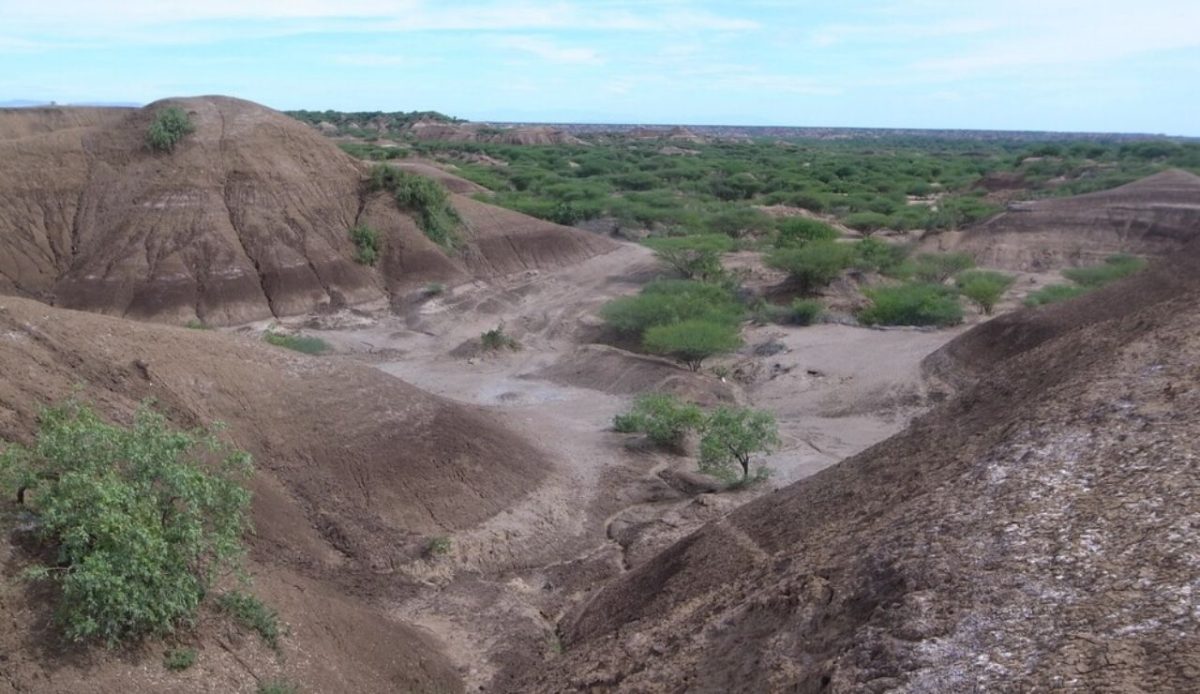
Remote itineraries feature Omo National Park in the far south, often blended with cultural stops in the wider Omo Valley. Listings describe plains, river habitat, and tented camping for travelers seeking off-grid wildlife.
The park is in an area where advisories highlight risks along the frontier districts near South Sudan and Kenya. Control can vary by district, and conflicts can shift along roads that connect the park to airstrips and supply towns.
The mechanism is borderland unpredictability. A guide team can be ready, yet a sudden change can strand a group or force costly rerouting. Remote settings also mean longer medical evacuation timelines, so the safari stays are dependent on day-to-day shifts.
10. Mago National Park
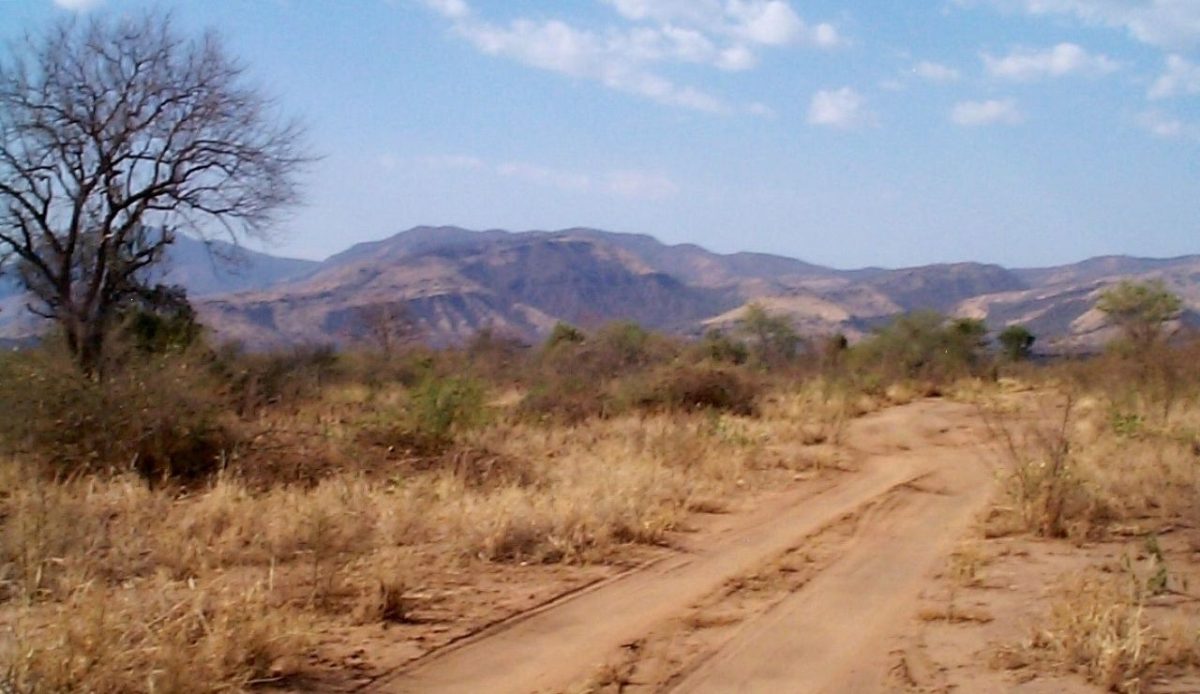
Southern circuits include Mago National Park for wildlife drives across open grassland and seasonal rivers. Tour pages present it as a complement to Omo Valley travel, with game drives followed by travel to nearby towns for lodging.
The park depends on road links that pass through districts where security can change quickly. Advisories for parts of southern Ethiopia note risks from local conflict and crime, and these risks cluster on the same connecting roads visitors must use.
The pathway is route-dependent. With few alternates a checkpoint dispute can halt movement and leave a group without fuel or cash access, even if conditions inside the park seem calm. The fragility of the transport grid shapes safety more than wildlife conditions.
11. Chebera Churchura National Park
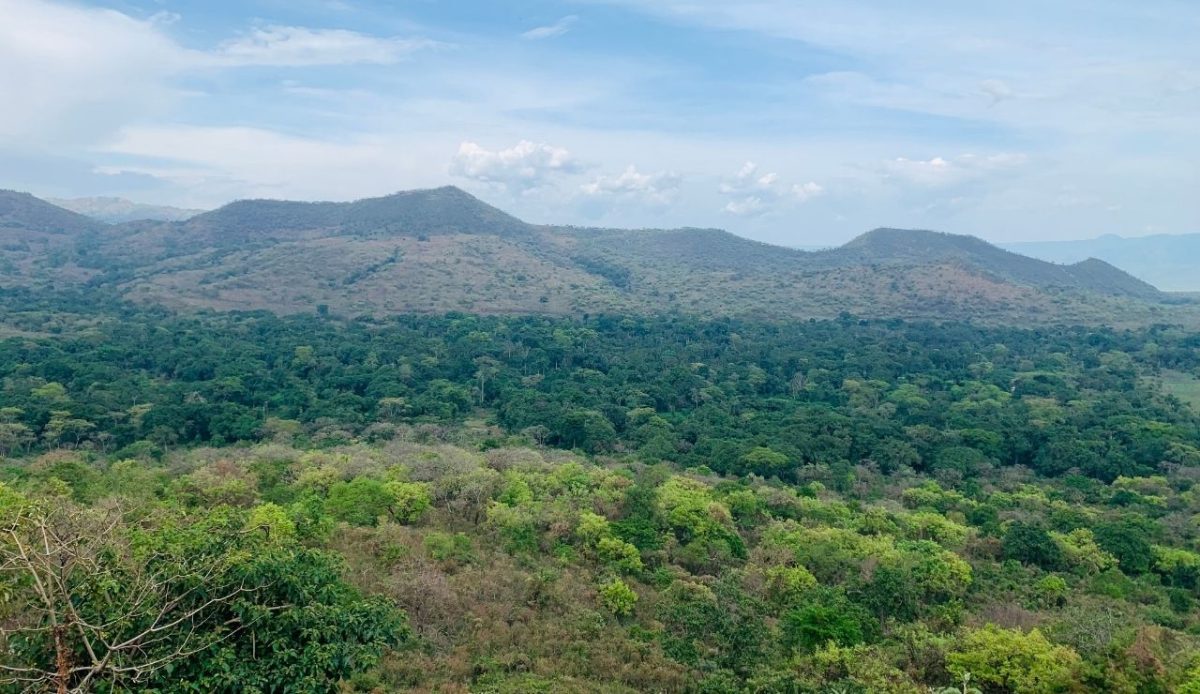
Chebera Churchura National Park appears in southwestern safari marketing for elephant and buffalo viewing in woodland and savanna. Listings highlight low visitation and multi-day stays that depend on steady supply lines for fuel, food, and vehicle repairs.
Some advisories describe a limited ability to assist travelers outside major centers. Remote parks worsen that issue because police reach, phone coverage, and advanced medical services can be sparse even when day-to-day conditions look stable.
The mechanism is distant from dependable help. If a vehicle breaks down or illness occurs, the time to reach advanced care can be long. A tour may include a driver and guide, but evacuation can still be uncertain, so planning should include backups.
12. Afar Desert Extensions
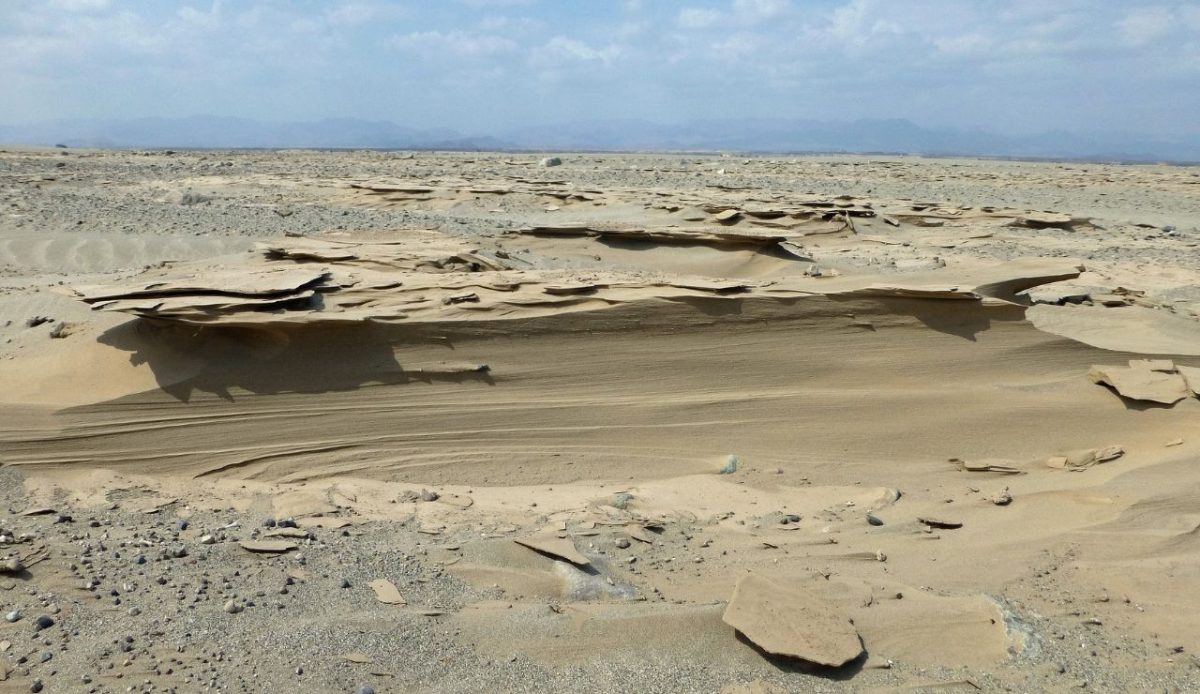
Afar extensions are marketed as desert add-ons, pairing scenery with wildlife and night skies. Operators sell them as short expeditions with drivers and local fixers, timed around weather and road conditions in sparsely populated districts.
Parts of Afar near the Eritrean border are flagged in advisories that recommend avoiding travel. Border tensions, armed incidents, and weak services can affect corridors used to reach desert sites, making plans sensitive to current conditions.
The mechanism is exposure created by long stretches without services and few alternatives. If travel is delayed, water and fuel margins can turn critical, and communications can fail. A tour can be listed online, yet safety depends on real-time checks that can be canceled.
