
Flying should feel exciting, yet small mistakes often turn a trip into a stressful ordeal. Overpacked bags, missing documents, or late arrivals can undo weeks of planning in minutes. Poor seat choices, tight layovers, and a lack of preparation for jet lag leave travelers tired before the vacation even starts. Ignoring food, water, or simple comfort tricks only adds to frustration. By avoiding these common errors, travelers save time, money, and energy. Even seasoned fliers benefit from reminders that make air travel smoother and more enjoyable.
1. Packing More Than Needed

Carrying too much luggage creates problems before you even reach the gate. Heavy suitcases attract fees, slow movement, and cause stress in crowded airports. Smart travelers pack light by rolling their clothes, using packing cubes, and selecting outfits that complement each other well. Most airlines allow enough space for a week’s worth of essentials if you plan carefully. Traveling light saves money and energy, makes boarding easier, and leaves room for souvenirs. Less baggage means more freedom to enjoy the journey.
2. Forgetting Travel Documents
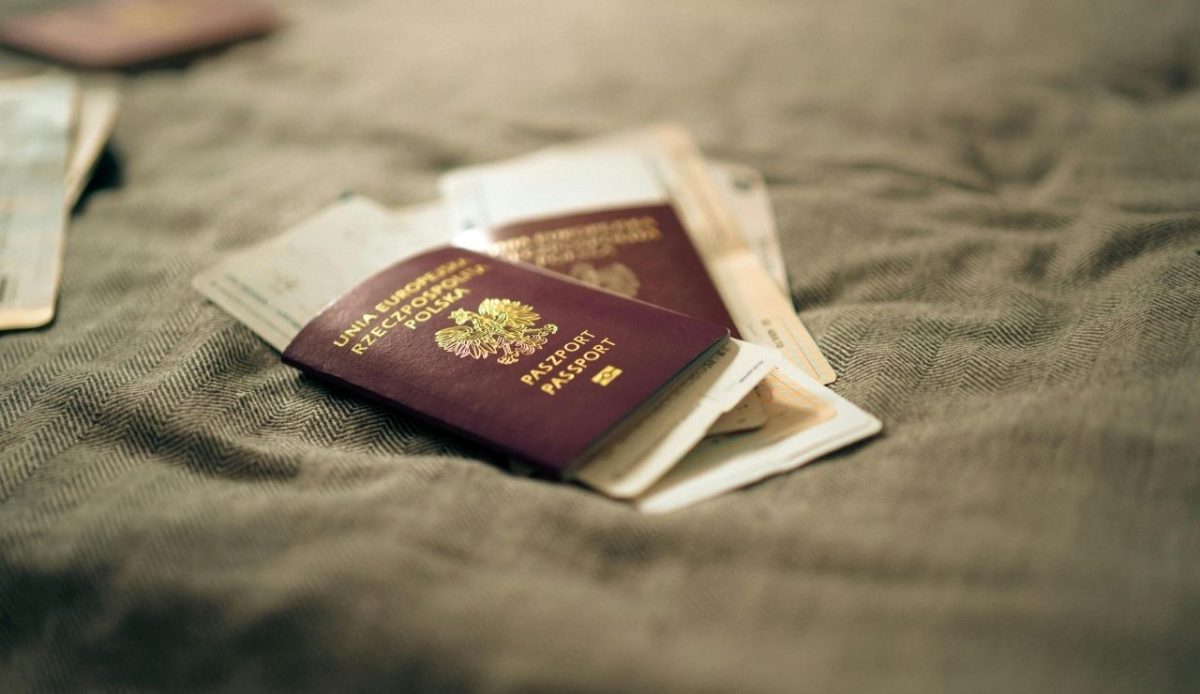
Arriving without valid documents can end a trip instantly. Passports, boarding passes, or visas should be double-checked days before departure. Many assume digital copies will do, but some airports still require paper. Keeping documents together in a travel pouch avoids last-minute panic. Printing boarding passes, checking expiration dates, and carrying both electronic and physical versions ensures peace of mind. Organized travelers avoid long delays and step through the process with far less stress.
3. Ignoring Airline Baggage Rules
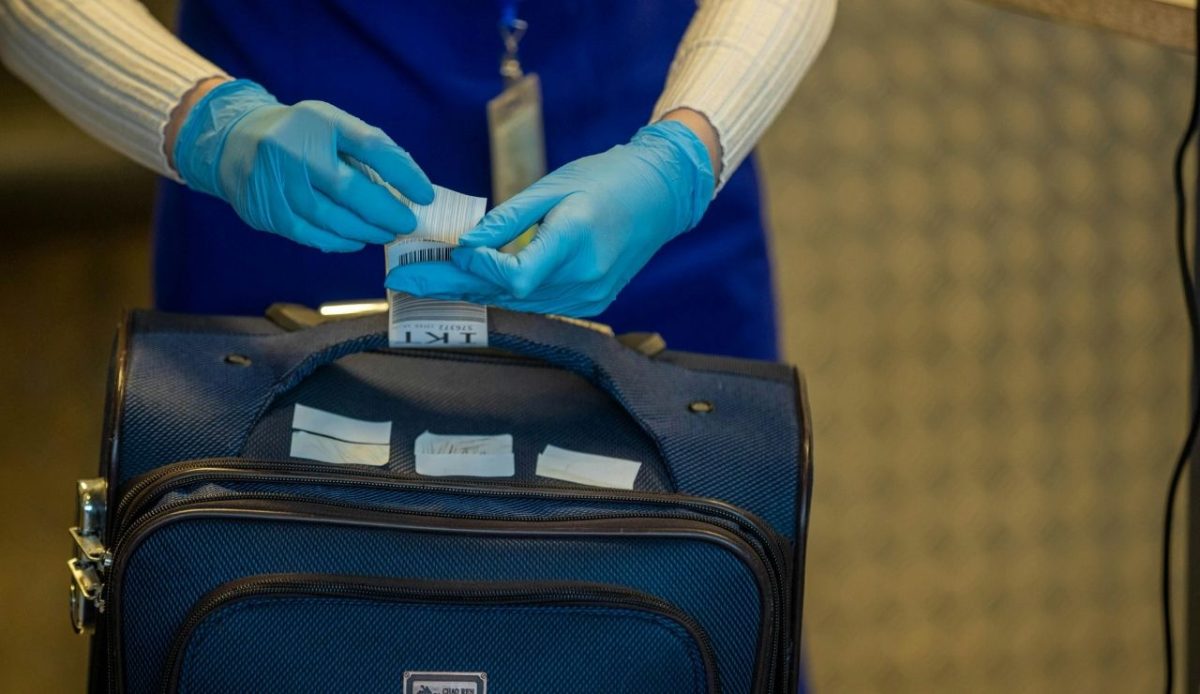
Baggage restrictions vary, and not knowing them often leads to costly surprises. Airlines enforce strict rules for size, weight, and even personal items. Some airlines weigh carry-ons or measure bags at the gate, leaving passengers to pay extra. A small luggage scale at home helps prevent trouble. Reviewing your carrier’s policies before packing saves time and money. Following guidelines ensures boarding goes smoothly and avoids the frustration of sudden fees or bag rejections.
4. Skipping Online Check-In

Many travelers wait until arriving at the airport to check in, but this decision costs them valuable time and seating options. Early check-in secures better spots, such as aisle or exit row seats. Online systems also reduce paperwork and speed up entry with mobile passes. Checking in 24 hours in advance helps confirm details, correct errors, and secure your place if the flight oversells. A few minutes on your phone saves frustration at the terminal.
5. Arriving Too Late at the Airport

Rushing to catch a flight is a risk that often ends in missed planes. Traffic jams, long baggage lines, or sudden delays make last-minute arrivals stressful. Airlines recommend two hours for domestic flights and three for international, but arriving earlier offers breathing room. Having extra time allows travelers to eat, stretch, and find gates without panic. Being early prevents mistakes and creates a calmer start to the journey. The gamble of being late rarely pays off.
6. Not Preparing for Security
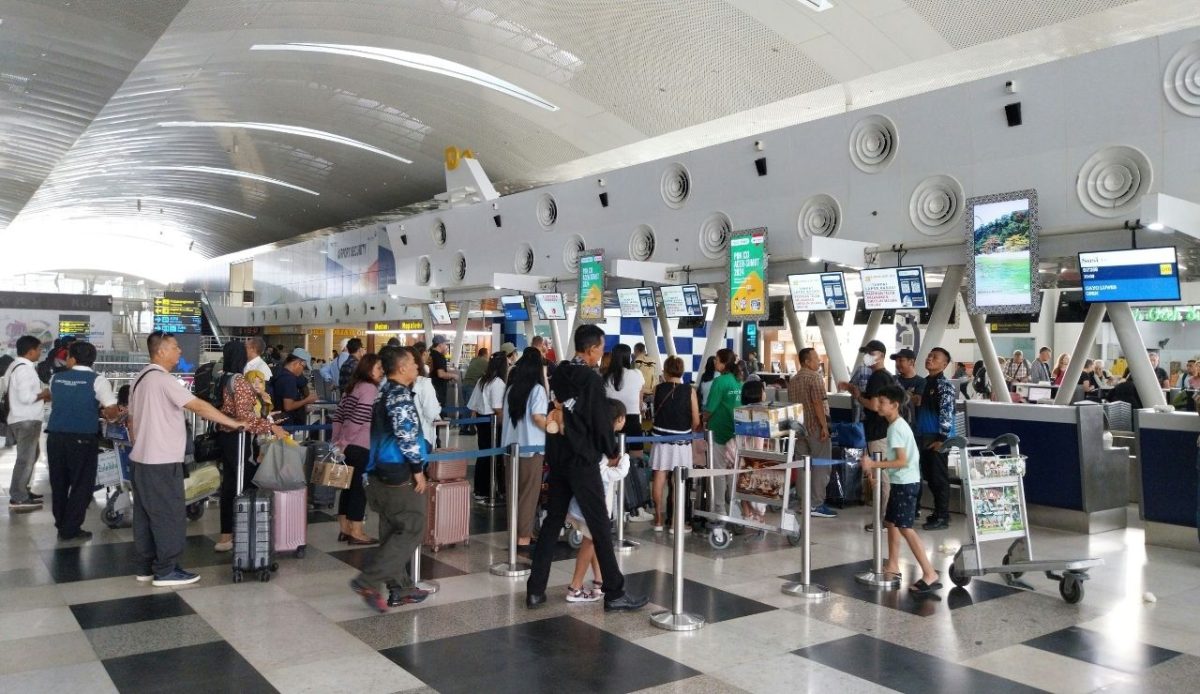
Security checks cause stress when travelers forget the rules. Oversized liquids, metal belts, and buried electronics often trigger delays. Simple preparation speeds things up. Place liquids in a clear bag, wear slip-on shoes, and keep laptops or tablets handy. Knowing the routine before you reach the line saves time for everyone. Quick passage through security not only reduces stress but also shows courtesy to fellow passengers waiting behind you.
7. Choosing Flights with Tight Layovers
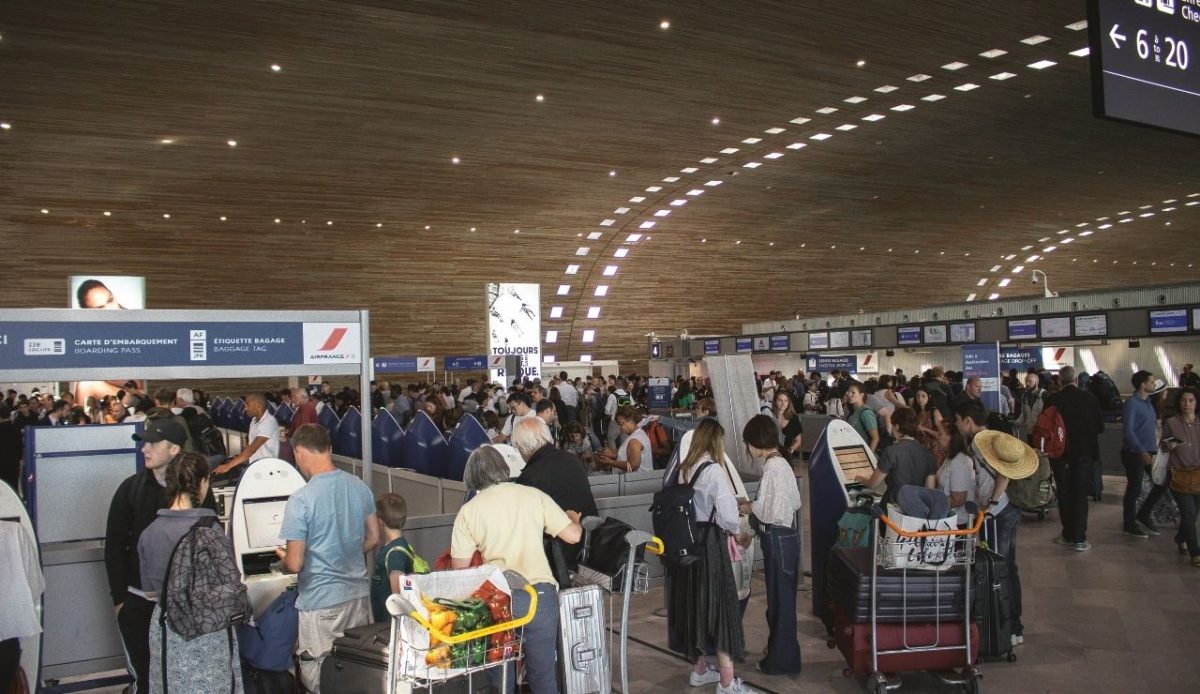
Short connections sound efficient but often end in disaster. Large airports, security rechecks, or delays make fast transfers nearly impossible. Missing a connection can leave you stranded for hours. Leaving at least ninety minutes for domestic and two hours for international flights lowers the risk. Longer layovers also provide time to stretch, eat, or explore terminals. Building in buffer time ensures a smoother trip and less stress between flights.
8. Overlooking Airport Food Options

Rushing into the nearest fast food counter often leads to overpriced, unhealthy meals. Many airports now feature local restaurants, fresh markets, and sit-down spots worth visiting. Walking the terminal before choosing can reveal better food. Packing your own snacks also saves money and provides healthier options. Eating well before boarding makes long flights more comfortable and reduces the need to rely on limited in-flight meals. Smart choices turn food into part of the experience.
9. Forgetting to Stay Hydrated

Dry cabin air leaves travelers tired and uncomfortable. Dehydration makes headaches worse and slows recovery from jet lag. Relying on the small cups served during the flight is not enough. Carrying an empty bottle through security and filling it before boarding ensures a steady water supply. Avoiding too much caffeine or alcohol helps the body stay balanced. Staying hydrated maintains energy and ensures you arrive feeling better prepared to enjoy your trip.
10. Relying Only on Airline Apps

Depending only on airline apps creates problems when systems fail. Apps may not update delays quickly or may crash when you need them most. Keeping printed copies of tickets and schedules prevents being caught without key details. Checking gate screens and listening to announcements provides backup. Using both digital and paper information ensures reliability. Travelers who prepare this way feel calmer when technology fails at critical moments.
11. Forgetting Currency for Arrival

Arriving without local cash creates challenges. Many places still prefer bills for taxis, tips, or small shops. While airports often charge higher exchange rates, having some money ready avoids trouble. Ordering currency from a bank before leaving saves costs. Carrying both cards and cash ensures flexibility. Being prepared prevents awkward situations when card readers fail or vendors refuse credit. A small amount of local currency makes first steps in a new country smoother.
12. Not Charging Devices Before Flying

Dead batteries leave travelers without maps, entertainment, or important numbers. Outlets in airports and on planes are often crowded or broken. Fully charging devices before leaving avoids this problem. Bringing a portable power bank adds another safeguard. Keeping cables together in a pouch saves searching through bags. A charged phone helps with check-in, directions, and passing the time on long flights. Power preparation keeps stress low and makes the journey more enjoyable.
13. Leaving Valuables in Checked Bags

Checked bags sometimes get lost, and valuables inside often vanish with them. Jewelry, laptops, and cameras should stay in carry-ons. Airlines advise keeping essentials such as medications, chargers, and documents with you. A missing bag becomes far less stressful if the important items are already safe. Travelers who follow this habit enjoy peace of mind, knowing their most critical belongings remain close and protected during the journey.
