
Winter travel in Michigan depends on towns that keep movement steady through cold stretches, and the places listed here do that by maintaining clear routes, open businesses, and organized layouts even during harsh dips in temperature. Visitors shift easily between indoor and outdoor plans because these communities support reliable schedules with cared-for sidewalks and predictable services. Restaurants hold regular hours, public areas stay accessible, and events continue throughout the season. Travelers follow simple paths without worrying about blocked streets or abrupt changes. These towns help shape full winter days with flexible stops, warm indoor options, and outdoor areas that remain easy to reach.
1. Traverse City
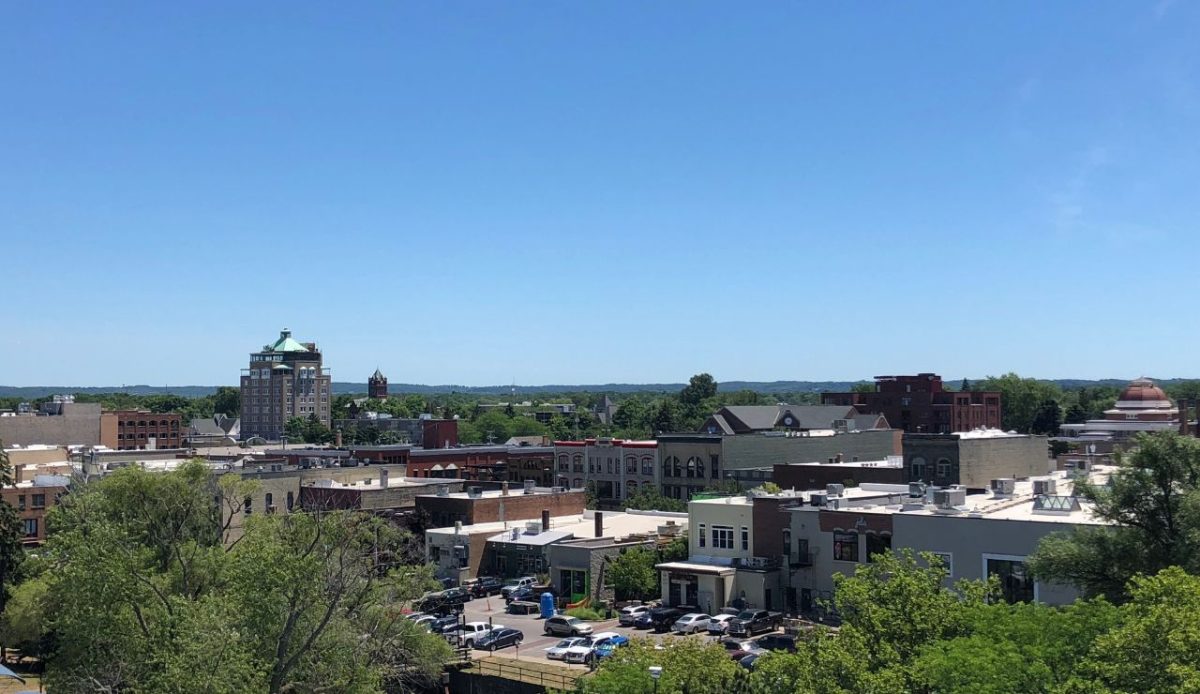
Traverse City maintains a steady winter rhythm through open restaurants, cafés, markets, and waterfront paths that stay usable even when snow builds. Travelers move easily between indoor stops and short trails because the layout remains clear and direct. Seasonal events continue through colder weeks, keeping turnout steady and giving visitors planned breaks between walks. Sidewalks stay cared for, helping people navigate busy blocks without difficulty. The city’s dependable pace makes winter plans simple, whether guests want quiet mornings, active afternoons, or relaxed evenings near the harbor.
2. Frankenmuth
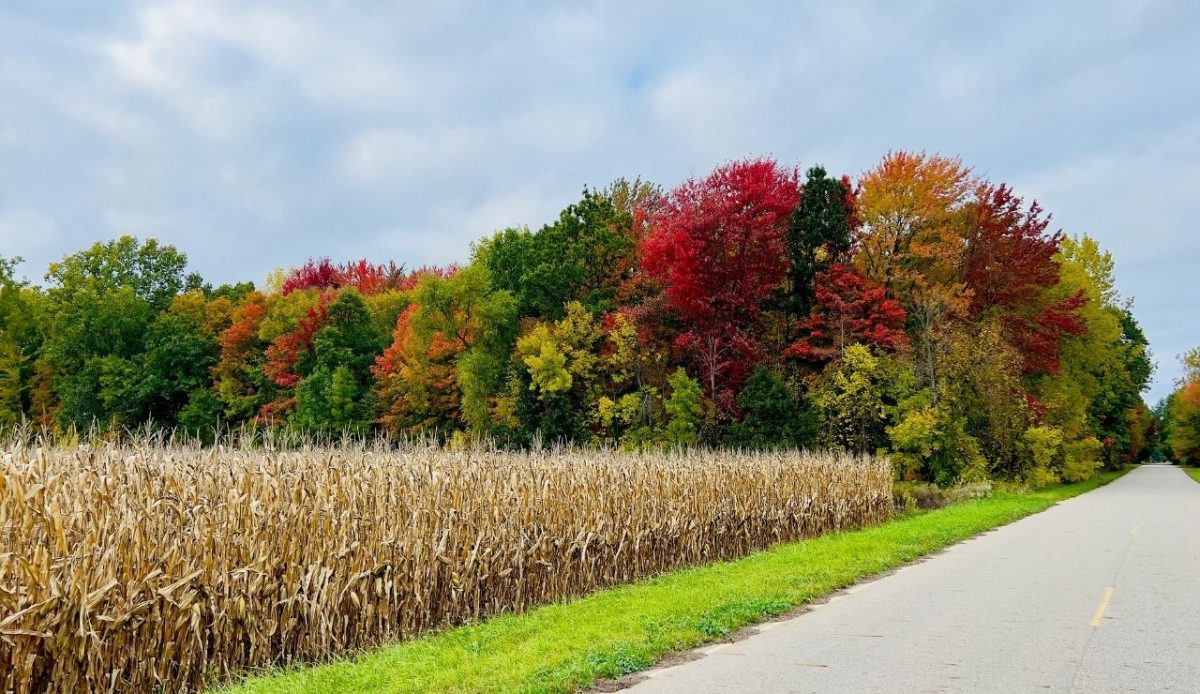
Frankenmuth supports full winter days through a compact center that lets visitors move between shops, restaurants, and indoor attractions without long walks in sharp cold. Seasonal displays remain active, drawing steady groups even in colder stretches. Heated indoor spaces offer backup options when outdoor plans feel too brisk. Sidewalks stay clear, and signage helps travelers follow direct routes through the busiest areas. Many guests pause in cafés or bakeries before exploring more. The town’s structure keeps winter trips smooth, predictable, and comfortable for families and day visitors.
3. Marquette
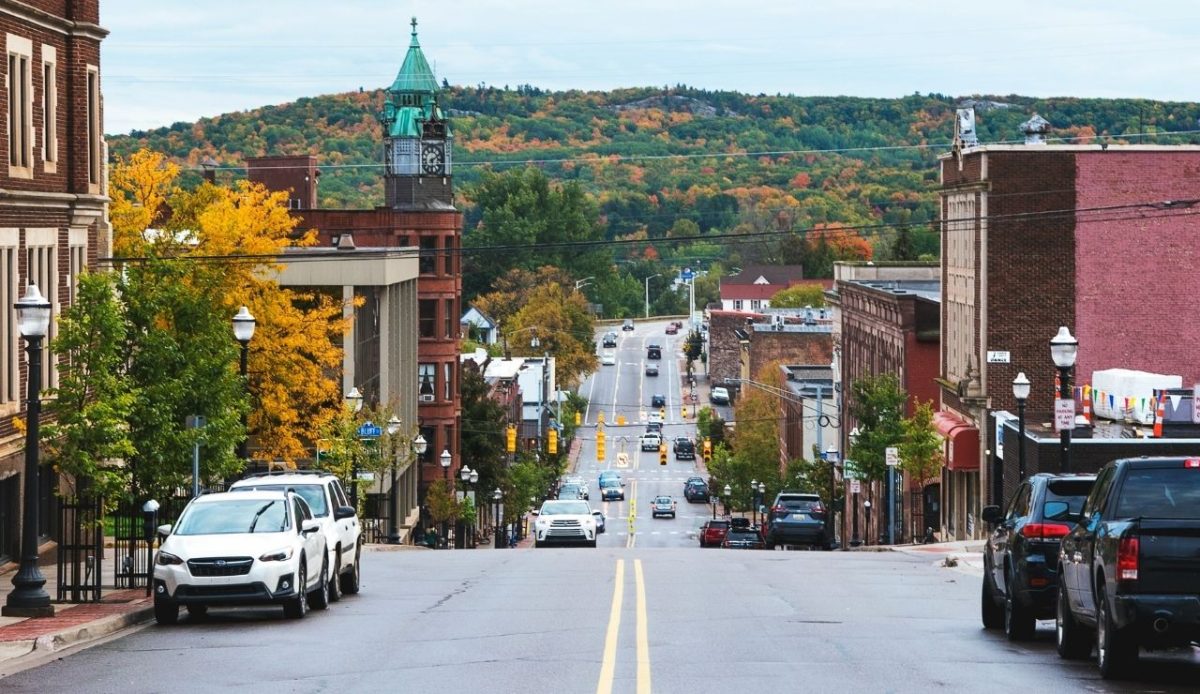
Marquette uses its lakefront layout and maintained downtown grid to keep winter travel structured and easy to follow. Visitors move between shops, cafés, and shoreline spots without struggling through confusing routes. Nearby parks draw winter sports travelers, yet access back into the city remains smooth due to consistent road care. Restaurants hold steady hours, helping visitors plan meals around outdoor time. Waterfront viewpoints stay open enough for quick photo stops. Marquette preserves a reliable pace through the coldest weeks, giving travelers a balanced mix of indoor warmth and lakefront scenery.
4. Petoskey
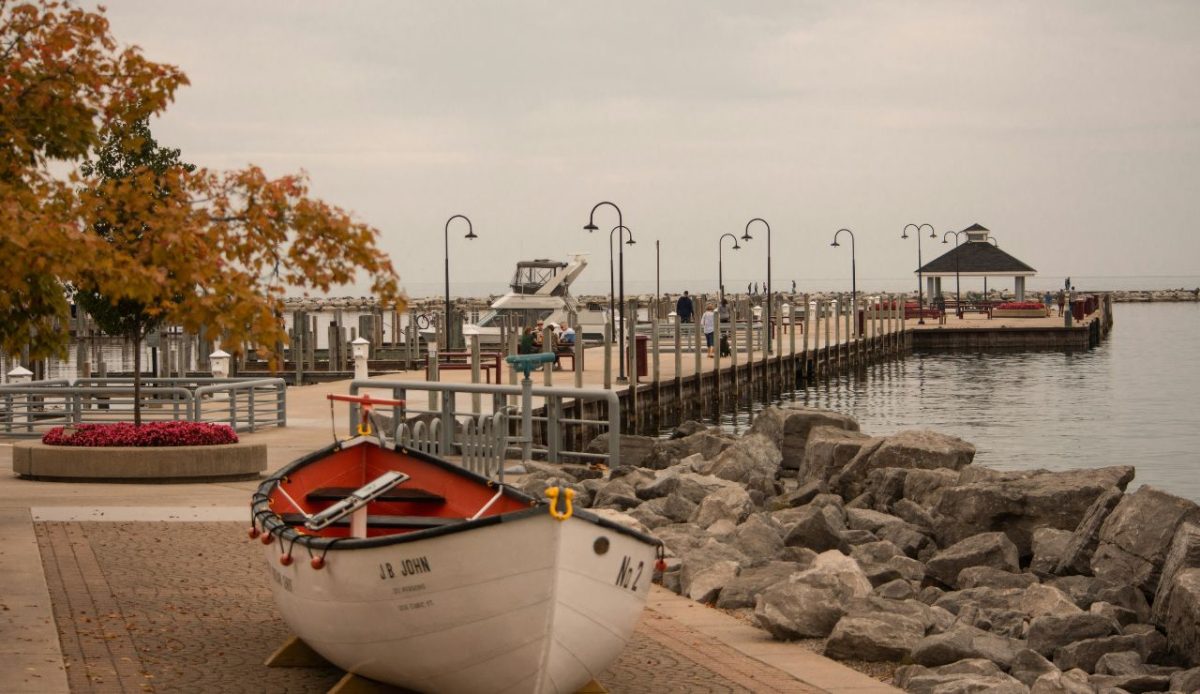
Petoskey supports winter travelers by maintaining clear sidewalks and direct routes through its central district, allowing guests to explore shops, galleries, and cafés without navigating blocked paths. Many visitors begin near the waterfront and move easily toward downtown areas. Nearby ski sites bring daytime crowds who later return for warm meals and indoor browsing. The main streets stay organized even during heavy snow, making navigation simple. Petoskey offers enough activity for full winter schedules, and its straightforward layout helps visitors move confidently through the season.
5. Holland
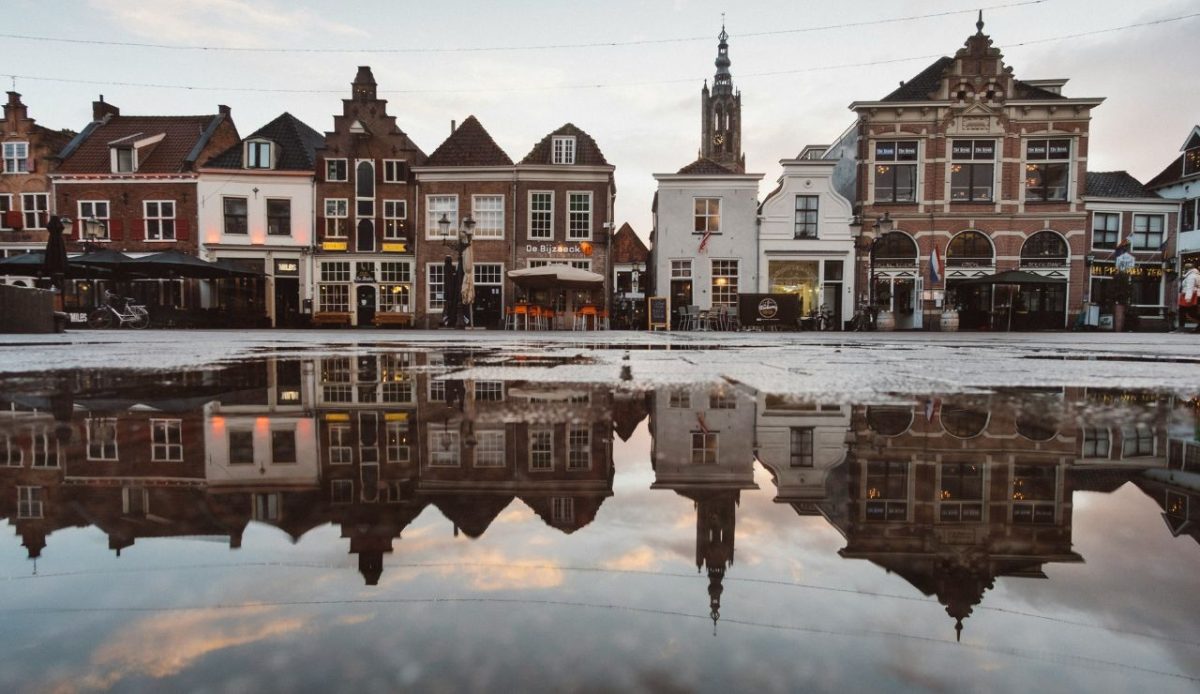
Holland stays active through winter thanks to heated sidewalks that keep major routes open and comfortable during heavy snow. Visitors walk easily between shops, restaurants, and cultural spaces without dealing with slippery paths. Outdoor areas near the waterfront remain accessible for short breaks, while indoor venues offer warm stops when winds increase. Events continue across the colder weeks, drawing steady turnout from nearby regions. Holland’s compact design helps travelers stay oriented and maintain full-day plans without complicated detours or difficult weather adjustments.
6. Mackinaw City
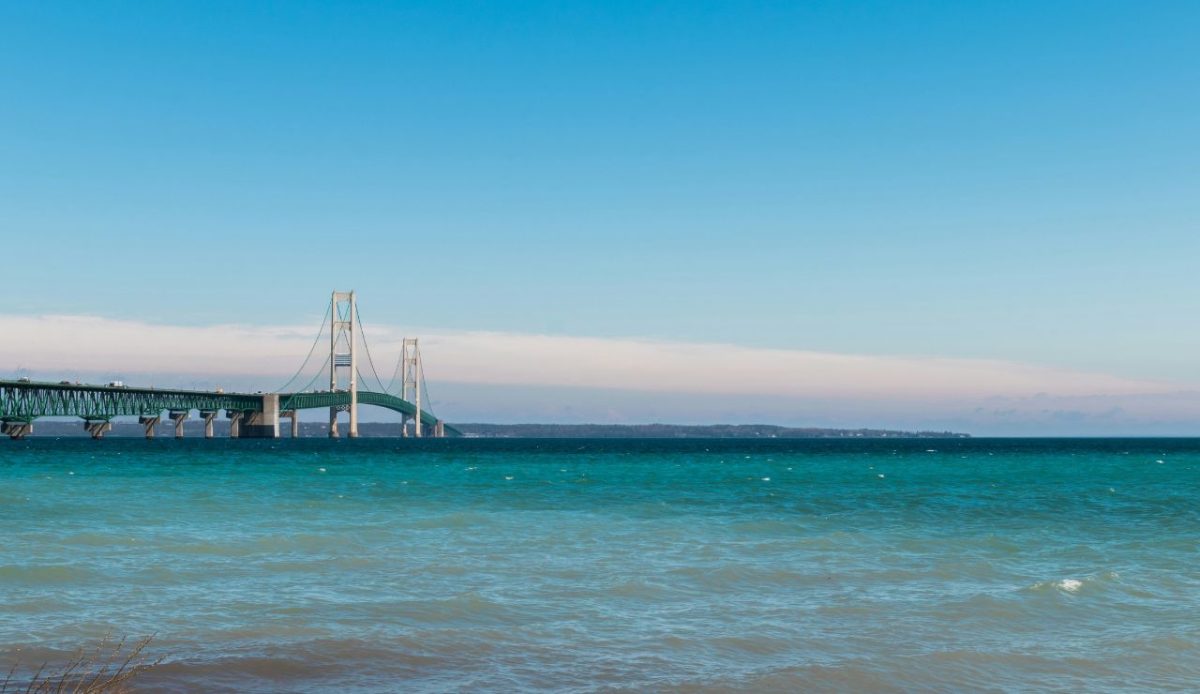
Mackinaw City stays practical for winter visitors through clear shoreline paths, steady views of the Mackinac Bridge, and simple routes between shops and cafés. Travelers start near the fort area and move across compact blocks without confusion. Indoor venues offer small events that bring groups throughout the season, giving people warm breaks between outdoor stops. Careful sidewalk maintenance helps visitors keep a comfortable pace even when conditions shift. The town remains an easy option for travelers who want predictable movement and clean views during colder weeks.
7. Sault Ste. Marie
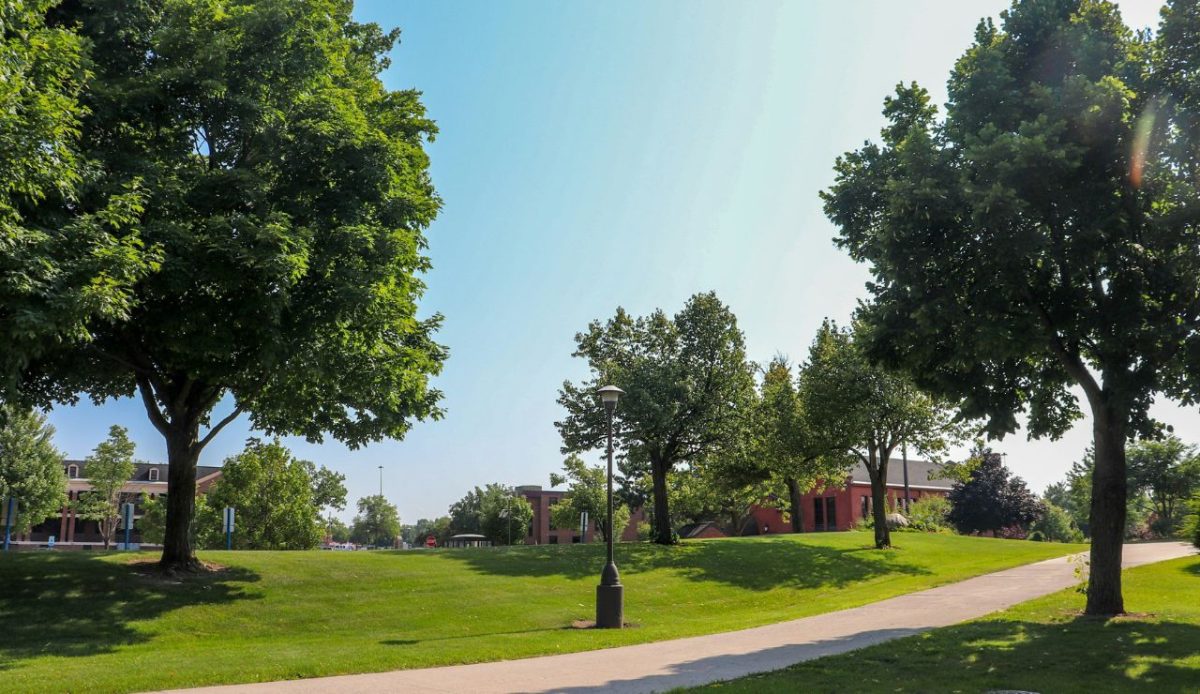
Sault Ste. Marie keeps winter travel manageable with museums, restaurants, and viewing points near the Soo Locks that stay open on regular schedules. Maintained sidewalks make it easy to move between the riverfront and downtown blocks without slipping concerns. Outdoor areas draw visitors when conditions remain stable, while indoor attractions support plans during harsh stretches. Travelers appreciate the direct route from central streets to water overlooks. The city offers enough steady activity to fill winter days with simple, reliable stops that require minimal planning.
8. Ann Arbor
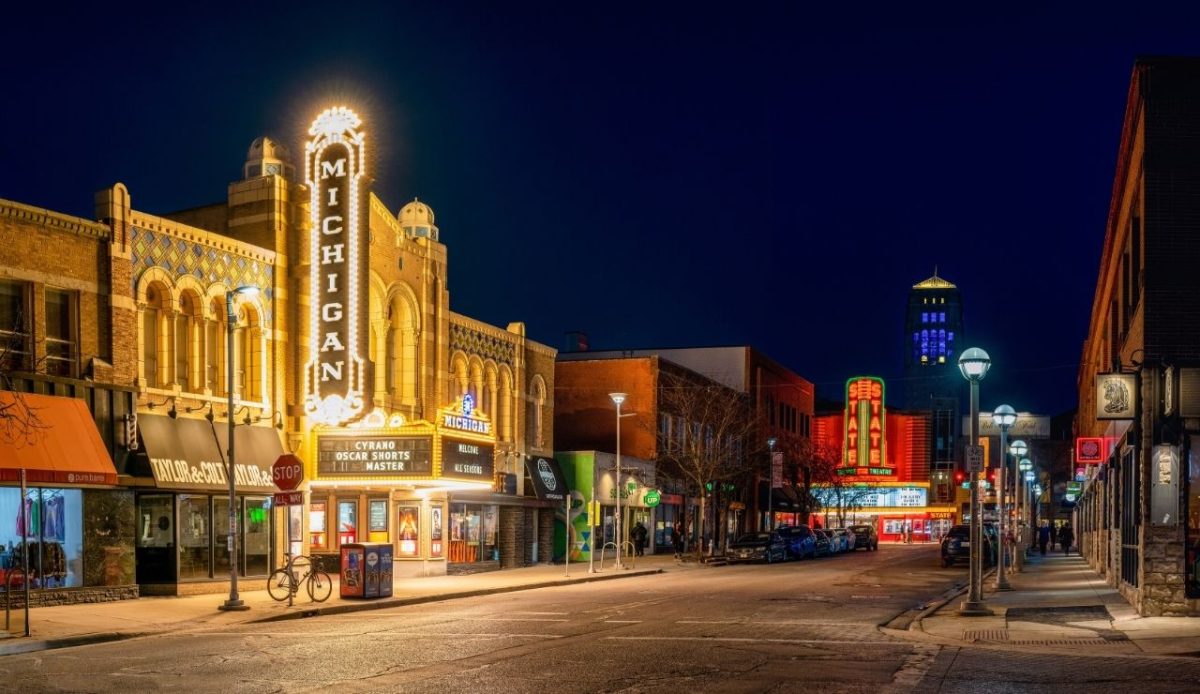
Ann Arbor stays lively through winter thanks to its university community, which keeps cafés, bookstores, and cultural venues active even during cold periods. Travelers begin near central campus and follow clear sidewalks toward museums, theaters, and event spaces. Lectures, art programs, and seasonal gatherings continue across the colder months, drawing steady turnout. The compact layout helps people explore multiple districts without long detours. Indoor spaces offer comfortable breaks for warmth, while outdoor routes remain easy to follow. Ann Arbor maintains a steady pace that supports full-day schedules during winter.
9. Ludington
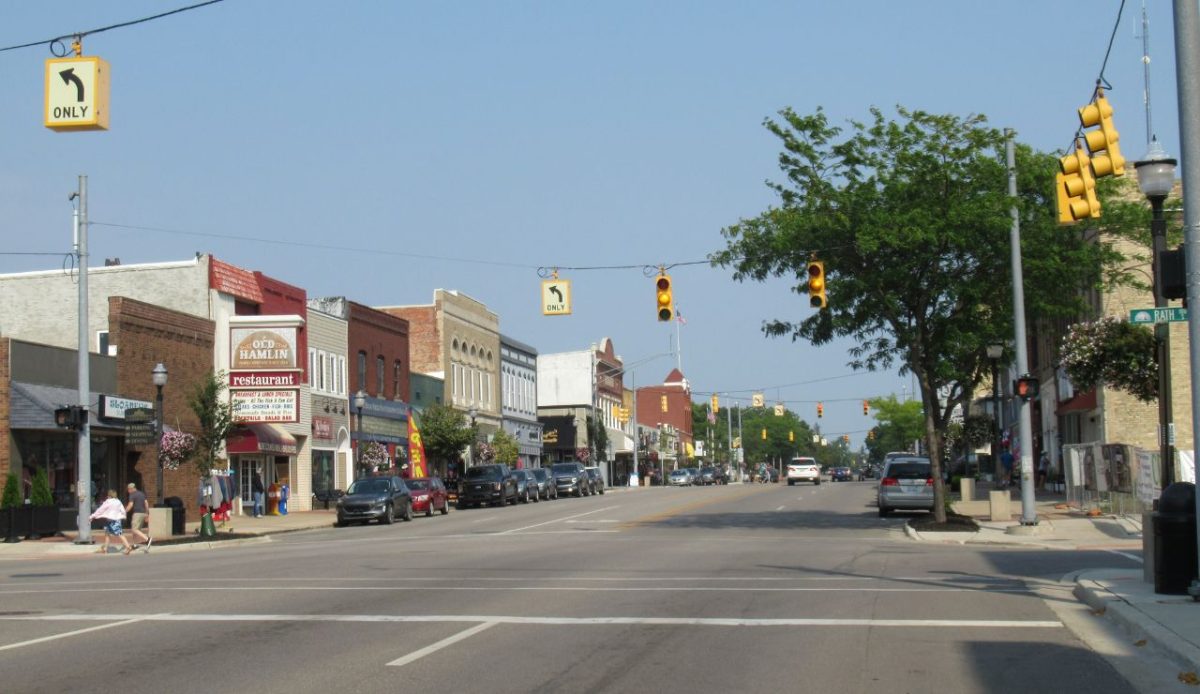
Ludington keeps movement steady in winter by maintaining open hours at its harbor area, parks, and downtown businesses. Visitors walk from the waterfront toward local shops using simple, direct paths that remain cared for even when snow builds. Nearby trails offer short outdoor options for travelers who want quick walks before returning indoors. Restaurants, cafés, and stores keep reliable hours, which helps visitors plan without uncertainty. Clear roadwork and sidewalk maintenance support safe movement. Ludington remains consistent and approachable throughout the season, even on colder days.
10. Boyne City
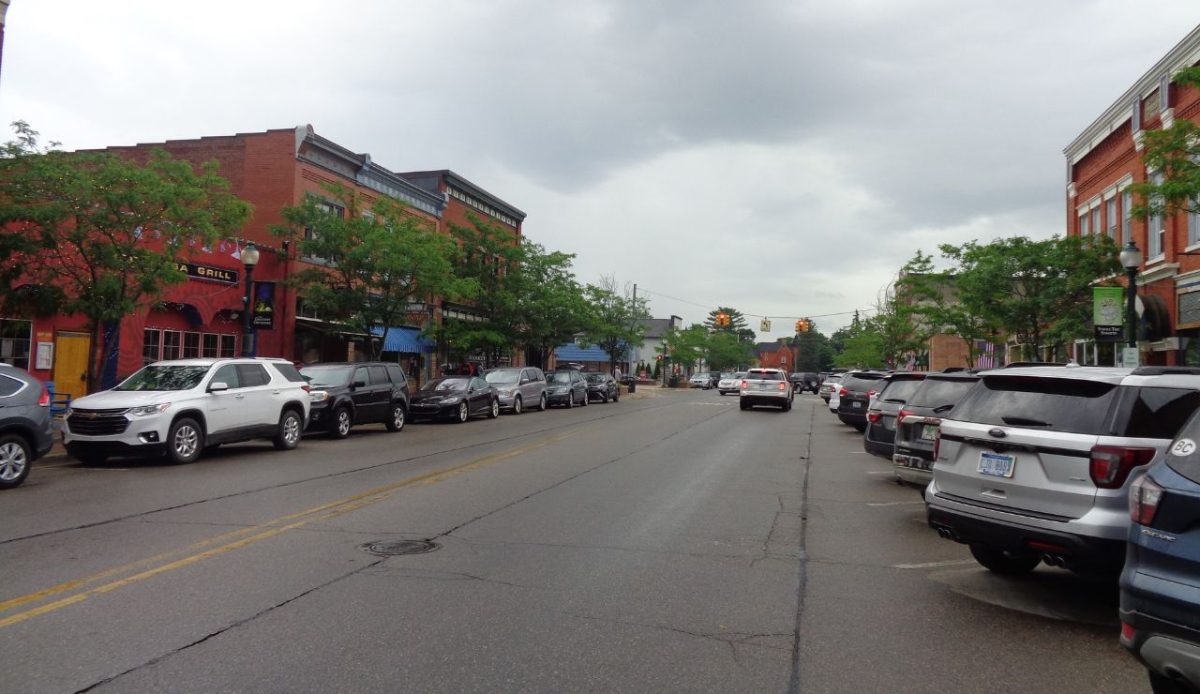
Boyne City attracts winter travelers who stay in town while visiting nearby ski areas, allowing them to switch easily between outdoor activity and warm indoor stops. The lakefront remains accessible, giving visitors simple views and short walking routes. Downtown paths stay clear, and signage helps guests move confidently between restaurants, shops, and gathering spaces. Weekend events bring steady turnout, adding structure to winter plans. Travelers appreciate how quickly they can shift from cold-weather sports to comfortable dining and browsing. Boyne City suits winter needs without complicated planning.
11. Charlevoix
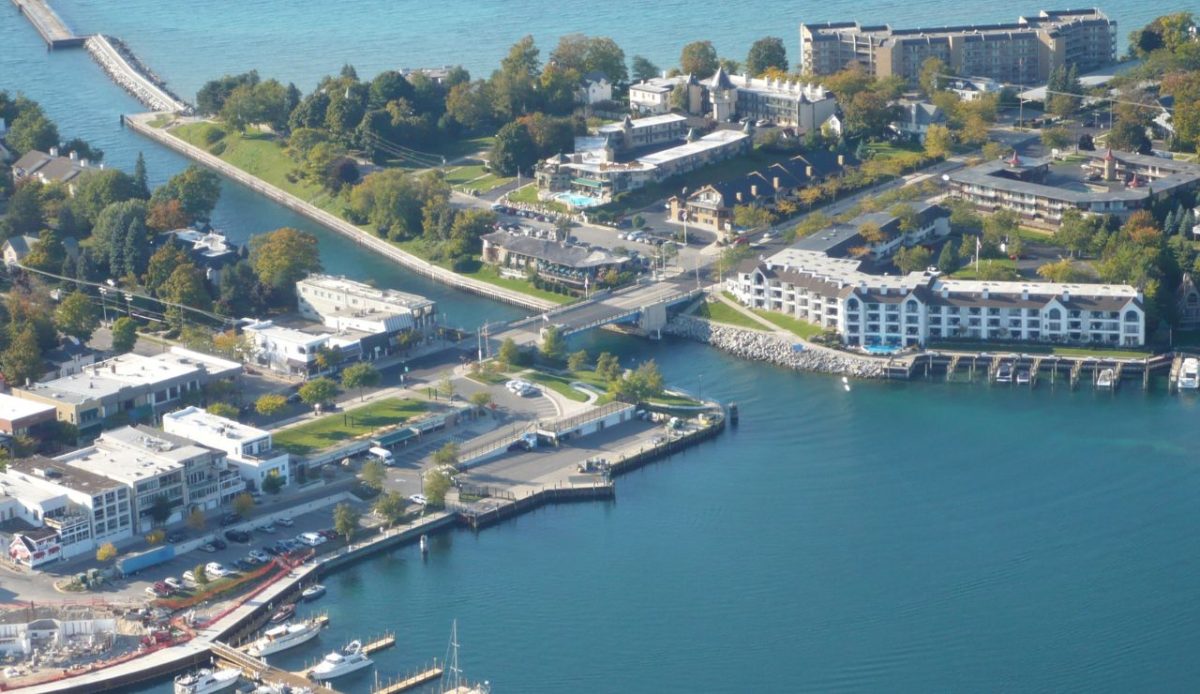
Charlevoix keeps its downtown active during the winter months with shops, galleries, and cafés that maintain steady hours, giving visitors dependable places to explore. Travelers move between the marina and central streets using clear routes that stay accessible even when snow builds. Nearby parks and waterfront paths offer short outdoor breaks before guests return indoors for warmth. Sidewalk care helps people navigate safely at all times. Many visitors stay within the compact core because movement feels simple and organized. Charlevoix supports winter schedules with enough activity to fill full days.
12. Kalamazoo
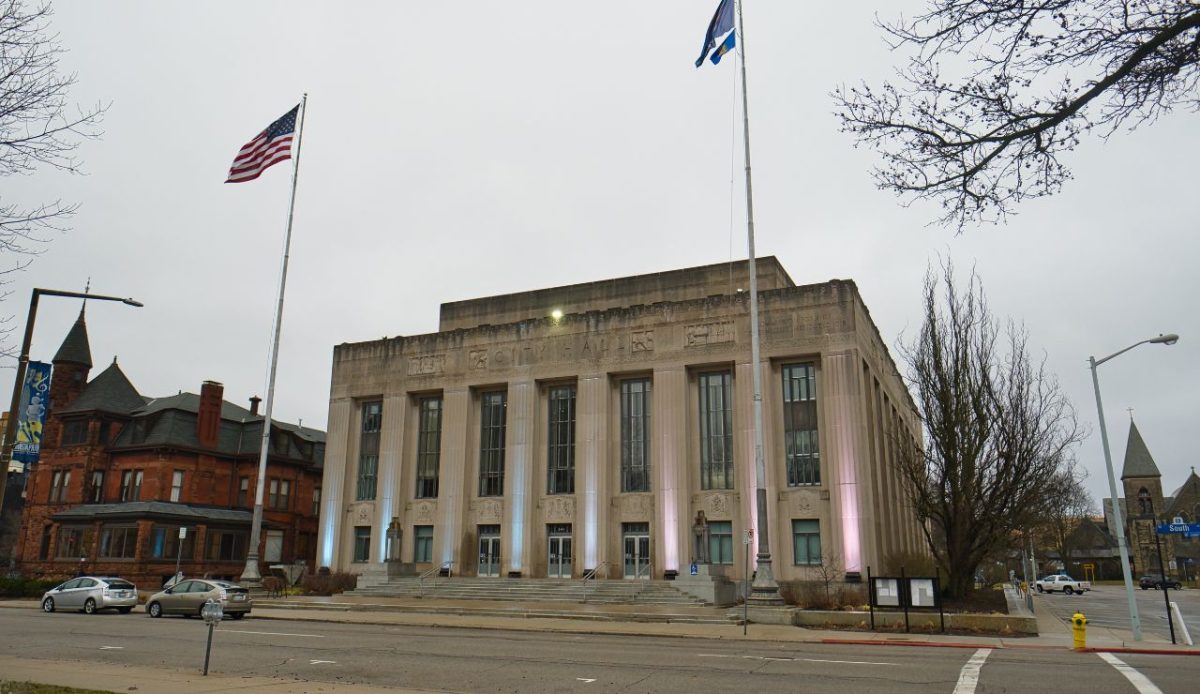
Kalamazoo supports winter travel through active university areas, event venues, and a connected downtown that maintains clear sidewalks and reliable transit service. Visitors follow direct paths between museums, cafés, breweries, and indoor markets without running into confusing closures. Parks surrounding the center offer quick outdoor stops for those who want brief, fresh-air breaks. Public transit helps travelers move comfortably between districts, even on colder days. Businesses keep regular schedules, creating predictable plans for meals and activities. Kalamazoo stays lively enough for full winter itineraries with minimal adjustments.
