
Wellness travel works best when the destination itself determines how days are structured, from sleep and meals to movement and rest. Instead of squeezing treatments between activities, travelers increasingly choose places designed around recovery as the main purpose of the trip. These locations offer established bathing systems, medical wellness traditions, or retreat programs that operate on clear schedules and measurable outcomes. Planning revolves around consistency rather than variety, allowing the body and mind to reset gradually. The following destinations represent places where wellness is not an add-on, but the reason the trip exists.
1. Lake Louise, Alberta, Canada
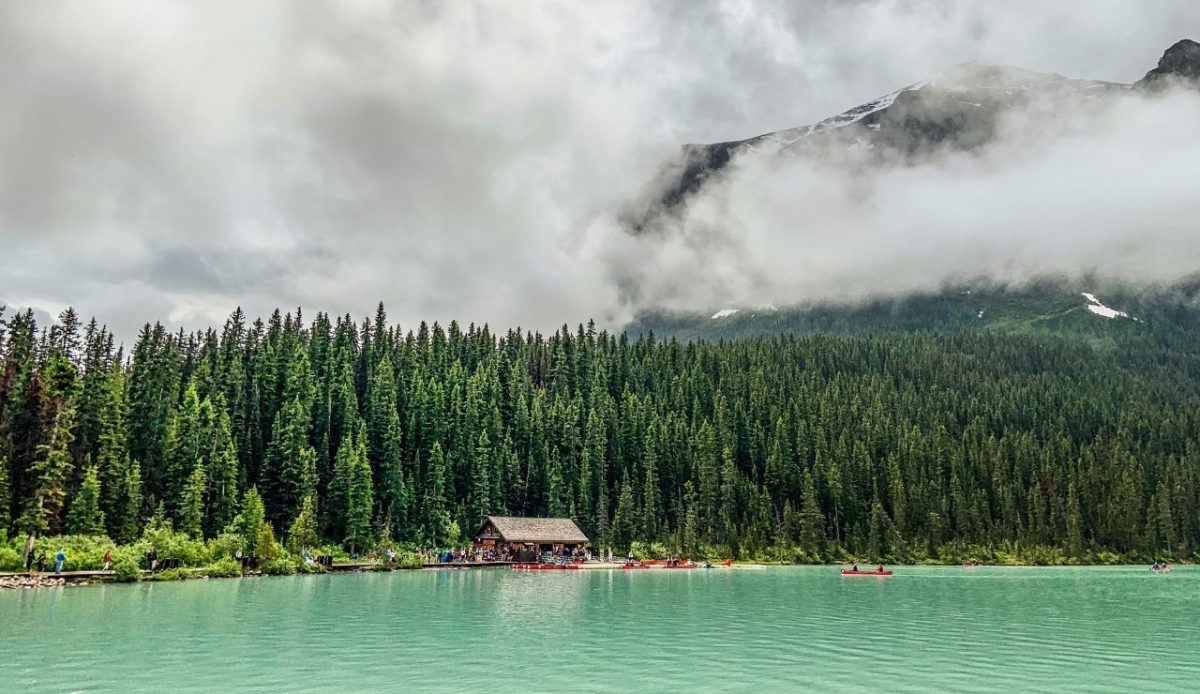
Lake Louise in Alberta fits travelers who want high altitude quiet paired with a structured thermal circuit. At Fairmont Chateau Lake Louise, Basin Glacial Waters offers guided sequences that rotate warm pools, steam, and cooling steps to support circulation. Days tend to be planned around soak times, short walks on flat lakeside paths, and early nights that match the mountain climate. Because the wellness facilities are on-site, recovery can stay consistent even in winter. Staff guidance keeps the pace steady, and hydration breaks are built in so guests do not rush from one sensation to the next.
2. Auvergne And The Massif Central Spa Route, France
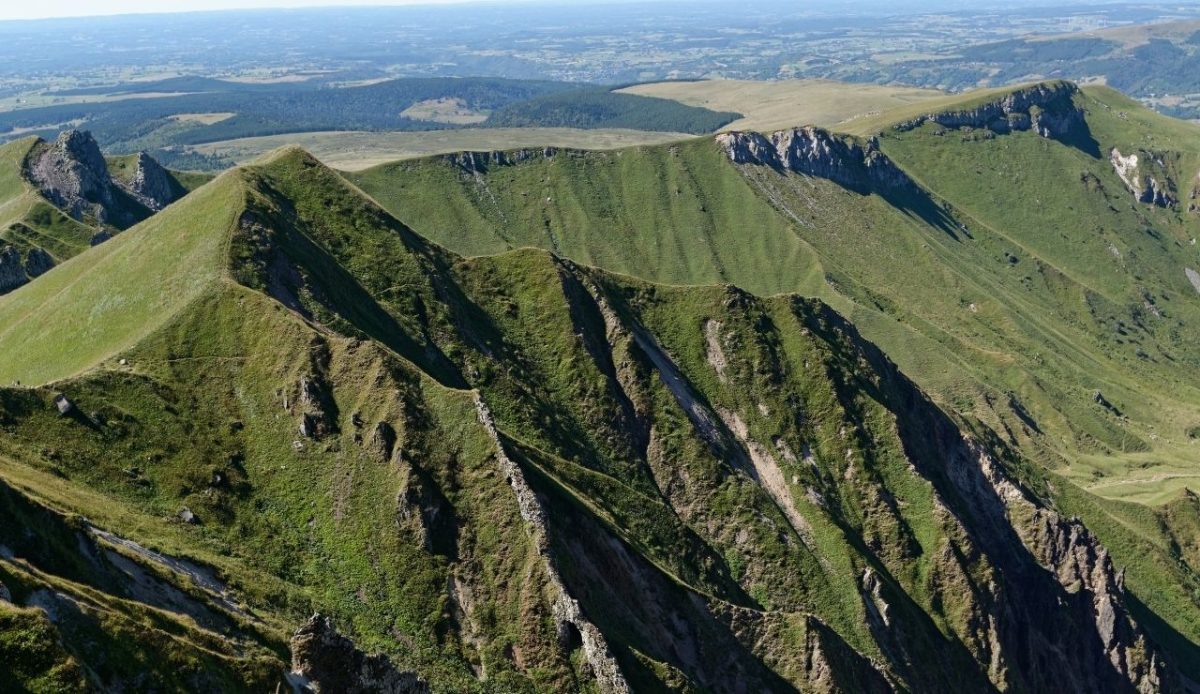
France’s Massif Central supports trips that are organized around thermal treatment cycles, especially in Vichy and Le Mont Dore. These towns operate longstanding cure programs using mineral spring water for joint care, digestion, and breathing support. A typical stay includes scheduled baths or showers, supervised rest periods, and optional drinking cures in spa halls. Because stays are often arranged by week blocks, travel dates are chosen to fit the regimen rather than museum hours. Between sessions, parks and promenades make gentle movement easy, while evenings are kept low-key to protect recovery time.
3. Baden-Baden, Germany
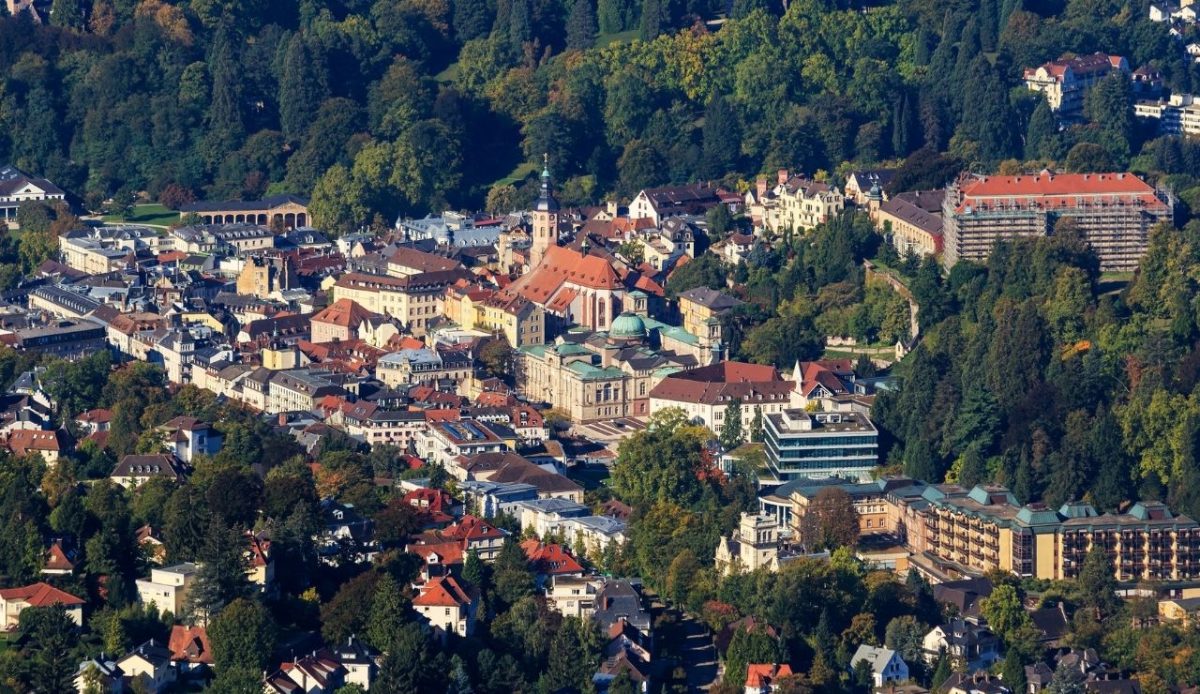
Baden Baden is designed for bathing first, with sightseeing fitting into the gaps. Caracalla Spa provides thermal pools indoors and outdoors, plus a sauna route that encourages slow progression from mild heat to higher temperatures. Nearby, Friedrichsbad follows a traditional sequence where washing and warming steps are guided in a set order. The town is walkable, so visitors can keep activity light, eat simply, and let recovery carry through the whole stay. Historic spa architecture and calm green spaces support a restorative mood, and many hotels time meals around bathing so energy stays even.
4. Blue Lagoon, Iceland
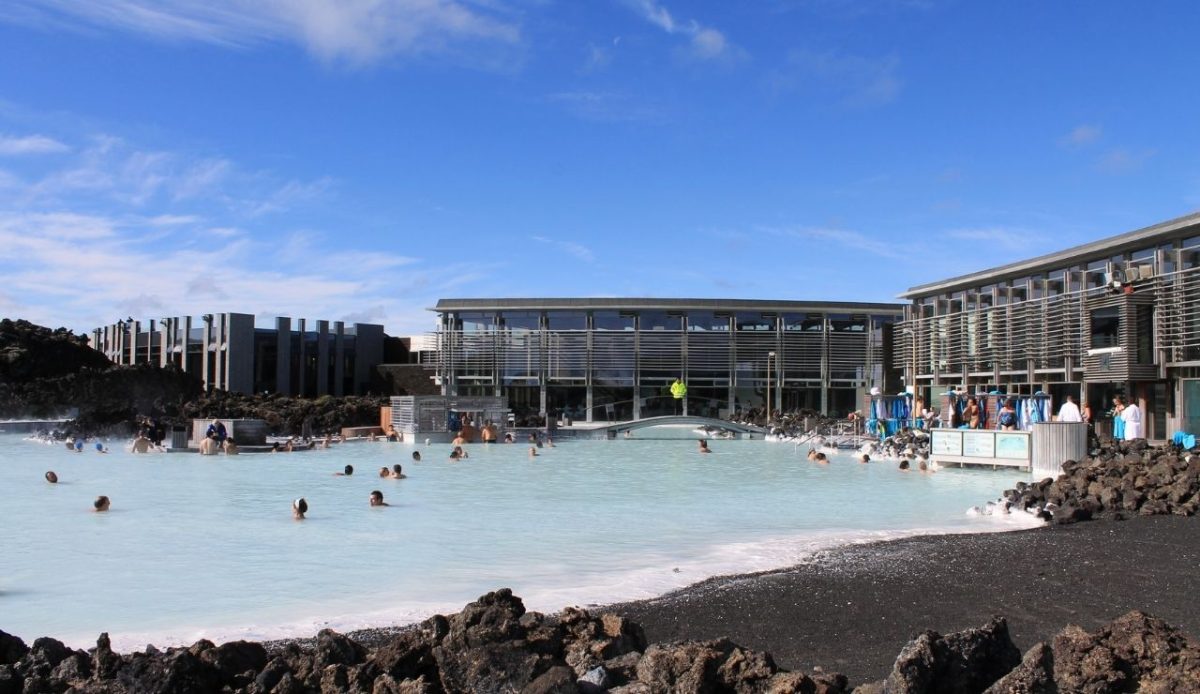
Iceland’s Blue Lagoon can anchor an entire itinerary because entry is timed and treatments are booked like appointments. The geothermal seawater is known for silica and other minerals, and visitors follow recommended soak intervals to avoid skin irritation. Water masks and quiet floating are usually paired with a warm shower reset and a long rest afterward. Since the site is near Keflavik Airport, many travelers schedule it on arrival or departure to reduce jet lag strain. Lava fields and controlled crowd size keep stimulation low, and on-site dining keeps nutrition predictable when the body is readjusting.
5. Beppu, Oita, Japan
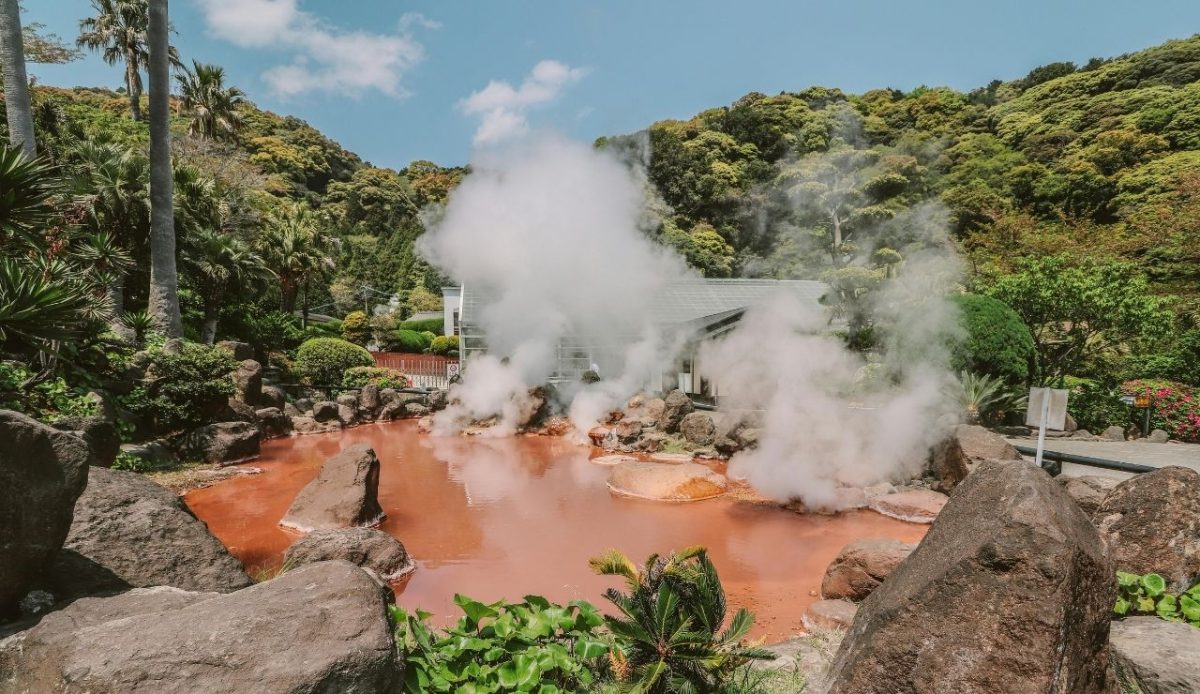
Beppu in Japan’s Oita Prefecture runs on hot spring culture, so a wellness plan is built around repeated bathing. The Beppu Hatto districts offer different styles such as steam baths, sand baths, and mineral pools that can be rotated across several days. Local etiquette encourages rinsing, quiet voices, and short soaks followed by cooling, which helps the body respond gradually. Meals are often kept lighter after bathing, and many inns encourage early sleep to support muscle recovery. With day passes and neighborhood bathhouses, routines stay affordable and consistent, and most transfers can be done on foot or by short bus rides.
6. The Dead Sea, Jordan
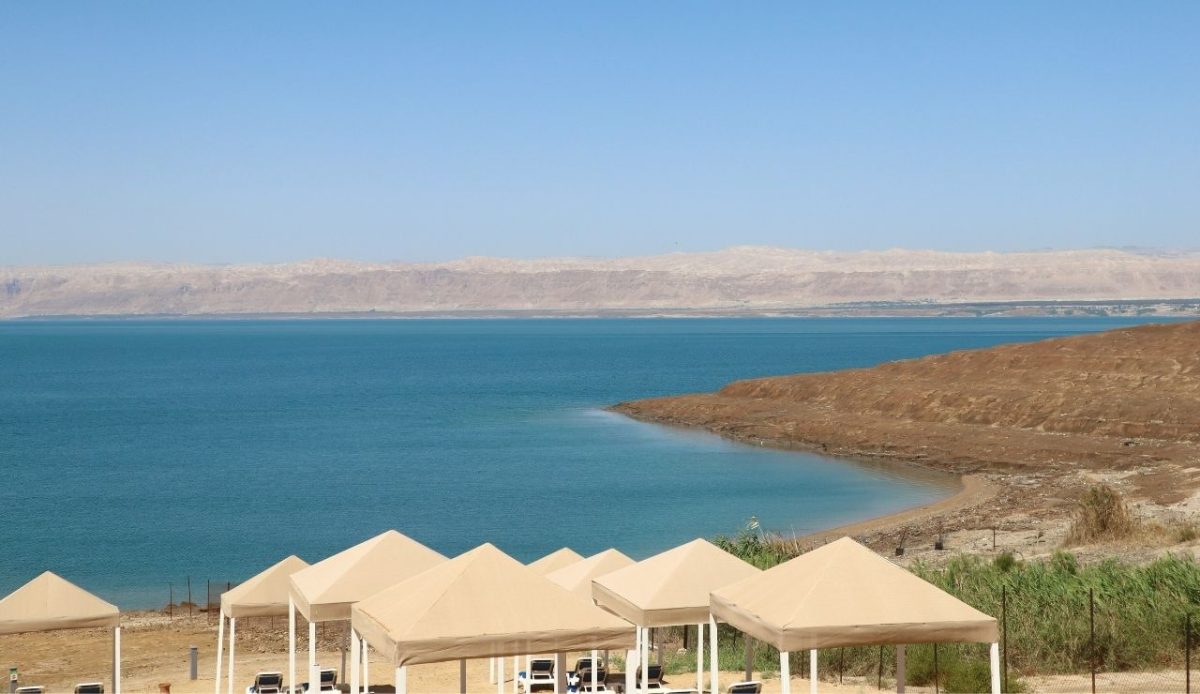
Jordan’s Dead Sea draws wellness travelers for buoyant floating and mineral mud that is commonly used for skin comfort. Resorts on the shore set up routines that alternate short water sessions with mud application, rinsing, and shaded rest to manage heat. Because salt concentration is high, exposure times are kept brief, and eyes are protected, so the day is paced carefully. Visitors often choose multi-night stays to repeat the cycle and track how joints and skin feel over several mornings. Hydration prompts and shower stations are placed close by, and staff guidance helps first-timers avoid overdoing sun or water contact.
7. Kerala, India
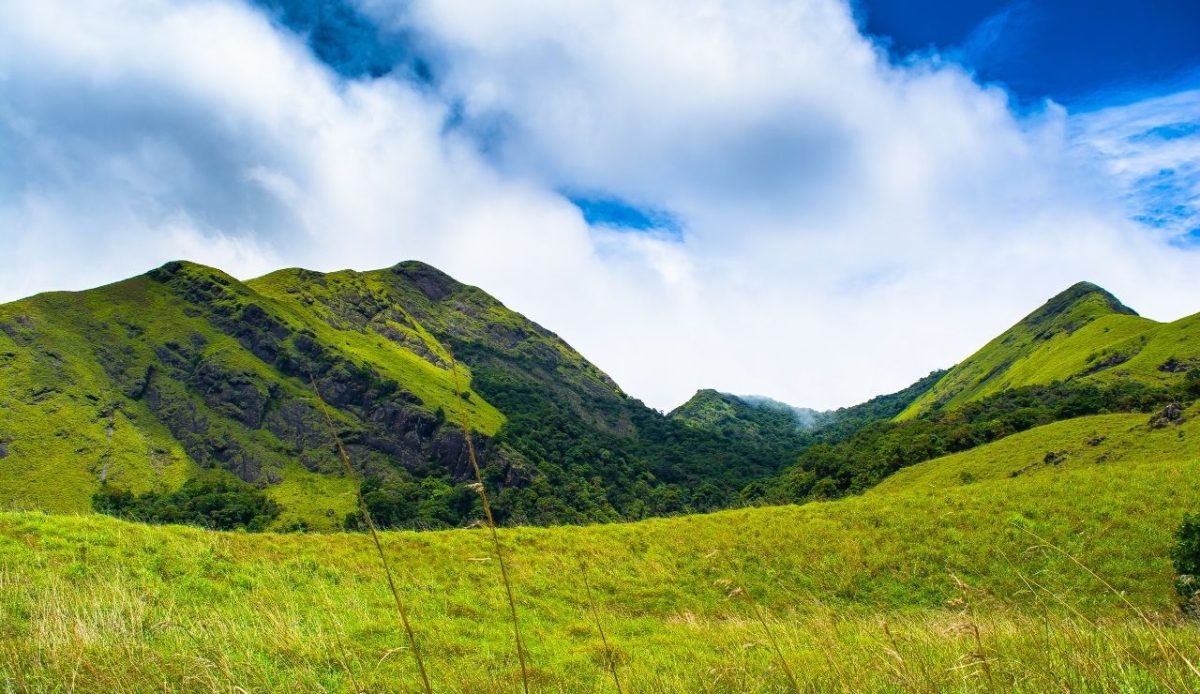
Kerala is visited for Ayurveda programs that are structured like care plans, not casual spa menus. After an intake with a physician, daily schedules can include oil therapies, herbal applications, and supervised heat treatments paired with diet rules. Rest is treated as part of the therapy, so sightseeing is limited and quiet time is protected between sessions. Many stays run one to three weeks, and progress is monitored through follow-up checks so adjustments can be made as the body responds. Yoga and breathing practice may be added in gentle doses, and reputable centers keep records, which supports travelers who want consistency.
8. Koh Samui, Thailand
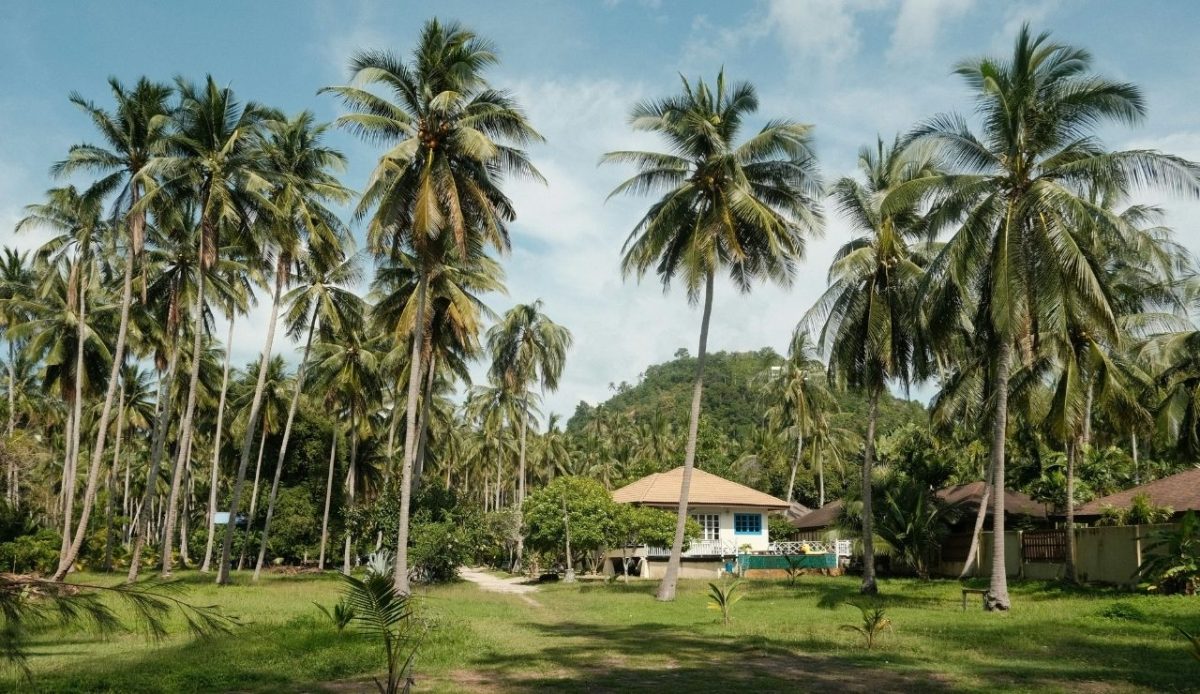
Koh Samui works for travelers who prefer a defined retreat structure, especially at properties that run multi-day wellness tracks. At Kamalaya, programs for stress, sleep, detox, and fitness combine scheduled therapies, movement sessions, and nutrition planning in one place. Days are guided so decisions are reduced, which helps nervous systems settle, and habits form without constant choice. Because the island offers easy airport access, arrival can be kept simple, and the rest of the trip can stay focused on recovery goals. Regular check-ins keep plans realistic, and optional phone-free hours plus coastal walks support better focus and sleep.
9. Saturnia, Tuscany, Italy
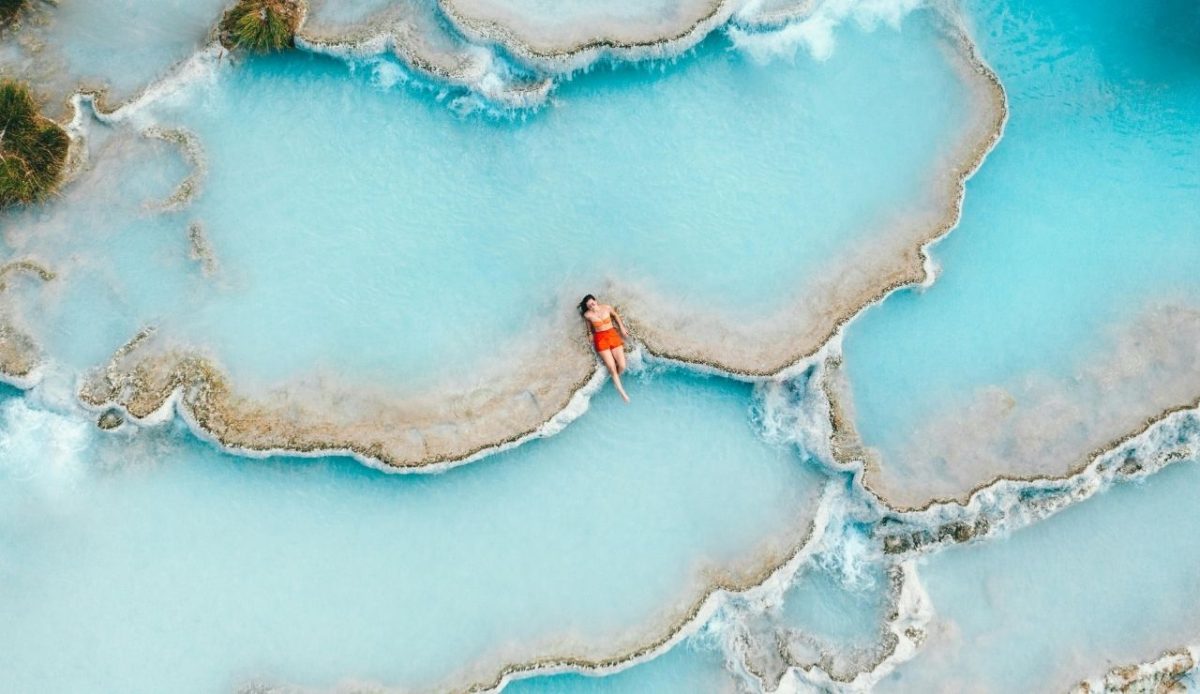
Saturnia in southern Tuscany is planned around sulfur hot springs that run at a steady warm temperature. Visitors book Terme di Saturnia for controlled pool access, then often add early or late soaks at the nearby cascades to repeat exposure safely. Soaking is usually paired with quiet countryside walks and simple meals that do not compete with the body’s cooling and rewarming cycle. Since the area is rural, nights stay calm, making it easier to keep sleep consistent during a reset-focused trip. Many travelers limit sessions to short intervals to avoid dryness, and shower access nearby makes it easy to rinse minerals before resting.
10. Great Victorian Bathing Trail, Australia
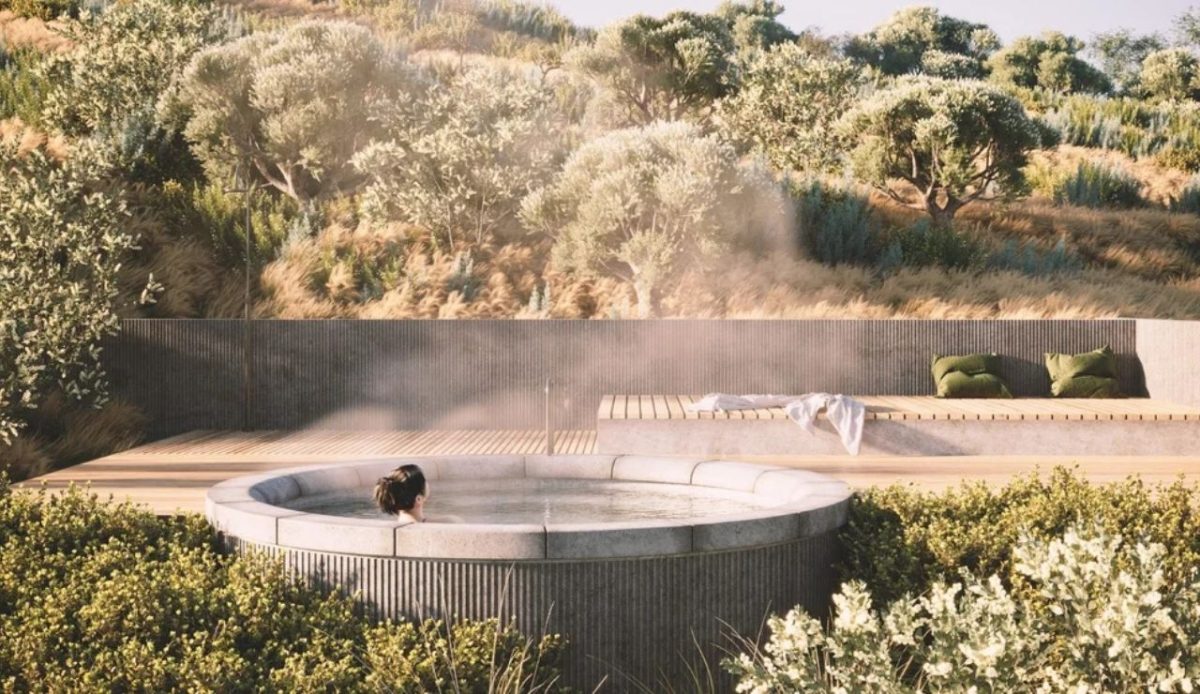
Australia’s Great Victorian Bathing Trail turns wellness into a road trip where bathing stops set the pace. The route links hot springs and sea bathing locations, allowing travelers to plan mornings for soaking and afternoons for gentle coastal movement. Because drives are broken into manageable segments, fatigue is reduced, and recovery time is protected between sites. Many itineraries include repeat soaks to compare how the body feels after different temperatures and durations. Food and lodging are chosen for calm evenings, so the trail stays centered on restoration. Rest days can be added easily.
11. Sedona, Arizona, USA
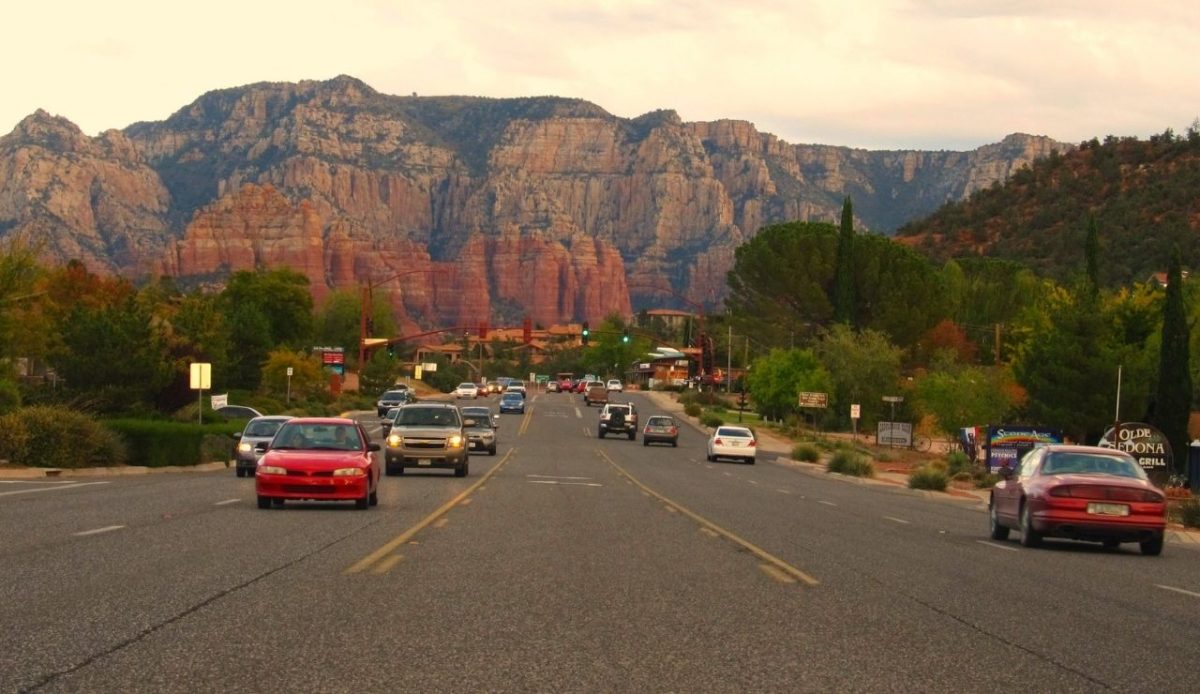
Sedona supports wellness travel through predictable dry air, extensive trails, and a strong spa and mindfulness scene. Many visitors structure days with early hikes for heat safety, followed by bodywork or recovery sessions that are booked in advance. Guided meditation, breathwork, and sound sessions are commonly offered, and quiet lodging outside the busiest junctions helps protect sleep. Because elevation can affect hydration, pacing is kept gentle, and afternoons are often reserved for rest so energy does not crash. Red rock views support a slower tempo, and yoga classes can support posture and joint comfort.
12. Ubud, Bali, Indonesia
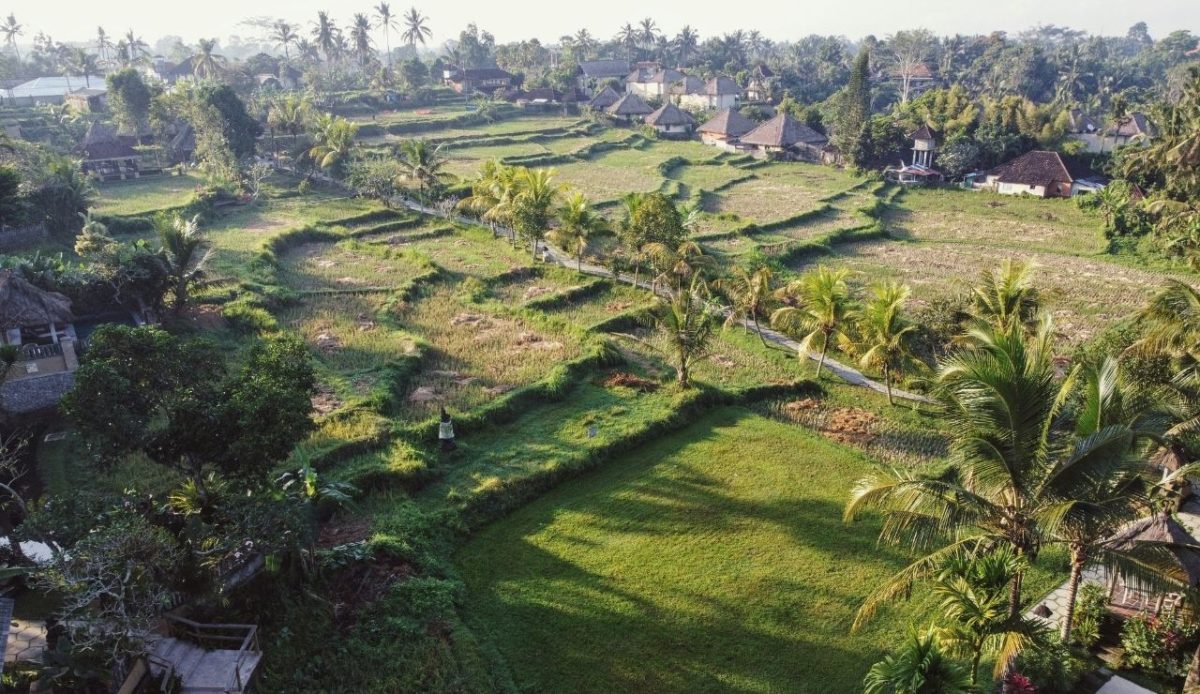
Ubud is a practical base for a wellness trip because daily routines can be maintained without long transfers. The town has many yoga schools and retreat centers that run weeklong programs with set class times, nutrition plans, and optional coaching. Plant-forward menus and fresh food markets make it easier to follow dietary goals without feeling restricted. Between sessions, short walks through rice fields or quiet temples offer low-intensity movement that supports recovery. Because schedules are consistent, visitors can measure changes in sleep, mood, and focus across several days. Many stays include digital breaks.
