
UNESCO World Heritage Sites preserve some of the most poignant and impactful remnants of human history, including those tied to wars and conflicts. These sites capture stories of battles, resilience, and the consequences of global strife, allowing travelers to deeply reflect on the past while exploring fascinating locations. From battlefields and fortresses to memorials and historic cities, these twelve destinations reveal the courage, innovation, and human cost associated with warfare. Visiting these sites offers education, remembrance, and an unforgettable opportunity to connect with world history firsthand.
1. Normandy Beaches, France
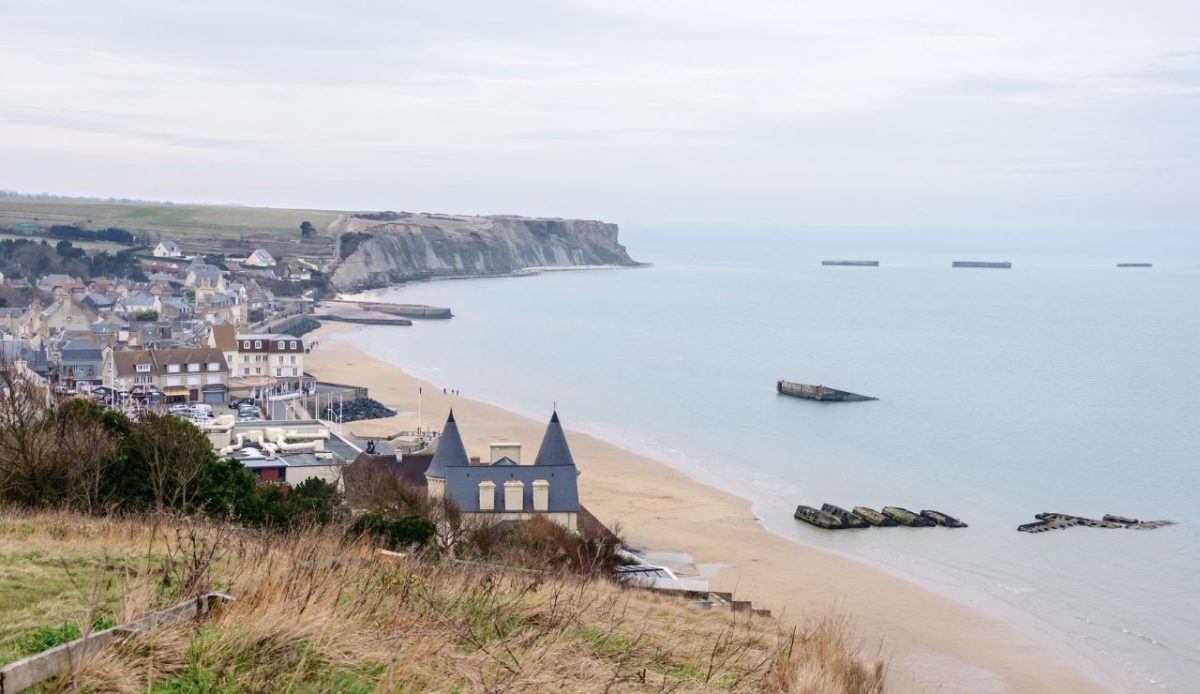
The Normandy Beaches in France are iconic for their role in World War II’s D-Day landings. Miles of sand bear witness to one of the largest amphibious assaults in history. Visitors can explore museums, monuments, and preserved bunkers that tell the story of Allied forces’ bravery and strategic planning. Walking along the beaches, travelers reflect on the immense human cost of the operation and the sacrifices made during the liberation of Europe. The region also offers picturesque towns, local cuisine, and scenic landscapes, combining historical gravity with a peaceful, reflective setting for visitors.
2. Hiroshima Peace Memorial, Japan
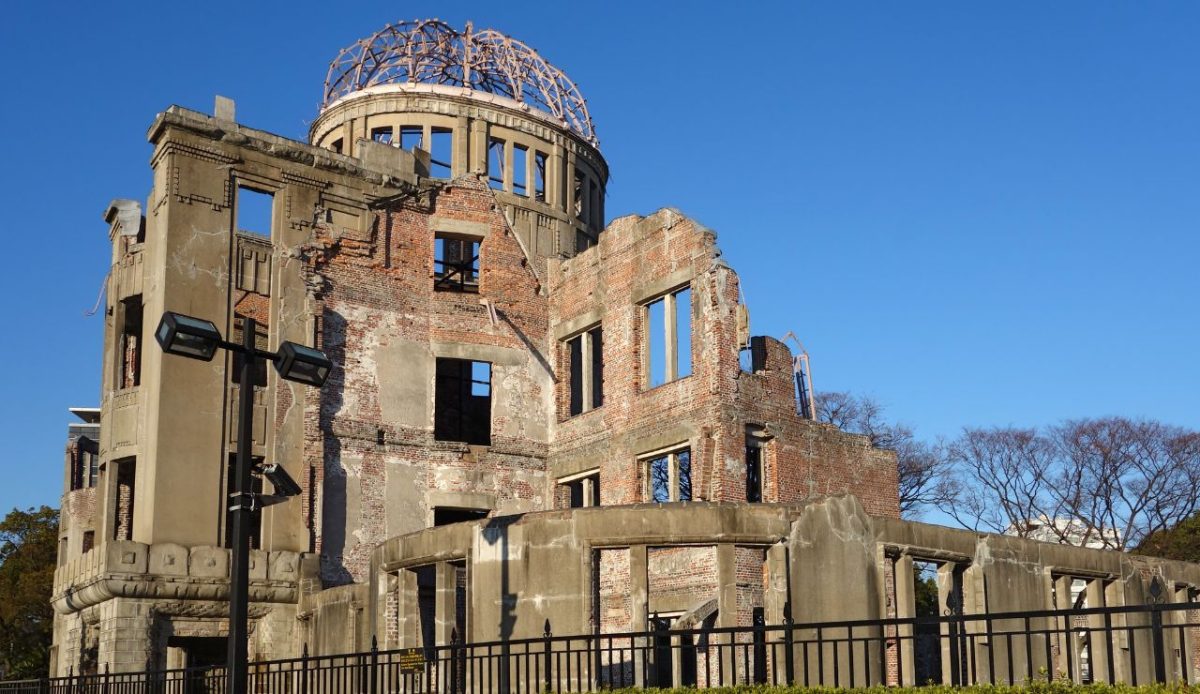
The Hiroshima Peace Memorial, also known as the Atomic Bomb Dome, stands as a symbol of the devastation caused by nuclear warfare. Preserved amid modern city development, it serves as a powerful reminder of the human cost of conflict. Visitors can explore exhibits detailing the events of August 6, 1945, and learn about recovery and peace efforts. Walking through the surrounding park and museum, travelers reflect on the global consequences of war and the resilience of the local community. Hiroshima emphasizes remembrance and education, encouraging visitors to contemplate the importance of peace in the modern world.
3. Auschwitz-Birkenau, Poland
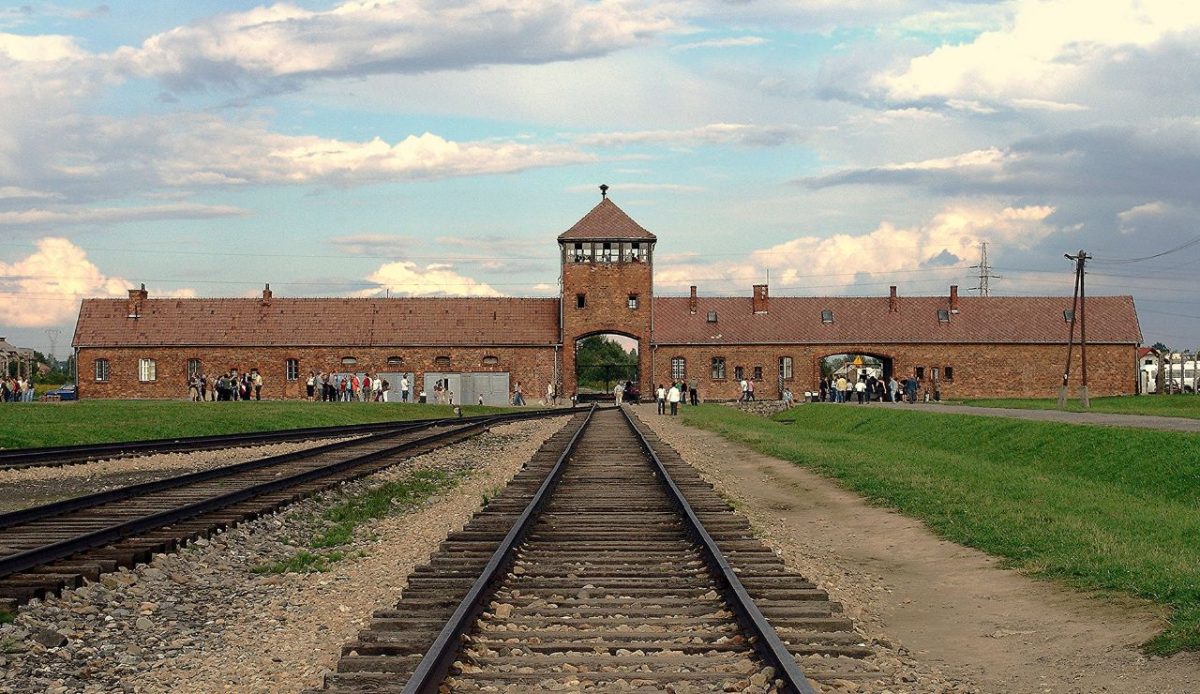
Auschwitz-Birkenau, the Nazi concentration and extermination camp in Poland, is a UNESCO site representing the horrors of the Holocaust. Visitors can tour preserved barracks, gas chambers, and memorial exhibits documenting the atrocities endured by millions. The site offers profound education about human rights, prejudice, and the consequences of hatred. Walking the grounds, travelers often experience deep reflection and emotion, honoring the victims’ memory. Auschwitz-Birkenau remains one of the most significant war-related heritage sites, highlighting the critical importance of remembrance and historical education for future generations.
4. Verdun Battlefield, France
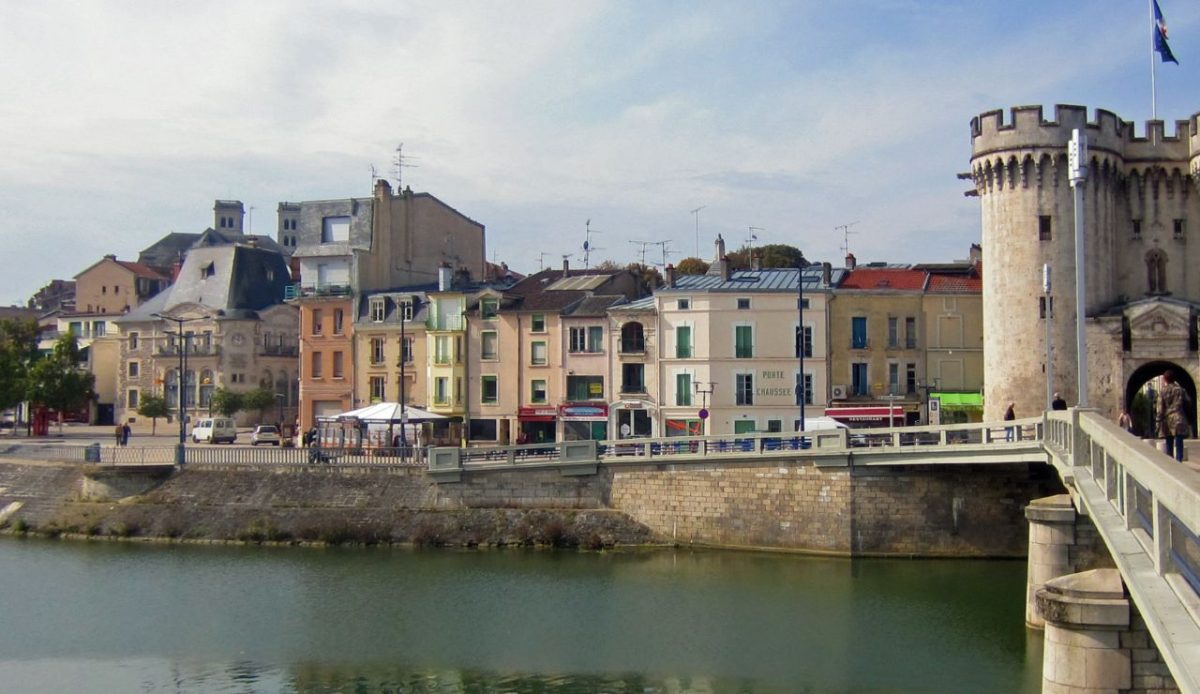
Verdun, site of one of World War I’s most prolonged and devastating battles, preserves trenches, forts, and memorials. Travelers can explore the battlefield, visit museums, and see ossuaries containing the remains of soldiers. The landscape of Verdun reflects the immense scale of trench warfare and the human cost of conflict. Educational tours provide context on military strategy, the daily life of soldiers, and the historical impact. Verdun remains a symbol of resilience and remembrance, offering visitors a tangible connection to history and an opportunity to reflect on the consequences of one of the bloodiest battles in modern warfare.
5. Imperial War Museum Duxford, United Kingdom

The Imperial War Museum Duxford showcases aviation history and military heritage, particularly from World War II. Visitors explore historic aircraft, wartime vehicles, and hangars preserving the legacy of aviation and conflict. Interactive exhibits offer insight into military technology, strategies, and the personal stories of those who served. The site provides educational opportunities for all ages and is a hub for historical research. Duxford combines preserved artifacts with outdoor displays, giving travelers an immersive experience of war history and the human experiences behind wartime efforts.
6. Bastogne War Museum, Belgium
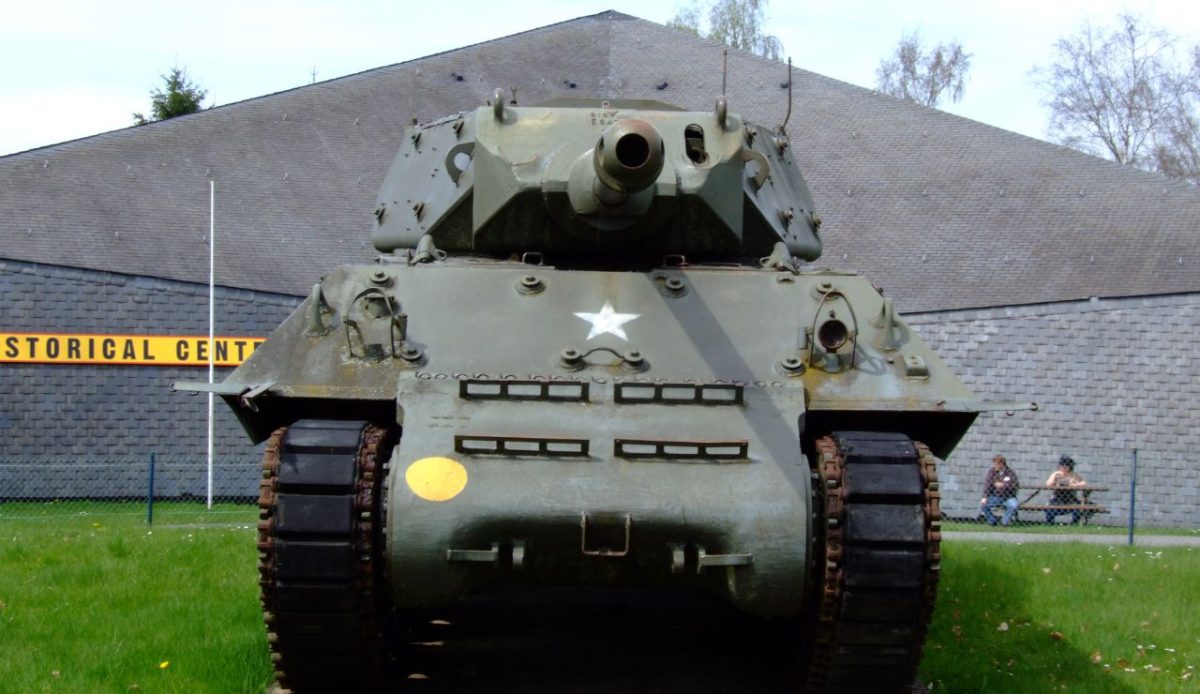
Bastogne was central to the Battle of the Bulge during World War II, and its museum preserves this history. Exhibits detail the winter siege, strategic maneuvers, and personal accounts from soldiers and civilians. Visitors can explore dioramas, multimedia presentations, and preserved fortifications. Bastogne emphasizes the human resilience and tactical ingenuity required during this pivotal battle. Travelers gain insight into the harsh conditions endured and the significance of the Ardennes in the wider context of the war. The museum and surrounding town offer an educational and reflective journey into Europe’s wartime history.
7. Sarajevo, Bosnia and Herzegovina
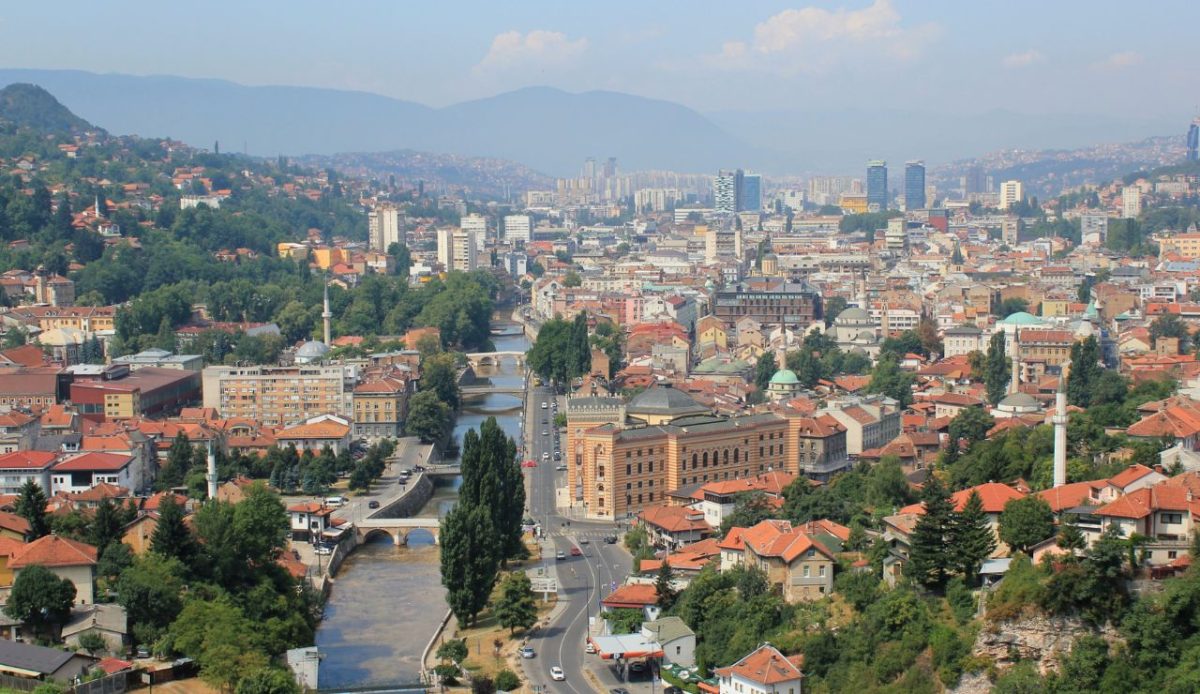
Sarajevo, a UNESCO World Heritage city, is remembered for both its Ottoman and Austro-Hungarian architecture and the devastating siege during the Bosnian War. Travelers can explore historic districts, museums, and memorials dedicated to victims of the 1990s conflict. The city’s streets still bear subtle reminders of its turbulent past, blending with modern life. Walking through Sarajevo allows visitors to witness how resilience, culture, and community persist despite wartime hardships. The city offers a compelling study of urban survival, human endurance, and the lasting impact of recent conflicts in shaping a city’s identity.
8. Corregidor Island, Philippines
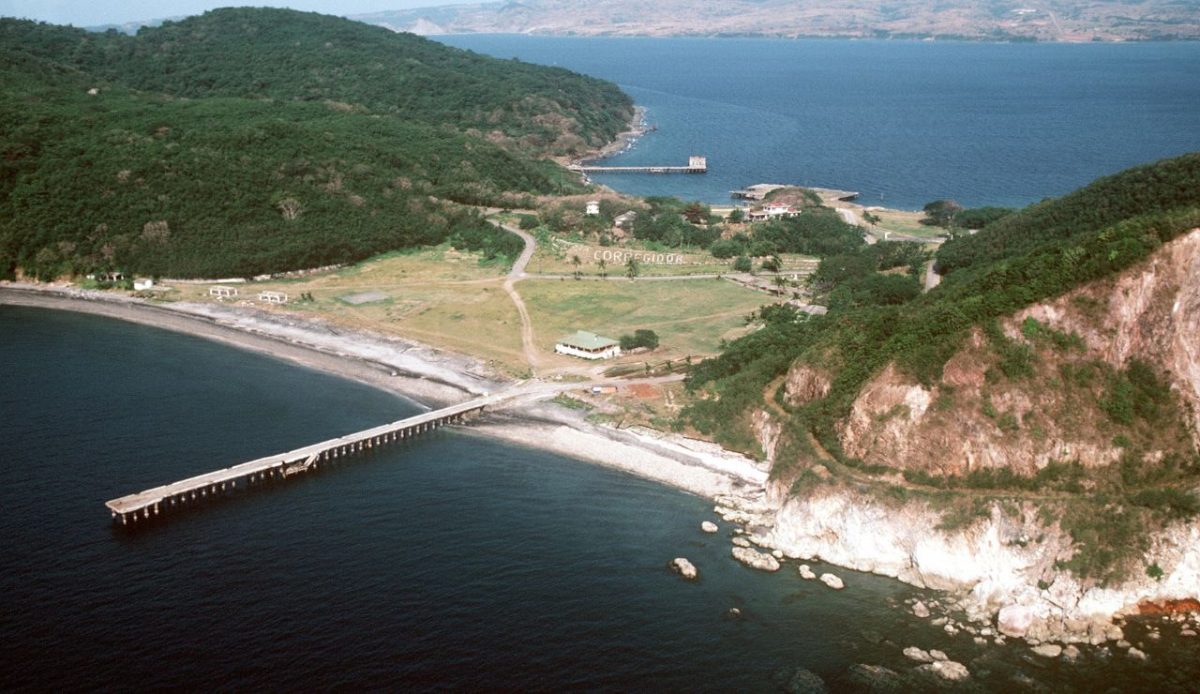
Corregidor Island, located at the entrance to Manila Bay, played a crucial role in World War II as a defensive stronghold. Visitors can explore preserved bunkers, artillery positions, and memorials commemorating soldiers who defended the island. Guided tours recount the Japanese invasion, Allied counterattacks, and the island’s strategic significance. Walking among historical ruins allows travelers to visualize wartime strategies and sacrifices. Corregidor’s scenic location combines historical gravity with natural beauty, offering both educational insight and reflective moments for those interested in Asia’s wartime history.
9. Carcassonne, France
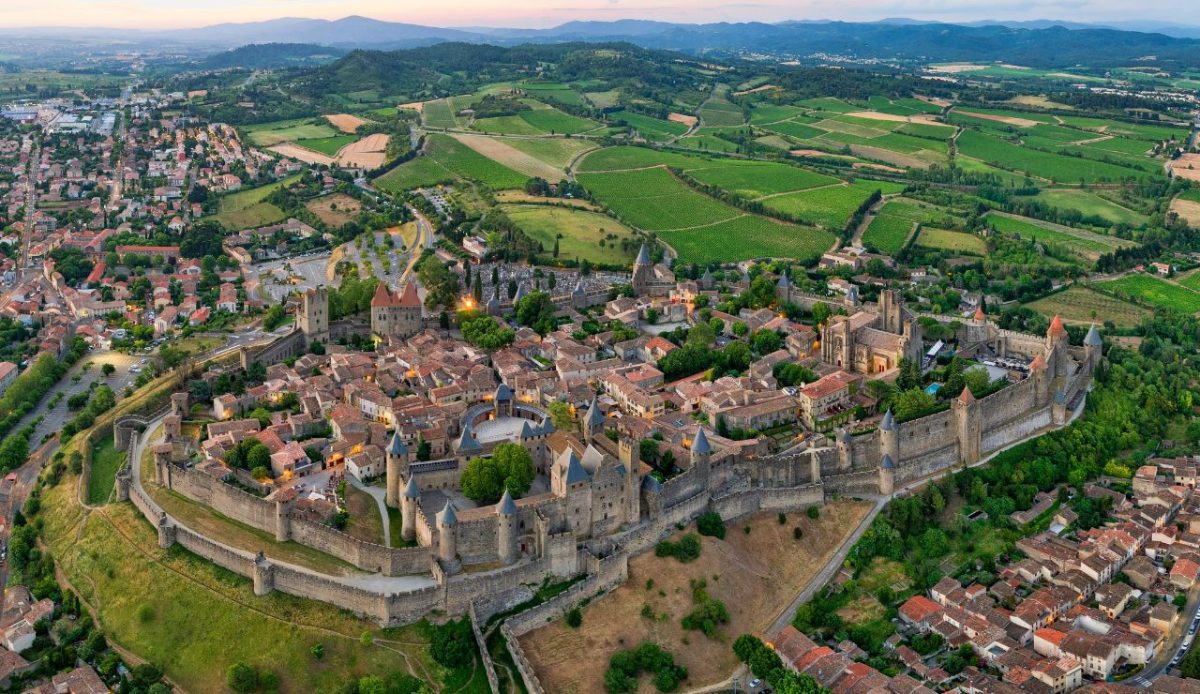
Carcassonne, a medieval fortified city, witnessed multiple conflicts, including the Albigensian Crusade. Its double-walled fortifications, towers, and battlements remain remarkably preserved. Travelers can walk along ramparts, explore historic streets, and visit museums highlighting the city’s military history. Carcassonne provides insight into medieval warfare, architectural ingenuity, and the societal impact of conflict in the region. Its combination of picturesque scenery, historical significance, and immersive experiences makes it a compelling destination for those interested in Europe’s wartime past.
10. Kwajalein Atoll, Marshall Islands
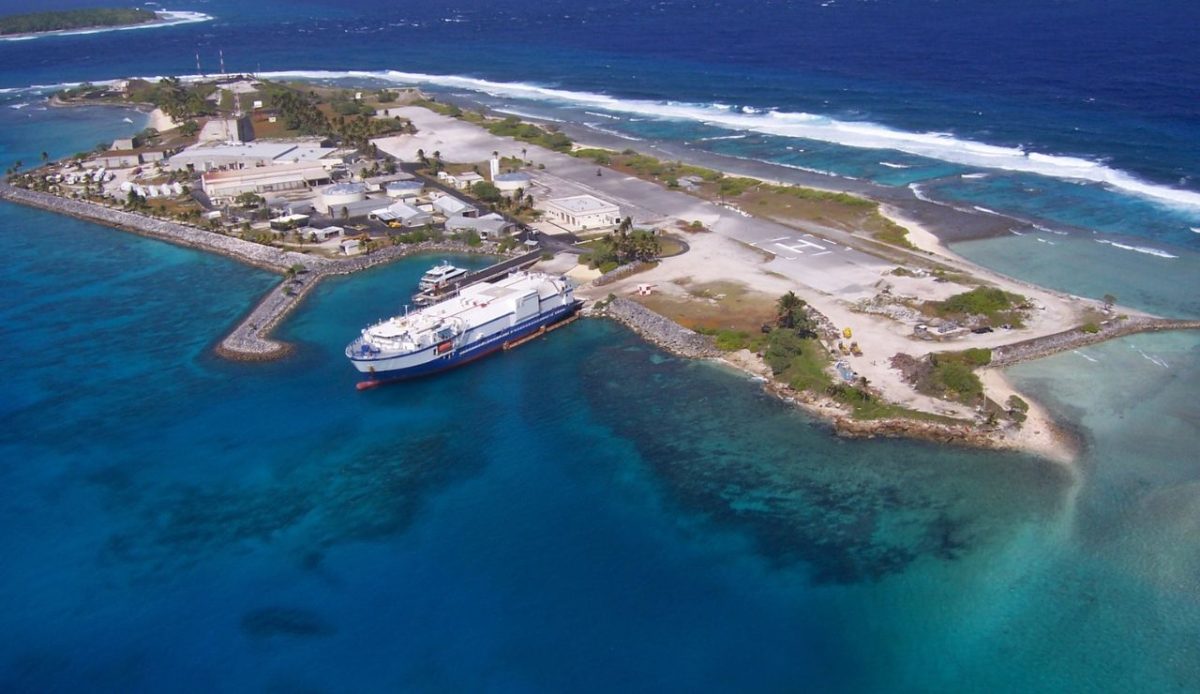
Kwajalein Atoll played a critical role during World War II as a battleground in the Pacific Theater. The atoll’s preserved military installations, bunkers, and memorials tell the story of intense naval and aerial combat. Travelers can explore historical sites and learn about the Pacific campaigns and local experiences during wartime. The juxtaposition of turquoise waters and wartime relics provides a unique perspective on history and the strategic importance of remote islands. Kwajalein highlights the global reach of conflict and offers travelers a rare opportunity to experience a wartime site amidst tropical beauty.
11. Dubrovnik, Croatia
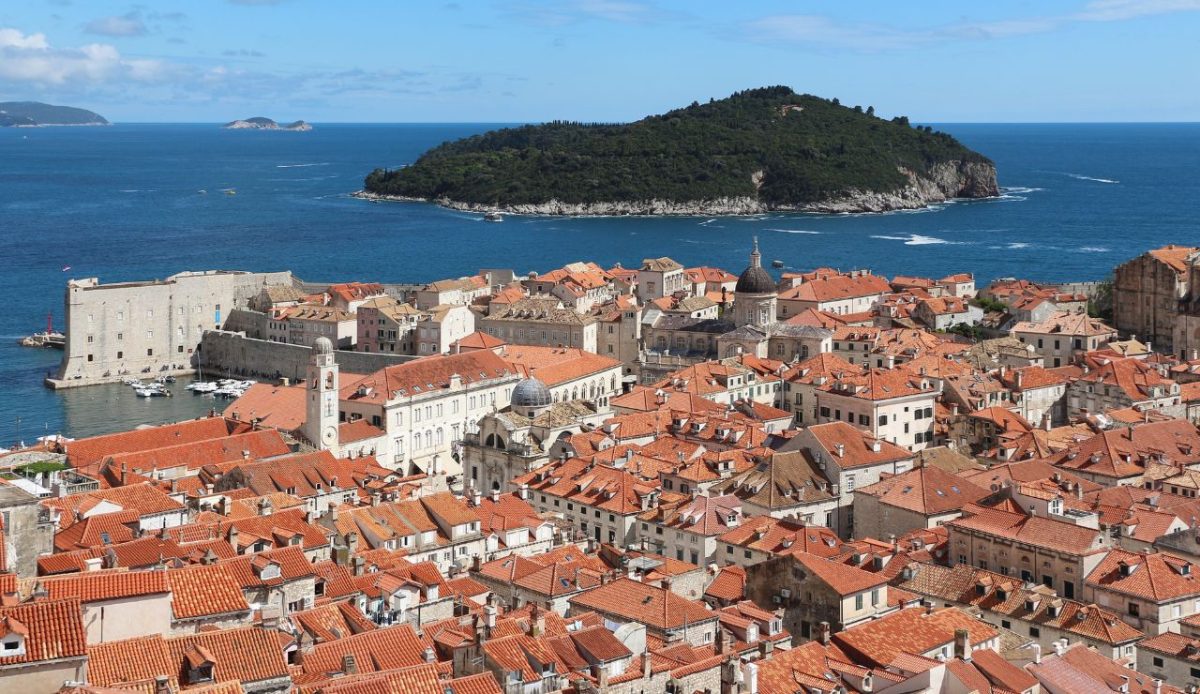
Dubrovnik, a UNESCO World Heritage city, is renowned for its medieval walls and its experience during the Croatian War of Independence. Visitors can walk the city walls, explore museums, and see marks from artillery shelling, preserved as reminders of the recent conflict. The city’s architecture, history, and coastal scenery offer a compelling juxtaposition of beauty and wartime legacy. Travelers gain perspective on urban resilience, cultural preservation, and the long-term effects of conflict on society. Dubrovnik’s mix of history, scenery, and storytelling makes it a unique destination for understanding modern European conflicts.
12. Gallipoli Peninsula, Turkey
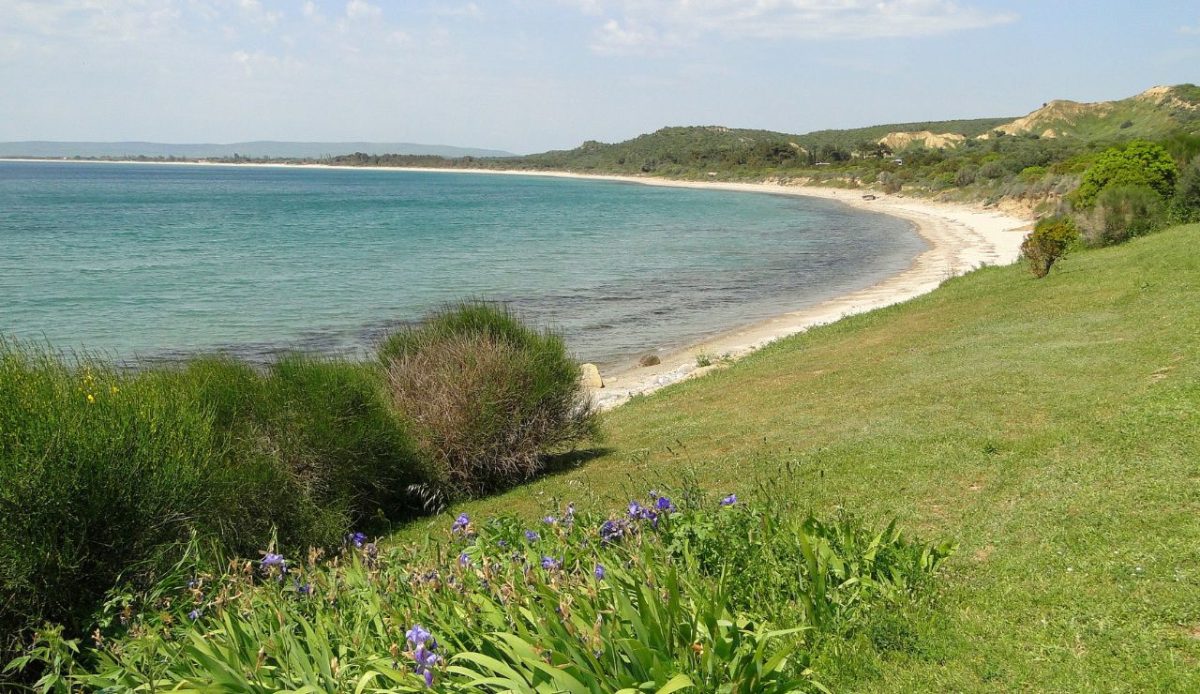
The Gallipoli Peninsula preserves the site of the World War I campaign where Allied and Ottoman forces clashed in 1915. Memorials, cemeteries, and preserved trenches honor soldiers from multiple nations. Visitors can follow walking trails through historical battlefields, reflecting on the human cost and strategic importance of the campaign. Gallipoli offers educational exhibits and guided tours, providing context on military tactics and historical implications. Its natural beauty contrasts with the gravity of its history, making Gallipoli a poignant and immersive destination for travelers interested in war heritage.
