
Event tourism can revive local economies, but the trade-offs land on residents first: blocked streets, noise, litter, and packed transit that turn normal errands into a mission, especially near downtown corridors.
Across the U.S., cities hosting festivals, races, conventions, and mega sports weekends are hearing louder complaints about quality of life, policing costs, and short-term rental pressure near venues that run late.
Backlash doesn’t always mean “cancel the event.” More often, it’s residents pushing for smarter crowd routing, sound limits, sanitation staffing, resident parking zones, and clearer rules for pop-up parties and vendor spillover.
1. New Orleans, Louisiana
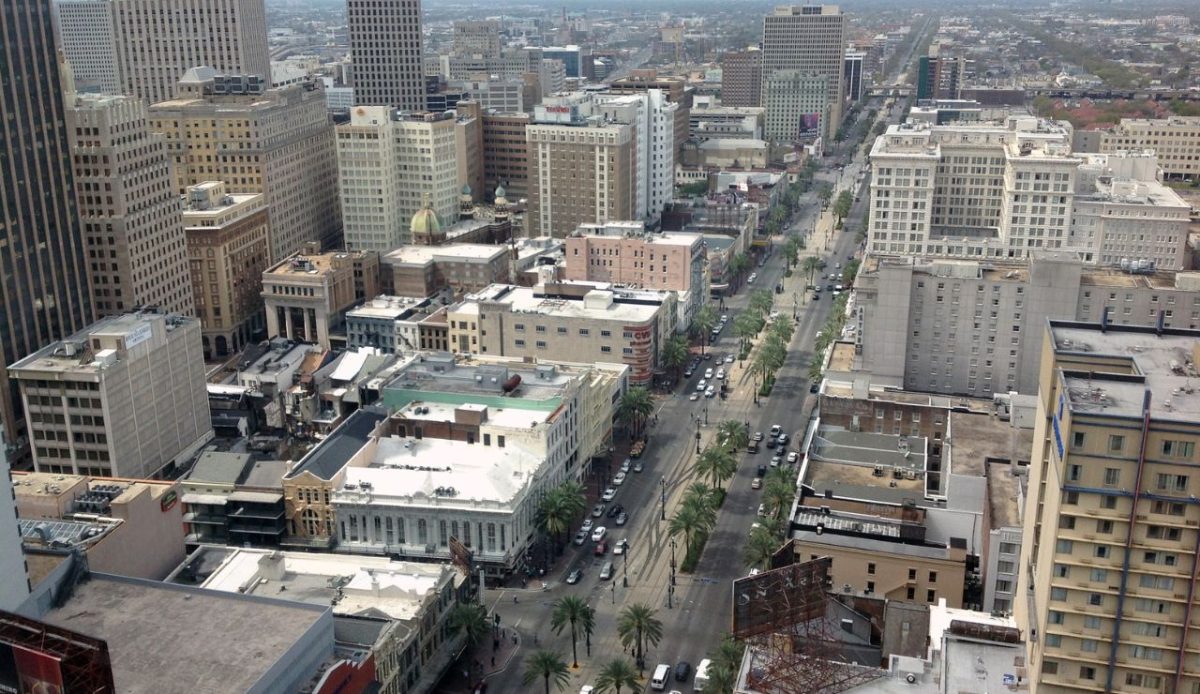
Big events are baked into New Orleans, from Mardi Gras to major games and conventions, but residents still feel the friction when streets close and crowds surge into residential blocks near parade routes.
Complaints tend to cluster around late-night noise, overflowing trash, and hard-to-predict traffic detours that disrupt work commutes, school pickups, and emergency access during the busiest weeks. Hotel pricing and rentals can also ripple outward into ordinary housing markets.
Backlash often shows up as calls for earlier curfews on amplified sound, better street-level cleanup plans, and stricter enforcement for short-term rentals and pop-up parties that spike around event weekends.
2. Austin, Texas
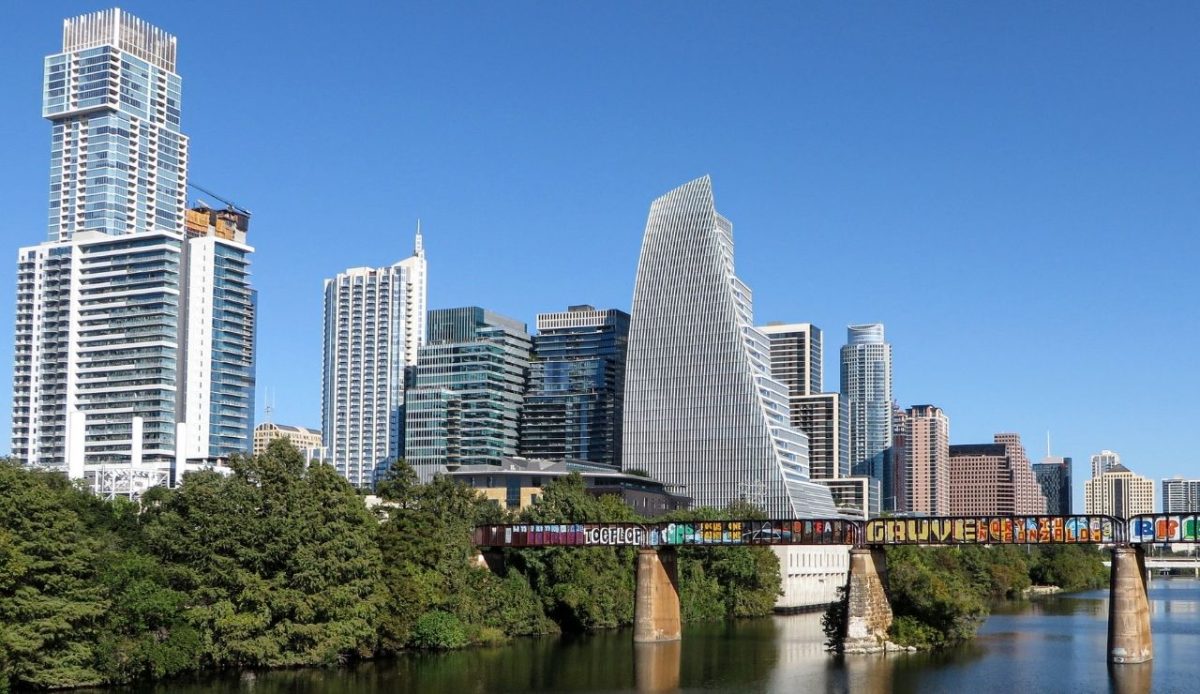
Austin’s calendar is stacked with headline events like SXSW and Austin City Limits, and the city’s rapid growth means visitor surges hit neighborhoods that used to feel more local and quiet.
Residents often point to grid-share congestion and late-night noise that spreads beyond official venues into bars, short-term rentals, and informal house shows. During peak days, even basic errands can take longer because parking and curb space are swallowed up.
Backlash usually translates into practical asks: safer pedestrian routes, more transit frequency, tighter sound enforcement, and clearer rules for temporary closures so locals aren’t boxed out of their own blocks.
3. Miami Beach, Florida
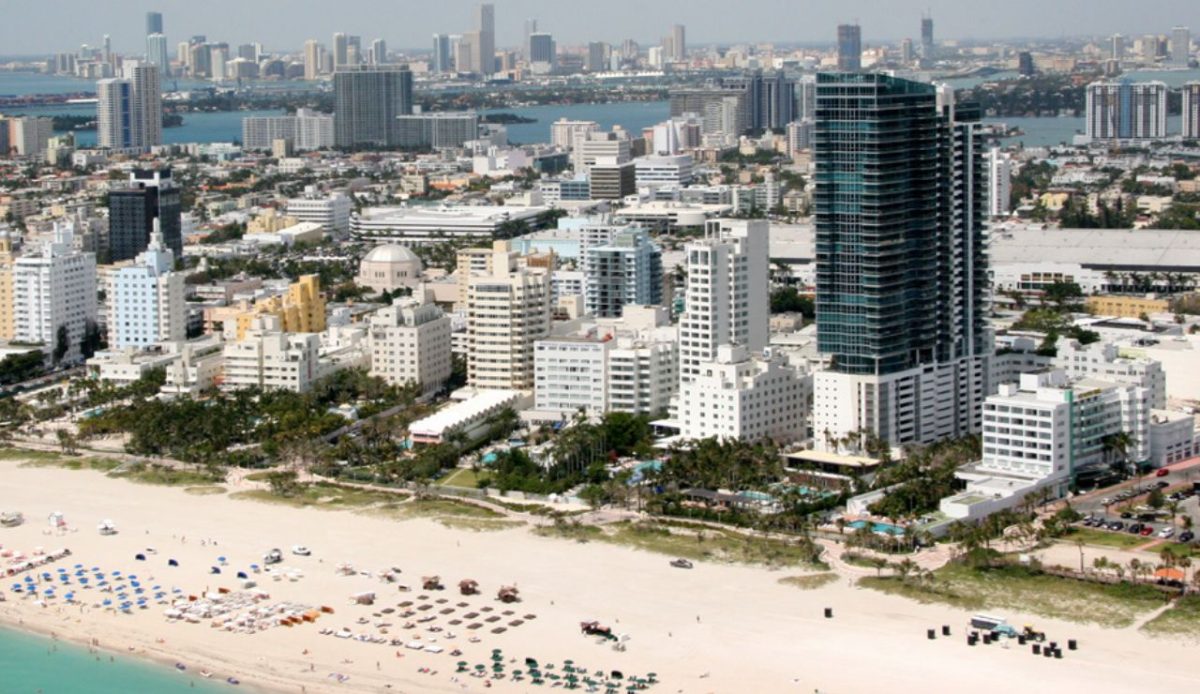
Miami Beach’s Art Week and Art Basel period can turn the barrier island into a bottleneck, with causeways, valet queues, and venue hopping compressing huge volumes into a small footprint.
Resident frustration often centers on traffic that spills into side streets, late-night noise from parties, and pressure on parking near homes, schools, and small businesses trying to function normally. Cleanup and policing costs become more visible when crowds stretch past midnight.
Local calls for change usually target logistics: better shuttle and water-taxi options, stricter event permitting for sound and crowd caps, and enforcement that keeps private rentals from becoming uncontrolled party houses.
4. Indio, California
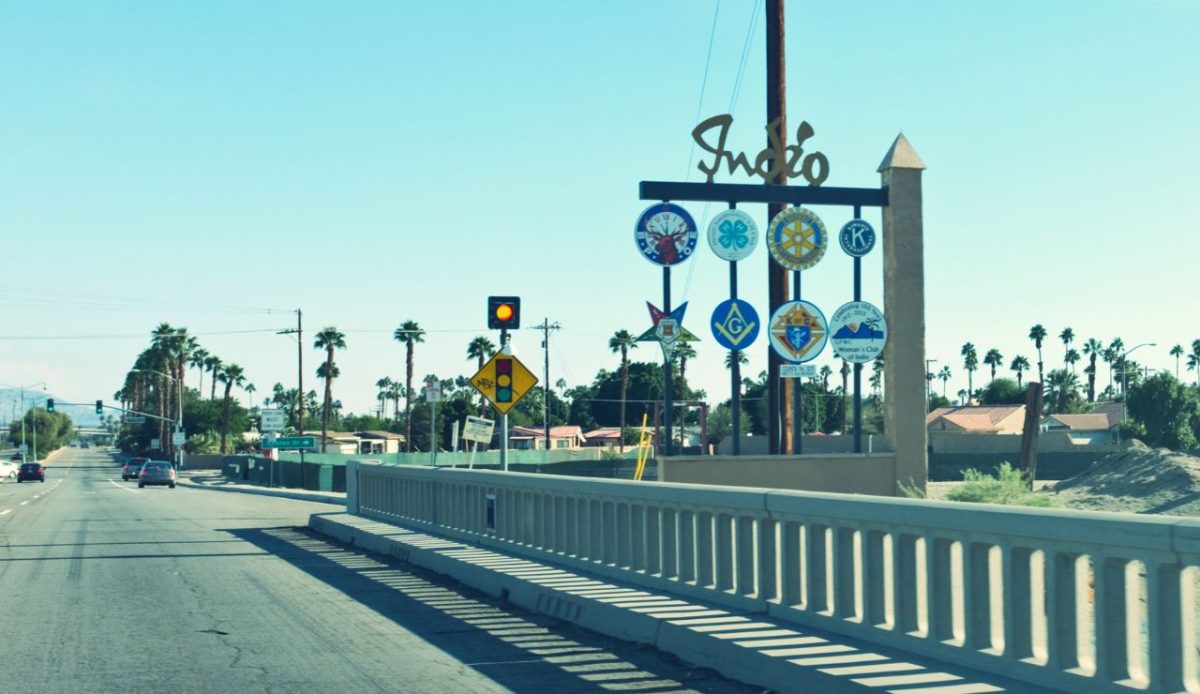
Indio hosts Coachella and Stagecoach, and festival weekends can overwhelm local roads as tens of thousands arrive, park, and move through a desert city not built for nonstop peak traffic.
Residents and nearby communities often complain about long backups, noise from after-parties, and short-term rentals that operate like mini-venues, bringing extra cars and late-night activity into quiet streets. The impact can linger into Monday with cleanup, repairs, and traffic patterns still recovering.
Backlash tends to push cities toward practical controls: dedicated traffic plans, hotline-based enforcement for rental disturbances, and clearer requirements for sanitation, lighting, and amplified sound during permitted events.
5. Louisville, Kentucky
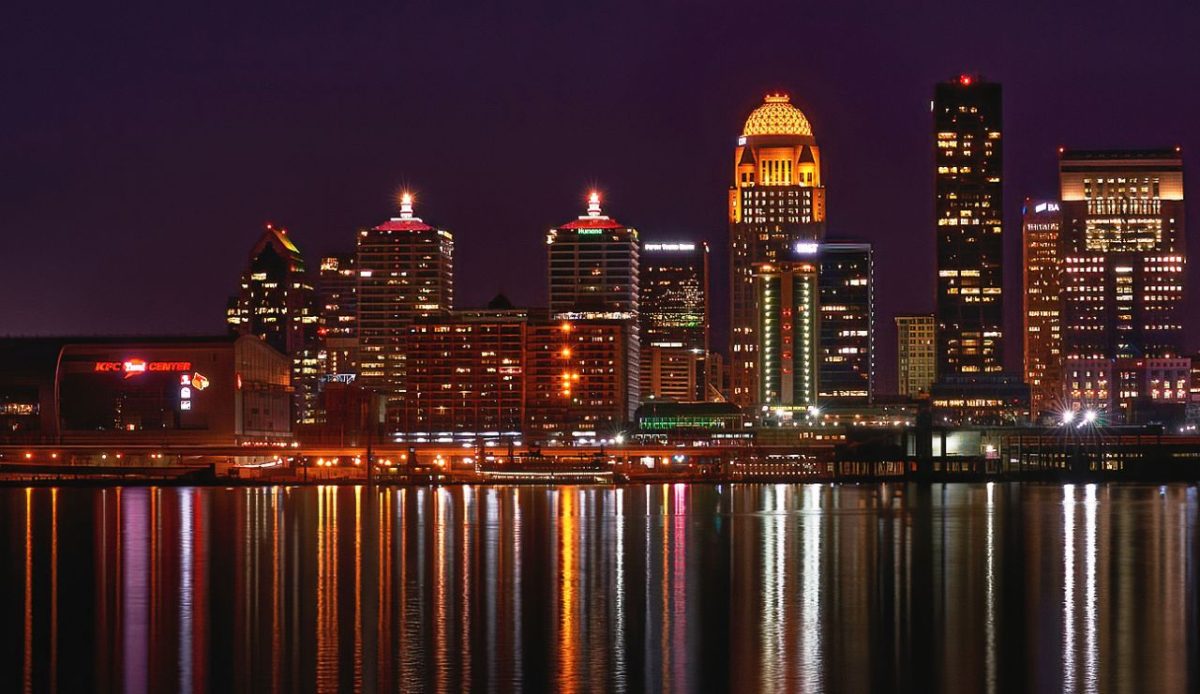
Derby week turns Louisville into a global destination, and the scale of parties and pop-up events can feel less like a weekend and more like a citywide takeover for nearby residents.
Common gripes include heavy traffic near Churchill Downs, noise from late-night celebrations, and the way temporary event zones change parking, transit, and police presence in surrounding neighborhoods. Short-term rentals can multiply quickly, shifting a residential street into a rotating crowd scene.
Resident backlash often focuses on guardrails rather than banning tradition: clearer permit limits for amplified sound, stronger cleanup expectations, and better communication about closures so locals can plan around the disruption.
6. Nashville, Tennessee
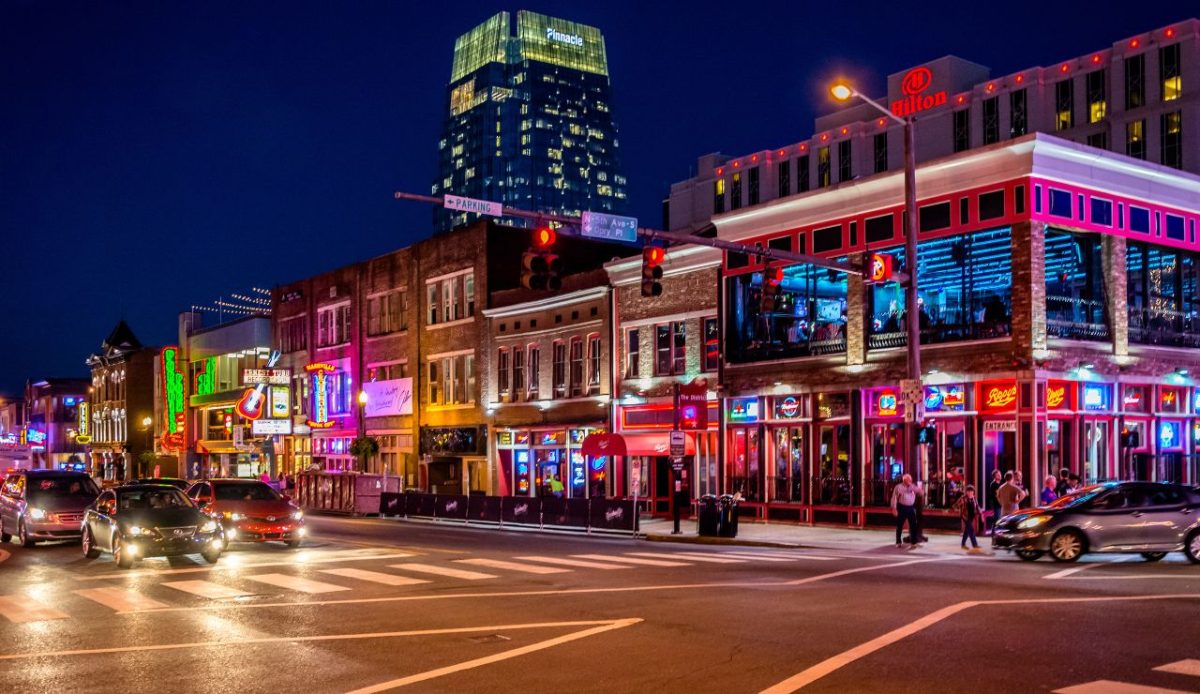
Nashville’s music events, from CMA Fest to arena tours and festival weekends, concentrate crowds downtown, where tourism already strains streets, sidewalks, and late-night noise levels for nearby residents.
Residents often flag ride-share gridlock, honking and party buses, and spillover from entertainment districts into nearby apartments and residential zones, especially when events stack back-to-back. Costs show up in overtime policing, cleanup, and the feeling that basic mobility gets sacrificed for peak visitor flow.
Backlash tends to translate into policy discussions about noise enforcement, traffic routing, limits on certain vehicles, and ways to spread programming across more venues so the same blocks aren’t perpetually overwhelmed.
7. New York City, New York
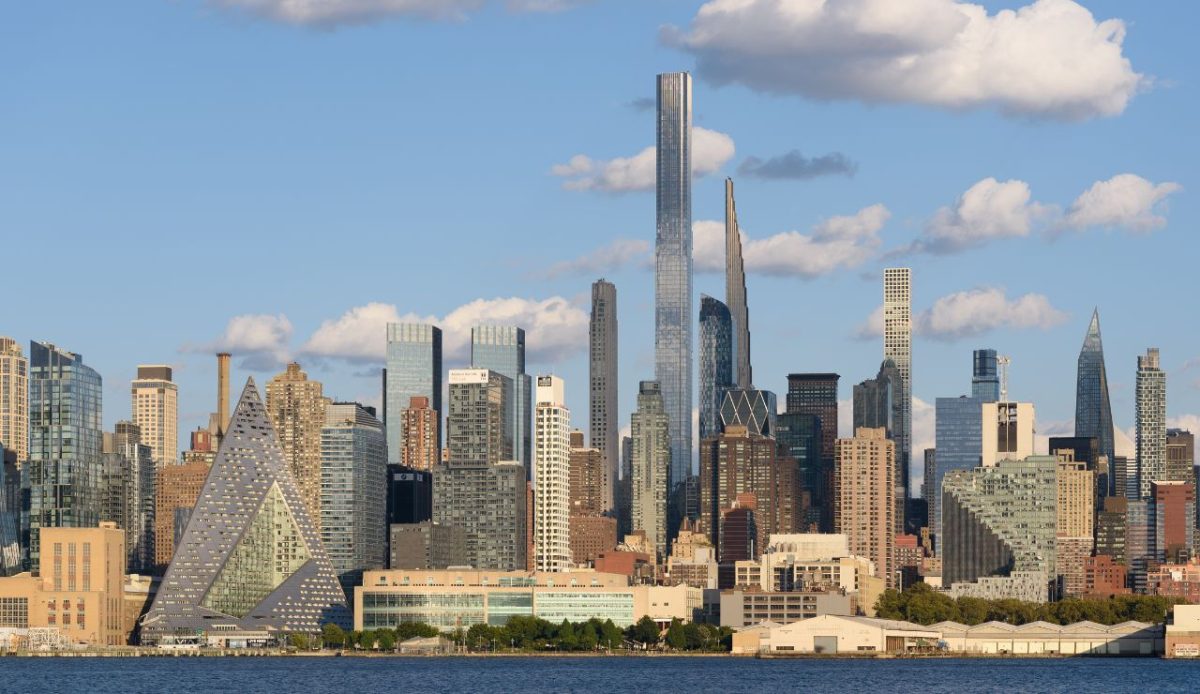
New York City hosts constant major events, marathons, parades, stadium games, and global weeks like the US Open, so disruption is often about frequency as much as size across many boroughs.
Residents commonly cite street closures that reroute buses, crowding on subways near venues, and noise that runs late in dense neighborhoods where there’s no real “quiet side” to escape to. On some weekends, overlapping events create competing security zones that complicate deliveries, parking, and even basic curb access.
Backlash usually targets coordination: clearer closure maps, stronger sanitation staffing, and smarter crowd controls that protect local access to clinics, schools, and small businesses during peak event days.
8. San Diego, California
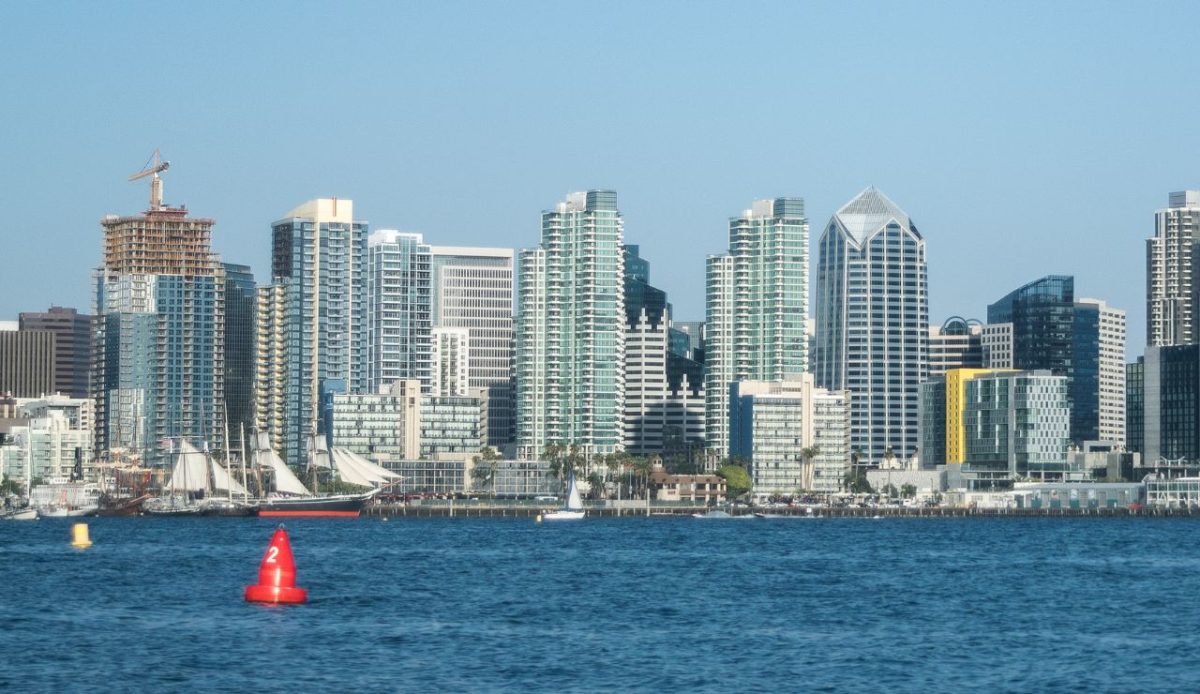
San Diego’s downtown transforms during Comic-Con, when convention crowds, off-site activations, and nightlife combine into a week of packed sidewalks and high-demand hotels.
Residents and workers often complain about traffic bottlenecks around the Convention Center, trolley crowding, and noise that stretches past official hours as pop-up events and lines spill into surrounding streets. Even routine waterfront access can feel limited when security perimeters and branded setups take over public space.
Calls for change usually focus on managing spillover: stricter limits on amplified sound, better queue planning, and tighter cleanup timelines, plus transit coordination so locals can still move through downtown without constant detours.
9. Chicago, Illinois
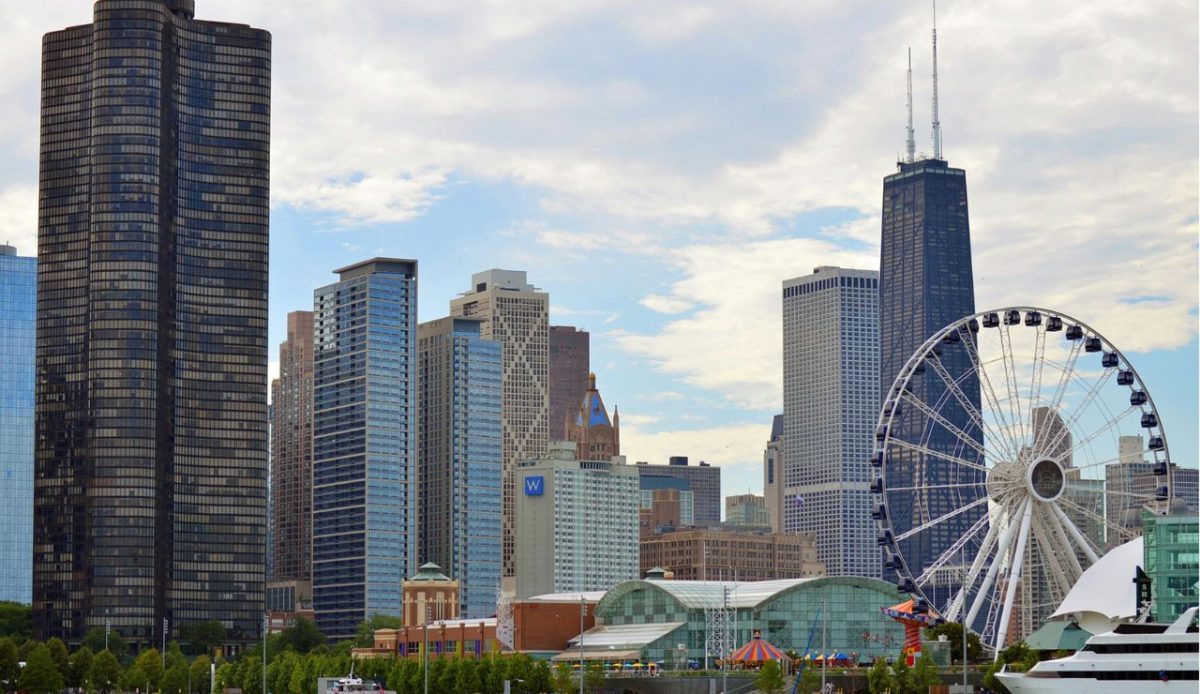
Chicago’s summer event season packs Grant Park and the lakefront with major festivals, and residents nearby often feel the costs when public space becomes a ticketed footprint for days at a time.
Complaints commonly include loud soundchecks, park closures that limit everyday access, and heavy traffic and ride-share congestion around downtown, plus cleanup demands after crowds disperse. For neighbors, the disruption isn’t just the headline weekend; it’s the setup, fencing, and tear-down period that stretches the impact.
Backlash tends to revolve around balancing city revenue with livability: tighter sound and curfew rules, clearer community notice, and commitments to restore parks quickly so residents aren’t losing prime waterfront time.
10. Boston, Massachusetts
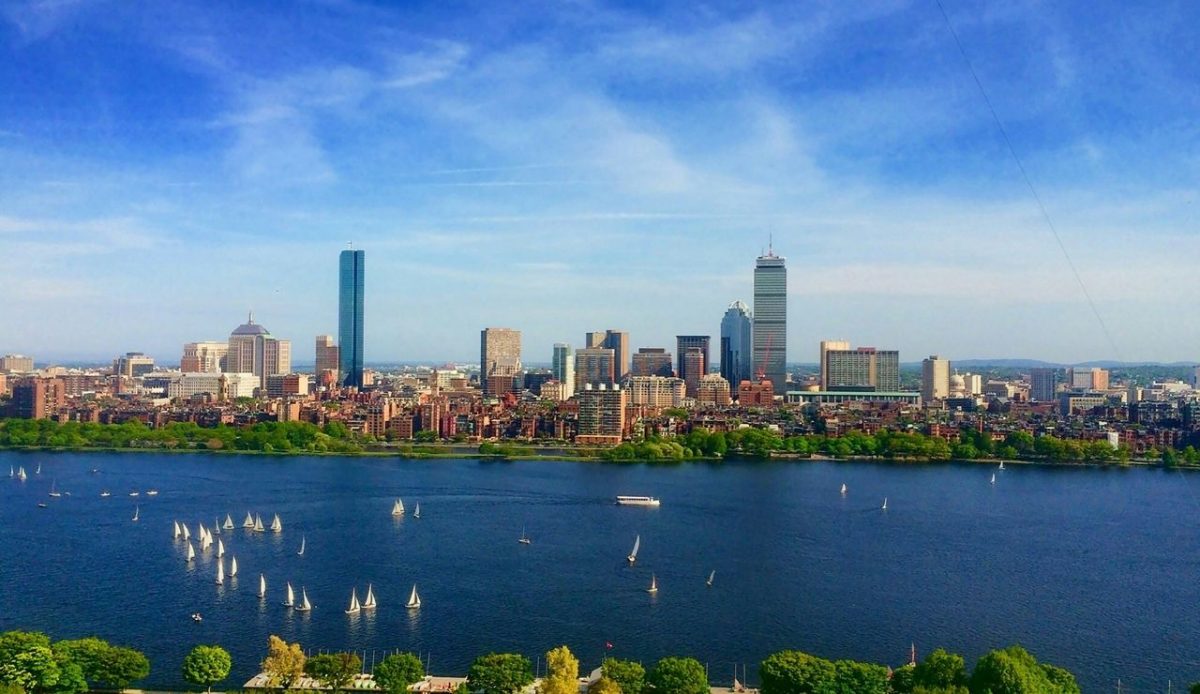
The Boston Marathon is a civic landmark, but it also creates an intense, corridor-wide shutdown that affects commuters, residents along the route, and businesses that rely on predictable access.
Resident pain points often include early road closures, limited parking, and crowded transit around viewing areas. For some neighborhoods, the bigger challenge is the multi-day footprint of security, staging, and cleanup.
Backlash usually aims at improving communication and access: clearer detour plans, better support for local deliveries and medical appointments, and crowd controls that keep sidewalks passable for people who aren’t there to spectate.
11. Park City, Utah
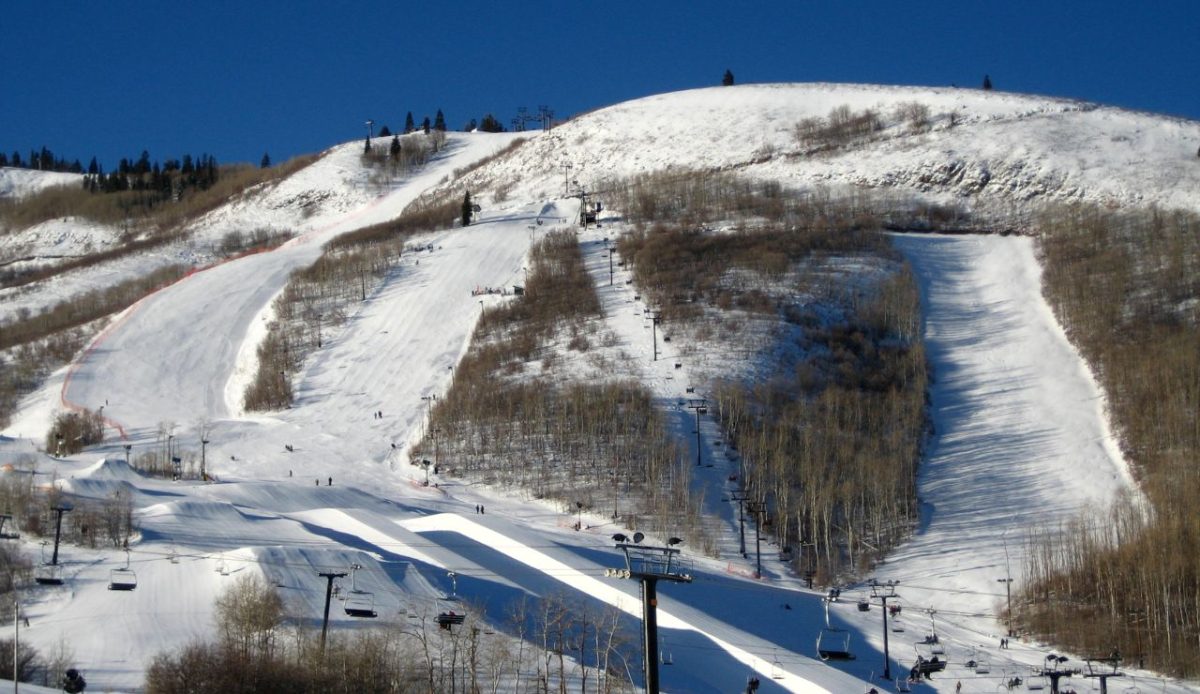
Sundance brings outsized attention to Park City, where a small mountain town suddenly has big-city demand for lodging, parking, and restaurant capacity during peak festival days each winter.
Residents often describe traffic choke points, limited parking near Main Street, and the way temporary visitors push up prices and crowd local services. Short-term rentals can intensify the sense that neighborhoods are “rotating hotels.”
Backlash tends to focus on managing scale: stronger transit shuttles, tighter rules for event activations in residential areas, and policies that protect housing supply so locals aren’t priced out by festival-season demand.
12. Scottsdale, Arizona
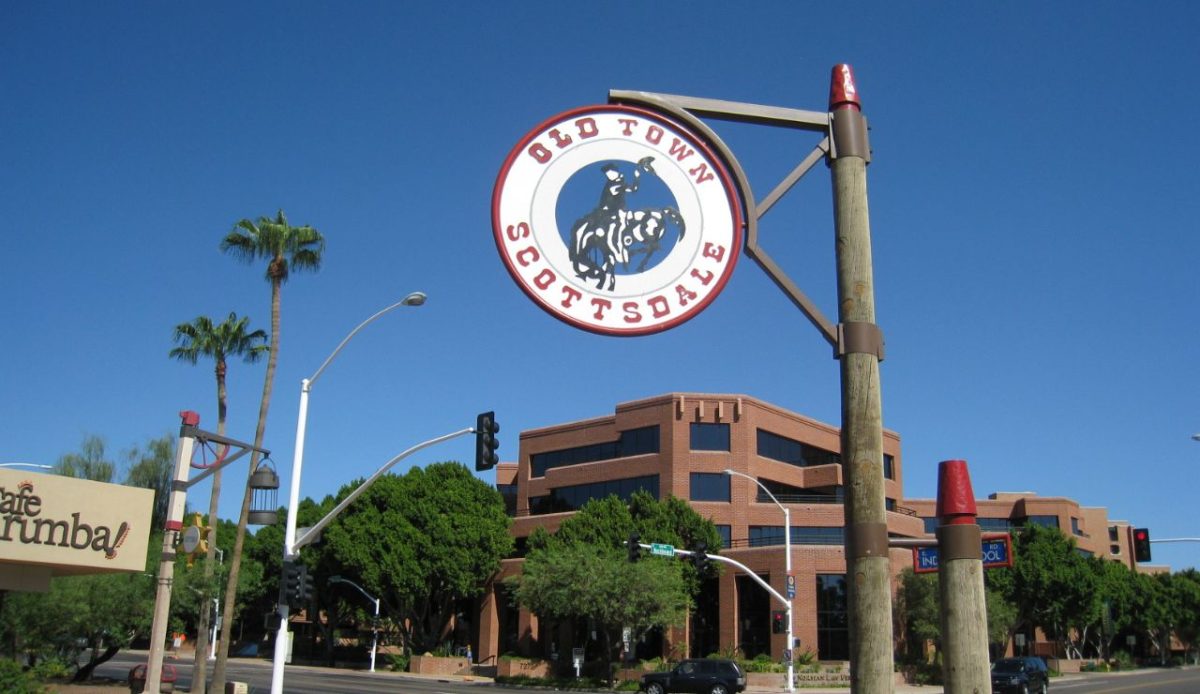
Scottsdale’s big sports weekends, including the WM Phoenix Open area surge, can turn normal neighborhood circulation into a grid of slow-moving traffic and full parking lots for days.
Residents often complain about noise, crowded bars, and a party atmosphere that spills beyond designated entertainment zones, especially when short-term rentals host large groups tied to the weekend’s events. Public safety staffing and cleanup become more visible costs when crowds shift from venues into residential areas.
Backlash typically pushes for targeted enforcement: tighter occupancy rules for rentals, clearer ride-share drop zones, and crowd management that keeps residential streets from becoming overflow parking and late-night hangouts.
