
Southeast Asia’s islands draw millions every year, but not all have given in to mass tourism. Beyond the famous beaches of Bali, Phuket, or Boracay lie quieter places where coral reefs, local traditions, and community-run stays still define daily life. These islands remain accessible yet uncrowded, offering a rare balance of comfort and authenticity. Many have limited infrastructure or eco-rules that protect their charm. Visiting them now means seeing an honest version of island life before larger resorts and cruise crowds arrive. The following islands show what genuine tropical travel still feels like in this region.
1. Ly Son Island, Vietnam
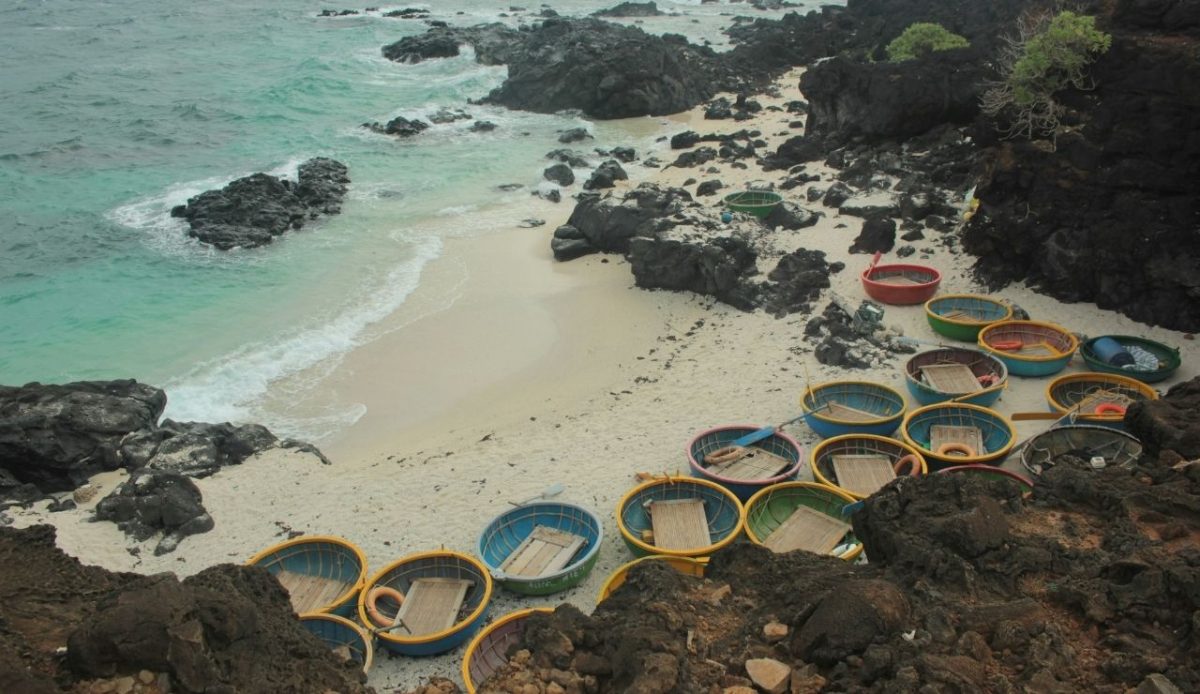
Ly Son lies off Quang Ngai Province and holds volcanic cliffs, garlic farms, and calm blue coves. Known as the “Kingdom of Garlic,” it grows Vietnam’s most prized bulbs, giving the air a mild spice near harvest time. Visitors circle the island by scooter, exploring small villages and ancient temples overlooking the sea. Beaches stay quiet outside weekends, and seafood remains abundant. Boats leave daily from Sa Ky Port, making visits simple. Homestays and family restaurants keep experiences personal, showing that charm thrives without crowds or large chains.
2. Con Dao Islands, Vietnam
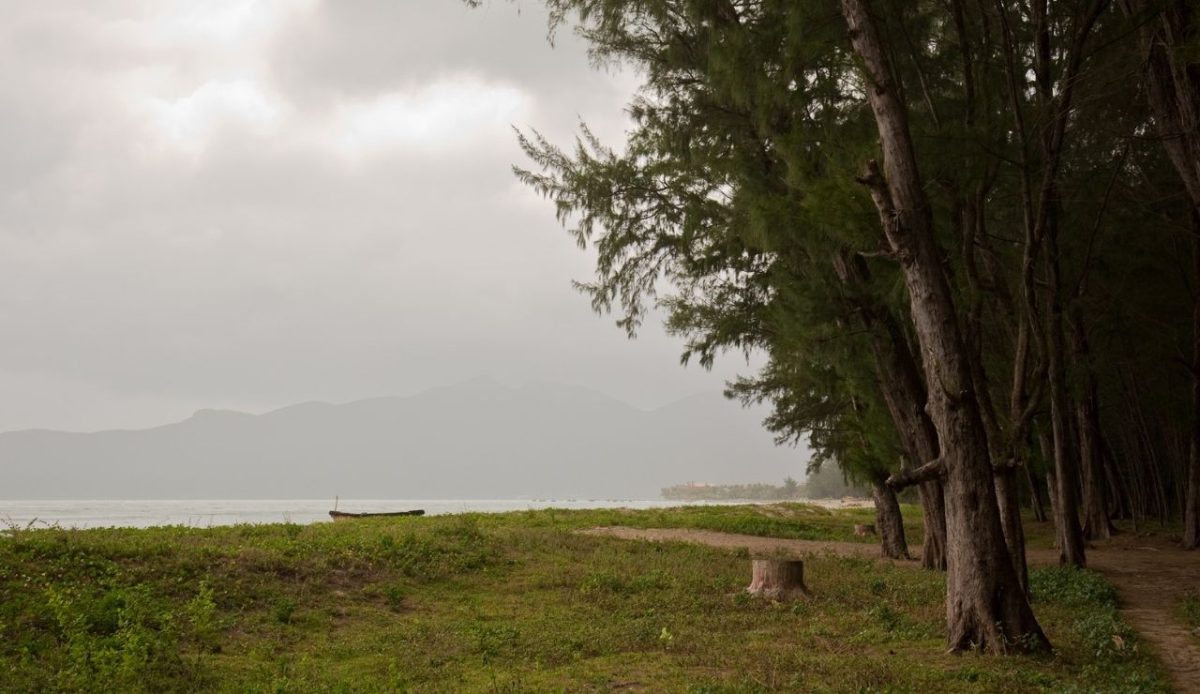
Off southern Vietnam lie the Con Dao Islands, where forested peaks and coral shelves meet a deep historical story. Eighty percent of the area belongs to a national park that protects sea turtles and mangroves. Former prison sites now serve as memorials, giving visitors a perspective on the country’s past. Divers and hikers explore quiet bays and high ridges that overlook the open sea. Because development remains controlled, beaches stay uncrowded even in peak season. Flights from Ho Chi Minh City make the trip easy while still preserving the islands’ quiet appeal.
3. Phu Quy Island, Vietnam
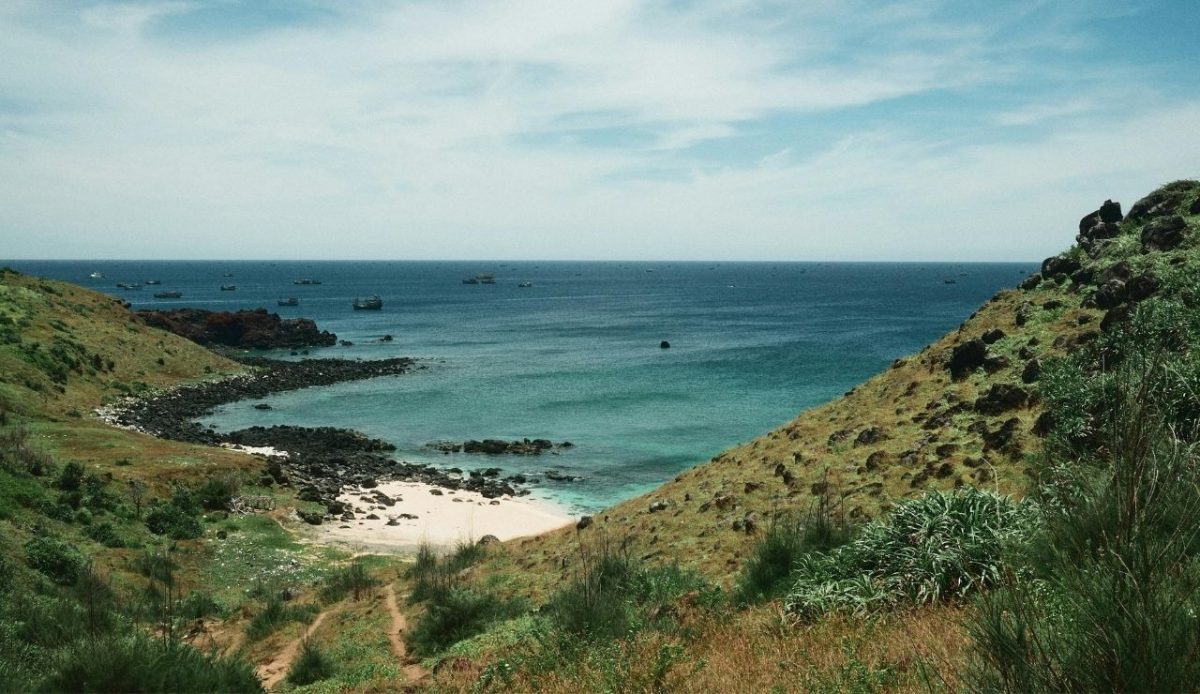
Phu Quy lies about 70 miles off Phan Thiet and offers volcanic scenery, coral shores, and a warm coastal rhythm. A small harbor holds colorful boats that leave at dawn and return before sunset. Roads link beaches, viewpoints, and Buddhist temples perched on breezy hills. Electricity and internet now cover most areas, yet tourism feels new and modest. Many come to swim, eat seafood, and watch daily life at the port. With gradual eco-development planned by locals, Phu Quy remains authentic and well worth the journey.
4. Koh Mak, Thailand
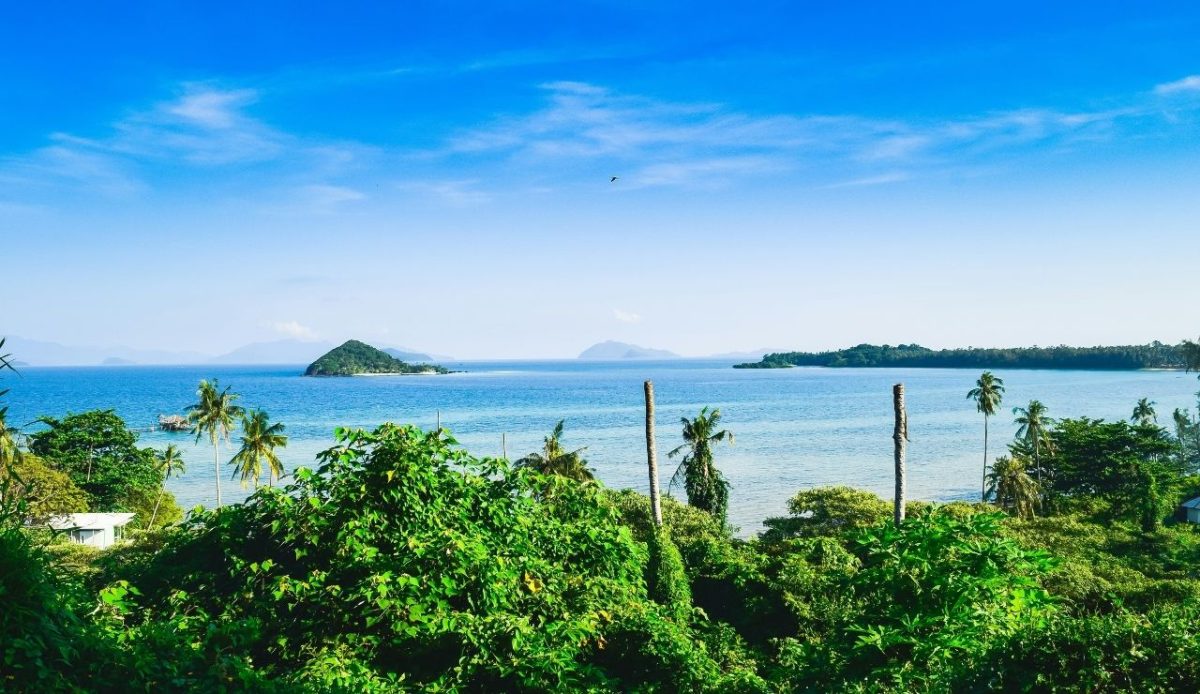
Koh Mak sits between Koh Chang and Koh Kood and maintains a strong focus on sustainable tourism. Coconut plantations stretch to quiet shores, and a handful of resorts rely on solar power and local staff. Roads are short and uncrowded, perfect for biking between small cafés and fishing piers. The community limits high-rise construction to protect the coastline. Visitors often spend their days kayaking, reading, or watching sunsets from hammocks. Getting there takes extra effort, which keeps the pace unhurried and personal—just how locals want it to stay.
5. Wakatobi, Indonesia
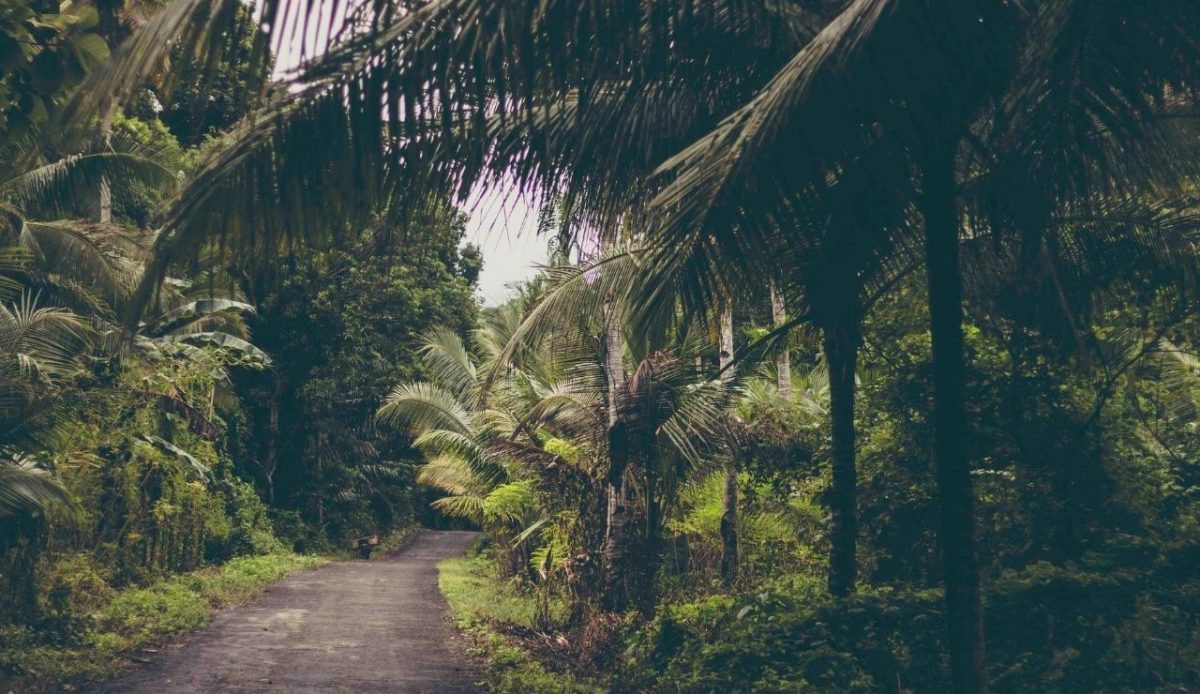
Wakatobi lies off Southeast Sulawesi and protects vast reefs inside a marine park spanning four main islands. Divers visit for coral walls and clear visibility that reward slow, careful exploration. Small eco-resorts hire local crews and support reef programs that keep the area healthy. Villages build boats and dry fish along the shore, keeping traditions strong. Travelers fly to Wangi-Wangi from Bali or Makassar before continuing by boat. The park’s strict anchoring rules preserve the seabed, making Wakatobi one of Indonesia’s finest models for sustainable tourism.
6. Sumba, Indonesia
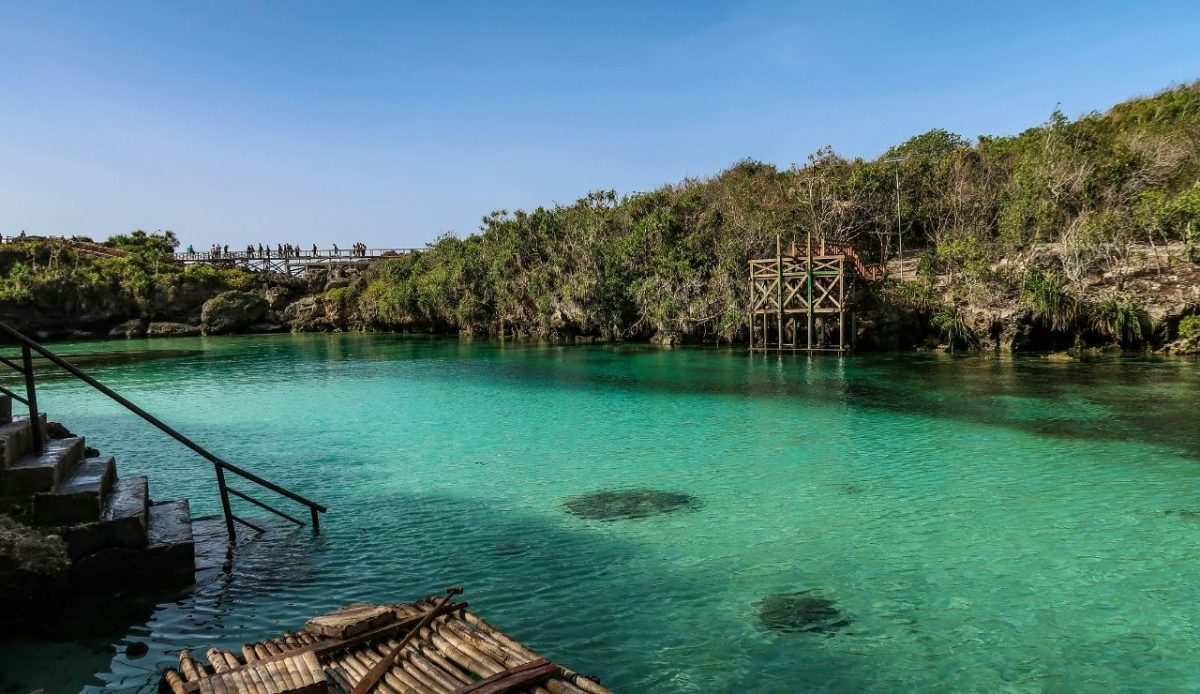
East of Bali, Sumba showcases rolling hills, thatched villages, and stone tombs that mark an ancient culture. Markets remain lively, selling woven fabrics that tell family stories. Surfers ride long waves along the west coast, while inland roads reveal horse festivals and megalithic relics. Lodges promote clean water projects and hire from nearby communities. Travel takes time, yet that effort ensures fewer crowds and deeper contact. By the end of a stay, visitors understand why the island’s balance of tradition and landscape feels rare in modern tourism.
7. Koh Phayam, Thailand
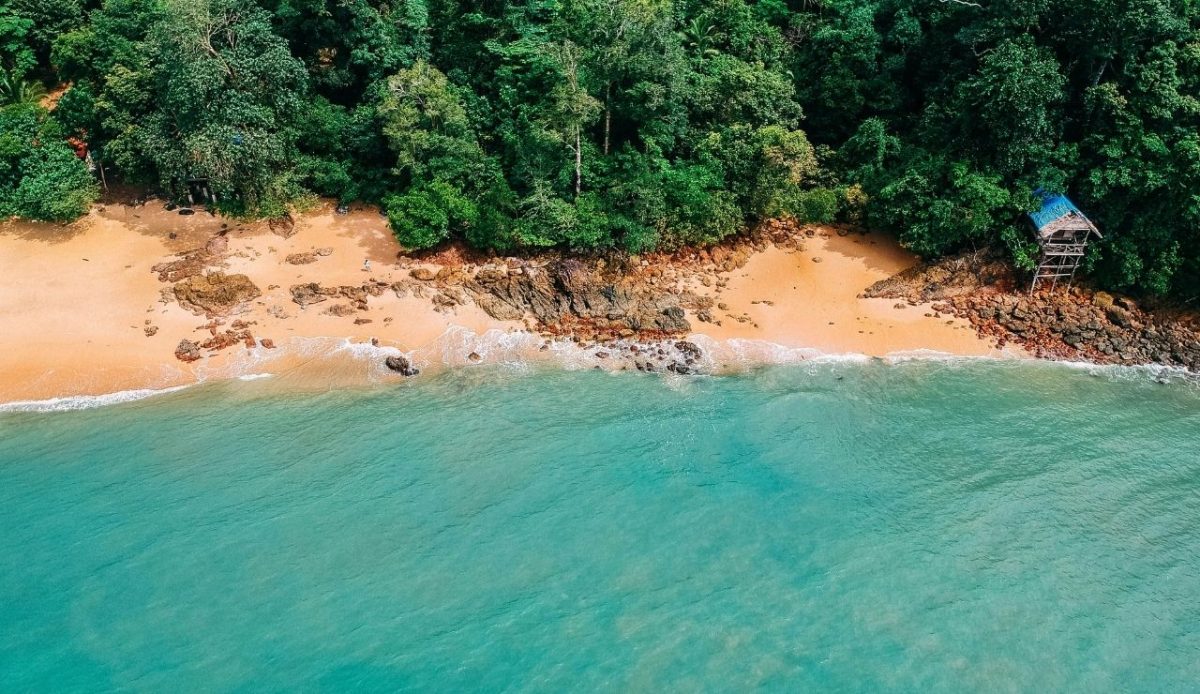
Koh Phayam lies near the Myanmar border and keeps cars off its sandy lanes. Visitors rent scooters, follow quiet inland paths, and hear birds at dawn instead of engines. Aow Yai and Aow Khao Kwai offer long arcs of sand, simple bungalows, and small cafés. Solar panels and generators provide power in many spots, so nights stay dark and the sky shows more stars. Local shops sell fruit, seafood, and cashews from nearby farms. The island’s pace favors readers, painters, and anyone who wants a calm routine. Come with time and leave rested, sun-kissed, and reluctant to board the boat.
8. Mantanani Islands, Malaysia
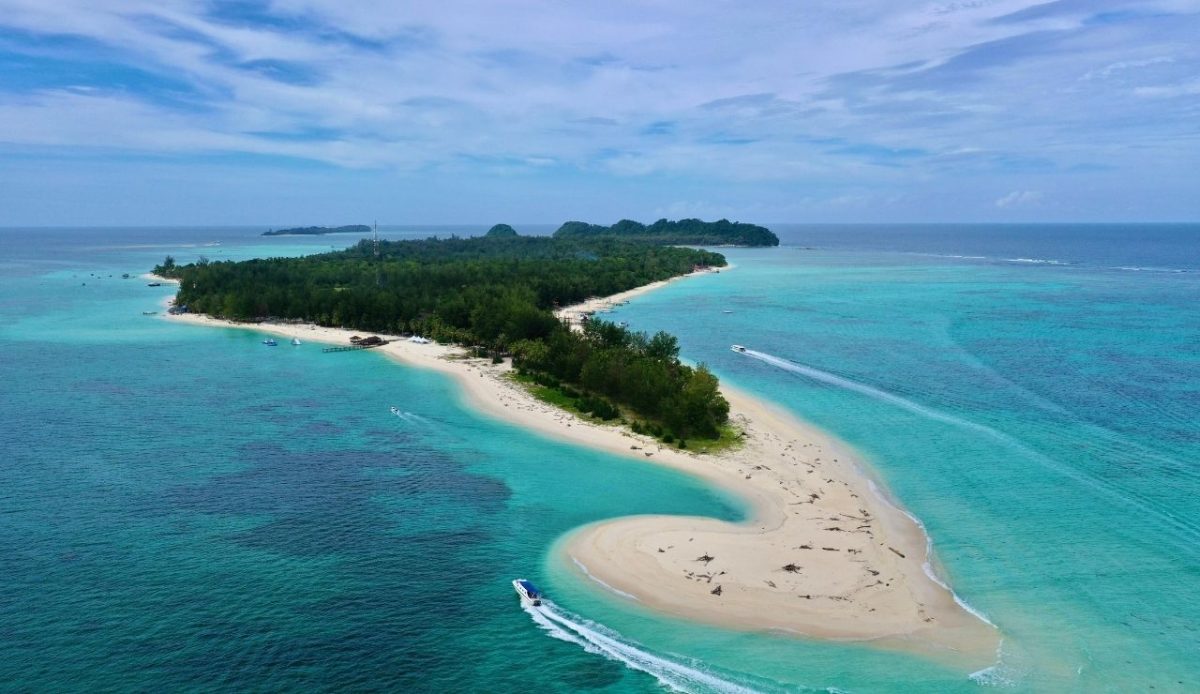
Off Sabah’s northwest coast, the Mantanani group attracts divers and nature photographers who prefer quiet water and bright shallows. Boats from Kota Belud reach the islands in about an hour. Sandbars shift with the tide, creating calm snorkeling entries and clear water. Seagrass meadows sometimes host dugongs, while mangroves shelter birds and crabs. Homestays and small lodges serve local meals and arrange reef trips. Conservation projects now teach guests about coral safety and waste reduction. Each visit supports island livelihoods and protects the beauty that makes it special.
9. Lampi Island, Myanmar
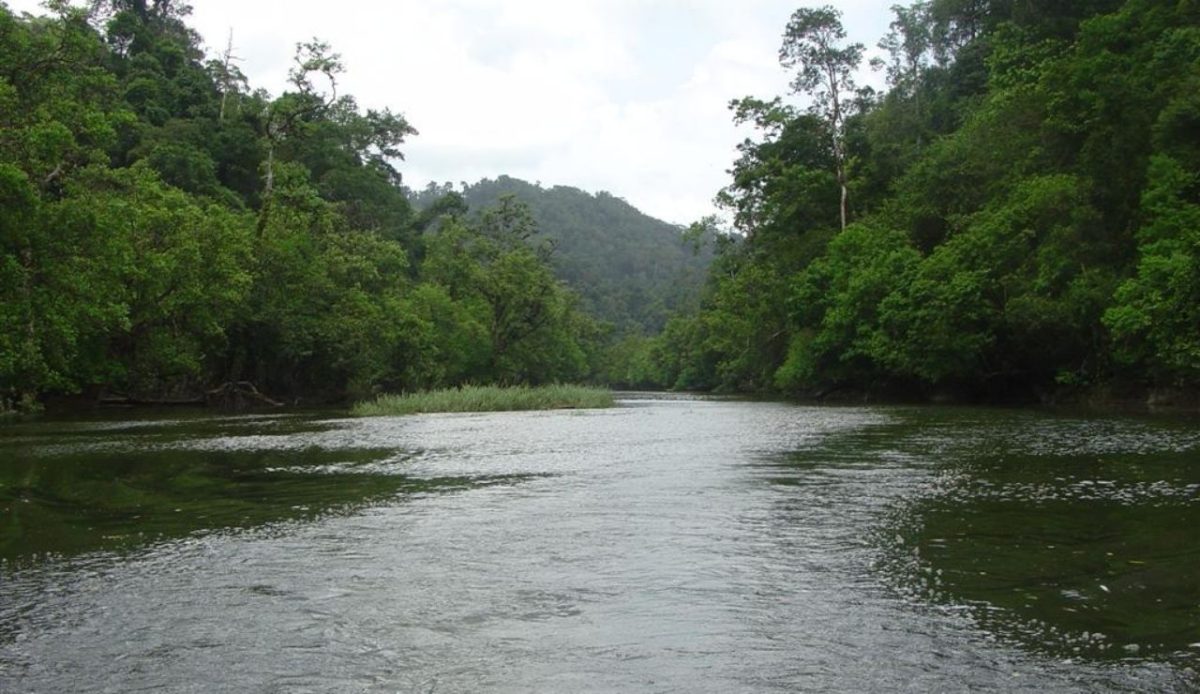
Lampi Island anchors Myanmar’s Mergui Archipelago as the nation’s only marine national park. It includes mangrove forests, coral reefs, and quiet beaches rarely visited by outsiders. The Moken people, known for their sea-based lifestyle, travel between nearby islets as they have for generations. Tourism remains limited to a few eco-cruises and research teams. Visitors can hike forest trails, snorkel reefs, and watch hornbills in flight. With almost no permanent infrastructure, Lampi feels truly wild. It offers a glimpse of the Andaman coast before large-scale tourism arrived elsewhere.
10. Camiguin, Philippines
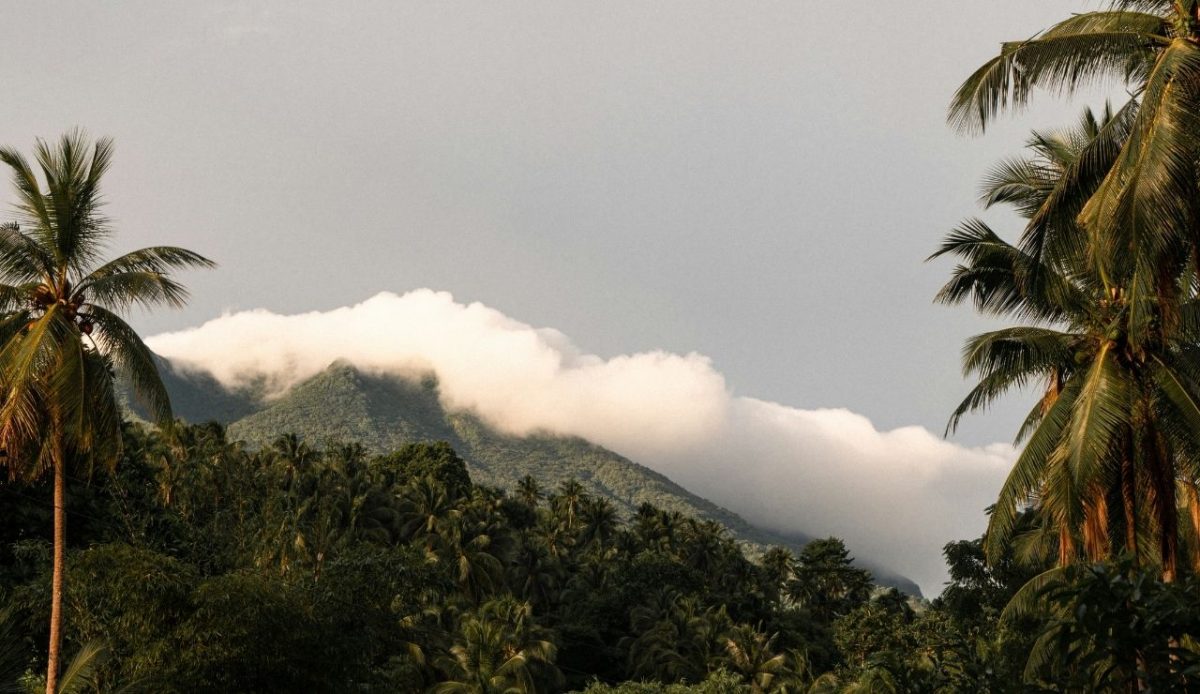
Camiguin, called the “Island Born of Fire,” rises from seven volcanoes in the Bohol Sea. Waterfalls, hot springs, and marine sanctuaries fit within its compact landscape. Travelers rent scooters to circle the island through coconut farms and quiet villages. White Island sandbar gives panoramic views of Mount Hibok-Hibok. Family-run inns and small dive shops dominate instead of resorts. Visitors balance adventure with rest, soaking in mineral pools or exploring coral gardens offshore. Camiguin’s manageable size and warm hospitality make it one of the Philippines’ most approachable islands.
11. Apo Island, Philippines
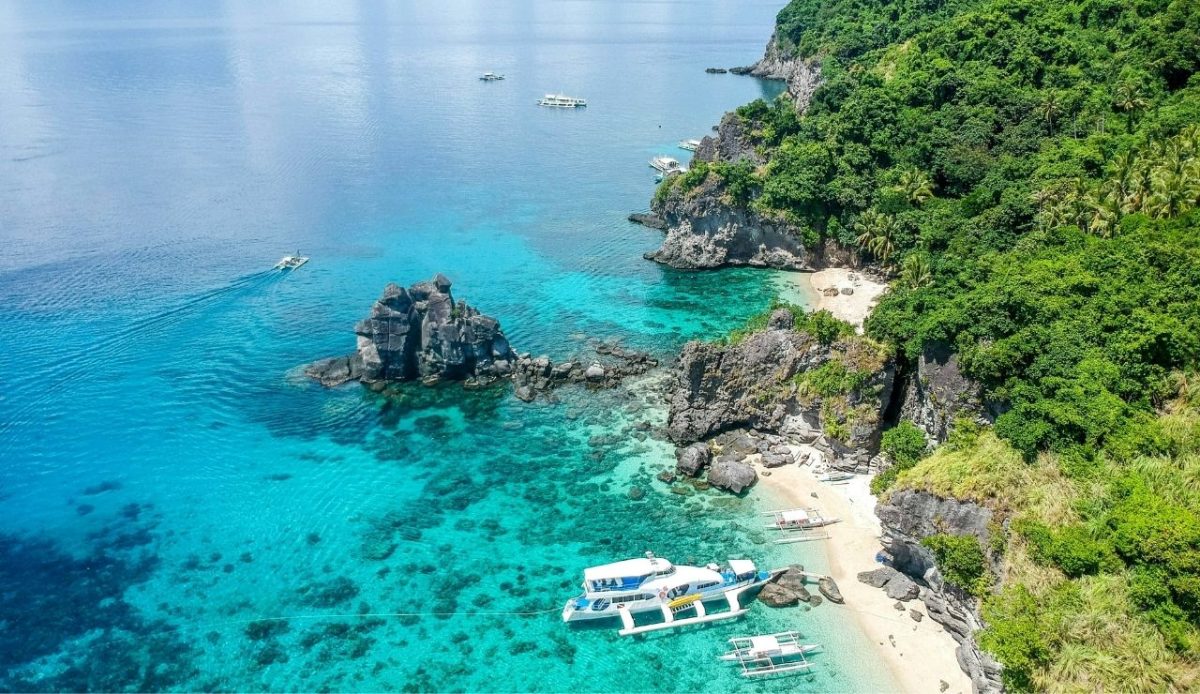
Apo Island near Negros Oriental stands as one of Southeast Asia’s best community-led conservation stories. Decades ago, local fishers created rules to protect their reefs. Today, snorkelers glide beside turtles over coral restored by the same families. Electricity runs part-time, and evenings end early under star-filled skies. Homestays and simple cottages share profits with a community fund that supports education and reef patrols. The result is tourism that truly benefits both people and nature. Visitors leave understanding why locals are proud guardians of their sea.
12. Balabac Islands, Philippines
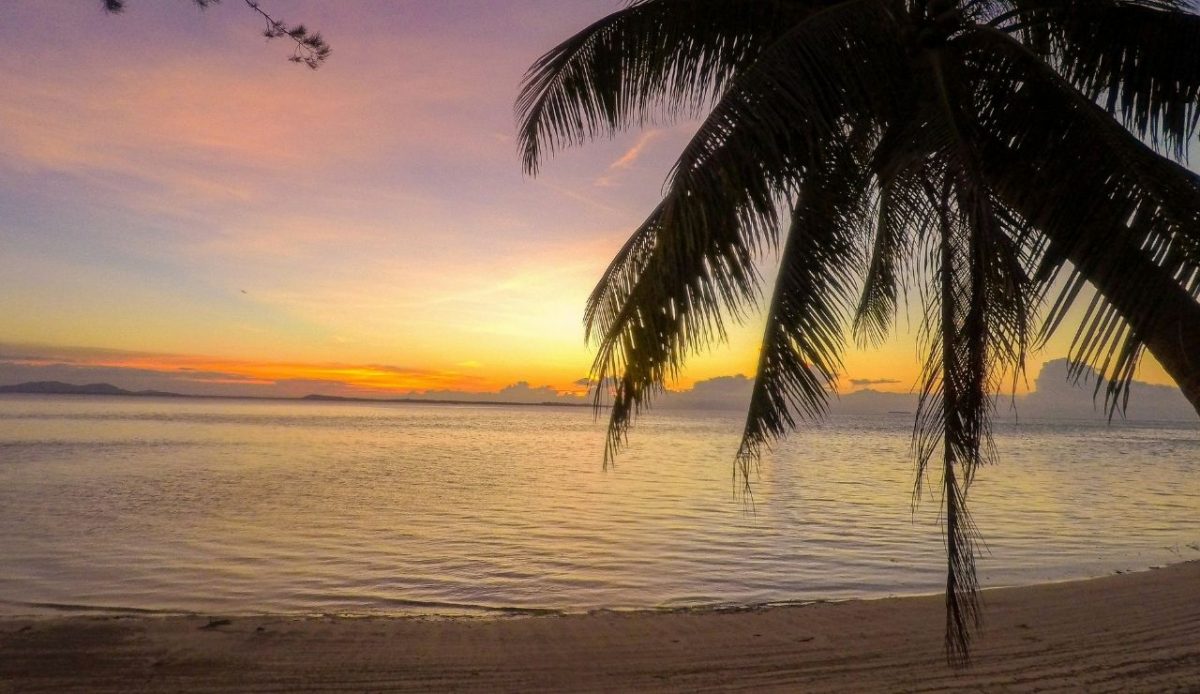
At the southern edge of Palawan, Balabac remains one of the Philippines’ last frontier regions. Dozens of islands scatter across turquoise channels with white sandbars and coral flats. Local boatmen guide visitors to Onuk and Patawan, where palm trees frame pristine beaches. Access involves long drives and boat rides, which keeps numbers low. New community-based tours operate under local oversight to balance growth with preservation. The effort to reach Balabac rewards travelers with unspoiled scenery and days that move with the tide rather than a schedule.
