
For many travelers, trains represent adventure, freedom, and the romance of slow travel. Yet for some, the thought of confined cabins, unfamiliar sounds, or long routes can trigger unease. The good news is that fear of train travel is common and completely manageable. With awareness, small adjustments, and mindful preparation, it’s possible to replace anxiety with anticipation. These twelve strategies will help you rediscover the joy of rail journeys, one calming step at a time.
1. Understand the Source of Your Fear
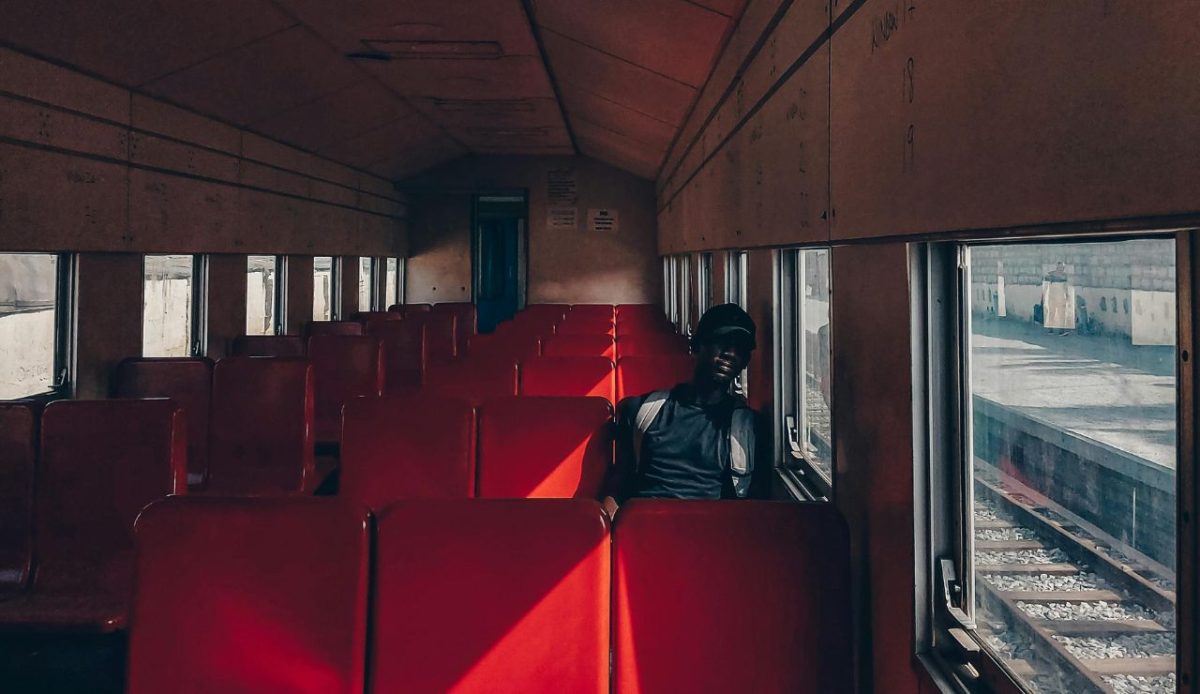
The first step toward overcoming train anxiety is identifying what truly worries you. Is it the motion, crowds, tunnels, or lack of control? Naming the trigger helps you address it directly. Learning that trains are statistically one of the safest modes of transport also builds confidence. Read about safety systems, emergency protocols, and staff training. Knowledge creates perspective, and perspective transforms vague fear into manageable facts, setting the foundation for calmer journeys ahead.
2. Start With Shorter Journeys
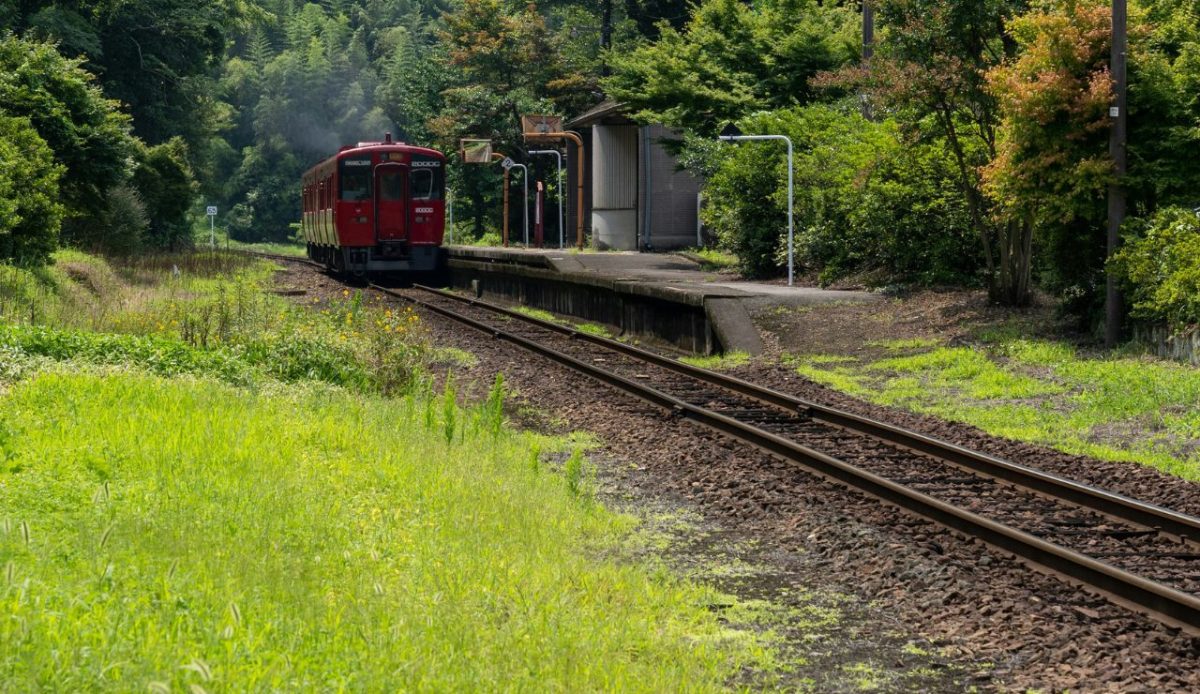
If long-distance rides seem overwhelming, begin with short, familiar routes. A 30-minute or regional journey helps you adjust to the movement, rhythm, and sounds of train travel without pressure. Once comfortable, gradually extend your trips to longer distances or overnight rides. Each successful experience strengthens confidence and reduces hesitation. Think of it as gradual exposure therapy, every small, smooth trip trains your mind to associate rail travel with safety and control instead of fear.
3. Travel During Daylight Hours

Daytime journeys often feel safer and more comfortable for anxious travelers. Natural light, open scenery, and visible surroundings create a sense of clarity and calm. Watching landscapes roll by replaces uncertainty with beauty. Avoid night rides at first if darkness heightens stress. Sitting near a window during the day allows your eyes to focus on a steady horizon, helping prevent motion discomfort. With sunlight streaming in, the experience feels brighter, peaceful, and more predictable.
4. Choose Comfortable Seating
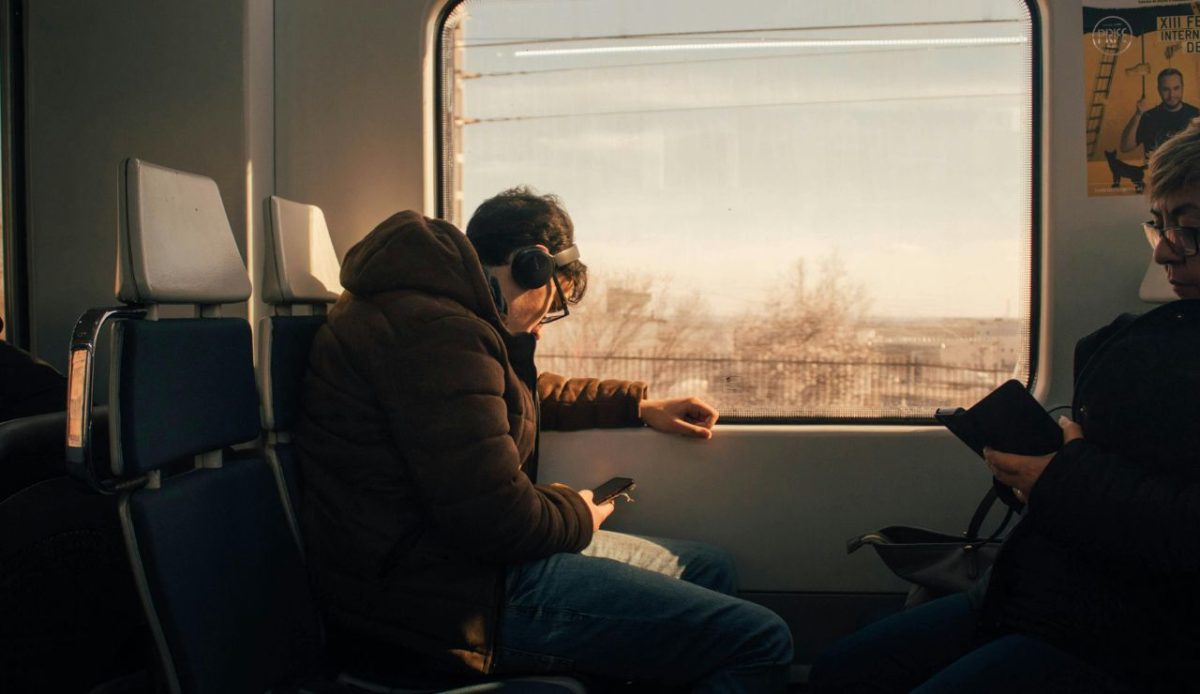
Your seat can make or break the journey when managing travel nerves. If movement worries you, pick a forward-facing window seat so your view matches the train’s direction. Watching scenery pass can stabilize your senses. Prefer more space? Book an aisle seat for easy access to restrooms or exits. Many trains also have quiet cars that limit noise. The right environment boosts both comfort and confidence, making the trip feel less confining and far more pleasant.
5. Learn About the Route Ahead

Uncertainty often fuels anxiety, so familiarize yourself with your upcoming route. Study maps, check travel times, and read about scenic highlights or notable stops. Watching videos or photos of the line can make it feel more familiar before departure. When you know what to expect, curves, tunnels, or landscapes, your mind replaces “unknown danger” with “known detail.” Understanding how rail networks operate and their safety record also reinforces rational confidence for your journey.
6. Pack Comfort Items

Small comforts can have a big emotional impact. Bring a travel pillow, soft sweater, snacks, or tea that make you feel at home. Listening to calming playlists or audiobooks helps block unfamiliar noises. Aromatherapy oils, fidget tools, or mindfulness apps can further relax your senses. These items create a bubble of familiarity inside a moving train. When your space feels cozy and secure, your body releases tension naturally, helping your mind shift toward relaxation and ease.
7. Arrive Early to Avoid Rushing
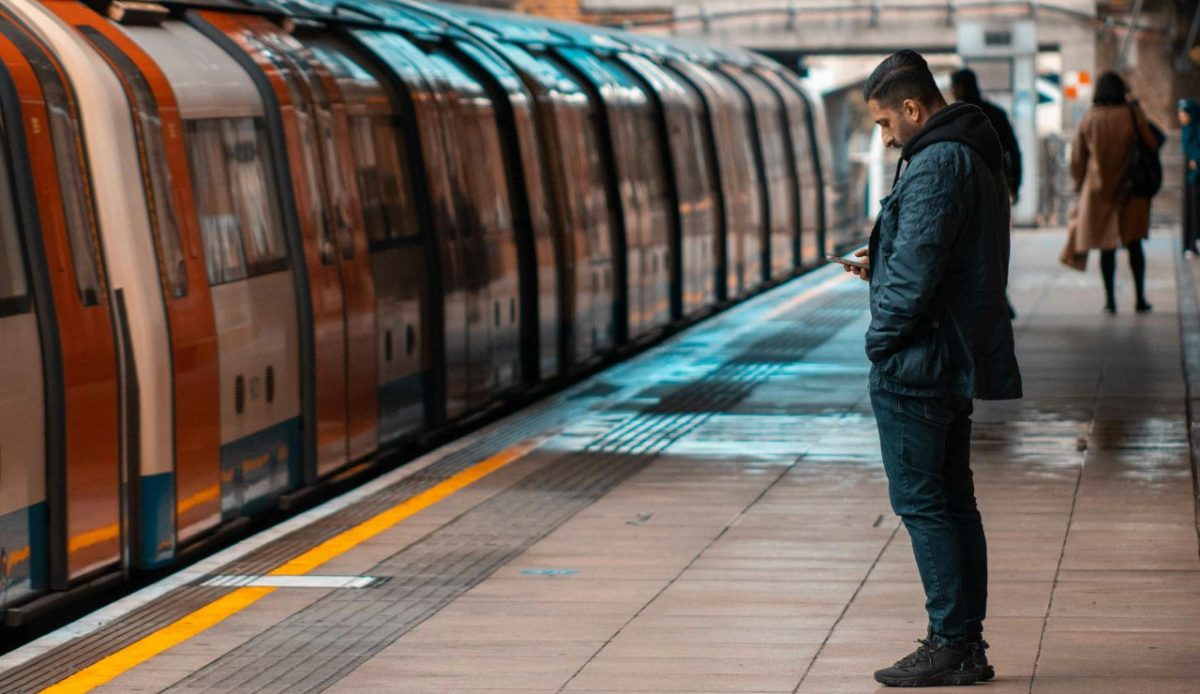
Feeling rushed intensifies anxiety, so give yourself plenty of time at the station. Arriving 30–45 minutes early allows you to locate your platform, check signage, and adjust to the environment calmly. Observe how others move confidently through the station, their composure can be contagious. Once seated, take a few slow breaths before departure to center yourself. Preparedness replaces panic with presence, turning a potential stress trigger into the start of a peaceful journey.
8. Practice Deep Breathing Techniques

When anxiety rises, deep breathing can instantly calm your mind and body. Try the 4-4-6 method: inhale for four seconds, hold for four, and exhale slowly for six. This deliberate rhythm lowers heart rate, steadies breathing, and signals safety to your nervous system. Combine it with gentle stretching or mindfulness apps for even stronger relaxation. Practicing at home helps the technique feel natural on board, turning each breath into a steady anchor of peace and control.
9. Bring Distractions You Enjoy

Distraction is a proven anxiety reducer. Bring activities that absorb your attention, novels, podcasts, crosswords, or streaming shows. Curate a playlist that evokes calm and positivity. Some travelers journal or sketch scenery to stay engaged. Looking out the window also works wonders; watching fields, towns, and sunsets pass by reminds you that motion equals progress. The more your mind focuses on enjoyment, the less room there is for fear to take hold.
10. Talk to Train Staff if You Feel Uneasy
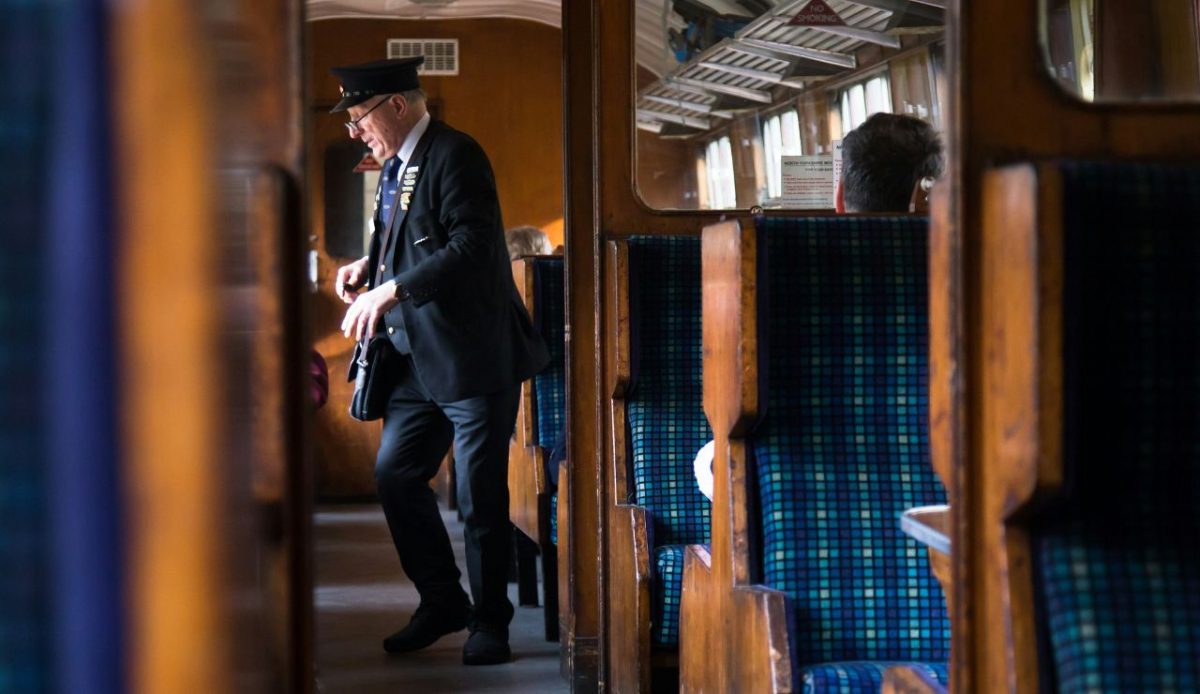
If nerves strike mid-journey, don’t hesitate to approach train staff. They’re trained to assist passengers with all kinds of concerns and can offer reassurance or helpful advice. Ask questions about stops, routes, or safety procedures; clarity replaces anxiety with confidence. Many attendants are kind and understanding; even a brief conversation can reset your mindset. Remember, seeking support is a strength, not a weakness. You’re never alone when traveling by train.
11. Travel With a Companion

Bringing a trusted friend or relative can instantly make train journeys feel safer. Companionship distracts from anxious thoughts and provides emotional grounding. Share snacks, chat, or play games to keep the mood light. Watching your travel partner stay calm also reinforces your own sense of ease. If possible, let them handle logistics like tickets or directions. Their steady presence can turn a potentially stressful trip into a shared adventure, reassuring, warm, and memorable.
12. Focus on the Reward, Not the Fear

Instead of dwelling on discomfort, visualize your destination, the experiences, people, and beauty waiting beyond the train ride. Reframing your mindset from fear to purpose builds resilience. Celebrate every small victory: each journey completed strengthens your courage for the next one. Remember, train travel connects you with landscapes and cultures in ways planes can’t. The more you focus on discovery, the faster fear gives way to excitement, pride, and genuine joy.
