
Love Canal is in Niagara Falls, New York, and it can look like any other residential pocket if you drive past quickly. In the 1940s and early 1950s, an abandoned canal was used as a disposal site for roughly 21,000 tons of chemical wastes, then capped and later surrounded by development.
The health and housing emergency surfaced in the late 1970s and became one of the events that pushed the U.S. Superfund program into the spotlight.
Even after major cleanup, the tricky part is perception: many hazards are invisible, move through groundwater or vapors, and show up when soil is disturbed. Here are twelve contamination pathways people often miss when a place looks “fine.”
1. Buried drums under a “sealed” surface
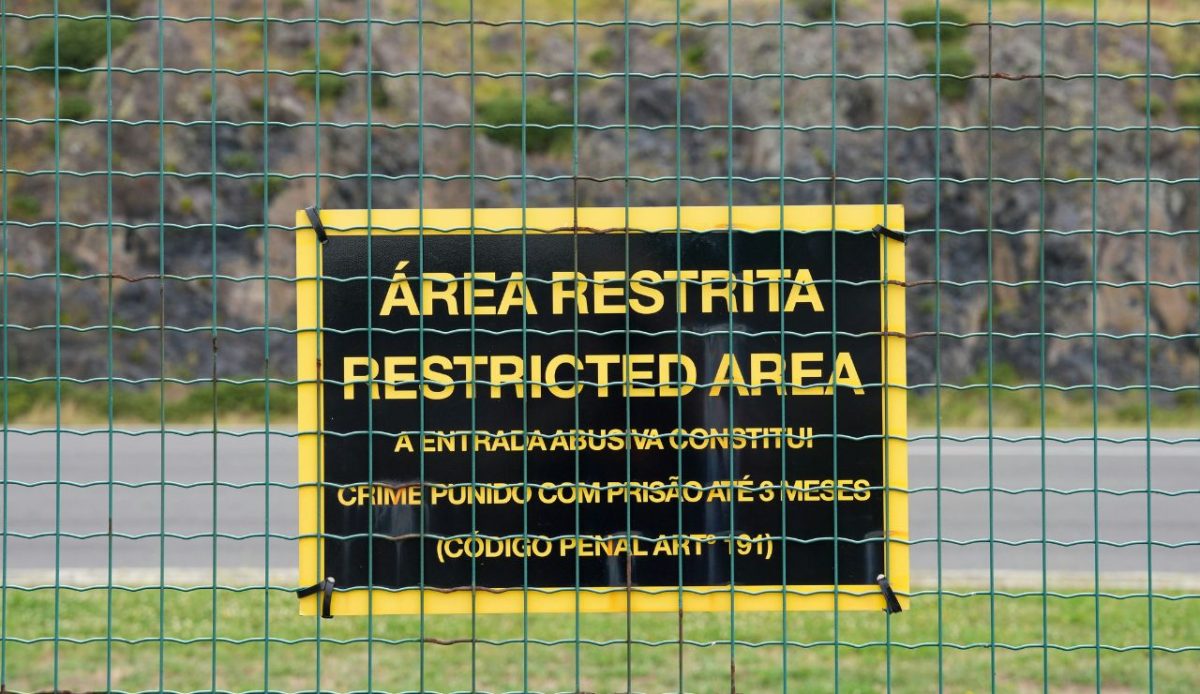
A cap can hide waste, not erase it. Love Canal’s landfill was covered and later managed as a controlled site, so the ground can look stable even when contaminants remain below.
What fools visitors is the tidy surface: grass, pavement, and regular storm drains signal ordinary soil. Under that layer, wastes were buried for years, and barriers depend on long-term maintenance as weather, settling, and freeze-thaw cycles stress seams and edges.
The practical takeaway is boring but smart: stay out of restricted areas, don’t wander into construction zones, and assume that “sealed” means “contained,” not “gone.”
2. Benzene that travels as vapor, not just liquid
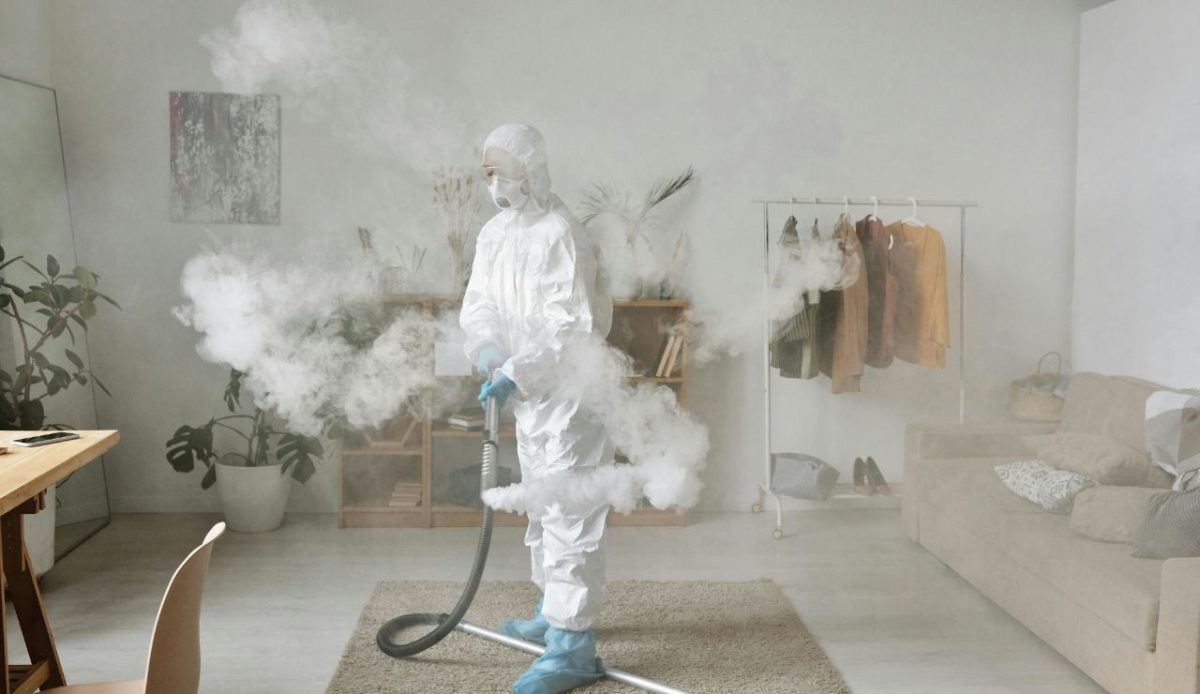
Some of the most concerning chemicals don’t need standing puddles to spread. Benzene, a known human carcinogen, can move through soil gas and enter buildings as vapor when conditions line up.
Visitors get fooled because there may be no smell and no visible stain. Temperature swings, wind, and pressure differences between indoors and outdoors can pull vapors through tiny cracks, especially near basements or utility penetrations.
That’s why modern cleanups track air and groundwater, not just surface soil. If you’re nearby, respect fencing and posted notices, and avoid lingering around active excavation.
3. Chlorinated solvents that sink and spread underground
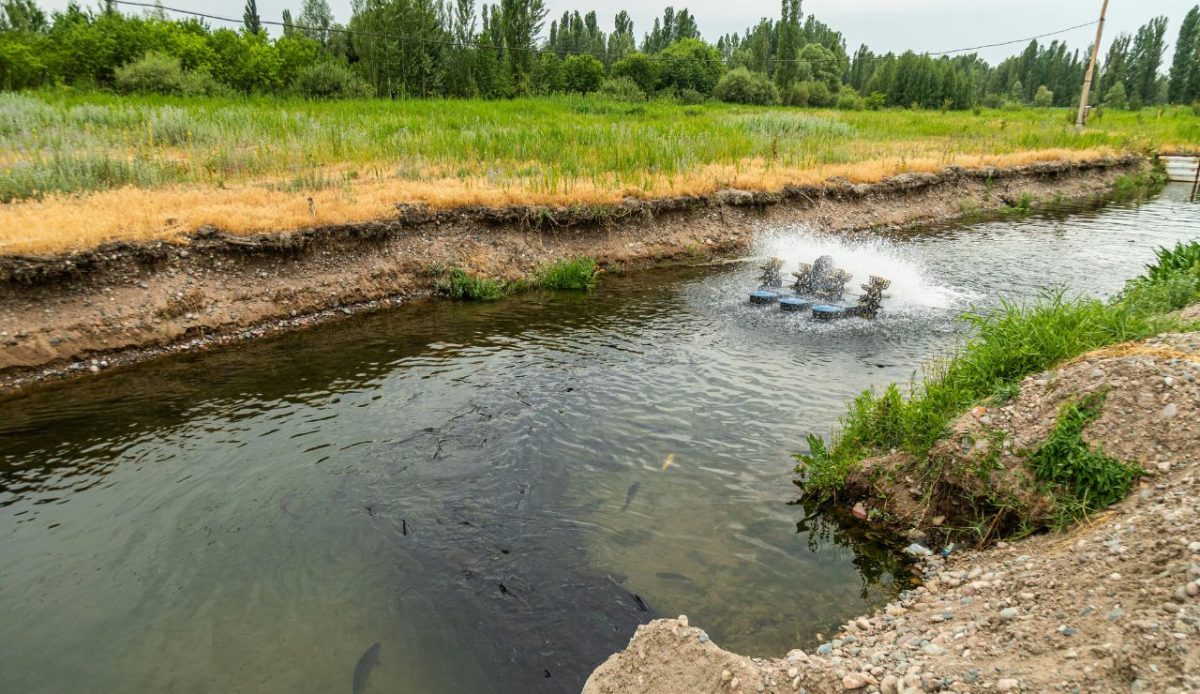
Many industrial solvents are denser than water, so they can sink through saturated soil and form long-lasting sources that slowly dissolve into groundwater. Love Canal wastes included chlorinated hydrocarbons and related byproducts from chemical manufacturing.
From street level, groundwater movement is invisible, so it’s easy to assume the problem stayed put. In reality, dissolved plumes can migrate along sand lenses, utility corridors, and old drainage paths, then show up far from where the dumping happened.
Cleanup systems focus on containment and monitoring wells for this reason. For visitors, the safest mindset is “out of sight isn’t out of system.”
4. Dioxin that binds to soil and sediments
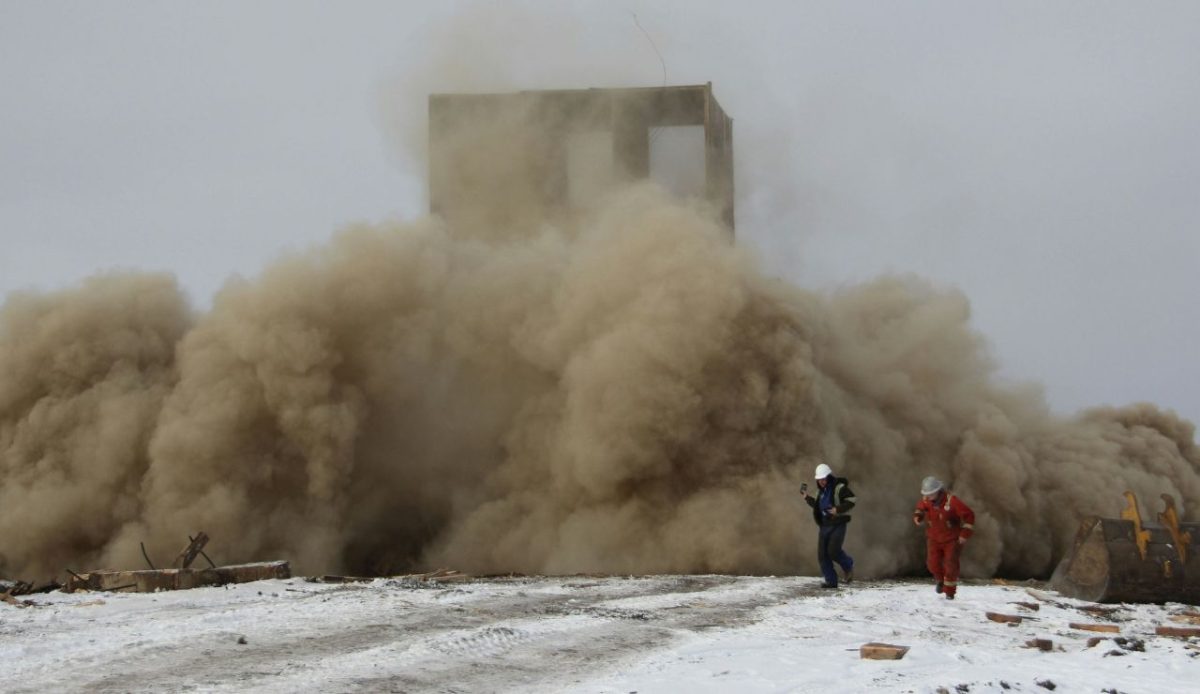
Dioxins don’t behave like a spill you can mop up. They bind tightly to organic matter in soil and sediments, so they can persist for years and become a problem when dirt is dug, eroded, or redeposited.
Visitors get fooled because the risk rides on particles, not puddles. Dust on a windy day, soil tracked on shoes, or sediment stirred during maintenance can matter more than a quick touch of the ground, especially during dry weather or nearby work.
That’s why agencies rely on caps, access controls, and long-term monitoring to keep contaminated media in place. The common-sense rule: stay on public paths and never cut across vacant lots, berms, or fenced banks.
5. PCBs that linger in old fill and equipment residue
PCBs were widely used in electrical and industrial applications, and they show up at many legacy waste sites, including Love Canal. They break down slowly and can accumulate in sediments and some biological pathways.
The “fooling” part is that PCBs don’t announce themselves. You won’t see a bright color, and you might only notice normal-looking soil or debris. The exposure concern rises when contaminated material is disturbed, burned, or turned into dust.
Management focuses on keeping contaminated media in place and preventing resuspension. If you’re visiting nearby, avoid souvenir thinking, no soil, no rocks, no ‘found objects’ from restricted areas.
6. Pesticide residues like lindane in mixed waste
Love Canal wasn’t a single-chemical story; it was a mixed dump of many byproducts. Historical descriptions include pesticide compounds such as lindane among the wastes associated with the site’s era.
That mix is what trips up visitors. People imagine one “bad chemical,” then assume a cleanup removes it and the danger ends. But mixed contaminants can behave differently: some evaporate, some dissolve, some stick to soil, and some show up in unexpected combinations.
For non-residents, the best approach is not DIY detection. Trust posted restrictions and keep distance from any disturbed earth or drainage outflows.
7. “Leachate” that appears after heavy rain or thaw
One reason Love Canal became infamous is that buried wastes interacted with water. When precipitation, snowmelt, or high groundwater meets contaminated fill, chemicals can move as leachate, liquid that carries dissolved or suspended contaminants.
Visitors can be fooled because the surface may look dry most days. Then after storms, low spots, ditches, or utility trenches can collect discolored water or oily films that people mistake for harmless runoff.
The smart move is to avoid touching standing water near restricted areas and to give drainage channels a wide berth, especially right after wet weather.
8. Groundwater plumes that require decades of monitoring
A cleanup isn’t a one-and-done sweep. Groundwater can carry dissolved contaminants away from the original burial area as a plume, and that movement changes with rainfall, snowmelt, and shifting water tables.
Visitors get misled because “cleanup completed” sounds like “problem solved.” In practice it often means the site meets specific risk targets while containment and monitoring stay active, with agencies checking that concentrations remain within set limits over time.
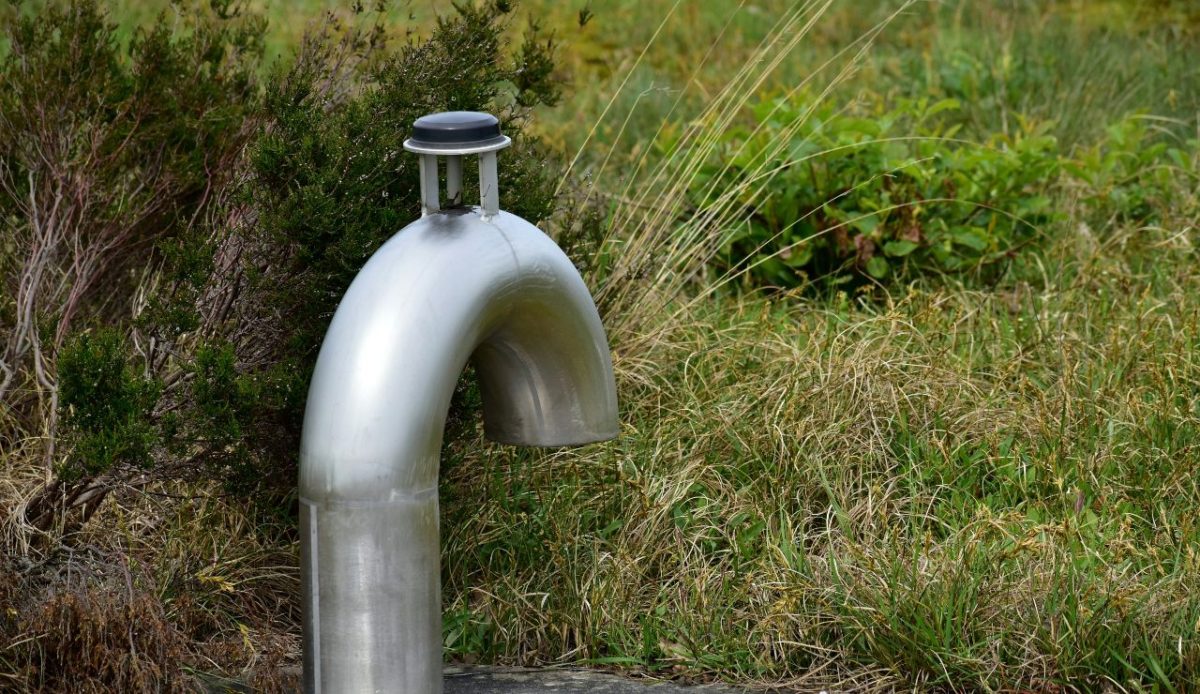
If you spot well covers, sampling stations, or fenced enclosures, treat them as working safety gear. Don’t open, touch, or climb on them, and avoid lingering near active sampling or excavation.
9. Vapor intrusion through cracks and utility lines
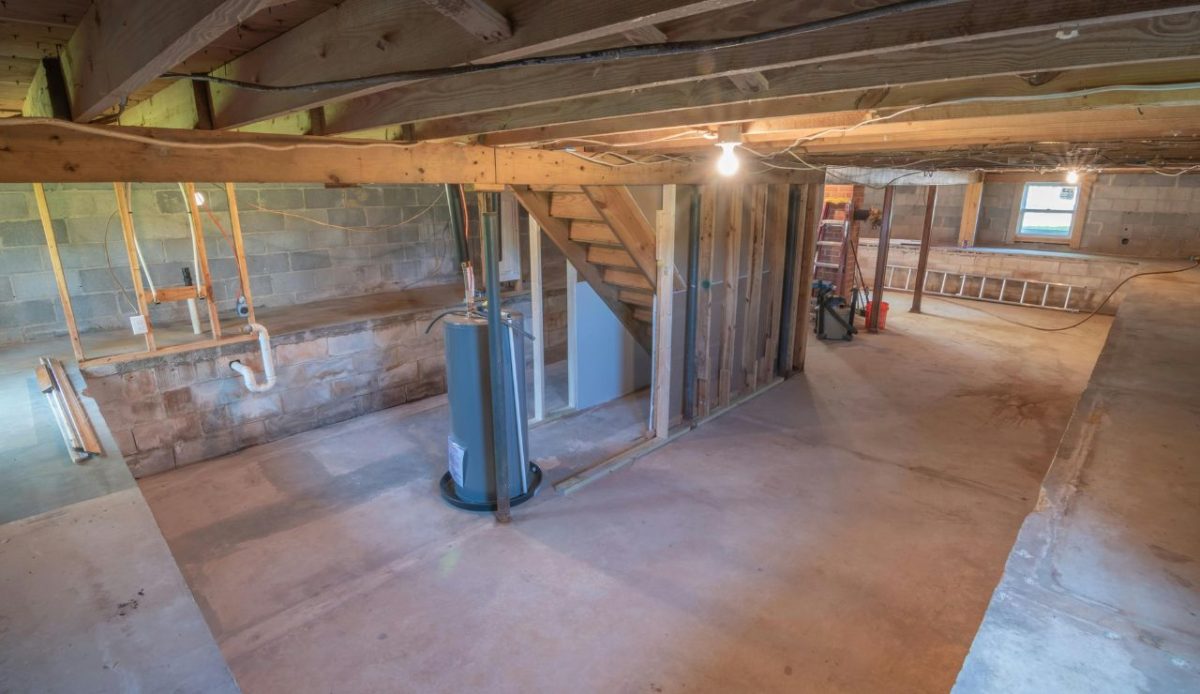
Even when contaminated soil stays put, gases can move. Vapor intrusion happens when volatile chemicals in soil or groundwater migrate upward and enter buildings through cracks, sump pits, or gaps around pipes.
It fools visitors because homes and schools can look perfectly normal from the outside. Air exchange, HVAC operation, and pressure differences can turn tiny openings into pathways, especially in colder months when buildings are sealed up.
That’s why risk management often includes indoor air testing and mitigation in addition to soil work. For visitors, the takeaway is to respect closed areas and avoid “urban exploring” around foundations or crawlspaces.
10. Dust that turns soil contamination into a travel companion
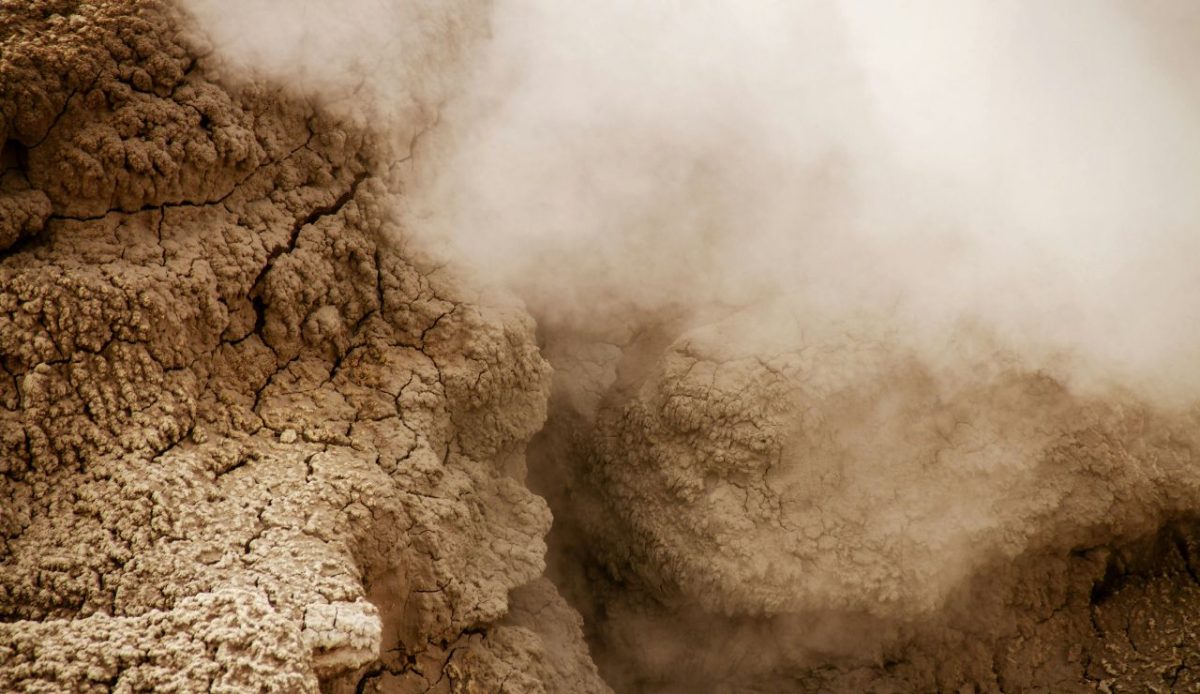
You don’t have to touch a dump to carry it. When contaminated soil dries, fine particles turn into dust, and that dust can hitch a ride on shoes, bike tires, pets, or strollers. Exposure is often indirect, on hands, snacks, and indoor surfaces.
Visitors get fooled because a quick walk looks harmless, and there may be no odor or stain. But disturbed road shoulders, unpaved edges, and nearby work zones can kick up dust that drifts and settles for days beyond where it began.
If you’re nearby, stick to paved public routes, avoid dirt piles and freshly dug areas, and wash your hands after outdoor time. It’s basic hygiene and smart boundaries, not panic.
11. Construction and utility work that reopens old pathways
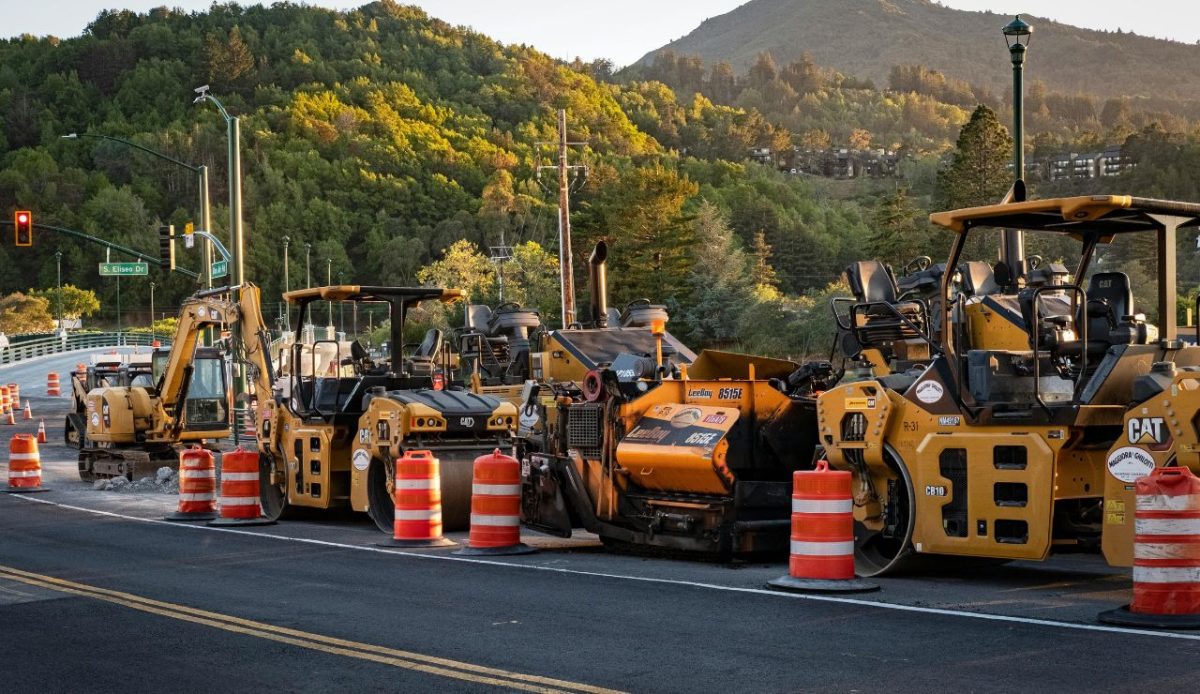
At legacy sites, the riskiest moments are often the messy ones: digging, trenching, replacing lines, or moving fill. Even with regulations, construction can temporarily disturb capped areas or intersect groundwater, changing how contaminants move.
Visitors may misread orange cones and backhoes as ordinary roadwork. But excavation can create fresh dust, expose buried material, or vent soil gas, which is why contractors follow specific controls and disposal rules.
If you see active work near restricted zones, don’t linger for photos. Take a wider detour and let the crews do their containment job without extra foot traffic.
12. The ‘looks normal’ effect after remediation and delisting
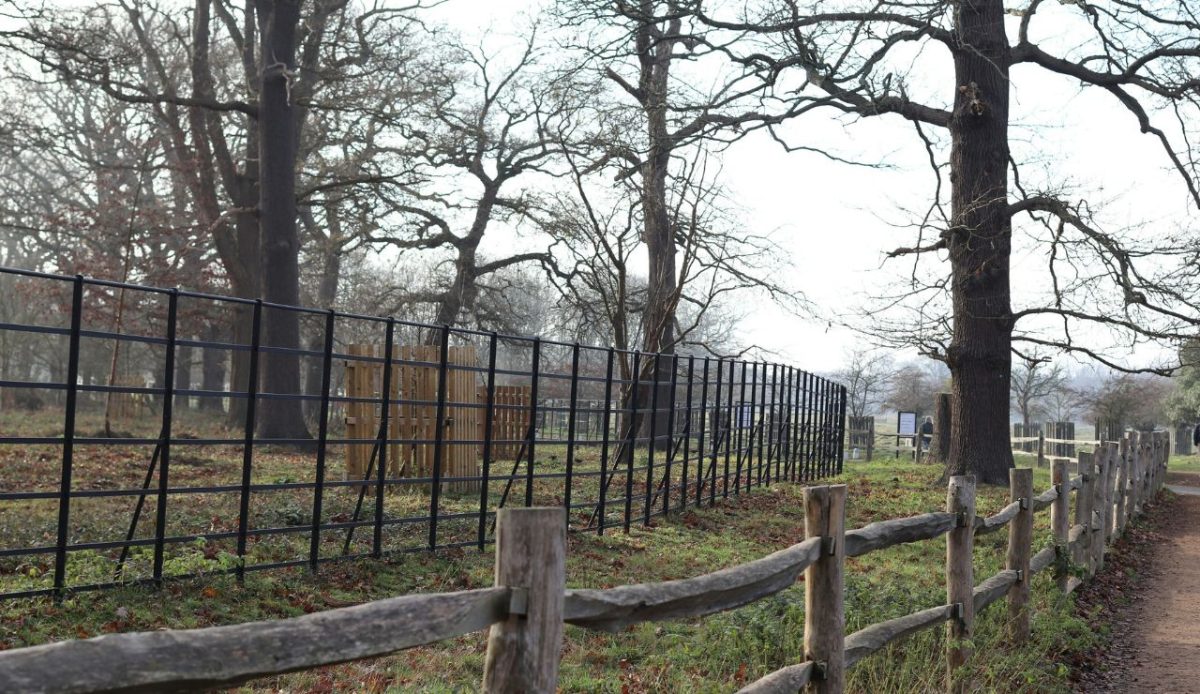
Love Canal was cleaned up under Superfund and later removed from the National Priorities List after EPA concluded the remedy met its goals and long-term monitoring supported that finding.
That status can fool visitors into thinking the story is over in an everyday sense. A site can be safe for approved uses while still relying on caps, barriers, deed restrictions, and routine sampling to keep risk low.
So the honest takeaway is balanced: the area isn’t a tourist attraction, and it isn’t an active disaster zone either. Treat it like managed infrastructure, follow signs, stay on public routes, and move on.
