
Historic train depots once played a major role in commerce, migration, and everyday travel, helping shape towns and cities across the country. Built during the peak of passenger rail, these stations were centrally located and designed to handle steady flows of travelers moving between regions.
As transportation patterns changed, passenger rail declined, and service routes were reduced or eliminated. Large depots lost their purpose as rail operations were consolidated or shifted elsewhere. Without regular use, maintaining these buildings became difficult and costly.
This article examines twelve historic train depots abandoned after service cuts, showing how once-busy rail landmarks were left unused as travel demand changed.
1. Michigan Central Station
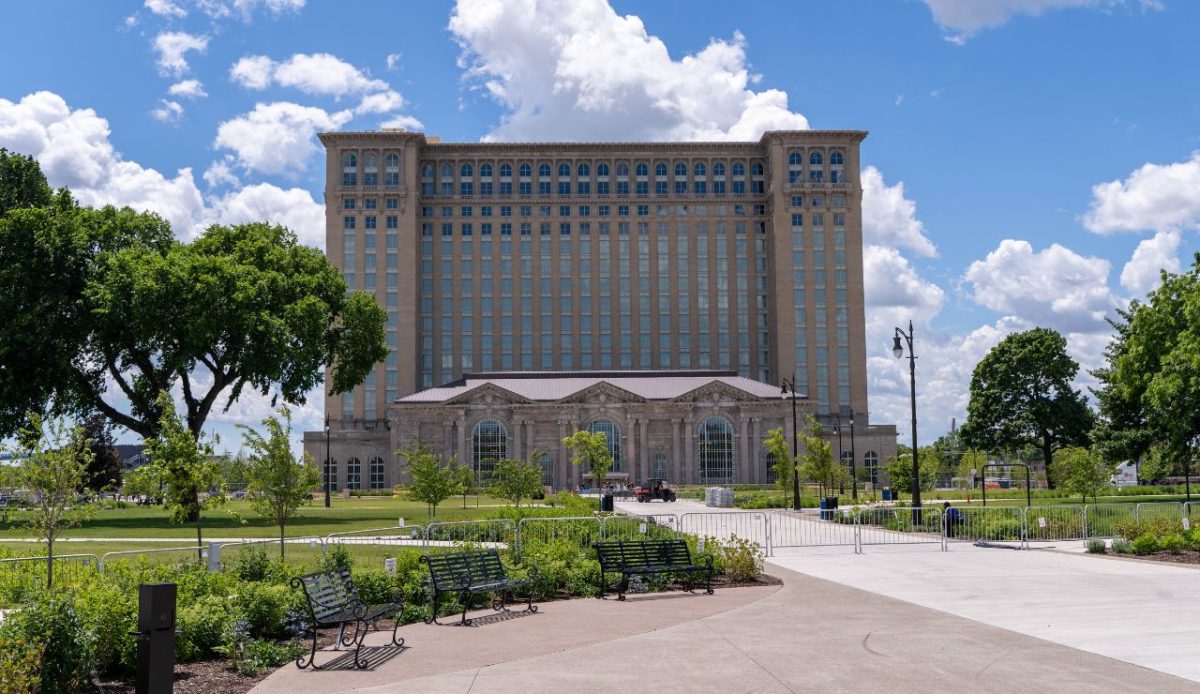
Michigan Central Station opened in 1913 as one of the largest rail terminals in the United States, reflecting Detroit’s industrial growth and role in national rail travel. The station was designed to manage heavy passenger volumes and functioned as a major transportation gateway.
After World War II, passenger rail service declined as automobile travel expanded and rail routes were reduced. Train schedules were gradually cut, and by the late 1980s, remaining passenger services were discontinued.
Following closure, the building remained vacant for decades. Its abandonment illustrates how service cuts made maintaining large historic depots impractical despite their significance.
2. Buffalo Central Terminal
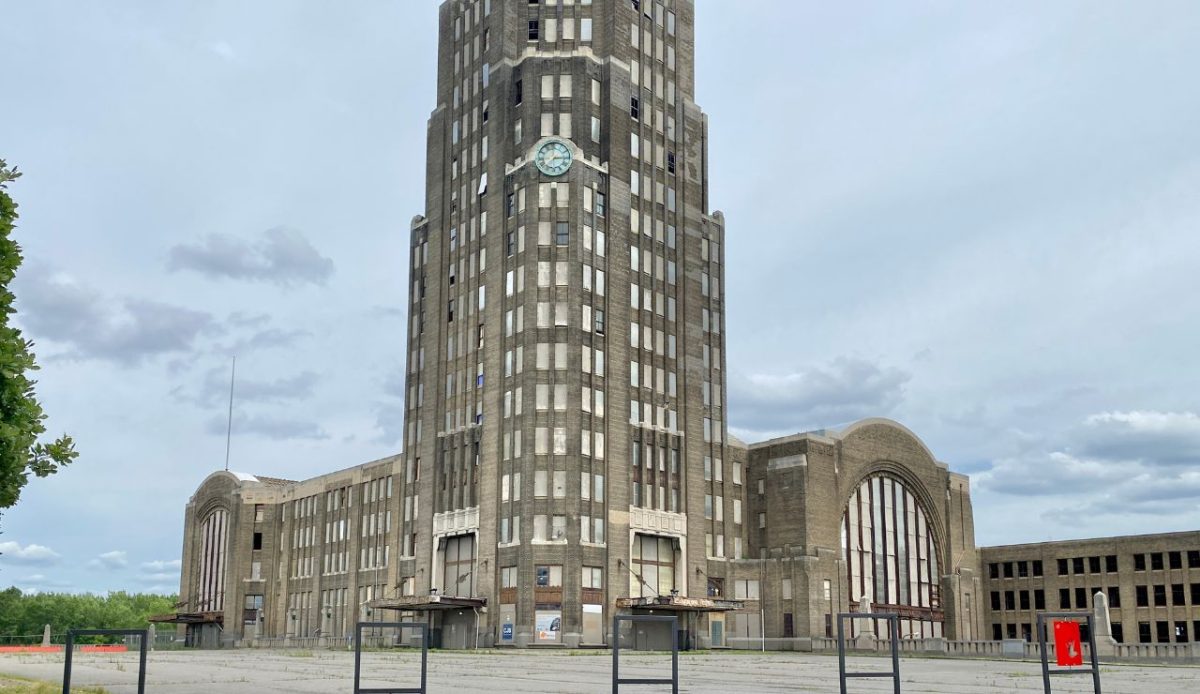
Buffalo Central Terminal opened in 1929 as a modern replacement for older downtown stations, positioned to serve long-distance rail traffic. Its Art Deco tower and streamlined layout reflected contemporary ideas about efficiency and progress in passenger rail design.
Rail service through Buffalo declined sharply in the mid-twentieth century as routes were consolidated and schedules reduced. Fewer trains meant fewer passengers, making the terminal increasingly costly to operate.
Passenger service ended in 1979, and the building was abandoned soon after. The depot’s closure highlights how service cuts, rather than structural failure, often determined the fate of major rail landmarks.
3. Gary Union Station
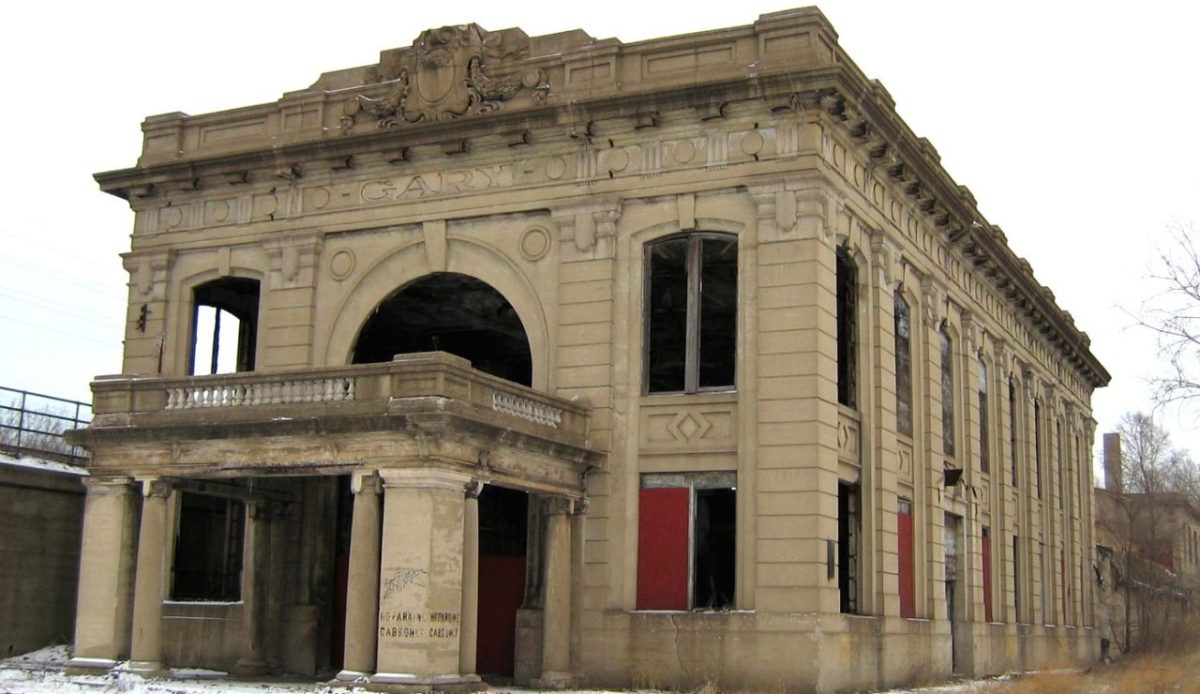
Gary Union Station once played a central role in connecting northwest Indiana to regional and national rail networks. Built to accommodate multiple rail lines, it supported both commuter and long-distance travel during the city’s industrial peak.
As manufacturing declined and passenger rail service was reduced, train traffic through the station dropped significantly. Service cuts eliminated many routes that once justified the depot’s size and staffing.
Eventually closed to passengers, the station was left unused for years. Its abandonment reflects how economic shifts and reduced rail investment often worked together to sideline historic depots.
4. Cincinnati Union Terminal
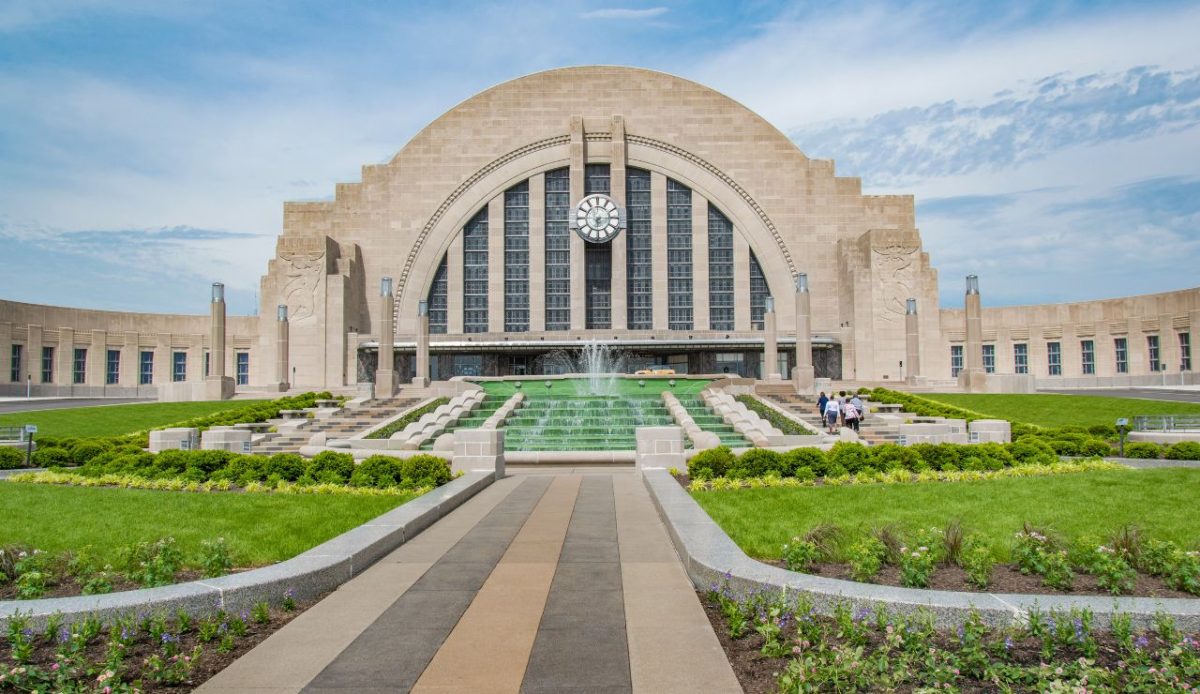
Cincinnati Union Terminal opened in 1933 as a streamlined hub serving multiple railroads. Its sweeping rotunda and modern design symbolized efficiency during a period when rail travel was still essential.
Over time, passenger rail service declined, and many routes serving Cincinnati were cut or rerouted. Fewer trains reduced the need for such a large terminal dedicated solely to rail operations.
Passenger services eventually moved elsewhere, leaving the original terminal without its primary function. The depot’s rail abandonment followed service reductions that reshaped how the city handled transportation.
5. St. Louis Union Station
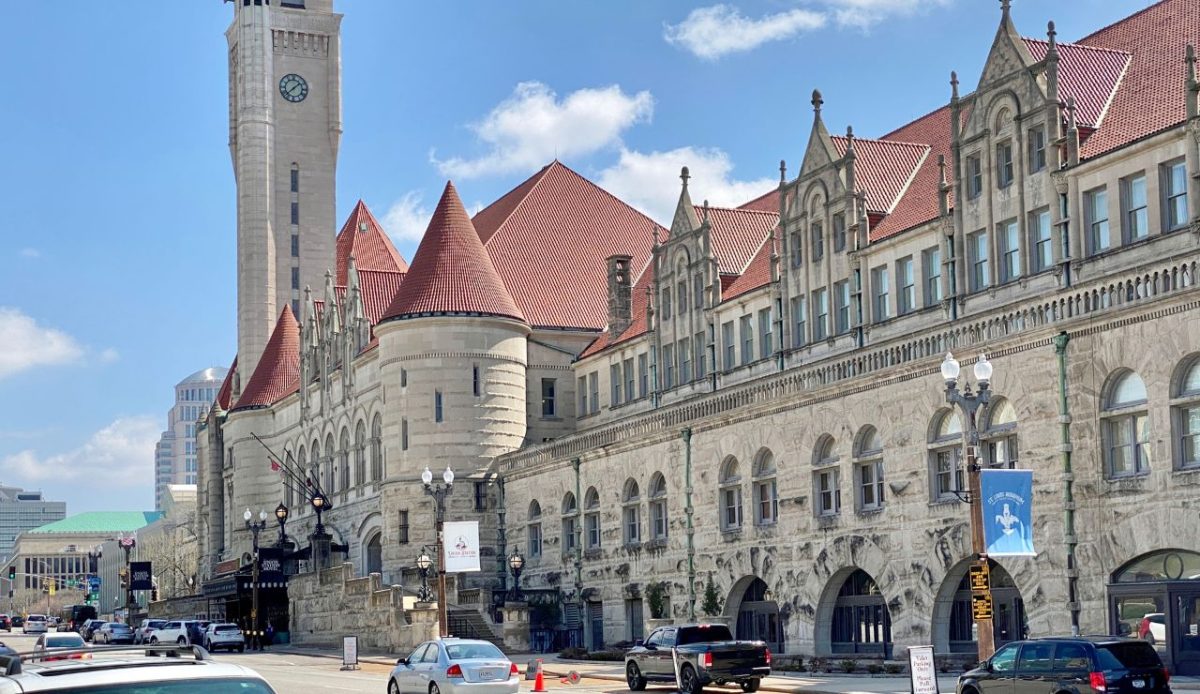
St. Louis Union Station was once among the busiest rail terminals in the United States, handling passenger traffic from numerous rail lines. Opened in the late nineteenth century, the station expanded over time to meet rising demand and became a major transportation gateway for the region.
By the mid-twentieth century, passenger numbers declined as air travel and highway systems grew. Rail service cuts reduced train frequency and eliminated many long-distance routes, gradually lowering the station’s importance within the national rail network.
When passenger service ended, the station was abandoned as a rail facility. Its closure shows how even heavily used depots became unsustainable after widespread service reductions.
6. Reading Terminal Station
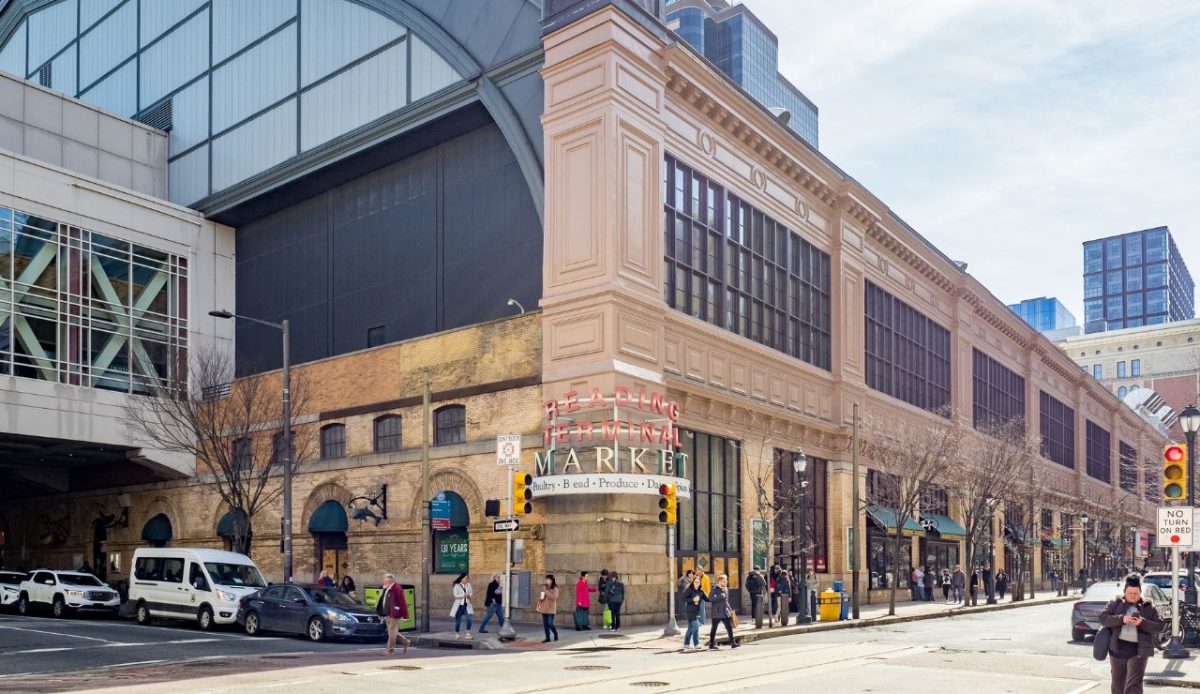
Reading Terminal Station served as a major gateway for commuters and regional travelers entering Philadelphia. Its central location and large train shed supported frequent service during the early twentieth century.
As rail operators reduced routes and shifted focus, passenger service declined steadily. Service cuts eventually made the station redundant compared to smaller, more modern facilities.
The depot closed to rail traffic after remaining services were withdrawn. Its abandonment followed operational changes rather than physical limitations, reflecting broader trends in rail consolidation.
7. Union Depot
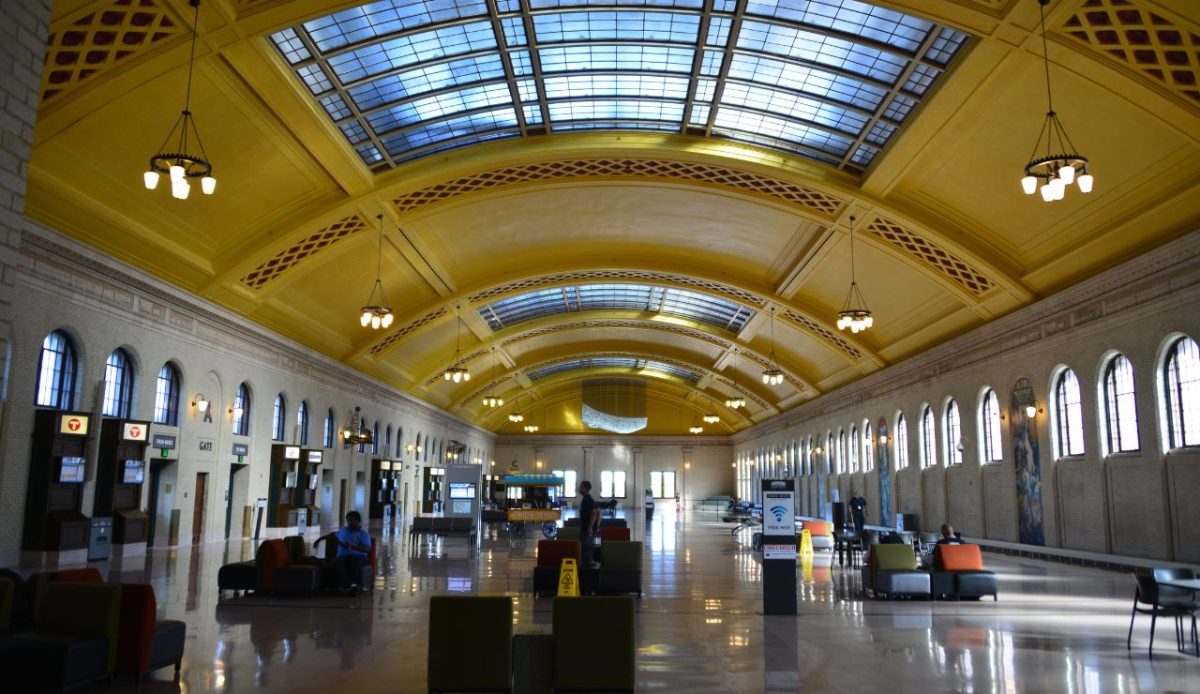
Union Depot in St. Paul opened in 1926 as a shared terminal serving multiple railroads across the Upper Midwest. Designed for heavy passenger traffic, it functioned as a central gateway for regional and long-distance travel during the peak years of rail use.
Passenger rail service declined after the mid-twentieth century as routes were reduced and schedules cut. Fewer trains passed through the depot, lowering ridership and making the large facility costly to operate.
When passenger service ended, the depot stood unused for years. Its abandonment reflects how service cuts often led to the closure of even strategically located rail stations.
8. Alameda Terminal
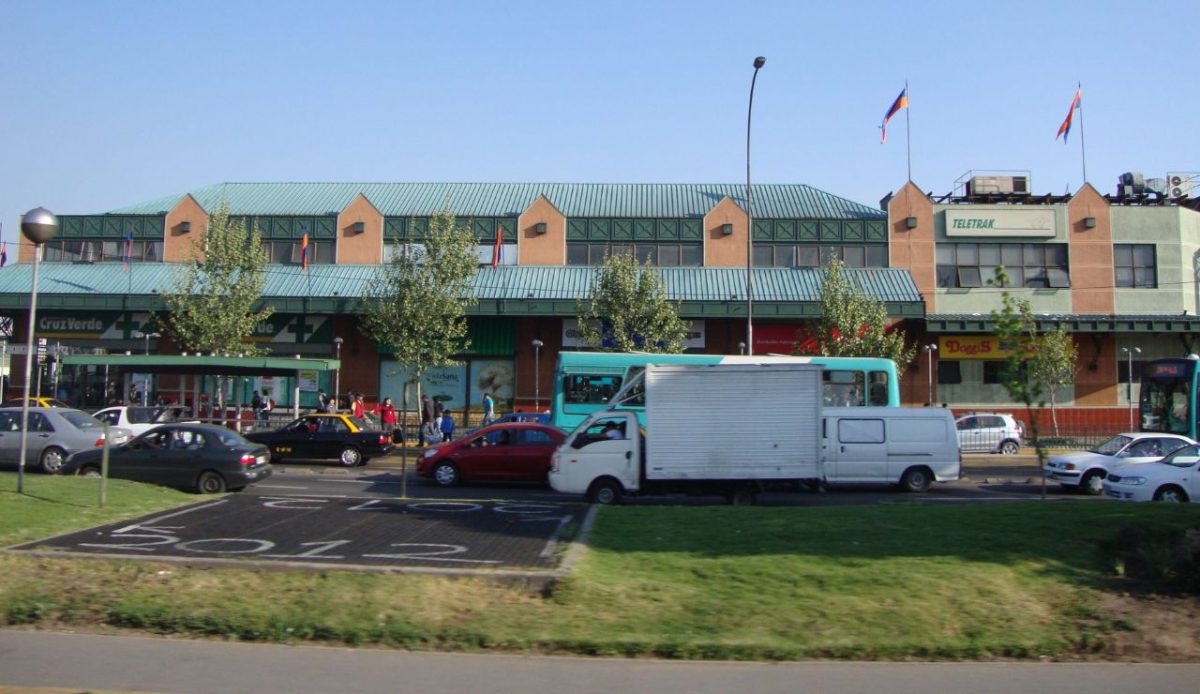
Alameda Terminal once connected ferry passengers with rail services across the San Francisco Bay Area. In the early years of transcontinental rail travel, it functioned as a key transfer point between water routes and inland rail lines. The terminal supported both passenger movement and regional commerce.
Over time, rail services at the terminal were reduced as transportation infrastructure changed. Bridges and highways shifted travel away from ferry and rail combinations, decreasing the terminal’s role within the region’s transportation system.
After the remaining rail services were discontinued, the depot was abandoned. Its closure reflects how evolving infrastructure priorities left once-essential rail facilities without ongoing use.
9. Kansas City Union Depot
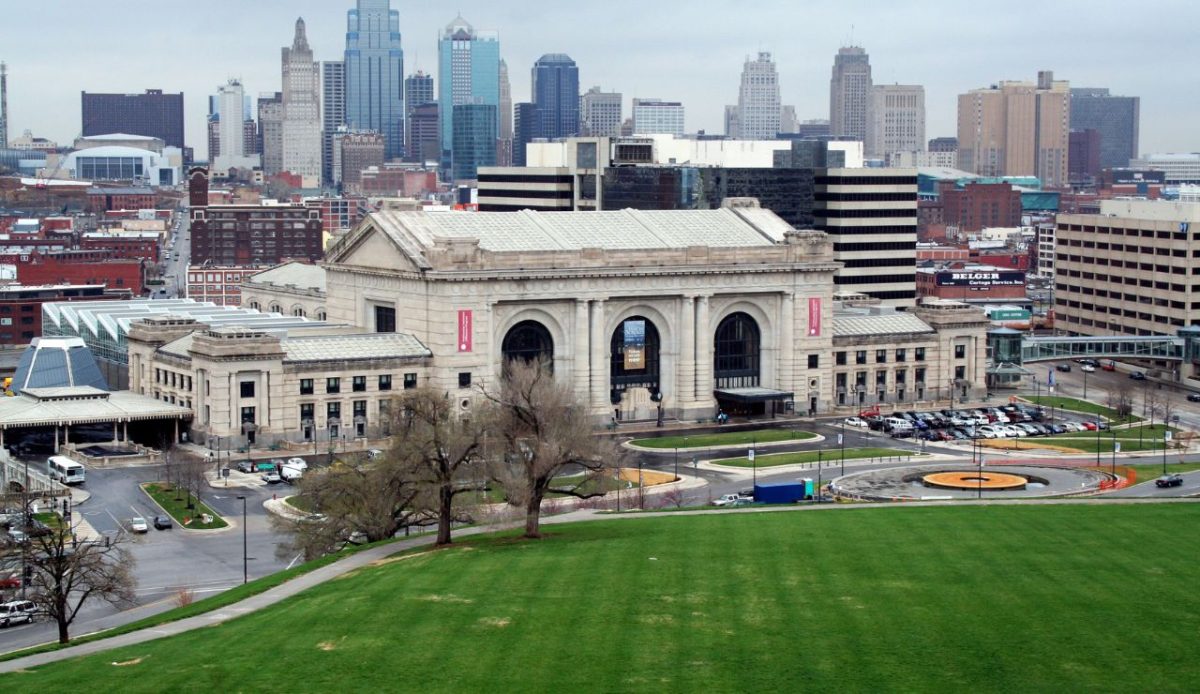
Kansas City Union Depot opened in 1914 as a major rail hub serving the Midwest. Designed to accommodate multiple rail lines, it featured a large concourse and numerous platforms that supported national passenger travel. For decades, the station handled steady passenger traffic.
After World War II, passenger rail service declined as routes were cut or consolidated. Airlines and highways reduced reliance on trains, lowering ridership and train frequency. With fewer stops, the depot’s operational importance steadily decreased.
When passenger rail service ended, the station was abandoned. Its history shows how service reductions affected even large, centrally located rail terminals.
10. New Haven Union Station
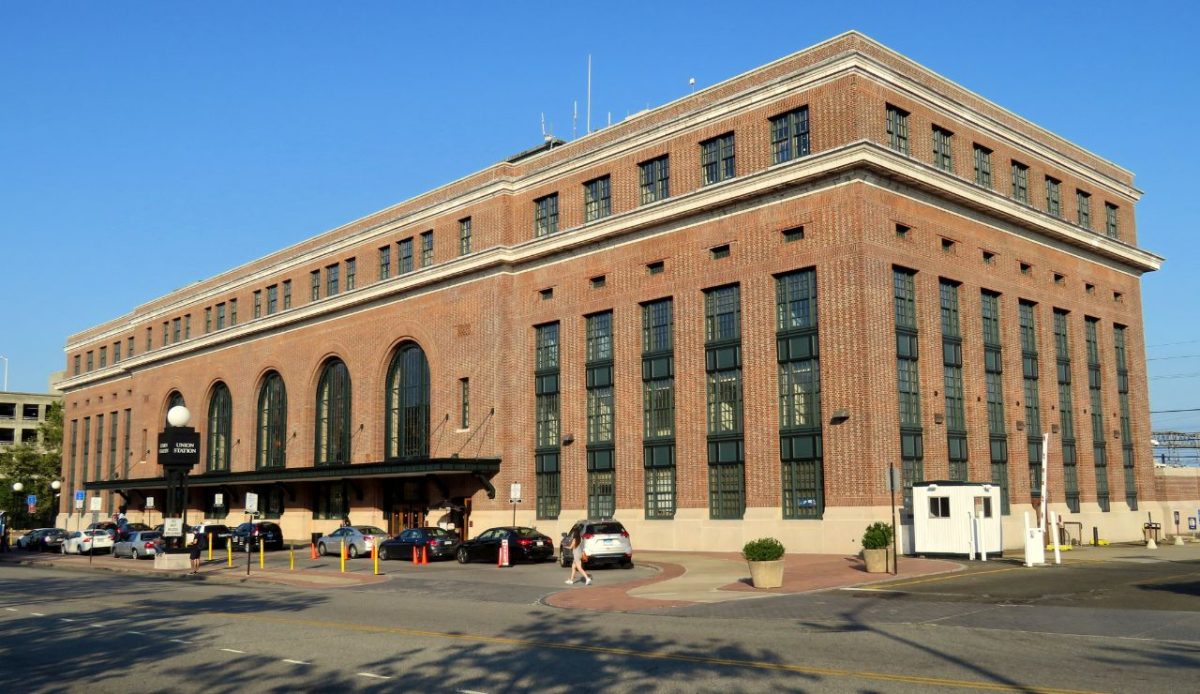
New Haven Union Station once served as a key junction for rail lines across southern New England. Built for high passenger volumes, it supported commuter travel and long-distance routes linking major cities. The station played an important role in regional rail coordination.
As rail companies modernized operations, passenger volumes declined. Routes were eliminated or shortened, reducing the need for the station’s full capacity. Activity gradually concentrated in fewer operational areas.
Over time, unused sections of the depot were closed. This partial abandonment shows how gradual service cuts can sideline historic rail infrastructure without a single defining closure.
11. Broad Street Station
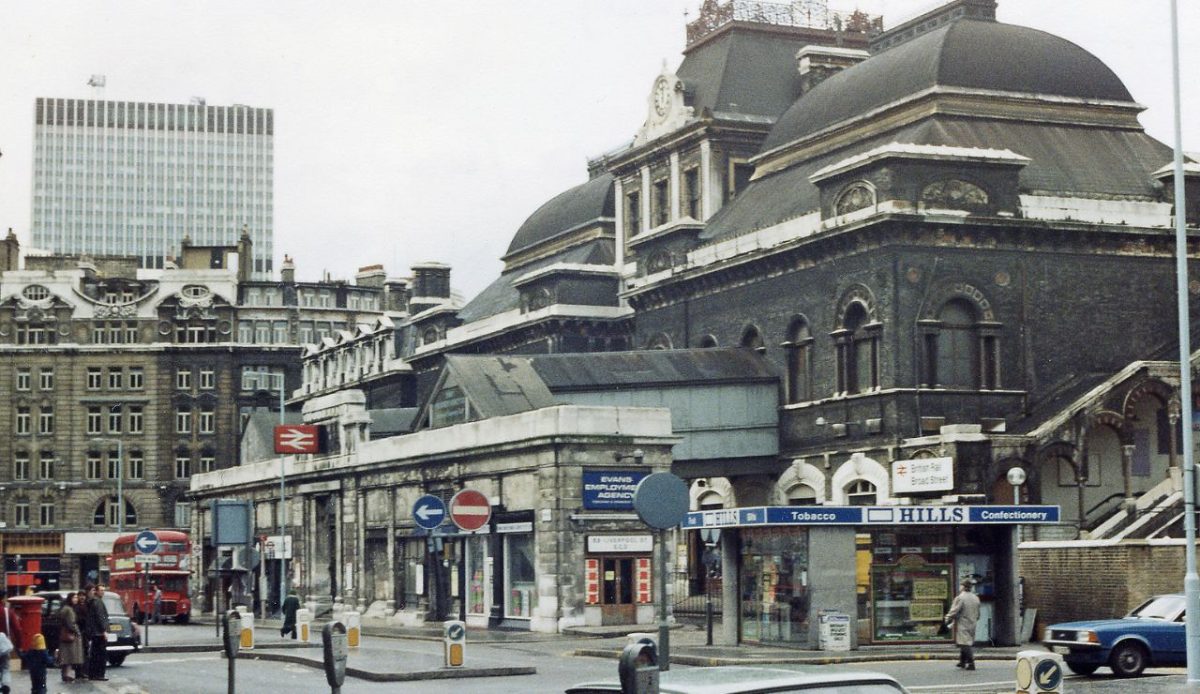
Broad Street Station was a major terminal for the Pennsylvania Railroad, serving both long-distance travelers and daily commuters. Its central location made it a focal point for rail travel within Philadelphia and a key gateway for passengers entering the city. The station reflected the scale of rail demand at the time.
As rail traffic declined in the mid-twentieth century, services were reduced, and routes were eliminated. The station’s layout became less compatible with modern rail operations, and declining ridership diminished its strategic importance within the network.
After passenger service ended, the depot was abandoned. Its closure highlights how service reductions reshaped urban transportation centers once built around rail travel.
12. La Grande Station
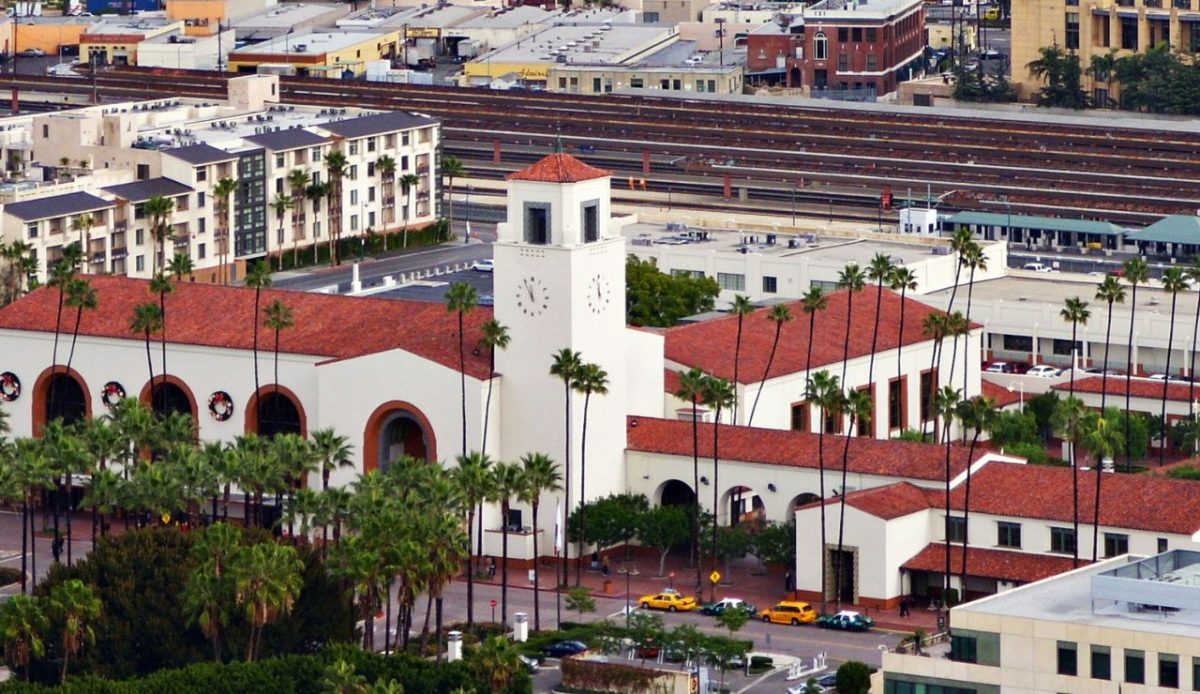
La Grande Station served Los Angeles during a period of rapid population growth, linking the city to regional rail networks. It supported both passenger and freight operations and functioned as an important access point during the early development of Southern California’s rail system.
As automobile use expanded and air travel became more common, passenger rail services declined across the region. Routes serving the station were reduced, and remaining services struggled with rising operating costs and lower demand.
After service cuts eliminated its rail role, the depot was abandoned. Its fate reflects broader shifts toward car-oriented transportation that left many historic rail stations without continued use.
