
While most travelers chase comfort, millions of people live in places where nature tests human endurance every single day. From icy tundras and scorching deserts to high-altitude villages gasping for oxygen, these regions remind us of humanity’s resilience. Life here demands courage, adaptability, and deep respect for the environment. Despite their challenges, these harsh corners of the world reveal the extraordinary strength of those who call them home.
1. Oymyakon, Russia
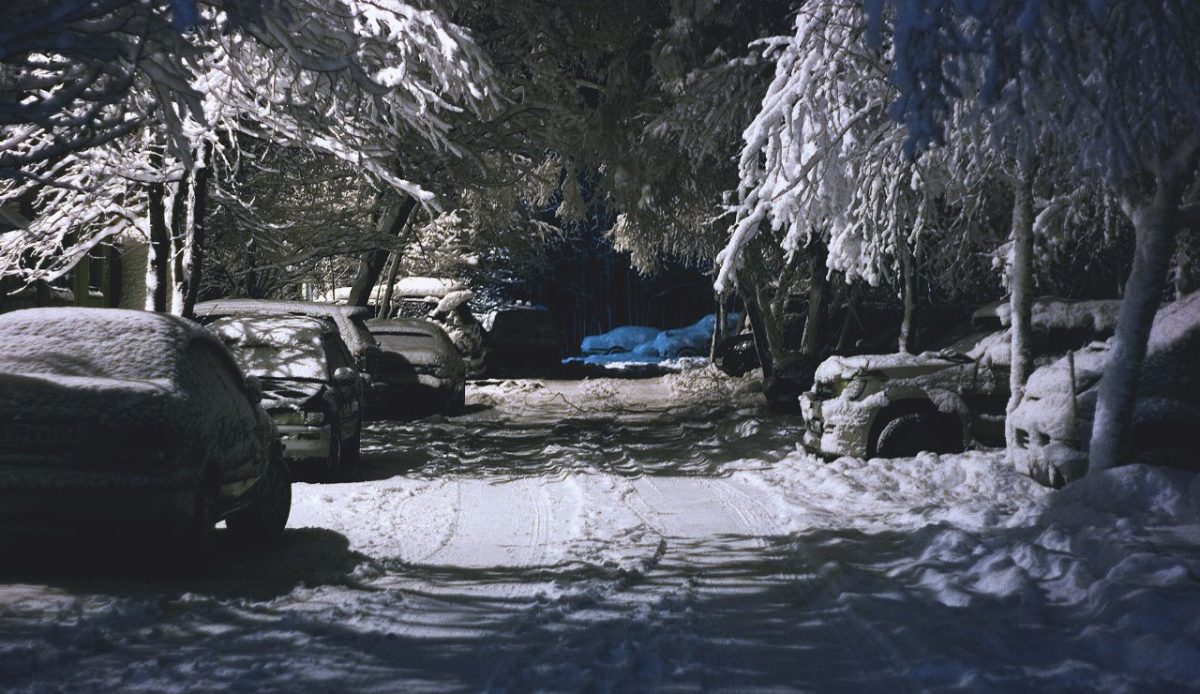
Known as the coldest inhabited place on Earth, Oymyakon endures winter temperatures plunging below –50°C. Located deep in Siberia, this remote village faces months of darkness, frozen ground, and deadly cold that even freezes car engines solid. Locals rely on reindeer meat, ice fishing, and sheer grit to survive. Despite the brutal climate, Oymyakon remains a testament to human endurance and the remarkable ability to find warmth and community in the world’s coldest extremes.
2. Death Valley, USA
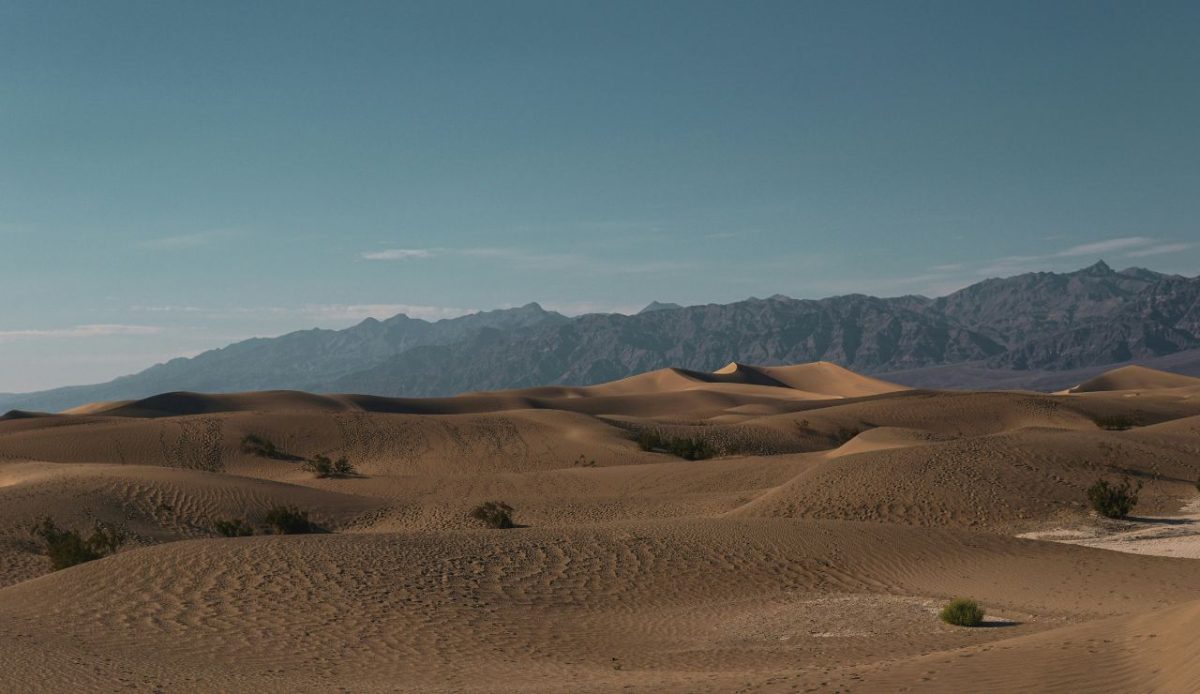
Death Valley’s name isn’t an exaggeration; this California desert holds the record for the planet’s hottest temperature, reaching a staggering 134°F (56.7°C). Summer heat is relentless, roads melt, and dehydration becomes a constant danger. Yet, people still live here, drawn by its surreal beauty and mineral-rich terrain. Park rangers, artists, and locals adapt with nighttime routines and ingenious cooling systems, proving that life can exist even in America’s most unforgiving landscape.
3. La Rinconada, Peru
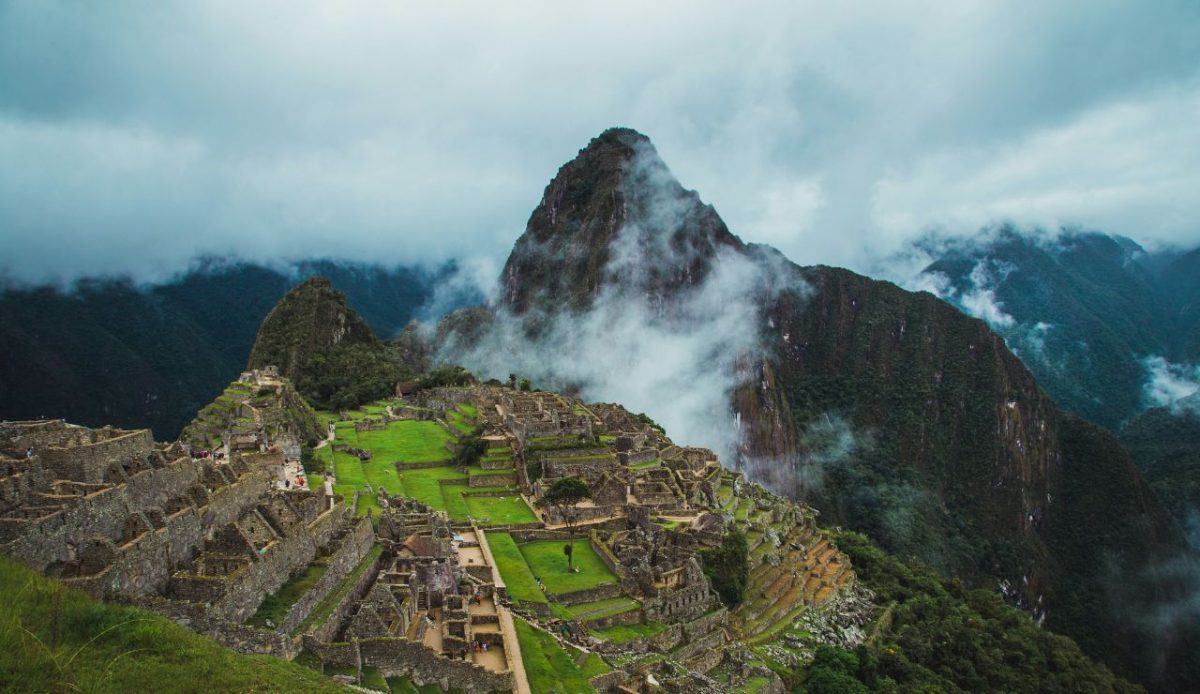
At more than 16,000 feet above sea level, La Rinconada is the highest permanent settlement on Earth, a city literally above the clouds. Oxygen is scarce, temperatures rarely rise above freezing, and unpaved streets turn to icy sludge underfoot. Life revolves around gold mining in perilous, mercury-laced tunnels where safety gear is minimal. Despite the dangers, thousands call it home, driven by hope and necessity. Survival here depends on endurance, community, and the dream of prosperity carved from the unforgiving Andes.
4. The Danakil Depression, Ethiopia
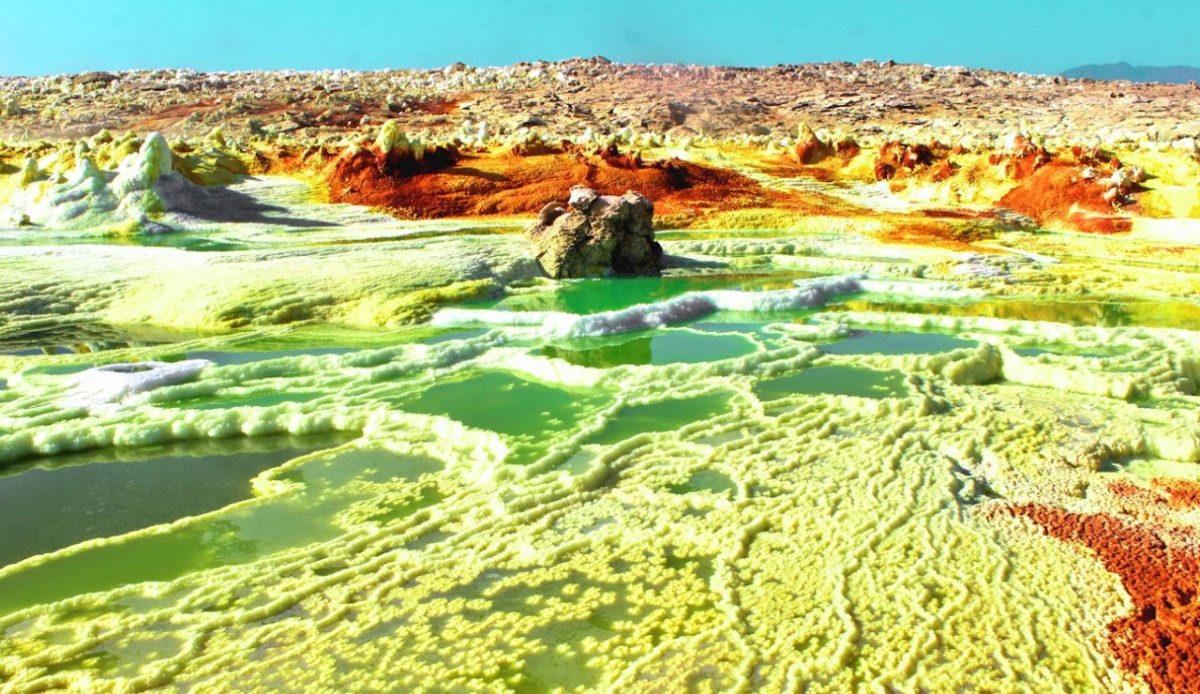
Dubbed the “Gateway to Hell,” the Danakil Depression reaches temperatures above 120°F (49°C) and lies hundreds of feet below sea level. Sulfuric springs bubble, volcanic craters fume, and the air burns with minerals. Yet, the Afar people have adapted, mining salt and herding camels across this surreal, alien terrain. It’s one of the most inhospitable places on Earth, and one of the most fascinating, where life thrives in defiance of the impossible.
5. Mount Everest Base Camp, Nepal
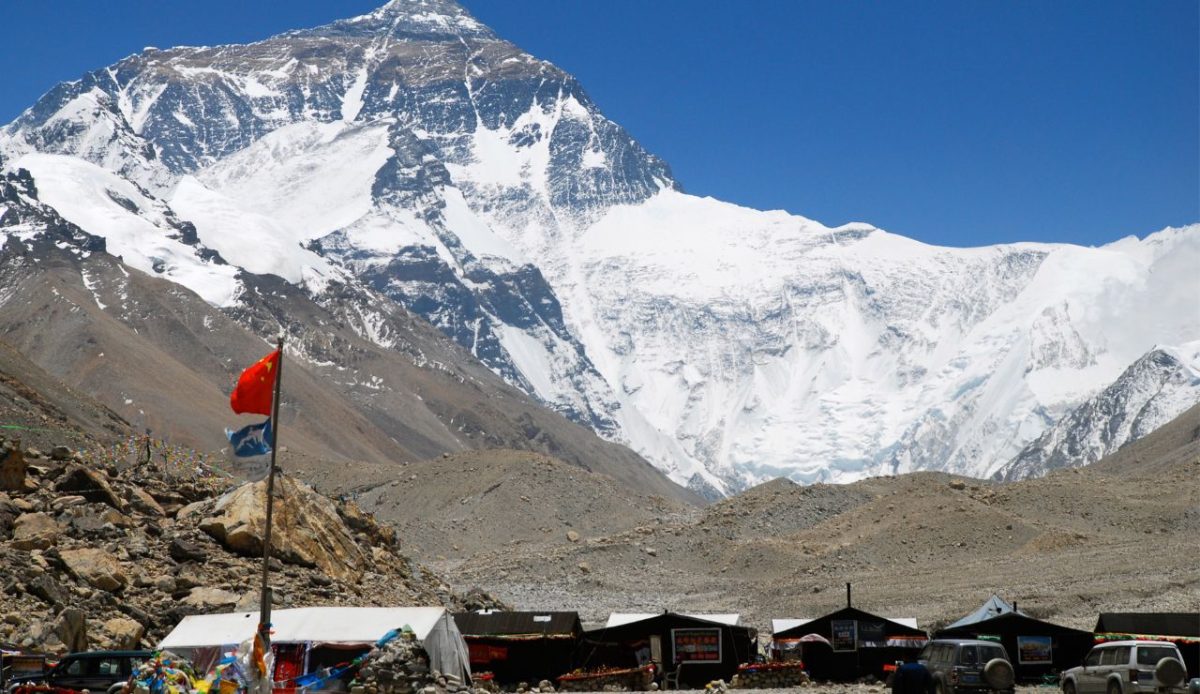
At 17,600 feet, life at Everest Base Camp means battling altitude sickness, freezing winds, and limited oxygen. Sherpas and climbers endure months in thin air, where even boiling water takes longer. Supplies arrive by yaks or helicopter, and temperatures plummet well below freezing at night. Despite the struggle, the camp represents perseverance and community, a temporary home for those chasing the world’s highest summit and testing human limits against nature’s harshest backdrop.
6. Wadi Halfa, Sudan
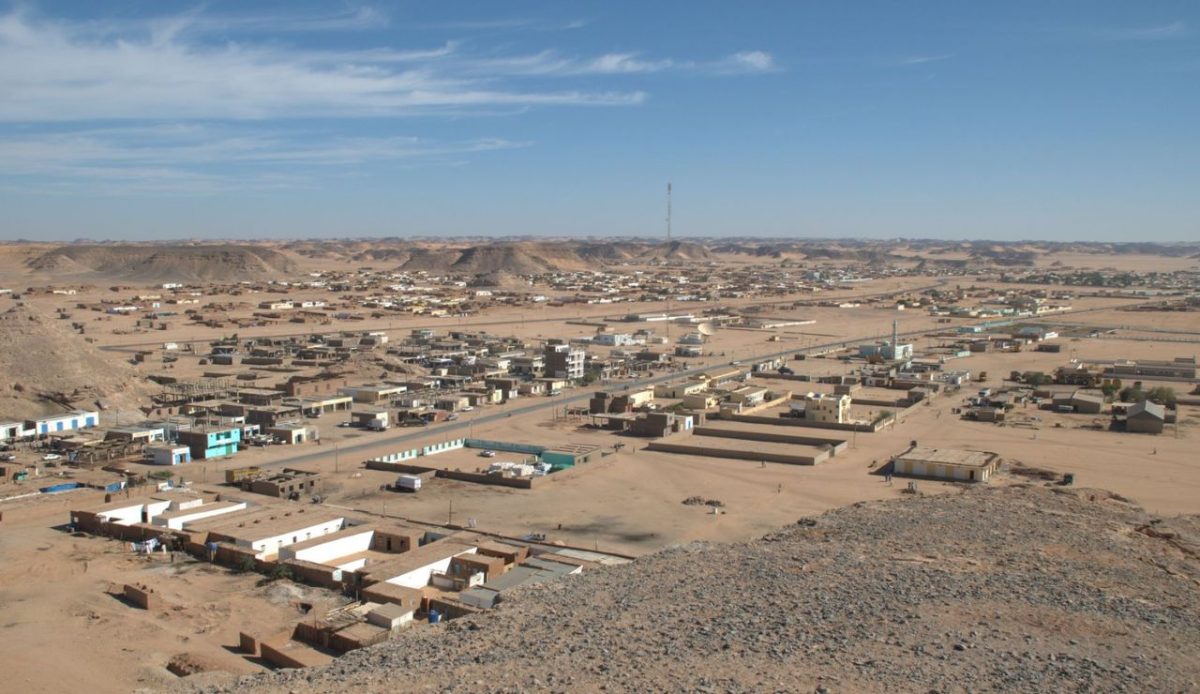
On the edge of the Nubian Desert, Wadi Halfa regularly experiences temperatures over 120°F (49°C) and receives almost no rainfall year-round. The environment is stark, sandy, and punishing, with dust storms often sweeping across the region. Locals depend on the Nile River for water, crops, and transport, creating a delicate balance between survival and scarcity. Despite these extremes, Wadi Halfa endures, a symbol of adaptation and endurance along one of Earth’s hottest frontiers.
7. Tristan da Cunha, South Atlantic Ocean
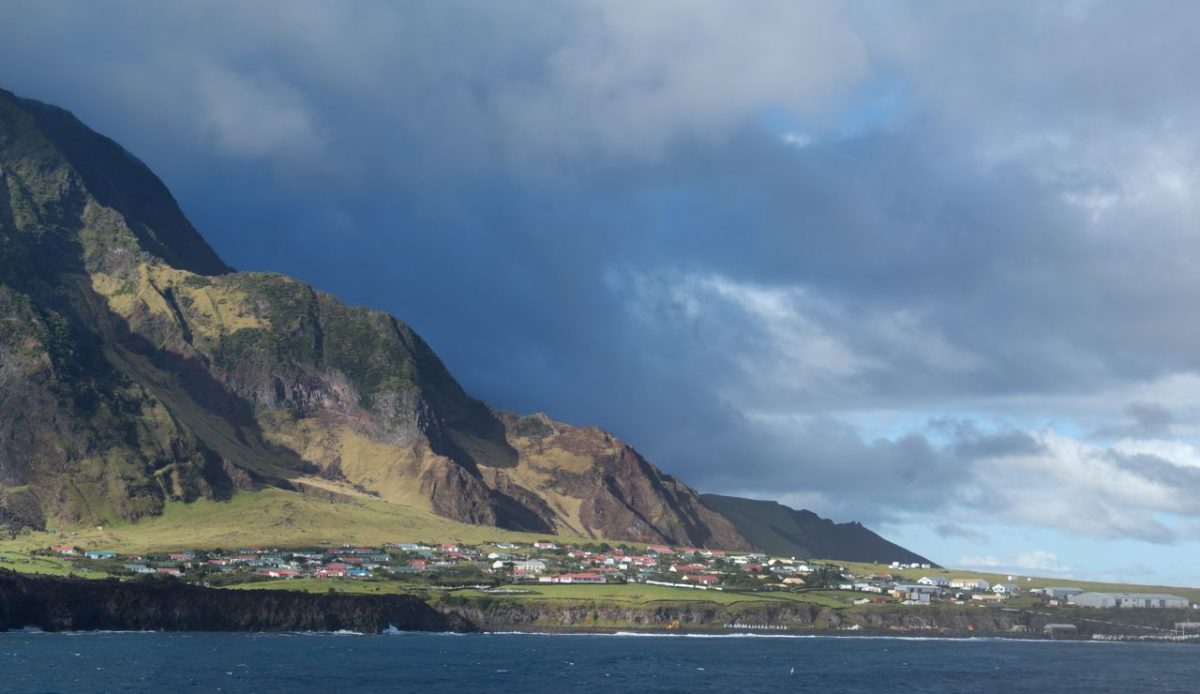
The world’s most remote inhabited island, Tristan da Cunha, sits over 1,500 miles from the nearest continent. Surrounded by stormy seas, it’s accessible only by a week-long boat journey. Supplies are limited, and isolation shapes every aspect of life. Residents rely on farming, fishing, and community cooperation to thrive. Power outages and bad weather are routine, yet life here remains deeply connected to nature and self-sufficiency, a triumph of isolation and resilience.
8. Ulaanbaatar, Mongolia
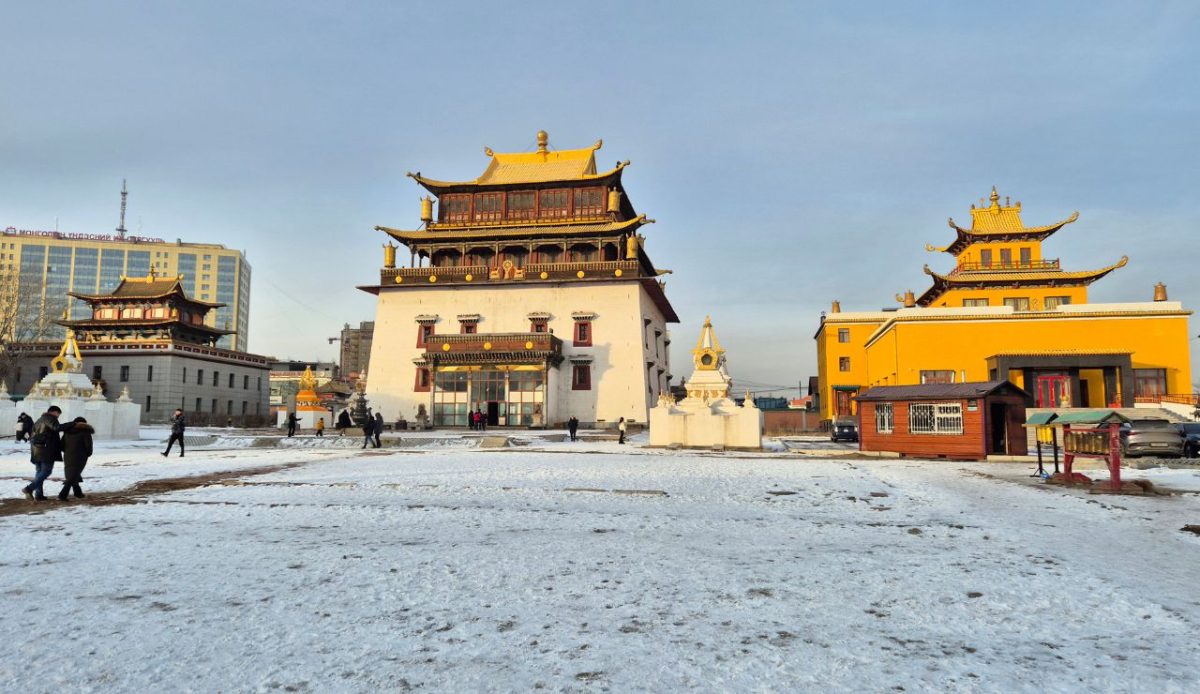
Ulaanbaatar is the world’s coldest capital city, where winter temperatures often drop below –30°C. Pollution worsens the chill, as coal-burning stoves fill the air with smoke. Despite these conditions, the city pulses with cultural pride and nomadic roots. Residents endure long, dark winters in gers (yurts), relying on family bonds and traditional food to survive. Life here is harsh but full of spirit, proof that warmth can come from culture as much as climate.
9. The Atacama Desert, Chile
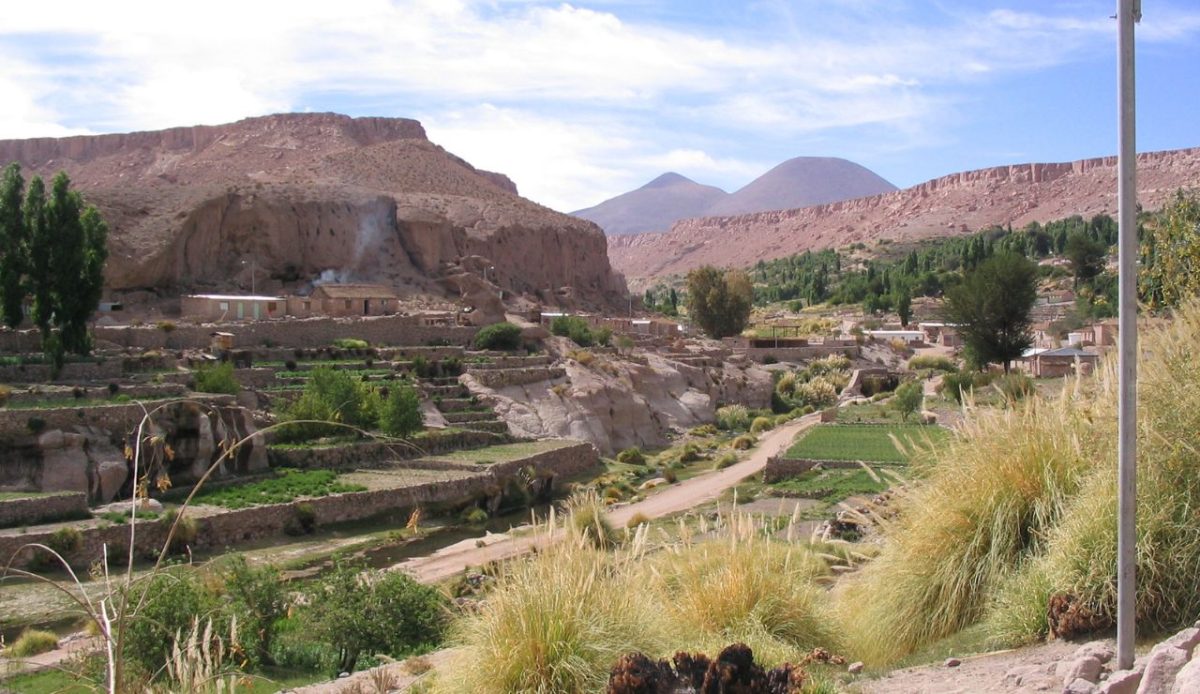
The Atacama Desert is the driest place on Earth, with some regions not seeing rainfall for decades. Its sun-bleached soil and thin air make farming nearly impossible. Yet, small communities persist, relying on fog nets to capture water from mist and mining for copper and lithium. Despite its harshness, the Atacama’s otherworldly landscapes inspire scientists and adventurers alike, and even NASA tests Mars rovers here, proving its uncanny resemblance to the red planet.
10. Barrow (Utqiaġvik), Alaska
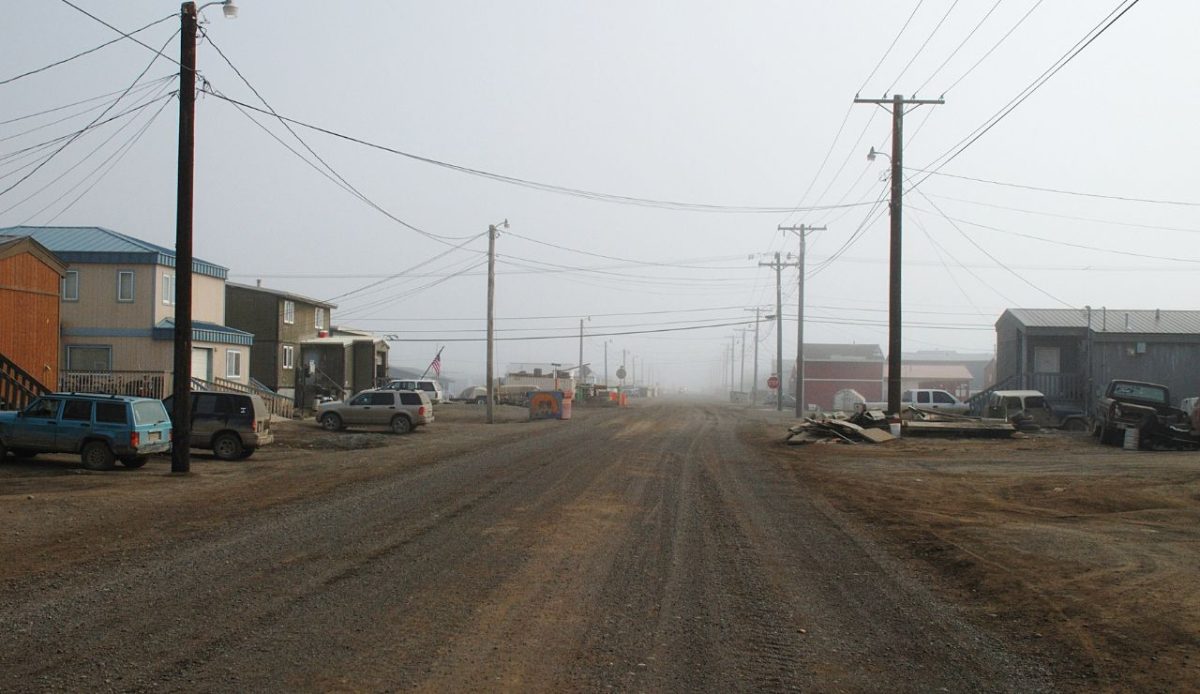
Perched above the Arctic Circle, Barrow experiences 67 days of total darkness each winter. Temperatures plunge below –40°F, and strong winds turn snow into blinding sheets. Daily life depends on oil, hunting, and tight-knit community support. Isolation and limited sunlight challenge mental and physical health, yet residents embrace tradition and resilience. The tundra may seem uninhabitable, but for those who call it home, Barrow’s endurance defines true northern strength.
11. Dasht-e Lut, Iran
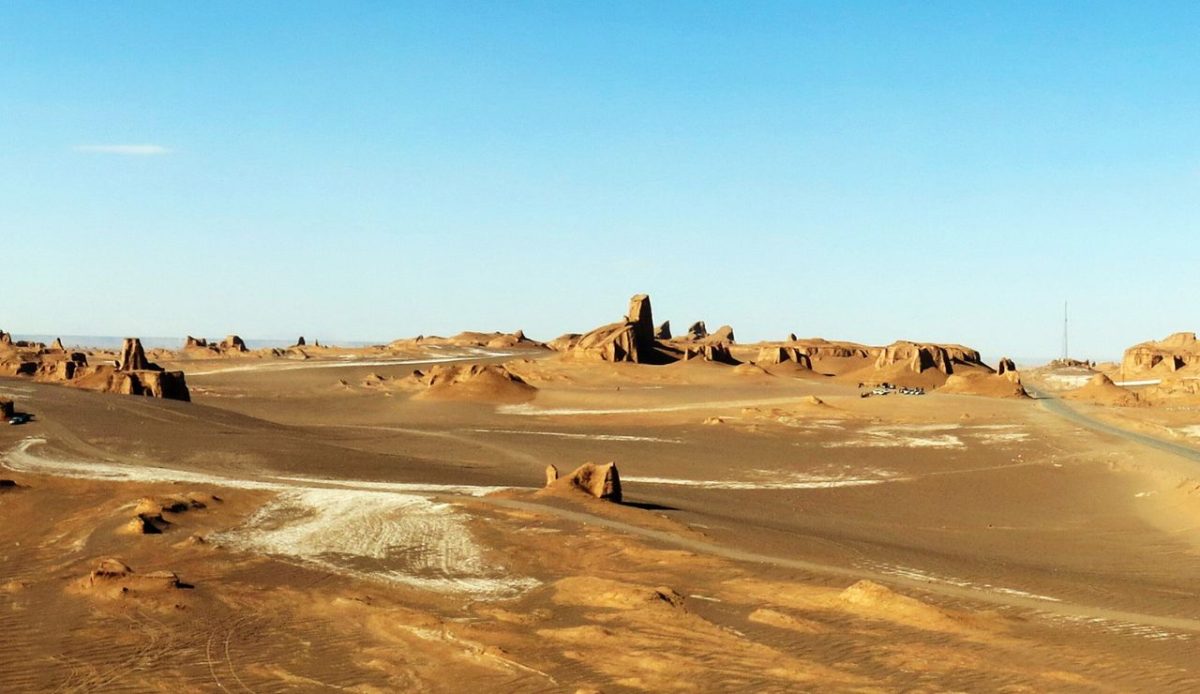
The Dasht-e Lut, or “Empty Desert,” is one of the hottest places on Earth. Satellite readings have recorded surface temperatures exceeding 160°F (71°C). No vegetation survives here, and the landscape is sculpted by wind and salt. Few venture into its depths, yet local nomads skirt its edges, mastering survival where water is nearly non-existent. Harsh and hauntingly beautiful, this desert proves the extremes of nature and humanity’s will to adapt.
12. Norilsk, Russia
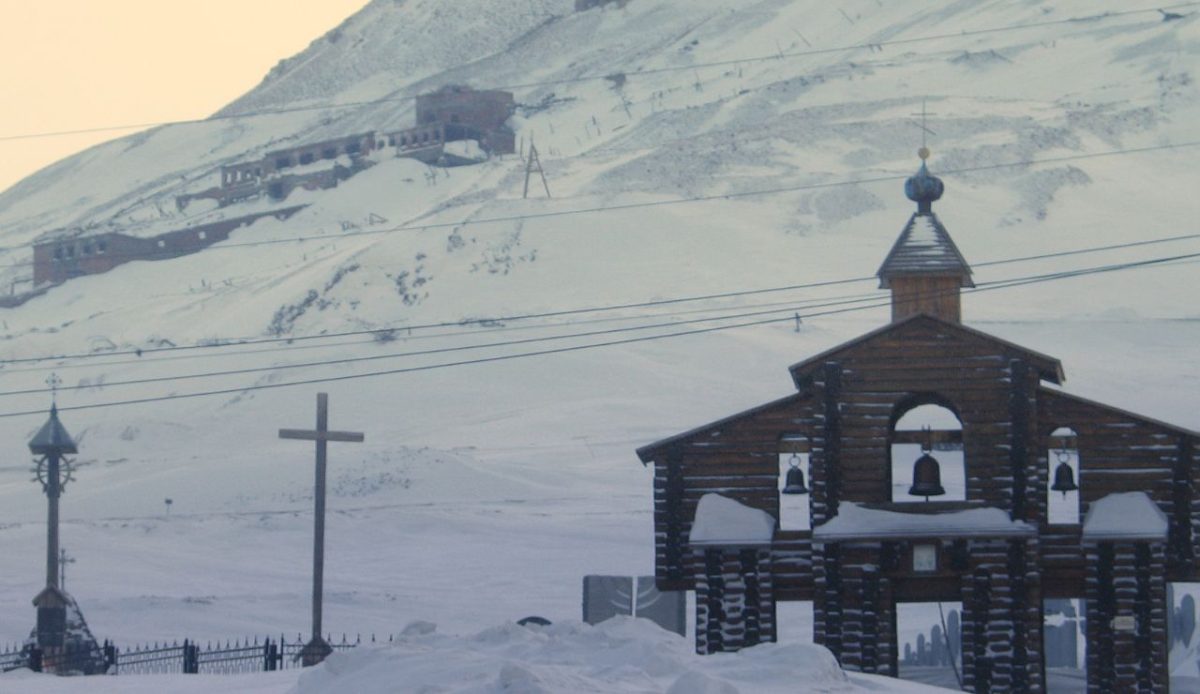
Located above the Arctic Circle, Norilsk is one of the world’s most polluted and isolated cities. Sub-zero winters last nine months, with polar nights that cloak the city in darkness. Built as a Soviet industrial hub, it endures extreme cold, toxic air, and limited accessibility. Yet, residents carry on with resilience, raising families, celebrating culture, and enduring the unforgiving Arctic climate. Life in Norilsk is tough, but it reflects human perseverance at its strongest.
