
Europe is a dream destination, with numerous countries offering a rich tapestry of culture, history, and cuisine. But traveling across borders can feel overwhelming if you’re not prepared. From packing and transport to etiquette and planning, small missteps can quickly complicate a trip. The good news is, with the right mindset and preparation, you can avoid common pitfalls. These 12 dos and don’ts, drawn from seasoned traveler insights, will help you navigate Europe with less stress and more memorable experiences.
1. Do Embrace Public Transportation
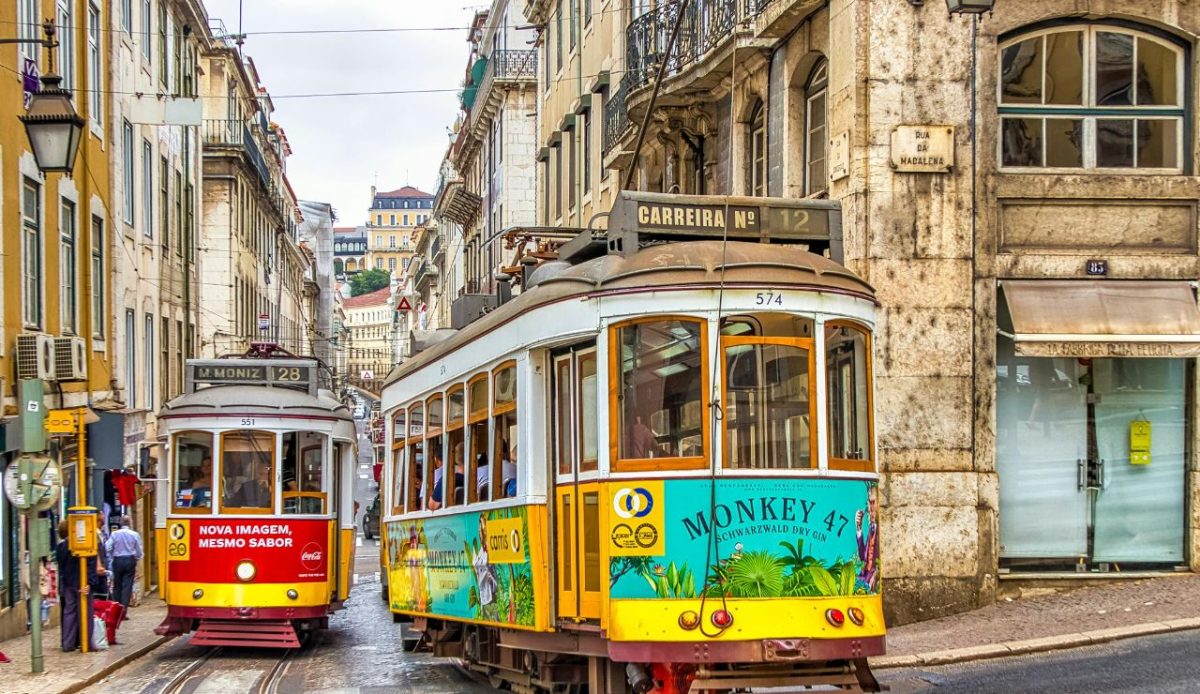
One of the easiest ways to explore Europe is through its efficient public transport systems. Trains, metros, and trams connect major cities and even small towns affordably, often faster than renting a car. Parking, tolls, and narrow streets can be difficult for drivers unfamiliar with the region. Instead, invest in rail passes or local transit cards, which save money and simplify movement. By traveling like locals do, you’ll experience everyday life while making your journey smoother and more sustainable.
2. Don’t Overpack Your Luggage

Dragging oversized suitcases along cobblestone streets, into compact hotel elevators, or through busy train stations quickly becomes exhausting. European travel is easier with a carry-on and backpack that allow for greater flexibility. Stick to versatile clothing that mixes and matches, and consider laundry along the way instead of packing for every day. Lighter bags save money on budget airlines, reduce stress when moving between cities, and give you more freedom to enjoy your trip without unnecessary strain.
3. Learn Basic Local Phrases

Although English is widely understood across Europe, learning a few key phrases in the local language shows respect and often leads to warmer interactions. Words like “hello,” “thank you,” and “excuse me” help bridge cultural gaps and make navigating shops, restaurants, or transport much easier. Locals appreciate the effort, even if your pronunciation isn’t perfect. Apps and phrasebooks are handy, but practicing essentials before you arrive ensures smoother communication and adds authenticity to your travel experience.
4. Don’t Ignore Cultural Etiquette

Every European country has its own etiquette, and ignoring it can lead to awkward encounters. Tipping norms vary, generous in one place, unnecessary in another. Dining customs, greetings, and even punctuality differ from culture to culture. For instance, in Spain dinner starts late, while in Switzerland being on time is essential. A little research goes a long way toward avoiding mistakes. Respecting local practices not only prevents offense but also makes you feel more connected and welcome.
5. Do Book Attractions in Advance

Some of Europe’s most popular landmarks, from the Eiffel Tower to the Colosseum, sell out weeks in advance. Booking tickets early secures your spot and often saves hours of waiting in line. Many sites also offer timed entry passes that streamline the experience, ensuring you spend more time exploring and less time standing around. The same applies to intercity trains and flights, where early reservations often result in better pricing. Planning leads to smoother adventures.
6. Don’t Stick Only to Tourist Hotspots
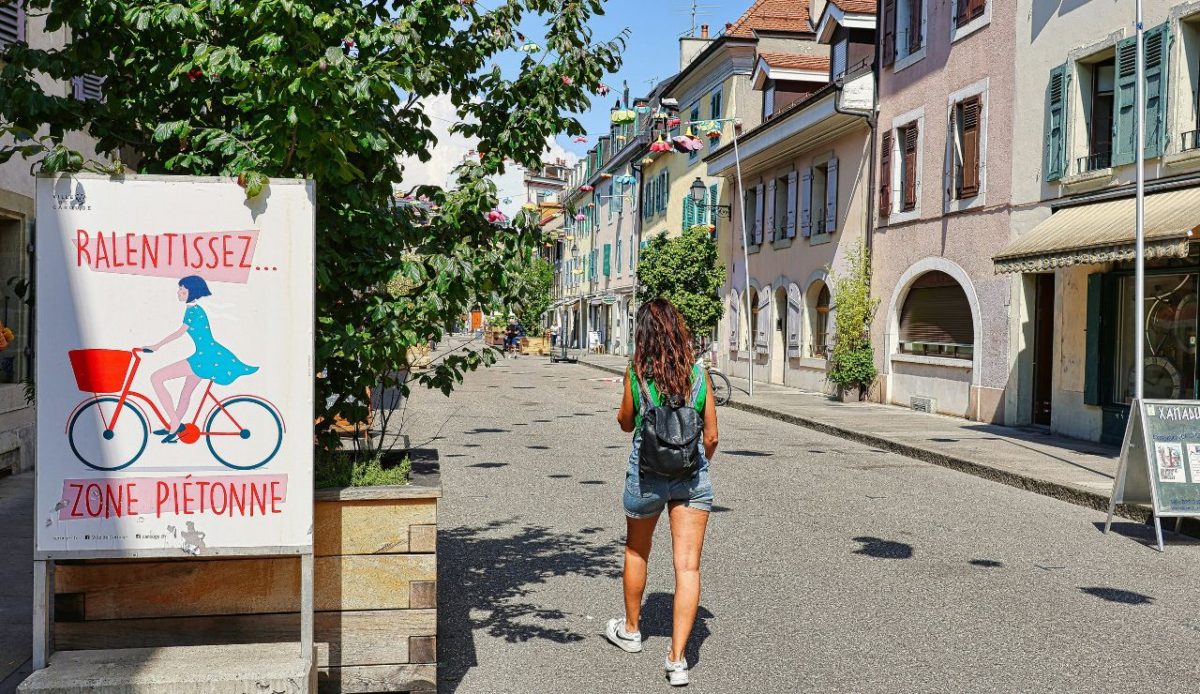
It’s tempting to plan your itinerary around the world’s most famous sights, but Europe’s charm often lies in its hidden corners. Beyond crowded plazas and landmarks, smaller towns, local markets, and neighborhood cafés showcase the continent’s authenticity. Venturing off the beaten path often means fewer crowds, lower prices, and a chance to connect with locals. A blend of iconic highlights and under-the-radar experiences ensures your trip feels unique, memorable, and more than just a checklist of attractions.
7. Do Keep Cash on Hand
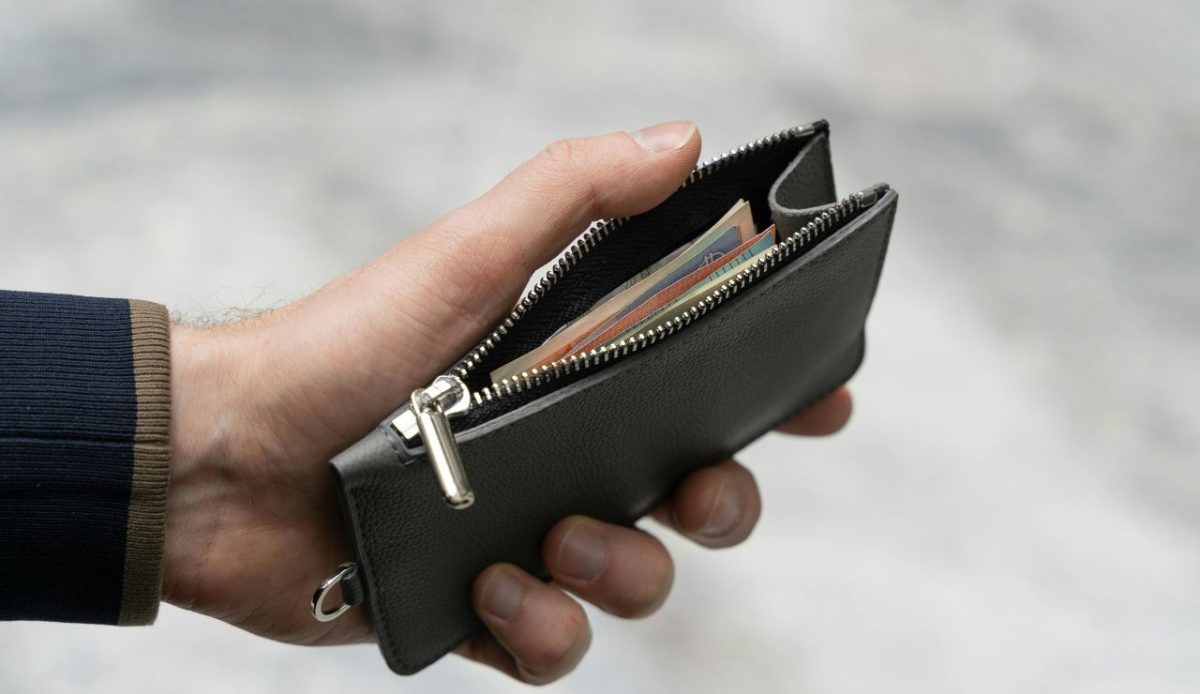
While credit cards are widely accepted across much of Europe, not every café, market, or small shop has embraced digital payments. Even public restrooms and buses may require coins. ATMs are easy to find, but avoid exchanging currency at airports, where fees are steep. Carrying a modest amount of local currency prevents awkward situations and saves time. Having cash ensures smoother experiences, whether buying fresh produce at a market or tipping a street musician after a performance.
8. Don’t Underestimate Travel Times

On a map, European cities may look close together, but travel often takes longer than expected. A train journey that seems short can stretch with delays, connections, or border checks. Flights between countries also require time for airport transfers and security. Packing too much into one itinerary often leads to stress and missed opportunities. Budgeting extra time allows for flexibility, spontaneous detours, and a more relaxed pace. Slow travel often creates the most rewarding experiences abroad.
9. Do Stay Connected Wisely

Staying online while abroad makes navigating, translating, and booking far easier. Instead of relying on costly roaming fees, consider a European SIM card or eSIM for affordable data. Public Wi-Fi is common but often unreliable or insecure. With steady access to maps, train schedules, and instant bookings, you’ll avoid common frustrations. Staying connected also makes it easier to share updates with friends and family. Investing in connectivity gives peace of mind and keeps travel smooth.
10. Don’t Forget Travel Insurance

Travel insurance may seem unnecessary, but it’s a safety net that can save you thousands. From lost luggage and flight cancellations to sudden illness, unexpected issues happen more often than travelers expect. While European healthcare is excellent, it can be costly for visitors without coverage. Insurance ensures you’re protected financially and logistically in emergencies. Skipping it might save a little upfront, but if something goes wrong, you’ll be glad to have the reassurance of a backup plan.
11. Do Try Local Foods Beyond Your Comfort Zone
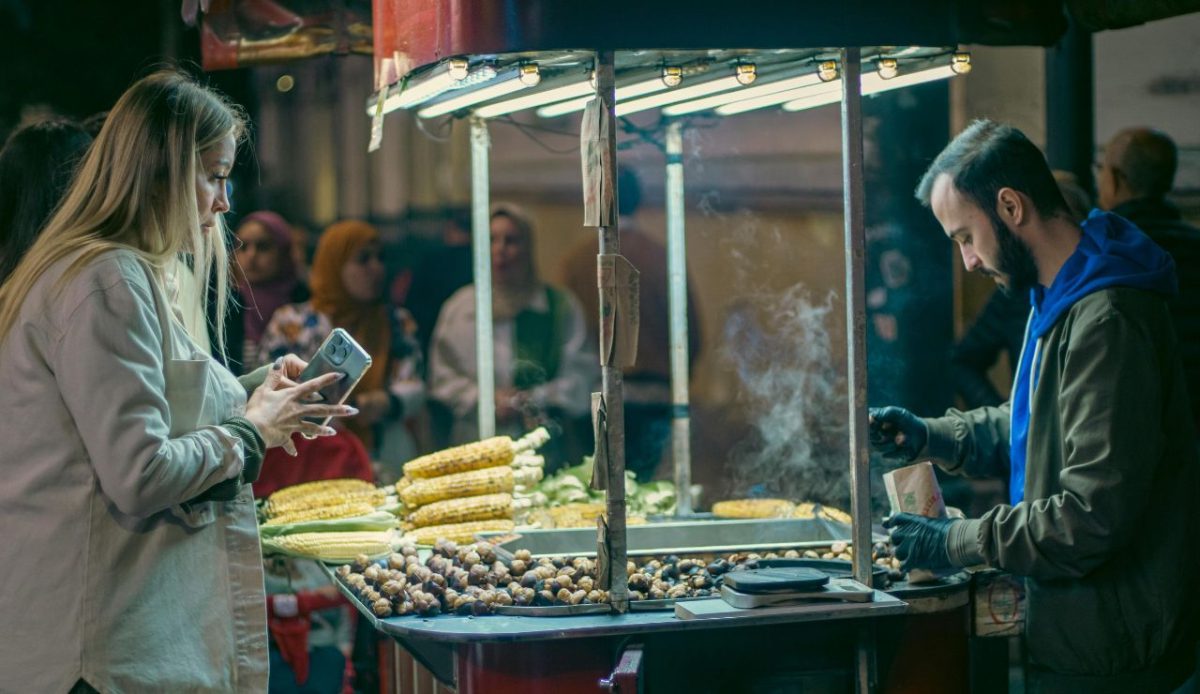
One of Europe’s greatest joys is its cuisine, which varies dramatically from country to country. Don’t stick to familiar dishes; instead, dive into specialties like Spanish tapas, Hungarian goulash, or Belgian mussels with fries. Sampling local food connects you to culture in a way no landmark can. Eating where locals dine often means fresher flavors at better prices than tourist restaurants. Adventurous eating makes your trip unforgettable, while broadening your palate and cultural appreciation along the way.
12. Don’t Overlook Off-Season Travel

Many travelers dream of summer in Europe, but peak months often bring high prices and overwhelming crowds. Visiting in spring or autumn means mild weather, fewer tourists, and better deals on accommodations. Winter also offers charm, from Christmas markets to ski trips. Data shows destinations are often more enjoyable in off-peak times, when locals outnumber visitors. While some sites may close earlier, the trade-off is a more authentic, affordable, and peaceful experience across the continent.
