
Vacation rentals can look ideal in photos, but many of the biggest problems only become obvious after check-in. Guests often focus on price, location, and style while overlooking the details that shape comfort, safety, and convenience during a stay. That gap between listing and reality is where frustration usually starts.
Some issues are small annoyances, while others can affect sleep, privacy, transportation, or even whether the property is usable for the full trip. Knowing the most common trouble spots helps travelers read listings more carefully and ask better questions before booking.
These are 11 vacation rental problems that many guests realize too late, often when changing plans is no longer easy or affordable.
1. Misleading Location Details
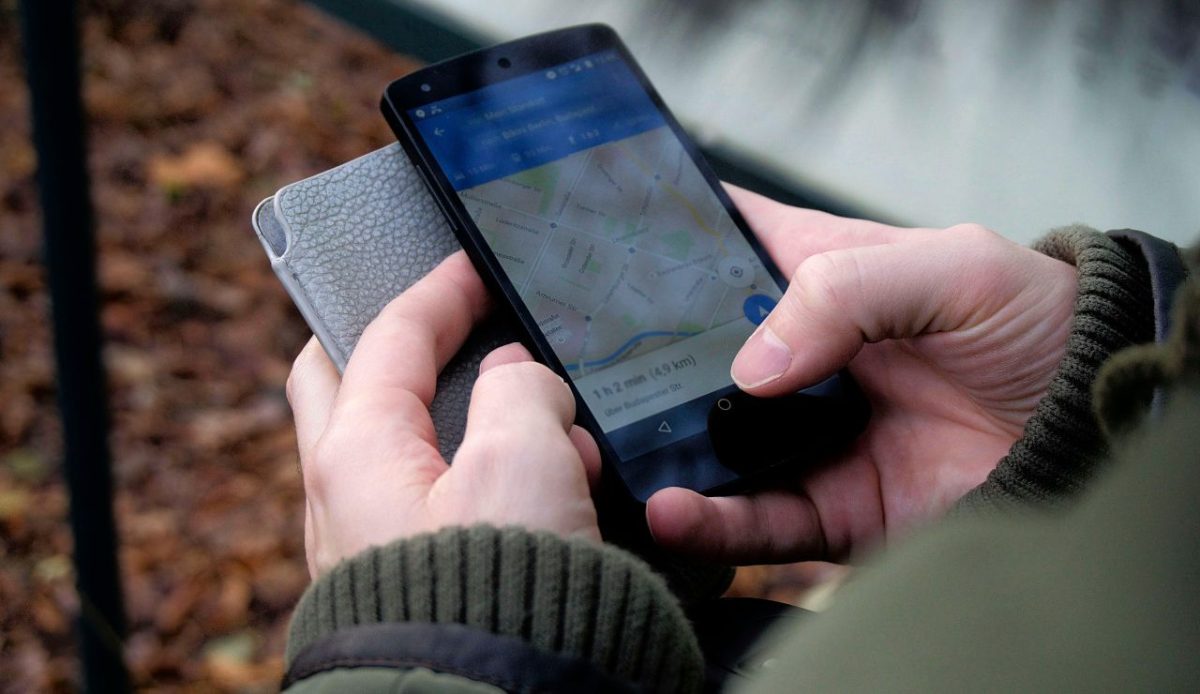
A rental may be marketed as close to the beach, downtown, or major attractions, yet the real distance can feel very different once guests arrive. “Ten minutes away” might mean by car in light traffic, not on foot, and a quiet-looking map pin can hide steep roads, isolated areas, or limited transport options.
This becomes a bigger issue when travelers build their itinerary around convenience. A family expecting easy access to restaurants or transit may end up paying extra for taxis, parking, or delivery just to make the stay workable.
Before booking, guests should compare the description with a map, nearby streets, and realistic travel times. By the time the true location feels inconvenient, the cancellation window is usually long gone.
2. Cleaning Standards That Fall Short

Photos usually show a property at its best, but they do not prove how consistently it is cleaned between stays. A rental can appear polished online and still have stained linens, dusty corners, sticky kitchen surfaces, mold in bathrooms, or old food left in appliances when guests arrive.
Poor cleaning matters for more than appearance. It can affect comfort, create health concerns, and raise immediate doubts about whether the host maintains the rest of the property with the same level of care.
Guests often discover this only after a long trip, when finding another place on short notice is expensive and stressful. Reviews that mention “generally clean” or “mostly fine” can signal standards that are uneven rather than dependable.
3. Hidden Fees Beyond the Nightly Rate
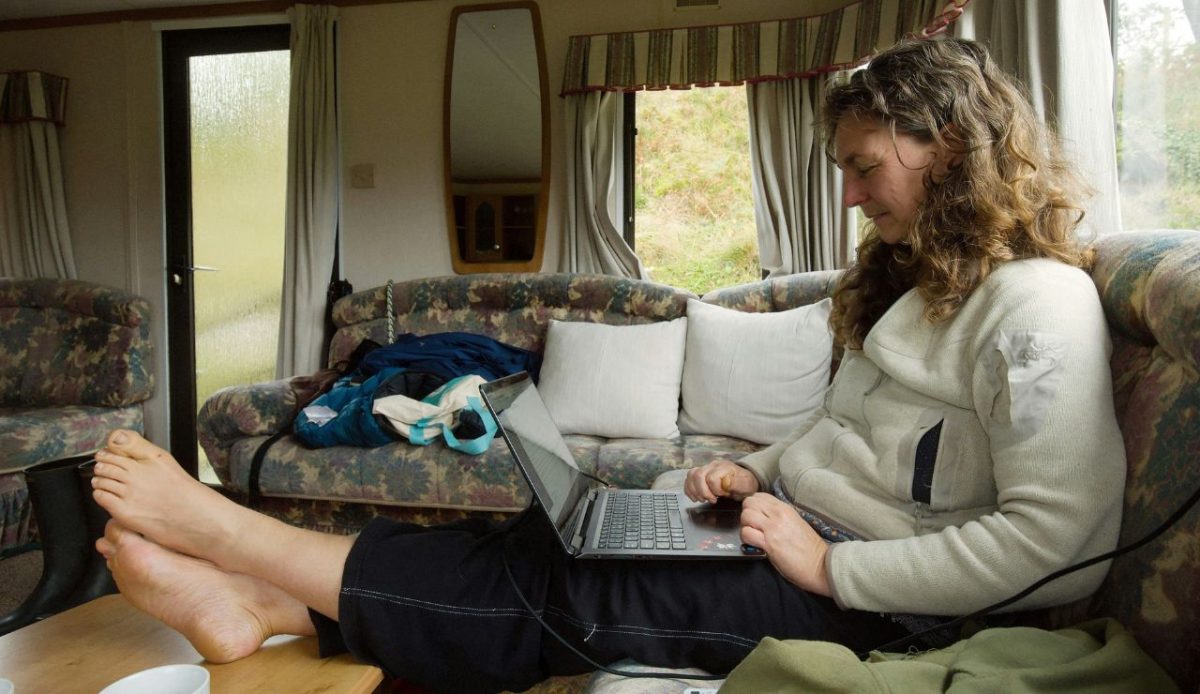
A vacation rental may seem affordable until service charges, cleaning fees, parking costs, security deposits, and checkout requirements are added. The nightly price attracts attention, but the final total is what determines whether the property still makes sense for the trip budget.
These extra costs can change how guests evaluate the stay. A short booking can become poor value when a large cleaning fee or strict damage hold is added to one or two nights, even if the base rate looked competitive at first.
Many travelers compare listings too early without reaching the full payment screen. By the time they notice the true cost, they may already have adjusted plans around a rental that no longer fits their budget or expectations.
4. Noise Problems That Weren’t Mentioned

A listing can describe a home as peaceful and relaxing while leaving out nearby noise sources. Guests may only learn after arrival that the unit faces a busy road, sits above a bar, shares thin walls with other renters, or is next to construction, nightlife, or early deliveries.
Noise problems are frustrating because they affect sleep, work calls, and the sense of escape many travelers expect from a vacation rental. Even a stylish, well-equipped property can feel exhausting if quiet hours are not realistic.
This issue is often hard to detect from photos alone. Reviews may hint at it with phrases like “lively area” or “bring earplugs.” Once guests are unpacked, there is rarely an easy fix beyond enduring it for the rest of the stay.
5. Air Conditioning or Heating That Isn’t Enough
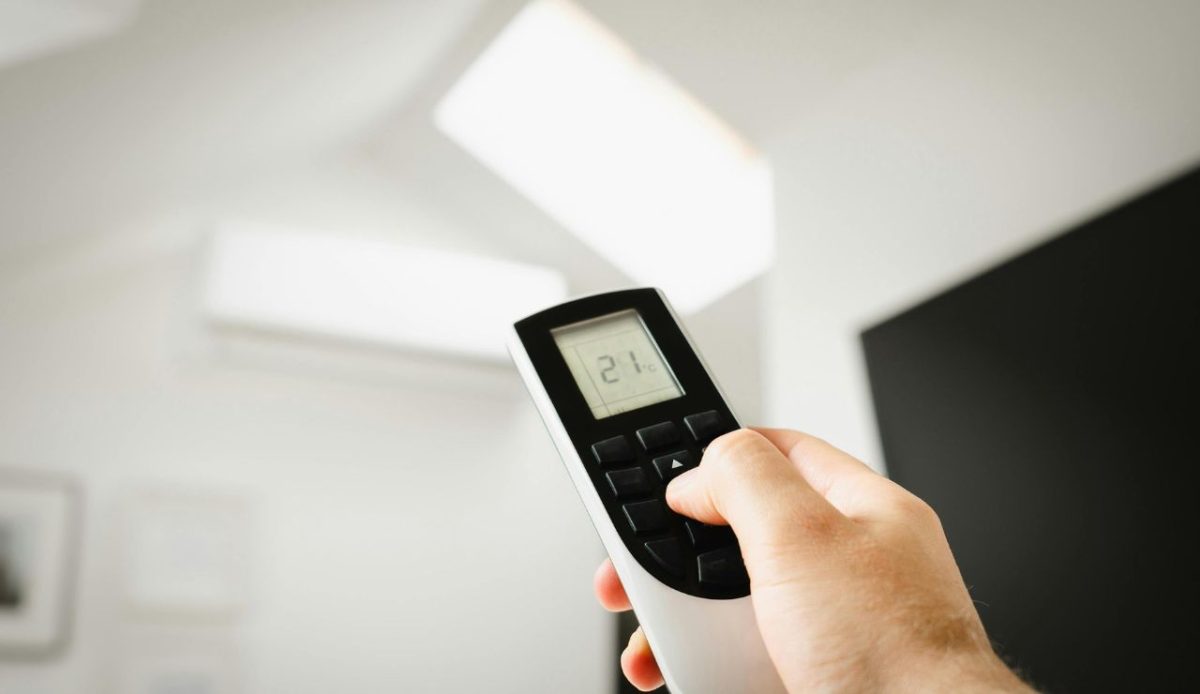
Climate control is one of the easiest details to assume and one of the most disruptive when it fails. Some rentals mention air conditioning or heating without clarifying that it only covers one room, works on a timer, struggles in extreme weather, or depends on aging equipment.
That becomes a serious comfort problem during heat waves, cold nights, or trips with children, older adults, or travelers used to stable indoor temperatures. Poor climate control can affect sleep, energy levels, and whether guests can spend time comfortably inside.
The problem often appears too late because people trust the amenity list instead of the fine print. A single fan is not the same as full cooling, and a space heater is not the same as dependable heating.
6. Limited or Unreliable Wi-Fi

Many travelers now assume that internet access is standard, whether they need it for remote work, streaming, trip planning, or keeping in touch with family. A rental may advertise Wi-Fi, but that does not guarantee fast speeds, stable coverage, or a signal that reaches every room.
Weak internet becomes a major issue when guests arrive expecting to work online, upload files, attend video calls, or manage reservations for the rest of the trip. In rural areas or large homes, the connection may be slower than the listing suggests.
Guests often discover the gap only after check-in, when a host explains that the connection is “usually fine” unless weather changes or too many devices are connected. At that point, the rental may not suit that stay.
7. Uncomfortable Beds and Poor Sleep Setup

A vacation rental can look attractive in photos while hiding one of the most important basics: whether guests will actually sleep well there. Mattresses may be worn out, sofa beds may be less usable than described, and blackout curtains, pillows, or bedroom privacy may not meet normal expectations.
Sleep problems can quickly shape the entire trip. A property with stylish decor and a good location still feels disappointing if guests wake up sore, overheated, or repeatedly disturbed by light and noise entering the room.
This issue is often discovered too late because listings rarely provide meaningful detail about mattress quality or room comfort. Reviews may say “cozy” or “compact,” but those words do not always mean restful sleep.
8. Kitchen Setups That Don’t Match the Listing
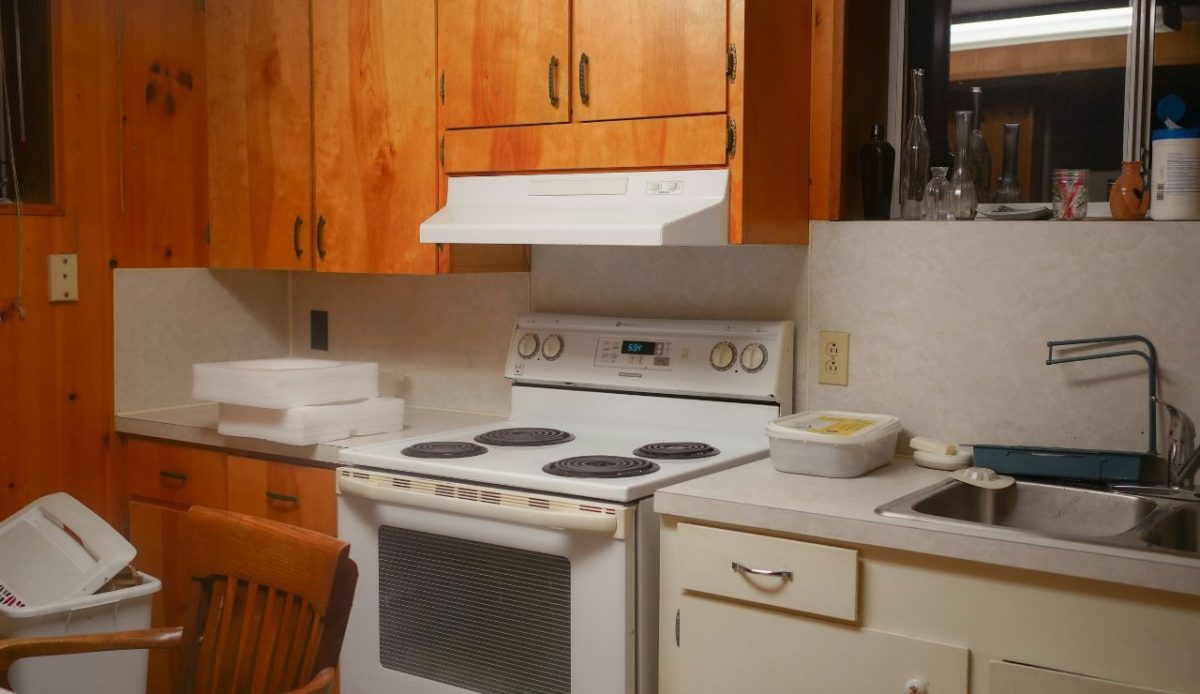
Many guests book vacation rentals specifically to cook, save money, or handle dietary needs more easily than they could in a hotel. The problem is that a “fully equipped kitchen” can mean very different things, from a practical cooking space to little more than a fridge, microwave, and a few utensils.
Missing basics such as sharp knives, pots, pans, storage containers, dish soap, or enough plates for the group can turn simple meal plans into a hassle. That often leads to extra grocery waste or unplanned restaurant spending.
Because listing photos usually focus on design rather than function, guests often notice the problem only after buying food. By then, they may be stuck in a kitchen that was never set up for actual cooking.
9. Checkout Rules That Add Stress

Some vacation rentals come with long checkout instructions that guests do not fully notice when booking. These may include taking out trash, stripping beds, starting laundry, loading the dishwasher, returning furniture, or following strict departure times.
Such rules can feel especially unreasonable when guests have already paid a substantial cleaning fee. What seemed like a simple stay can end with a checklist that adds pressure during the final morning, especially for families, groups, or travelers rushing to catch a flight.
The issue usually feels worse because it appears at the least flexible moment of the trip. Once guests are preparing to leave, there is little choice but to comply or risk extra charges or a dispute afterward.
10. Safety and Privacy Concerns
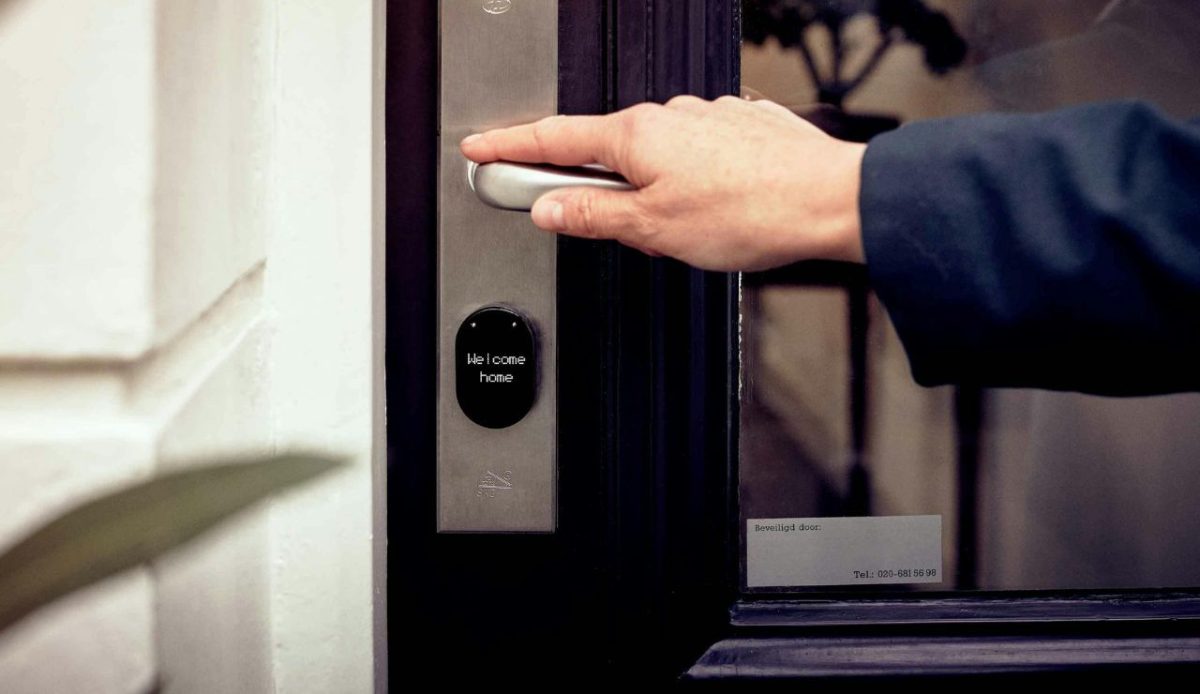
A rental can seem secure in a listing while raising concerns once guests arrive. Poor outdoor lighting, weak locks, unclear entry instructions, exposed access points, or neighboring properties with direct views into private spaces can all change how comfortable people feel during a stay.
Privacy and safety matter differently for different travelers, but they become especially important for solo guests, families with children, and anyone arriving late at night in an unfamiliar area. Even small oversights can make a property feel less usable.
These concerns are often discovered too late because listings highlight charm more than risk. By the time guests realize the setup feels exposed or insecure, finding another place may be difficult.
11. Slow Host Response When Problems Happen

Even well-reviewed rentals can run into problems during a stay, from lock issues and broken appliances to water outages or missing essentials. What often matters most is not whether something goes wrong, but how quickly and clearly the host responds once the issue is reported.
A slow or vague response can turn a manageable inconvenience into a major disruption. Guests may spend hours waiting outside, making repeated calls, or trying to solve basic problems themselves while losing vacation time and confidence in the booking.
This is one of the hardest issues to predict from a polished listing. A host may seem attentive before payment, then become difficult to reach after check-in. By the time that pattern becomes obvious, guests commit.
