
U.S. tourism keeps running into a simple constraint: there are not enough workers in key visitor roles. Staffing gaps show up in housekeeping, food service, maintenance, and seasonal operations that keep attractions open and clean.
Shortages persist for repeatable reasons. High rents near resorts, limited employee housing, and long commutes shrink the local labor pool. In some regions, seasonal visa supply and processing timing also limit summer staffing.
The five destinations below show how labor shortages change travel conditions on the ground. Each entry ties the workforce gap to a clear mechanism, such as reduced hours, limited services, or constrained facility upkeep.
1. Yosemite National Park, California

Yosemite depends on a large seasonal workforce for campgrounds, restrooms, waste handling, and trail upkeep. When hiring is delayed or positions go unfilled, the same visitor load must be handled by fewer employees across a very large area.
Operational triage follows. Tasks tied to health and safety get priority, while secondary work like minor repairs, extra cleaning cycles, and some interpretive support can be reduced or scheduled less often during peak weeks.
Visitors most often notice longer lines for services, fewer staffed counters, and facilities that reach capacity sooner. The shortage matters because the park’s demand is steady, so small staffing losses translate into visible service limits.
2. Crater Lake National Park, Oregon
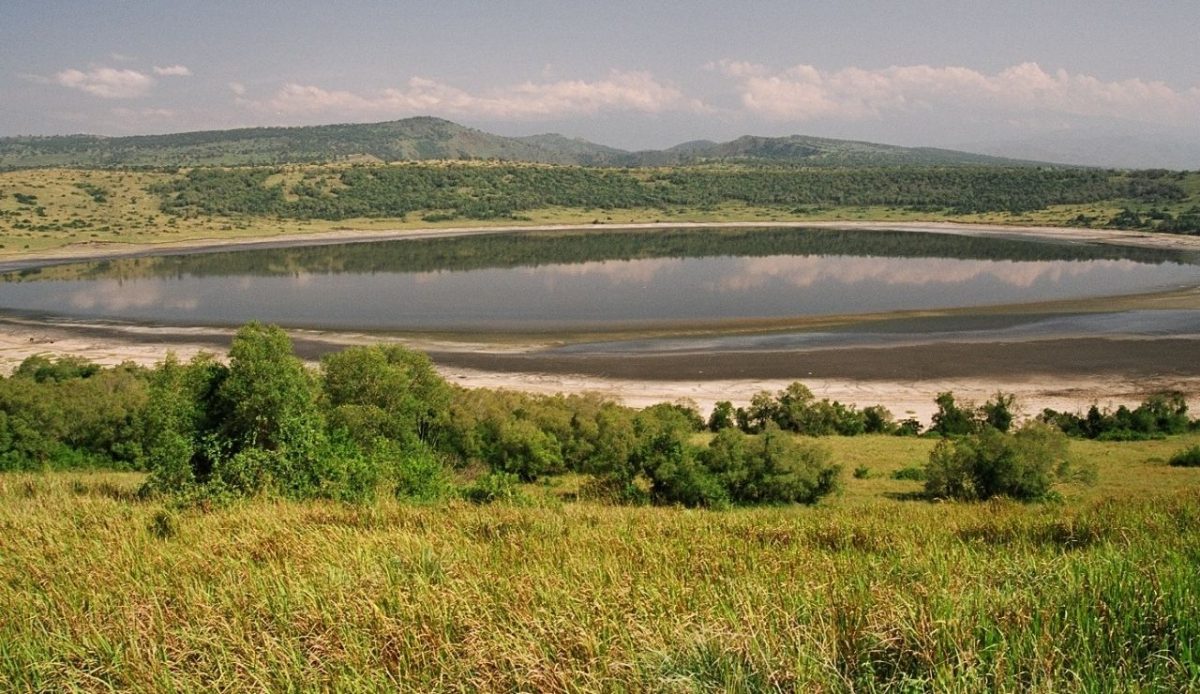
Crater Lake’s high elevation and winter conditions make a few specialized roles critical, especially road operations and snow work that determine seasonal access. Thin staffing leaves little backup when a trained operator is unavailable.
Because many tasks require certification and equipment familiarity, managers cannot quickly reassign staff from visitor desks or maintenance to cover those functions. That bottleneck can delay readiness work and compress the operating window.
Travel impacts include fewer staffed services and tighter schedules around road status and facility openings. The labor shortage is not about low interest; it is about limited capacity to keep infrastructure and visitor support running reliably.
3. Florissant Fossil Beds National Monument, Colorado

Florissant Fossil Beds is a smaller site where a limited team covers entrance operations, visitor contact, resource protection, and facility checks. When positions are vacant, there are not enough people to staff the visitor center every day.
One common response is planned closure days. Closing on set weekdays reduces the need for overlapping shifts while keeping compliance tasks and protection duties covered with the remaining staff.
For travelers, the shortage becomes a planning issue. Access can be limited to fewer days, and on open days, services may be narrower. The mechanism is direct: fewer workers means fewer staffed hours, not reduced interest in visits.
4. Cape Cod, Massachusetts

Cape Cod’s summer economy expands fast, and many employers rely on seasonal staff for kitchens, front desks, cleaning, and retail. Local labor supply often cannot match the surge, so businesses lean on J 1 and H2B workers.
When visa numbers, processing, or arrival timing fall short, operators cut capacity. Restaurants may reduce seating or close extra days, and lodging providers may limit available rooms if housekeeping staffing is thin.
Visitors experience longer waits, fewer reservation slots, and narrower operating hours during the busiest weeks. The shortage persists because demand spikes are predictable, while staffing depends on seasonal pipelines that do not always meet need.
5. Mackinac Island, Michigan
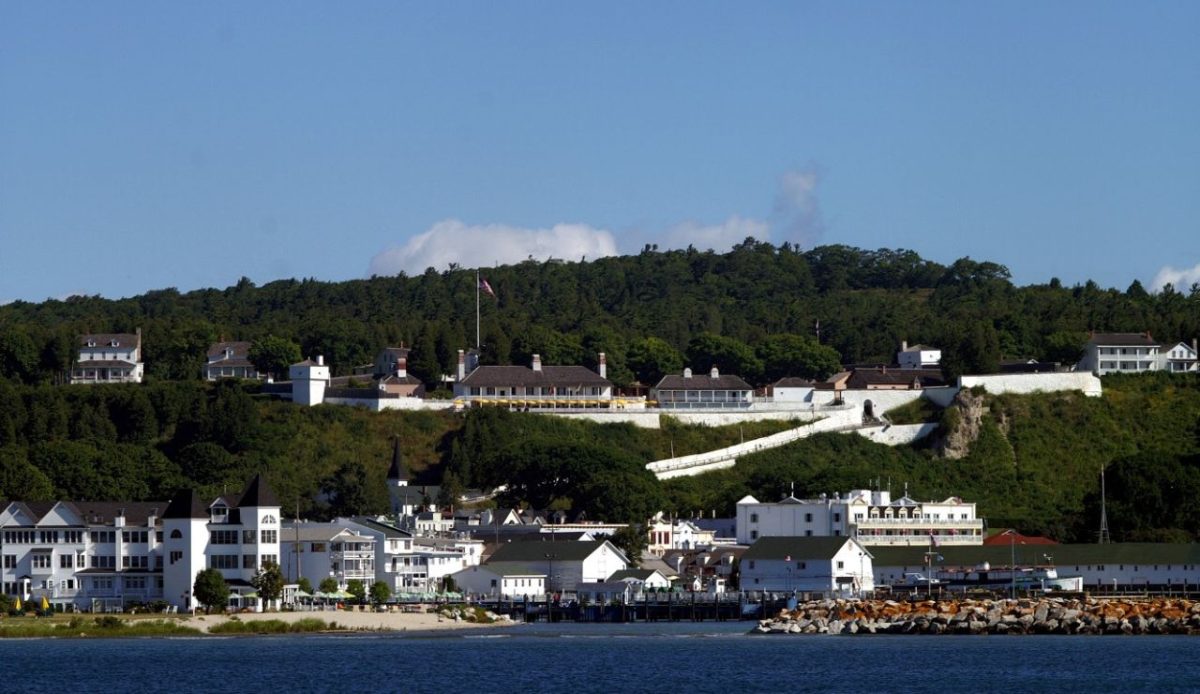
Mackinac Island has a small year-round population, yet its summer season requires thousands of workers across hotels, restaurants, retail, and carriage services. Recruiting must happen quickly before the rush, and vacancies are hard to absorb.
Housing and logistics add friction. Limited employee housing, seasonal leases, and the need to travel by ferry or air raise the cost and complexity of taking a job, which can reduce applicant volume and retention.
Travelers may see shorter hours, slower service, and fewer open options during peak days. The shortage is structural: the island’s visitor economy scales up sharply, but the local workforce base stays small, and housing is constrained.
6. Florida Keys, Florida
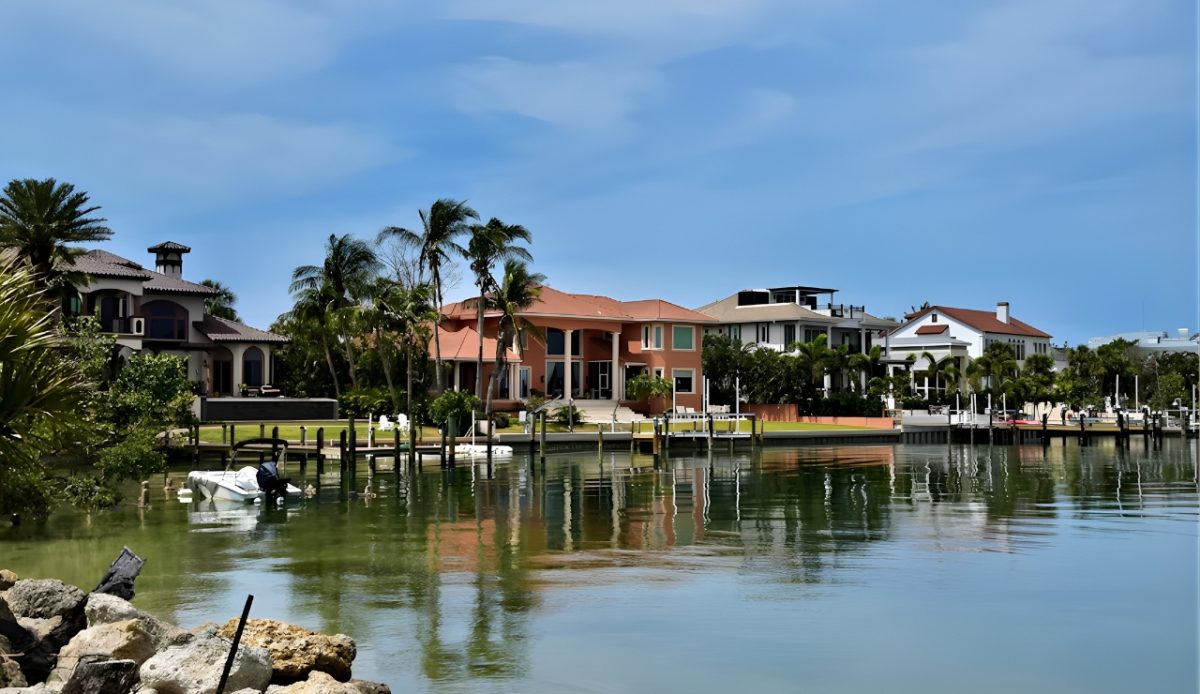
The Florida Keys rely on service workers for lodging, dining, marinas, and charter operations. In Monroe County, high housing costs and limited rentals make it hard to recruit and keep staff in visitor-facing roles.
Local workforce housing programs have been used to stabilize tourism employment, which signals a persistent retention problem. When workers cannot find stable housing nearby, turnover rises and commuting grows. Businesses then run thin teams in-housekeeping, food service, and maintenance.
Visitors may notice fewer open hours and slower service during busy periods. The shortage persists because pay often cannot keep up with local rent levels, even when travel volume remains strong.
7. Park City, Utah
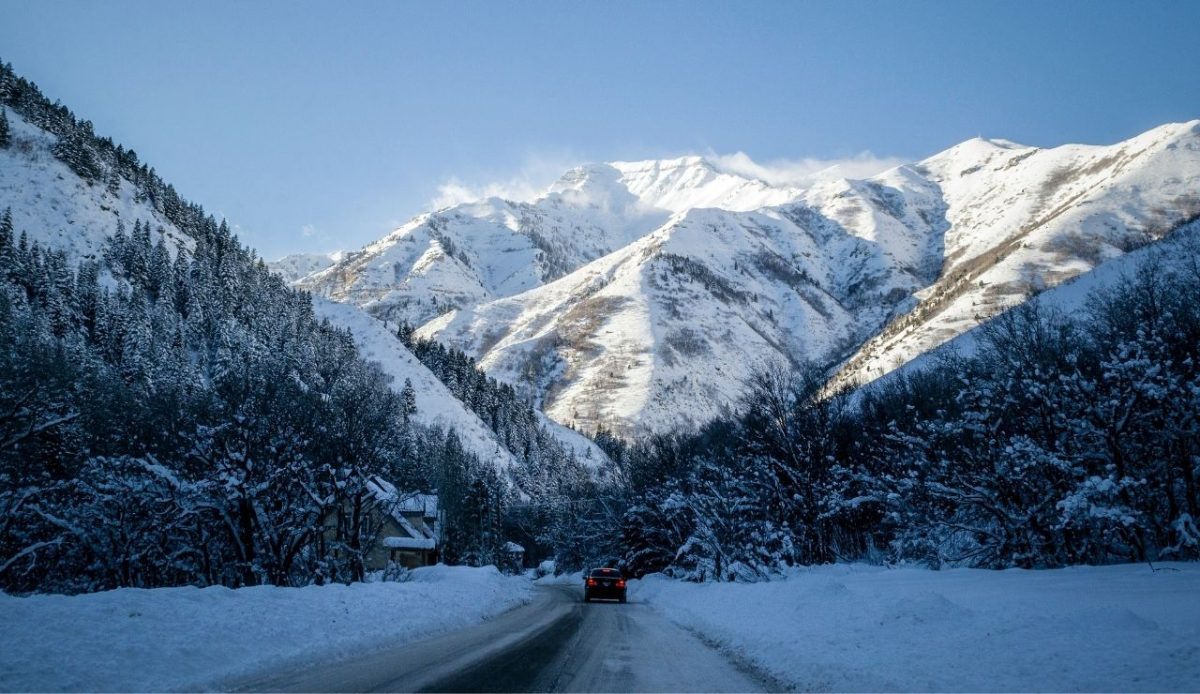
Park City’s resort economy needs workers for hotels, restaurants, ski services, and retail across long seasons. High housing costs limit who can live near jobs, shrinking the local labor pool for entry and mid-level roles.
Long commutes from lower-cost areas increase turnover and absenteeism, especially for early morning and late night shifts. Operators respond by trimming hours, cutting service lines, or running with fewer open stations during slower weeks.
Travelers may find reduced dining options and shorter business hours outside the most profitable peak dates. The labor gap remains tied to the wage and rent mismatch rather than a change in visitor interest.
8. Aspen, Colorado
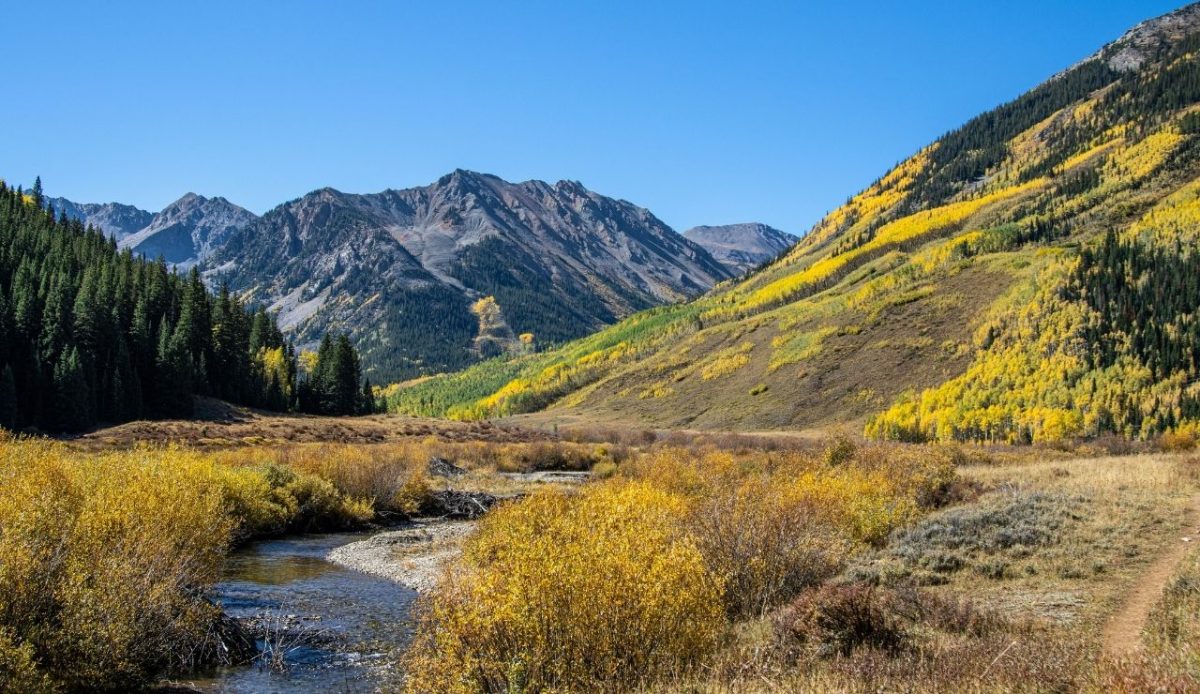
Aspen depends on hospitality labor to run lodging, dining, lift area services, and event operations. Extreme living costs and limited workforce housing make recruitment and retention difficult for service jobs that must be staffed daily.
Employers and local programs have expanded support, such as employee housing and related benefits, to stabilize staffing. Even so, vacancies can persist, and managers shift staff toward core functions like rooms, food safety, and guest check-in.
Visitors may see tighter reservation availability and slower service during peak weeks. The shortage is sustained by cost pressures that reduce how many workers can reside within a workable commute.
9. Acadia National Park, Maine
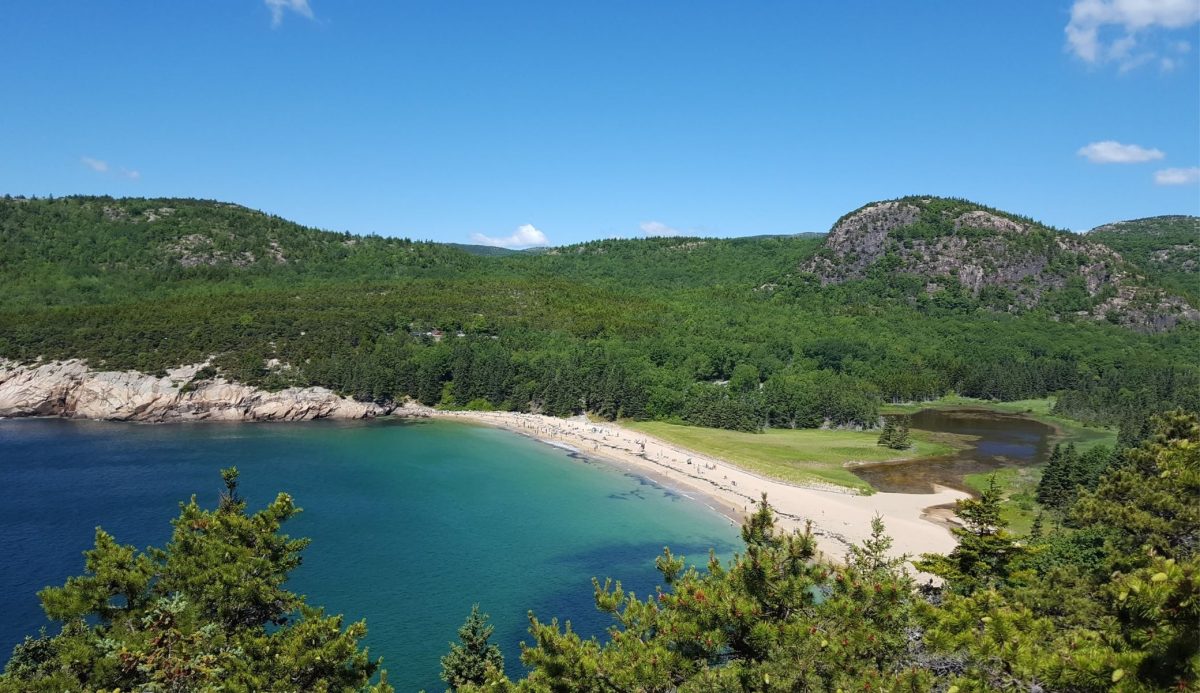
Acadia relies on seasonal rangers and support staff to manage trails, visitor centers, fee stations, and facility upkeep. When hiring is disrupted, or offers are withdrawn, staffing margins shrink before the summer surge.
With fewer staff, maintenance cycles tighten, and visitor contact roles operate with reduced coverage. Core safety, resource protection, and emergency readiness take priority, leaving less capacity for public programs and extended desk hours.
Travelers often see longer lines at entry points and fewer staffed assistance desks. The effect comes from constrained staffing capacity while visitation stays high through the main season.
10. Outer Banks, North Carolina
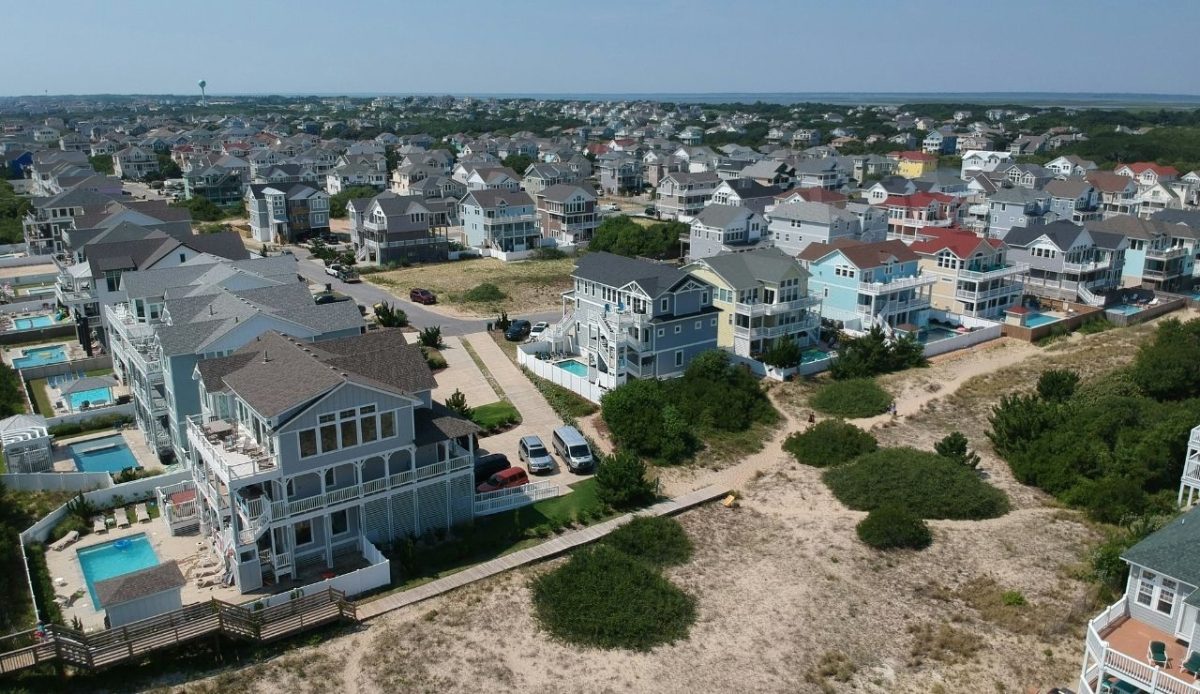
The Outer Banks rely on seasonal labor for vacation rentals, restaurants, housekeeping, and tourism services. Workforce housing is limited in many areas, and rents rise sharply in peak months, which constrains how many workers can stay nearby.
Longer commutes from inland counties reduce retention and make shift coverage less reliable. Employers have turned to employee housing efforts and recruitment campaigns, but vacancy rates can remain high during summer turnover.
Visitors may encounter slower room turnover, fewer open tables, and reduced hours at some businesses. The shortage reflects housing supply limits in a narrow coastal market where service jobs must be filled daily.
11. Maui, Hawaii
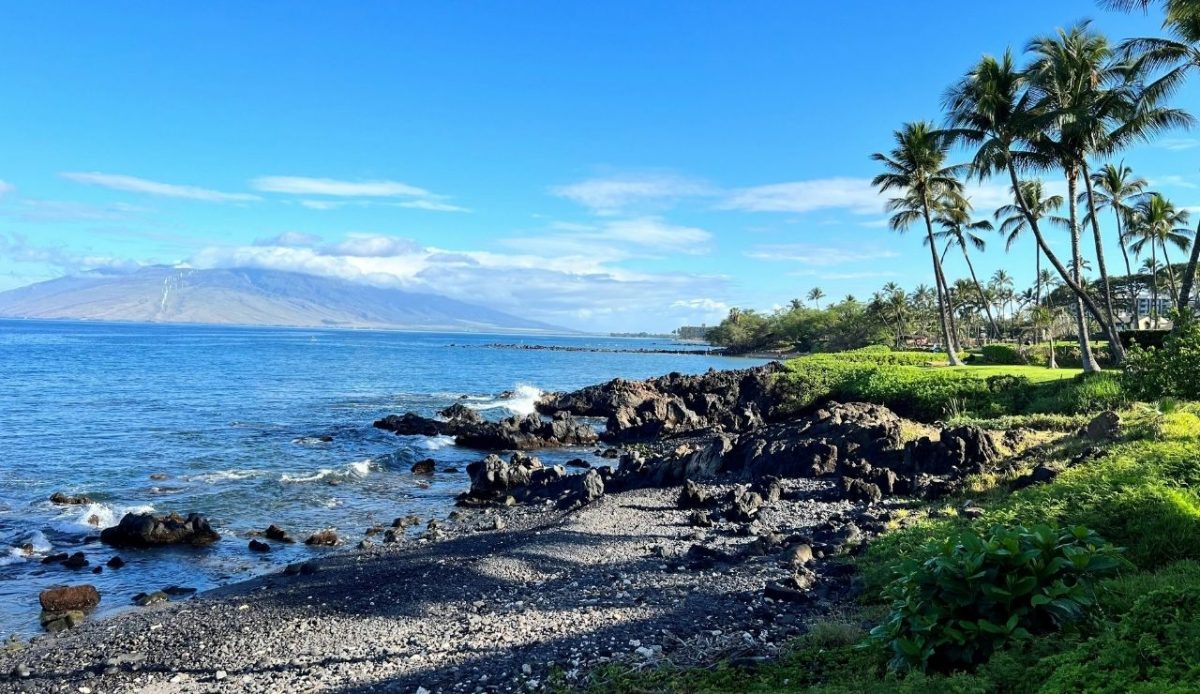
Maui’s visitor economy depends on stable staffing across hotels, restaurants, and tour operators. Housing affordability has been a long-running constraint on hospitality employment, and post disaster disruption has added pressure on workforce stability.
When housing supply tightens, recruitment slows, and turnover rises. Operators prioritize roles that keep rooms sellable and kitchens compliant, while reducing nonessential services and limiting hours when staffing falls short.
Travelers may find fewer available rooms, less frequent housekeeping, and narrower dining schedules in some areas. The mechanism is simple: service capacity tracks available labor, even when visitor volume remains strong.
