
American historic attractions now rely on admissions, retail revenue, and branded partnerships to keep doors open. When those tools dominate the visitor path, the history can feel like a backdrop for shopping. Visitors notice the shift quickly.
Complaints about corporatization usually point to measurable features such as obligatory gift store exits, tiered passes, sponsored displays, or photo upsells. The focus here stays on mechanisms, not personal taste.
The places below are all well-known stops where traveler reviews regularly mention a corporate vibe. Each section explains what drives that perception and how it changes the learning experience on site.
1. San Francisco Chinatown, San Francisco, California
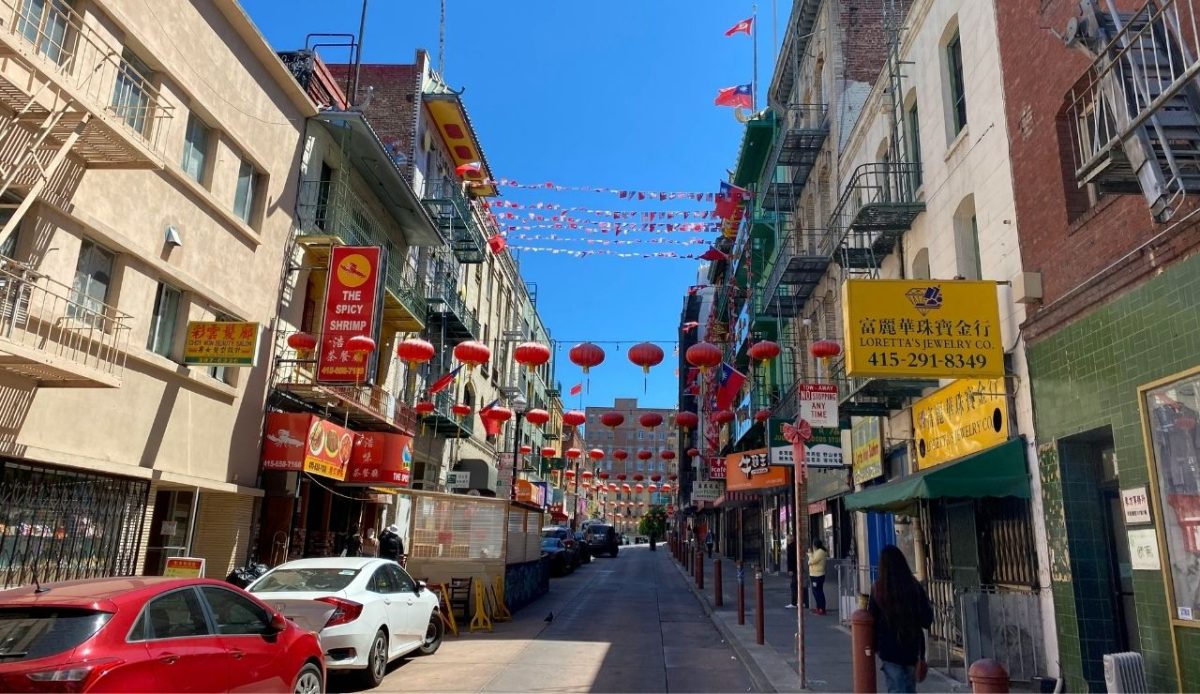
San Francisco Chinatown marks early Chinese American settlement and political organizing, yet storefront economics shape what newcomers see first. Dense souvenir retail along main routes can crowd out interpretive signage and community spaces.
Reviewers often mention aggressive sampling, discount pitches, and tourist menu boards that resemble a themed corridor. That sales pressure shifts attention from temples, association buildings, and family-run businesses with long records.
Because most visitors follow a short loop from transit stops, commercial frontage becomes the de facto narrative. The historic story is still reachable, but it takes purposeful detours beyond the busiest blocks.
2. Graceland, Memphis, Tennessee
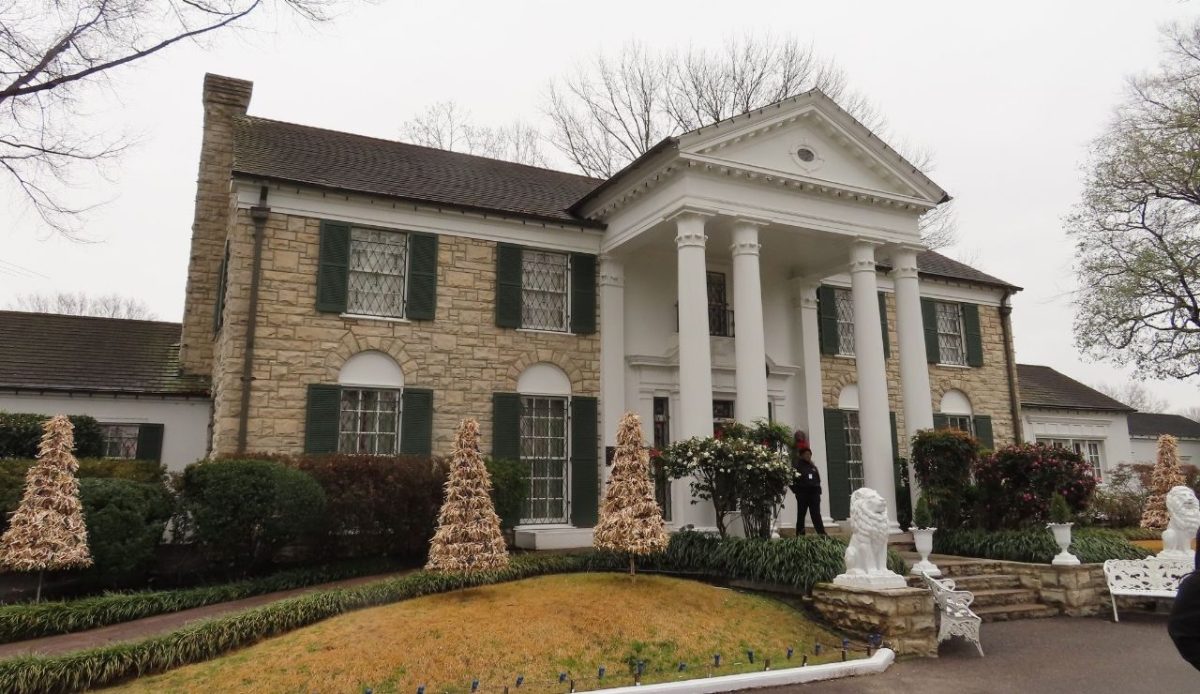
Graceland preserves Elvis Presley’s home and archives, but the tour is engineered like a large-scale attraction. Entry bundles, shuttle routing, and scheduled slots create a controlled pipeline through exhibits and sales zones.
Guests report that optional add-ons, souvenir photo stations, and premium lounge perks are promoted repeatedly. When those prompts appear between galleries, the emotional arc of the story is interrupted by purchase decisions.
Corporate polish also affects framing, with branded displays and curated retail dominating square footage near exits. The mansion remains compelling, yet the surrounding system can feel more like a venue than a memorial.
3. The Alamo, San Antonio, Texas
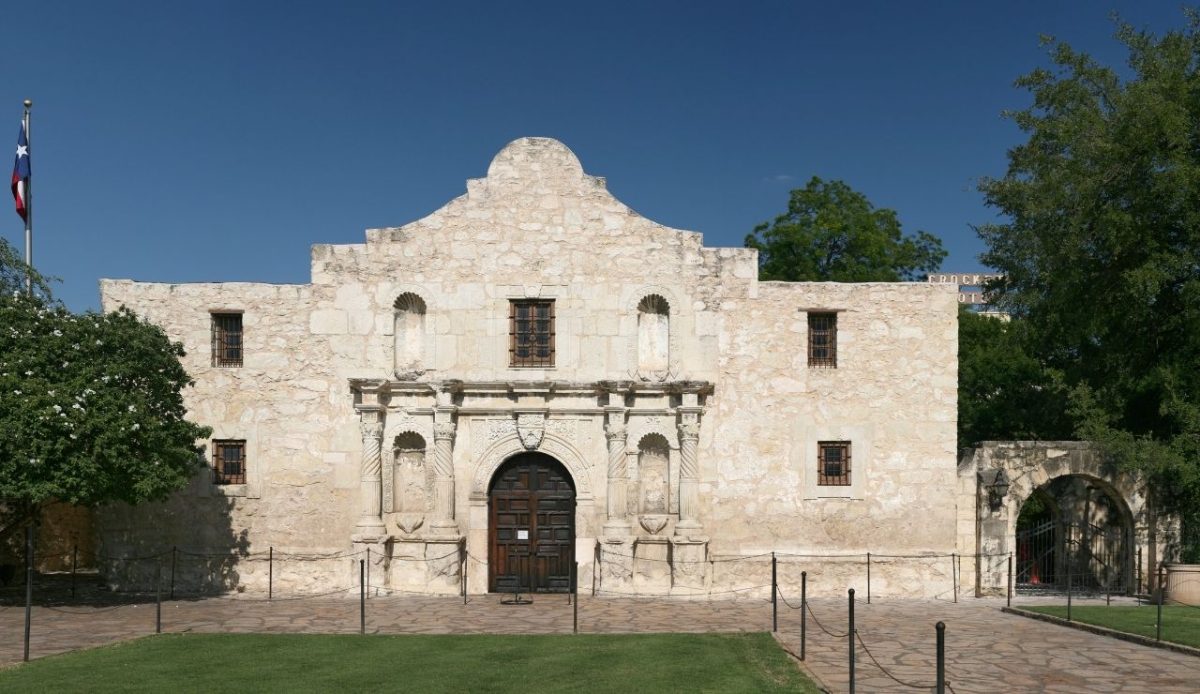
The Alamo’s small footprint inside downtown San Antonio forces visitors through a crowded commercial context. Nearby shops, tour promoters, and paid attractions compete for attention before guests even reach the mission grounds.
Many reviews describe retail-centered edges, souvenir stands, and photo sales as distractions from a site tied to conflict and memory. When crowd control lines feed toward shopping, the visit can feel managed for throughput.
Preservation work continues, yet the economic ecosystem around the plaza shapes the tone. For travelers, the corporate feeling often comes from what surrounds the site as much as what sits inside it.
4. National 9/11 Memorial and Museum, New York City, New York
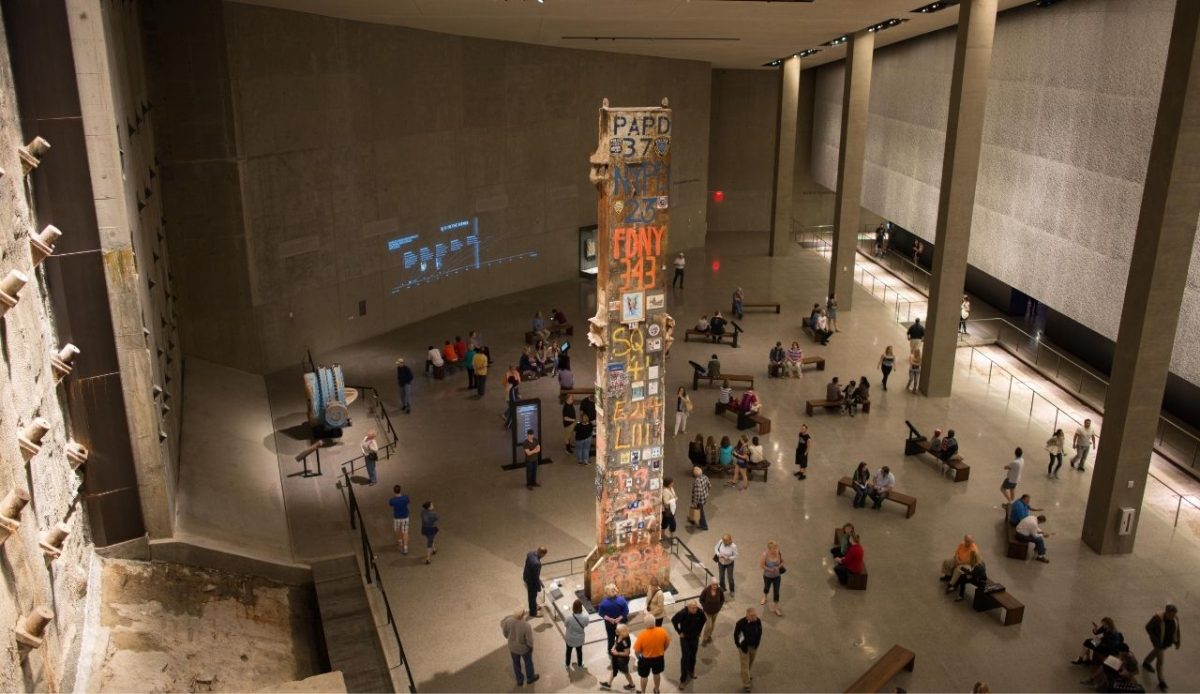
The National 9/11 Memorial and Museum operates within a high-security, timed ticket environment that resembles major entertainment venues. Visitors pass checkpoints, queues, and scripted routing before encountering primary artifacts.
Some travelers object to large-scale retail and branded merchandise tied to an event of mass loss. Reviews often cite the exit path through a store as a jarring step immediately after emotionally intense galleries.
Funding needs are real, but the transaction moments stand out because the subject is sacred to many. The corporate signal comes from ticketing, packaging, and sales placement rather than the exhibits themselves.
5. Space Center Houston, Houston, Texas
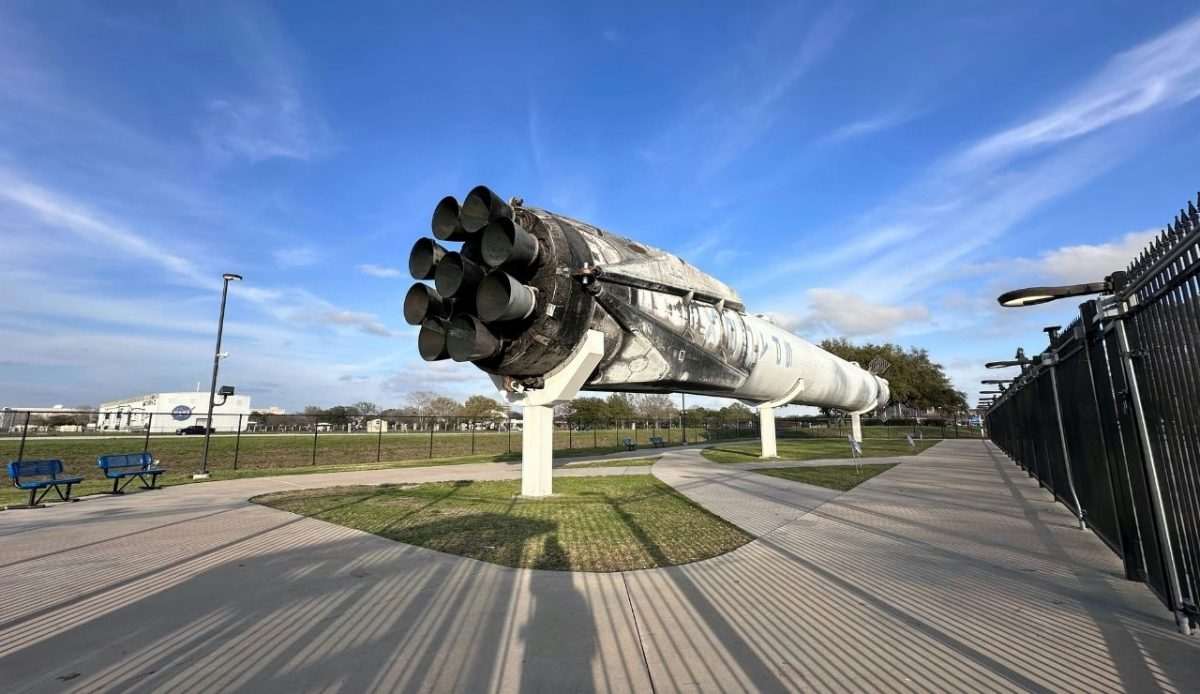
Space Center Houston presents NASA history through simulators, theaters, and sponsored interactive halls. The mix can blur the line between education and amusement, especially when brand logos sit beside mission hardware.
Visitors frequently mention upsell options such as special tram access, behind-the-scenes passes, and paid photo moments. When the day is segmented by add-on prompts, the story of programs and people can feel secondary.
Retail and dining are extensive, and many routes funnel foot traffic past shops. The result is an experience where artifact viewing is framed by commercial touchpoints that resemble a theme park model for many guests.
6. South Street Seaport, New York City, New York
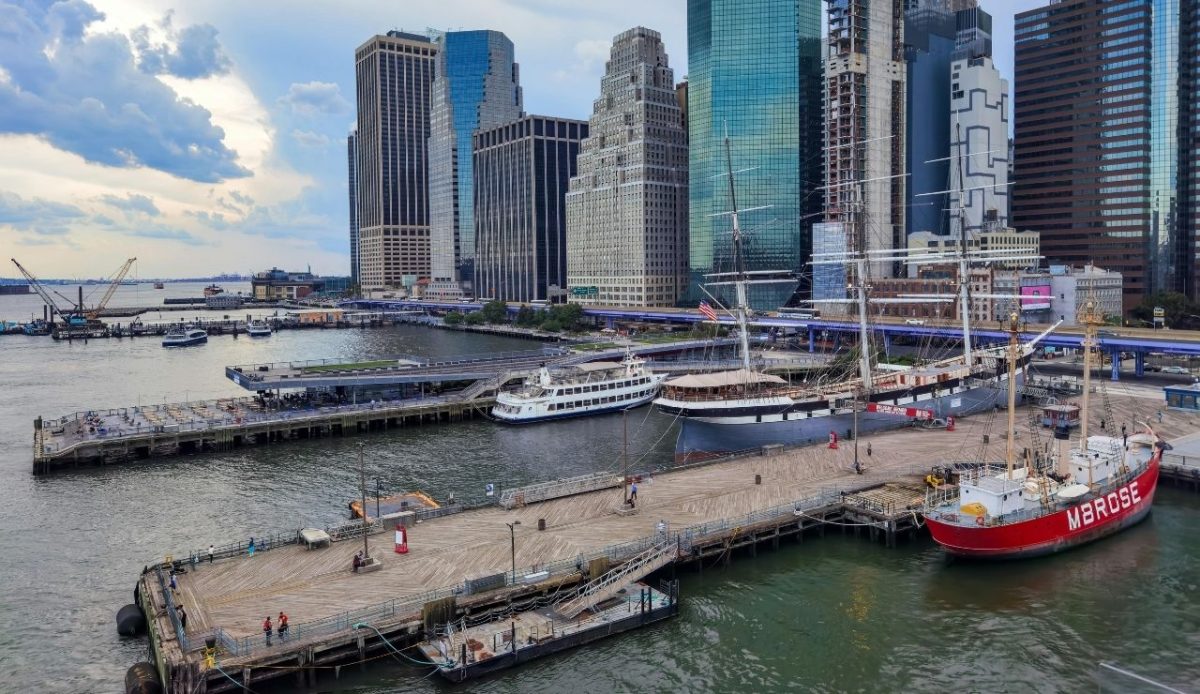
South Street Seaport reflects New York’s port economy and early waterfront labor, yet redevelopment has shifted emphasis toward leasing and dining. Modern storefronts and promotional events can overwhelm maritime interpretation.
Travelers note that historic ships and museums exist, but feel peripheral to the main shopping promenade. When visitors come for brands and patios, the seaport story becomes background scenery rather than the point.
The corporate tone is driven by real estate strategy, not a single exhibit. A district designed for commerce still carries history, but it now signals marketplace first and heritage second to many passersby.
7. Biltmore Estate, Asheville, North Carolina
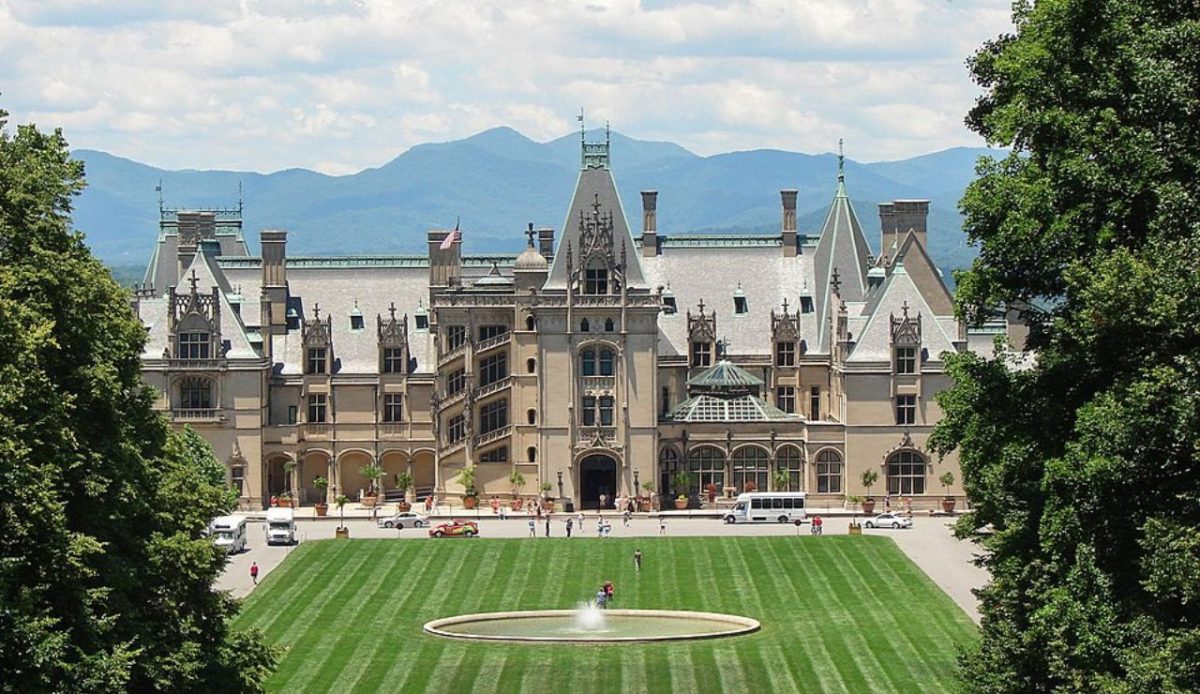
Biltmore Estate interprets Gilded Age wealth, architecture, and land management, while operating as a broad resort-style campus. Visitors move between the house tour, gardens, winery, shops, and restaurants in a packaged loop.
Reviews often mention that pricing, tastings, and branded experiences are promoted as core parts of the day. When retail expansion becomes central, the historic household narrative can feel like one product among many.
The corporate perception is reinforced by ticket tiers and heavy merchandising across the grounds. Preservation remains strong, yet the business model is highly visible and shapes how guests pace the visit.
8. Mount Rushmore National Memorial, Keystone, South Dakota
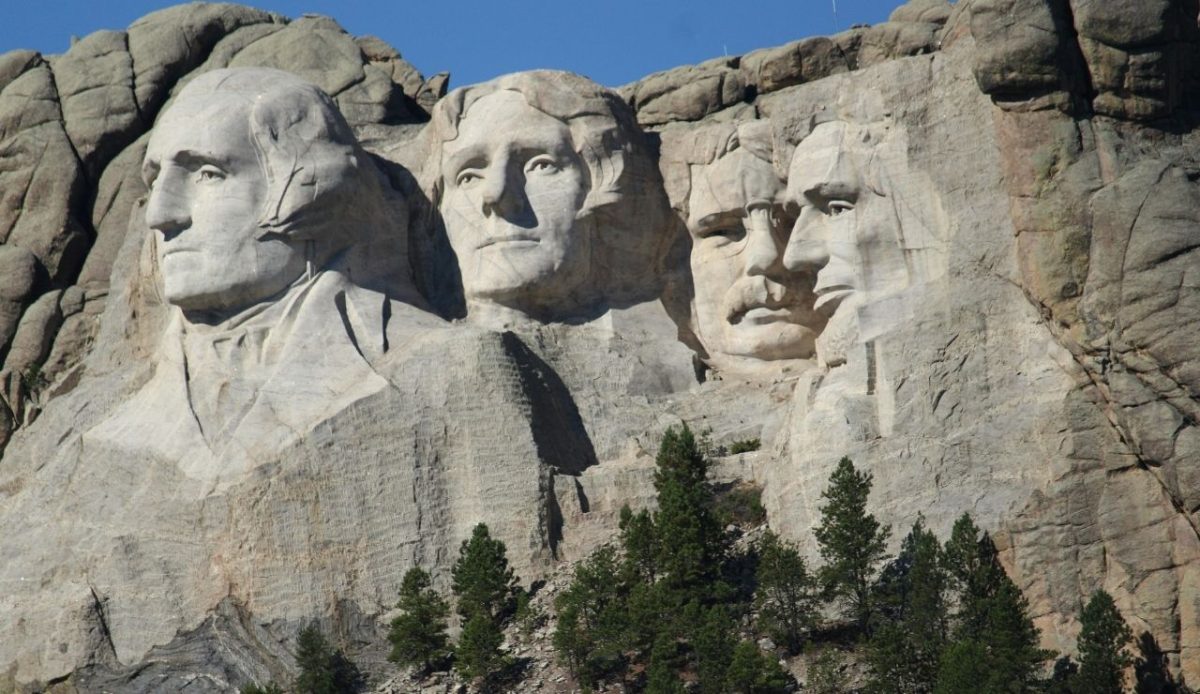
Mount Rushmore sits within a visitor complex that includes concessions, shops, and paid media experiences before the main viewing terrace. That built environment signals attraction management as strongly as commemoration for newcomers.
Many travelers describe long approaches lined with retail and snack stops that feel unavoidable. When the monument is reached after a sales-heavy pathway, the moment of reflection can feel shortened or staged.
The corporate feel also comes from the surrounding tourism infrastructure in Keystone and the Black Hills. Even with solid interpretation on site, commercial framing can dominate the overall memory of the stop.
9. Kennedy Space Center Visitor Complex, Merritt Island, Florida
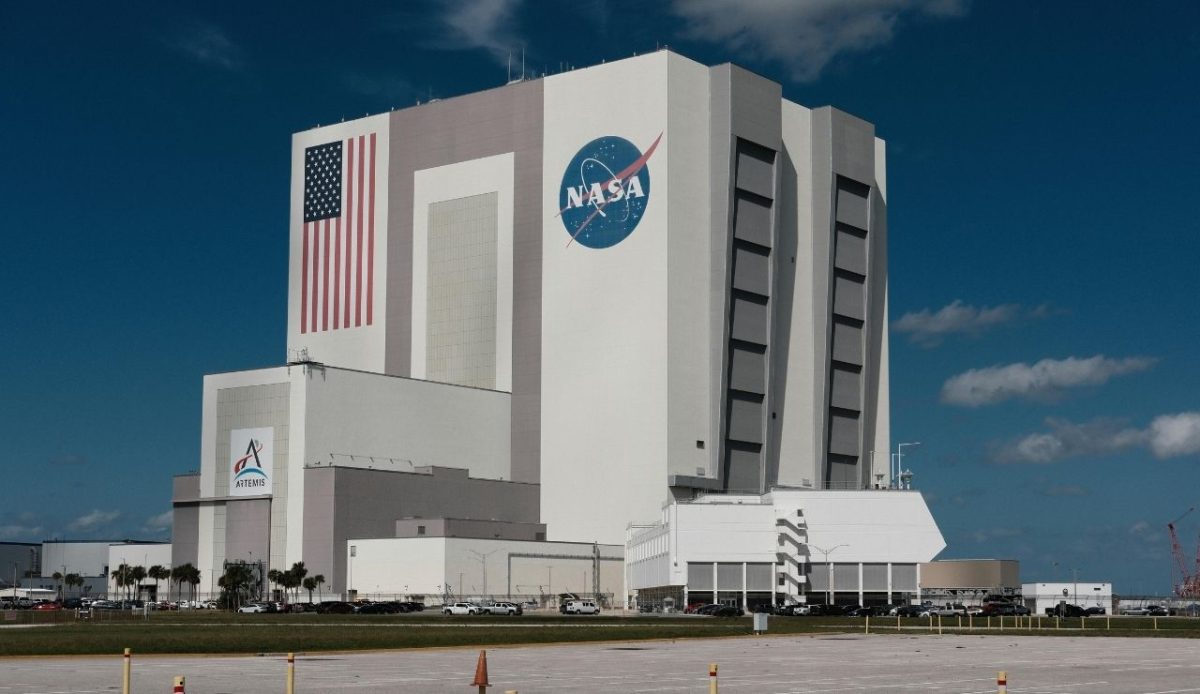
Kennedy Space Center Visitor Complex connects guests to launch history, but its layout mirrors a large amusement park. Timed shows, ride-like exhibits, and branded dining guide visitors through a tightly planned circuit.
Reviewers often mention add-on packages for special viewing areas, photo bundles, or premium tours. Those offers can shift focus from the engineering context toward a checklist of purchasable experiences.
Historic hardware and mission stories remain, yet the commercial wrapper is hard to miss. For some travelers, the corporate vibe comes from how entertainment and sales are integrated into almost every transition today on-site.
10. Empire State Building, New York City, New York
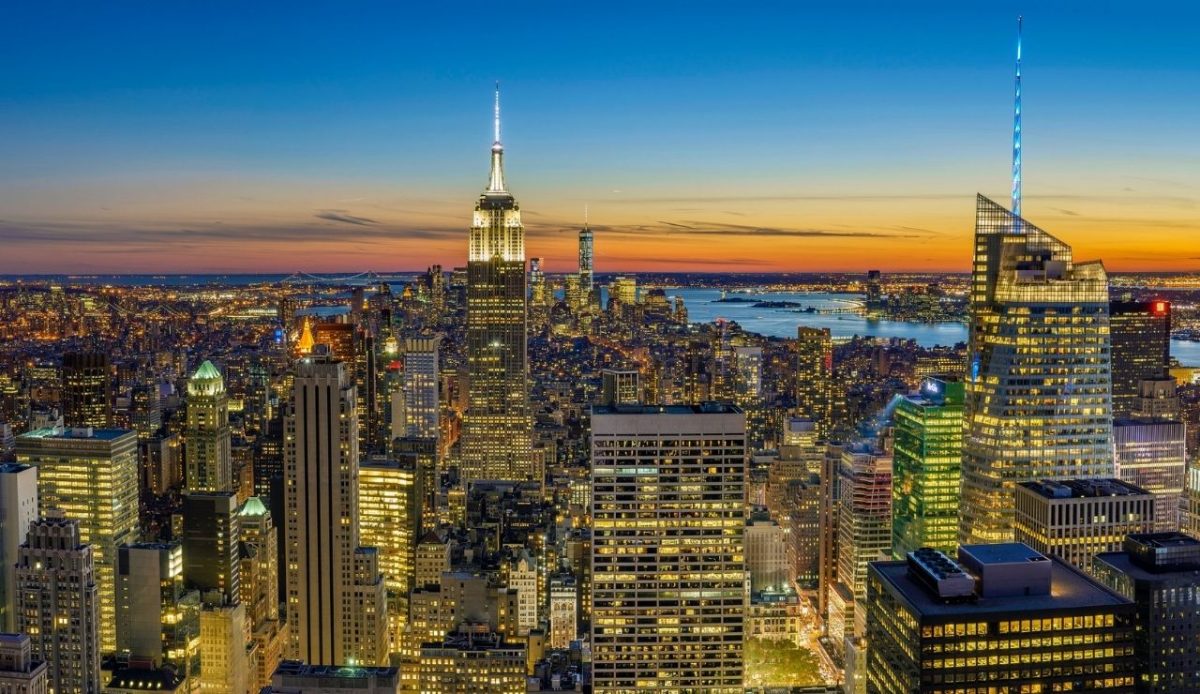
The Empire State Building is a landmark of American construction history, yet the visitor route feels like a managed pipeline. Timed entry, security staging, and controlled elevators keep crowds moving in scheduled waves.
Many guests report being steered through souvenir photos, digital backdrops, and retail areas before and after the observation decks. Those steps can make the building feel like an experience product more than a historic place.
Because the interior visit is optimized for volume, interpretation can feel secondary to flow and revenue. The skyline view delivers, but travelers often cite the sales-centered choreography as the lasting takeaway.
11. Amish Acres, Nappanee, Indiana
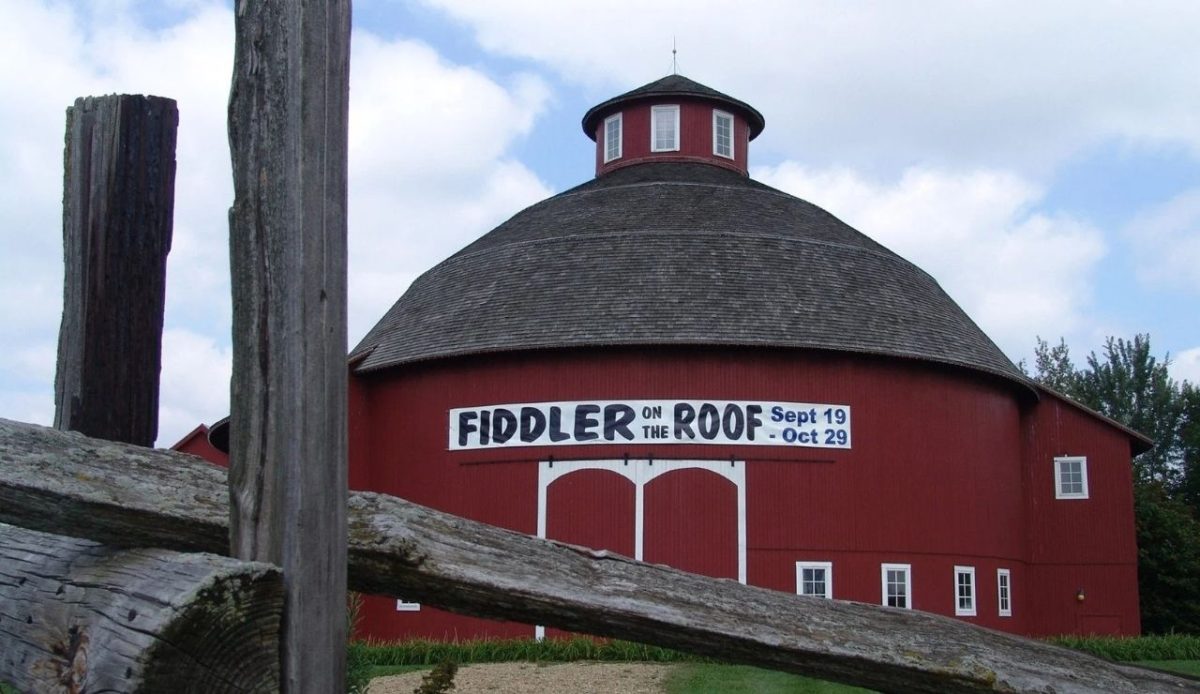
Amish Acres was built as a heritage attraction presenting Amish life through tours, performances, and themed spaces. Some visitors say the format turns a complex culture into staged scenes designed for ticket sales.
Reviews often mention gift shops, packaged meals, and scripted entertainment that feels closer to a commercial show than interpretation. When purchases dominate the visit, curiosity about real communities can be sidelined.
Instead of careful context, the narrative can be shaped by what sells best in the moment. Travelers who want nuance may leave feeling that marketing choices steered the story away from accuracy. That reaction shows up repeatedly.
