
Large U.S. cities send huge tonnage of everyday refuse into collection systems because of population scale, housing form, business activity, and constant building work. Totals rise when takeout packaging, grocery waste, and home cleanouts stack up alongside office and retail disposal. Material moves from curbside pickup into sorting sites and disposal routes that vary by region. Recycling and compost pickup help, yet a big portion still goes to landfill when loads are contaminated or participation drops. The sections below explain why these eleven cities keep reporting some of the highest yearly trash volumes.
1. New York City
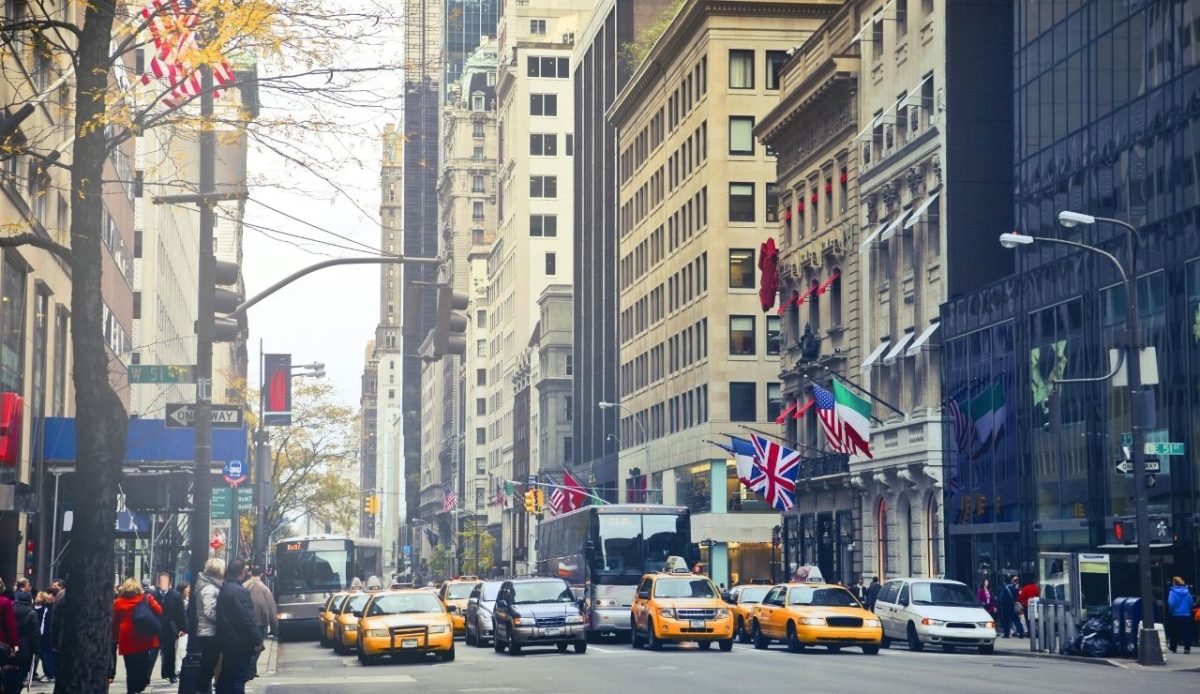
New York City produces exceptional trash tonnage because millions of residents live close together and businesses operate late across every borough. Bagged household waste rises in apartment towers where storage space is limited and sorting rules can be missed. Restaurants, offices, and street retail add steady commercial loads, while renovation work supplies heavy debris. Much of what is collected is sent through transfer stations and exported to landfills out of state, so high disposal volumes keep showing up in annual reporting. Organics programs help, but participation is uneven and contamination can reduce diversion.
2. Houston
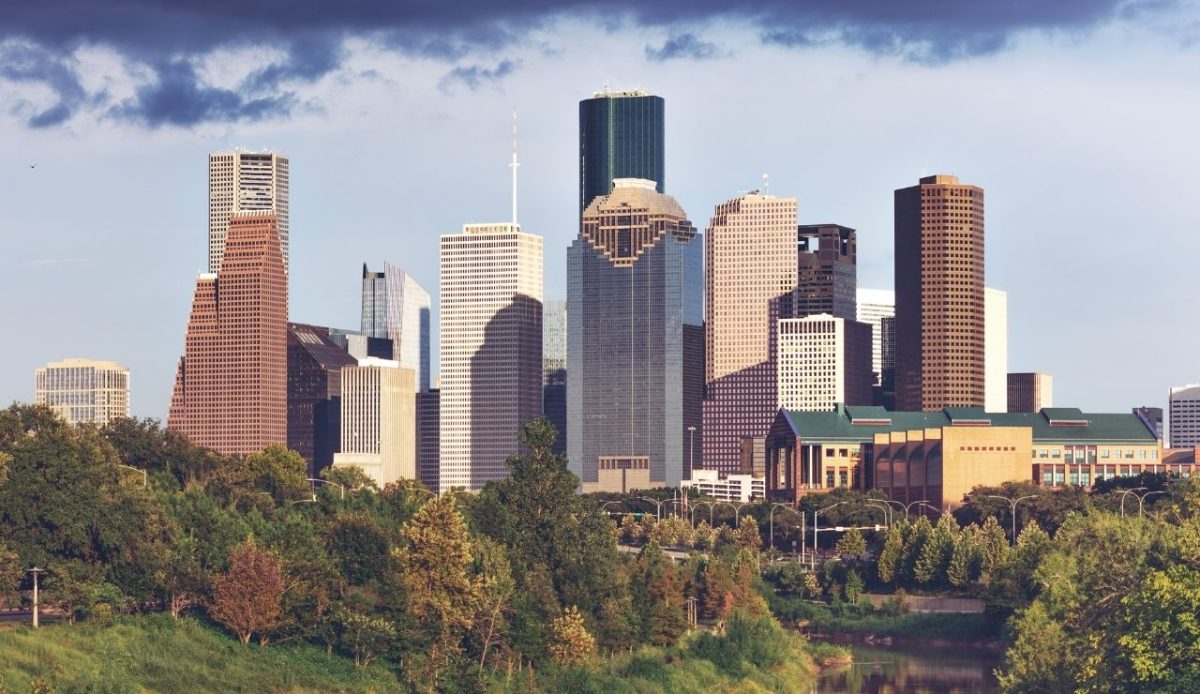
Houston reports very high trash totals because the metro area is spread out, homes are large, and construction stays active. Detached houses produce steady curbside waste and frequent bulk pickups. Yard debris adds weight after storms and seasonal trimming. Retail corridors, warehouses, and service firms contribute to commercial disposal every week. Nearby landfill capacity means much of the stream can be handled locally rather than shipped far away. Recycling is available in many areas, yet participation varies, and a large share is still landfilled. Multiunit properties often see lower sorting, which pushes more material into trash carts.
3. Los Angeles
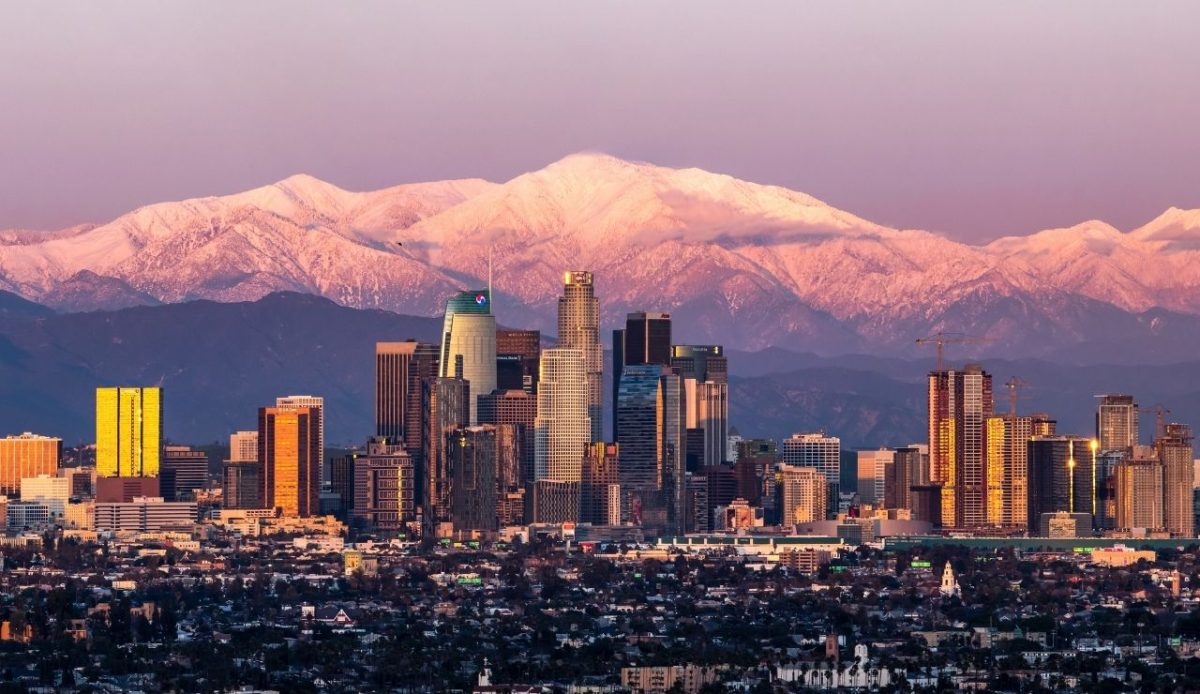
Los Angeles generates very large waste volumes as a result of its population, sprawling housing, and nonstop redevelopment. Single-family neighborhoods add regular curbside loads, while dense apartment buildings create heavy weekly collection in compact spaces. Hospitality, food service, and film production produce constant commercial refuse. Construction and demolition debris also adds major tonnage when buildings are remodeled. Diversion rules exist, but contamination and uneven compliance mean substantial material is still disposed at regional landfills. Much is routed through transfer stations, then hauled to sites beyond city limits.
4. Chicago
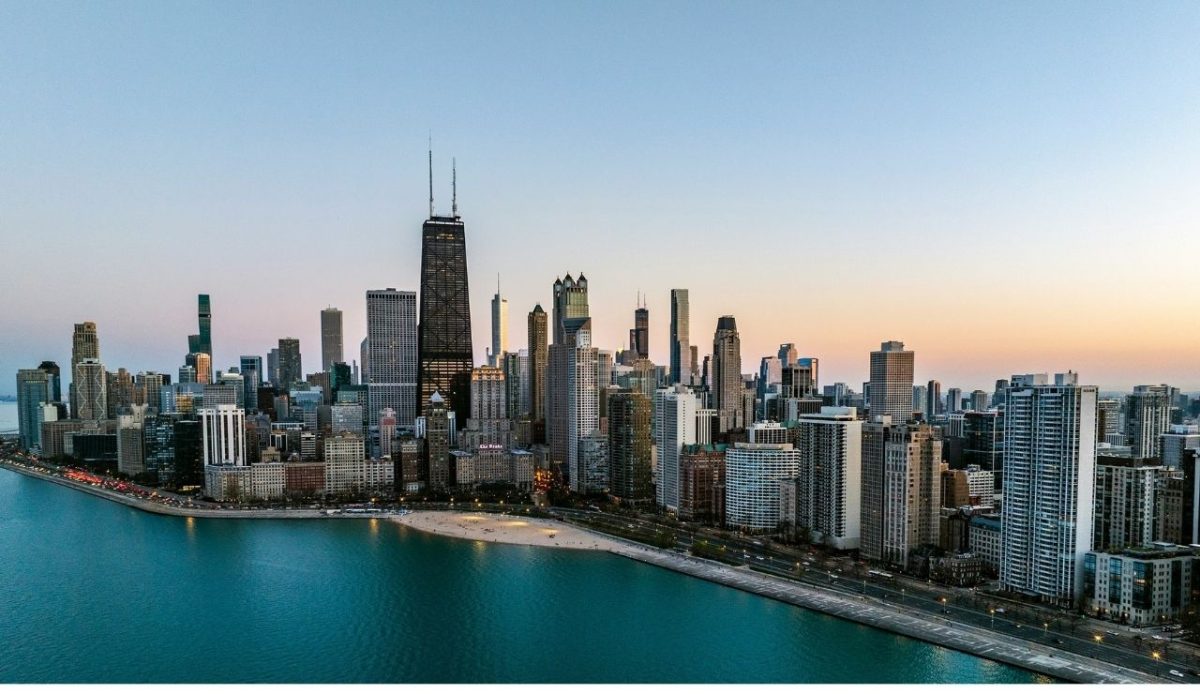
Chicago’s trash totals stay high because dense neighborhoods, older buildings, and busy commercial streets generate steady disposal. Multifamily housing can limit storage for separated recycling, so more mixed material ends up in the garbage stream. Seasonal cleanups and summer repair work add extra tonnage from bulky items and debris. Large portions of collected waste are shipped by rail to landfills outside Illinois, which requires staging at rail yards and long-haul contracts. Diversion efforts exist, but service gaps and mixed loads keep landfilling dominant. Recycling results differ widely by area.
5. Dallas
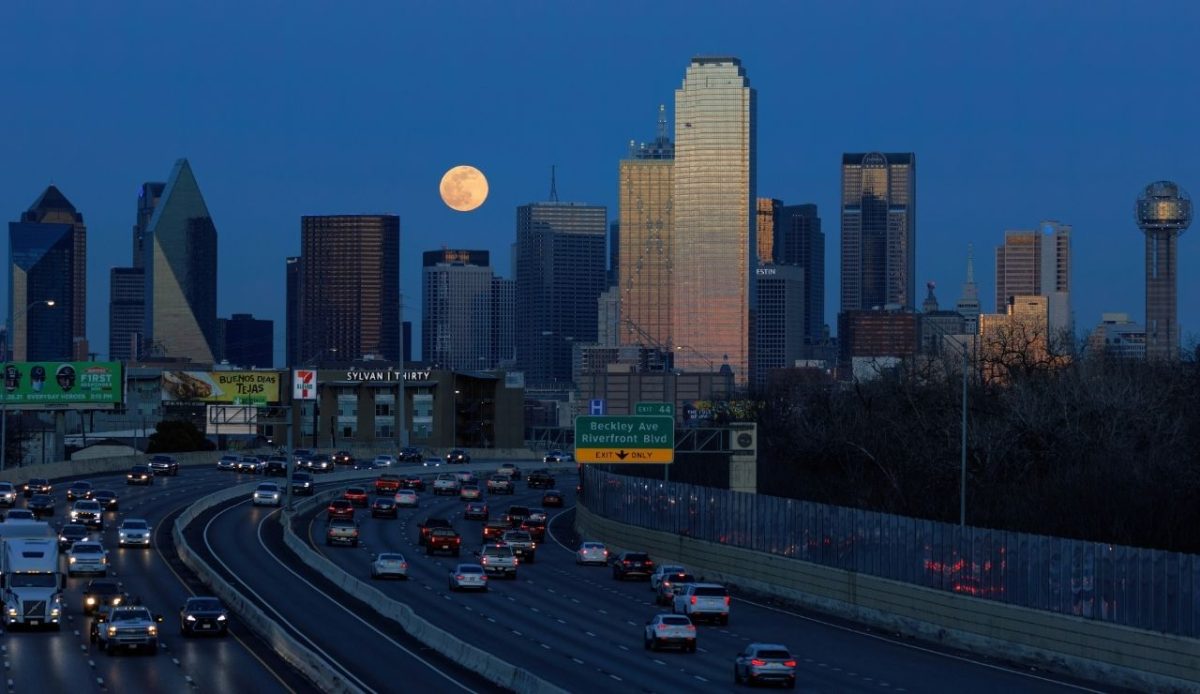
Dallas produces high waste volumes as rapid growth adds new homes, retail space, and renovation projects. Large household trash output is common in outlying neighborhoods, and bulky pickup programs add furniture and appliance tonnage. Yard debris collection contributes additional weight during seasonal trimming. Commercial corridors supply cardboard, food waste, and packaging that often end up as trash when sorting rules are not followed. Landfills remain central to disposal, while recycling participation varies by route and property type. Construction debris is regulated, yet mixed loads are still dumped when separation is skipped.
6. Phoenix
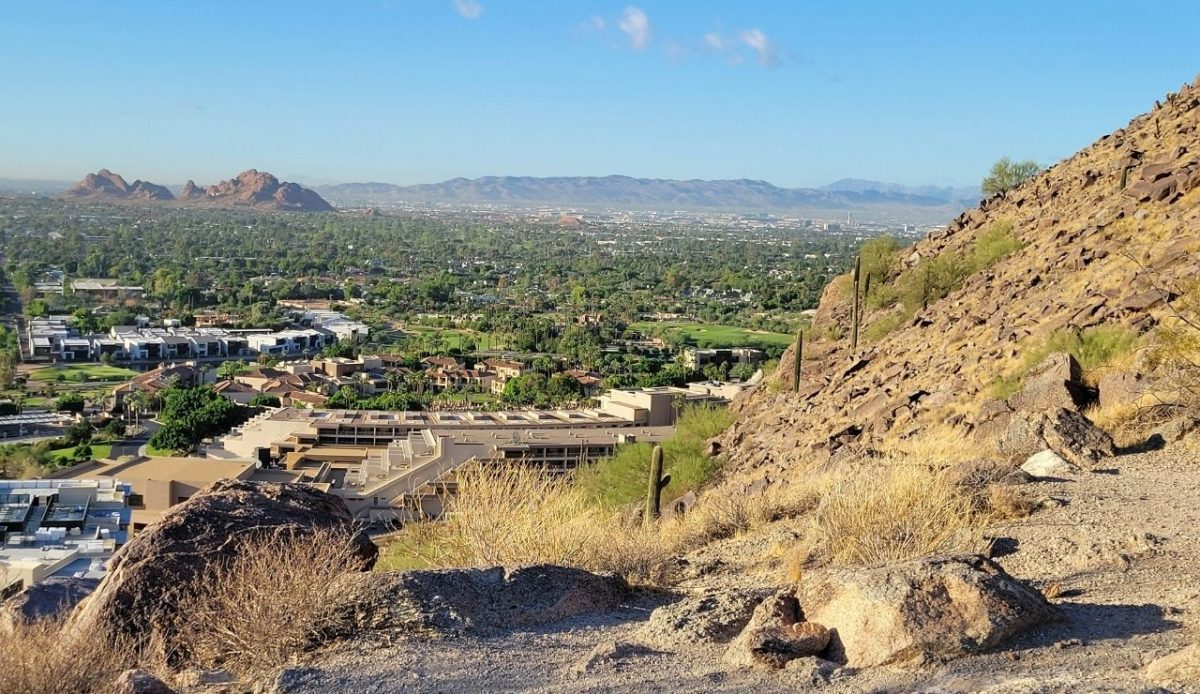
Phoenix records high trash tonnage because development is spread over a wide area and building activity is constant. Residential collection makes up most of the stream, supported by large households and frequent bulk set-outs. Yard and landscape debris adds weight as properties are maintained through hot seasons. Retail growth increases packaging and food waste from shopping centers and restaurants. Diversion programs are offered, yet landfill disposal remains common because long hauling distances and heat can limit processing options and raise handling costs. When recyclables are contaminated, they are often redirected into trash loads.
7. San Diego
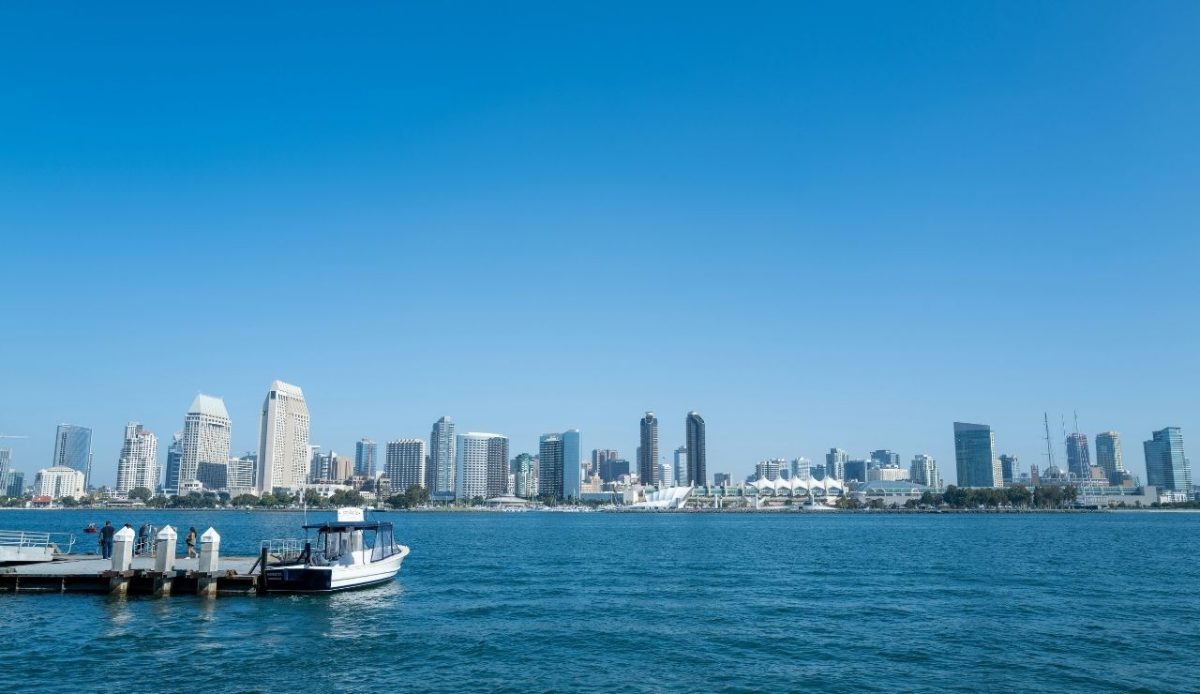
San Diego generates high disposal totals due to steady population growth, military activity, and busy visitor seasons. Single-family neighborhoods produce regular curbside trash, while dense areas add concentrated collection. Food service and coastal tourism increase packaging and leftover waste in popular districts. Construction and remodeling contribute to heavy debris during expansion cycles. Landfill space is limited, so diversion has been promoted, yet contamination and uneven participation keep large amounts of material headed to landfills each year through regional facilities. Organics pickup is being expanded in phases.
8. San Antonio
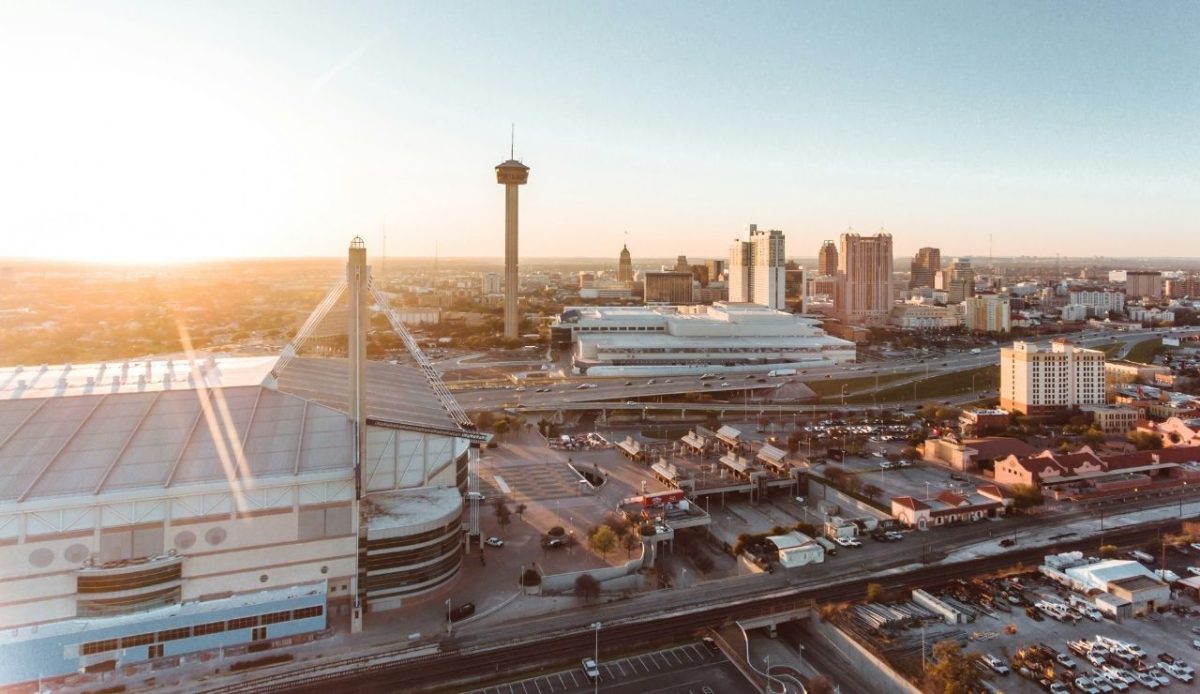
San Antonio produces large trash volumes as new subdivisions and commercial corridors keep expanding. Most tonnage comes from household collection, including routine curbside pickup and periodic bulky item set outs. Seasonal cleanup events increase disposal when residents clear garages and yards. Business activity and military facilities add steady commercial waste. Recycling service exists, yet participation differs by area and by property type. As a result, most collected material is disposed at regional landfills after transfer handling and long truck hauls. When bins are overfilled, sorting errors tend to rise.
9. Philadelphia
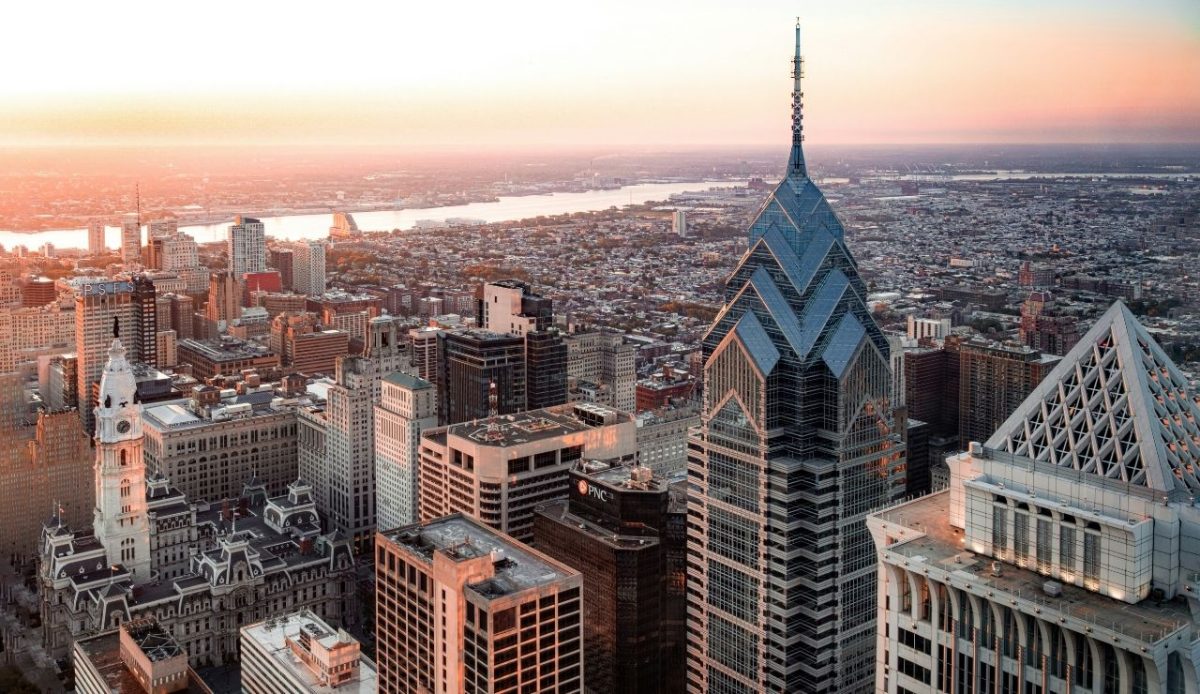
Philadelphia’s trash totals remain high because dense row house blocks, apartment buildings, and institutions create steady waste every day. Shared collection points can make separation difficult, so recyclables are sometimes mixed with garbage. Universities, hospitals, and food service operations add consistent commercial disposal. Older housing stock also generates debris from repair work and cleanouts. Much of the city’s waste is exported to landfills outside Pennsylvania, increasing transport distance and handling complexity. Diversion exists, yet landfill disposal remains the main outcome. Illegal dumping is cleaned up by crews.
10. Seattle
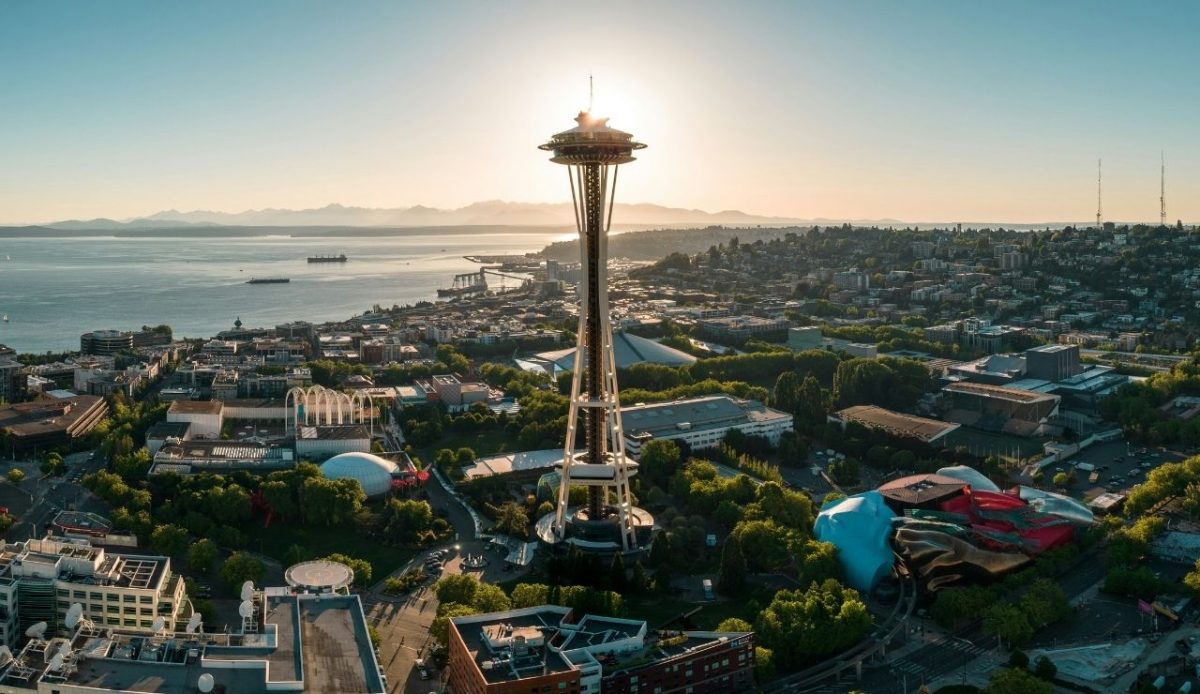
Seattle handles large waste volumes even with strong diversion programs because population growth and redevelopment add constant pressure. Households are offered garbage, recycling, and compost service, yet contamination can cause recoverable material to be rejected at sorting facilities. Commercial activity adds disposal from offices, restaurants, and construction sites. Demolition debris and bulky items raise annual tonnage during building cycles. A sizable share of the stream is still sent to landfills after transfer handling, especially when loads are wet or mixed. Large events also create short-term spikes in trash hauling.
11. San Jose
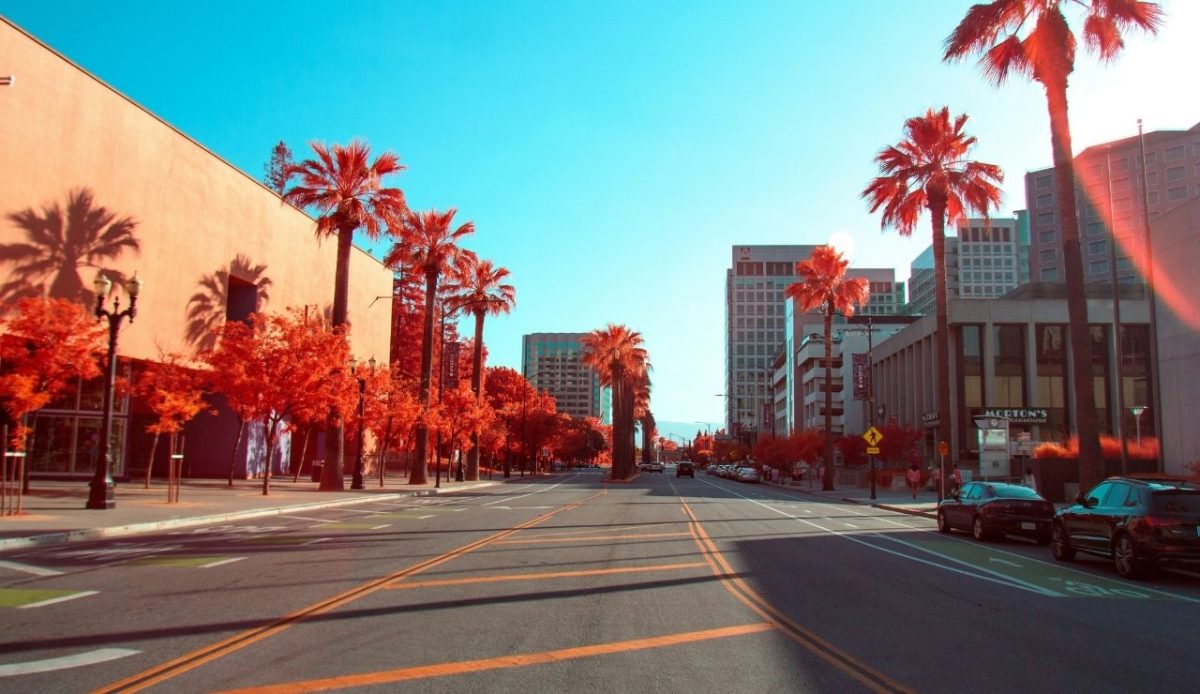
San Jose generates high trash volumes as household growth and steady redevelopment continue across the city. Residential collection and commercial disposal move through a tracked system, yet bulky items and renovation debris add weight that is hard to divert. Technology offices and retail centers contribute packaging, cafeteria waste, and routine trash. Diversion programs are promoted, but contamination can reduce what is accepted for recycling or composting. Remaining loads are sent to regional landfills via transfer facilities and long truck routes. Multiunit sites often show lower sorting accuracy.
