
Traveling abroad can be exciting, but many visitors unknowingly make themselves targets for pickpocketing. Small habits, like carrying valuables visibly, appearing distracted, or handling cash carelessly, can instantly signal vulnerability to opportunistic thieves. In crowded tourist areas, train stations, and busy markets, these behaviors increase the risk of theft. Knowing the common mistakes and adopting preventive strategies not only protects your belongings but also allows you to enjoy your trip with confidence. This guide covers 11 travel habits that can make visitors easy targets and how to avoid them.
1. Wearing Flashy Accessories and Designer Items
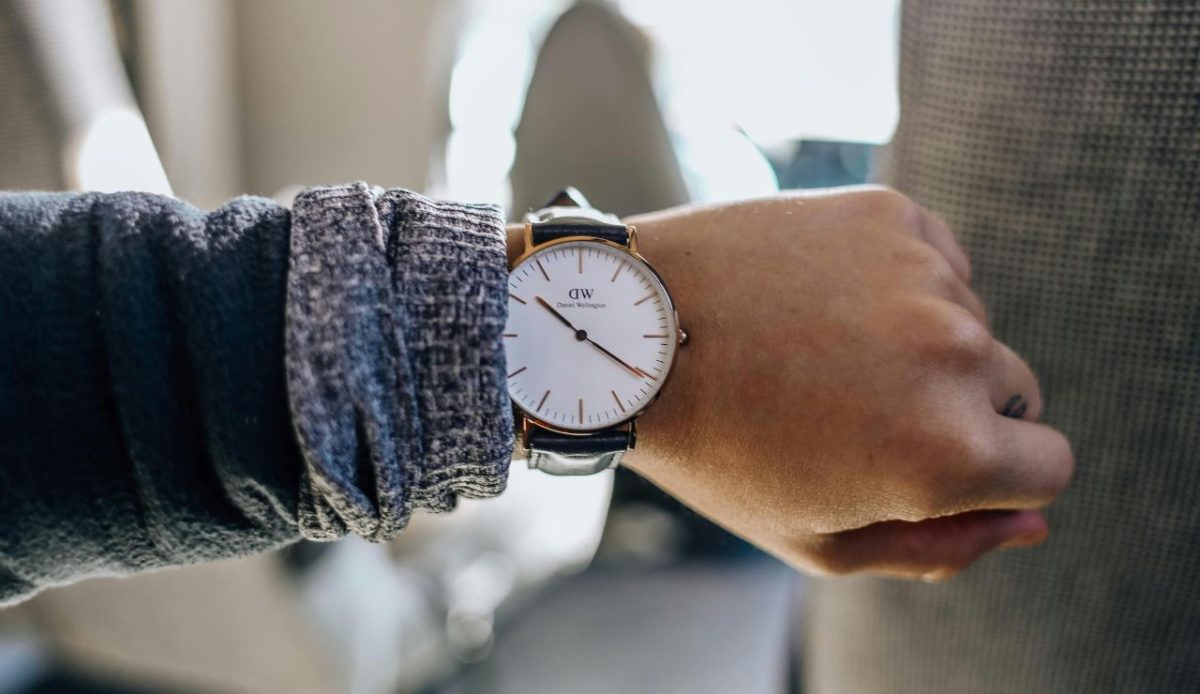
Showing off expensive watches, jewelry, or designer handbags immediately draws attention. Pickpockets often scan crowds for visitors displaying wealth, making flashy accessories a magnet for theft. Even a small, shiny item can signal that you’re carrying more valuable belongings. Travelers should consider understated accessories, neutral clothing, and minimal visible valuables to avoid standing out. Using discreet bags and leaving luxury items in a hotel safe whenever possible lowers your risk. Blending in with local fashion while keeping essentials secure is one of the simplest ways to deter opportunistic thieves abroad.
2. Carrying Valuables in Back Pockets or Easily Accessible Bags
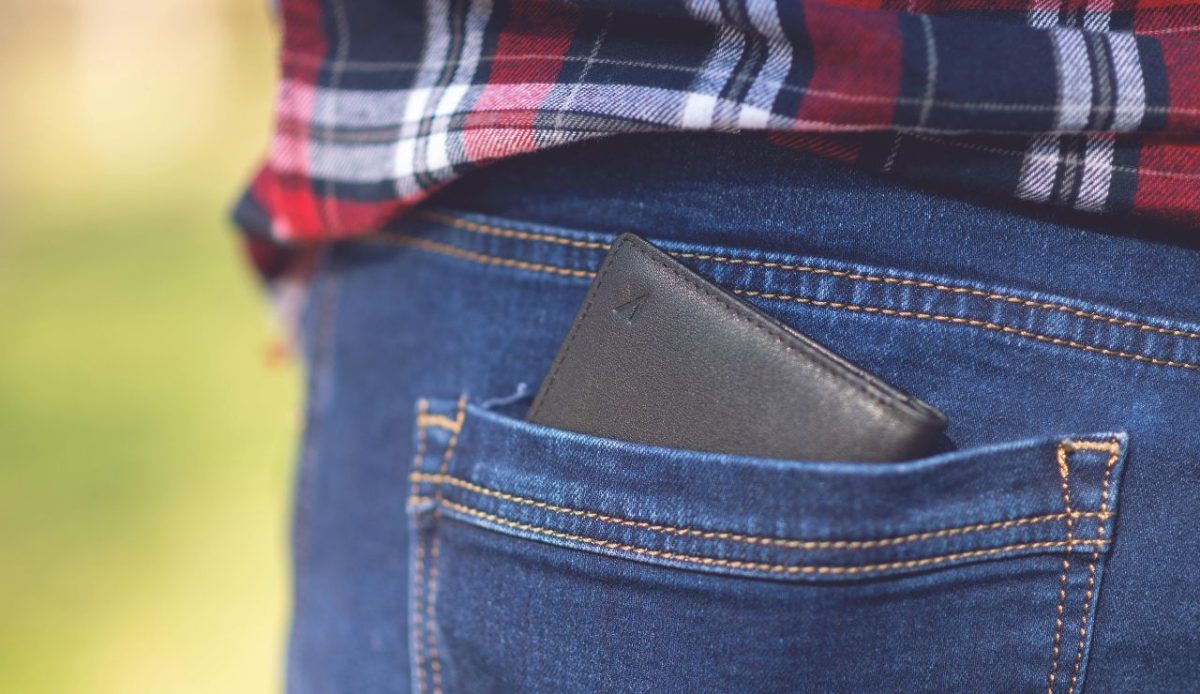
Carrying wallets or phones in back pockets or loose bags is an easy target for pickpockets. Opportunistic thieves in crowded areas can quickly slip a hand into an exposed pocket without the victim noticing. Secure compartments, cross-body bags worn in front, or hidden money belts make a huge difference. Zipper locks and RFID-blocking wallets add extra layers of protection. Keeping valuables close to your body and constantly aware of their placement is critical. By preventing easy access to your belongings, you greatly reduce the chances of theft while enjoying busy streets, transit hubs, and markets abroad.
3. Looking Confused or Lost in Public

Visitors who appear uncertain, like stopping mid-street to check maps or looking around anxiously, immediately draw attention. Pickpockets often seek travelers who seem distracted or unsure. Step aside in a café or shop when checking directions, rather than standing in busy walkways. Learning basic local phrases or pre-planning routes can increase confidence and make you less noticeable. Walking with purpose, maintaining a calm demeanor, and keeping your belongings close makes you less appealing to thieves. Awareness of surroundings is as important as securing valuables in preventing theft abroad.
4. Using Public Transportation Without Guarding Your Belongings
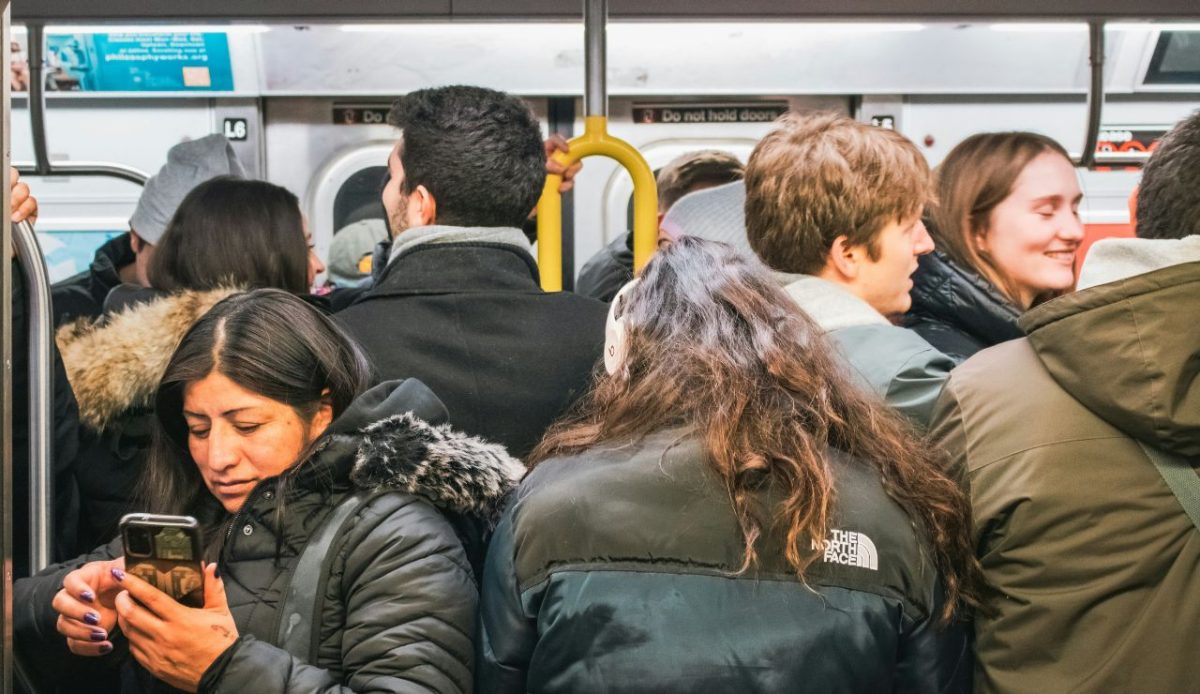
Crowded trains, buses, and subways are hotspots for pickpocketing, as the hustle and bustle provide cover for thieves. Shoulder bags worn at the back, phones in hands, and inattentive behavior make it easy for criminals to strike quickly and quietly. Keep bags in front, loop straps through your arm, and stay alert, especially during rush hours or at busy stations. Thieves often work in pairs or groups, so remain mindful of anyone standing unusually close. Being aware of your surroundings and maintaining physical control of your belongings in public transport settings is essential for protecting your valuables while commuting abroad safely.
5. Flashing Large Amounts of Cash in Public

Pulling out large sums of cash for purchases makes you an immediate target. Pickpockets watch for travelers revealing bills, seeing them as easy prey. Carry only small amounts for daily expenses and keep the rest in secure pockets or hotel safes. Using credit or debit cards for bigger purchases reduces the need to carry cash. Discreetly handling money inside your bag or wallet lowers exposure. Travelers who keep financial transactions private and minimize visible cash are far less likely to attract unwanted attention from thieves, and they avoid creating unnecessary stress while moving around public spaces.
6. Leaving Bags Unattended or Hung Off Chairs

Relaxing at a café or restaurant while hanging bags off chairs or leaving them momentarily unattended is risky. Opportunistic thieves take advantage of even brief lapses in attention. Bags should remain on your lap, in front of your body, or securely fastened to your chair. Anti-theft backpacks with lockable zippers or cut-resistant material provide extra protection. Keeping personal belongings within reach at all times reduces the likelihood of theft. Being mindful of bag placement in social settings ensures travelers can enjoy meals, drinks, or breaks without compromising security, even during busy lunch hours or crowded events.
7. Being Distracted by Scams or Friendly Strangers

Pickpockets often use coordinated distractions, like someone spilling coffee, asking for signatures, or engaging in friendly conversation, to divert attention. While you focus on the distraction, your valuables can be stolen unnoticed. Maintain situational awareness and keep one hand on your bag or pockets when approached. Recognizing diversion tactics and being cautious of overly friendly strangers reduces the chance of theft. Trust instincts; if a situation feels off, move away quickly. Travelers who stay alert during interactions and avoid unnecessary distractions are far less likely to become victims of opportunistic theft abroad.
8. Carrying Too Many Bags or Too Much Gear

Juggling multiple bags or heavy equipment divides attention, making it easier for thieves to strike. Large backpacks or multiple items make monitoring each possession difficult, increasing vulnerability. Simplify packing with one secure, well-organized bag featuring anti-theft features. Keep essentials close and maintain awareness of your surroundings. Reducing the number of items you carry helps focus on personal safety while exploring streets, markets, and public areas. Traveling lighter not only eases movement but also allows you to stay fully attentive and avoid becoming a convenient target for pickpockets.
9. Speaking Loudly or Standing Out as a Tourist
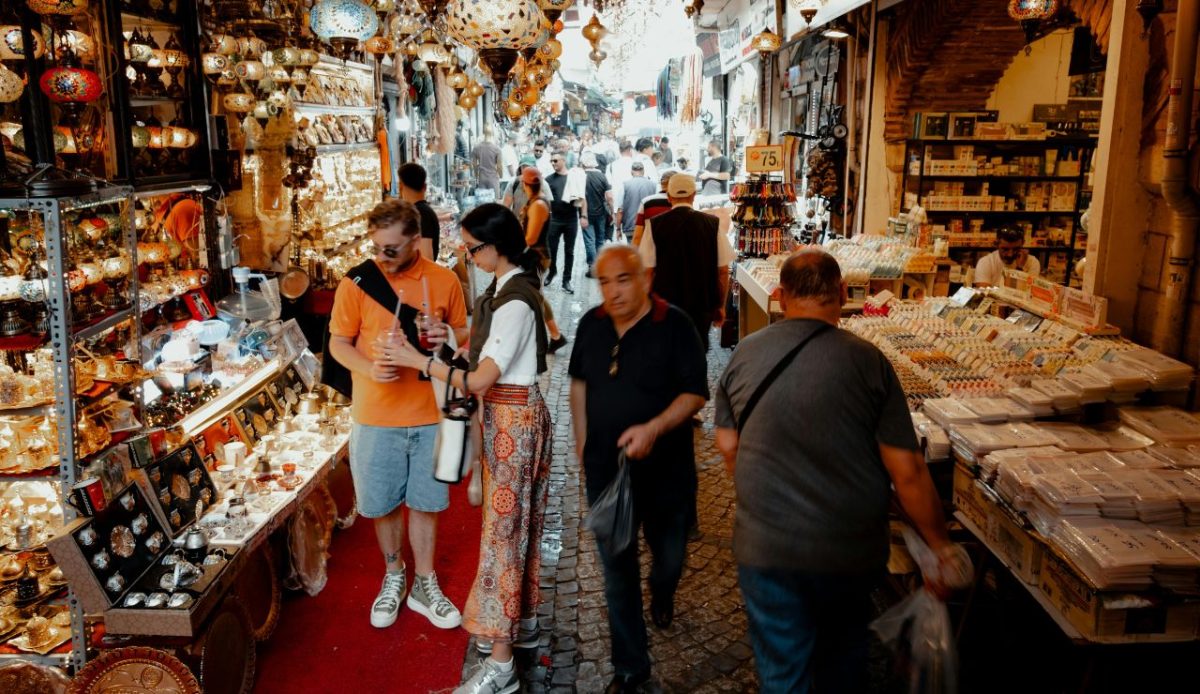
Loud conversations, guidebooks, and touristy attire make you stand out to thieves. Pickpockets target visitors who appear unfamiliar with local norms. Dress in neutral colors, keep guidebooks hidden, and avoid publicly discussing travel plans or valuables. Blending in with local behavior reduces the risk of being singled out. Observing how locals carry themselves and their belongings provides cues for safe travel. Travelers who adopt subtle behavior, remain discreet in public spaces, and avoid drawing attention can move confidently through crowded areas, minimizing the chances of theft significantly.
10. Not Securing Your Belongings at Night or During Breaks
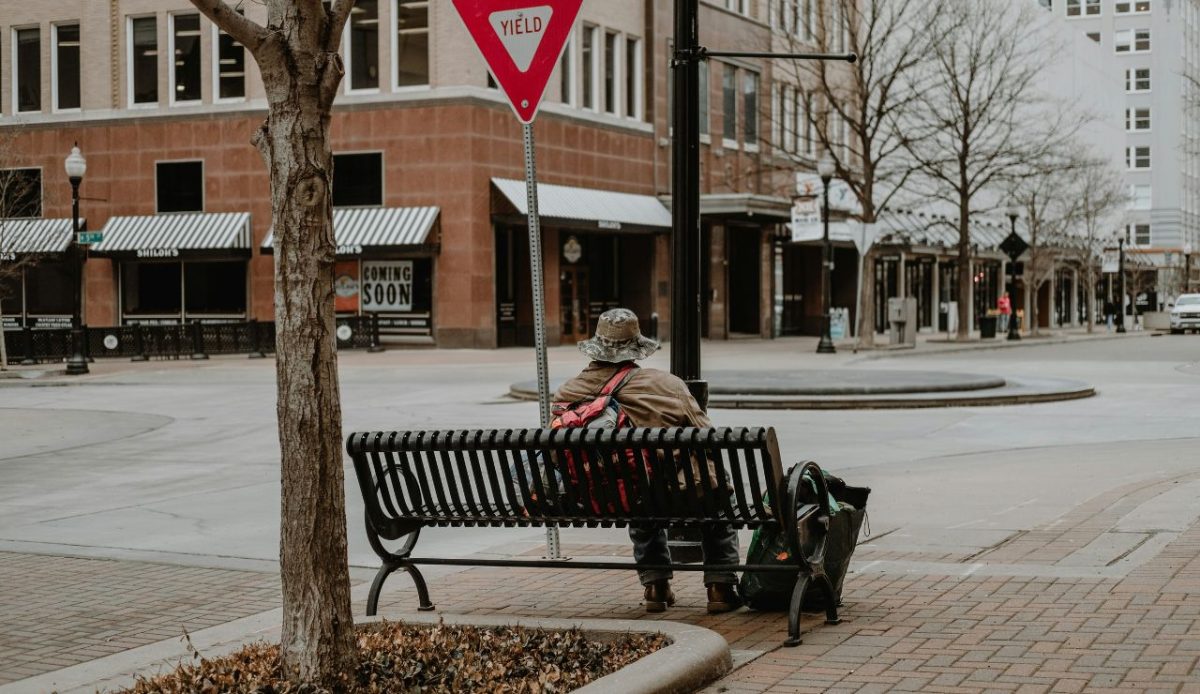
Leaving valuables unsecured while resting or taking breaks exposes you to theft. Many travelers assume quiet streets or cafés are safe, but opportunistic thieves exploit these moments. Always use luggage locks, hotel safes, or hidden compartments for passports, cash, and electronics. Even brief distractions require vigilance; keep items close and in zipped compartments. Treat every stop, not just busy sightseeing moments, as an opportunity to safeguard belongings. By staying mindful and protecting your possessions continuously, you prevent easy theft and enjoy greater peace of mind during travel nights or mid-day breaks.
11. Ignoring Local Pickpocket Hotspots and Customs
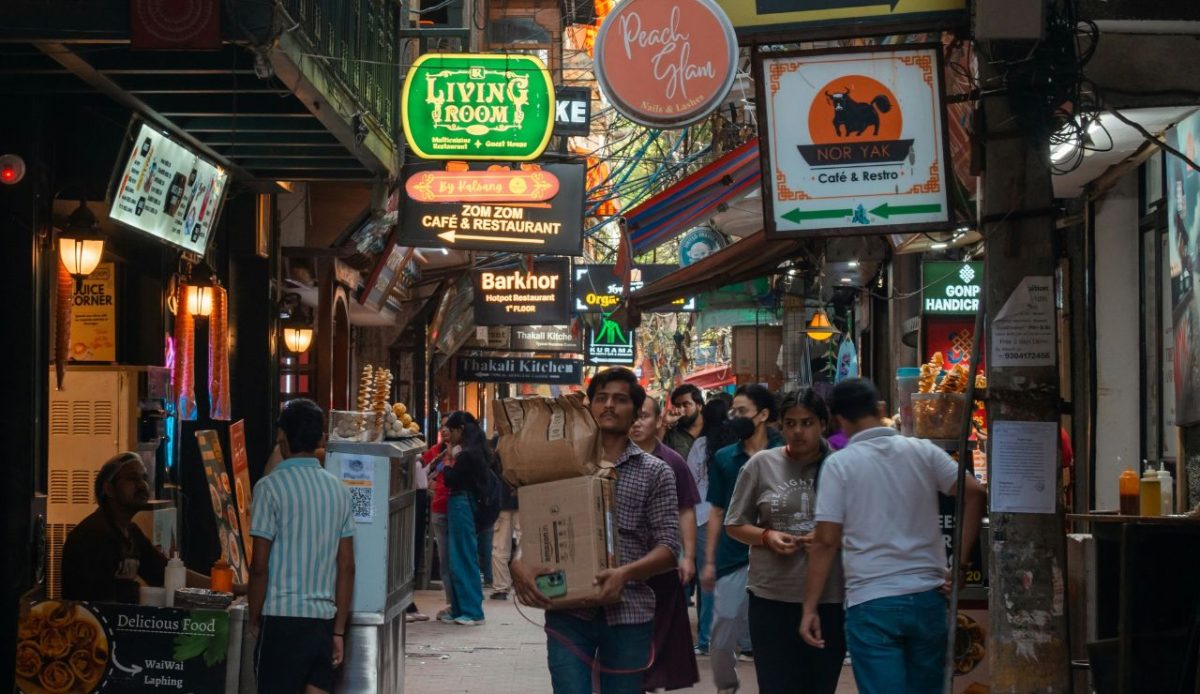
Failing to research local theft patterns can make you an easy target. Pickpocketing is more common in crowded markets, tourist landmarks, and transit hubs. Learning which areas are high-risk and observing how locals handle bags and money enhances safety. Following local customs regarding personal space, bag placement, and behavior helps blend in. Knowledge of common hotspots, scam tactics, and cultural norms reduces predictability and vulnerability. Travelers who stay informed about their destination, including local alerts and advice, can enjoy sightseeing with confidence and drastically lower the chances of being targeted by thieves.
