
In Russia, vodka is more than a spirit; it’s a symbol of hospitality, tradition, and shared experience shaped by region and history. While many travelers associate vodka with nightlife, locals see it as part of family meals, seasonal celebrations, and cultural etiquette. Regions have developed unique customs, from ceremonial toasts to infused recipes passed down through generations. Visiting these destinations shows how vodka connects people, food, climate, and identity. These 11 Russian destinations are especially known for preserving vodka traditions alongside local life that travelers can still experience today.
1. Moscow
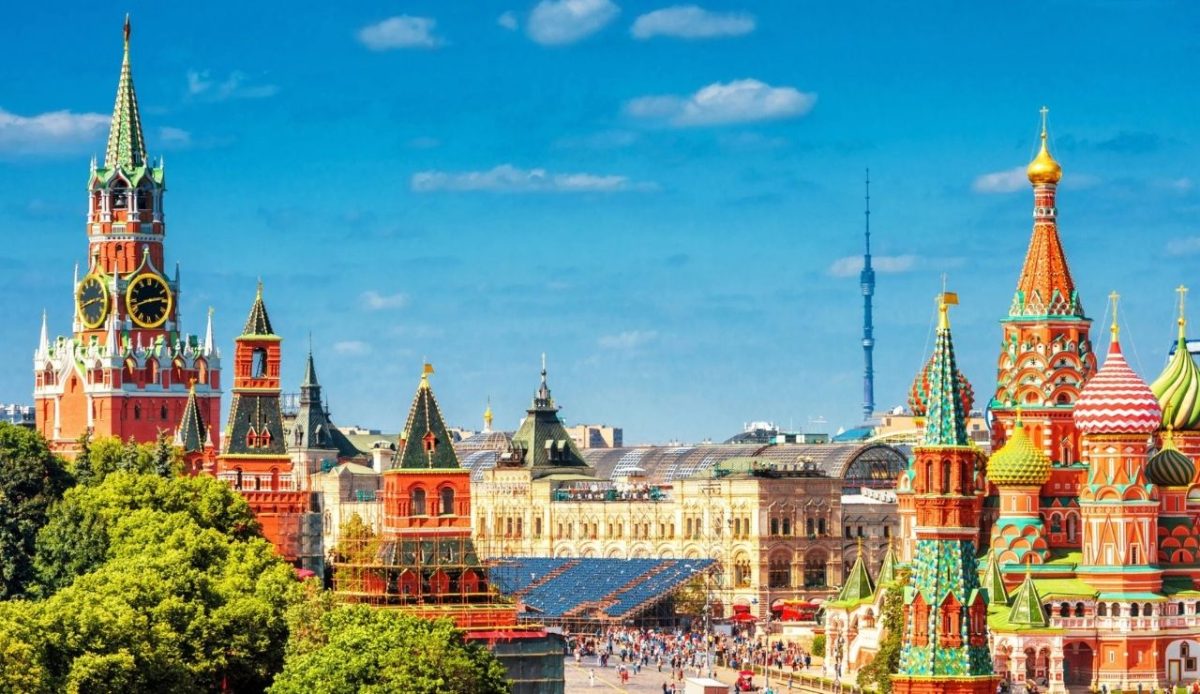
Moscow represents the most formal and ritual-driven side of Russian vodka culture. Vodka here is typically served during structured meals, accompanied by traditional zakuski such as pickles, cured meats, and dark rye bread. Toasts follow clear etiquette, emphasizing respect, gratitude, and unity. Rather than casual drinking, vodka in Moscow is tied to celebration, negotiation, and hospitality. Historic taverns, family dinners, and cultural venues reinforce its ceremonial role. For travelers, Moscow reveals how vodka functions as a social anchor deeply connected to tradition, conversation, and national identity.
2. Saint Petersburg
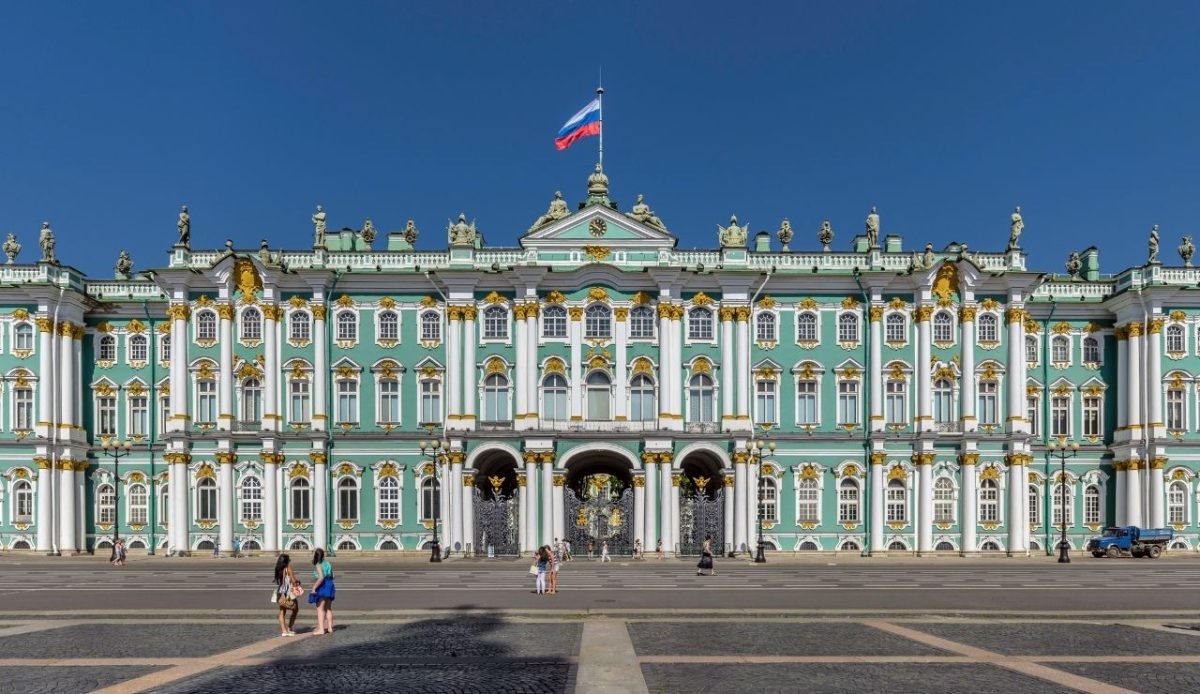
Saint Petersburg’s vodka culture reflects the city’s imperial past and artistic temperament. Vodka is often paired with refined dishes like seafood, caviar, and delicate appetizers, creating a slower, more elegant experience. Drinking customs emphasize moderation, conversation, and atmosphere rather than volume. Locals treat vodka as part of intellectual gatherings, family celebrations, and winter traditions. Historic cafes and classic restaurants preserve this refined approach. Travelers visiting Saint Petersburg encounter vodka as a cultural companion to art, music, and storytelling rather than a focus of excess or nightlife.
3. Kazan
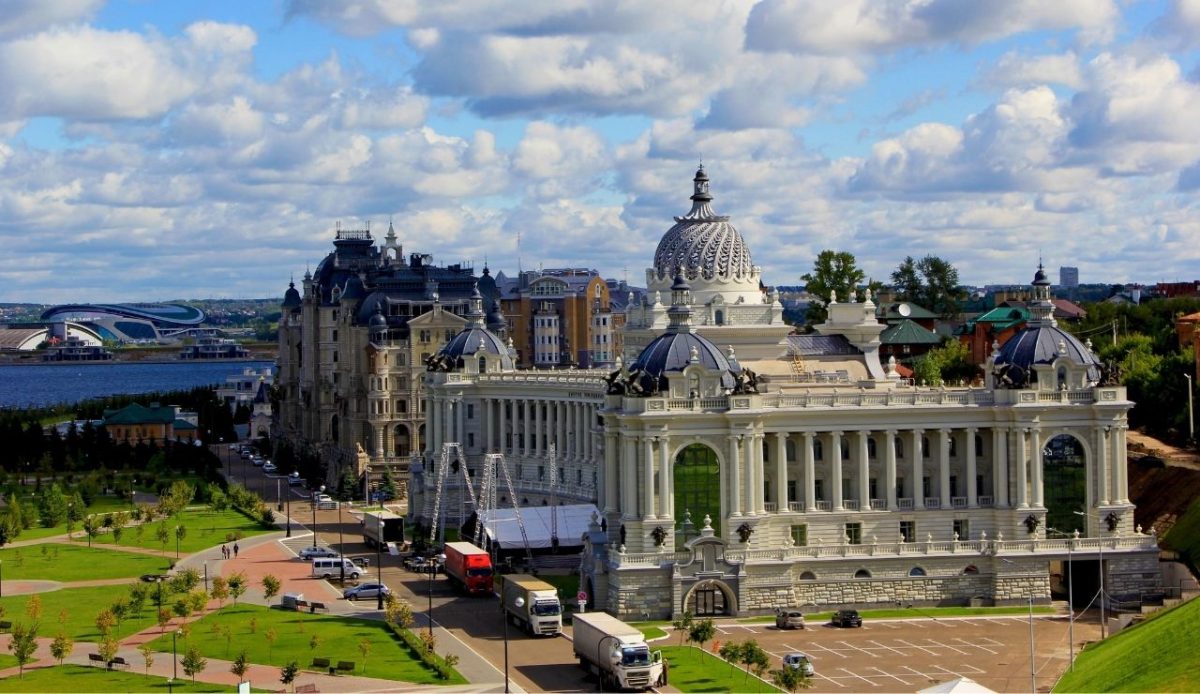
Kazan offers a distinctive vodka culture shaped by its blend of Russian and Tatar heritage. While Islamic traditions encourage moderation, vodka still appears during social occasions and hospitality rituals. Locals approach drinking thoughtfully, often pairing vodka with hearty regional dishes and extended meals. The city’s cultural balance creates an atmosphere where vodka is respected rather than central. Travelers visiting Kazan witness how regional beliefs influence drinking habits, providing insight into how vodka traditions adapt while remaining part of shared gatherings and cultural identity.
4. Yaroslavl
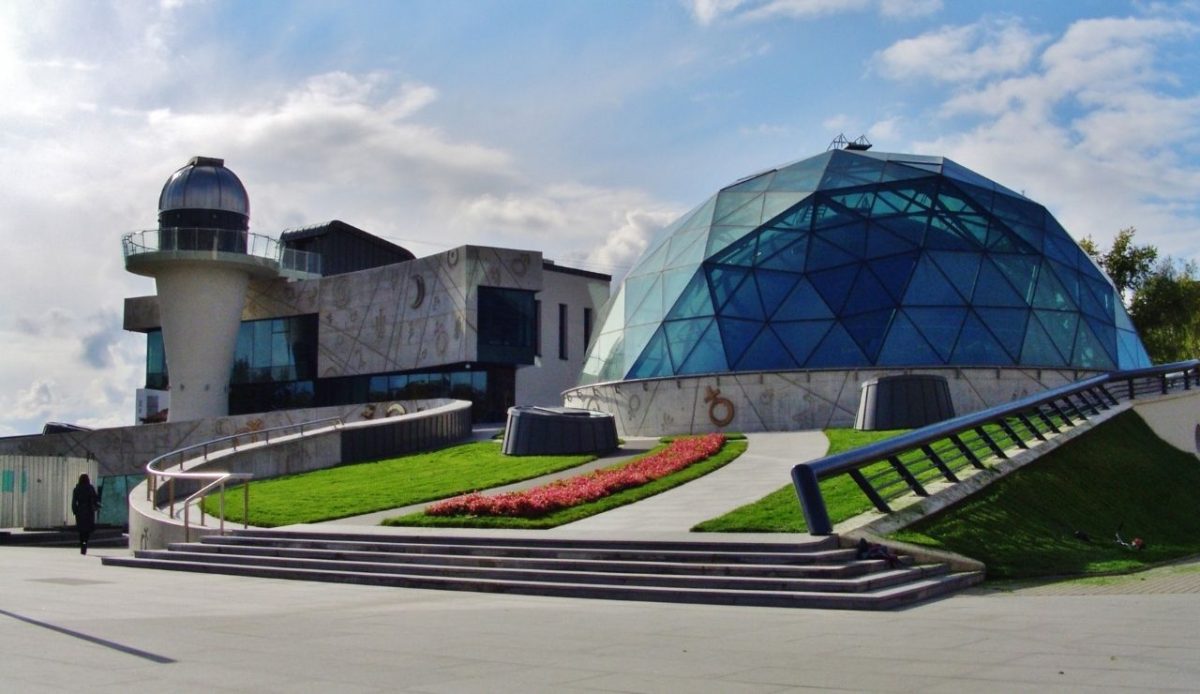
Yaroslavl’s vodka traditions are rooted in countryside customs and regional craftsmanship. The city values locally produced spirits and time-honored recipes rather than mass production. Vodka is commonly shared during family events, village celebrations, and holiday meals, where conversation and connection take priority over speed. Locals treat vodka as an extension of hospitality, not entertainment. For travelers, Yaroslavl offers an authentic look at how vodka fits into everyday life beyond major cities, preserving traditions that reflect rural rhythms, patience, and generational continuity.
5. Suzdal
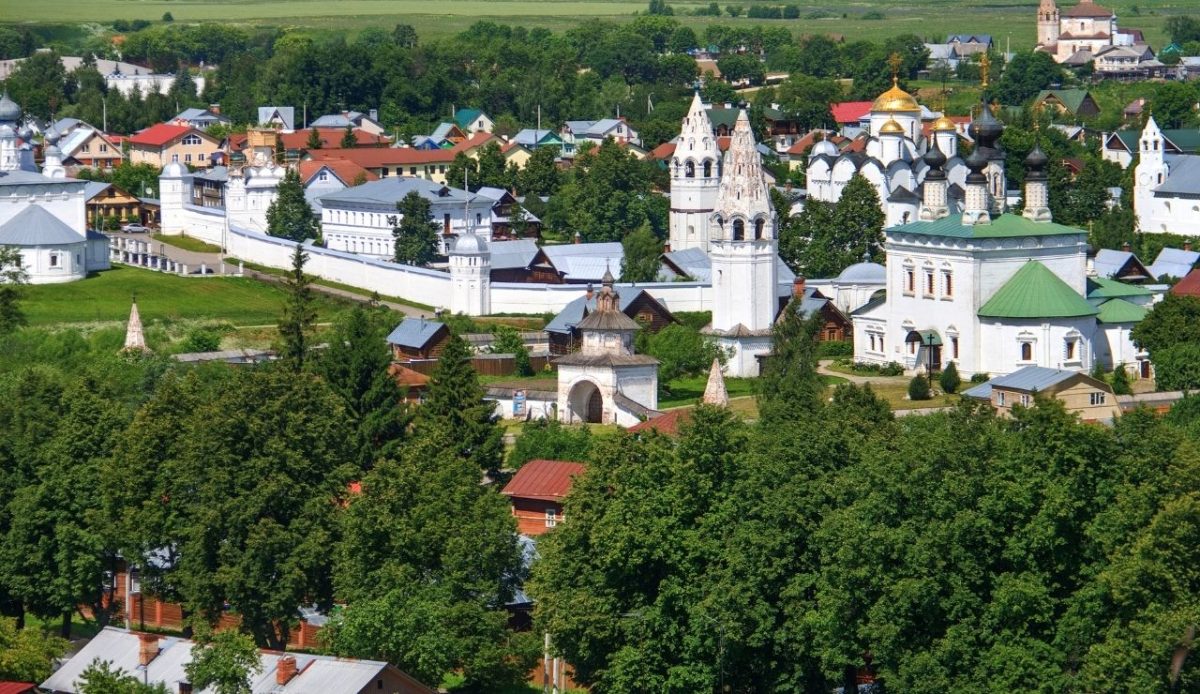
Suzdal’s small size and preserved traditions make its vodka culture deeply personal and unhurried. Locally infused vodkas made with honey, herbs, or berries are common, reflecting agricultural roots and seasonal flavors. Vodka is shared during long meals, often alongside homemade dishes and relaxed conversation. The emphasis is on togetherness rather than consumption. Travelers visiting Suzdal experience a slower pace of life, where vodka serves as a cultural connector in intimate settings, reinforcing bonds within families and close-knit communities. Visitors often note how these gatherings feel unchanged for generations.
6. Veliky Novgorod
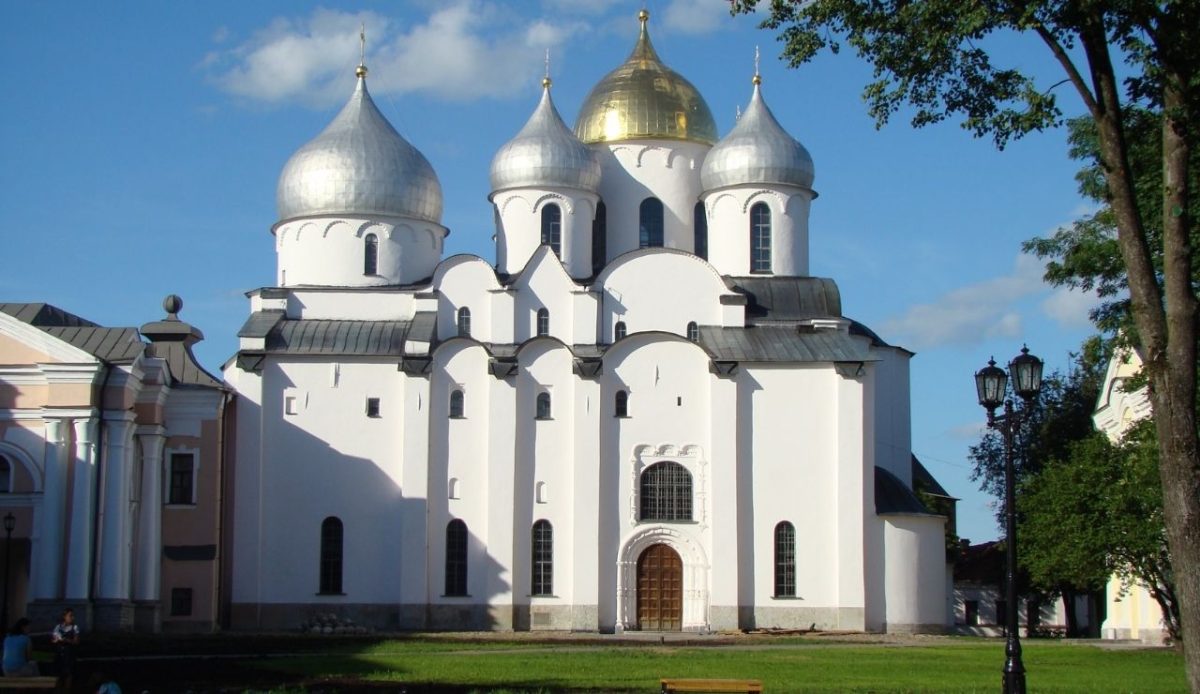
Veliky Novgorod’s vodka traditions are shaped by its ancient history and strong cultural continuity. Drinking customs are tied to celebrations, religious holidays, and family gatherings rather than casual occasions. Vodka is typically paired with rustic foods, fermented vegetables, and seasonal dishes, served with respect for ritual and timing. Locals view vodka as part of their heritage, reinforcing communal bonds and storytelling. Travelers exploring Novgorod gain insight into how centuries-old values guide social behavior, with vodka symbolizing shared identity, historical pride, and regional connection across generations.
7. Irkutsk
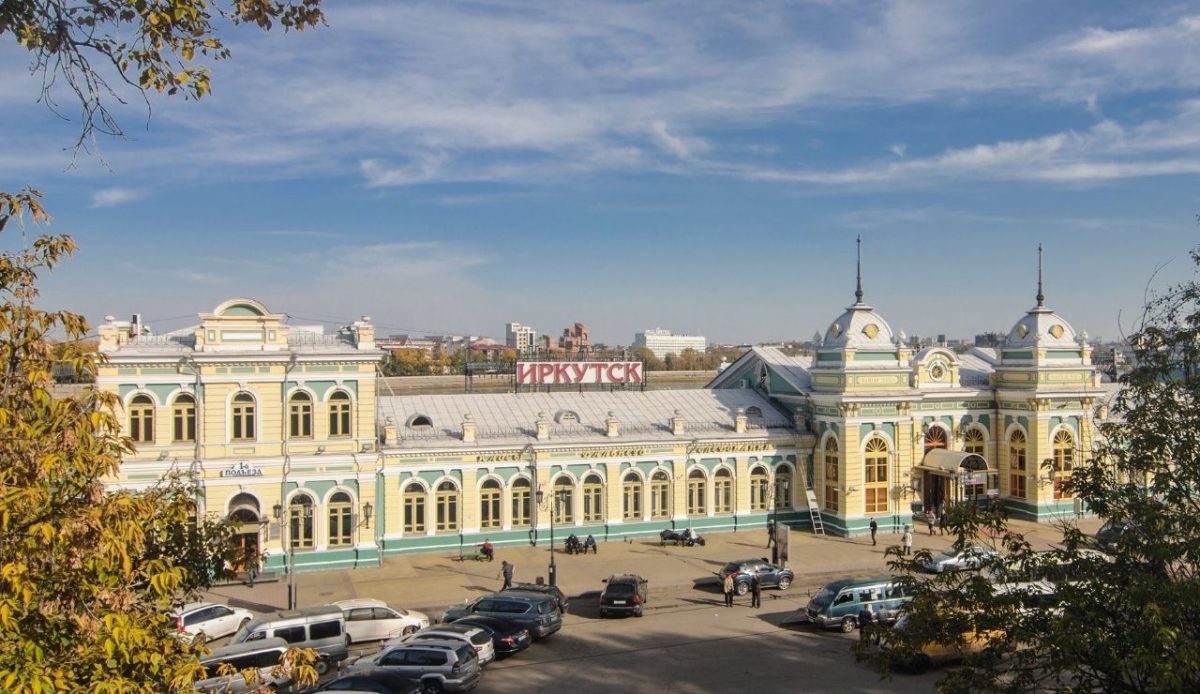
Irkutsk’s vodka culture reflects Siberia’s demanding climate and resilient lifestyle. Historically, vodka played a role in social warmth during long winters, helping strengthen community bonds and reinforce relationships in extended gatherings. Locals often pair vodka with smoked fish, hearty stews, preserved foods, and regional delicacies suited to the harsh environment. Drinking traditions emphasize endurance, respect, and shared experience rather than indulgence. Travelers visiting Irkutsk encounter vodka as both a practical and cultural element shaped by the environment, illustrating how geography influences social customs and daily life.
8. Vladivostok
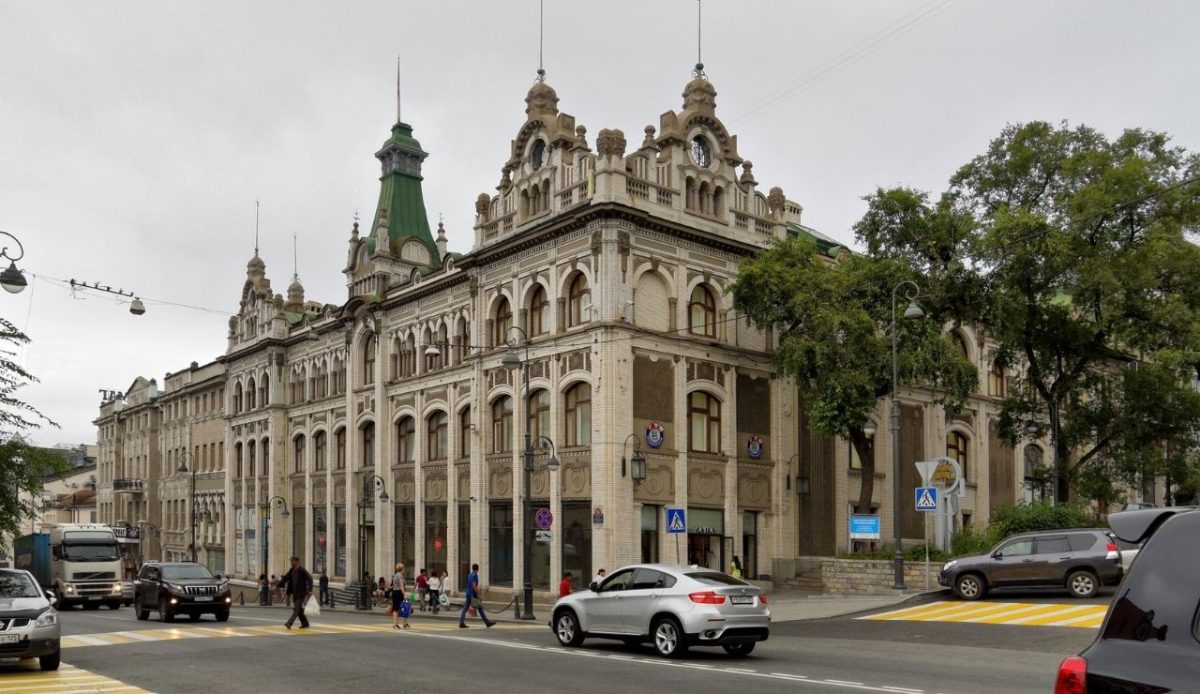
Vladivostok’s vodka traditions are influenced by its coastal setting and international port history. Seafood-based meals commonly accompany vodka, creating lighter pairings than inland regions. Locals favor long dinners and relaxed pacing, where vodka supports conversation rather than dominating it. The city’s proximity to East Asia has subtly shaped drinking habits, blending Russian tradition with regional adaptation. Travelers experience a version of vodka culture that feels both familiar and distinct, rooted in place while open to outside influence, and reflective of the city’s maritime character and diverse culinary heritage.
9. Nizhny Novgorod
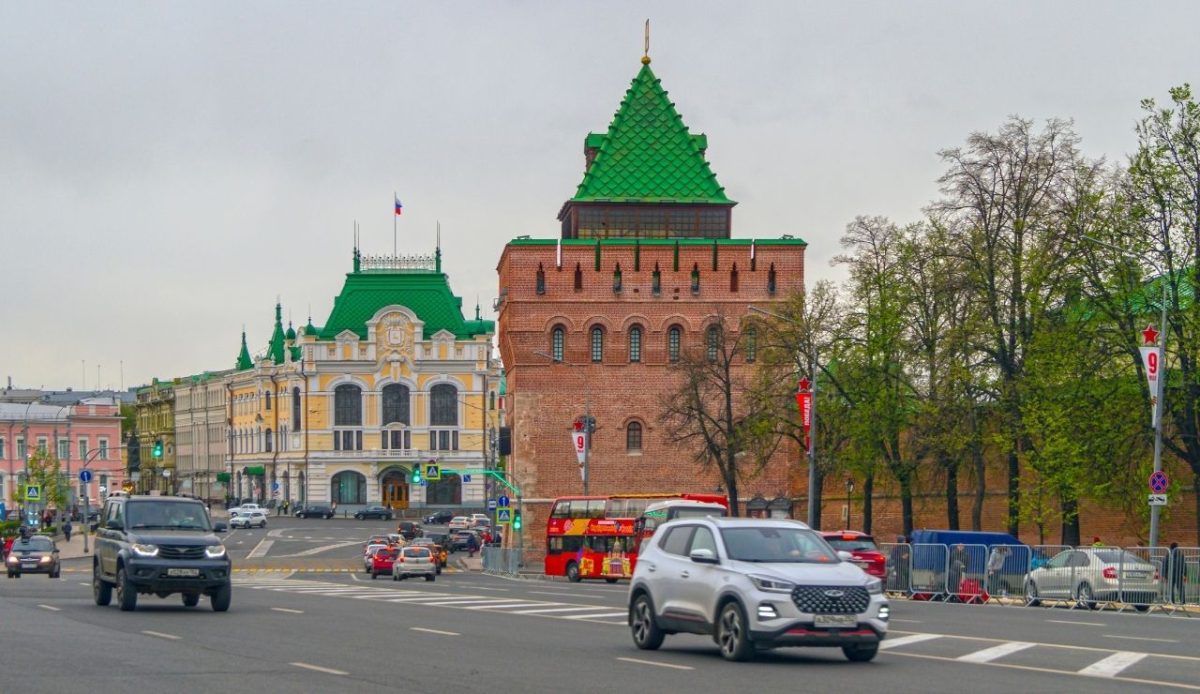
Nizhny Novgorod’s vodka culture reflects its history as a trading and industrial center. Vodka is shared during family gatherings, holidays, and community events, where tradition matters more than spectacle. Locals prioritize quality, balance, and ritual, maintaining customs passed down through generations. Drinking is often accompanied by filling regional dishes, seasonal specialties, and thoughtful conversation. For travelers, the city offers a grounded view of everyday Russian life, where vodka plays a steady, respected role in social connection rather than nightlife excess or tourist gimmicks.
10. Tomsk
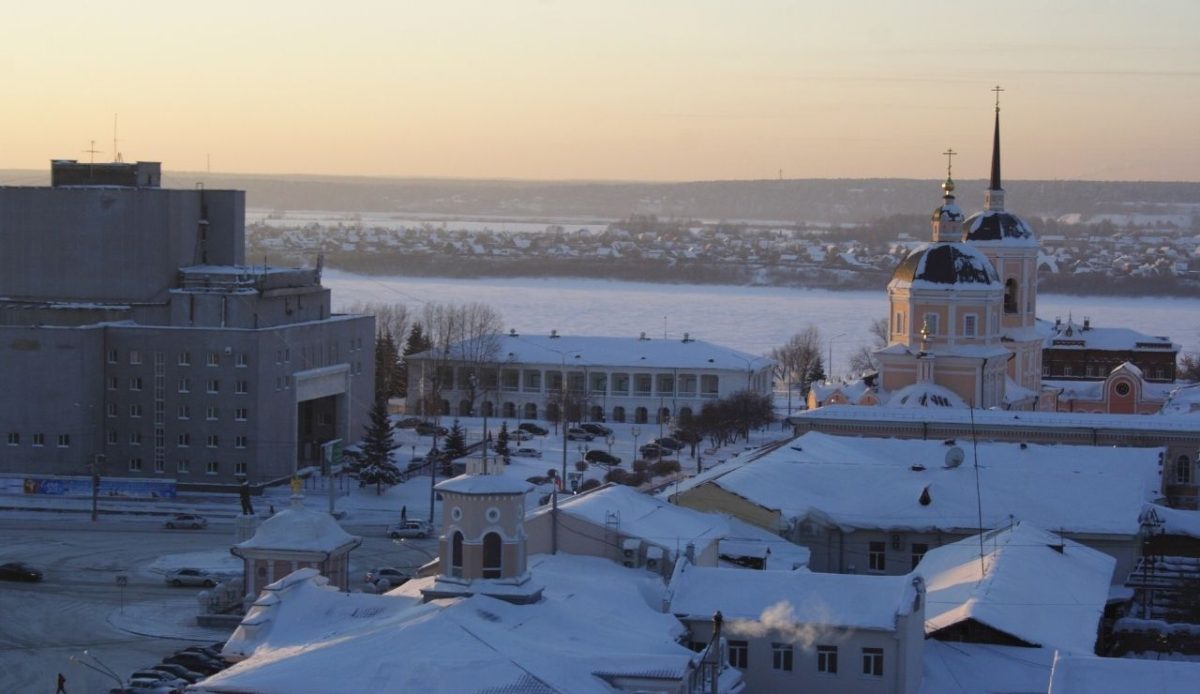
Tomsk blends academic influence with Siberian tradition, shaping a vodka culture centered on conversation and moderation. Home to a major university, the city encourages social gatherings where vodka accompanies long discussions, shared meals, seasonal celebrations, and local folk customs. Locals emphasize respect and balance, reflecting both intellectual and regional values. Travelers visiting Tomsk experience vodka as a social equalizer, bringing together students, families, and elders in settings where dialogue, tradition, and connection matter as much as the drink itself, offering a unique cultural immersion.
11. Petrozavodsk
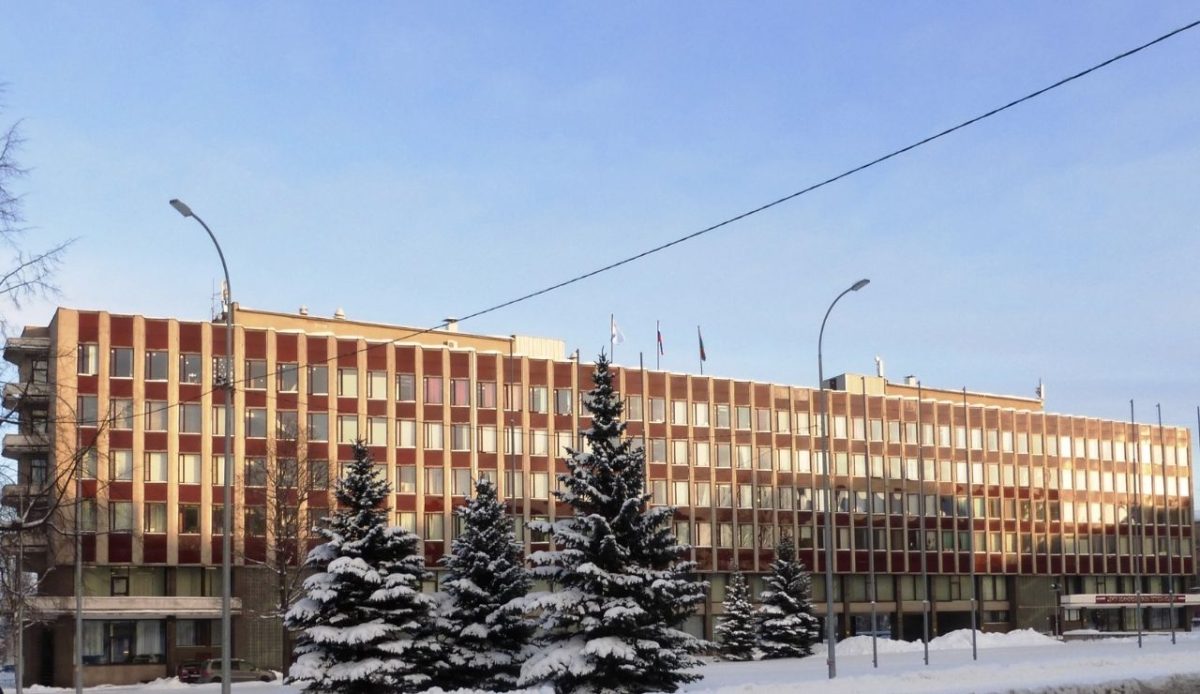
Petrozavodsk’s vodka traditions are shaped by Karelia’s forests, lakes, and northern climate. Locals often prepare infused vodkas using berries, herbs, and natural ingredients gathered seasonally, following methods passed down through generations. Drinking rituals are tied to nature-based festivals, fishing traditions, and family gatherings. Vodka is consumed slowly and respectfully, paired with fish dishes, rustic breads, and local seasonal specialties. Travelers visiting Petrozavodsk see how environment influences flavor, pace, and meaning, presenting vodka as part of a broader cultural relationship with land, heritage, and community life.
