
Timed entry rules are spreading across national parks as managers respond to peak season gridlock, safety limits, and overflowing trailhead lots. In 2026, more visits depend on a booked window for a road, a hike, or a tour, not only on an entrance fee.
Park staff argue that controlled arrivals reduce backups, keep rescue access clear, and limit damage where feet and tires spill off hardened surfaces. The intent is to shift demand to quieter hours while staying within staffing and facility capacity.
Visitors feel whiplash when each park uses different products, release dates, and exception rules. A missed slot can collapse a day, so planning now means tracking sale times, confirming what a pass does not cover, and keeping backup options.
1. Rocky Mountain National Park
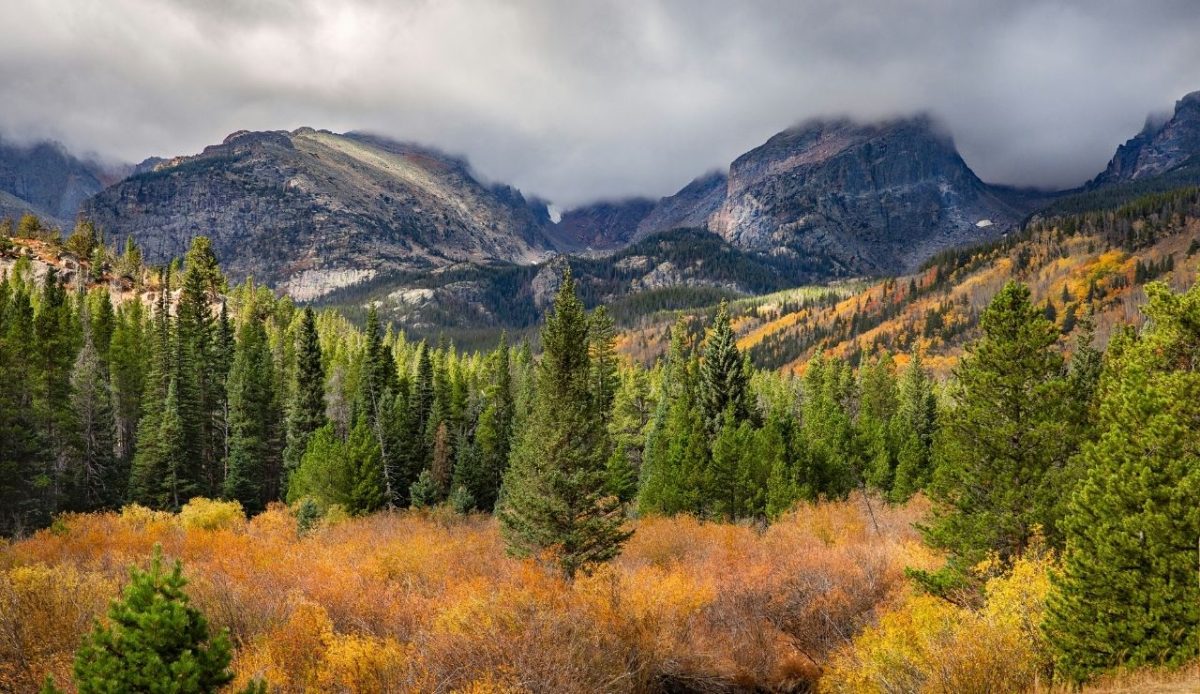
Rocky Mountain plans to run timed entry again in 2026, beginning May 22, with reserved access during peak hours and a separate option tied to the Bear Lake corridor.
The setup aims to reduce gate queues and prevent Bear Lake lots from filling before midmorning. Without a reservation, entry remains possible outside the controlled window, which pushes many itineraries to dawn starts or late afternoon drives.
Frustration comes from quick sellouts and split products. A family may hold an annual pass yet miss Bear Lake access because that corridor needs its own booking. The two choices look similar in checkout screens, so errors happen often in the summer.
2. Glacier National Park
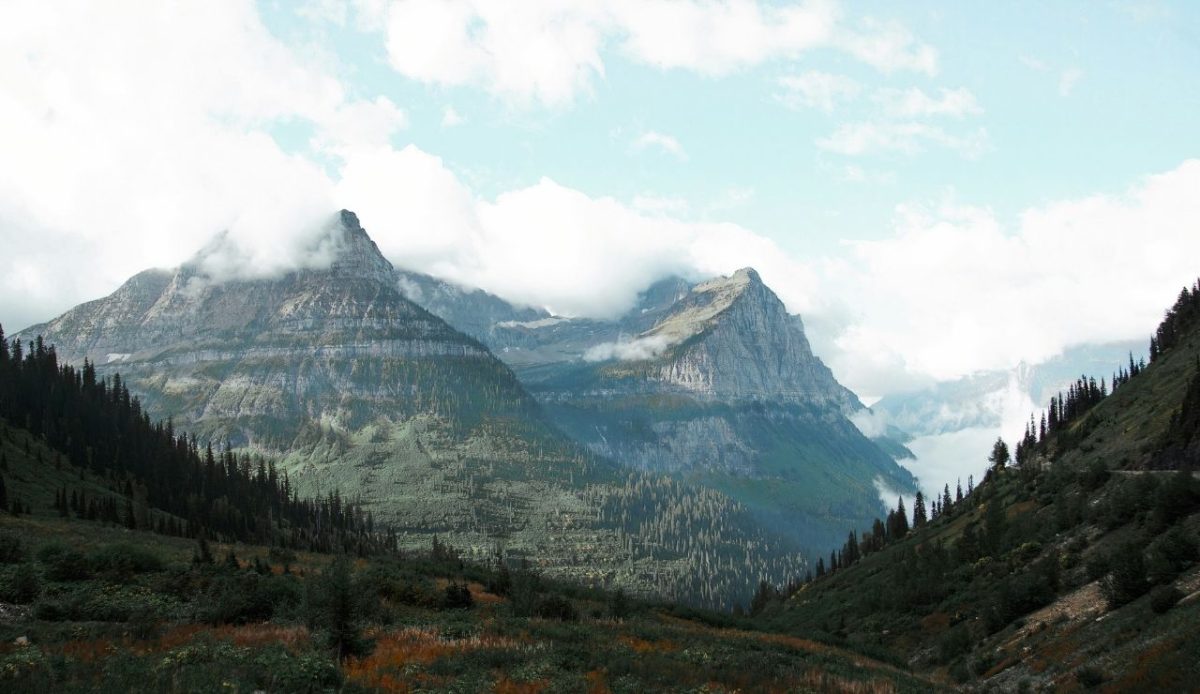
Glacier dropped vehicle reservations for 2026, but it plans a ticketed shuttle pilot to Logan Pass and a three-hour limit for private vehicle parking there starting July 1 if conditions allow for peak weeks.
Control shifts from the entrance gate to the most sought-after stop. Visitors can enter freely, then learn that Logan Pass access depends on shuttle tickets and tight dwell time at the pass, even if they arrived early.
Travelers read the change as full open access and arrive unprepared. When the day hinges on ticket release timing and weather-based operations, it can feel stricter than the prior reservation, yet harder to forecast for families.
3. Acadia National Park
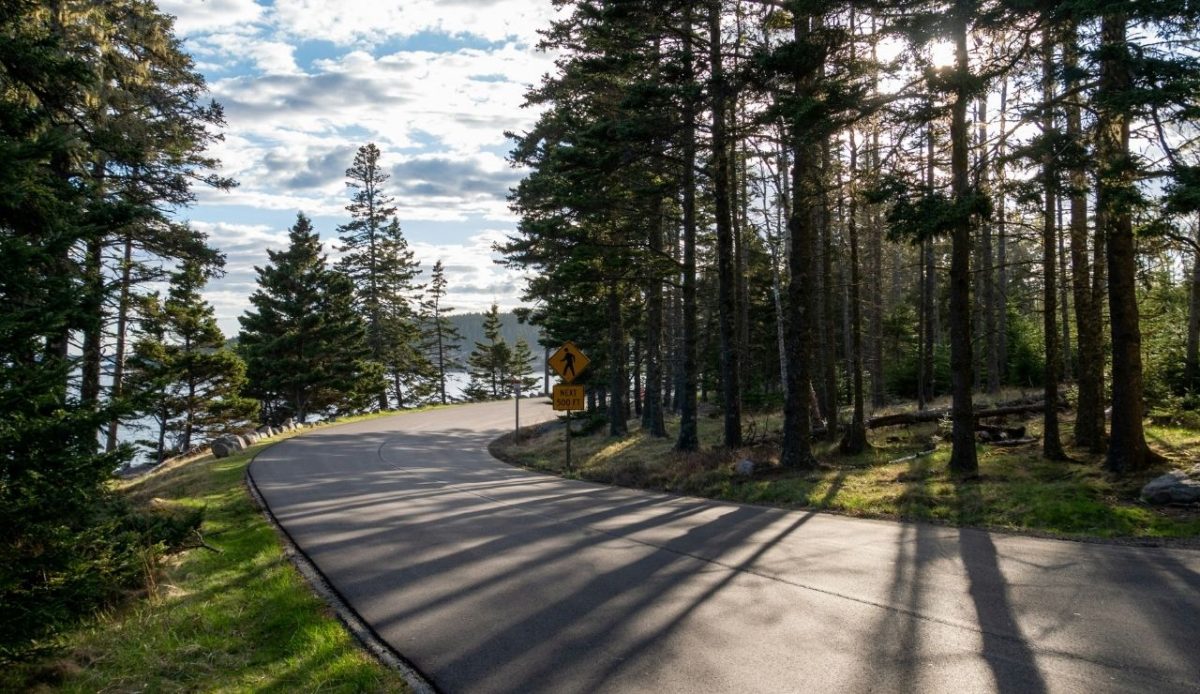
Acadia keeps a vehicle reservation requirement for Cadillac Summit Road in 2026, covering May 20 through October 25. Sunrise and daytime slots are released in two booking waves.
The rule targets one road rather than the full park, yet Cadillac is the signature sunrise stop for many first-time visitors. Drivers who reach the gate without the correct reservation are turned back, even when other trails and carriage roads are open.
Irritation comes from the fine print. The park entrance pass is separate, and the reservation window is brief. Two checkouts and strict arrival timing make an easy morning plan feel like a high-stakes purchase, especially on crowded weekends.
4. Shenandoah National Park
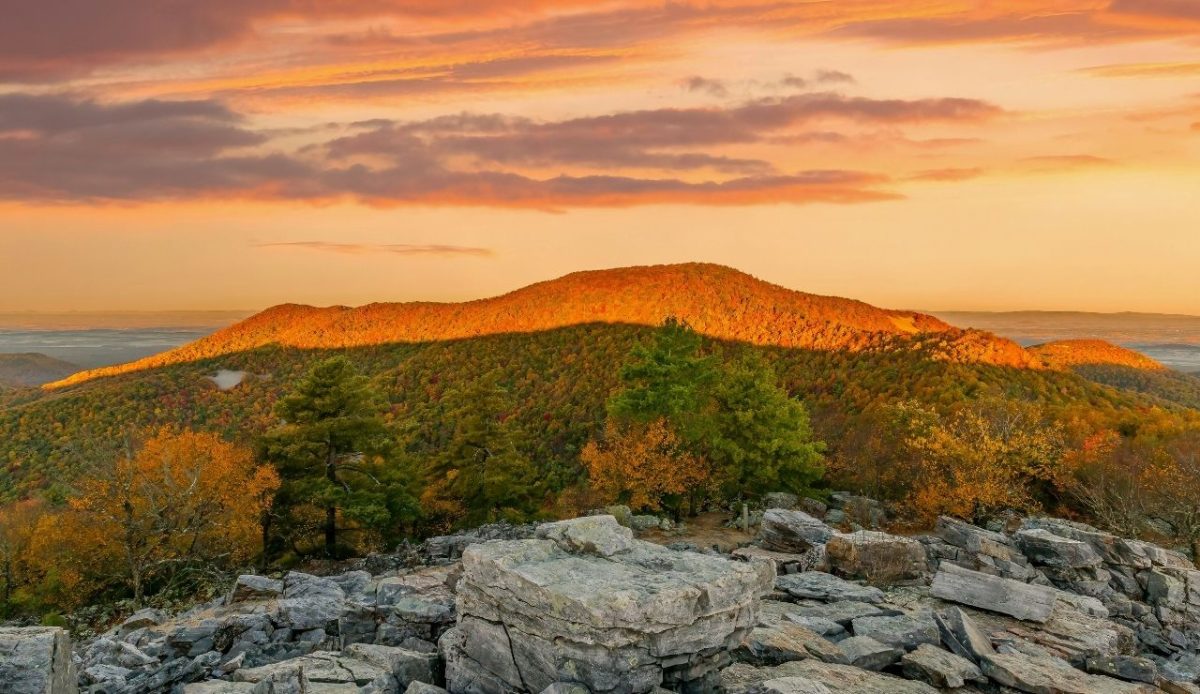
Shenandoah limits access to Old Rag with day-use tickets from March 1 through November 30. Roughly 800 tickets are issued daily, split between early releases and a later batch online, and they must be secured before arrival.
The cap reduces crowding on rock scrambles, shortens bottlenecks where hikers step off route, and lowers rescue demand when heat or storms hit. It also helps protect thin soils and vegetation near the narrowest ledges.
Weekend planners often discover sellouts for the exact date they need. Limited cell service near trail access adds stress, since last-minute fixes are hard when the signal drops and the ticket must be shown on arrival.
5. Carlsbad Caverns National Park
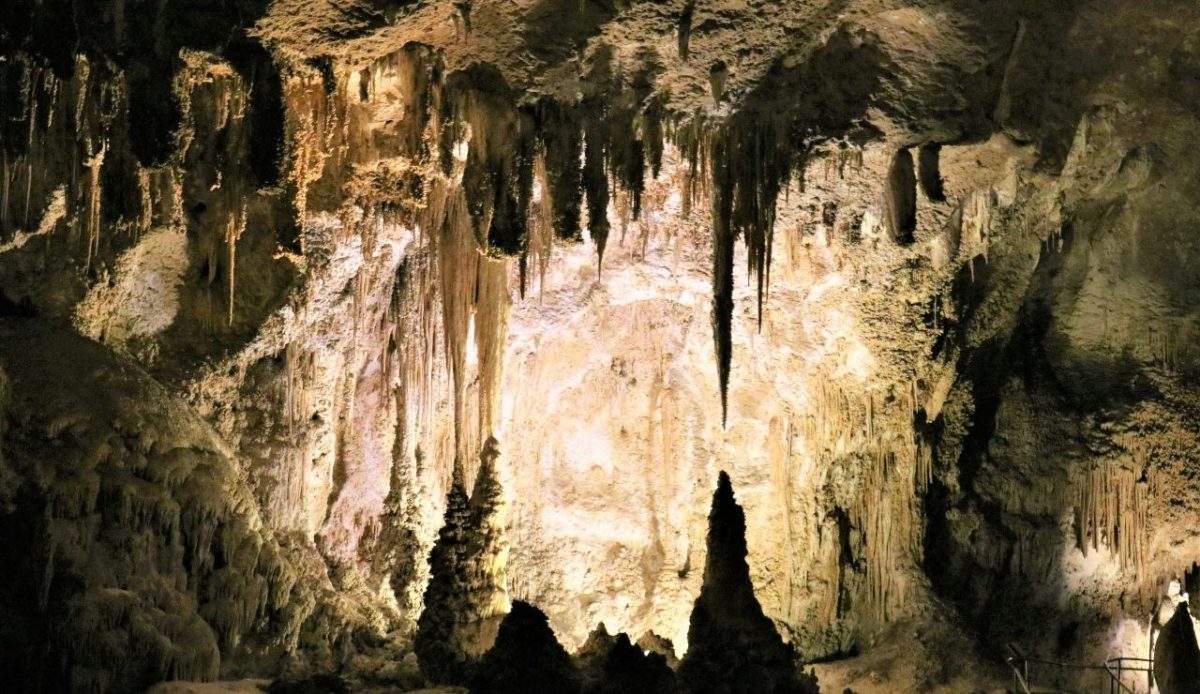
Carlsbad Caverns requires a timed entry reservation to enter the main cavern, even for pass holders. Visitors pick an entry time and then buy or present an entrance pass at the visitor center.
Slots limit crowding in confined underground routes and help protect formations from contact and dust. Spaced entry also reduces choke points on stairs and tight turns where stop and go lines can build, which improves ranger oversight.
Frustration rises when a long drive runs late. Missed times can mean losing the fee, and the chance to enter, and the same-day inventory can vanish on holidays. Travelers feel punished for delays that are common on rural highways.
6. Haleakala National Park
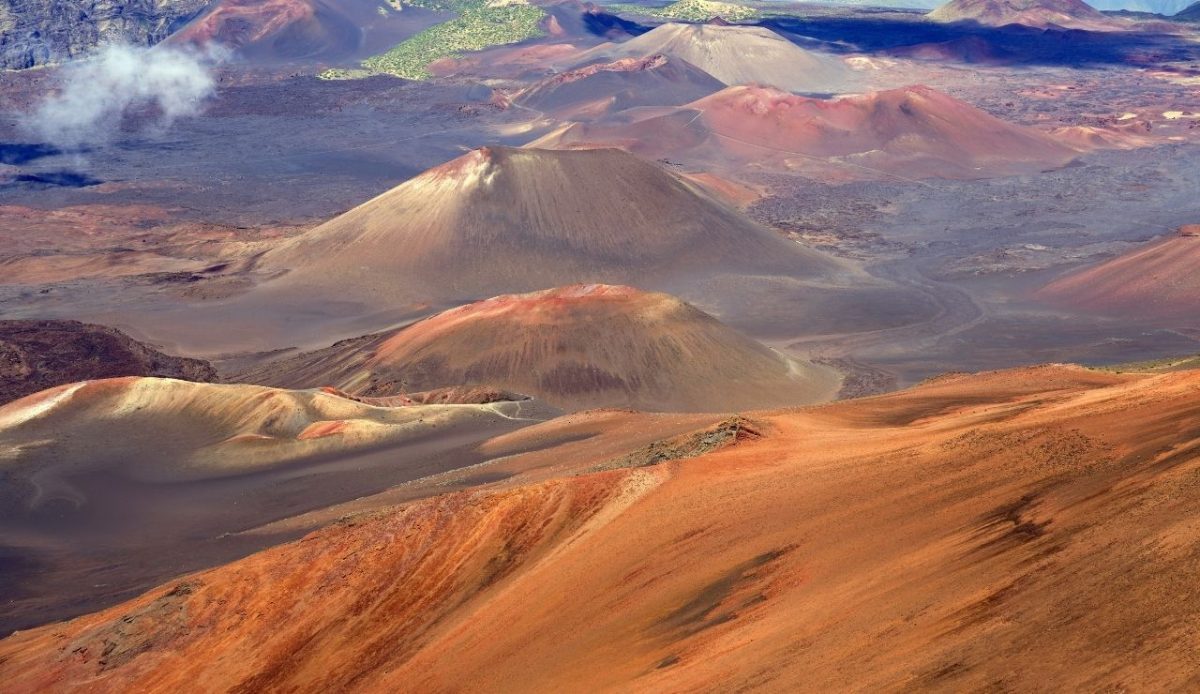
Haleakala restricts vehicle entry into the summit district from 3 a.m. to 7 a.m. using a sunrise reservation that is valid only for the chosen date. Bookings open up to 60 days out, with a smaller later release.
The goal is to prevent predawn gridlock and unsafe roadside parking on the climb to the crater rim. Demand is intense, so visitors must plan ahead and still arrive early for check-in and ranger screening in the dark.
People dislike that the weather can erase the view while the reservation still counts. The entrance fee is separate from the sunrise booking, so it can feel like paying twice for one morning that clouds can cancel, with no easy swap.
7. Zion National Park
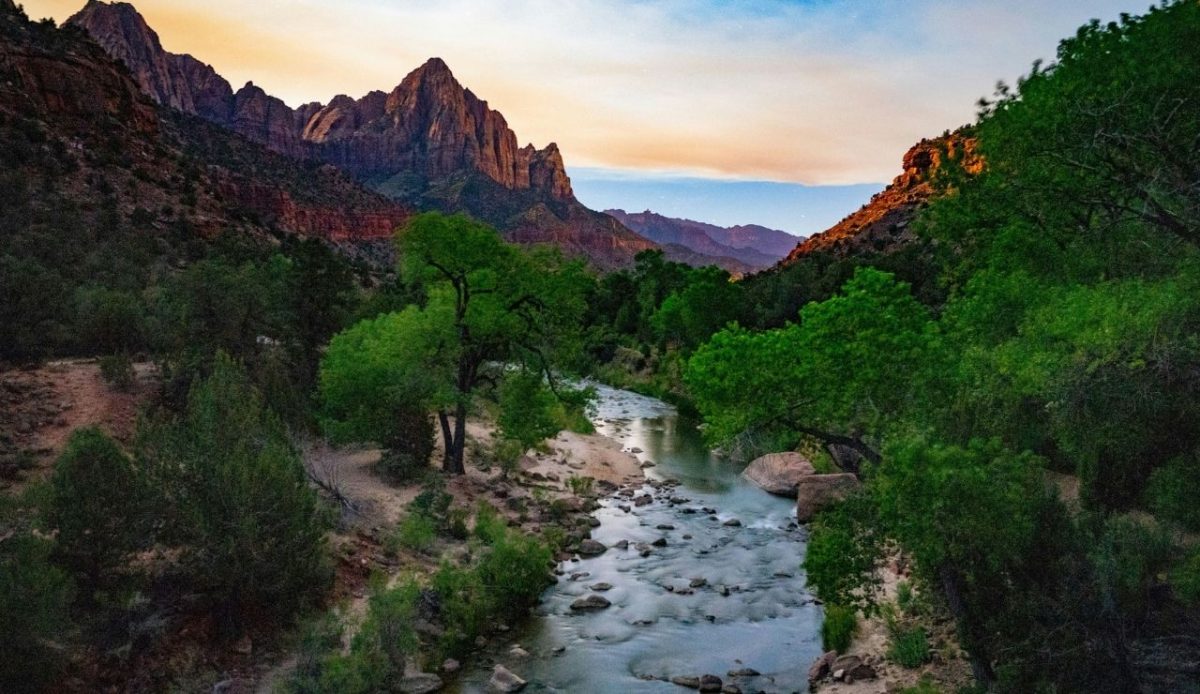
Zion controls Angels Landing with permits distributed by a seasonal lottery, plus a day before the lottery for last-minute planning. Applicants choose dates and entry windows through Recreation.gov for 2026 hikes.
The cap followed severe crowding on the chain-assisted ridge that created hazards and long waits. By limiting numbers, rangers reduce passing on narrow ledges and improve response when hikers freeze, slip, or need medical help.
Frustration centers on uncertainty. A traveler can book flights and lodging, then lose the lottery and feel shut out of the park headline hike. Backup routes like Scout Lookout work, but the marquee experience may vanish days before arrival.
8. Mesa Verde National Park
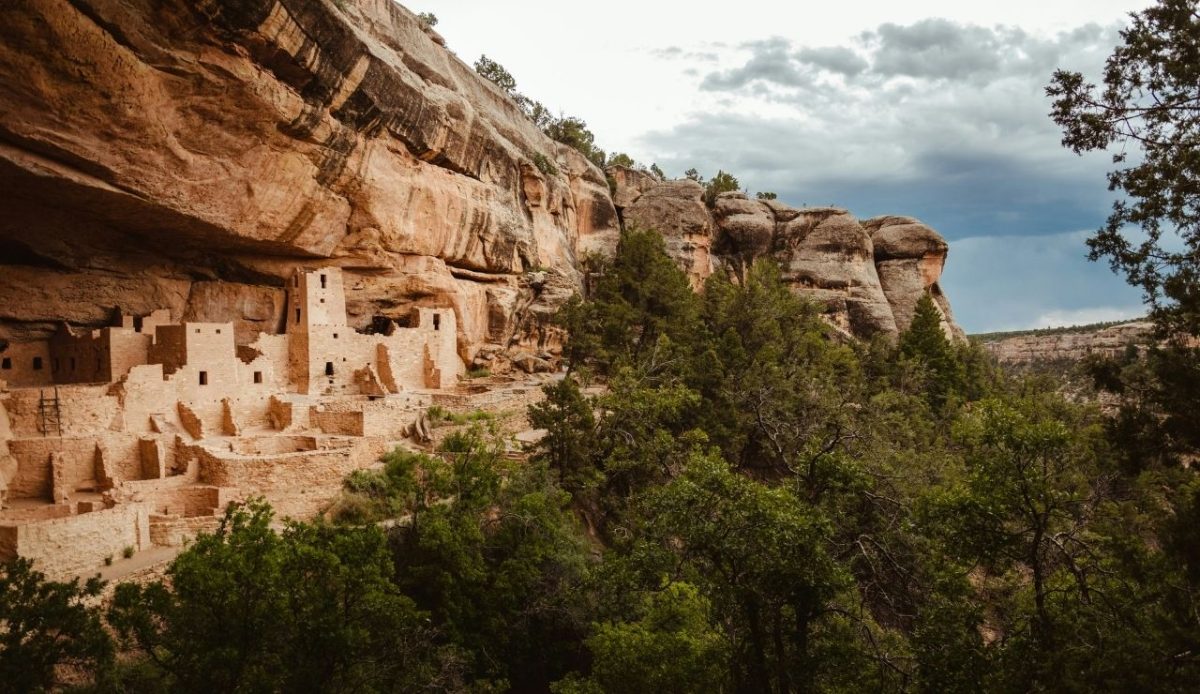
Mesa Verde requires reservations for ranger-led cliff dwelling tours, with tickets released on a rolling 14-day window during the May to October season. The 2026 tour list is posted online, and many departures sell out soon after release.
Capacity stays low to protect fragile masonry, ladders, and tunnels that cannot handle heavy foot traffic. Smaller groups also let guides manage heat risk on exposed routes where shade is limited.
Visitors get annoyed when they can enter the park but cannot access the sites they came for. A family may drive hours across the Four Corners, then learn the next open tour is days away, turning a key goal into a distant overlook.
9. Mammoth Cave National Park
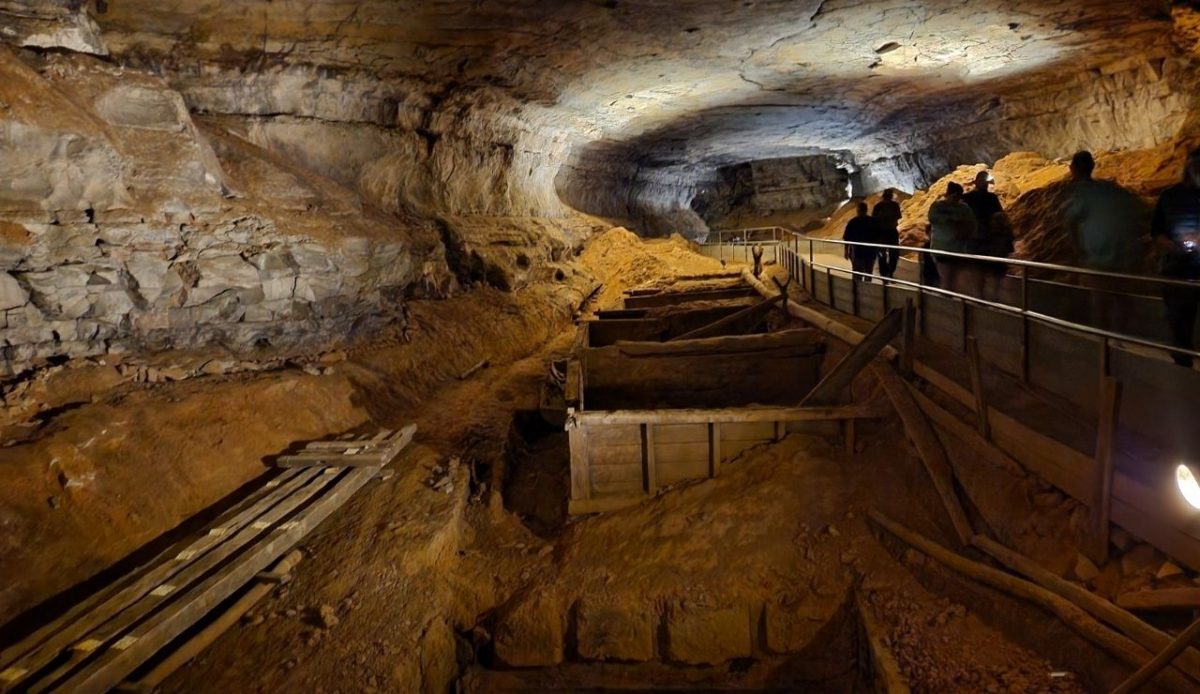
Mammoth Cave sells timed tickets for many cave tours, each with a fixed departure time and limited seats. Reservations are usually made on Recreation.gov for specific routes and departure times.
Because tours vary by stairs, low ceilings, and duration, timed departures help match guides and safety checks to the right group. The approach also prevents long lines near the main building that can overload parking and restrooms.
Visitors get upset when the only tours left do not fit their age group, fitness level, or schedule. If a tour sells out, a walk-up option may not exist, so the underground system can feel closed even while surface areas stay open.
10. Denali National Park and Preserve
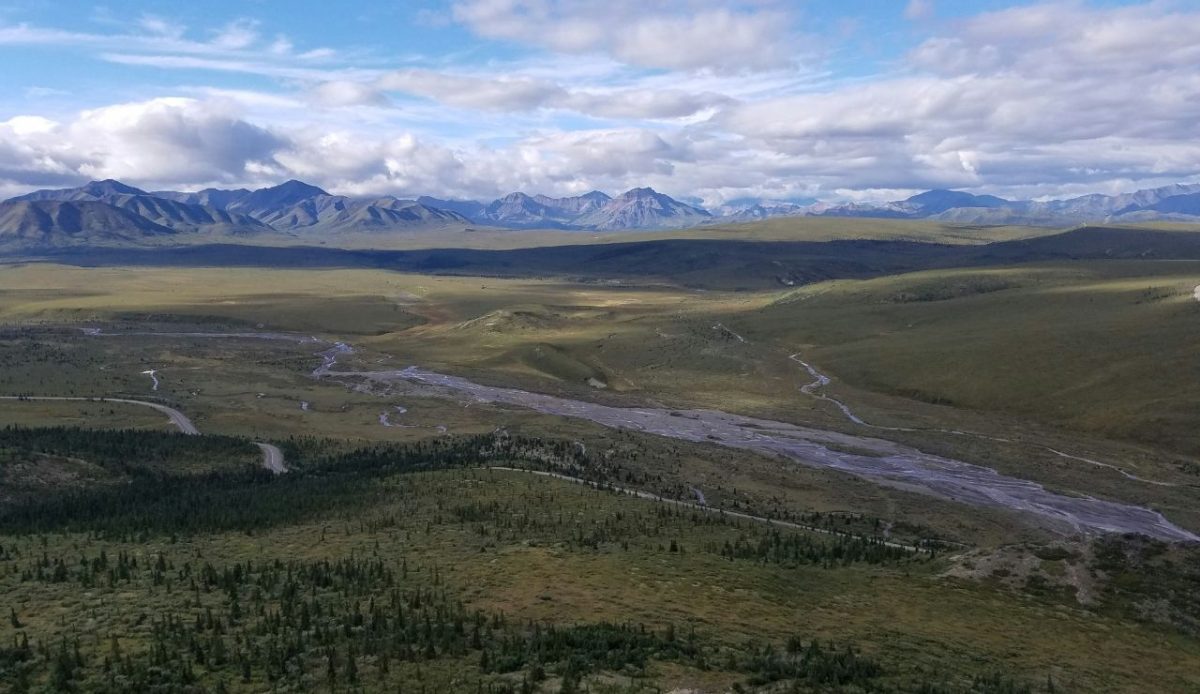
Denali access beyond the entrance depends on reserved transit and tour buses on Park Road, managed through the park concessioner. The park notes that summer reservations can open as early as December 1 of the prior year.
Timed departures protect a narrow road corridor where wildlife, buses, and limited pullouts compete for space. The system also helps keep turnaround points, restrooms, and viewpoints from being overloaded during midday peaks.
Travelers get upset when only awkward departure times remain. A later bus can cut viewing time, while an early seat may clash with lodging logistics. When plans fall apart, visitors feel like they never reached the core Denali experience.
11. Dry Tortugas National Park
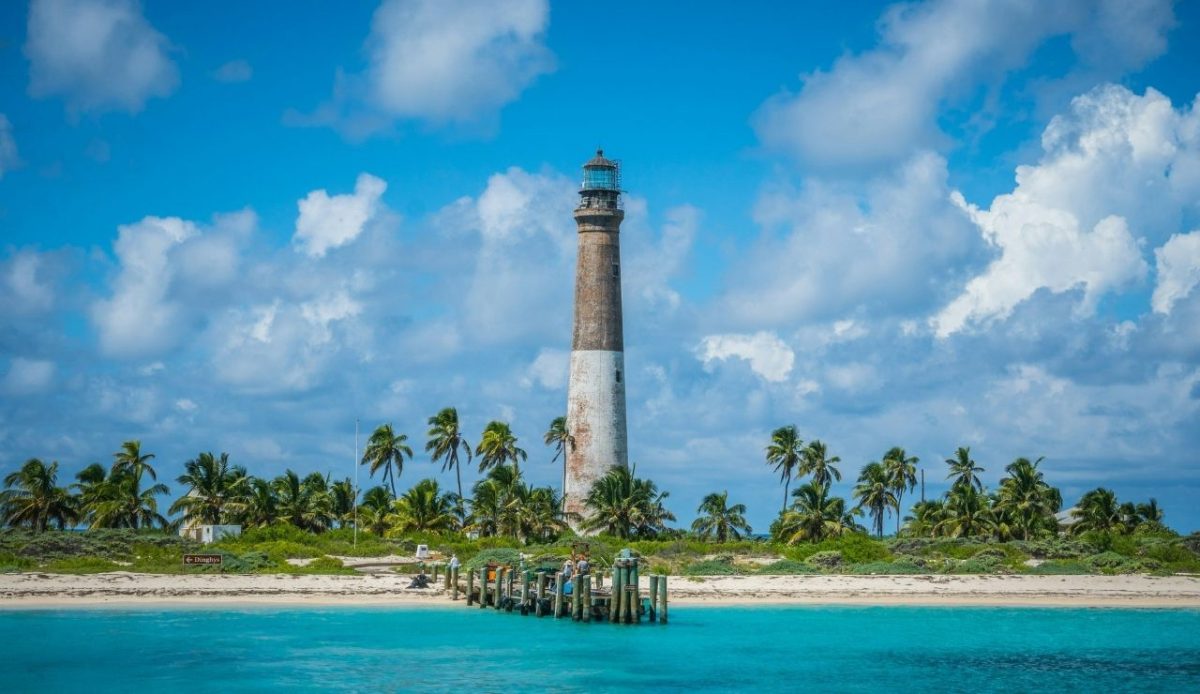
Dry Tortugas day access is timed because most visitors arrive by the Yankee Freedom ferry, which runs a fixed daily schedule with set check-in, boarding, and return times. Camping space is limited and booked ahead.
The structure protects a remote park with scarce docks, freshwater, and staff support. With only so many seats per trip, arrivals are capped, reducing pressure on Fort Jefferson, beaches, and snorkel zones at one time.
Visitors feel stuck when ferry tickets sell out for their only Key West day. There is no drive-up alternative, so missing the boat means missing the park, even if conditions improve later in the afternoon for snorkeling.
