
Italy’s countryside isn’t just about rolling hills, vineyards, and historic towns; it’s also home to some of the freshest and most flavorful seafood in the world. From coastal villages to inland regions near rivers and lakes, local communities have long relied on sustainable fishing and centuries-old recipes. Travelers visiting these areas can experience authentic culinary traditions where seafood is celebrated in daily life, family gatherings, and local festivals. These 11 Italian countryside destinations stand out for combining picturesque landscapes with exceptional seafood that draws gourmets and curious travelers alike.
1. Cinque Terre, Liguria
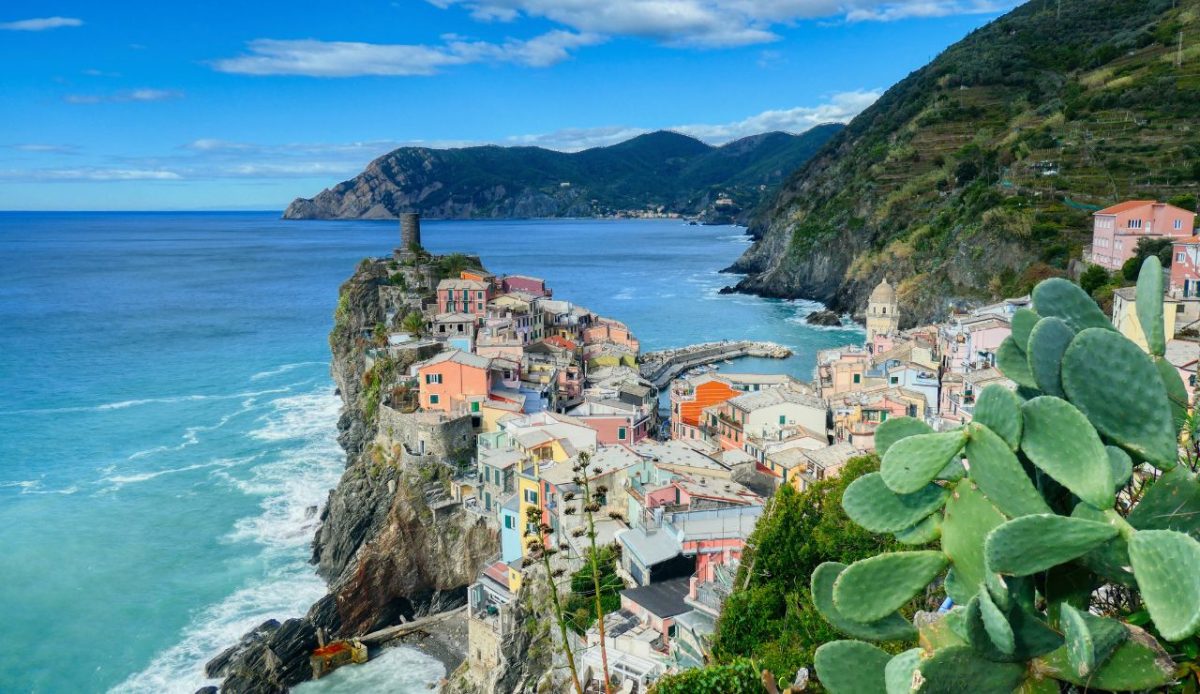
Cinque Terre, perched along Italy’s rugged Ligurian coast, is famous for its colorful villages and dramatic cliffs, but seafood steals the show. Locals serve anchovies, mussels, and fresh fish caught daily by small-scale fishermen. Traditional pesto often accompanies seafood pasta dishes, reflecting Liguria’s culinary fusion. Walking the scenic trails or exploring narrow alleys, travelers can stop at family-run trattorias offering meals prepared with care and centuries of local expertise. The combination of stunning views and exceptional seafood makes Cinque Terre an unforgettable destination for gourmets seeking authentic flavors.
2. Amalfi Coast, Campania
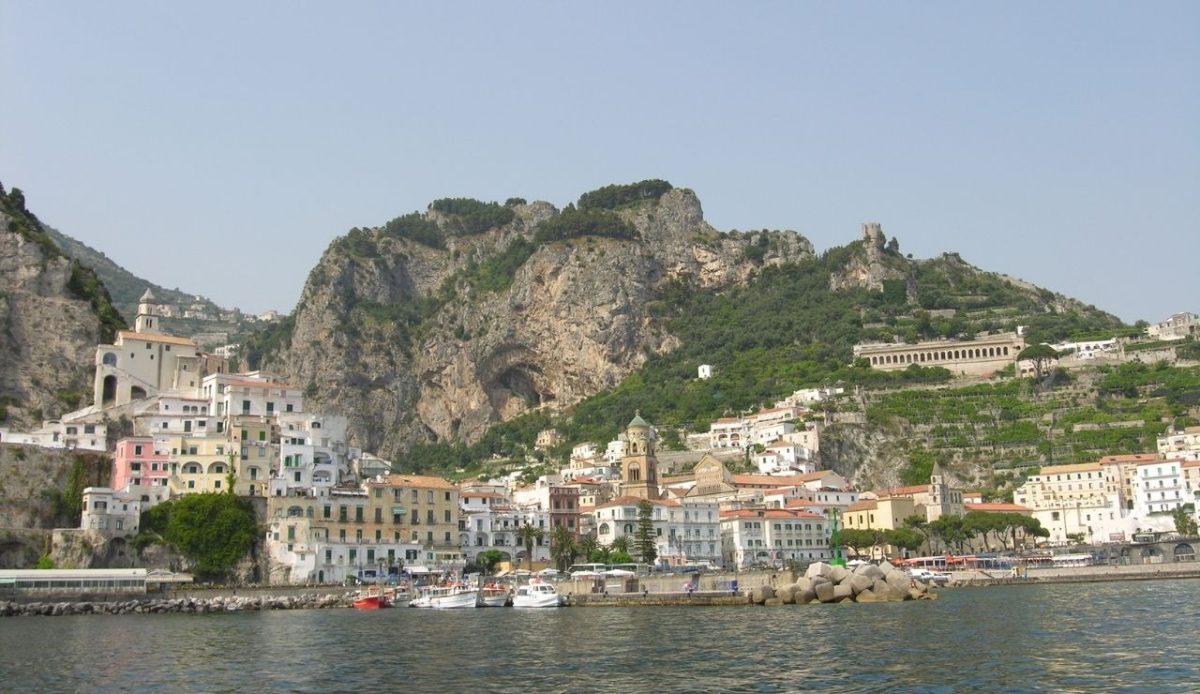
The Amalfi Coast offers breathtaking cliffs, turquoise waters, and seafood traditions passed down through generations. Fresh catch includes octopus, sea urchins, and local shellfish, often grilled or lightly seasoned to highlight natural flavors. Family-run restaurants line the picturesque towns of Positano, Amalfi, and Ravello, each serving recipes unique to the area. Travelers can explore small harbors where fishermen bring in the day’s haul. Visiting the Amalfi Coast allows travelers to immerse themselves in a culture where seafood is central to daily life, festivals, and culinary identity.
3. Venice, Veneto
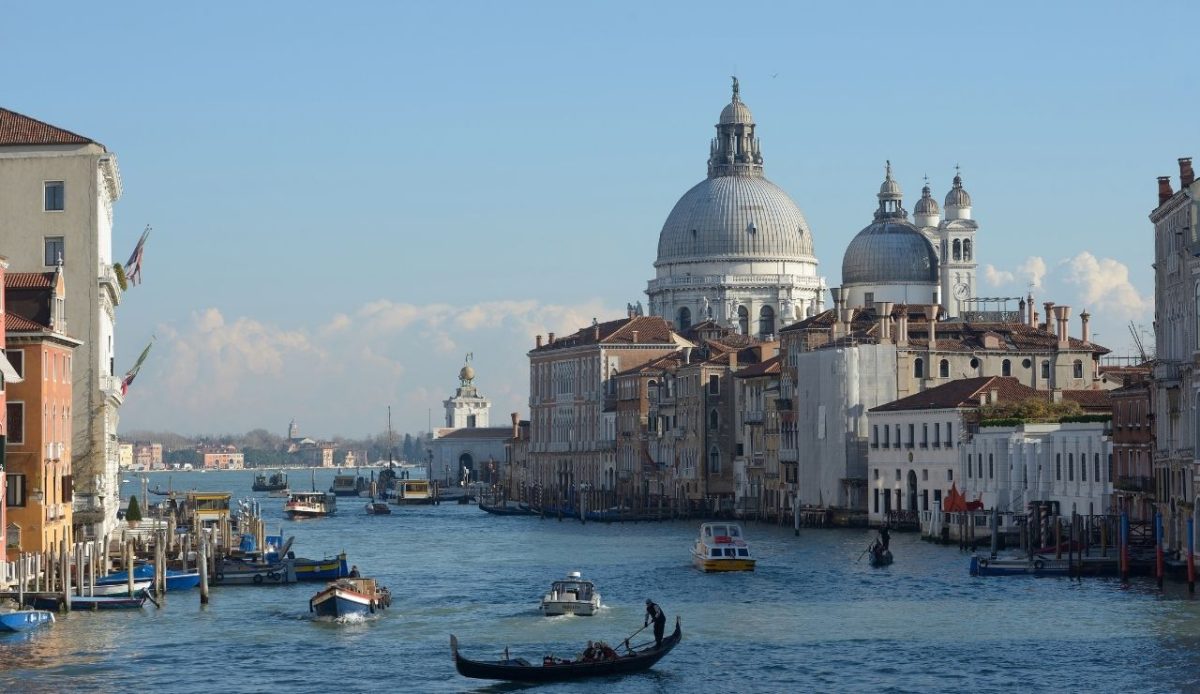
Beyond its canals and historic architecture, Venice and its surrounding lagoon are famed for seafood delicacies. Local markets offer fresh shellfish, clams, and shrimp, while dishes like sarde in saor preserve ancient Venetian recipes. Visitors can enjoy cicchetti, small plates served with local wines, highlighting fresh lagoon catches. While Venice attracts tourists, the surrounding countryside and nearby islands maintain artisanal fishing traditions. Travelers experience a culinary culture where seafood is intertwined with history, local festivals, and centuries-old cooking techniques passed down through generations.
4. Orbetello, Tuscany
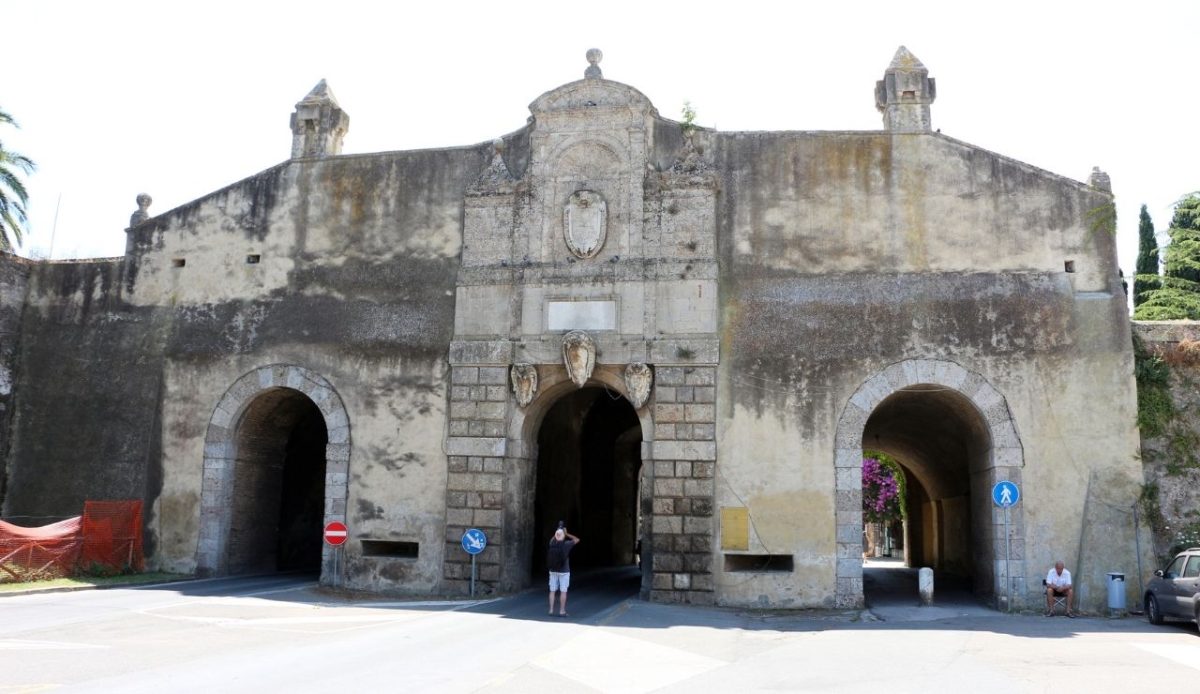
Orbetello, located on a lagoon in southern Tuscany, offers an ideal blend of scenic countryside and seafood heritage. Mussels, clams, and sea bass are abundant, often served with regional herbs and olive oil. Local fishing communities have honed sustainable practices, ensuring fresh catches daily. Travelers can explore nearby salt flats and nature reserves while tasting dishes that reflect centuries of coastal culinary tradition. Orbetello’s seafood culture emphasizes simplicity, seasonality, and quality, making it a must-visit destination for travelers seeking authentic flavors alongside Tuscany’s scenic landscapes and historic charm.
5. Porto Venere, Liguria
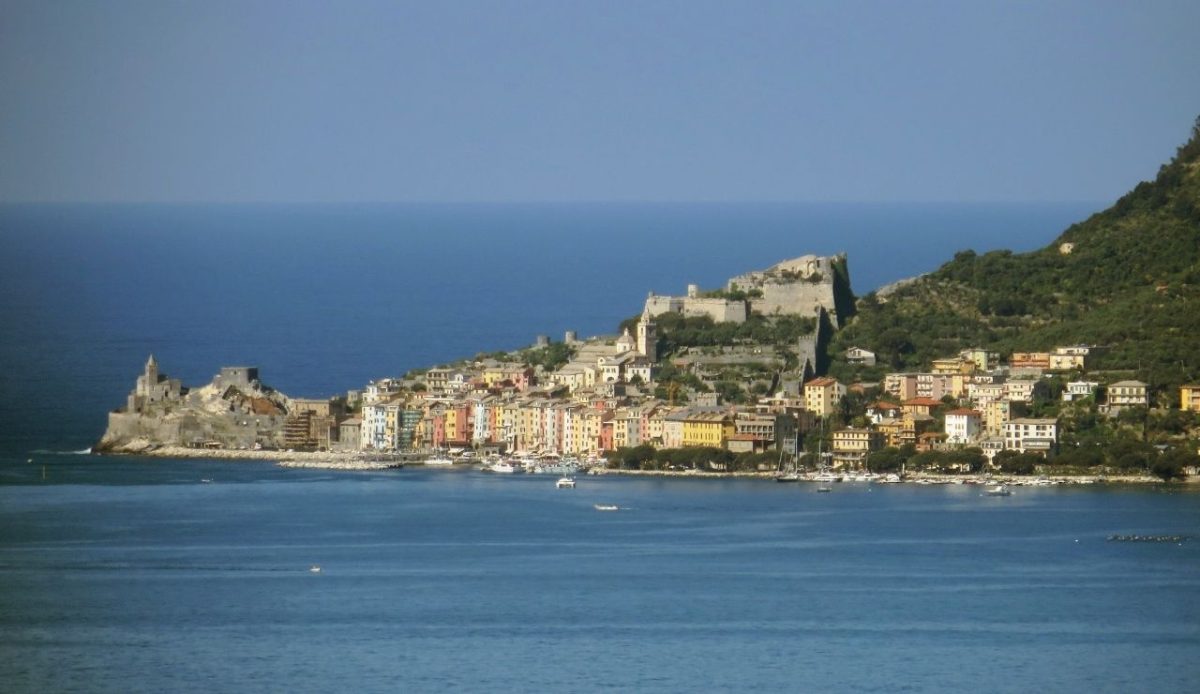
Porto Venere, near La Spezia, combines dramatic cliffs with rich seafood traditions. Anchovies, squid, and fresh shellfish dominate the menu, often paired with homemade pasta or focaccia. Small family-owned trattorias preserve recipes passed down through generations, emphasizing fresh, locally sourced ingredients. Visitors can stroll along the harbor, watching fishermen unload the day’s catch before enjoying it prepared with care. Porto Venere showcases how Liguria’s coastal countryside maintains authentic culinary practices, offering travelers a genuine taste of regional seafood culture set against breathtaking seascapes.
6. Pescara, Abruzzo
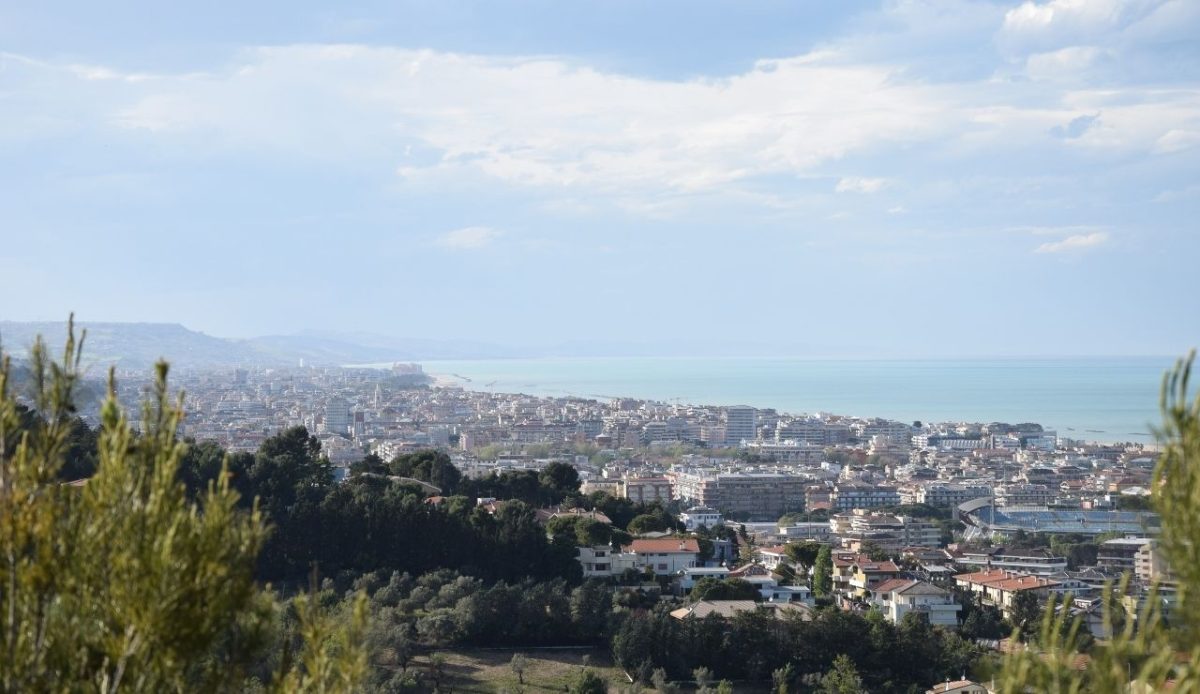
Pescara, along the Adriatic coast in Abruzzo, is a seafood lover’s paradise hidden within Italy’s countryside. Freshly caught prawns, clams, and sardines are central to local cuisine, often grilled or prepared in traditional sauces. The region emphasizes artisanal techniques, with family-run trattorias highlighting recipes unchanged for generations. Travelers can visit nearby beaches and river estuaries while sampling dishes reflecting the area’s natural bounty. Pescara illustrates how rural coastal towns maintain seafood excellence, offering an immersive experience where landscape, culture, and cuisine intertwine seamlessly.
7. Cefalù, Sicily
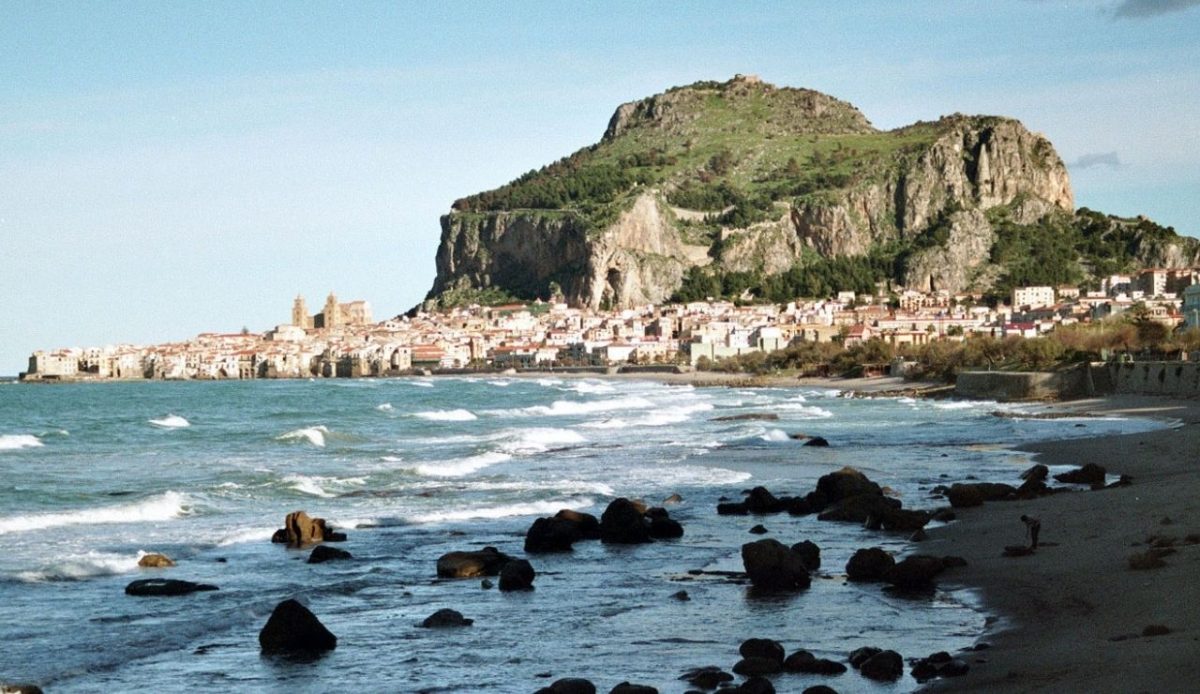
Cefalù, a medieval town on Sicily’s northern coast, combines historic charm with rich seafood offerings. Locals serve swordfish, tuna, and sardines caught daily, often prepared simply to highlight flavor. Coastal markets buzz with fresh catches, while family restaurants pass down recipes through generations. Tourists can explore cobblestone streets, visit beaches, and taste Sicilian traditions that celebrate both land and sea. Cefalù demonstrates how Italian countryside destinations preserve regional identity through seafood, creating authentic experiences that combine culinary delight with scenic beauty and centuries of local heritage.
8. Trieste, Friuli Venezia Giulia
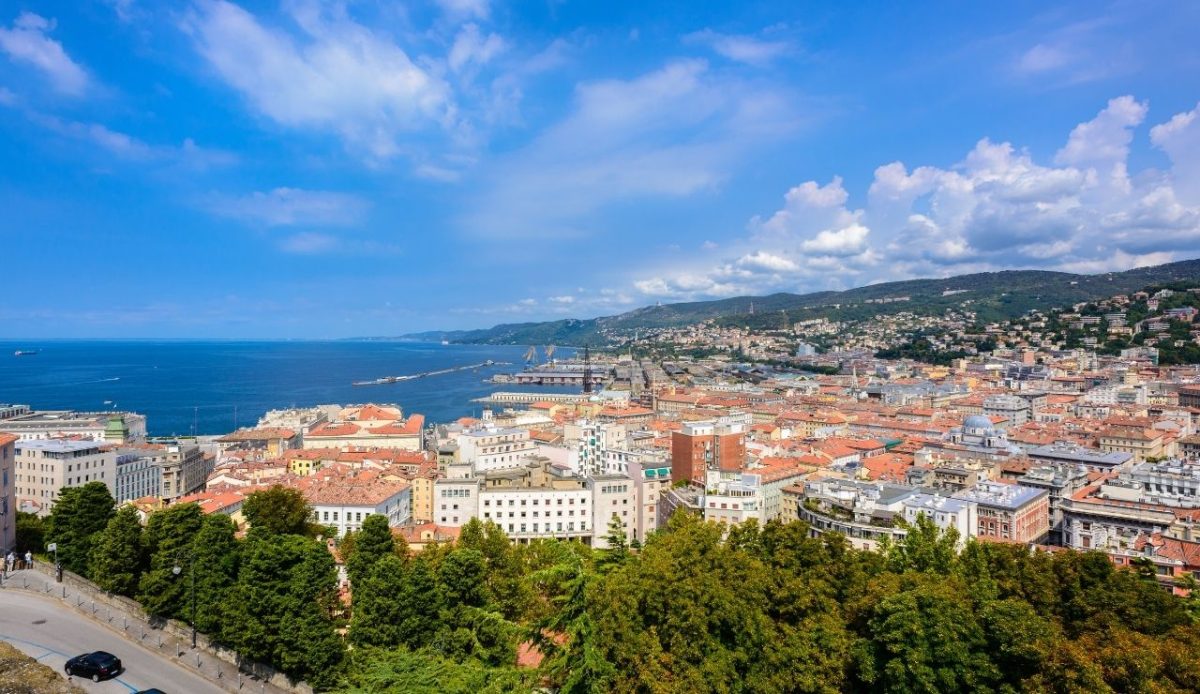
Trieste, near the Adriatic coast, blends Italian and Central European influences, reflected in its seafood cuisine. Fresh anchovies, cuttlefish, and clams appear in simple, flavorful dishes, often paired with local wines. The surrounding countryside and small fishing villages maintain artisanal practices, ensuring high-quality daily catches. Travelers can enjoy markets, seaside promenades, and family-run trattorias where recipes remain traditional. Trieste highlights how regional identity and geography shape culinary habits, offering seafood experiences that feel both authentic and tied closely to local culture and daily life.
9. Maratea, Basilicata
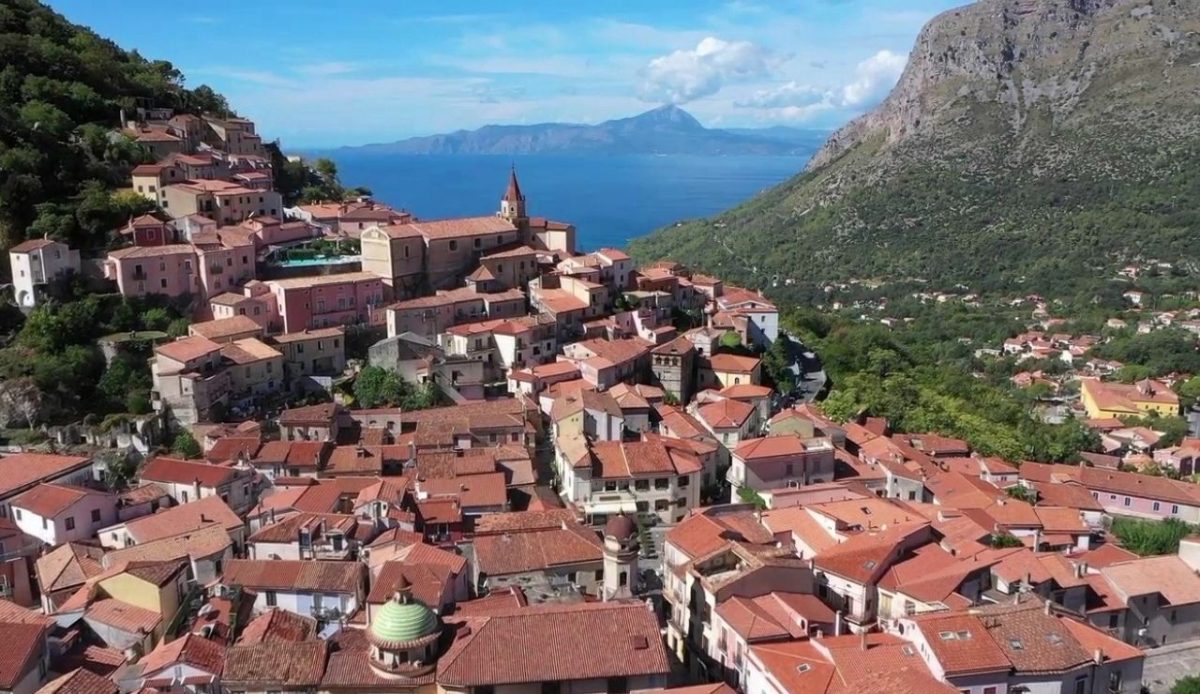
Maratea, perched on the Tyrrhenian coast, is celebrated for fresh seafood and dramatic countryside vistas. Fishermen supply local markets with swordfish, shrimp, and clams, while family restaurants prepare dishes following centuries-old recipes. Visitors can explore hidden coves, historic churches, and scenic hiking paths before tasting the day’s catch. Maratea’s culinary culture emphasizes seasonality, sustainability, and simple preparation that showcases the natural flavor of seafood. For travelers, it offers an immersive experience where cuisine, landscape, and local tradition come together beautifully.
