
Cleanliness significantly influences how travelers evaluate a destination, but most complaints stem from everyday encounters rather than the overall national condition. Visitors tend to react to what they see and use on a daily basis, such as public restrooms, sidewalks, markets, transit stations, and street food areas. Overflowing trash, weak sanitation systems, air pollution, and inconsistent maintenance often leave a stronger impression than major attractions. The countries listed below reflect repeated traveler feedback about these specific challenges, especially in busy cities and non-tourist districts, not a claim that entire nations lack cleanliness.
1. India
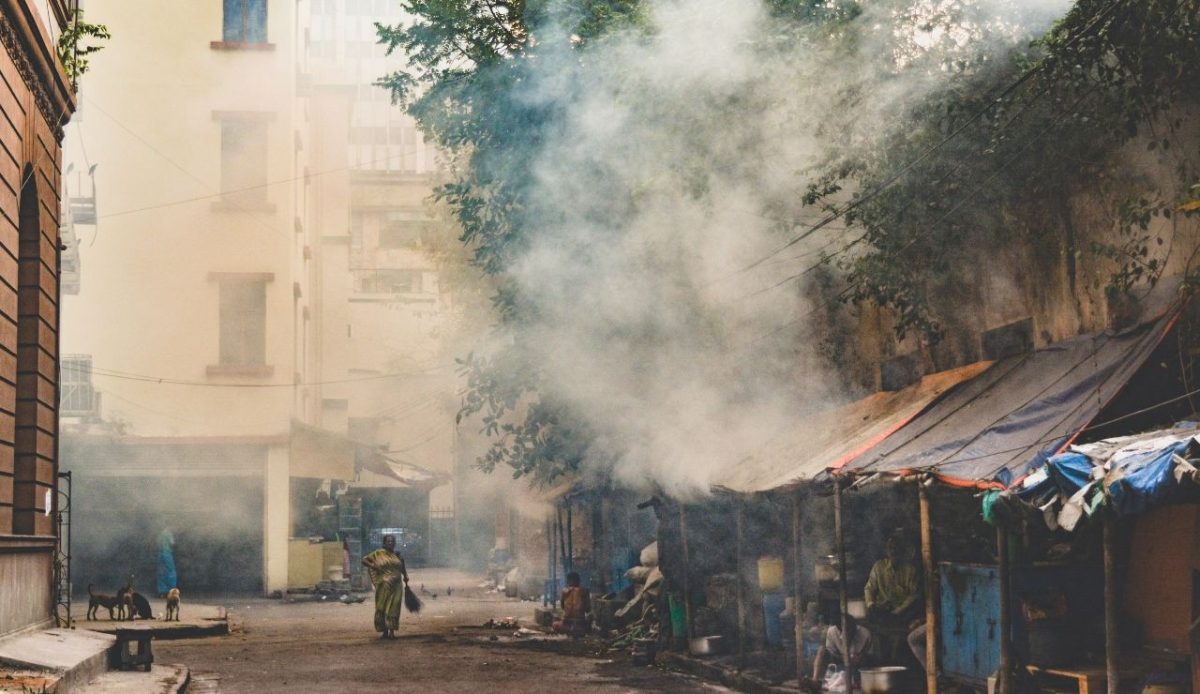
Keep India on the list, but avoid implying a single standard across the country. A sharper claim is that many visitors notice street litter, open dumping, and strong odors near crowded bazaars, rail hubs, and some riverside areas, while upscale districts and newer metro zones can feel orderly. If you mention sanitation, point to public toilets and handwashing access as the repeated friction point, and add that local cleanup drives appear in some cities but are uneven. Limit the statement to busy urban corridors. Avoid using “everywhere,” and tie the complaint to specific settings tourists rely on daily.
2. Mexico
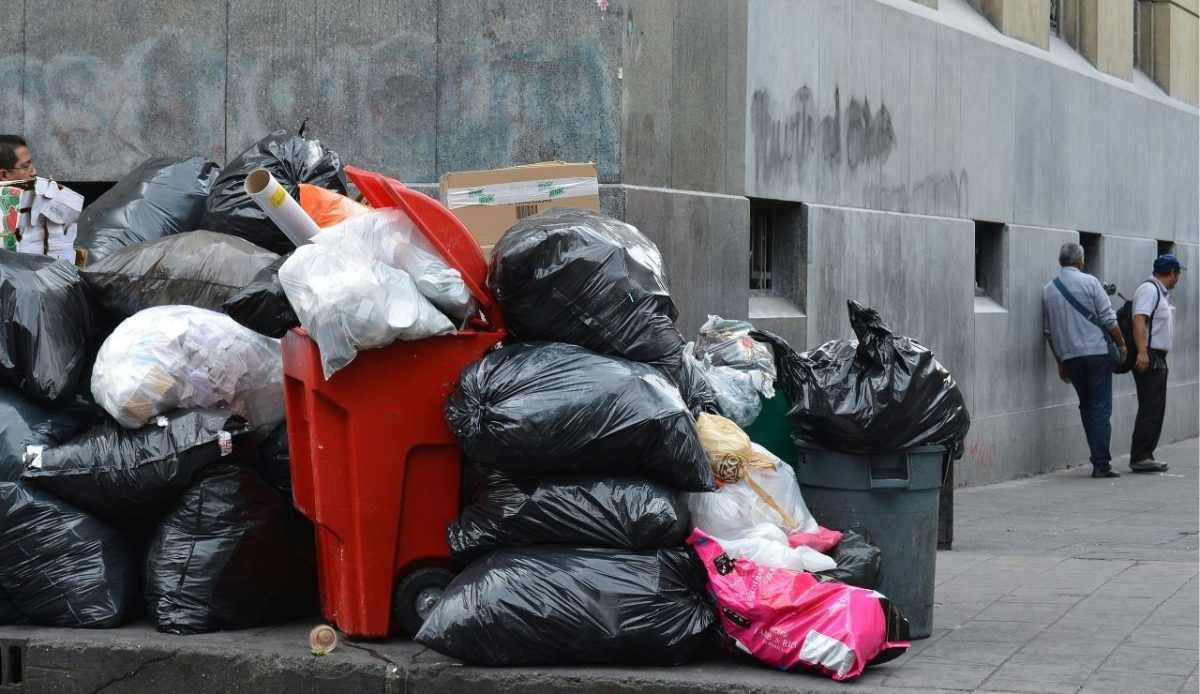
Mexico belongs only if you keep the “varies widely” wording you already used. Travelers often report clean, well-managed historic centers and beach zones, then a drop in restroom supplies, trash collection, or street sweeping in some peripheral neighborhoods. Make it concrete by focusing on bus terminals, public beaches after weekends, and older fuel-station bathrooms, rather than general city life. Also, flag that standards change by municipality, so a one-line “depends on place and budget” note prevents the entry from sounding unfair. If you can, reference what travelers expect: soap, paper, and routine maintenance during peak hours.
3. Egypt
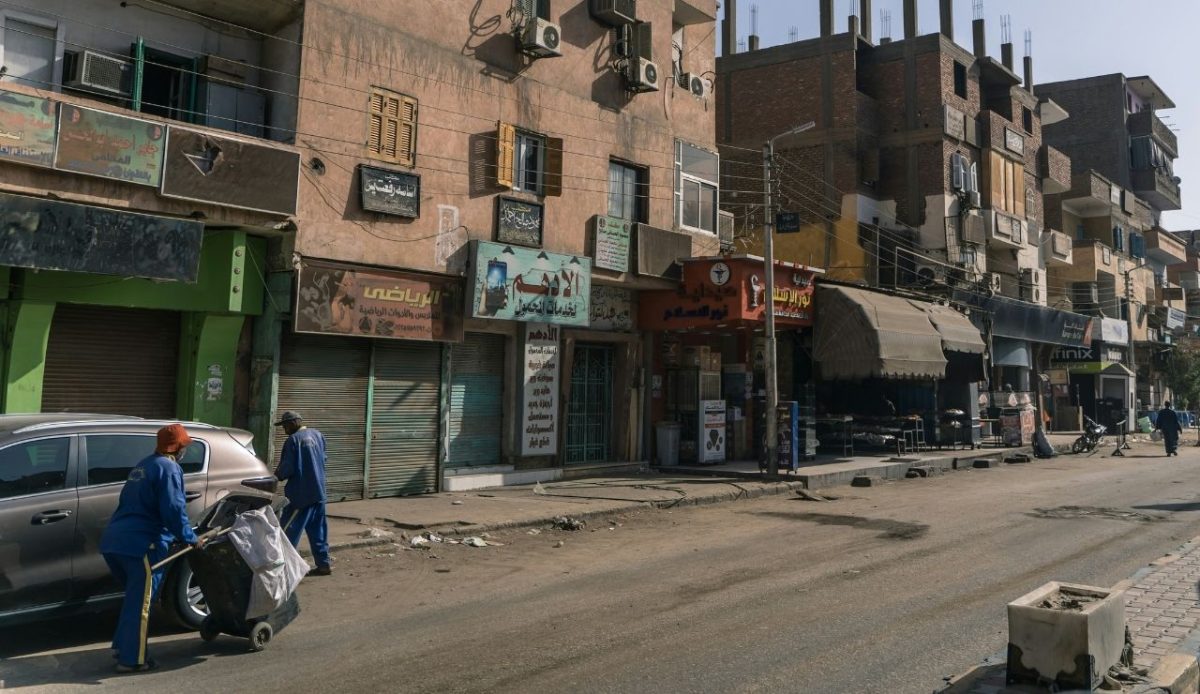
Egypt fits your theme, but it needs careful phrasing so it is not read as a judgment on people rather than infrastructure. Visitors commonly mention windblown litter, dust, and wastewater smells in dense parts of Cairo and around older commercial streets, plus uneven restroom upkeep at roadside stops. Keep the focus on high-traffic zones like transit interchanges and market lanes, where pressure is constant. Add a contrast line that large hotels, major museums, and newer developments often maintain much higher hygiene standards. Saying “expect inconsistencies and plan supplies” keeps the point useful without broad labels.
4. Indonesia
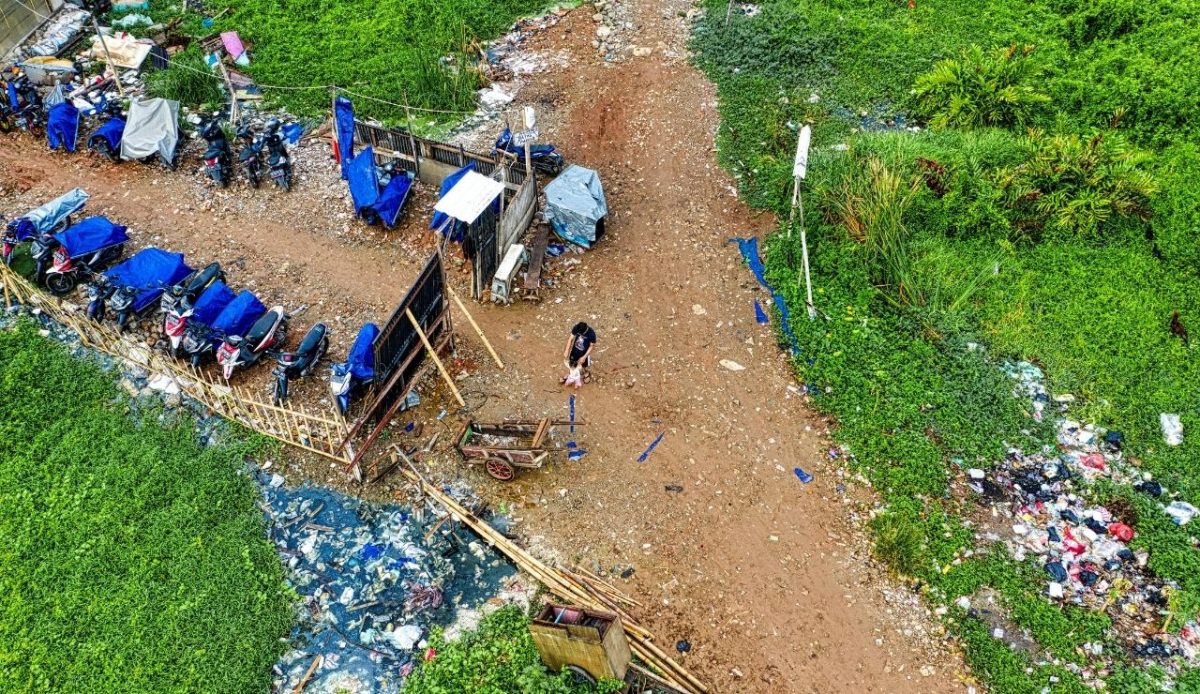
Indonesia can work, especially if you separate Bali’s tourist belt from many other islands. Complaints from travelers usually center on basic public toilets, drainage issues after heavy rain, and visible trash in waterways near dense towns. To avoid a generalized hit, anchor the entry to places outside top resorts, such as ferry ports, local bus areas, and neighborhood beaches that do not have daily cleanup crews. It also helps to mention that waste management differs sharply by district, so two nearby areas can feel completely different. Frame it as a planning note: carry tissues, choose facilities with attendants, and time visits earlier.
5. Brazil
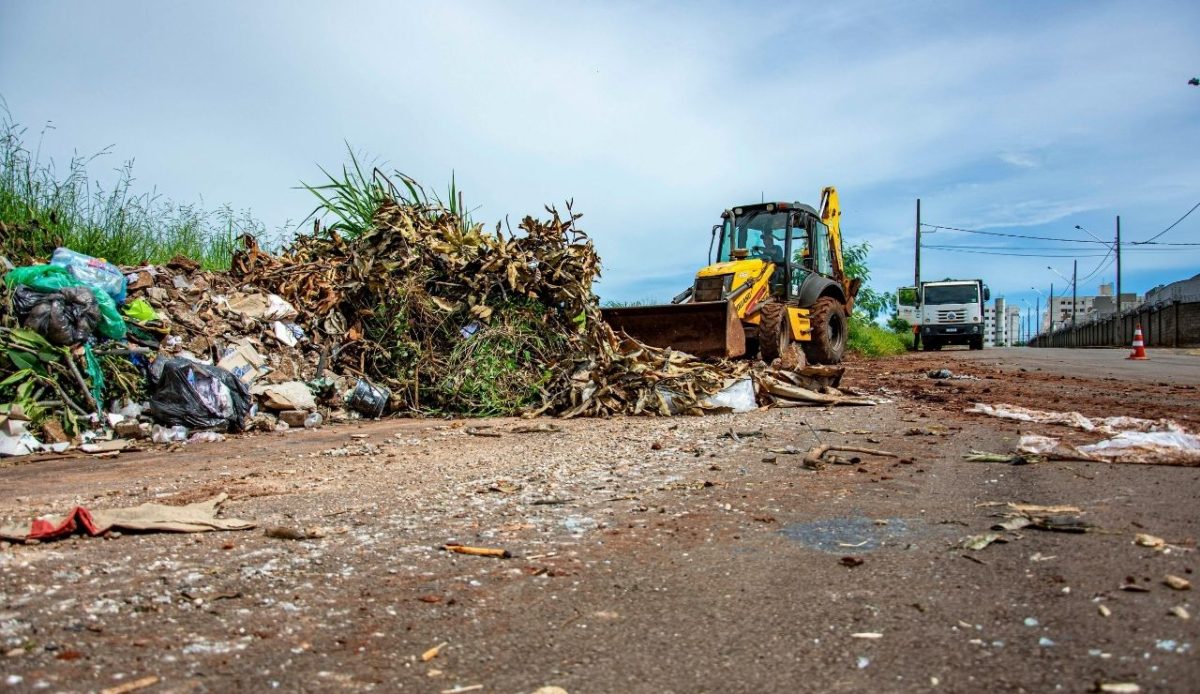
Brazil is reasonable if you keep the emphasis on public infrastructure rather than tourist attractions. Many visitors describe strong contrasts: polished shopping districts and well-run hotels, then under-maintained restrooms at bus stations, beaches after major events, and older public parks. A stronger wording is “inconsistent cleanliness in public spaces,” since that matches what travelers actually encounter day to day. If you mention safety-linked behavior, note that people may avoid carrying valuables, which can affect how they manage phones, cash, and sanitation items. Keep the claim tied to specific cities you discuss elsewhere.
6. Morocco
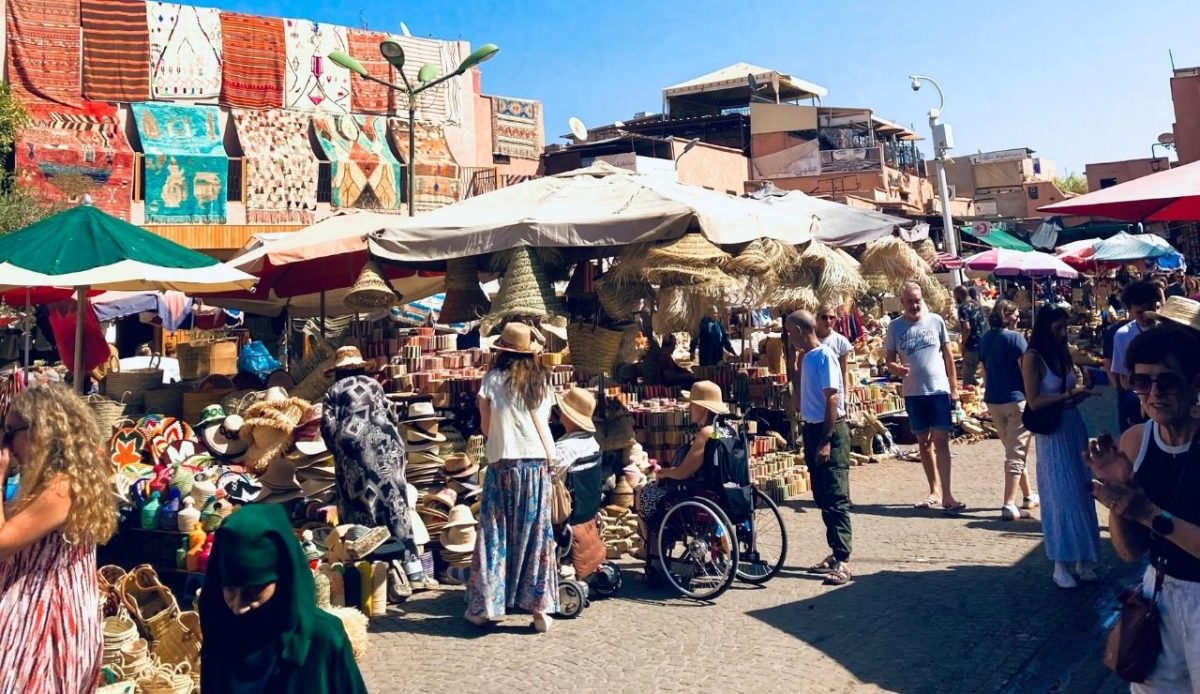
Morocco can stay if you aim it at facilities that travelers rely on between sights. The most repeated complaints involve basic public toilets, limited supplies, and occasional strong odors in medina-adjacent areas where foot traffic is heavy. Keep your wording specific to older quarters, roadside stops, and some market streets, and avoid implying that every neighborhood looks the same. Add a helpful pointer that reads and tourist restaurants usually maintain cleaner restrooms, which is why experiences vary within a single day of sightseeing. Suggest carrying sanitizer and tissues for long outings.
7. Vietnam
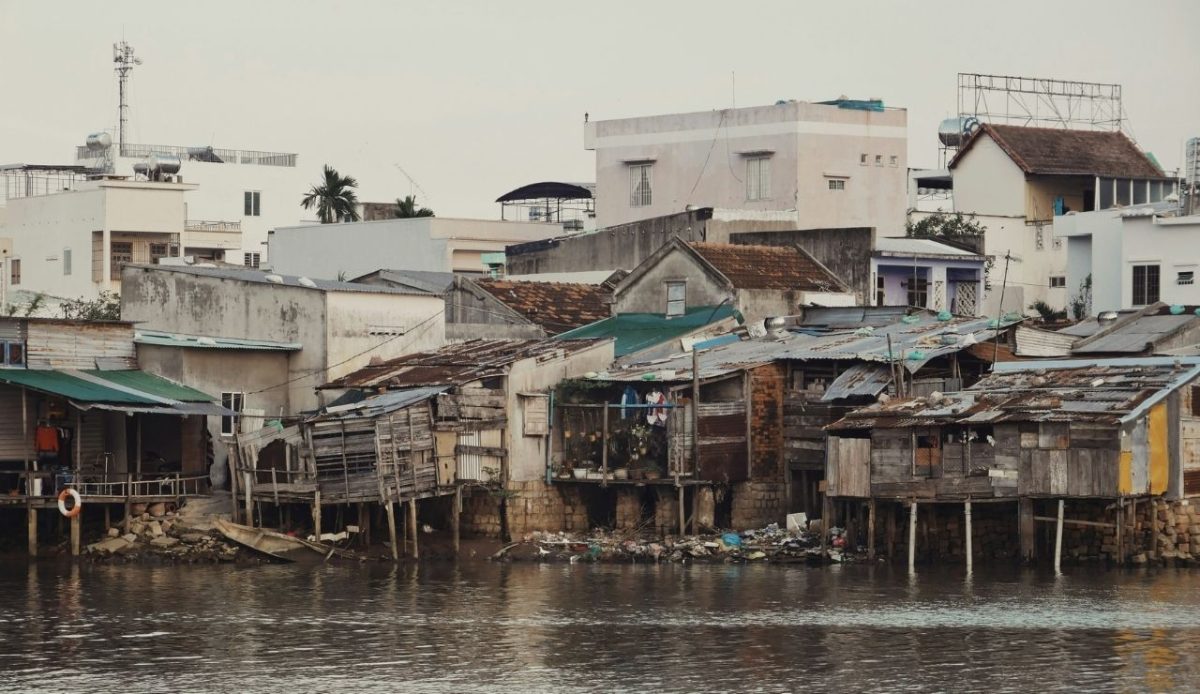
Vietnam is plausible, but you should avoid framing it as “behind” without context. Travelers often point to wet markets, narrow alleys, and older restrooms where ventilation is limited, especially in smaller cities. Keep the entry tied to practical hygiene expectations: toilet paper availability, trash bins, and drainage that can leave sidewalks slick after storms. Include your improvement note, but make it precise: major tourist districts and newer malls usually feel cleaner than outer areas. That gives readers a realistic map of what they may see. Also mention that early mornings often look tidier before peak street vending starts.
8. Turkey
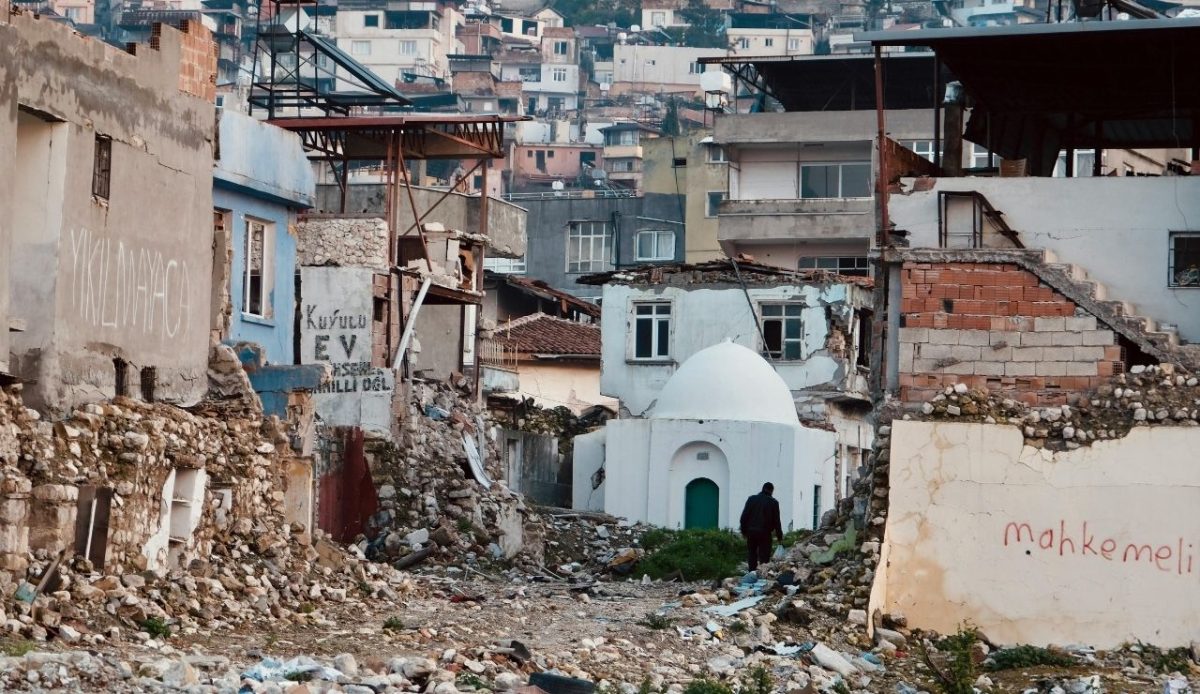
Turkey is the weakest entry as written, because many travelers find city centers and intercity rest stops fairly clean. If you keep it, narrow the claim to specific situations you can defend, such as older rural facilities, crowded highway services at peak hours, or public toilets near major bus depots. Otherwise, it risks sounding like a stereotype rather than a pattern. A better framing is “standards shift quickly between regions,” which matches Turkey’s range from modern infrastructure to older sites. If you cannot name where, consider swapping Turkey out for a clearer fit. Readers need a concrete setting to judge the warning.
9. Bangladesh
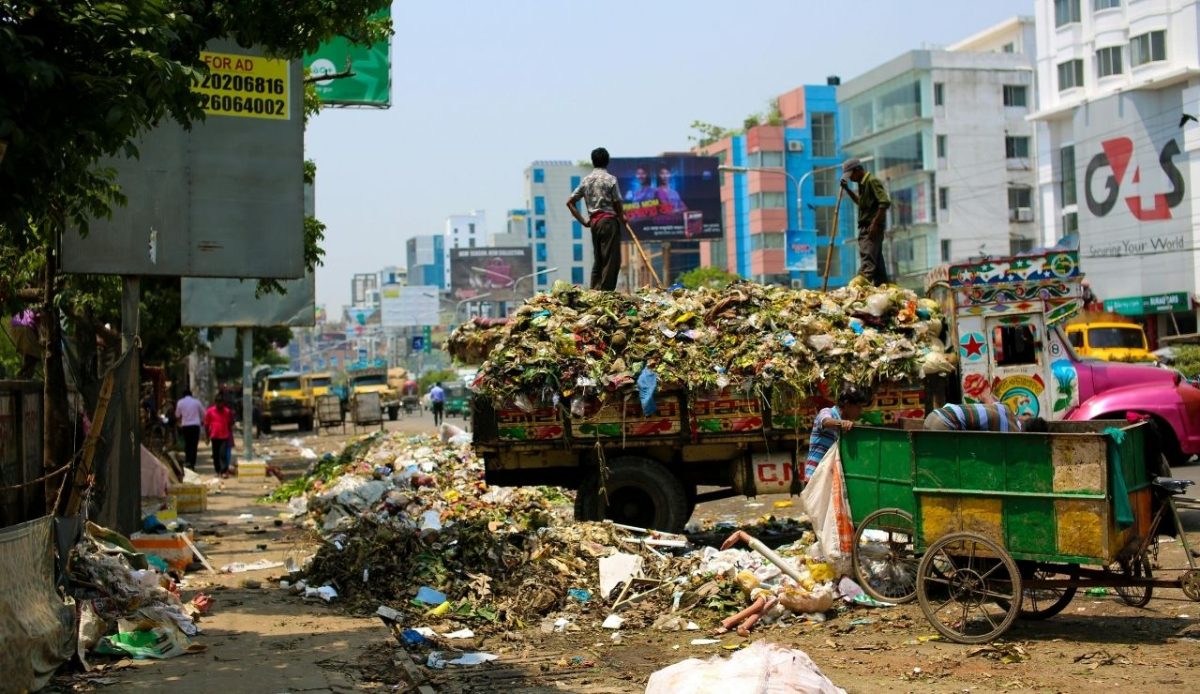
Bangladesh is consistent with traveler reports, especially for Dhaka, where congestion, construction dust, and limited waste handling can affect how streets and waterways look. Keep the language focused on urban crowding, open trash piles, and uneven restroom upkeep, not on culture. To avoid repetition with India and Pakistan, emphasize what makes the experience distinct: narrow lanes with constant foot traffic, traffic exhaust, and seasonal flooding that can push debris into walking areas. Add a planning tip about masks for haze and choosing reputable transport terminals. That keeps the entry practical and specific.
10. Nepal
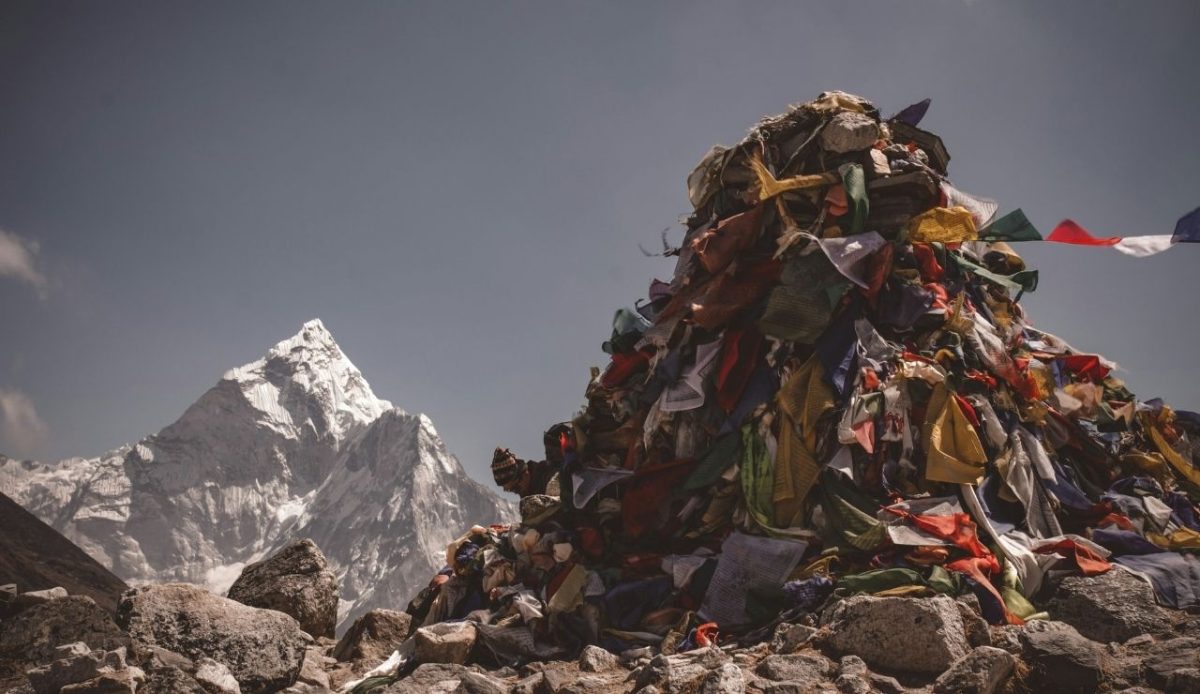
Nepal works if you separate trekking regions from Kathmandu Valley. Travelers often mention litter, open drainage, and smoky air from traffic or burning waste in parts of Kathmandu, especially around busy junctions. Keep the focus on the capital’s high-use zones and the pressure created by tourism, rather than the whole country. If you bring up pollution, pair it with on-the-ground impacts: dust on sidewalks, limited bins, and restroom shortages on popular day trips. Also note that many lodges in trekking areas maintain good standards, so expectations should be set by location, not nationality.
11. Pakistan
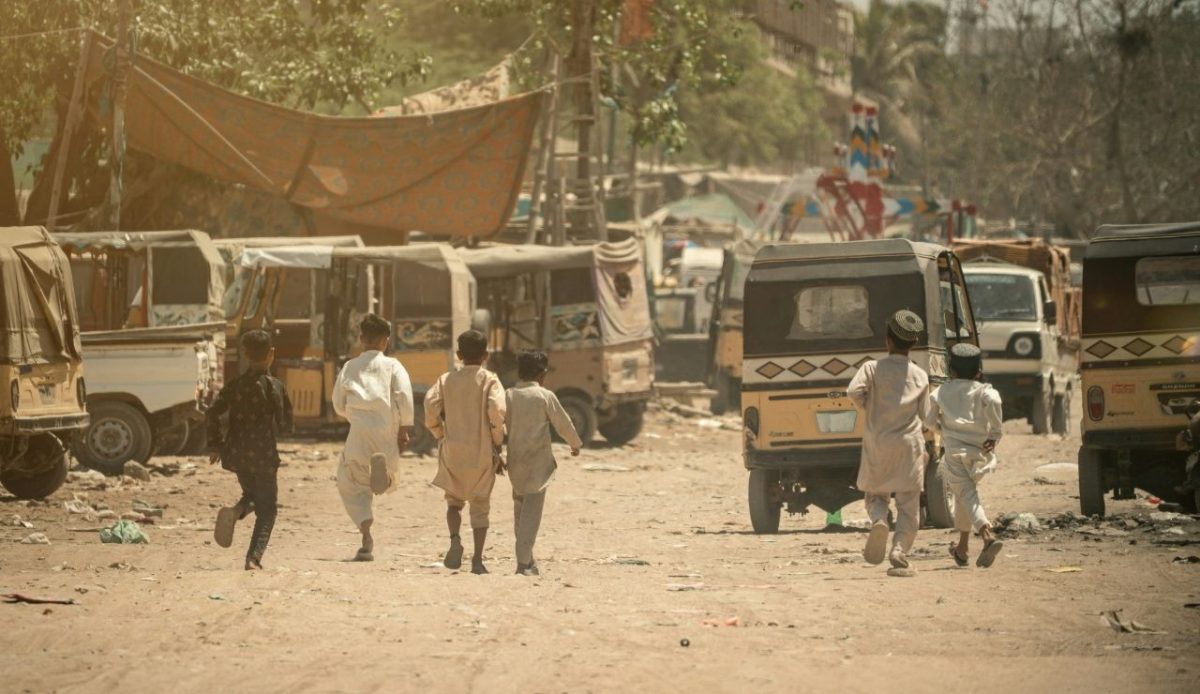
Pakistan can stay, but the best version is city-specific. Visitors most often comment on air pollution, construction dust, and inconsistent trash pickup in large urban areas, while many scenic northern regions feel far cleaner due to lower density. Avoid grouping it with neighbors as a shortcut. Instead, describe the common contexts that trigger the complaint: crowded bazaars, older transport hubs, and roadside restrooms on long drives. Add a usefulness angle, such as carrying wipes and choosing reputable hotels, since that turns a broad critique into a travel-ready note. This keeps the tone factual and avoids sweeping claims.
