
Some destinations began as blank spaces on the map and turned into planned centers that welcome guests from around the world. These places did not grow through local communities or historic settlements. They came into existence because governments or developers wanted to create visitor-driven hubs. Resorts, hotels, retail areas, and activities define their layout and purpose. Many operate with a strong focus on visitor services rather than long-term residents. These communities also tend to update their facilities often to keep demand steady.
1. Cancún, Mexico
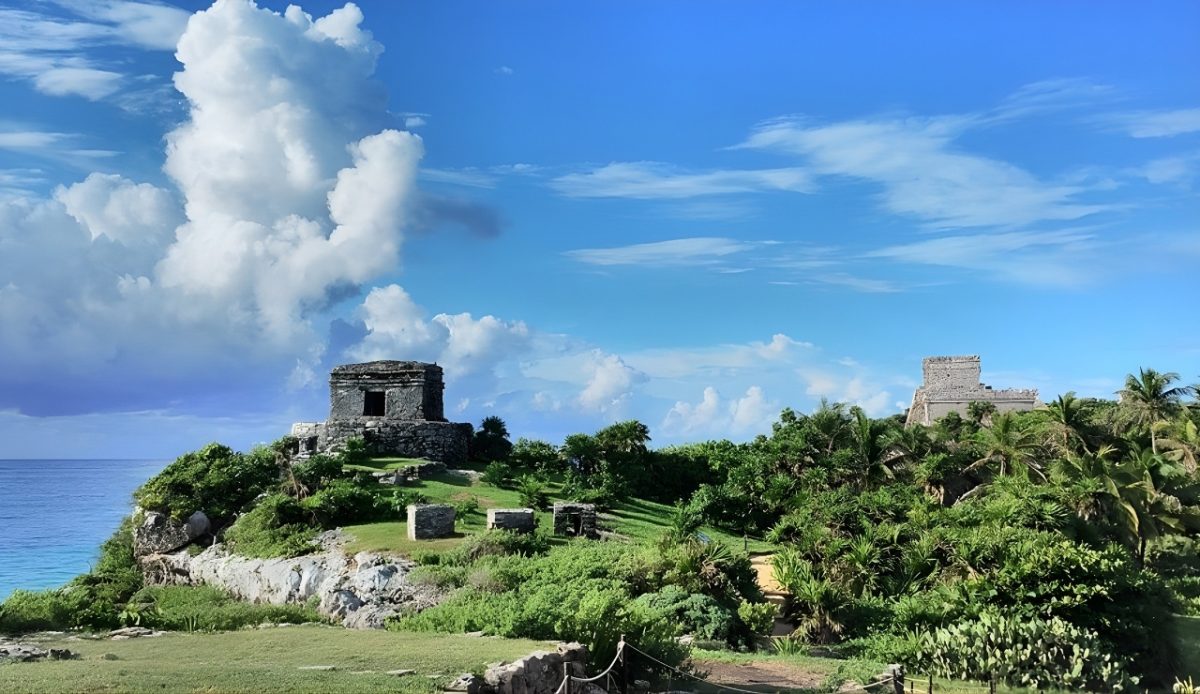
Cancún started in the 1970s when Mexican officials selected a stretch of empty coastline and turned it into a tourism project. Planners designed hotel zones, beaches, and access roads to handle large visitor numbers. The goal centered on attracting international guests and boosting the national economy. The project relied on a structured plan rather than organic growth. Today, the area continues to focus on resorts, nightlife, and packaged experiences. Most activity supports short-term stays, and urban areas nearby sustain the workforce that keeps the zone operating.
2. Sun City, South Africa
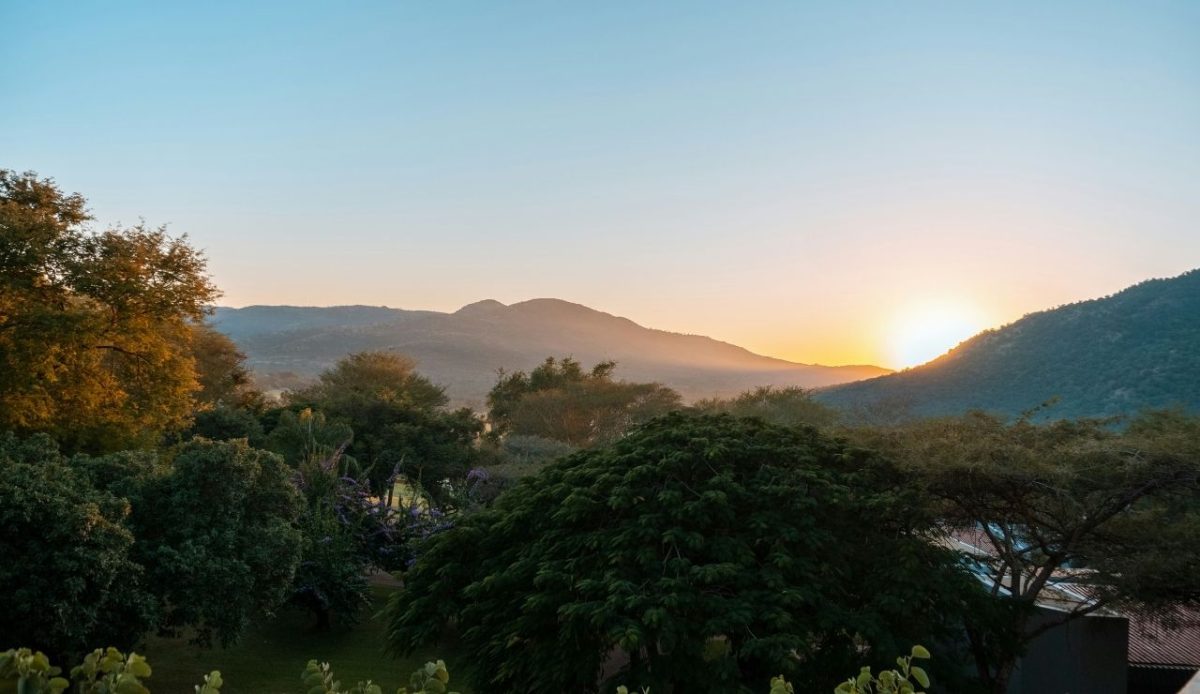
Developers launched Sun City in 1979 to create a resort complex that worked as its own world. They built hotels, entertainment venues, and recreational areas on land that previously held little activity. Visitors travel there for gaming, golf, and large-scale shows rather than local culture or historic ties. Operations revolve around guest services, and the site often functions more like a controlled entertainment setting than a typical city. Its layout groups attractions together to keep movement easy for travelers who want a full-service stay.
3. Celebration, Florida, USA
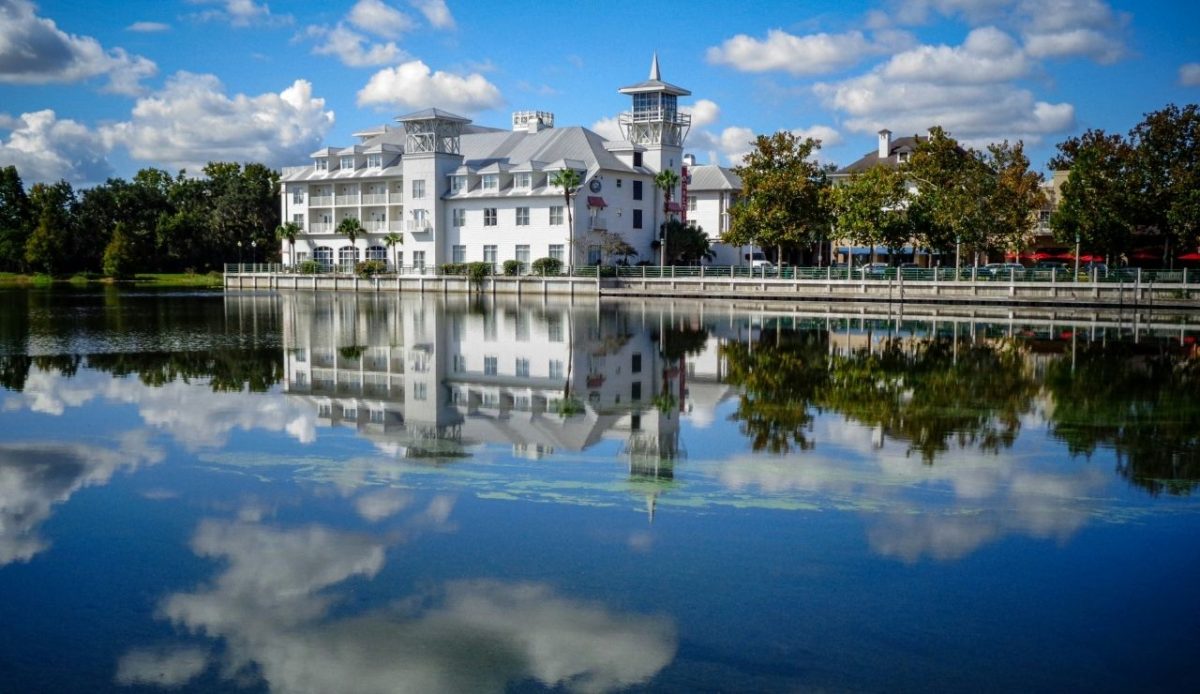
Disney designed Celebration as a master-planned community intended to support tourism while offering a themed residential setting. Streets, parks, and homes follow a controlled design that reflects Disney’s planning approach. The town draws attention from visitors who want to see a living space shaped by a major entertainment brand. Stores, restaurants, and public areas remain tailored to guests’ needs as much as daily life. While residents live there, the foundation still stems from a corporate vision that focuses on visitor interest.
4. Palm Jumeirah, Dubai, UAE
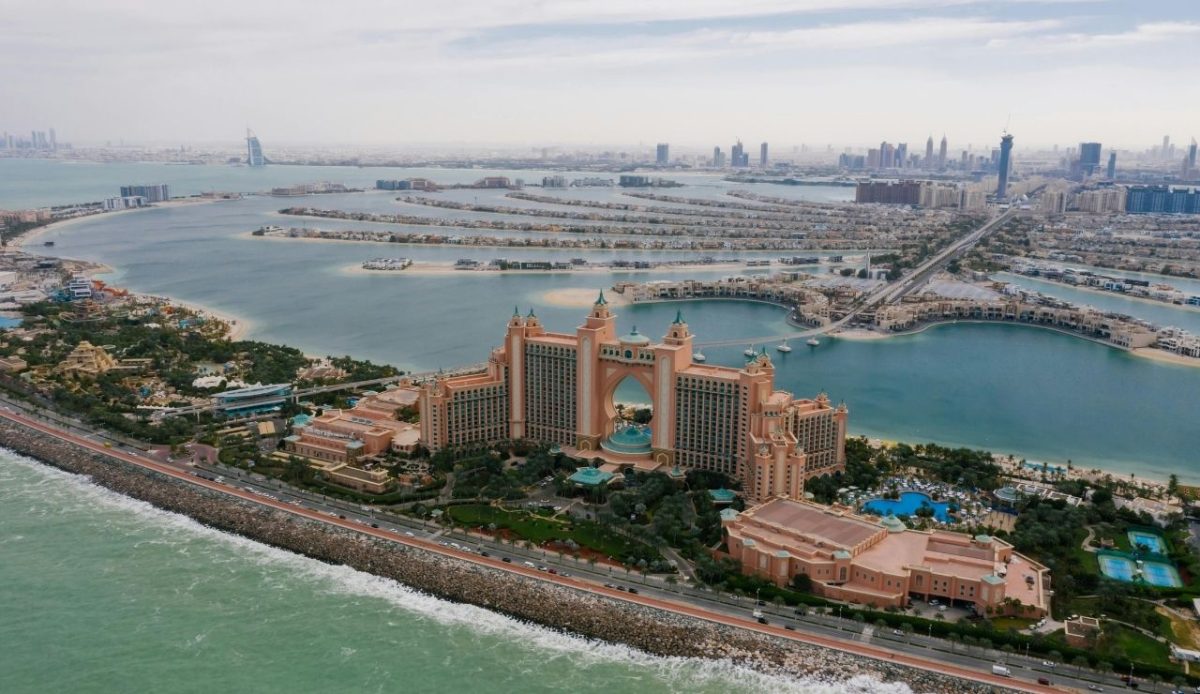
Palm Jumeirah is an engineered island created to expand Dubai’s tourism capacity. The project used artificial land to build hotels, villas, and beachfronts that target high-end travelers. Major brands opened properties there because the island promised strong visitor traffic. Roads and services support resort operations rather than traditional neighborhood patterns. The area attracts people who want controlled beaches, easy resort access, and a modern coastal setting. Its design keeps guest convenience at the center of activity, with most movement tied to tourism.
5. Port Grimaud, France
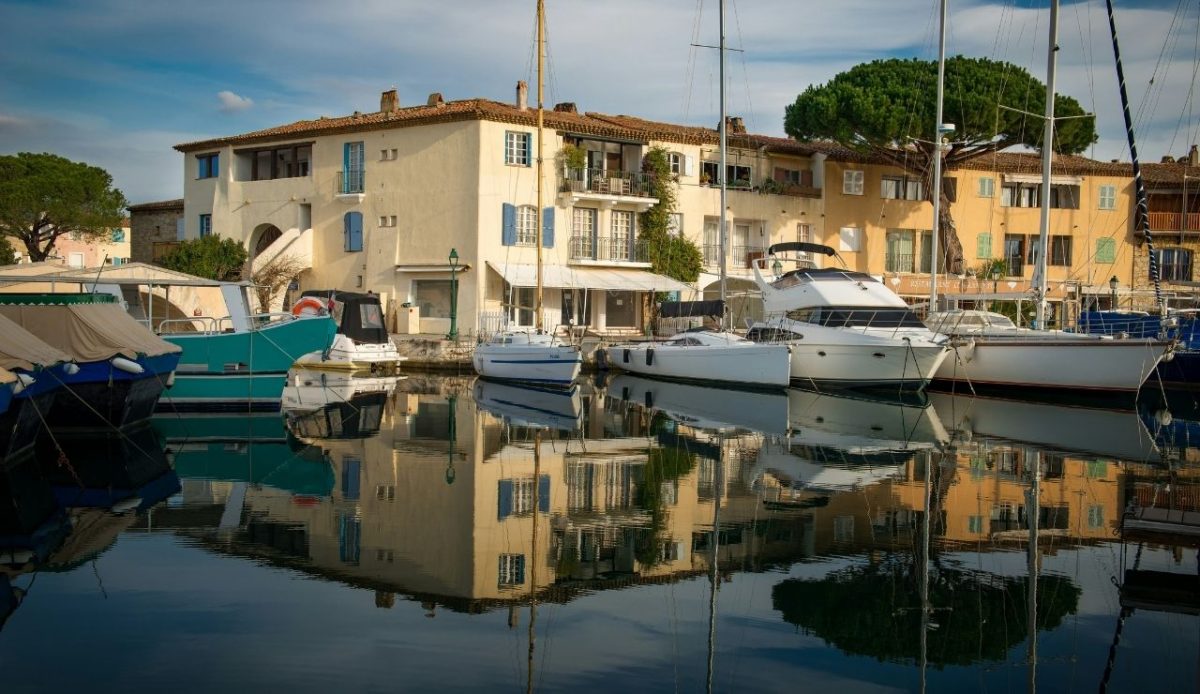
Architect François Spoerry built Port Grimaud in the 1960s as a waterfront town aimed at vacationers. The canal system and pastel buildings were planned to mimic coastal charm in a controlled environment. Many homes serve as second residences, and businesses stay geared toward seasonal guests. Berths, cafés, and shops cluster around the harbor to keep everything within close reach for visitors. The town functions largely as a holiday setting, and much of its activity aligns with peak travel periods rather than long-term local routines.
6. Whistler Village, British Columbia, Canada
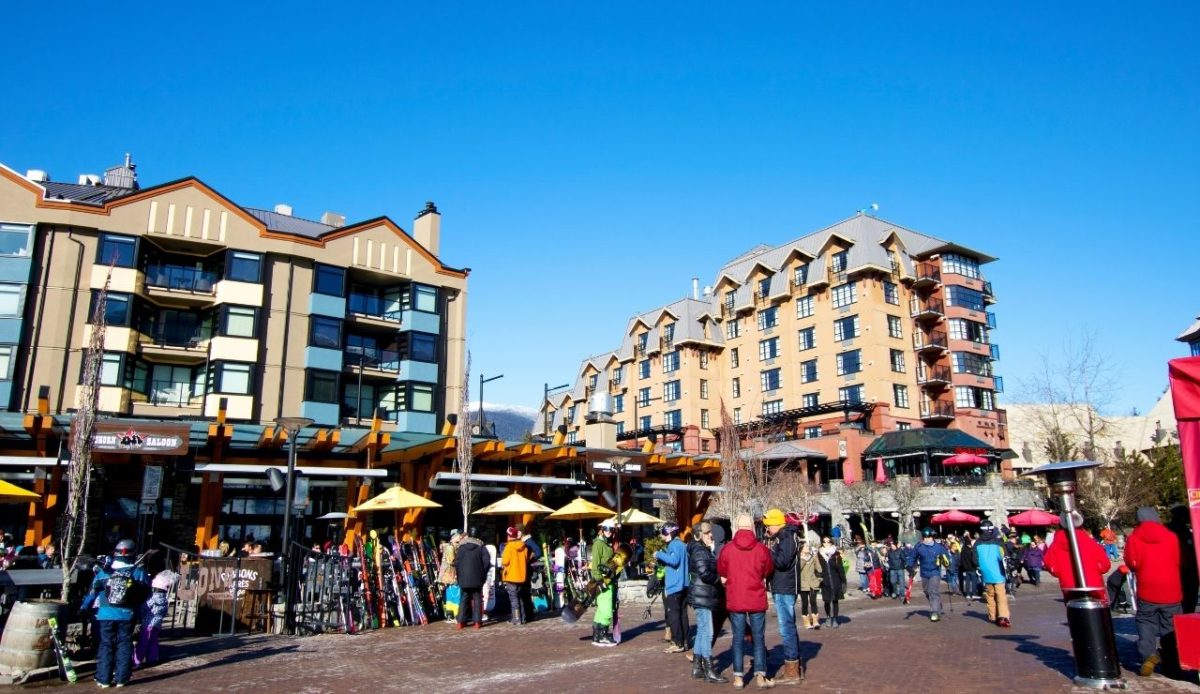
Whistler Village came together in the 1970s as a purpose-built base for skiing and outdoor travel. Planners created a pedestrian core that guides visitors between lifts, shops, and lodging without depending on cars. Restaurants, rental centers, and activity desks stay arranged to support seasonal travel patterns. The village continues to update its layout to keep movement steady during busy periods. Local services work with a visitor-first approach because most activity depends on short-term stays, event weekends, and guided outdoor excursions rather than local routines.
7. Sharm El-Sheikh, Egypt
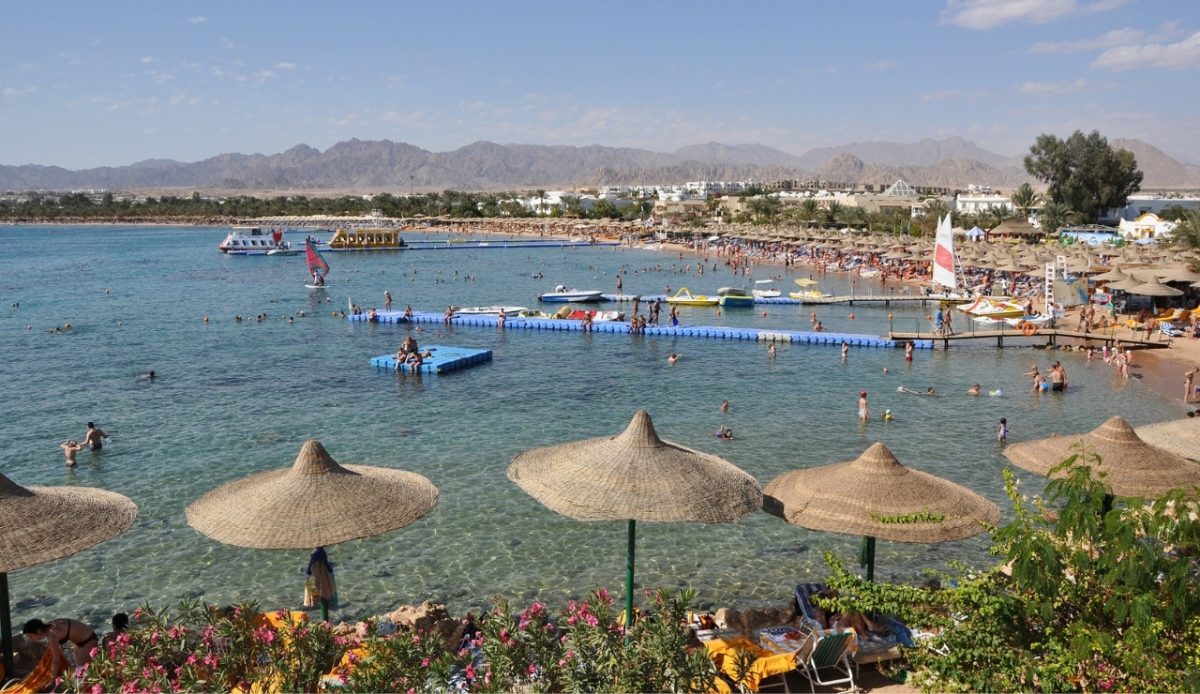
Sharm El-Sheikh shifted from a limited settlement to a planned resort area that serves tourists who come for diving, warm weather, and coastal hotels. Development efforts focused on building resorts along the Red Sea while creating road links and marine access points. The city’s economy relies heavily on hospitality services that handle group arrivals and packaged stays. Coral reefs, guided tours, and controlled beach zones drive demand. Infrastructure targets visitor convenience by keeping resorts close to activity centers. The location continues to attract international guests year-round.
8. Las Vegas Strip Resorts, Nevada, USA
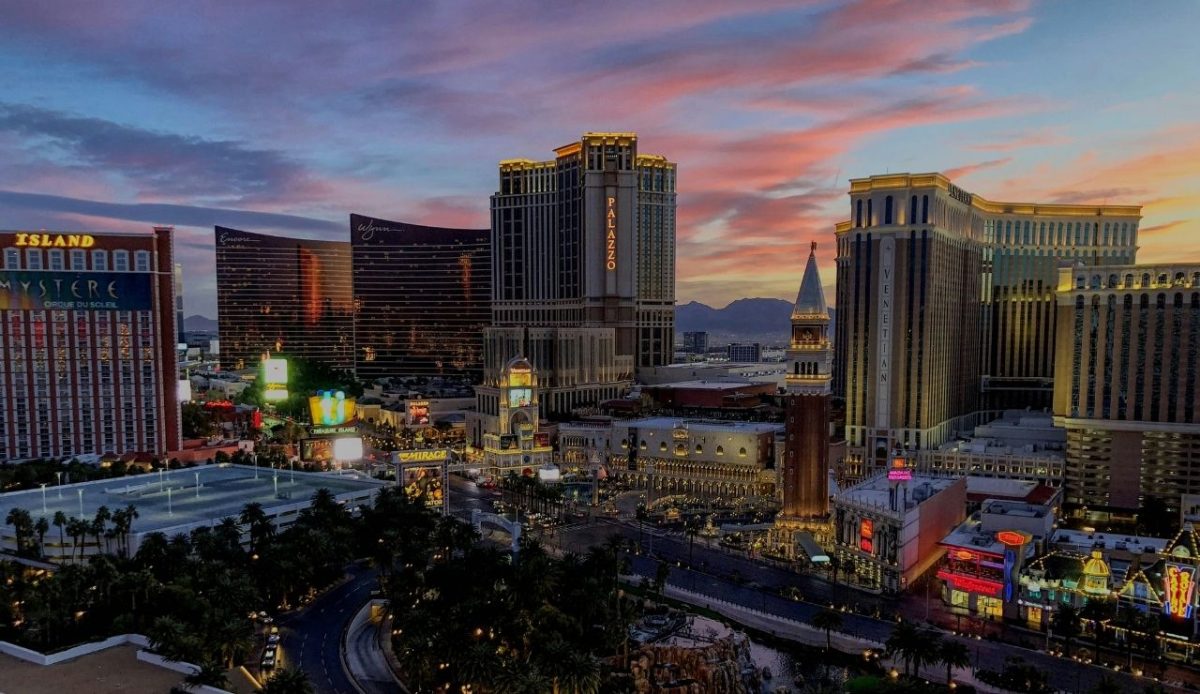
The Strip grew as a collection of planned resorts designed to attract travelers rather than support traditional community life. Hotels, casinos, theaters, and shopping areas were built with the goal of delivering constant entertainment. Most workers commute from other neighborhoods while the Strip operates as a visitor corridor. The environment focuses on controlled lighting, themed buildings, and walkable access between properties. Restaurants and shows change often to maintain interest. The area continues to function almost entirely for guests who come for short stays.
9. Gleneagles Village, Scotland
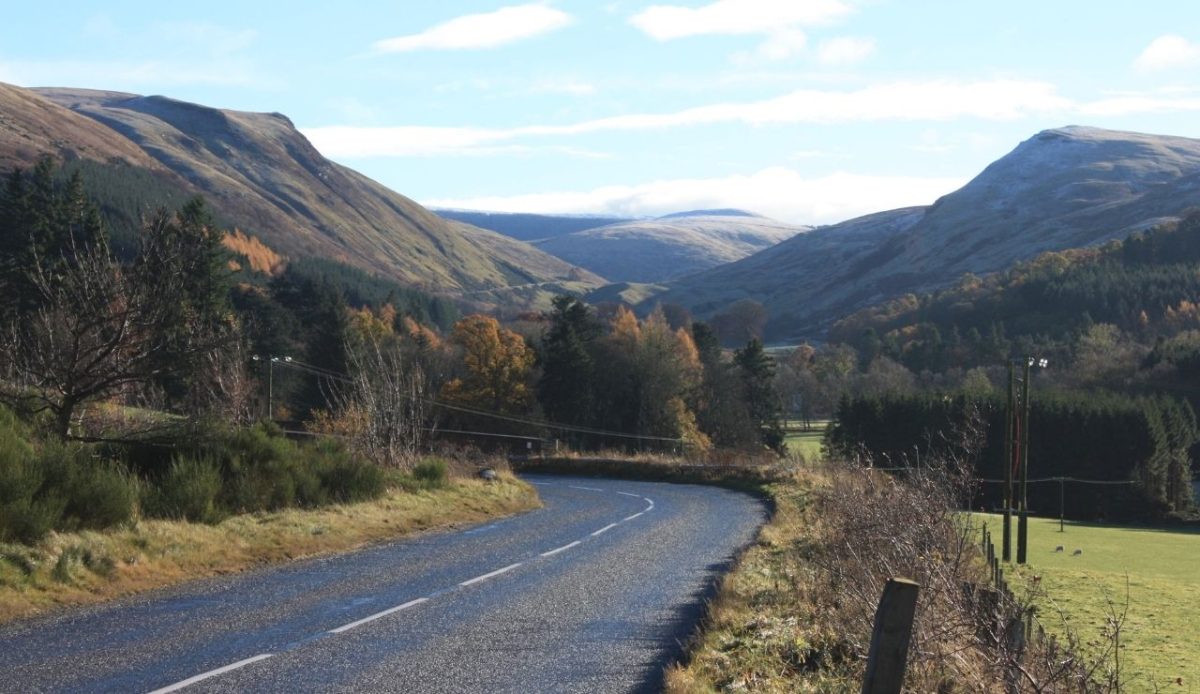
Gleneagles Village was developed around a luxury estate designed for guests seeking golf, spa services, and country escapes. It was planned to serve visitors through controlled spaces rather than forming a residential town. Lodging, courses, and recreation areas stay placed together to help travelers move easily across the estate. Most on-site activity centers on guest programs, planned stays, and retreat-style experiences. Staff provide services tailored to visitors rather than long-term residents. The setting keeps its focus on hospitality and controlled recreation throughout the year.
10. Suncity Resort Village, Maldives
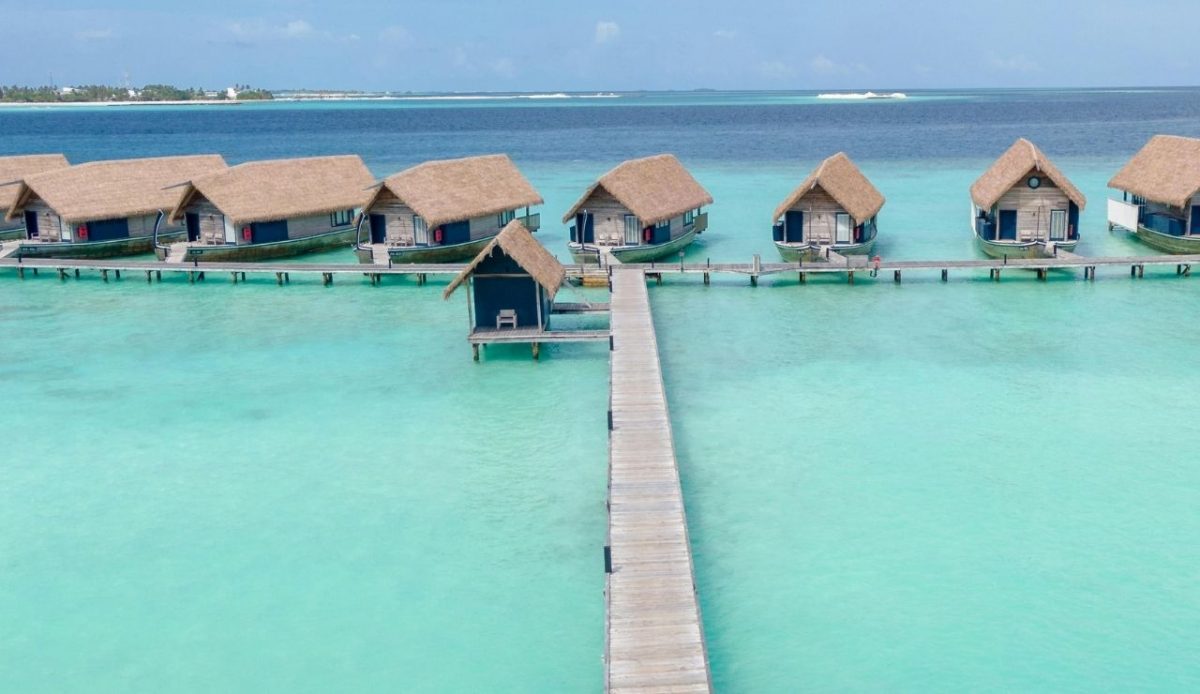
Suncity Resort Village came together as part of the Maldives’ tourism expansion strategy, where entire islands were set aside to serve as visitor-only communities. The resort provides lodging, dining, and water access without permanent local populations. Staff rotate on and off the island, which keeps operations centered on guest needs. Activities such as snorkeling, boat trips, and guided excursions support the island economy. Infrastructure remains compact because every service aims to streamline movement for travelers. The island’s purpose stays firmly tied to tourism.
11. Anaheim Resort District, California, USA
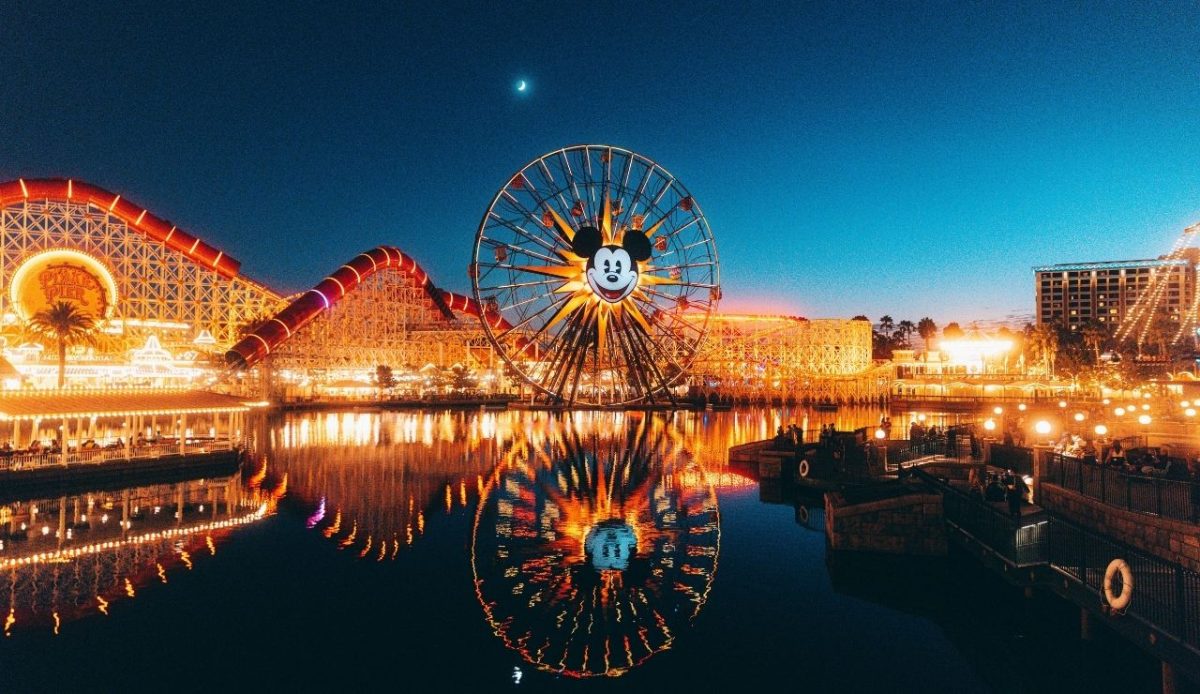
The Anaheim Resort District grew around Disneyland as a planned area designed to support heavy visitor traffic. Hotels, dining spots, and transportation links were placed to serve people traveling to the parks rather than long-term residents. City planners shaped the district to function as a tourism corridor with wide walkways, frequent transit options, and clear signage. Businesses operate with extended hours to match park schedules. The zone keeps updating its facilities because guest demand remains the core driver of activity, not traditional neighborhood life.
