
Air travel is routine for many, but crossing borders still comes with rules and regulations that can surprise even seasoned travelers. From customs inspections to visa requirements, each country has its own protocols that impact what you can carry, how you pass through security, and how officials interact with passengers. Being unprepared can result in fines, denied entry, or delayed flights, sometimes even missing connections. This article highlights 11 airport border rules travelers are often surprised by, providing insights to help visitors navigate international airports smoothly and avoid common pitfalls.
1. Carry-On Liquid Limits

Most travelers know liquids are restricted, but many are surprised by the exact rules. Airlines typically allow containers of 100 milliliters (3.4 ounces) or less in a single, transparent, resealable bag, with a total volume limit of around one liter. Items like shampoos, lotions, and perfumes must comply, while gels, sprays, and aerosols count toward the total. Medications, baby food, and essential toiletries may have exemptions but often require documentation. Knowing these rules in advance helps travelers avoid confiscation and delays at security, making airport navigation smoother and far less stressful.
2. Customs Declarations
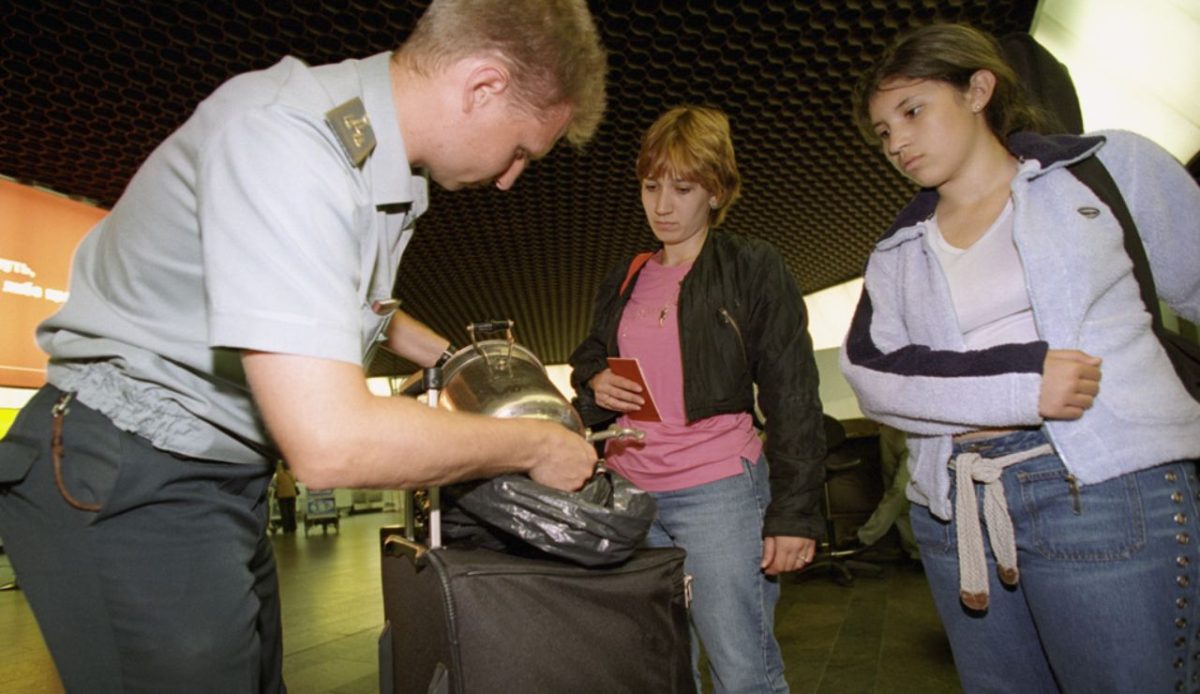
Customs rules vary by country, and many travelers are surprised at what must be declared. Gifts, electronics, and large amounts of currency often require formal reporting. Certain foods, plants, and animal products may be prohibited entirely or require certificates. Travelers must complete forms honestly, as violations can result in fines or confiscation. Even seemingly minor items, like souvenirs, can be problematic if limits are exceeded. Understanding each country’s declaration requirements ensures compliance, speeds border crossing, and prevents misunderstandings with customs officers during inspections.
3. Passport Validity Requirements
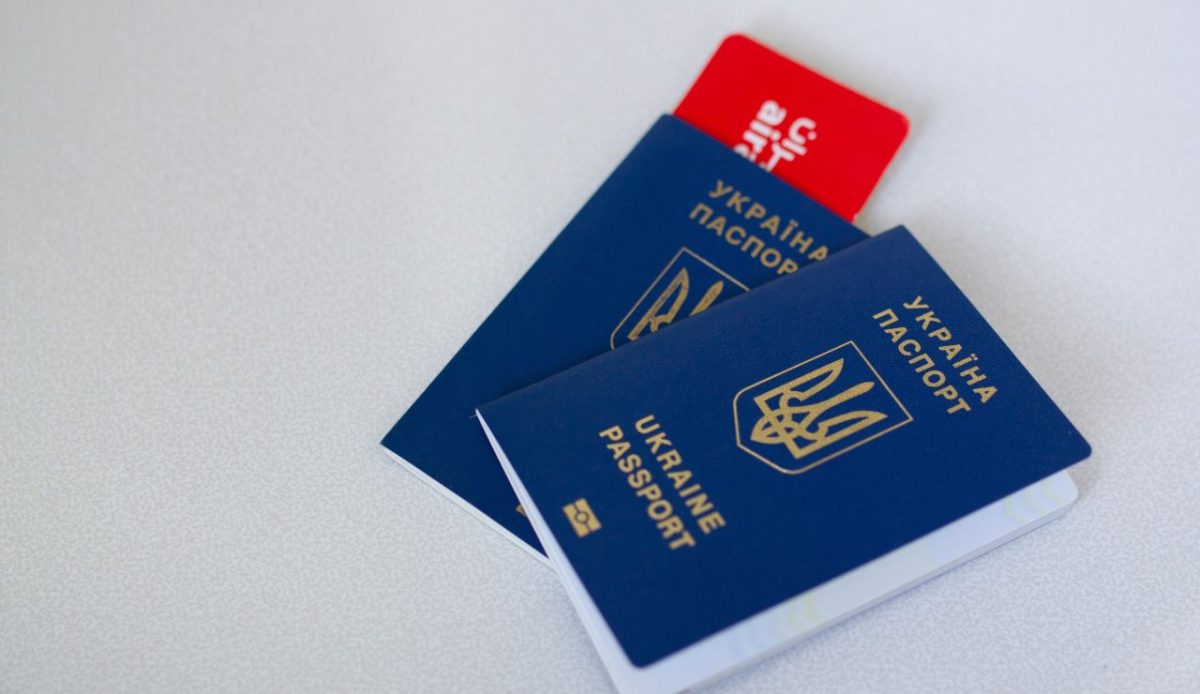
Many travelers don’t realize that countries often require passports to be valid for six months beyond the date of entry. Airlines may refuse boarding if this rule isn’t met, even for short trips. Some nations also mandate multiple blank pages for stamps or visas. This requirement applies regardless of flight duration or tourist visa status. Checking passport validity before travel prevents denied boarding or border complications. It’s a simple but often overlooked rule that ensures smooth entry, giving travelers peace of mind and avoiding unexpected disruptions at airport immigration counters.
4. Transit Visa Rules

Some airports require transit visas even if passengers never leave the terminal. Rules vary by country, nationality, and flight connections. Travelers may assume a layover is exempt, but certain nations require documentation for brief transits. Failure to comply can lead to denied boarding or forced rerouting. Checking transit visa requirements ahead of time ensures compliance, avoids last-minute complications, and protects tight travel itineraries. Being aware of these rules is crucial for international flights with multiple stopovers, especially when connecting through countries with strict immigration policies.
5. Electronic Device Screening
Airports increasingly demand that laptops, tablets, and large electronics be removed from bags and screened separately. Some countries now require devices to power on for security verification. Travelers unaware of this rule may experience delays or extra scrutiny. Battery levels must be sufficient, and certain devices may be restricted if they fail inspection. Carrying electronics in easily accessible bags and ensuring functionality helps speed up security checks. Understanding device screening rules prevents inconvenience and ensures smooth passage through both domestic and international airport security checkpoints.
6. Duty-Free Limits

Duty-free shopping comes with restrictions, and travelers are often surprised by limits on alcohol, tobacco, and luxury items. Quantity caps differ by country, and exceeding them may result in duties, fines, or confiscation. Even gifts purchased at airport duty-free shops may require a declaration on arrival. Familiarity with these rules helps travelers plan purchases carefully and avoid fines. Knowing exactly how much of each product can be brought into the destination country ensures duty-free shopping remains a convenient and cost-saving benefit rather than a source of frustration or unexpected charges.
7. Prohibited Items
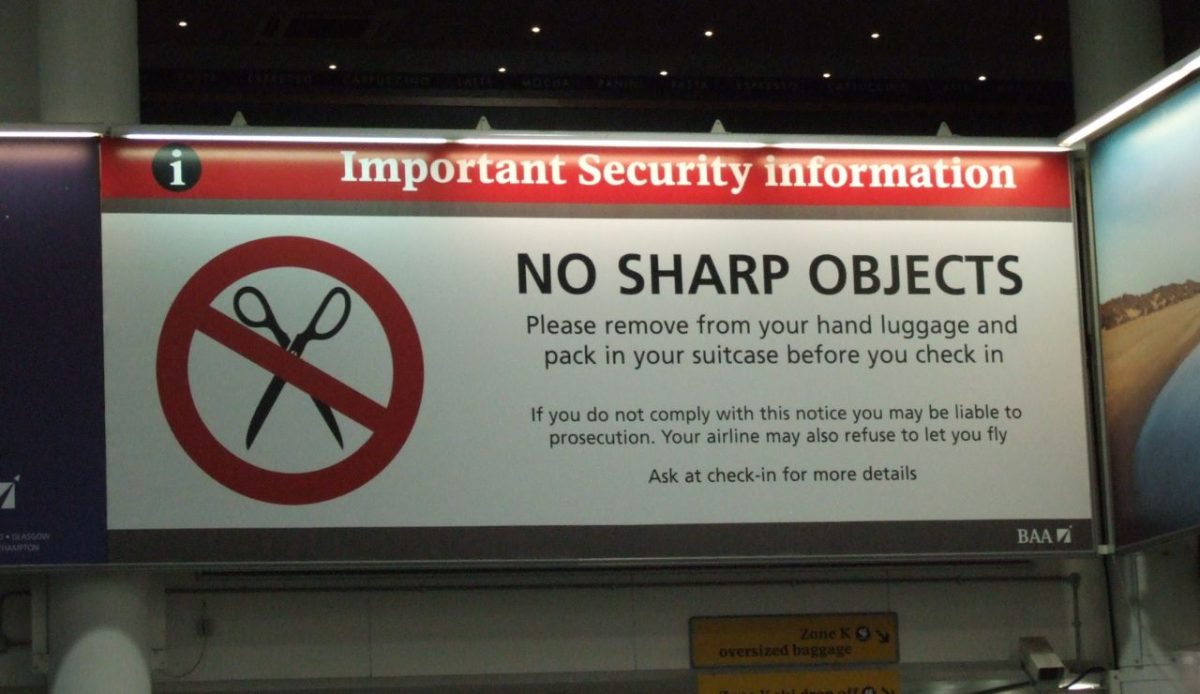
Airports enforce strict rules on items that cannot be carried in luggage or on board. Sharp objects, flammable materials, and certain sporting equipment are often forbidden. Countries may also restrict cultural artifacts, endangered animal products, and even drones. Travelers unfamiliar with these prohibitions risk confiscation, fines, or denied boarding. Checking airline and airport guidelines before packing prevents surprises and ensures a stress-free journey. Being aware of what is prohibited demonstrates compliance, speeds security screening, and avoids negative interactions with airport authorities.
8. Biometric Checks
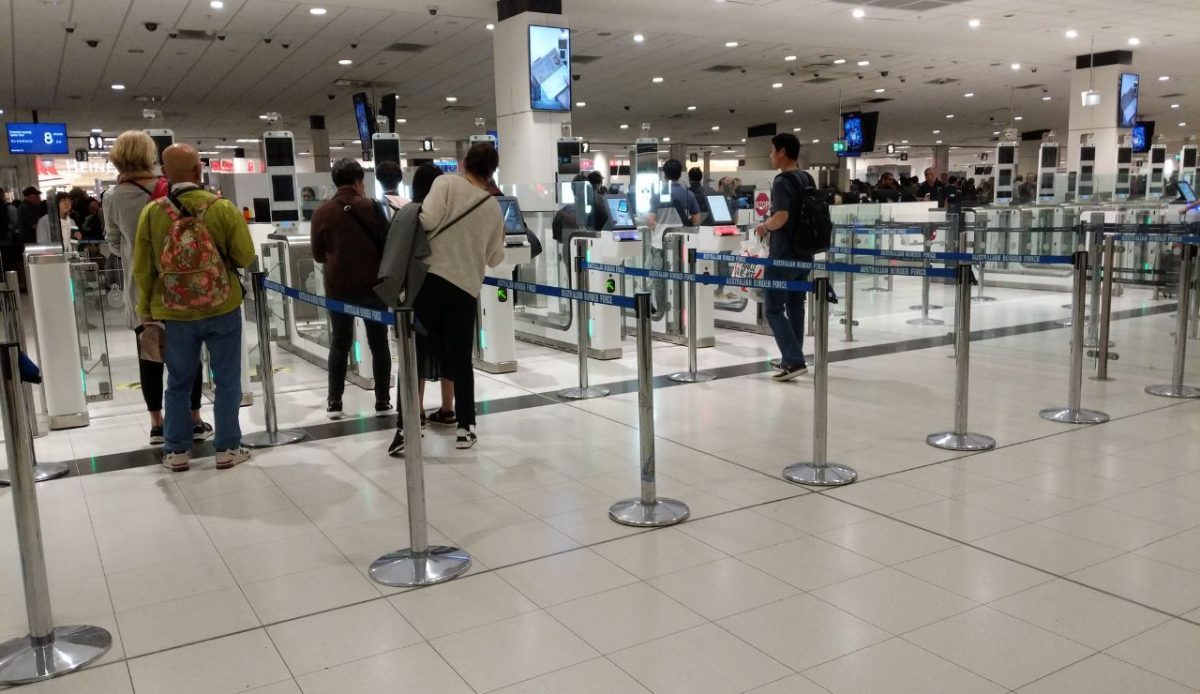
Many countries now use biometric data, including fingerprints and facial recognition, for entry. Some travelers are unaware that these checks can be mandatory even for short visits or visa-exempt nationals. Biometric data is stored for security and immigration purposes, and refusal can result in denied entry. Being prepared to comply and keeping travel documents accessible streamlines the process. Understanding that biometric screening is becoming standard globally helps passengers anticipate procedures, avoid delays, and feel more comfortable navigating modern airport security and immigration systems.
9. Random Secondary Screening
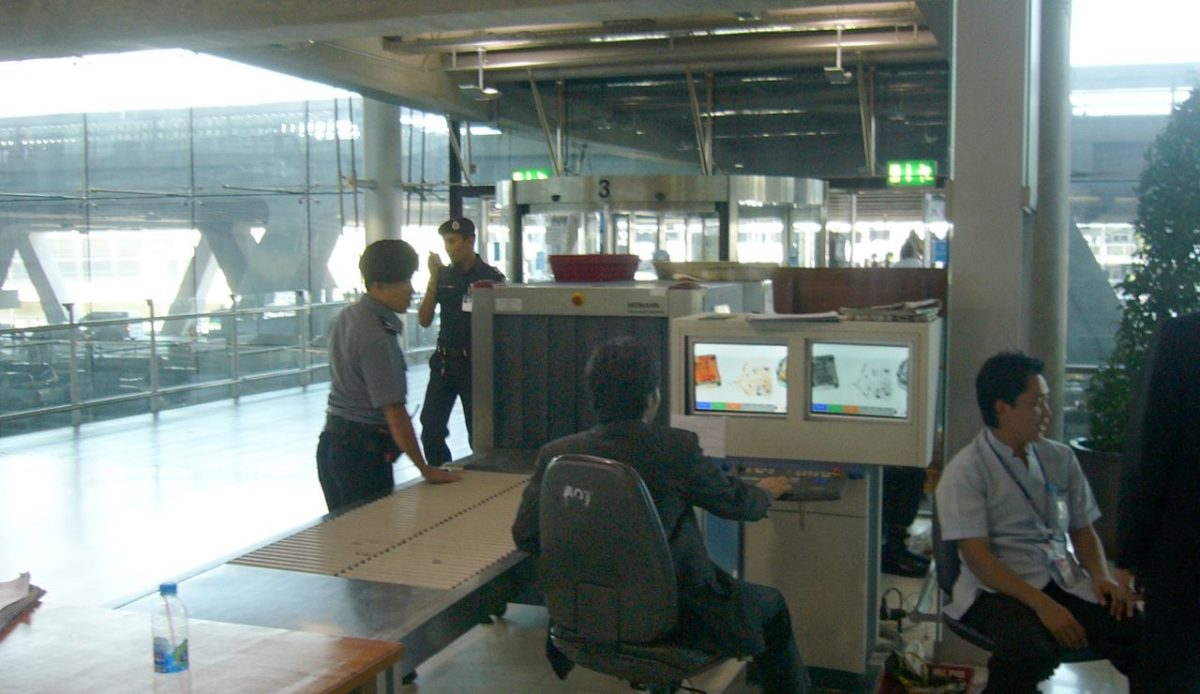
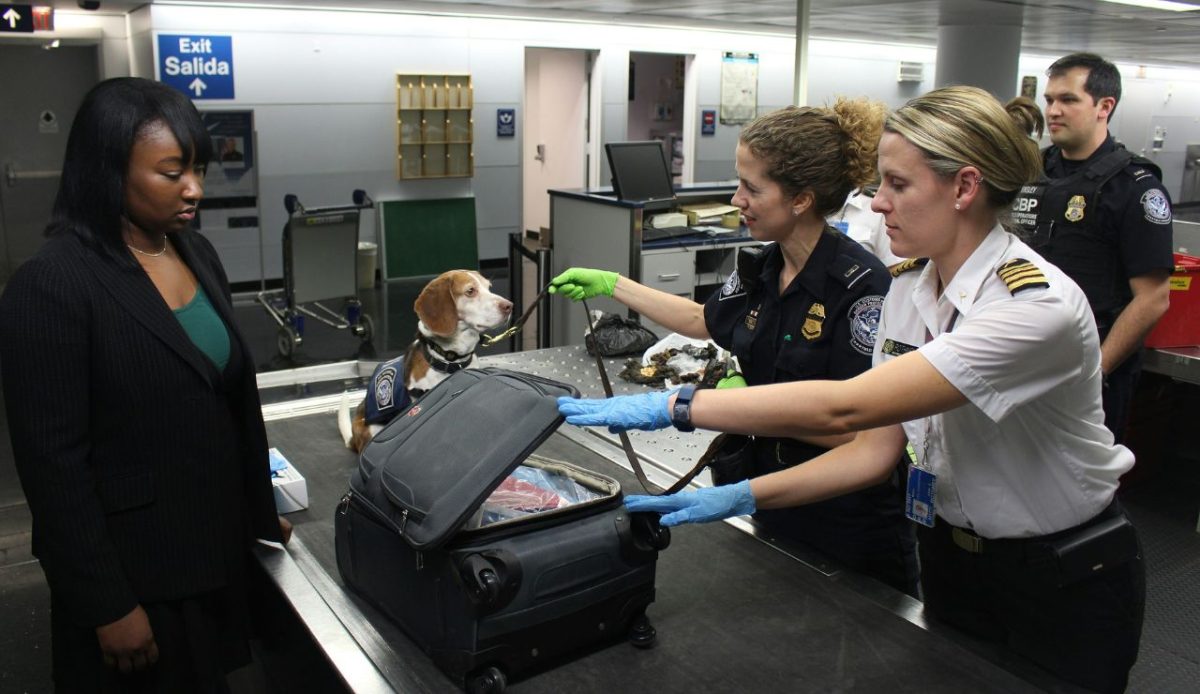
Even with proper documents, travelers may be selected for secondary inspection without warning. Officers can check bags, ask additional questions, or request further verification of travel documents or personal items. Random screening is normal, intended to maintain security and ensure compliance with regulations. Travelers unprepared for extra checks often feel stressed or singled out, but remaining calm and cooperative is key. Knowing this possibility exists helps passengers plan extra time, keep documentation organized, and approach secondary screening confidently, minimizing disruptions to travel plans.
10. Restrictions on Food and Agriculture
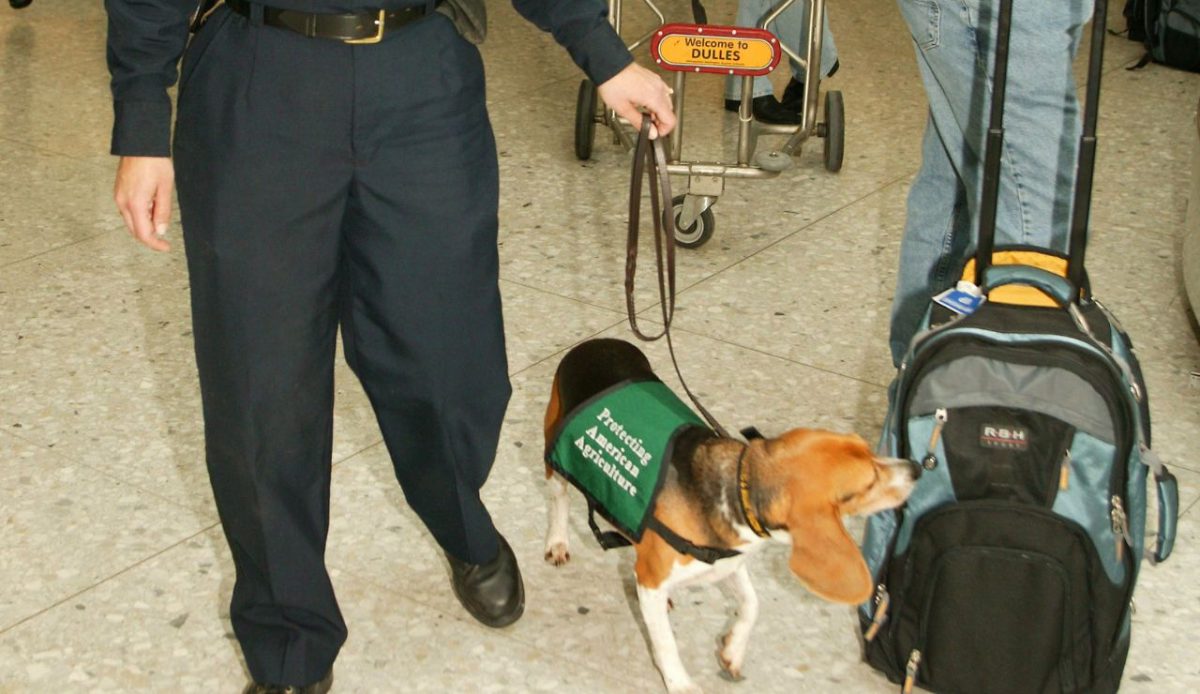
Countries often enforce strict rules on bringing in fruits, vegetables, seeds, and animal products. Travelers may unknowingly carry prohibited items, risking confiscation, fines, or quarantine measures. Agricultural regulations protect local ecosystems from pests and diseases. Even packaged snacks may require a declaration or proof of origin. Awareness of these rules is critical for international travel, especially when moving between regions with different climates and farming practices. Properly declaring food items or leaving them at home ensures compliance and avoids unnecessary stress during airport border inspections.
11. Carrying Large Amounts of Cash

Many countries limit the amount of cash passengers can carry without reporting. Travelers unaware of these thresholds may face questioning, fines, or confiscation at customs, sometimes complicating travel plans. Rules vary by country, with some requiring disclosure for amounts over a few thousand dollars. Both local and foreign currency counts, and banks may assist with documentation. Understanding cash declaration rules helps travelers plan payments, use alternatives like credit cards, and avoid legal issues. Compliance ensures smooth border crossing and prevents financial or legal complications while traveling internationally.
