
Owning a car isn’t a necessity everywhere, especially in states where public transit, walkable neighborhoods, and bike-friendly infrastructure make daily life easier and more affordable. While much of the U.S. still revolves around driving, these ten states stand out for residents and travelers who want to rely on buses, trains, rideshares, or simply their own two feet. From dense urban hubs to transit-connected suburbs, these places prove that car-free living in America isn’t just possible, it’s comfortable.
1. New York

New York remains the easiest state to live without a car, thanks to its world-famous subway, extensive bus lines, commuter rail, and densely built neighborhoods. In New York City, most residents don’t drive at all, relying instead on 24/7 transit and walkable streets full of services. Smaller cities like Buffalo and Albany also offer public transit, bike lanes, and car-free districts. Whether for work, errands, or exploring, New York makes going carless not just possible, but practical.
2. Massachusetts
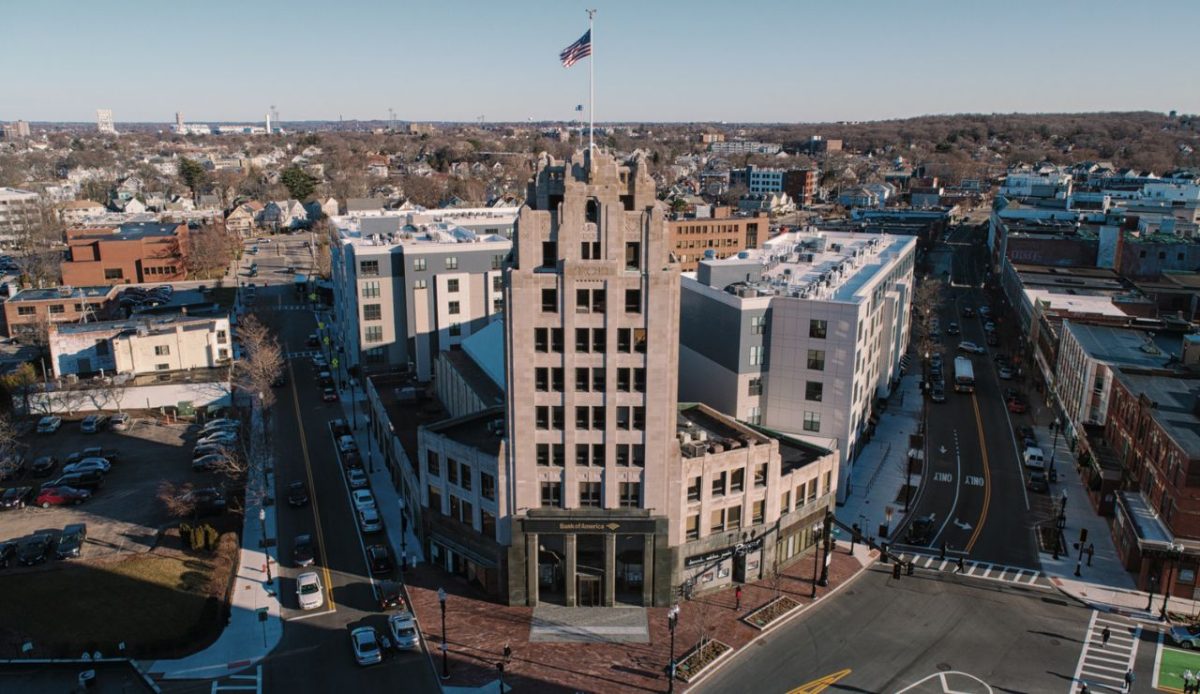
Massachusetts offers excellent transportation options, especially around Boston and Cambridge, where the MBTA subway and commuter rail connect urban and suburban areas. Walkable neighborhoods, bike infrastructure, and growing electric bus lines help residents avoid car ownership entirely. College towns like Amherst and Worcester are also designed for pedestrians and cyclists. With dense development, statewide rail projects, and compact urban planning, Massachusetts remains one of the most car-optional states in the country.
3. New Jersey

Despite its car-heavy reputation, New Jersey surprises many people with its strong transit system. NJ Transit trains and buses link cities like Newark, Hoboken, and Jersey City directly to New York and Philadelphia. These walkable urban hubs offer car-free living with access to grocery stores, parks, and restaurants within minutes. The state also has ferries, light rail lines, and bike-share programs. For commuters and residents alike, New Jersey quietly delivers big-city convenience without needing a vehicle.
4. Illinois
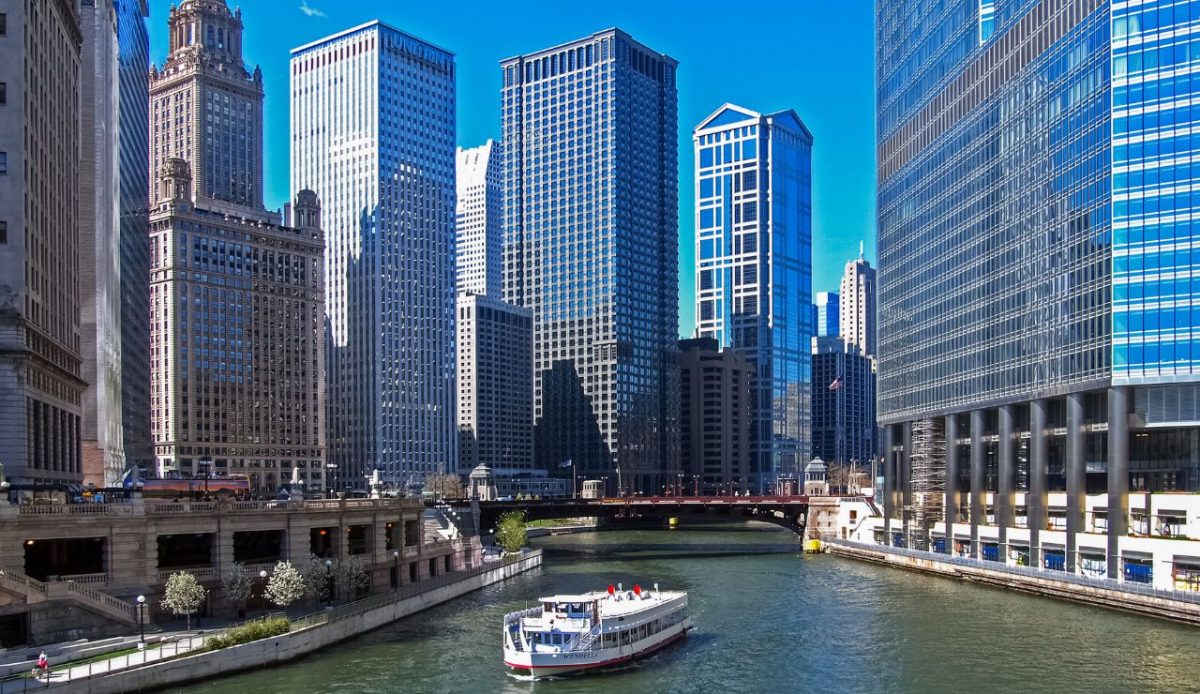
Illinois is anchored by Chicago, one of the most transit-friendly cities in America. The CTA’s trains and buses, combined with Metra rail lines and growing bike infrastructure, make car-free living extremely viable. Many neighborhoods are walkable, with easy access to restaurants, jobs, shops, and schools. Even cities like Evanston, Oak Park, and Champaign offer reliable transit and pedestrian planning. With dense urban cores and rail-connected suburbs, Illinois makes ditching the car easier than most people realize.
5. California
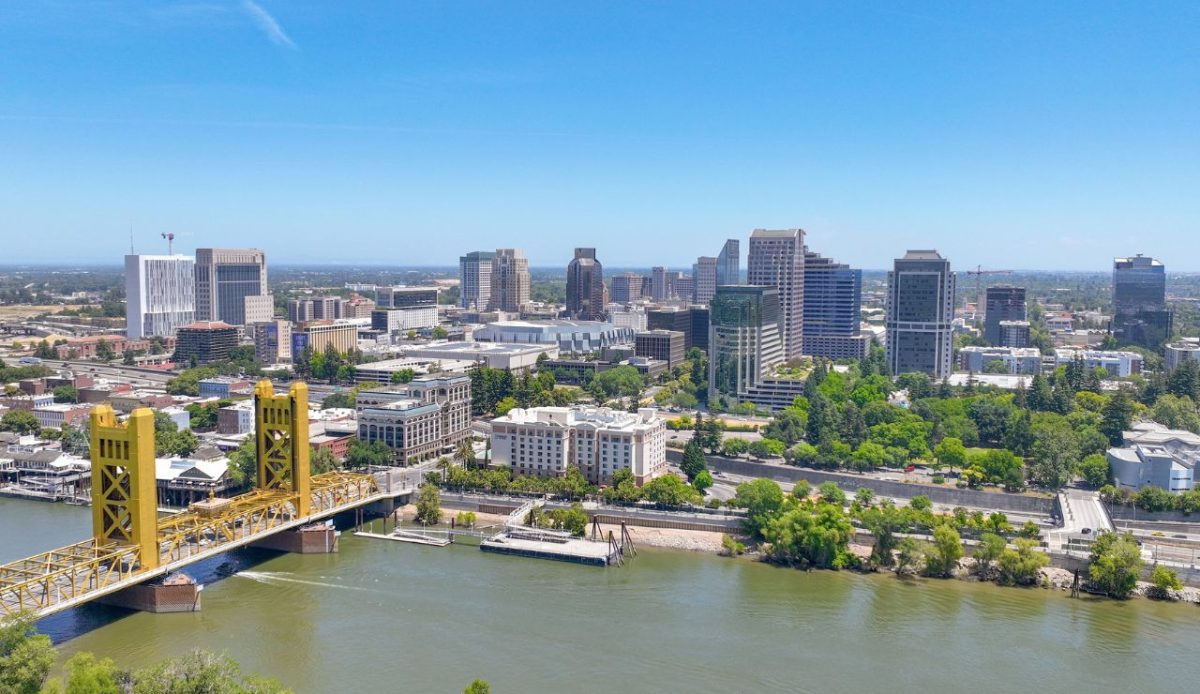
While much of California is built around driving, its biggest cities offer strong alternatives. San Francisco, Oakland, and Berkeley boast BART trains, ferries, streetcars, and walkable neighborhoods. Los Angeles is expanding its metro system rapidly, connecting once car-dependent communities. Dense coastal cities like San Diego, Santa Monica, and Pasadena also support biking and rideshare lifestyles. With improved investment in transit and infrastructure, a car-free life in California is more realistic than ever.
6. Pennsylvania

Philadelphia’s historic street grid, regional rail network, and dense neighborhoods make it one of the most walkable major cities in the country. Across the state, Pittsburgh offers inclines, busways, and growing bike routes that make daily commuting possible without a car. College towns like State College and Lancaster are built for walking. With established transit systems and compact downtowns, Pennsylvania provides multiple environments where car-free living feels both comfortable and convenient.
7. Washington

Washington State is home to Seattle, a city with buses, ferries, streetcars, and an expanding light rail system stretching deep into the suburbs. Walkable districts like Capitol Hill and Belltown make everyday errands possible without a car. Cities like Tacoma, Bellevue, and Bellingham also offer walkability and transit options. With investments in bike lanes, electric buses, and commuter rail, Washington continues evolving into a state where car-free living is increasingly practical.
8. Oregon
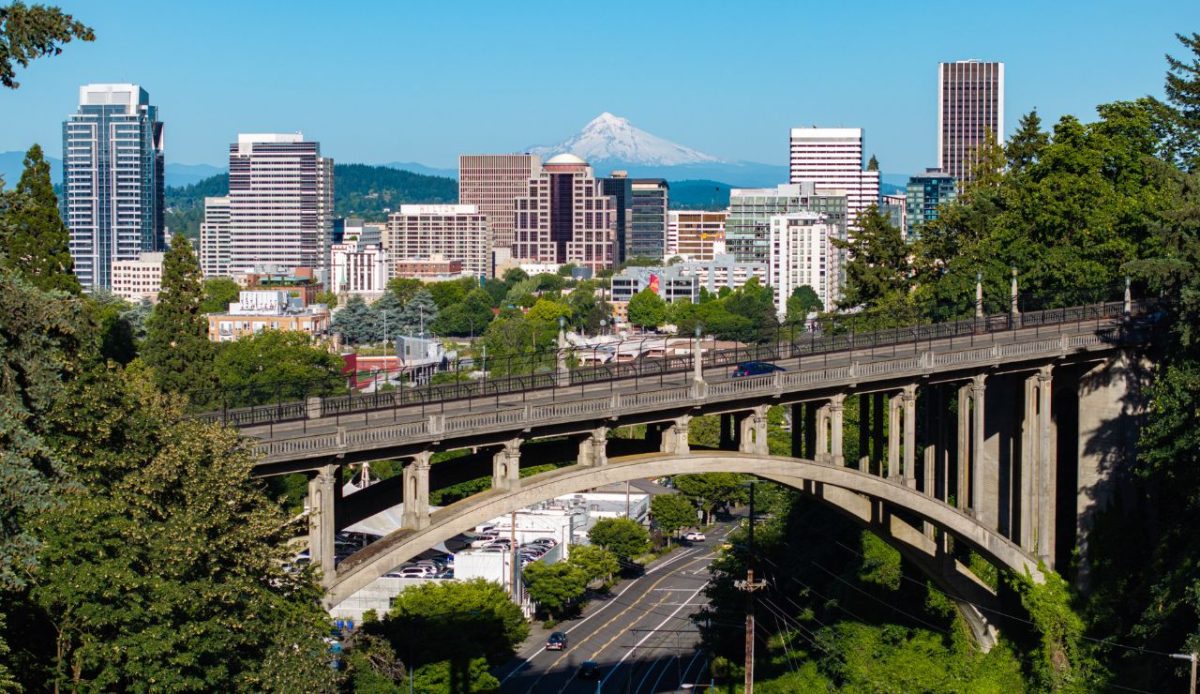
Oregon’s commitment to sustainable transportation makes car-free living especially doable. Portland leads with light rail, streetcars, protected bike lanes, and compact neighborhoods designed for walking. Smaller cities like Eugene and Corvallis follow similar patterns, built around density and transit-first planning. The state also offers Amtrak routes, trail networks, and integrated bus services connecting communities. For anyone avoiding car ownership, Oregon offers freedom, flexibility, and a strong culture of eco-conscious mobility.
9. Maryland
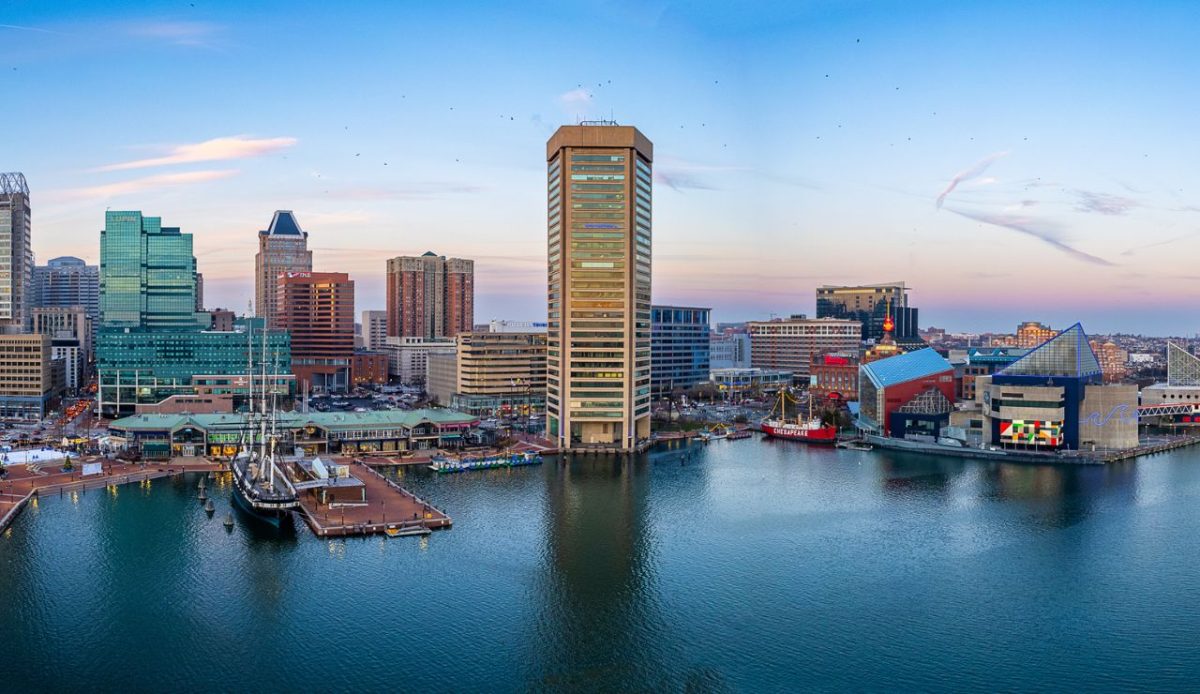
Maryland benefits from its connection to the Washington, D.C. metro region, with extensive commuter rail, bus lines, and walkable cities like Silver Spring and Bethesda. Baltimore’s transit system, including light rail and MARC trains, supports car-free lifestyles in dense areas. Even smaller college towns like College Park and Annapolis offer biking and transit options. With regional connectivity and compact development, Maryland makes car-free commuting surprisingly easy.
10. Colorado

Colorado stands out not just for its mountains but for its transit-forward cities. Denver’s expanding light rail network, free downtown buses, and bike lanes support car-free living for many residents. Boulder is famously walkable and bike-friendly, with strong transit linking it to surrounding towns. Even Fort Collins and Colorado Springs are investing in bus rapid transit. With healthy outdoor culture and growing infrastructure, Colorado offers freedom beyond the driver’s seat.
