
A city can have a loud nightlife image and still draw fewer travelers than people expect. Visitor counts published by local tourism offices show that some mid-sized metros host big bar weekends, strong live music, and busy brewery taprooms while staying far under the volumes seen in top leisure hubs. Measurements vary by market, yet annual totals still help compare crowd pressure. The ten places below are known for going out, but their reported visitation remains comparatively modest. That gap matters on the ground because tables turn faster, staff recognize regulars, and a weekend trip feels social rather than tourist-centered.
1. Albuquerque, New Mexico
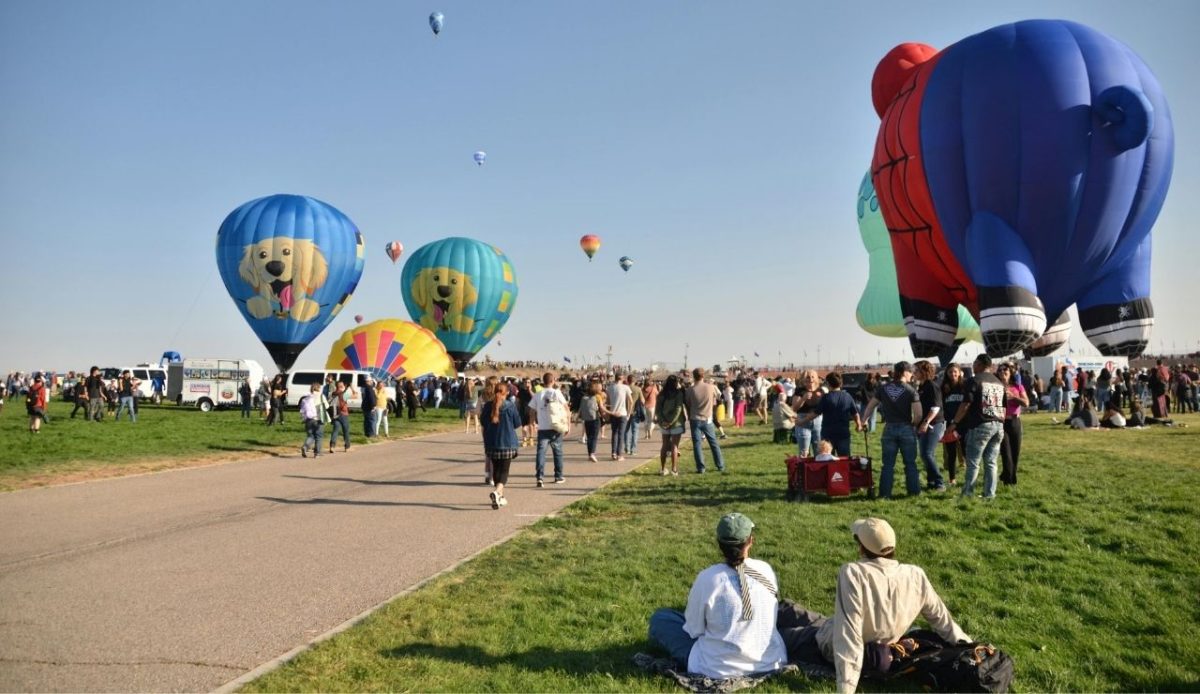
Albuquerque runs late on weekends along Central Avenue and in Nob Hill, where breweries, cocktail bars, and small venues keep crowds moving between patios and music sets. Visit Albuquerque reports about 6.2 million visitors each year, a small number for a city with a recognized party circuit. Outside Balloon Fiesta weeks, rooms and bar stools are easier to find. Local students and nearby road trippers fill dance floors, so nights feel energetic without the constant churn of large tour groups. Late-night food trucks and New Mexican diners support the scene, and short ride-share hops keep neighborhoods connected without long travel times.
2. Buffalo, New York
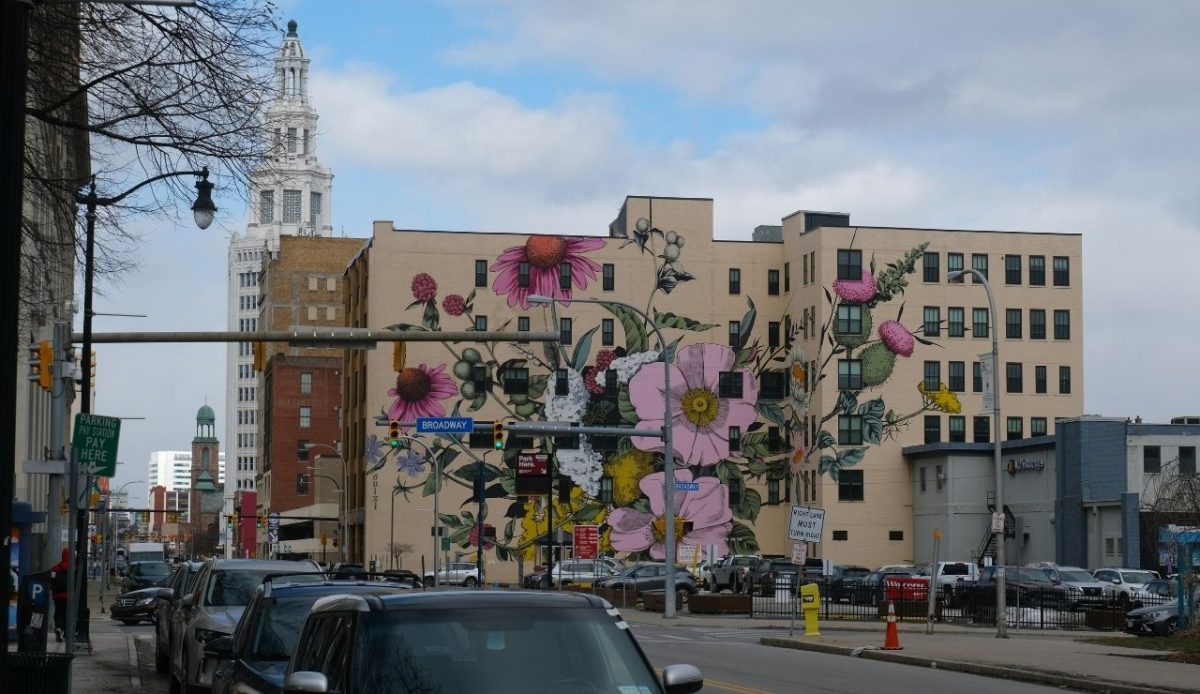
Buffalo’s party identity comes from sports nights, wing joints, and packed blocks on Chippewa Street, plus bars in Allentown and along Elmwood Avenue. Tourism messaging around the area often cites about 10 million annual visitors, a modest total beside bigger nightlife markets. Lake effect winters shrink the long travel season, yet the evening schedule stays busy. Bills weekends, campus crowds, and quick cross-border day trips keep drinks moving, while hotels and late seating remain easier to book. Live bands and neighborhood breweries draw repeat locals, so the scene feels consistent and less shaped by tourist pricing swings.
3. Tulsa, Oklahoma
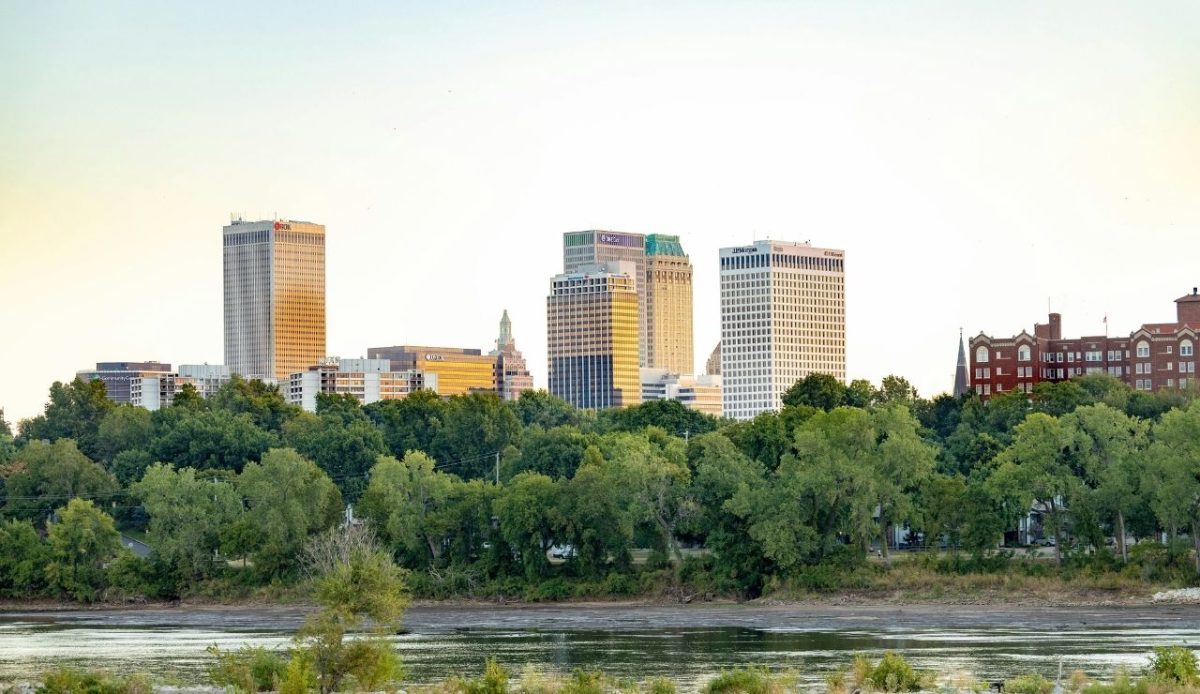
Tulsa has a concentrated nightlife footprint in the Blue Dome District and nearby streets, with dance bars, honky tonk rooms, and live sets that run late. An economic impact study cited by local reporting says the city exceeded 10 million visitors in 2023, which is smaller than many places with similar party reputations. Most crowds arrive from Oklahoma and neighboring states, so faces repeat across weekends. That keeps cover charges reasonable and gives bartenders time to learn what regulars order. Rooftop patios fill during music festivals and sports events, then the pace drops back to normal without heavy tourist spillover.
4. Richmond, Virginia
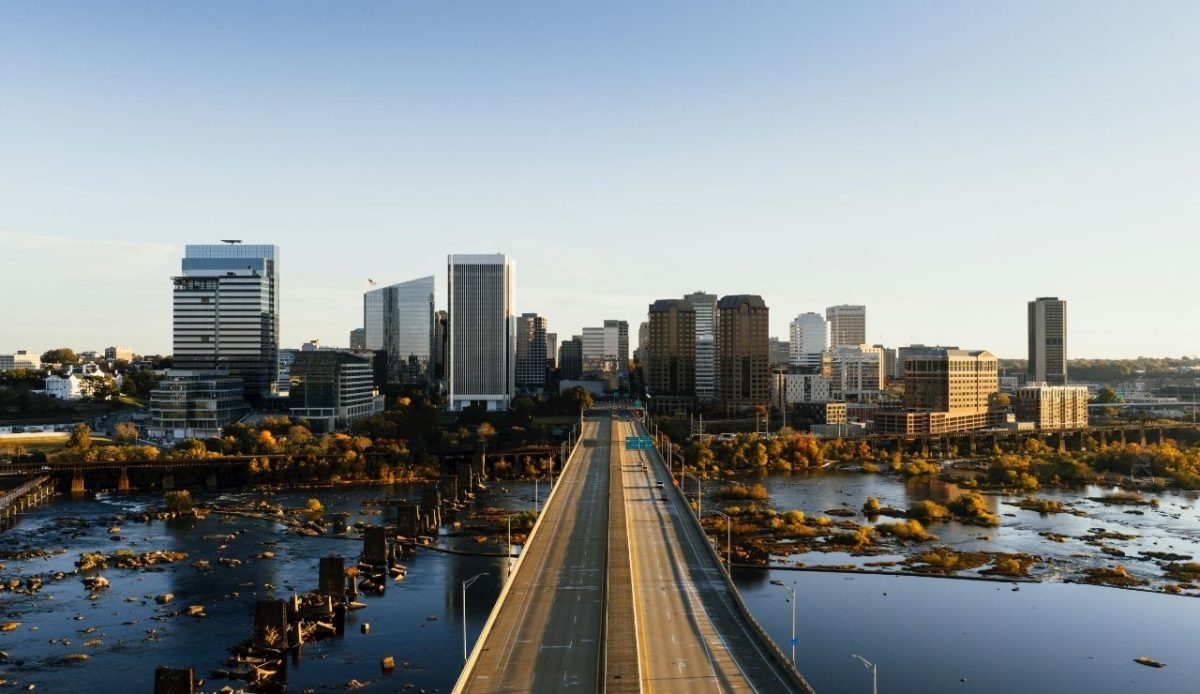
Richmond’s nightlife is fueled by VCU energy, brewery rows in Scott’s Addition, and bar clusters near Carytown and Shockoe Bottom. Richmond Region Tourism reports 17.9 million visitors a year, a moderate figure for a city often framed as a weekend party spot. Many trips are short, so weekday crowds are mostly residents. Beer halls and small clubs stay active without the pressure of constant big tour groups. Visitors can plan a pub crawl, catch a show, then grab late snacks without long waits. Daytime river walks and museums pull some travelers, but the nightlife remains a local routine rather than a tourist conveyor belt.
5. Cleveland, Ohio
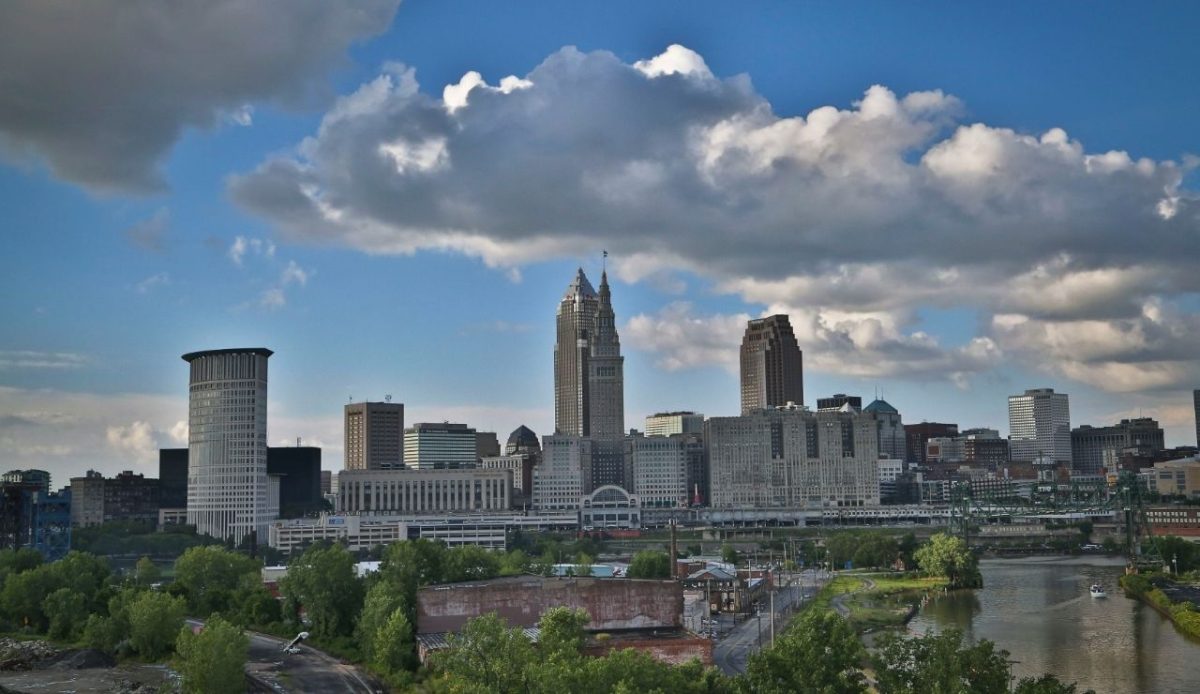
Cleveland’s going out scene runs from East Fourth Street to Ohio City, where cocktail bars, music stages, and brewery patios stay busy after games. Destination Cleveland reports 18.6 million business and leisure visits in 2024, which remains well below the totals posted by the biggest U.S. visitor centers. Party crowds spike on Browns and Guardians dates, then thin out on ordinary weeks. That rhythm keeps the city fun for weekend travelers while preserving a neighborhood feel for regulars. Shows at the Rock Hall area and downtown festivals add bursts, yet rides and reservations stay manageable for most of the year.
6. Louisville, Kentucky
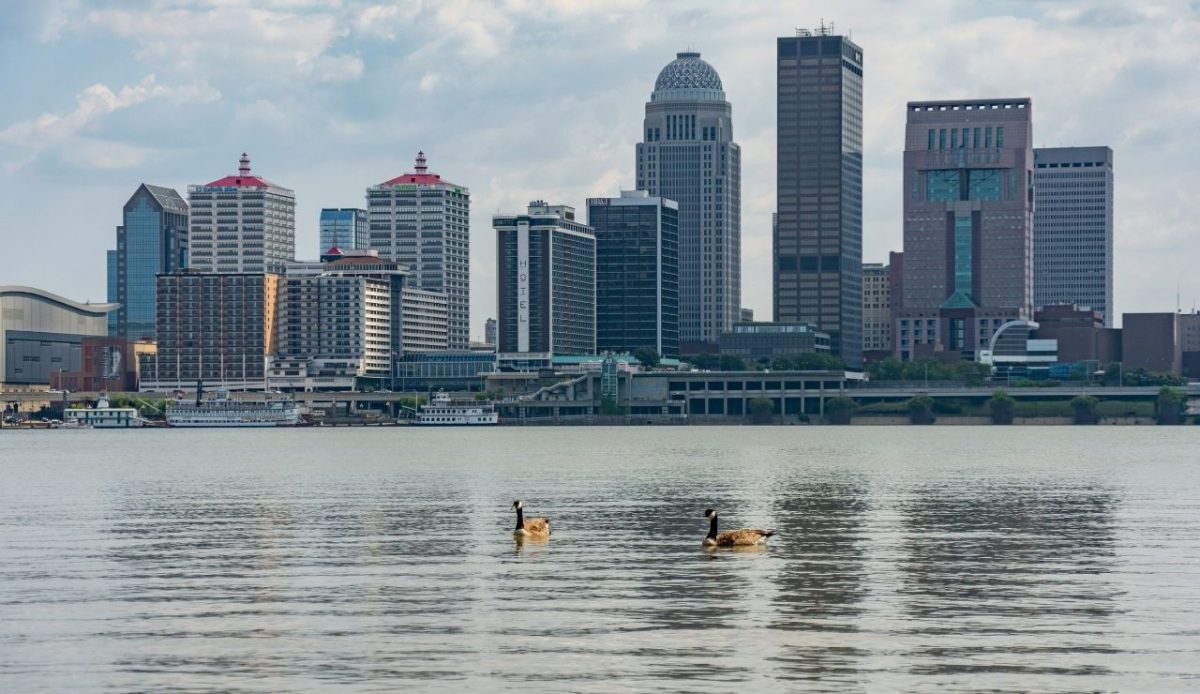
Louisville delivers a party weekend through bourbon bars, live music on Baxter Avenue, and crowded patios along Whiskey Row. Louisville Tourism materials describe about 19 million visitors annually in the greater area, a modest count compared with larger nightlife capitals. Many visitors arrive for distillery tastings and sports, then leave after a short stay. Because the visitor base is not massive, locals still set the tone in bars and food halls, and service often moves faster than in more tourist-heavy bourbon destinations. Late dinners, after-hours dancing, and tasting rooms stay accessible for walk-ins on most weekends.
7. Pittsburgh, Pennsylvania
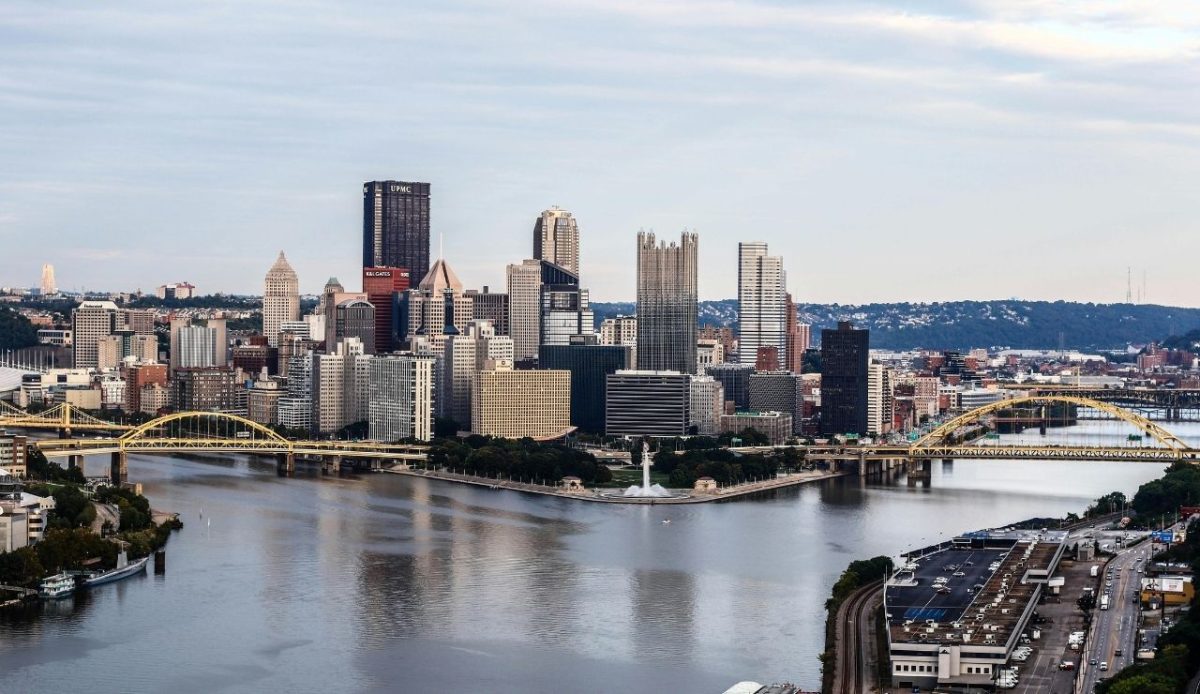
Pittsburgh parties hard in compact zones like the South Side and Lawrenceville, where blocks of bars and small music rooms let people hop between spots on foot. Local reporting on VisitPITTSBURGH figures put Allegheny County at 20.4 million visitors in 2023, which is low for a city with such a concentrated nightlife map. Because many trips are for games, concerts, or short weekends, weekday scenes are driven by residents. Visitors still get full energy nights, yet lines and surge pricing stay milder. Late pizza windows and riverfront views add to the experience without a heavy tourist overlay.
8. St. Louis, Missouri
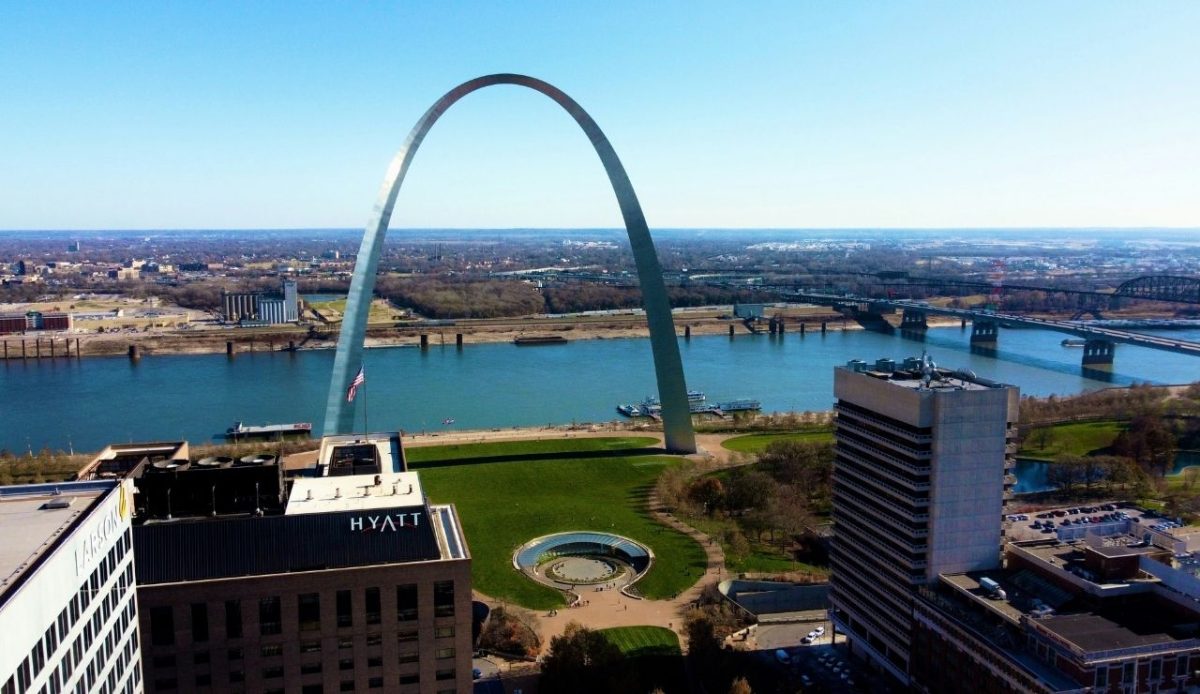
St. Louis has a durable party reputation tied to Ballpark Village, Soulard’s bar routes, and live blues rooms that keep nights running beyond midnight. Explore St. Louis states that the region welcomes 24.1 million annual visitors, a figure that trails many larger entertainment hubs. That smaller volume means a visitor can plan a brewery crawl, catch a Cardinals game, and still find a seat at a late dinner without planning weeks. Local regulars keep the mood grounded, not tourist crowds. Big weekends like Mardi Gras in Soulard create brief surges, but the rest of the year feels more navigable for first-time travelers.
9. Cincinnati, Ohio
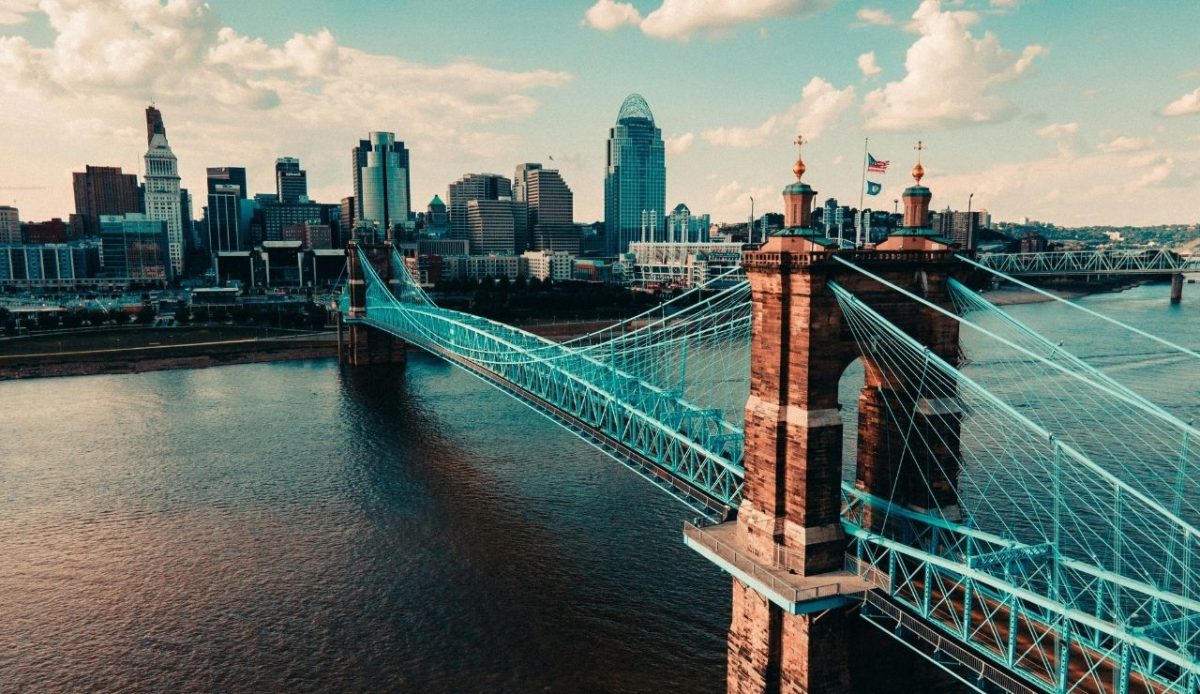
Cincinnati’s nightlife has grown around Over the Rhine, where breweries, cocktail lounges, and music venues sit within a tight walkable grid. Visit Cincy reports 25.9 million visitors to the Cincy Region, which is still modest compared with top U.S. travel magnets. Because many visits are day trips, locals dominate weeknights, and bar staff often recognize repeat faces. Visitors can bounce from a game at Great American Ball Park to late bars, then still find rides and reservations without extreme crowding. This keeps drink prices and cover policies steadier across seasons than in heavier tourist markets.
10. Omaha, Nebraska
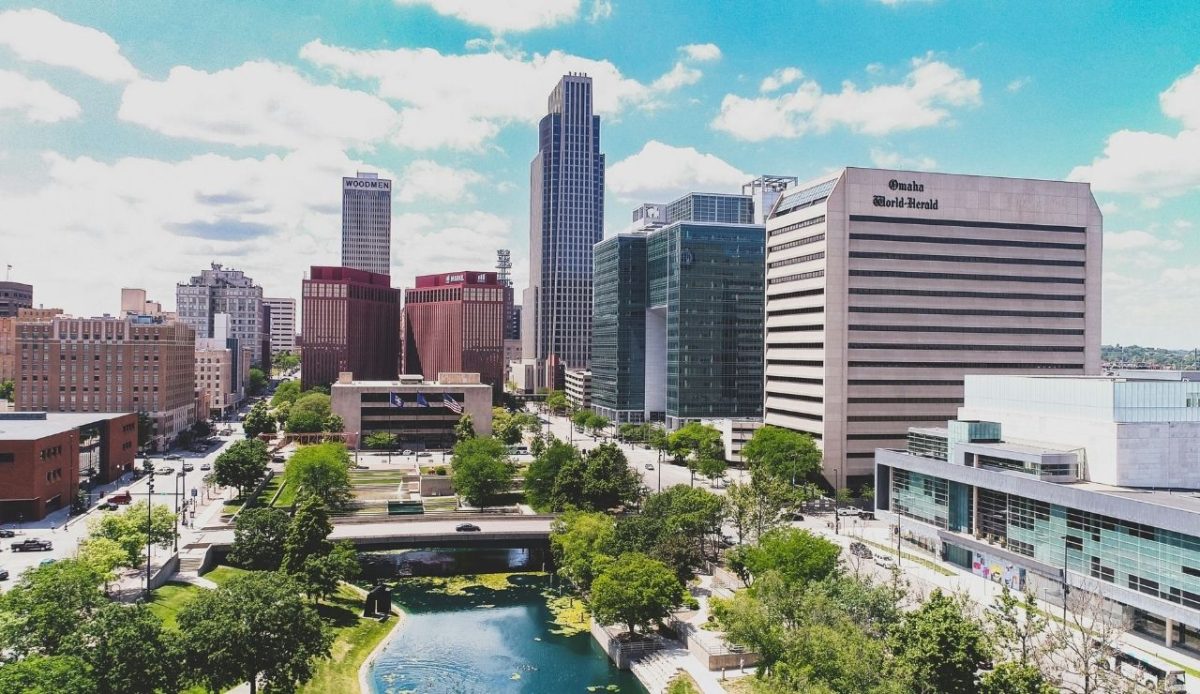
Omaha surprises visitors with a strong party strip in the Old Market and nearby Blackstone, where bars, late kitchens, and indie shows stay active after dark. Visit Omaha reports 14.7 million visitors each year, a relatively small total for a city that can feel packed on weekend nights. Many travelers arrive for conventions or quick getaways, so the scene remains anchored by locals. That makes it easier to move between venues, find parking, and get into popular patios without the constant pressure seen in higher volume destinations. Craft cocktail menus keep improving, yet door lines are usually short outside major event weekends.
