
Hotel taxes aren’t the kind of souvenir anyone wants, but in some U.S. cities they can add a second price tag to your stay. Between state lodging taxes, city occupancy taxes, tourism districts, and per-night fees, the total can jump far beyond what out-of-state visitors expect when they see the base rate.
The surprise usually hits at checkout, because percentage taxes stack and some cities add flat charges per room, per night. If your booking also includes a resort or destination fee, that amount is often taxed too, making the final bill feel inflated.
Here are 10 cities where the lodging-tax pileup commonly shocks travelers. Rates and districts change, so always compare the “total with taxes and fees” before you book.
1. New York City, New York

New York City’s hotel bill is famous for sticker shock, and taxes are a big reason. Beyond regular sales taxes, NYC adds its own hotel room occupancy tax and a flat per-unit, per-day fee that appears as a separate line item.
For out-of-state visitors, the surprise is how fast the total grows when percentage taxes stack on top of nightly rates, plus any destination or service fee the hotel charges. Because the fee and taxes repeat every night, longer stays multiply the impact.
Before you book, switch to a “total with taxes” view, screenshot the full breakdown, and check the fine print on fee taxation and deposits. Small differences per night add up fast in Manhattan.
2. Chicago, Illinois

Chicago’s hotel taxes are among the most layered in the country, with city, county, and state pieces that can push the effective rate into “wait, what?” territory. Even seasoned travelers can be surprised when the tax lines rival the nightly room discount they thought they snagged.
Part of the shock is that different add-ons can be taxed, including mandatory hotel fees in some properties. Stays near the Loop and major event venues can feel especially pricey when high demand meets high tax.
If you’re price-comparing, don’t stop at the nightly rate. Expand the checkout breakdown, and compare two hotels by total cost per night, not the advertised base.
3. San Francisco, California

San Francisco’s hotel tax starts with a hefty transient occupancy tax, and many visitors run into additional district assessments in the areas where hotels cluster. The result is a bill where the taxes can feel like a surcharge on top of already-high room rates.
The surprise factor comes from the stacking: one big citywide percentage, then extra district charges that vary by location. If your hotel adds an amenity fee, that can compound the “why is my total so much higher?” feeling.
Before booking, check the final total for your exact address, not just the neighborhood name. Two hotels a few blocks apart can land in different districts. That’s the fine-print trap.
4. Honolulu, Hawaii

Honolulu is where visitors often learn the difference between a room rate and the true cost of staying in Waikīkī. Hawaii lodging bills commonly include multiple state and county taxes on accommodations, so the percentage add-on can be large even before you factor in resort fees.
The shock is magnified because resort or destination fees are widespread, and those fees may be taxed. On a weeklong stay, the tax-on-top-of-fee effect can add up to hundreds of dollars, especially in peak season.
Your best defense is math: compare properties by ‘total per night,’ and treat resort fees as part of the room price, not an optional extra. It’s never just the base rate.
5. Washington, D.C.
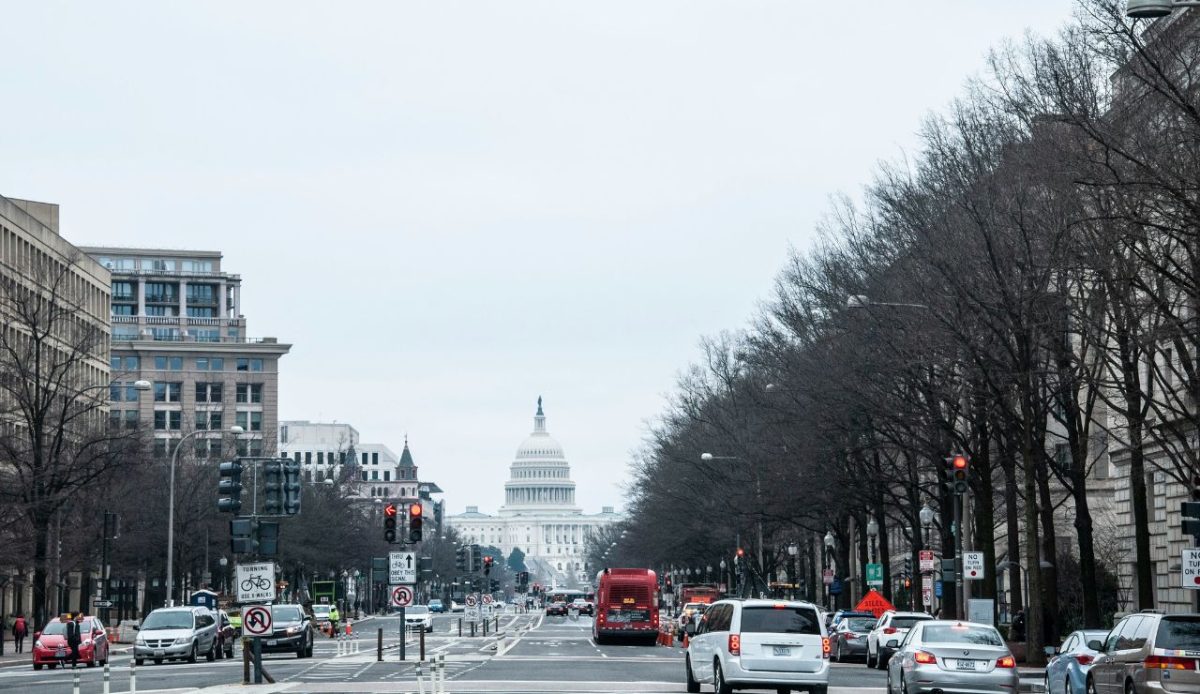
Washington, D.C. regularly surprises visitors because the headline hotel tax rate is high and can include temporary or earmarked surcharges tied to tourism funding. That means a reasonable-looking government-rate deal can still end up with a noticeably larger checkout total.
The city also draws frequent event and conference travel, so the combination of demand-driven base rates and high taxes makes the final price feel steep. If you’re staying near the National Mall or convention areas, the bill can climb quickly on multi-night trips.
Always compare with taxes included, and keep your receipt, tax lines can change by date, and hotels may apply different charges to fees versus room-only rates.
6. Boston, Massachusetts

Boston’s lodging taxes can catch out-of-state travelers because Massachusetts adds a state room-occupancy excise, and Boston can levy a higher local component than many other towns. Even when the nightly rate is competitive, the tax layer can make the total feel suddenly premium.
The surprise tends to hit during high-demand stretches, graduations, conferences, and summer weekends, when base rates are already elevated. Taxes are applied per night, so a longer stay compounds the difference between “deal” and “did I misread this?”
To plan cleanly, compare total nightly cost across neighborhoods, and don’t assume a suburb automatically means lower taxes if you still need to commute into the city.
7. Seattle, Washington

Seattle’s hotel taxes can be a surprise because Washington allows layered lodging taxes, and travelers may see city and county pieces alongside standard sales tax. In practice, that can put the effective add-on well above what visitors from low-tax states expect.
The confusion often comes from how the bill is itemized. You might see separate lines tied to tourism promotion or convention funding, depending on where the property sits. Those lines can make two hotels with the same base rate end up with different totals.
Before you commit, check the final receipt preview and the neighborhood boundaries. If you’re price-sensitive, compare total cost per night across a few districts, not just one.
8. New Orleans, Louisiana

New Orleans is a classic “taxes add up fast” city, with room taxes that fund tourism, large venues, and local districts. Many visitors notice the jump most during festival weekends, when high base rates combine with high lodging taxes to create a shockingly big total.
The itemization can include multiple percentage lines and sometimes per-night charges, which feels especially painful on longer stays. If your hotel is near the French Quarter or convention areas, those district layers are more likely to show up.
To avoid surprises, compare your booking’s final total with a different neighborhood and date. A small shift in location or timing can reduce both the rate and the tax burden.
9. Nashville, Tennessee
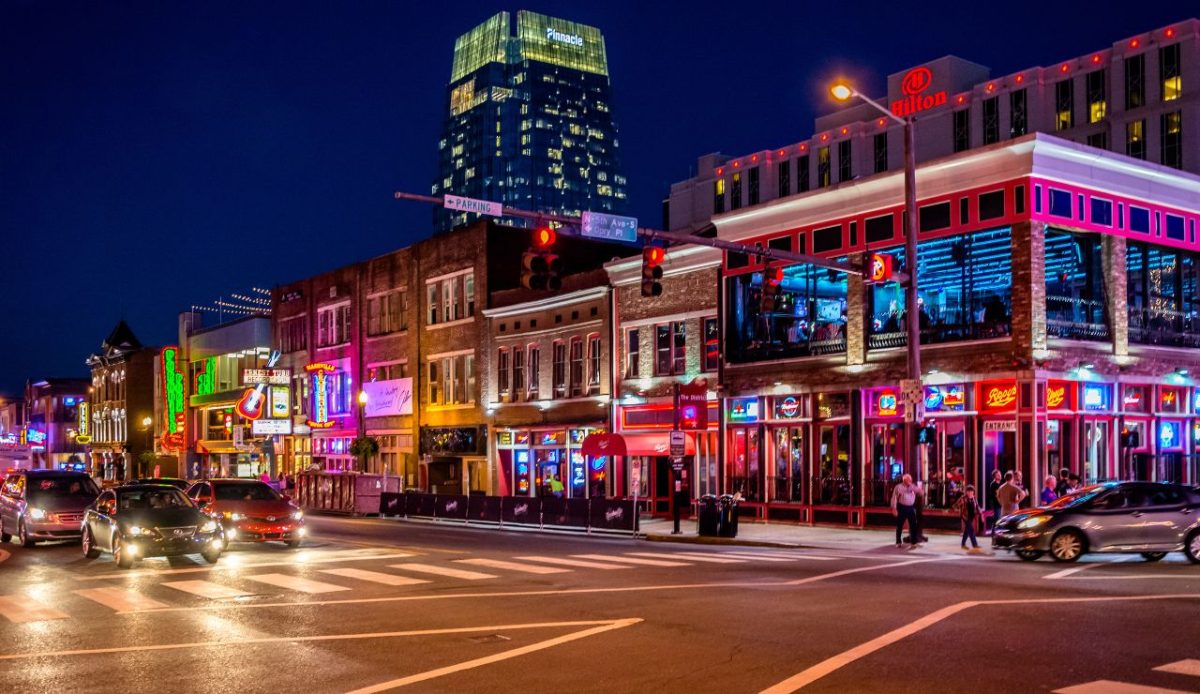
Nashville’s hotel taxes can feel brutal to visitors who expect Tennessee to be a “low tax” state. In reality, lodging often carries its own local taxes that fund tourism and major projects, so the hotel bill can jump well beyond the base rate you saw in search results.
The shock is worst downtown, where high-demand weekends already push rates up. Once taxes and mandatory fees are applied per night, a short stay for a concert can cost far more than first-time visitors budgeted.
Protect yourself by checking total cost per night before you book, and compare downtown to nearby neighborhoods with easy transit or rideshare access. Convenience is expensive here.
10. Las Vegas, Nevada

Las Vegas is the place where travelers learn that “cheap room” doesn’t mean “cheap stay.” Room taxes in Clark County stack on the nightly rate, and many Strip properties add resort fees that can be taxed as well, making the final bill look nothing like the headline price.
Out-of-state visitors are often shocked because the base rate is marketed aggressively, while the tax-and-fee bundle hides until checkout. On multi-night stays, those per-night add-ons can quietly outrun the room discount you thought you scored.
The fix is simple but non-negotiable: always price by the all-in total per night, and compare properties by final bill, not the teaser rate on the first screen.
