
Tourism projects often begin with bold visions, large budgets, and promises of steady visitor traffic, yet many of these places never develop the crowds planners expected. Developers promote ideal lifestyles, create large districts, and add attractions meant to appeal to international travelers, but weak demand, unstable economies, or sudden policy changes can leave these sites quiet soon after they open. Empty plazas, silent streets, and unused buildings show how quickly optimism fades when assumptions about market interest fall short. These districts reveal how even well-funded ideas can struggle when the real world shifts faster than the plans behind them.
1. Burj Al Babas, Turkey
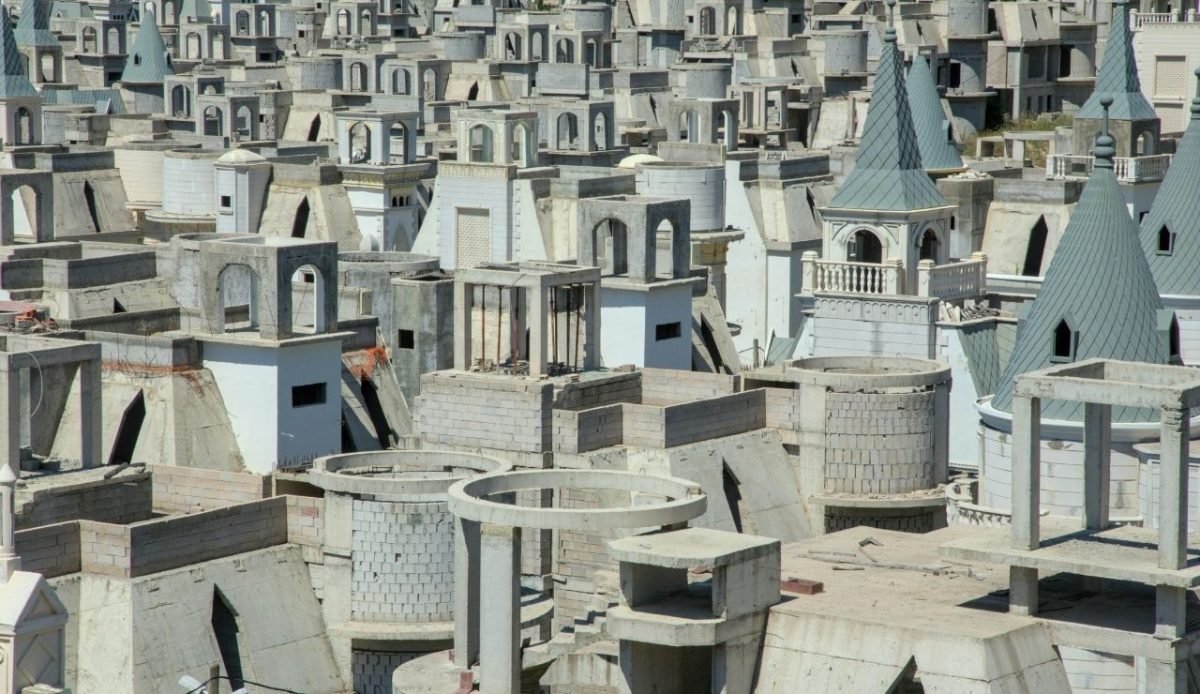
Burj Al Babas was designed as an upscale residential and holiday district near Mudurnu, where hundreds of identical castle-like villas were marketed to wealthy overseas buyers. Construction advanced quickly, yet economic instability in Turkey reduced investor confidence and slowed property sales. As costs increased and loans tightened, the developer entered bankruptcy before essential services or shared facilities were completed. The remaining houses still stand in neat rows, but the absence of residents and amenities leaves the area unusually quiet. Visitors now travel there mostly to see the strange contrast between elaborate architecture and the surrounding empty landscape.
2. Forest City, Malaysia
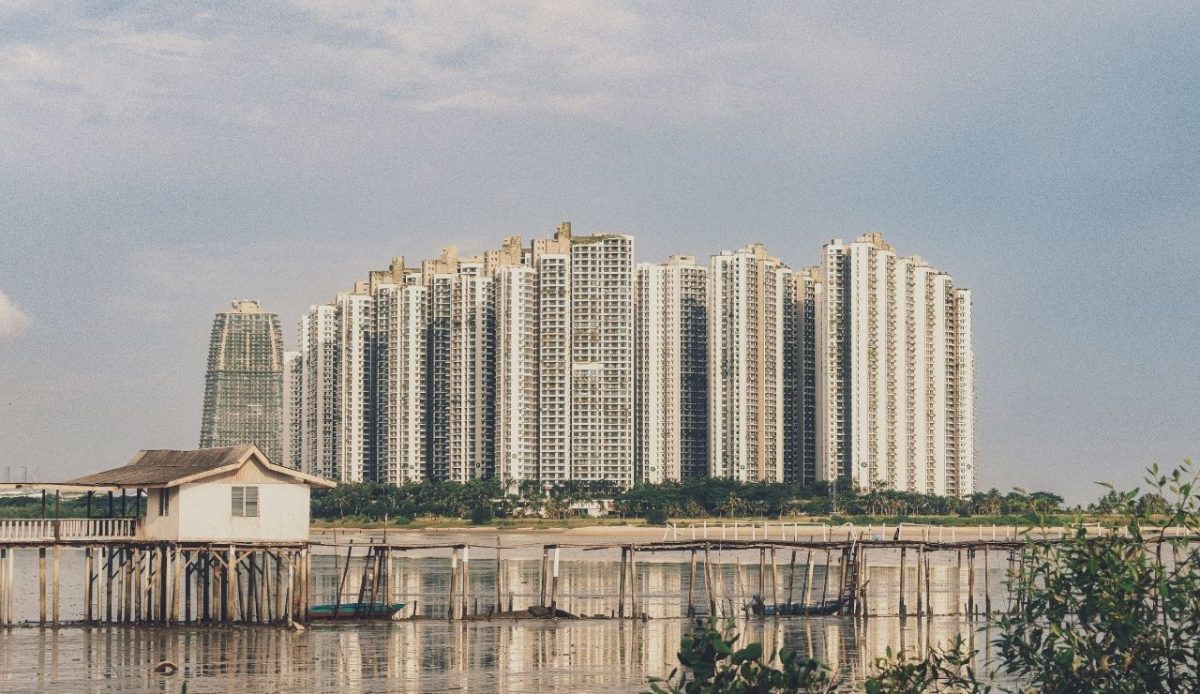
Forest City was promoted as a futuristic coastal community meant to attract global investors and significant tourist activity. It offered high-rise residences, resort hotels, beaches, and entertainment centers designed for heavy foot traffic. However, foreign ownership limits, political tension, and inconsistent project messaging hurt demand. Far fewer residents moved in than planned, and most public areas feel quiet despite their size. Shops and recreation zones report limited customers, while some facilities show signs of underuse. Although parts of the project remain active, the district functions far below its intended scale, leaving large stretches waiting for the visitors it hoped to draw.
3. Kangbashi District, Ordos, Inner Mongolia
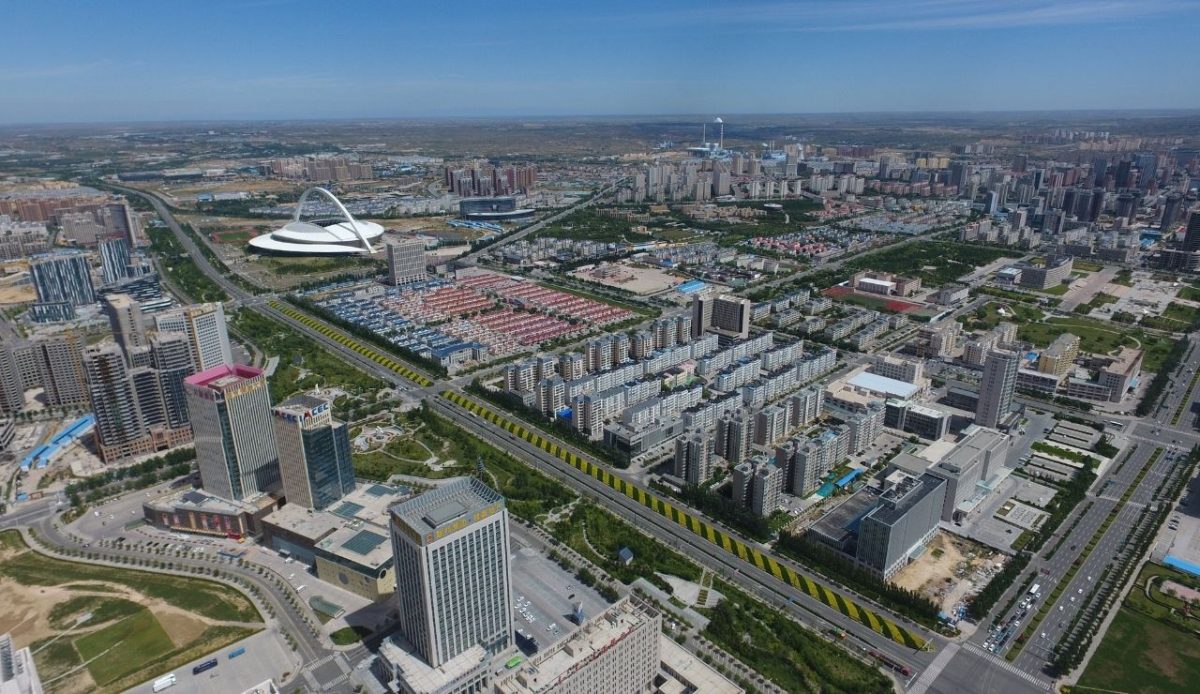
Kangbashi was envisioned as a cultural and administrative hub filled with plazas, museums, monuments, and housing for a large population connected to the region’s mining wealth. Construction produced wide streets, bold architectural landmarks, and extensive public spaces. Yet population growth never matched official projections, resulting in neighborhoods that appear empty despite ongoing occupancy. Many residents live far from commercial zones, reducing street activity and limiting the development of local businesses. The district’s grand design highlights how large urban projects can remain underused when economic assumptions change. Visitors often describe the city as visually impressive but lacking the everyday energy expected from such scale.
4. Yujiapu Financial District, Tianjin
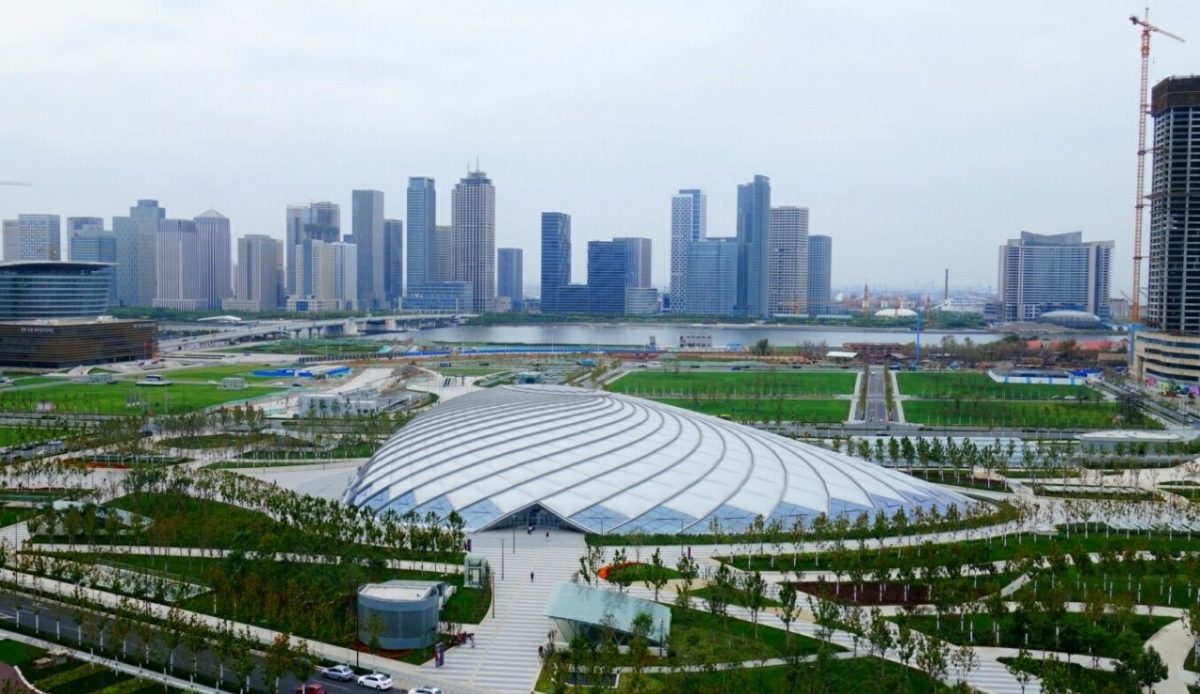
Yujiapu was designed to serve as a major financial center, featuring tall office towers, modern transportation links, and commercial complexes modeled after renowned global districts. The plan assumed strong demand from banks, corporate tenants, and international firms. However, oversupply in China’s commercial property market and slower economic growth left many buildings unoccupied. Public spaces seem clean but noticeably quiet, and several towers remain unfinished or unused. Although infrastructure is complete, the area has yet to attract the steady professional activity needed to support shops or restaurants. As a result, visitors encounter a skyline that looks modern but operates with tiny daily movement.
5. Wonderland Amusement Park, Beijing
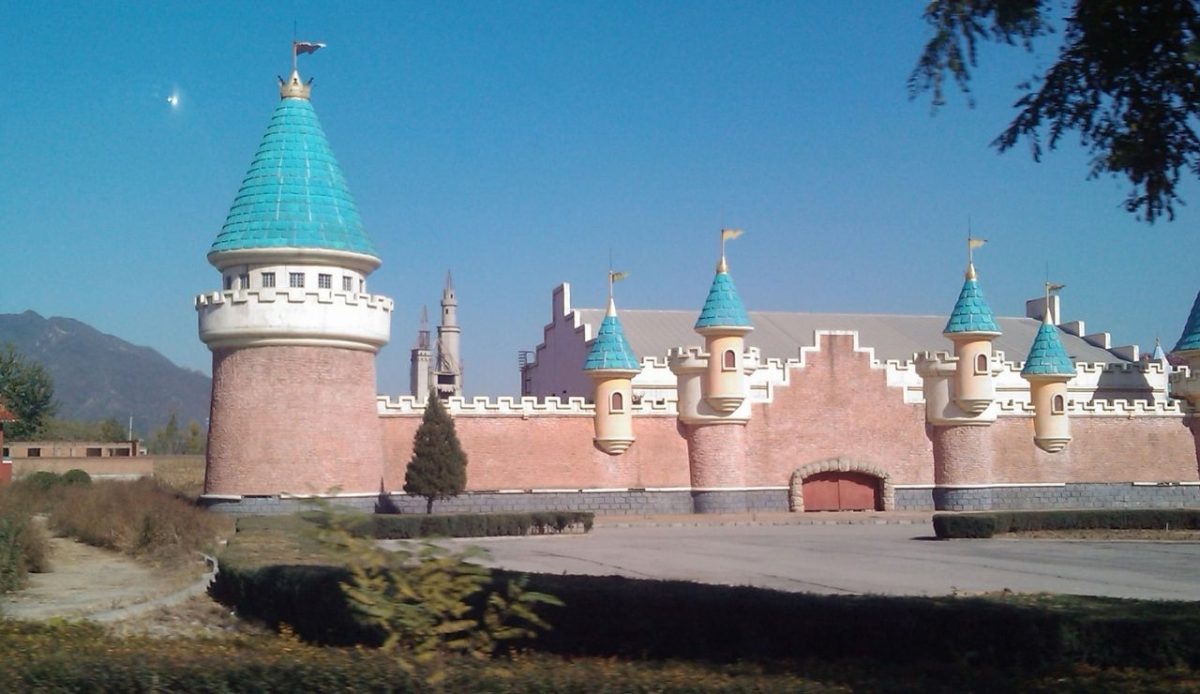
Wonderland aimed to become a leading entertainment destination with a large footprint, themed structures, and attractions intended for millions of yearly visitors. Disputes over land prices and financial issues halted construction before major rides were completed. Attempts to revive the project did not succeed, leaving the partially built castle and empty pathways to deteriorate. For years, travelers and photographers visited the site to see the abandoned structures overtaken by plants and weather damage. Although the remains have since been cleared, the project’s history demonstrates how even ambitious parks can fail when early planning and investor confidence break down before full operation.
6. South China Mall, Dongguan
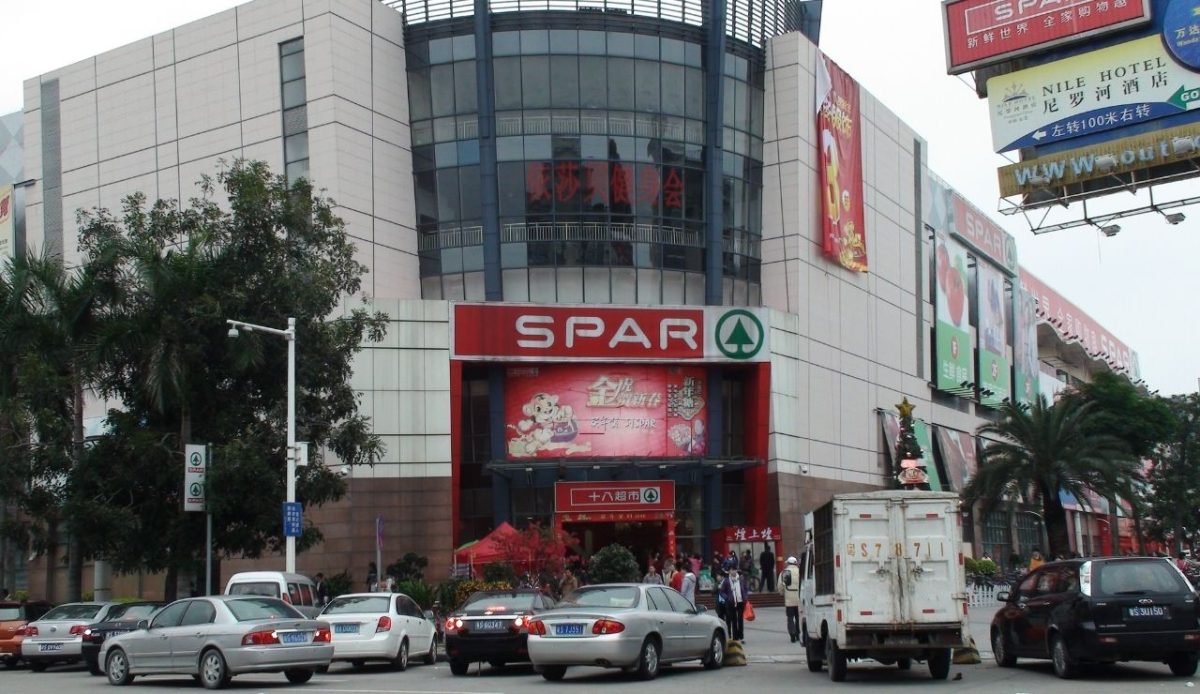
South China Mall opened with themed zones, canals, towers, and entertainment venues meant to draw large numbers of shoppers from across the region. The design assumed strong retail demand, yet the location did not align with local income levels or transit patterns. As a result, many storefronts remained empty for years, and only a small portion of the mall saw consistent activity. Renovations and marketing campaigns improved occupancy somewhat, but large areas still show signs of limited use. Visitors frequently report long corridors with few open shops. The mall’s history reflects how scale and ambition alone cannot guarantee commercial success.
7. Minsk World, Shenzhen/Nantong
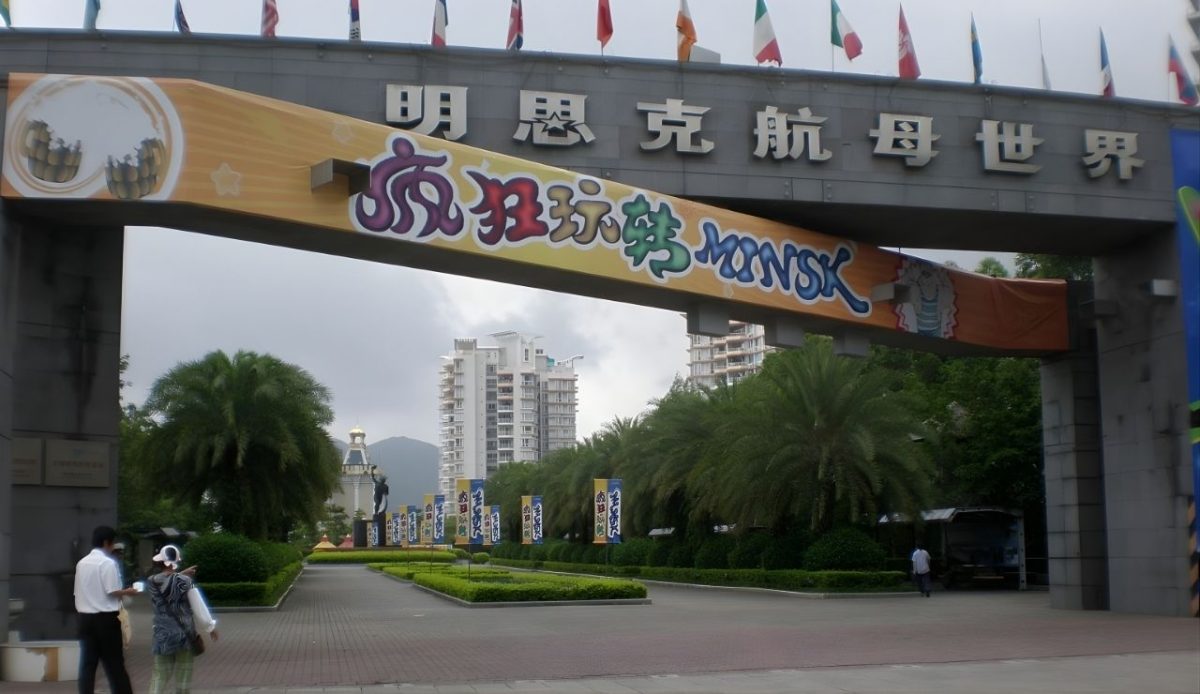
Minsk World is centered on a decommissioned Soviet aircraft carrier converted into a themed attraction featuring shows, tours, and military-style exhibits. Initial interest was strong, but revenues declined as the novelty wore off and competition increased. Maintenance demands for the massive ship were high, leading the operator to close the park. Plans to move the carrier and reopen it under new branding have faced delays and financial challenges. The ship now attracts attention mainly from urban explorers and content creators rather than paying guests. Its stalled redevelopment illustrates how specialized attractions depend heavily on sustained visitor numbers to cover operating costs.
8. Yongma Land, Seoul
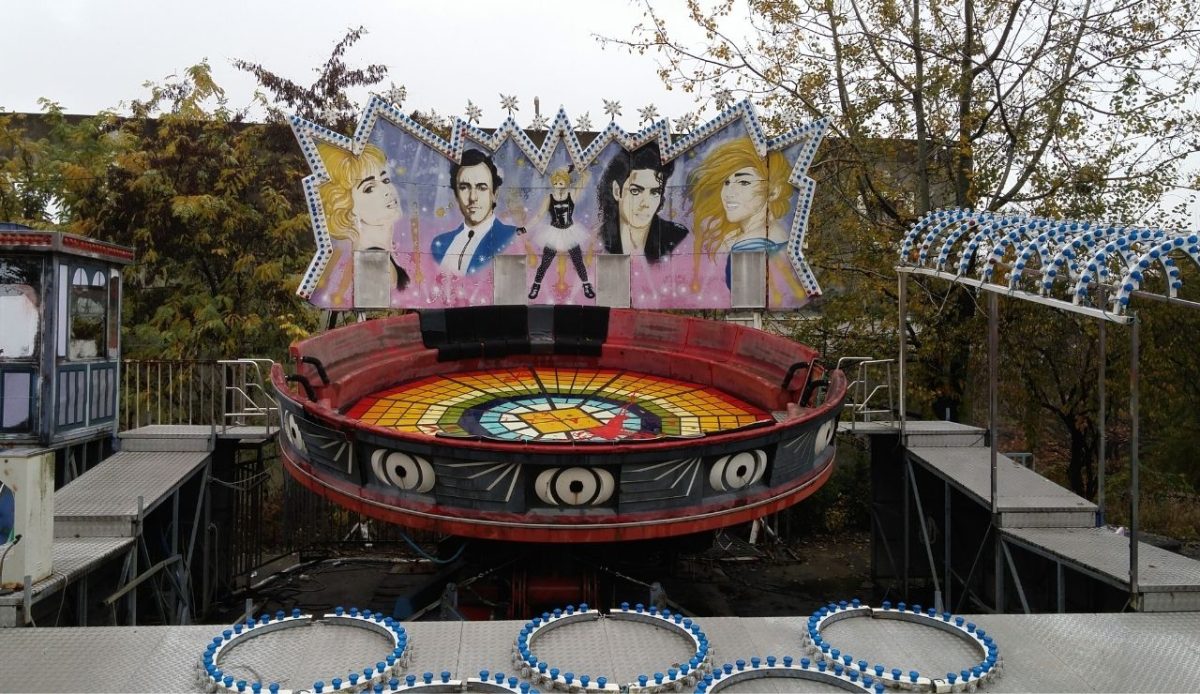
Yongma Land began as a small neighborhood amusement park offering family-friendly rides and casual entertainment. When larger attractions opened nearby, visitors gradually shifted to newer venues, reducing the park’s revenue. Attempts to update facilities could not overcome falling attendance, leading to the park’s eventual closure. Instead of being cleared, the site remained intact and slowly gained popularity among photographers and filmmakers for its retro aesthetic. It now hosts occasional events and rented photo sessions, yet it still functions far below its original purpose. The park demonstrates how changing consumer preferences can redirect a site’s future in unexpected ways.
9. Evergrande Children’s World Theme Parks
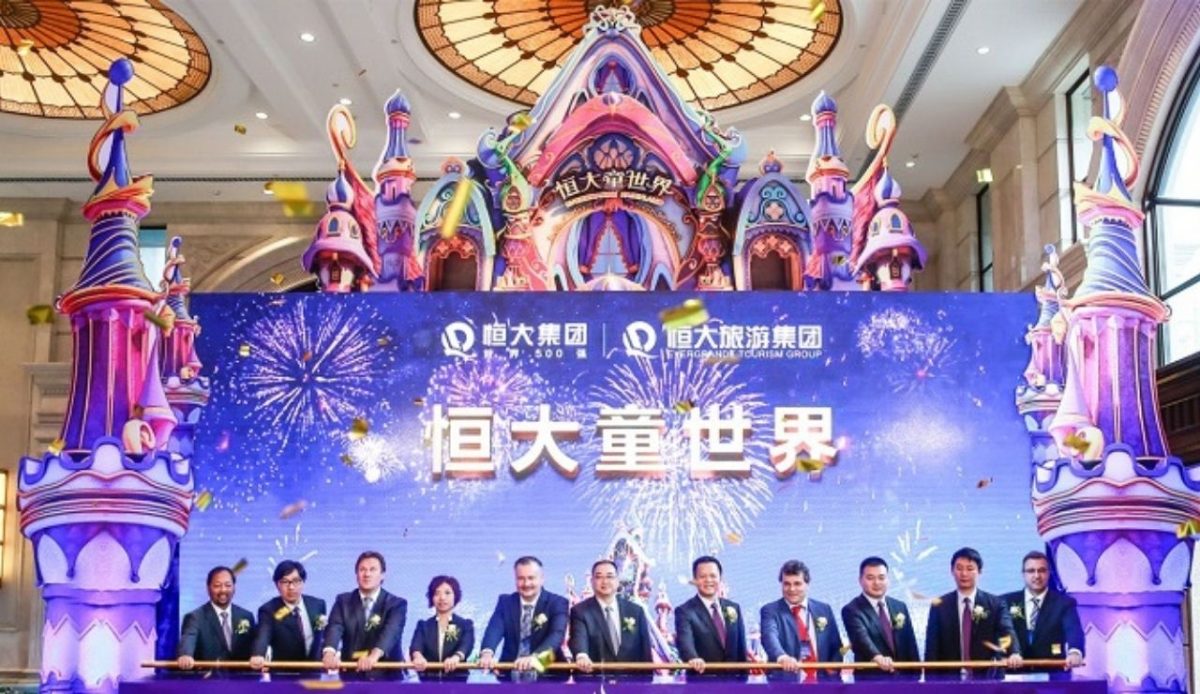
Evergrande planned a nationwide chain of large amusement parks featuring mythology themes, elaborate buildings, and numerous major attractions. Construction began at multiple sites before financial strain halted progress. Many structures remain incomplete, with bridges, towers, and pathways standing without interior finishes or operating systems. Visitors arriving out of curiosity see expansive grounds that lack the activity expected from parks of this size. The pause in development reflects the challenges of coordinating large projects during periods of corporate instability. Until financial issues are resolved, these parks remain unfinished reminders of halted ambitions across several provinces.
10. Nanhui New City, Shanghai
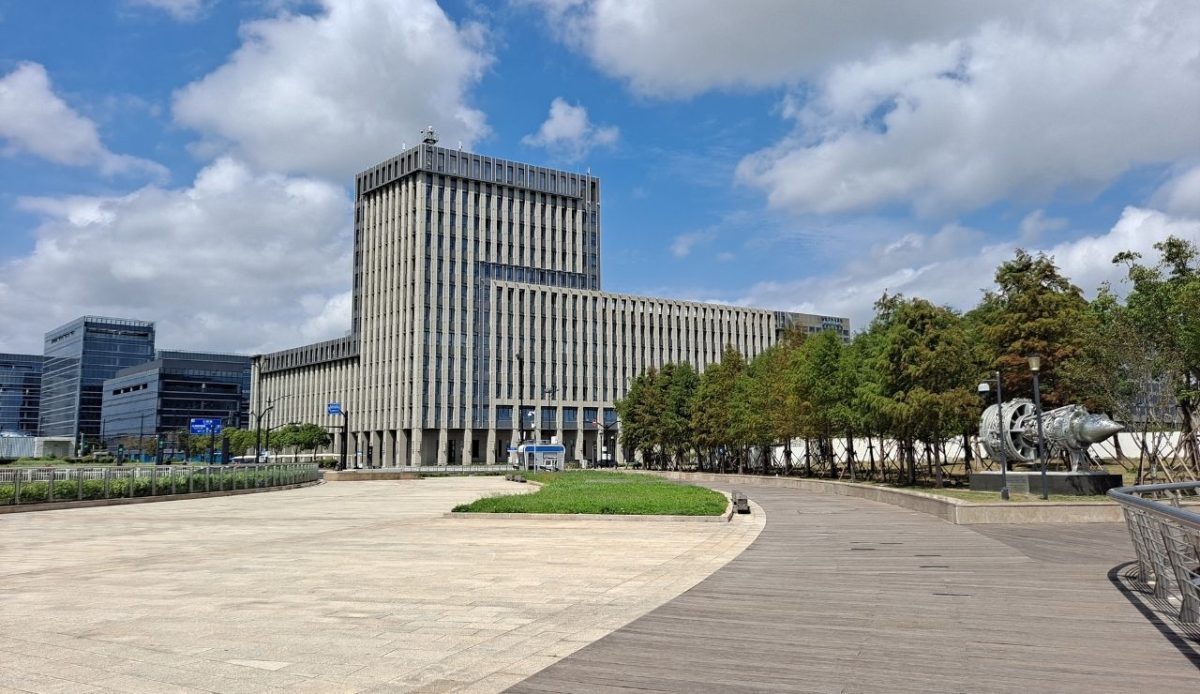
Nanhui New City was built with lakes, housing blocks, cultural venues, and European-style districts intended for a large population and steady tourism. Although infrastructure is modern and well-maintained, actual occupancy remains lower than planned, leaving public spaces quieter than expected. Visitors often notice long stretches of open streets with few pedestrians and minimal commercial activity. Efforts to attract new residents continue, but progress remains slow. The district highlights how even well-designed urban areas can take many years to gain momentum. Its calm atmosphere contrasts with the dense and active neighborhoods in central Shanghai.
