
Venezuela is a country of stunning landscapes, from Angel Falls to Caribbean beaches, offering vibrant culture, rich history, and diverse ecosystems. However, traveling here requires careful preparation. Economic challenges, political instability, and safety concerns can affect your experience. Understanding local customs, transportation, and practical tips ensures a smoother visit. In this article, we outline ten essential things travelers should know before visiting Venezuela, helping them navigate challenges, enjoy authentic experiences, and appreciate the country’s natural and cultural beauty safely and responsibly.
1. Safety and Security
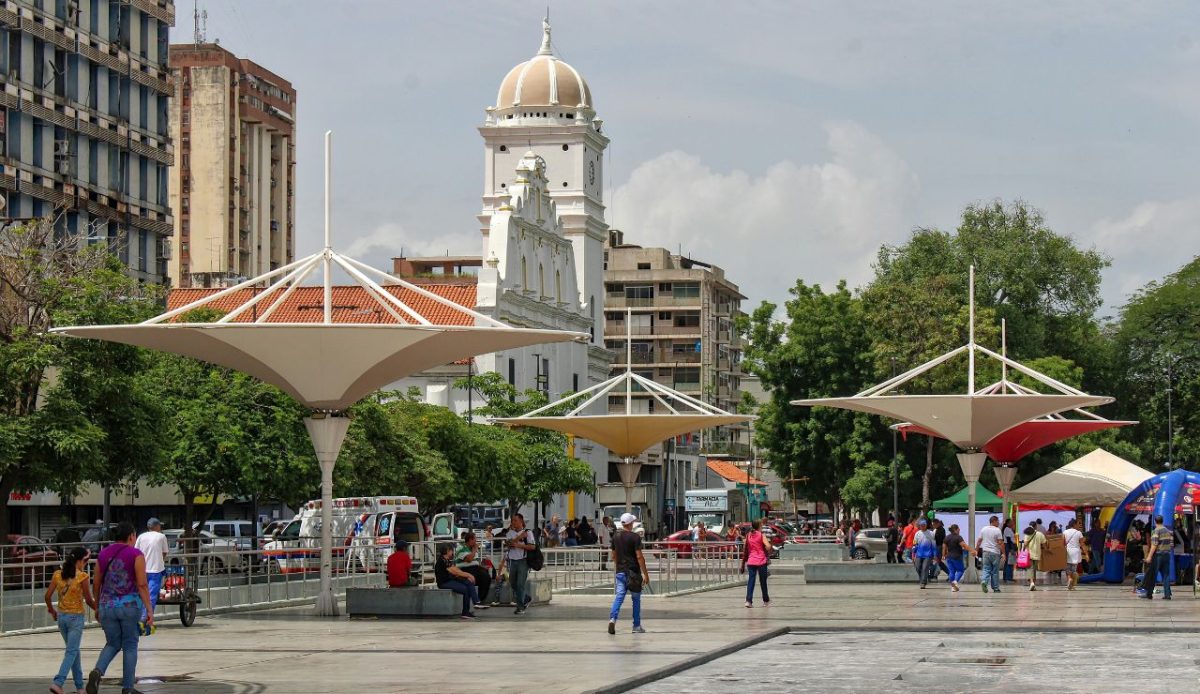
Venezuela faces ongoing security challenges, including petty theft, armed robbery, and occasional civil unrest. Travelers should remain vigilant, avoid isolated areas, and limit nighttime travel in cities like Caracas and Maracaibo. Using reliable transportation and staying informed about local news are crucial. Many tourists join guided tours for remote attractions, enhancing safety. While the country’s beauty is undeniable, preparation and caution are key. Visitors who follow safety advice can still enjoy Venezuela’s landscapes and culture, but ignoring risks can lead to serious incidents, making security awareness a top priority.
2. Currency and Cash

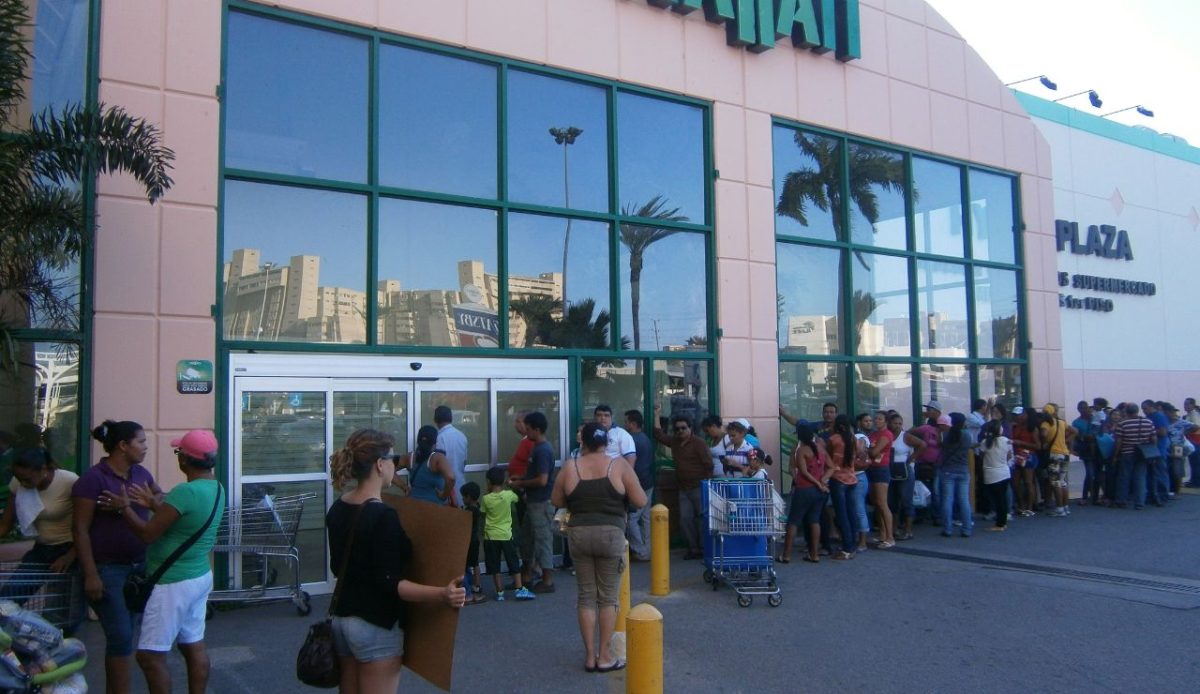
Venezuela has experienced extreme inflation, and cash shortages are common. Travelers should carry enough U.S. dollars or other widely accepted currencies, as local bolívars can be unreliable. Credit cards may not work in smaller towns or remote areas, and ATMs are limited. Exchanging currency through official channels is safer than street exchanges. Planning ensures access to funds for accommodations, transport, and daily expenses. Understanding local financial realities allows travelers to avoid inconvenience and focus on enjoying the country’s stunning landscapes, cultural events, and unique experiences.
3. Transportation Tips
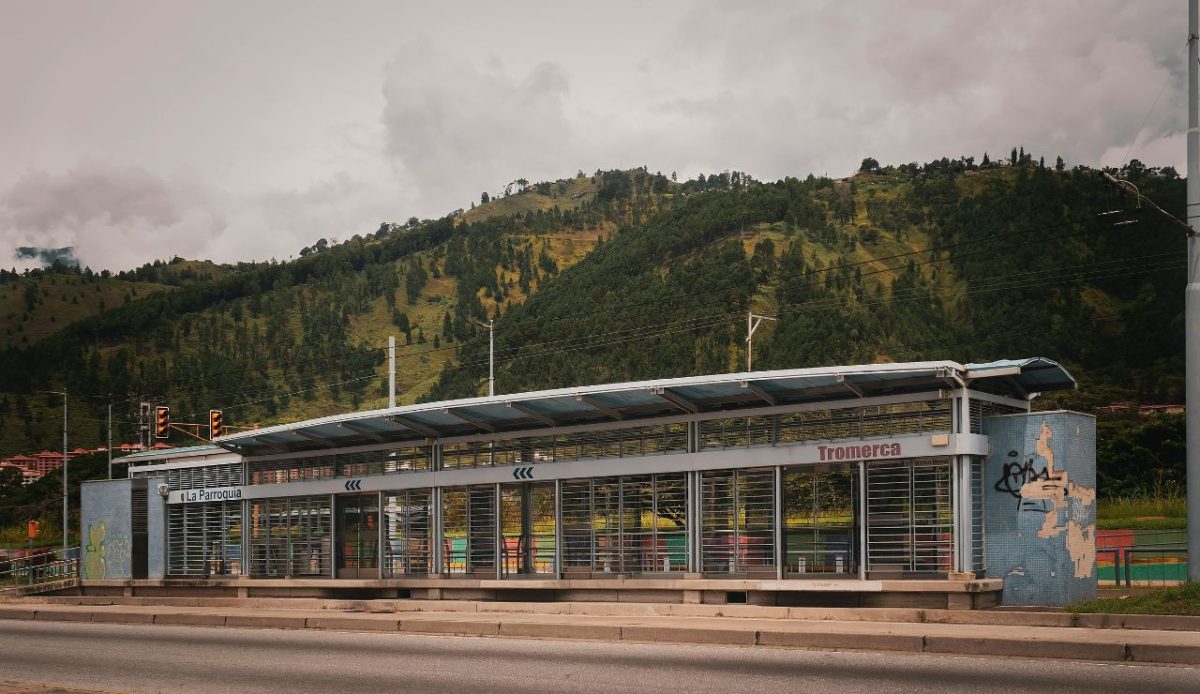
Public transportation in Venezuela is often unreliable and crowded, especially in cities. Taxis and ride-hailing apps are safer options, while long-distance travel may require private vehicles or guided tours. Roads in remote areas can be poorly maintained, so travelers should plan extra time and ensure their vehicles are in good condition. Domestic flights are sometimes delayed due to economic or operational issues. Knowing local transportation limitations helps visitors navigate cities and attractions efficiently, ensuring a smoother experience exploring Venezuela’s natural wonders, from mountains to coastal regions.
4. Health and Vaccinations
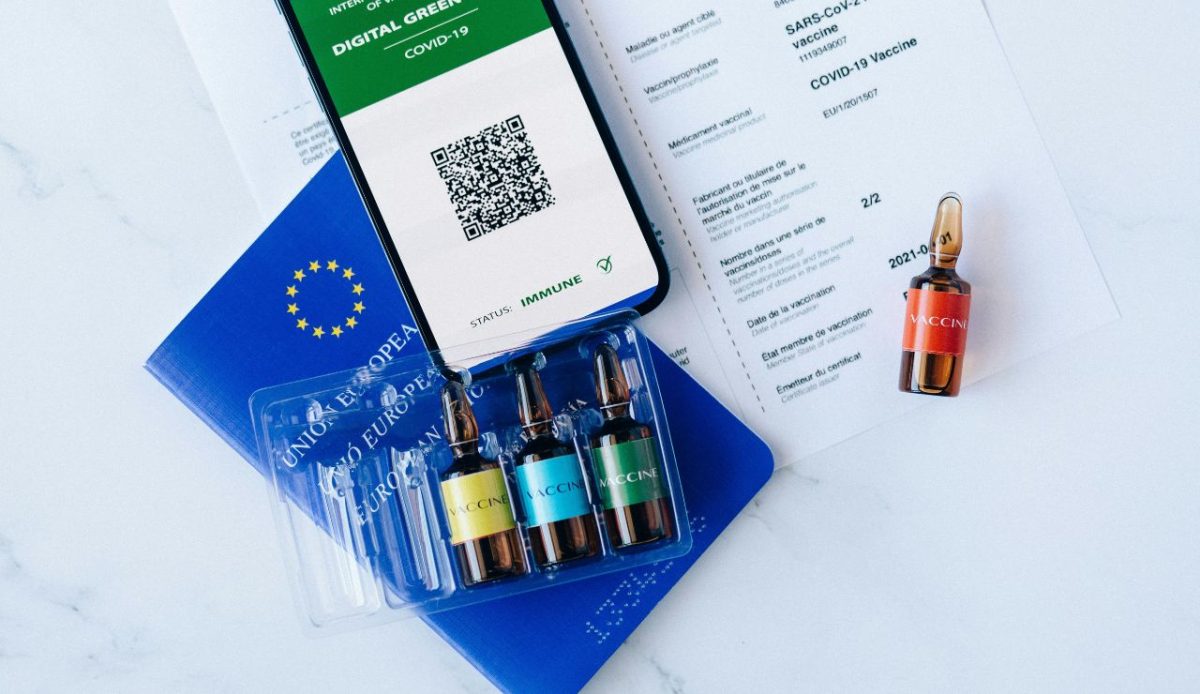
Travelers should prioritize health precautions before visiting Venezuela. Vaccinations for hepatitis A, typhoid, and yellow fever are recommended, along with routine immunizations. Mosquito-borne illnesses like dengue and Zika are present, so insect repellent, protective clothing, and screened accommodations are essential. Access to quality medical care may be limited outside major cities, making travel insurance important. Staying hydrated, avoiding tap water in some areas, and consuming properly cooked food help prevent illness. Proper preparation ensures travelers enjoy Venezuela’s adventures without health setbacks.
5. Language and Communication
Spanish is Venezuela’s official language, and English is spoken in limited areas, mainly in tourist hubs. Learning basic Spanish phrases helps with navigation, dining, and interacting with locals. Mobile coverage can be inconsistent in remote areas, and internet speeds vary. Translation apps help, but offline resources are recommended for rural destinations. Engaging with locals in their language enhances experiences, from negotiating markets to understanding customs. Effective communication allows travelers to enjoy authentic interactions, appreciate Venezuelan hospitality, and navigate practical challenges safely.
6. Cultural Etiquette
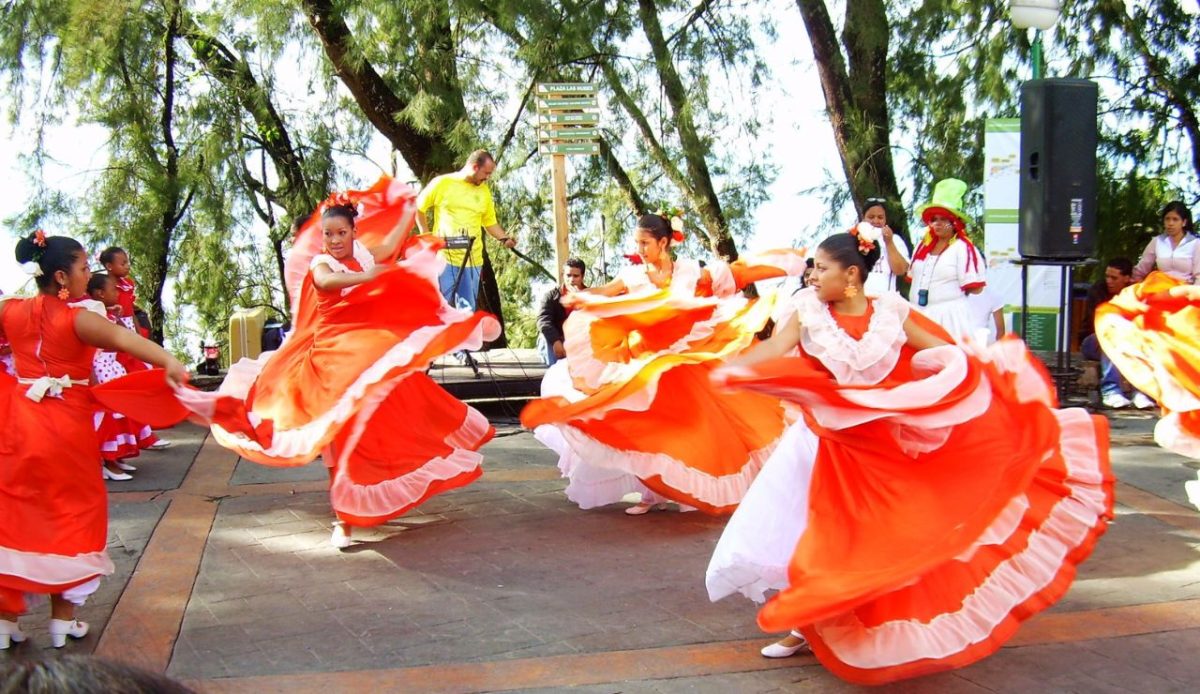
Venezuelans are warm and hospitable, but travelers should respect local customs. Greetings often involve a handshake or cheek kiss, and a formal address shows politeness. Dress modestly in religious or rural areas, and avoid sensitive political discussions. Photography of individuals, military sites, or public institutions should be requested politely. Observing dining etiquette, participating respectfully in festivals, and showing interest in traditions enhances connections. Understanding cultural norms ensures meaningful interactions, allowing a deeper appreciation of Venezuela’s rich heritage and everyday life.
7. Natural Attractions and Timing
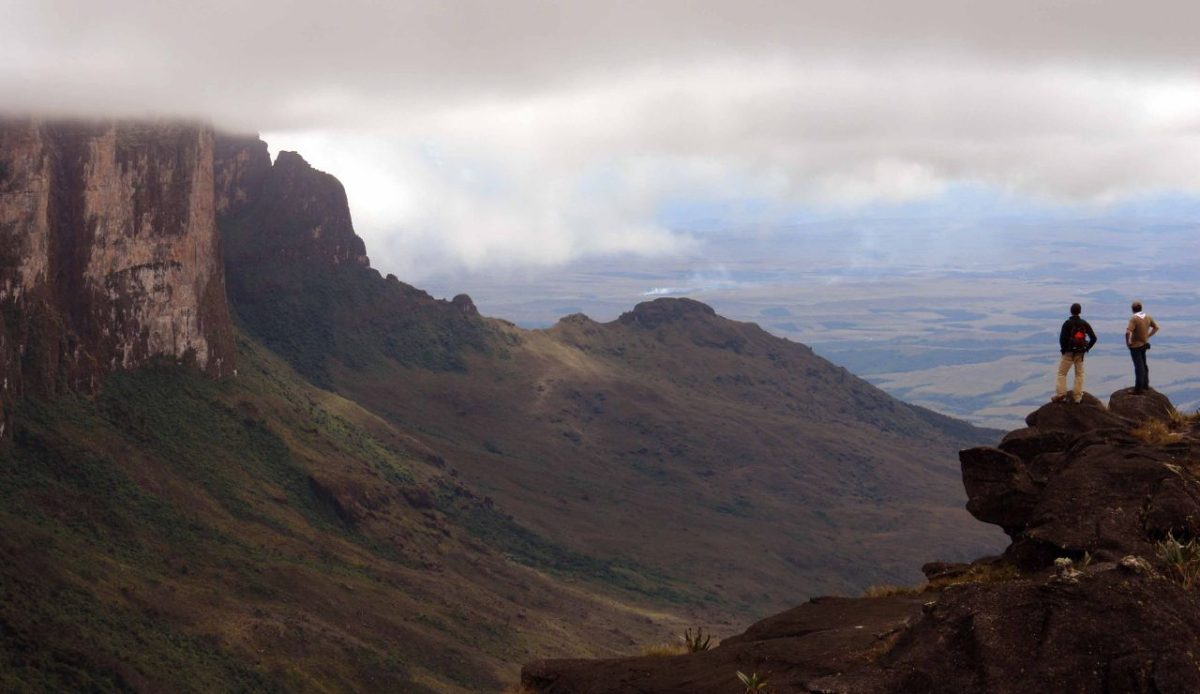
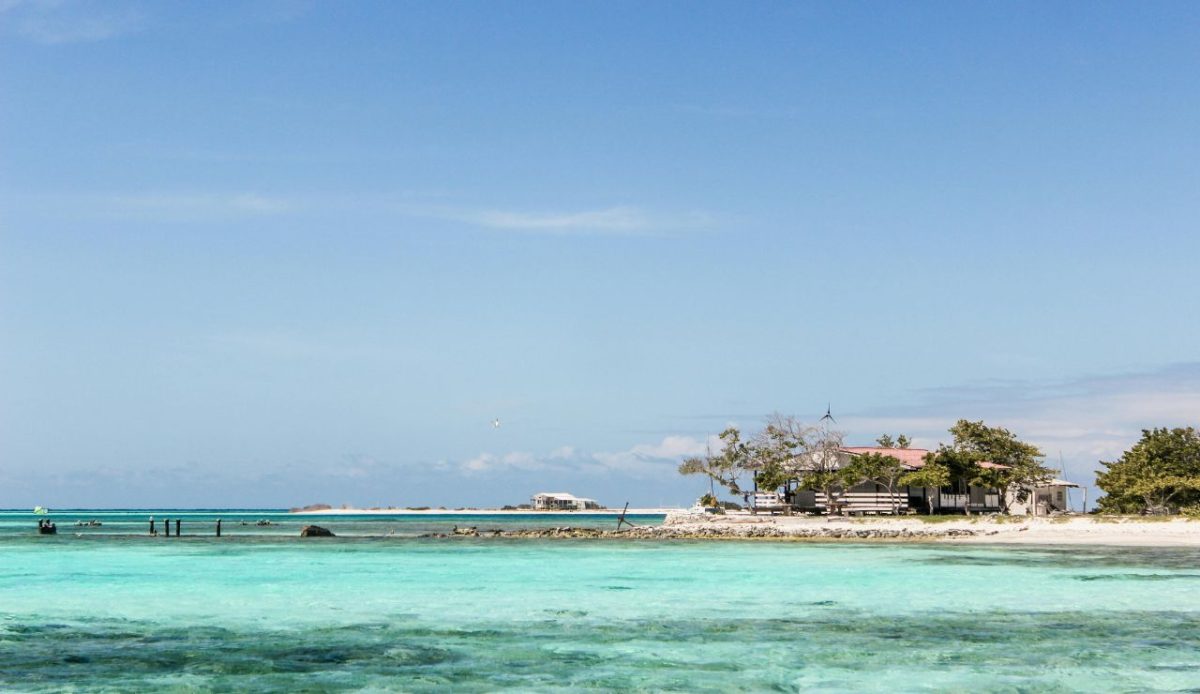
Venezuela’s landscapes range from Angel Falls to the Los Roques archipelago, but visiting requires planning. Weather affects accessibility, with rainy seasons making some trails or roads difficult. Early booking of tours to national parks ensures a better experience. Guided trips provide safety and local knowledge for remote attractions. Travelers should pack appropriate clothing, gear, and essentials for outdoor adventures. Awareness of seasonal conditions maximizes enjoyment of natural beauty while reducing risks. Planning visits around optimal times ensures access to Venezuela’s iconic sights and outdoor experiences without disruptions.
8. Local Cuisine
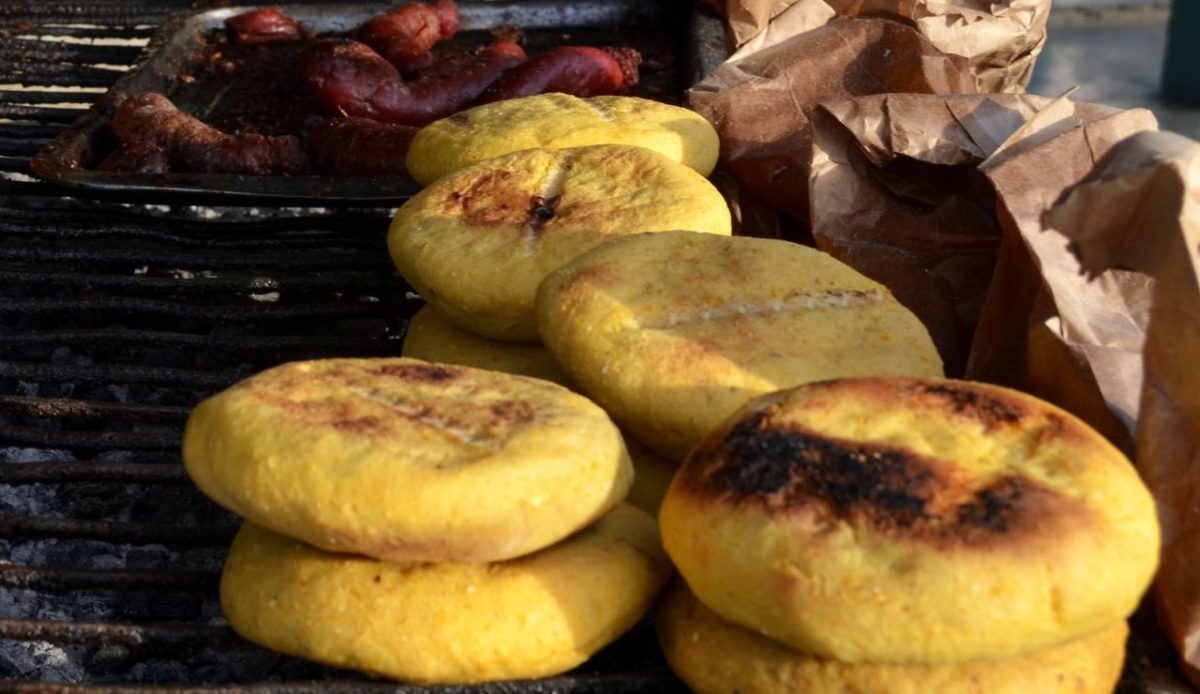
Venezuelan cuisine is diverse and flavorful, featuring arepas, empanadas, and fresh seafood. While urban restaurants cater to tourists, small local eateries offer authentic dishes at lower costs. Travelers should ensure food is freshly prepared and drink bottled water in some regions. Sampling local flavors provides insight into the country’s culture, traditions, and daily life. Being adventurous with meals enhances the travel experience, but caution regarding hygiene and freshness is essential. Understanding local food customs helps visitors enjoy Venezuela’s culinary richness safely while connecting with local communities.
9. Political Awareness
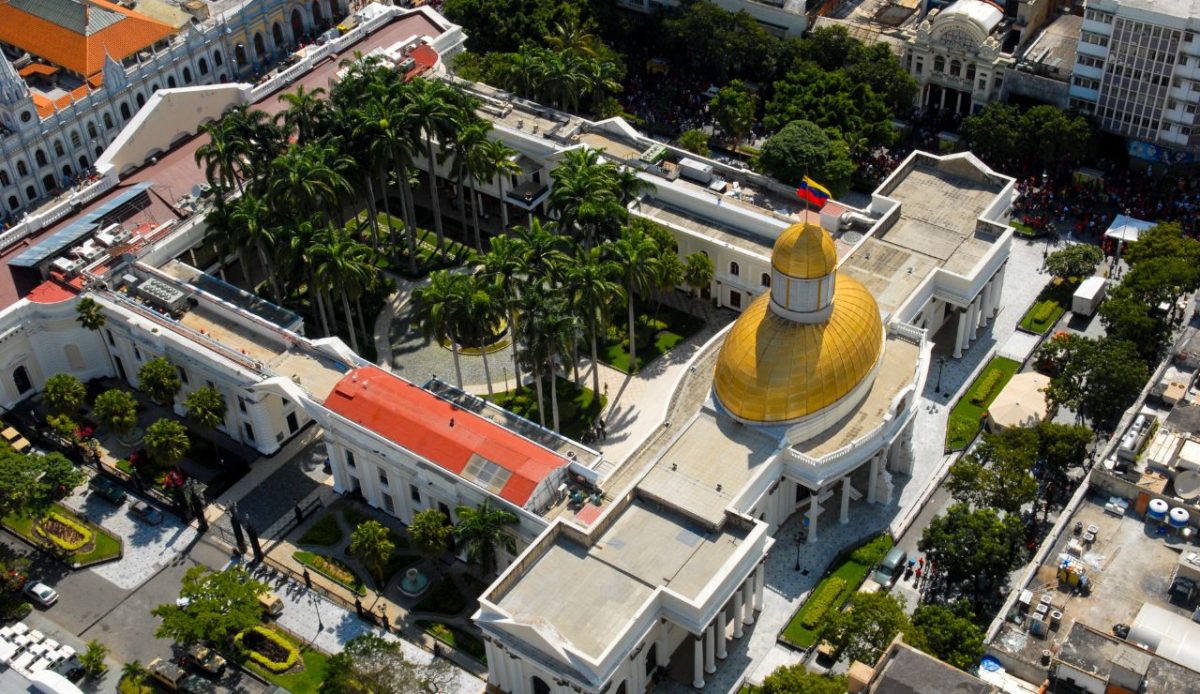
Political tensions and economic challenges affect daily life in Venezuela. Travelers should avoid demonstrations and monitor local news, as protests can occur with little warning. Engaging with locals on sensitive political topics should be cautious. Visa requirements, entry restrictions, and currency regulations may change, requiring travelers to check updates before arrival. Awareness of the political climate allows visitors to plan safer routes, accommodations, and itineraries. Staying informed ensures a smoother experience, enabling travelers to enjoy Venezuela’s culture while minimizing exposure to unpredictable situations.
10. Responsible Tourism
Visiting Venezuela responsibly helps preserve the country’s natural beauty and cultural heritage. Travelers should support local businesses, respect wildlife, and minimize environmental impact. Avoid litter, use sustainable transport, and participate in community-based tourism to enhance interactions. Understanding local norms, following regulations in national parks, and engaging ethically ensure meaningful experiences. Responsible travel protects Venezuela’s attractions for future visitors and fosters goodwill, allowing travelers to enjoy the country safely, sustainably, and with a deeper appreciation of its landscapes and communities.
