
When it comes to Europe’s Adriatic coast, few debates are as captivating as Croatia versus Montenegro. Both nations boast stunning shorelines, medieval towns, and a warm Mediterranean soul, yet each carries its own distinct rhythm. Croatia shines with polished islands and cultural vibrance, while Montenegro dazzles with raw mountain beauty and serene bays. Choosing between them isn’t easy because both promise unforgettable adventures. Here are ten reasons travelers find themselves torn between these Adriatic gems.
1. Breathtaking Coastlines on Both Sides
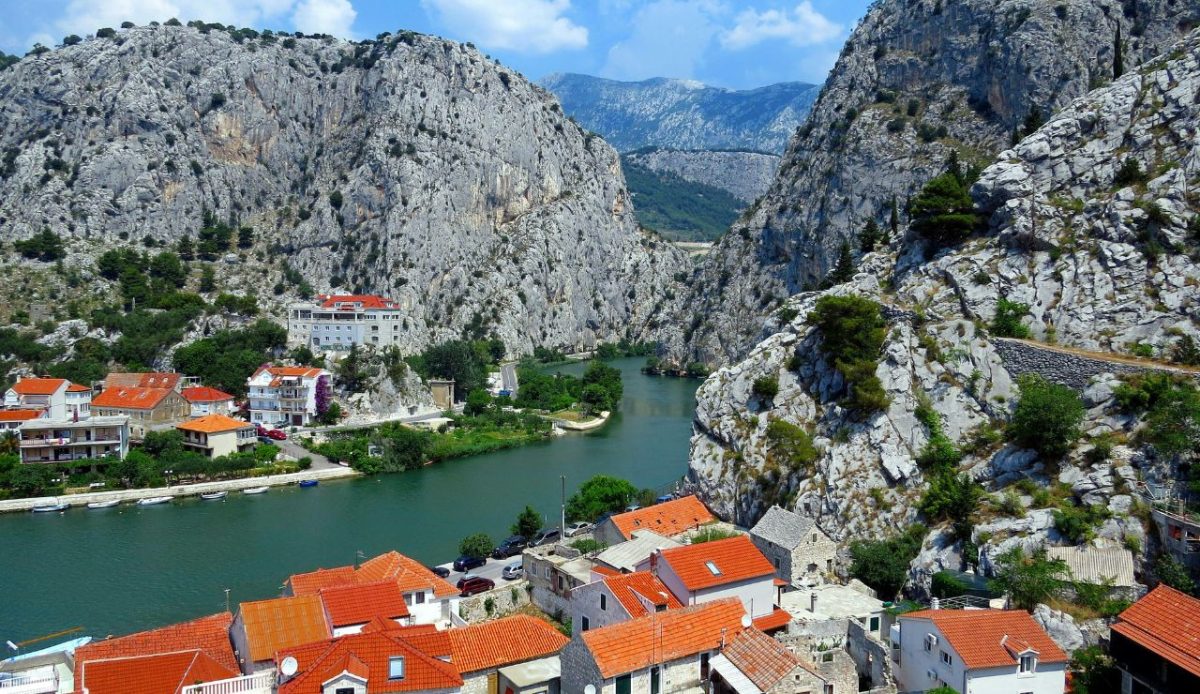
Croatia’s Dalmatian Coast stretches along glittering turquoise waters lined with islands, while Montenegro’s Bay of Kotor feels like a fjord carved from marble. Both coastlines blend ancient ports with dramatic cliffs and crystal-clear waters that stun in every season. Whether you’re sailing through Croatia’s Kornati Islands or kayaking Montenegro’s serene bays, the beauty of the Adriatic makes choosing between them a near-impossible task for any traveler who loves the sea.
2. Medieval Towns Frozen in Time
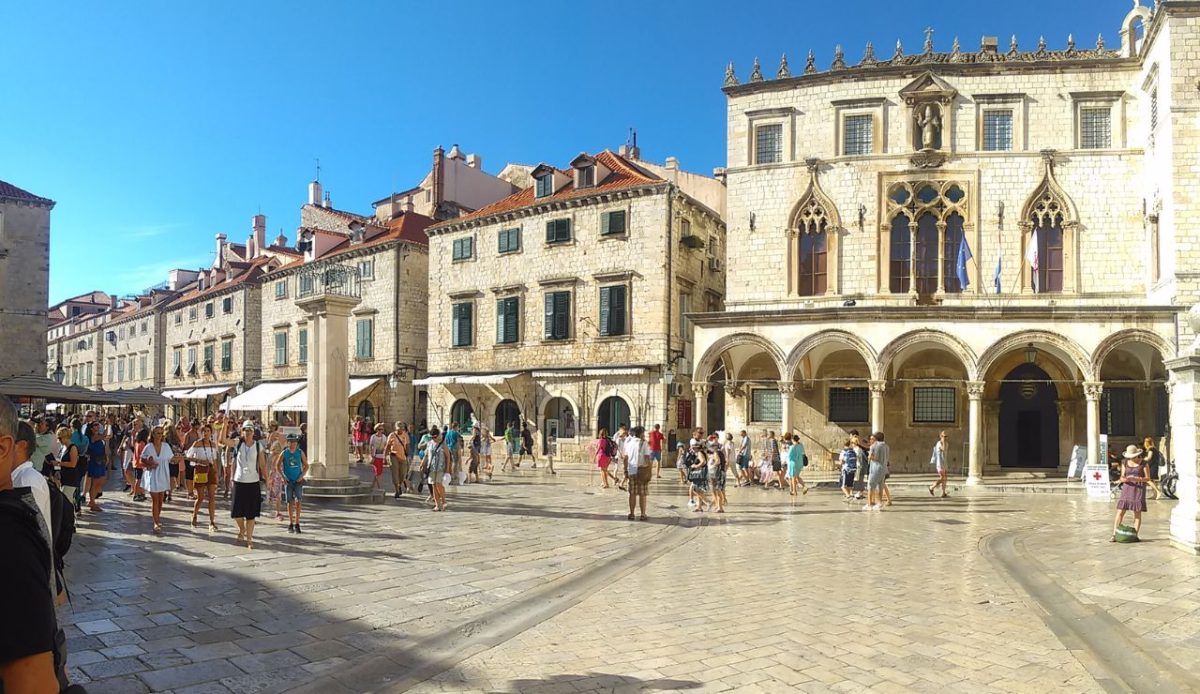
In Croatia, Dubrovnik’s stone walls and Split’s Roman palace feel like open-air museums, while in Montenegro, Kotor and Budva whisper tales of knights and traders. Both nations protect their medieval hearts with passion, cobbled streets, red rooftops, and bell towers rising above the sea. Exploring these towns feels like stepping back centuries, yet cafés, markets, and live music make them vibrantly alive. Each side preserves history with effortless elegance.
3. Beaches for Every Mood
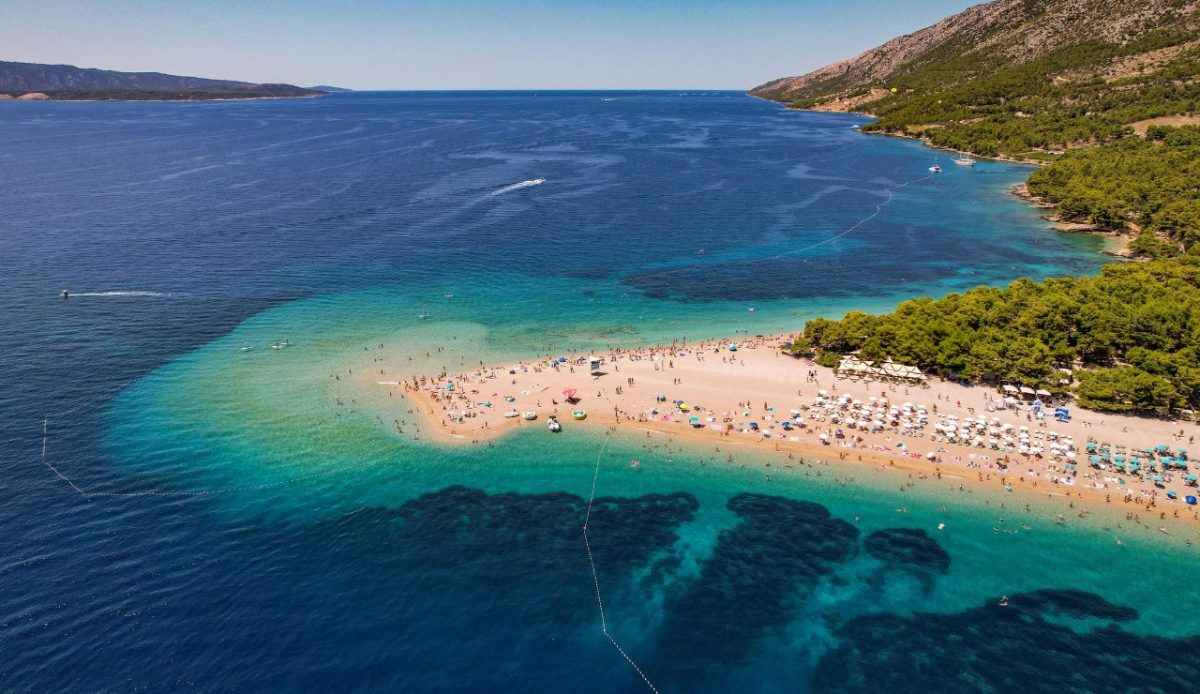
Croatia’s beaches are pebbled jewels lapped by emerald waters, from Hvar’s party shores to Brač’s famous Zlatni Rat. Montenegro’s coastline feels wilder, with long sandy stretches like Jaz Beach, and the private elegance of Sveti Stefan offers a completely different rhythm. Both countries balance luxury and authenticity; you can sip cocktails by the sea one day and find a quiet cove the next. Each coastline reflects its country’s personality, one polished, one untamed, both irresistible.
4. Mountain Adventures Meet Coastal Views
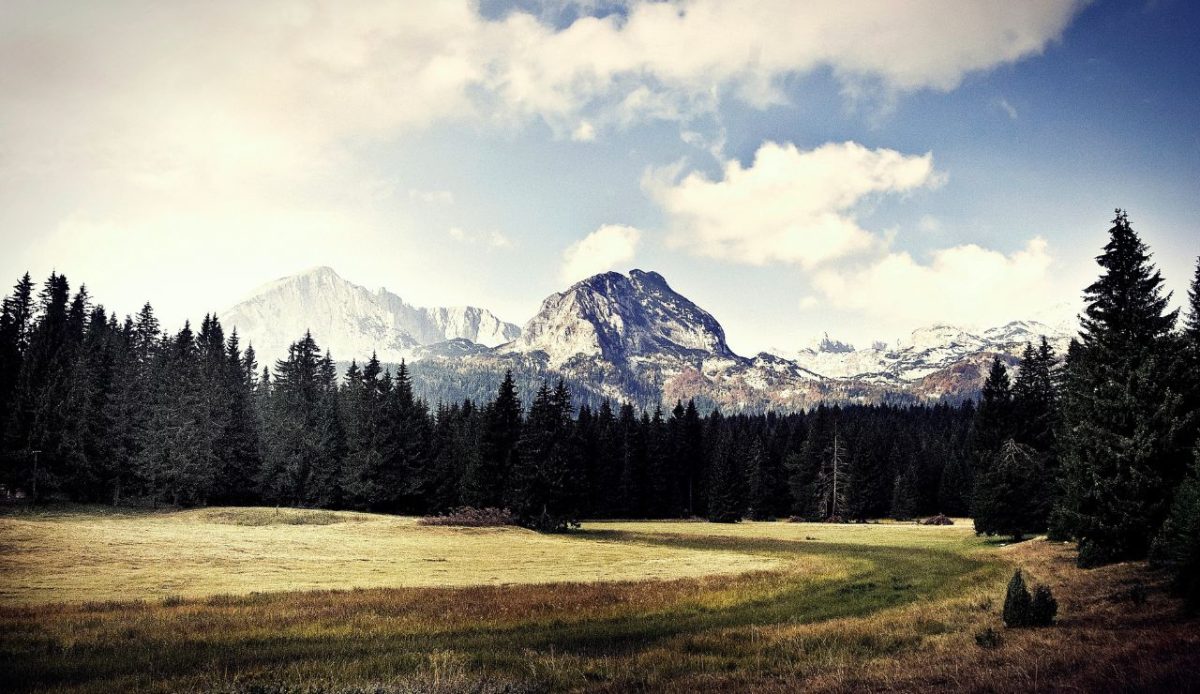
Croatia’s national parks like Plitvice and Paklenica bring hikers to turquoise lakes and dramatic cliffs, while Montenegro’s Durmitor Mountains and Tara Canyon offer raw wilderness with staggering beauty. Few destinations blend sea and summit so seamlessly. Travelers can swim in the morning and hike among glaciers by afternoon. Both countries deliver unforgettable adventure experiences, from whitewater rafting to scenic drives, proving the Adriatic isn’t just for sunbathing.
5. Culinary Scenes Worth Traveling For

In Croatia, the cuisine mixes Mediterranean lightness with Central European heart, think truffle pasta, seafood risotto, and local olive oil. Montenegro leans Balkan, rustic, and soulful, offering grilled meats, mountain cheese, and hearty stews. Both are blessed with fresh ingredients and fine wines from coastal vineyards. Whether you’re dining by candlelight in Dubrovnik or tasting rakija in Kotor’s alleys, the flavors tell a shared yet distinct regional story.
6. Islands and Hidden Bays
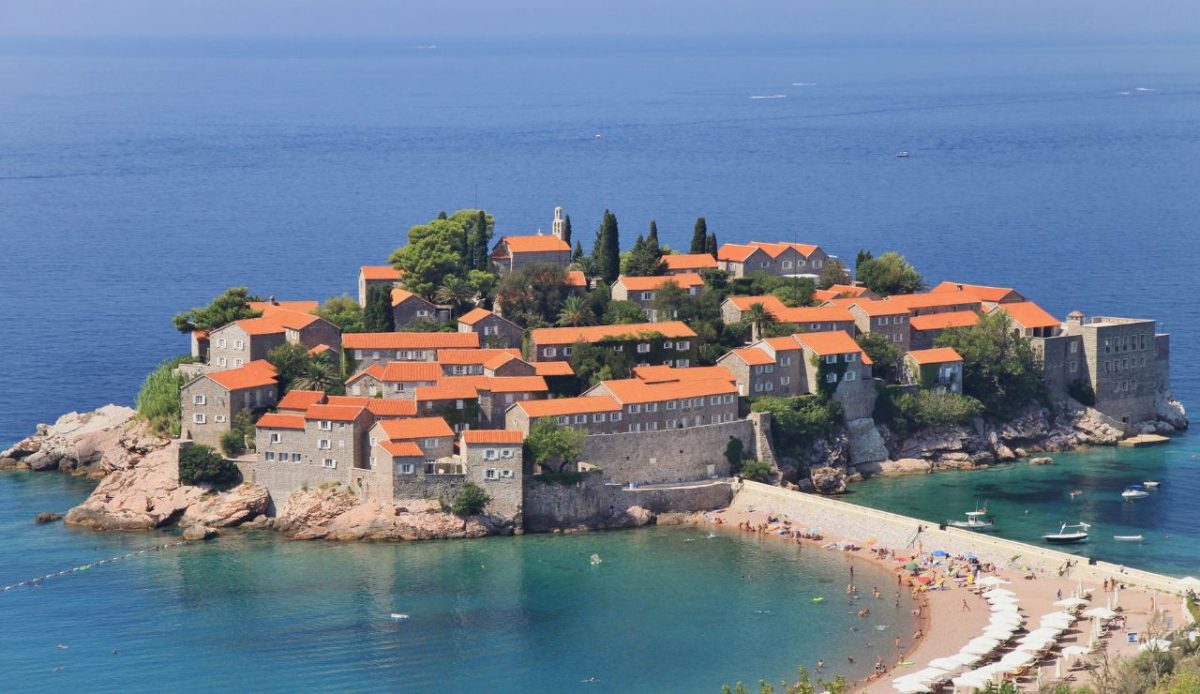
Croatia’s islands are its crown, more than a thousand, each with its own character. Hvar glitters with nightlife, Korčula whispers medieval charm, and Vis remains blissfully remote. Montenegro, smaller but stunning, hides treasures like Sveti Stefan and the blue lagoons near Herceg Novi. Sailors love both nations for their calm waters and secret beaches reachable only by boat. Whether exploring Croatia’s vast archipelago or Montenegro’s peaceful coves, the Adriatic always feels endlessly new.
7. History Layered Through Centuries
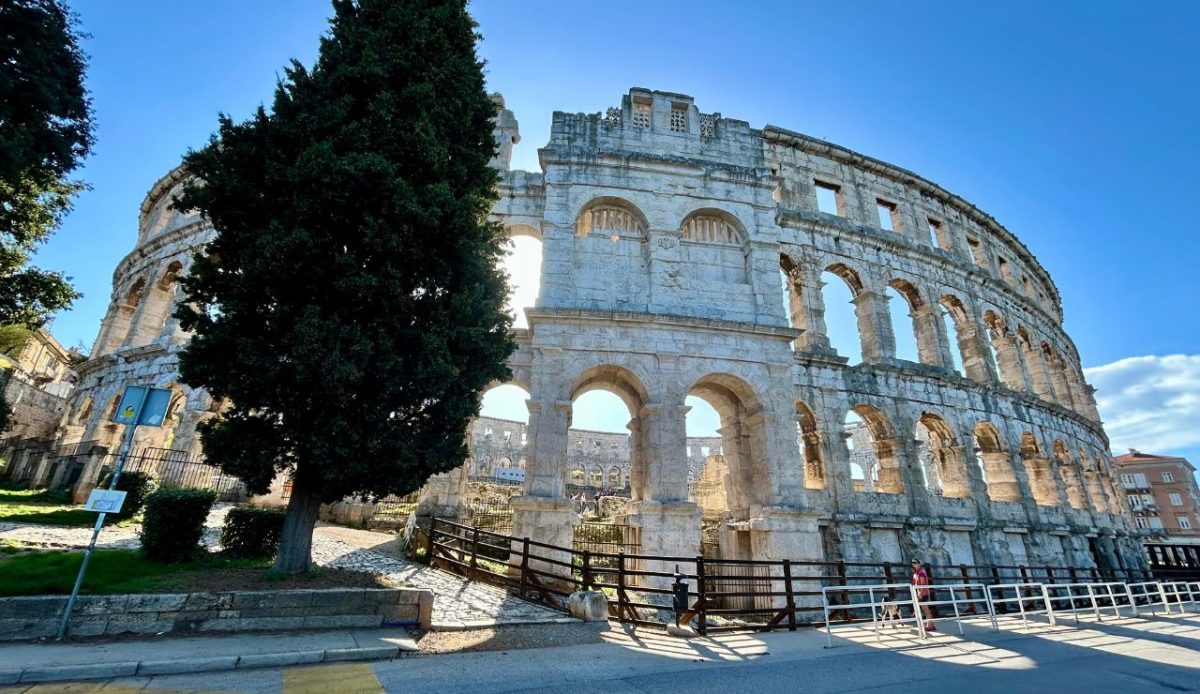
Croatia bears the marks of Roman emperors, Venetian merchants, and Austro-Hungarian elegance, while Montenegro carries influences from Byzantines, Ottomans, and Slavic tribes. Both countries are crossroads of cultures, places where east meets west and history blends with myth. Castles, monasteries, and ancient ruins remind visitors that every cobblestone has witnessed countless empires. It’s this depth of legacy that keeps travelers returning, eager to uncover more.
8. Affordable Luxury and Boutique Charm
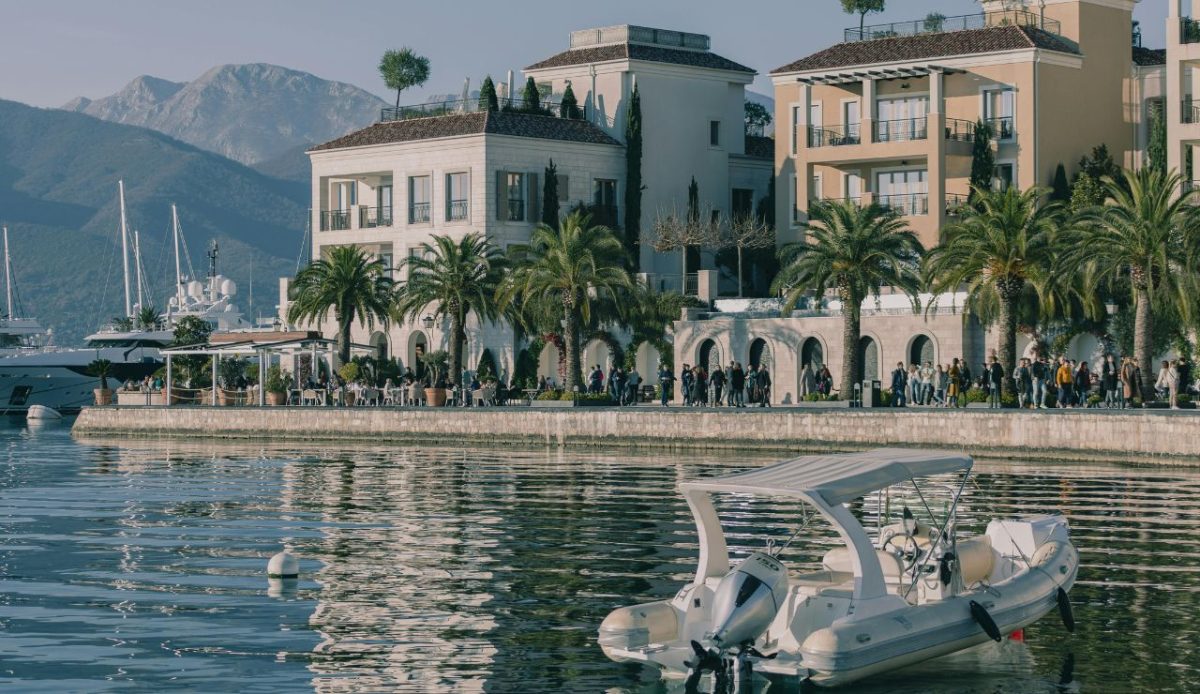
Croatia’s booming tourism has brought elegant hotels, polished marinas, and world-class restaurants, while Montenegro matches with new resorts like Porto Montenegro, offering opulence on a smaller scale. Yet, both maintain affordability compared to Western Europe. Travelers can stay in historic villas or family-run guesthouses without breaking the bank. Whether it’s Croatia’s island chic or Montenegro’s understated glamour, luxury here feels personal and surprisingly accessible.
9. Festivals, Music, and Nightlife

Croatia lights up each summer with festivals like Ultra Europe and beachside concerts that rival Ibiza’s energy. Montenegro, smaller but no less vibrant, hosts jazz festivals, open-air theatre, and lively old-town nightlife along the Adriatic. Both countries fuse culture and celebration, offering evenings that move effortlessly from seaside dining to dance floors beneath the stars. For travelers chasing rhythm and revelry, both deliver unforgettable nights.
10. Hospitality That Feels Like Home

In both Croatia and Montenegro, hospitality isn’t a formality; it’s a tradition. Locals welcome travelers with homemade wine, fresh bread, and genuine smiles. In Croatia, families invite guests to seaside dinners filled with laughter and stories of the sea. In Montenegro’s mountain villages, visitors are treated like long-lost friends, often sharing rakija by the fire. The warmth feels deeply personal, transforming a trip into a connection, proof that the Adriatic’s true beauty lies in its people.
