
Singapore is easy for first-time visitors because transit is reliable, rules are clear, and key sights sit close together. A good plan starts with a few landmark stops that also explain how the city runs across neighborhoods.
The picks below come from recurring recommendations in the Singapore Tourism Board guides, as well as long-standing travel guides and major museums. Each stop is popular, but it also carries a concrete story about planning, migration, or ecology.
Use timed tickets where offered, ride the MRT between clusters, and save heat-heavy walks for evenings. You will cover the essentials without padding the schedule or wasting transfer time.
1. Marina Bay Sands SkyPark Observation Deck
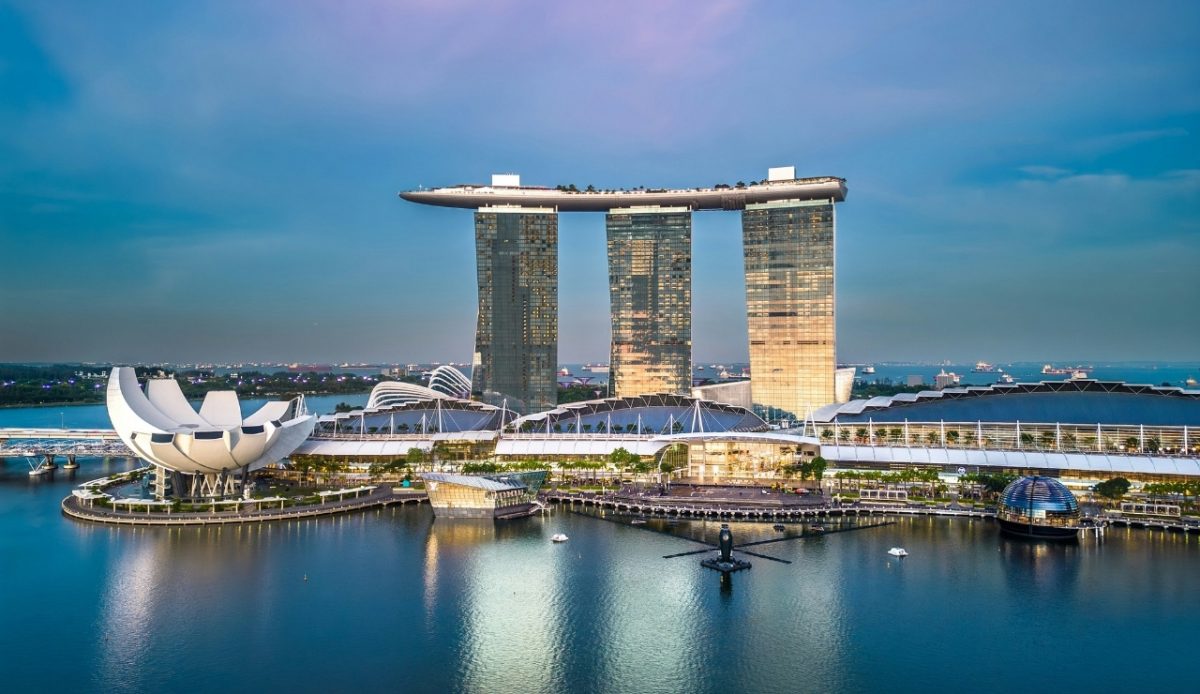
Marina Bay Sands SkyPark is the fastest way to grasp Singapore’s geography. From roughly 200 meters up on the 56th level, land reclamation edges, the port approach, and the downtown grid can be read at once, which helps later navigation.
Tickets are sold in time slots, so crowds are managed and lines stay predictable. Late afternoon works well because daylight views and the city lighting change can be seen during one visit. Weather closures are rare but can happen during storms.
From the top, the Marina Barrage and Gardens by the Bay sit in plain view, showing how water control, public space, and tourism were planned together around the bay, alongside the Esplanade and financial district.
2. Gardens By The Bay
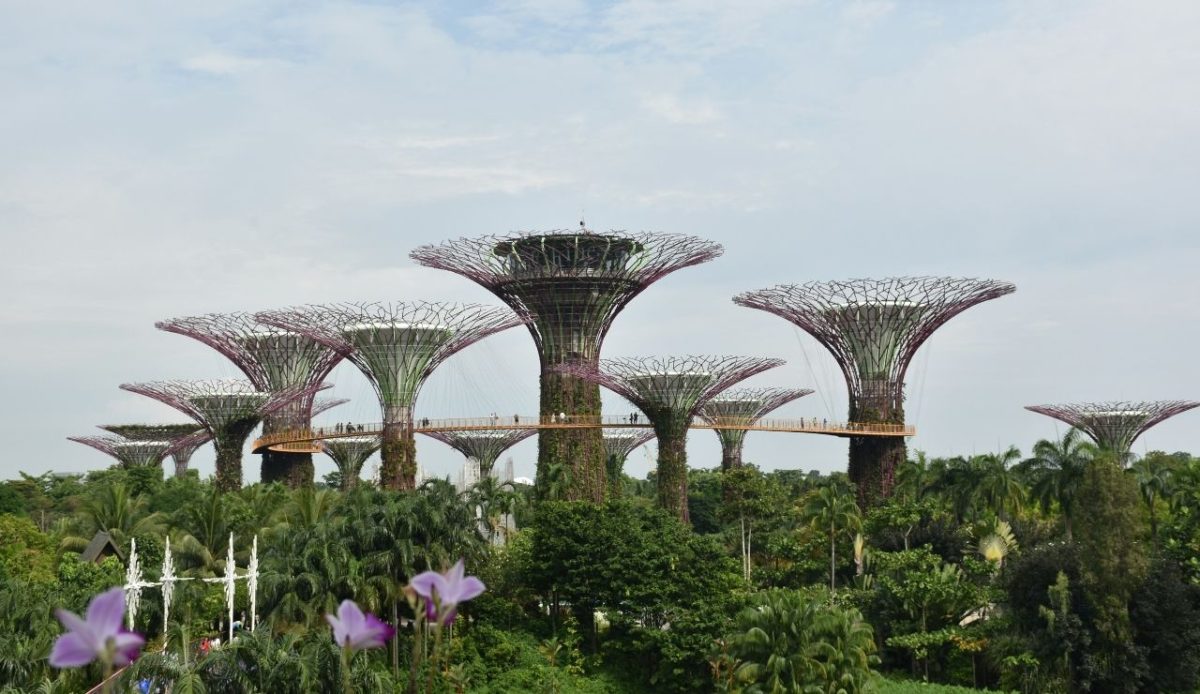
Gardens by the Bay shows Singapore’s approach to urban greening under tight land limits. Built on reclaimed land and opened in 2012, it pairs large-scale planting with engineering. The Supertrees act as vertical garden towers, and some support solar panels and air exhaust for the conservatories.
The Flower Dome and Cloud Forest are cooled glasshouses that let visitors compare dry Mediterranean flora with misty montane plants. Timed entry is often used on busy days, so booking ahead reduces waiting.
At night, the Garden Rhapsody light and sound show draws both tourists and residents, which signals that the site is a civic park as much as a visitor stop near Marina Bay.
3. Merlion Park
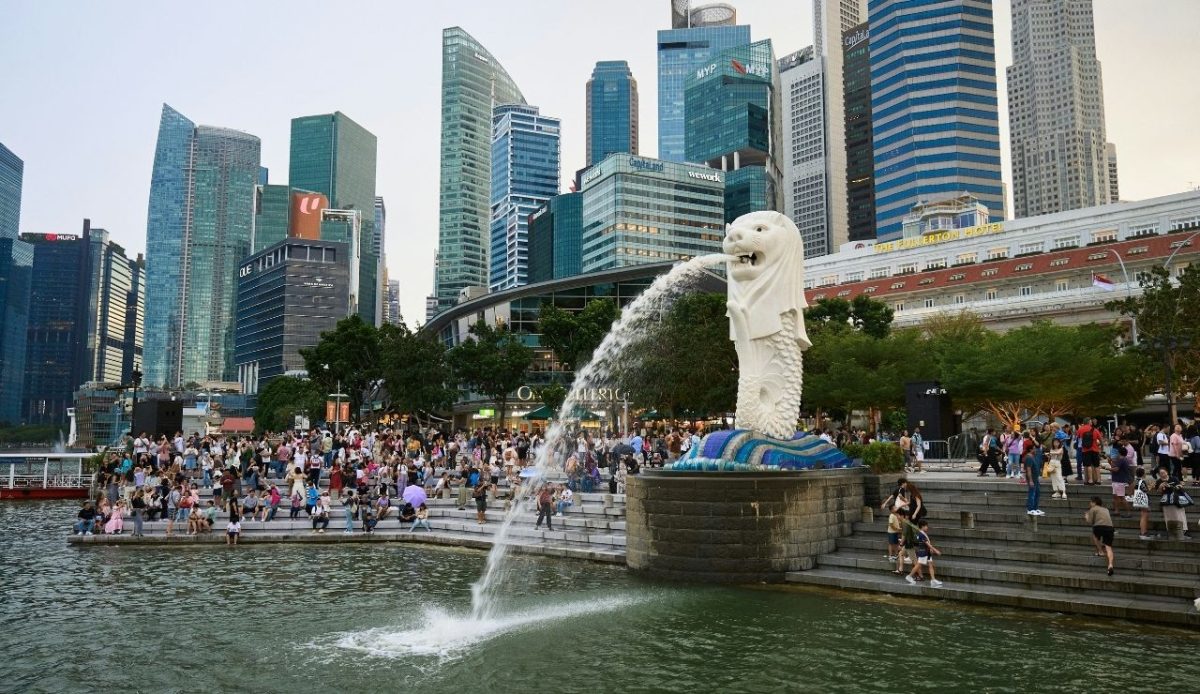
Merlion Park is a short visit, but it anchors the national story in a real place. The Merlion combines a fish body with a lion head, linking early fishing settlement roots with the legend of Singapura. The first statue was unveiled in 1972, and the main figure was later relocated nearby.
The park sits near the Singapore River mouth, where trade grew and modern finance later clustered. That location makes photos useful for orientation, since Marina Bay Sands and the Esplanade line up across the water.
Go early for clear views and less crowding, then continue on foot over the waterfront paths toward the Helix Bridge. The stop works best as part of a bay loop rather than a standalone trip.
4. Jewel Changi Airport Rain Vortex
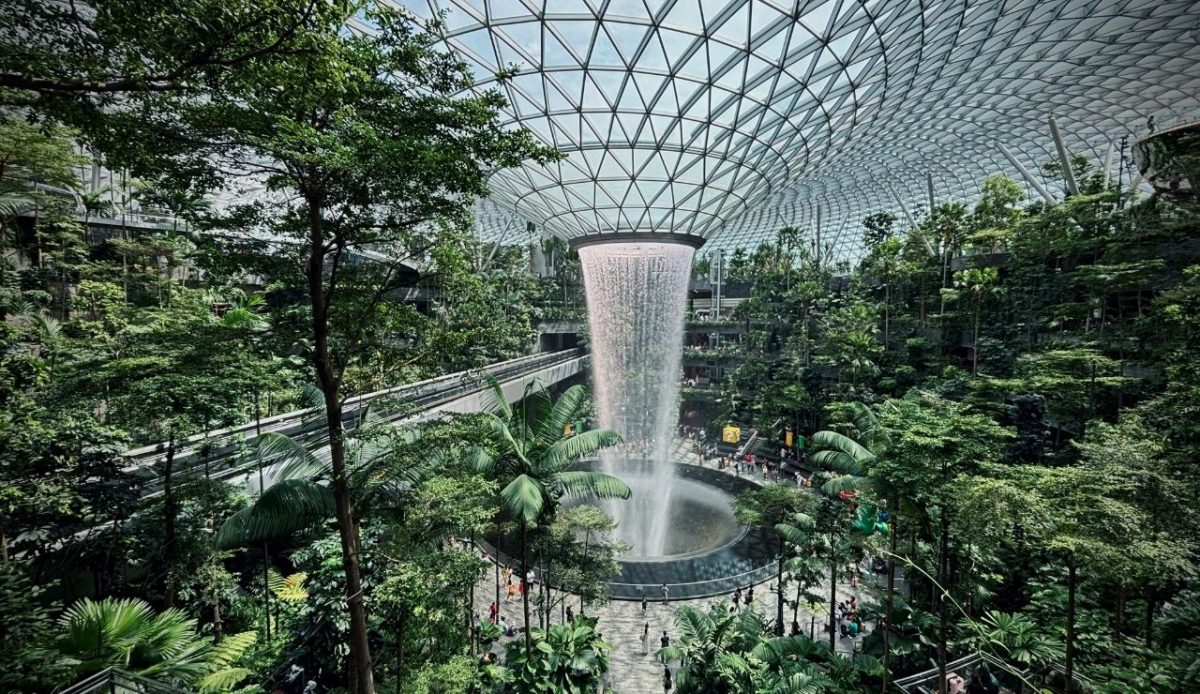
Jewel Changi Airport turns arrival time into a real outing. Opened in 2019, its centerpiece is the Rain Vortex, an indoor waterfall about 40 meters high, fed by harvested rainwater that drops through a multi-level garden under a glass roof.
Because Jewel links directly to terminals, it can be visited before check-in or right after landing without extra transport. Early morning is calmer, while evenings can be crowded due to departing flights.
Beyond the waterfall, the Forest Valley paths and retail layout show how Singapore designs for crowd flow. It is a strong first impression of the country’s emphasis on public space within infrastructure.
5. Maxwell Food Centre
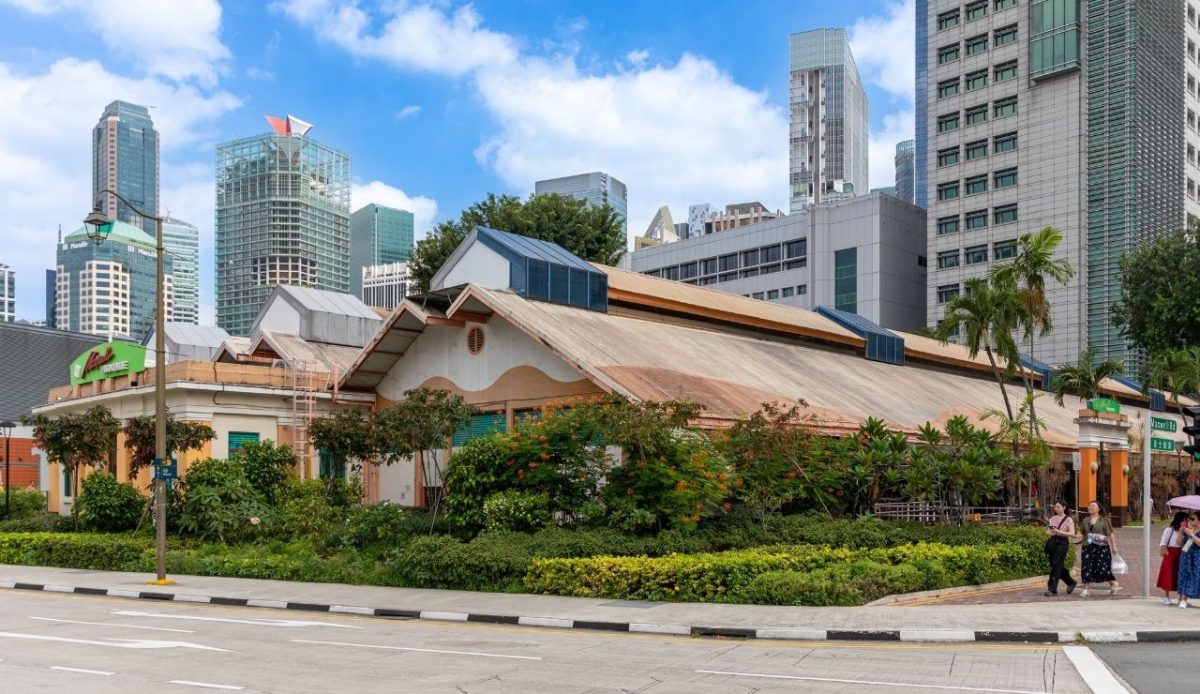
Maxwell Food Centre is a direct entry point into Singapore’s hawker system. Dozens of stalls sell set dishes fast, and shared seating shows how mixed groups eat side by side during work breaks. Most stalls display licensing details and clear menus for quick decisions.
Hawker culture in Singapore was placed on UNESCO’s intangible heritage list in 2020, reflecting community dining traditions and regulated street food practices. Maxwell sits near Chinatown and Tanjong Pagar MRT, so it is easy to reach on foot.
Try one rice plate and one noodle dish, then add a drink from a separate stall to see how the pricing model works. This stop explains daily life better than any single restaurant reservation.
6. Buddha Tooth Relic Temple
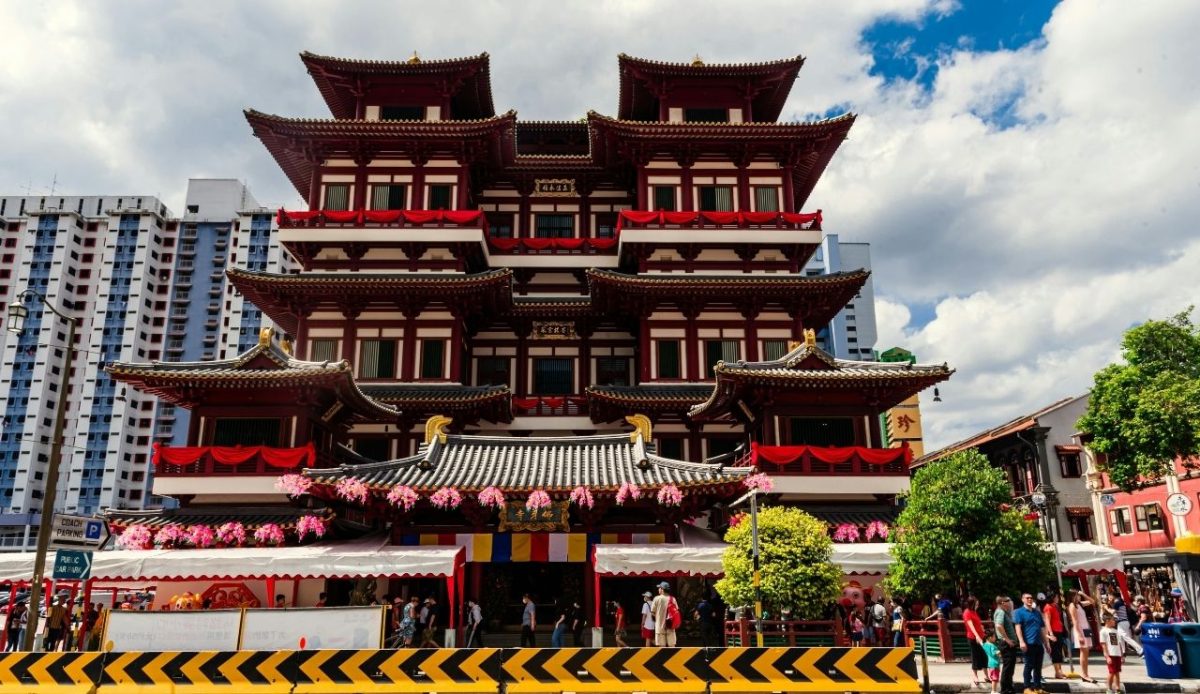
Buddha Tooth Relic Temple in Chinatown gives first-timers a focused look at living religious practice in a restored shophouse setting. The building opened in 2007 and includes a museum-style layout that explains Buddhist art and ritual objects.
Visitors are asked to dress respectfully, and quiet behavior is expected during prayer times. Displays cover regional traditions and the role of Chinatown as an immigrant hub where trade, housing, and worship overlapped.
The temple sits near street markets and conserved blocks, so it pairs well with a short walk to see five-foot ways and old façades. It adds context that a simple neighborhood stroll can miss.
7. Sri Veeramakaliamman Temple
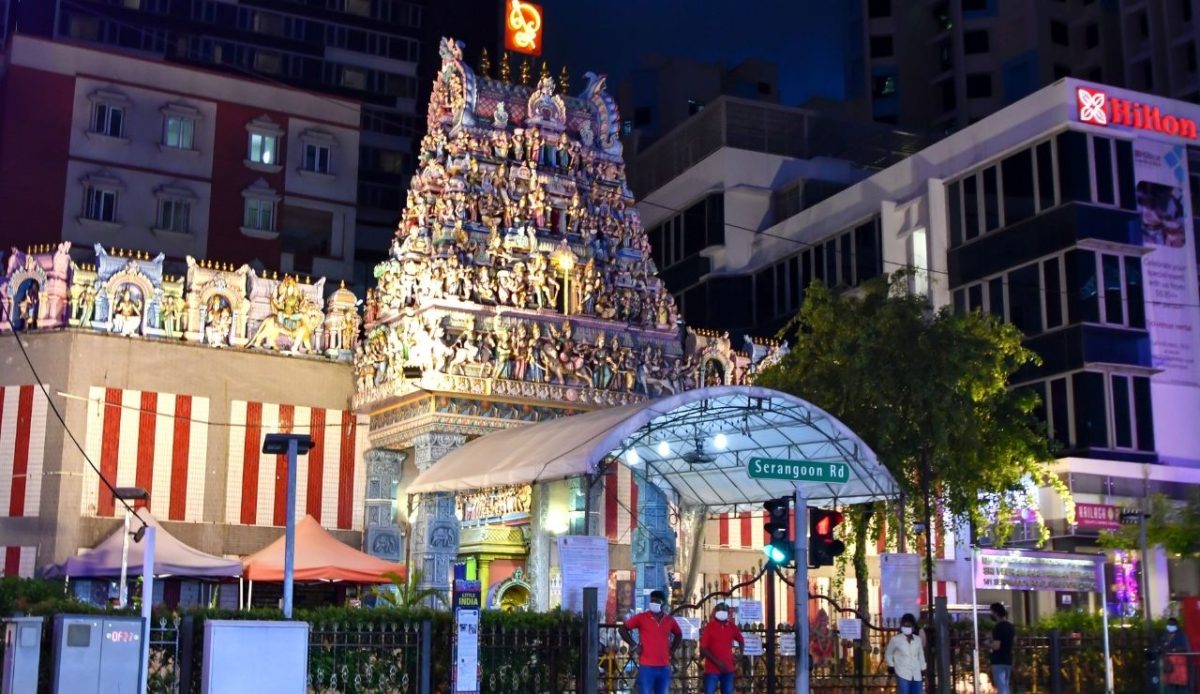
Sri Veeramakaliamman Temple is one of the clearest first-time stops in Little India. Built in the late 1800s and later expanded, it reflects how early Indian communities organized faith life alongside labor housing and small trade.
Shoes are removed before entry, and photography rules may be posted at the door. Inside, color-coded shrines and offerings show a working temple rather than a museum display, so visits should be kept respectful.
Outside, the surrounding streets lead to Tekka Centre and spice shops within minutes, letting visitors connect worship spaces with daily commerce. This tight cluster explains the district’s role in a multicultural city.
8. Sultan Mosque
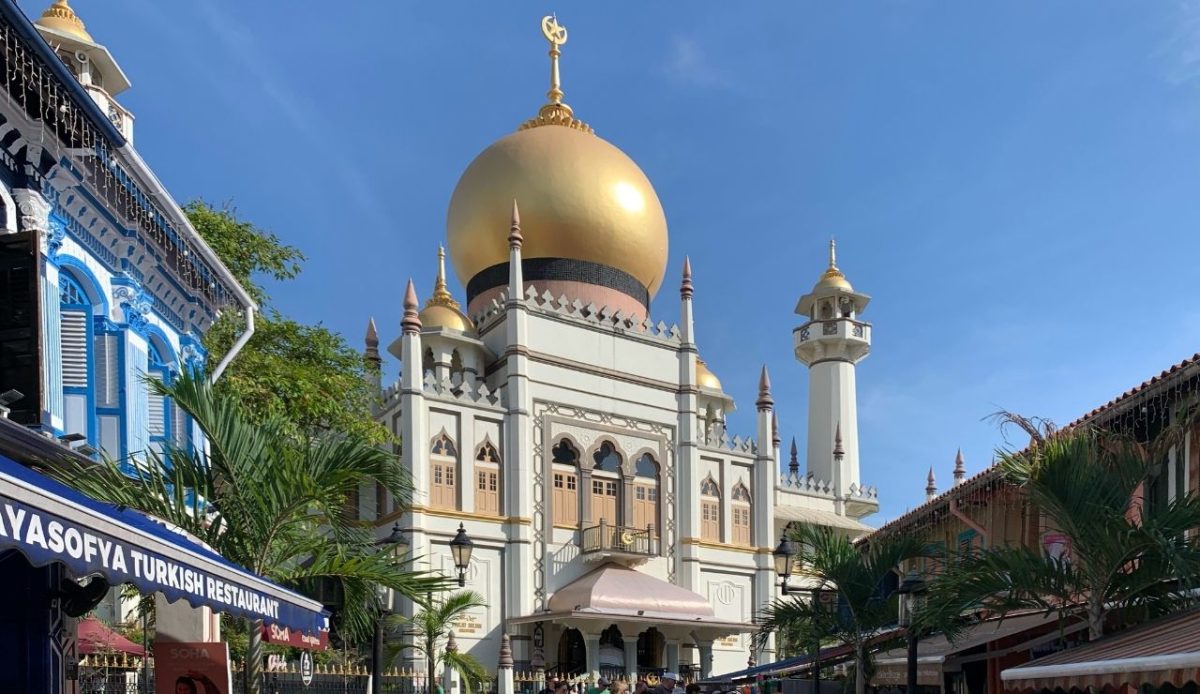
Sultan Mosque anchors Kampong Gelam and highlights Malay and Arab history in the city. An earlier mosque was founded in 1824, while the current building dates to 1928, and its golden dome and prayer hall remain in active use rather than being set aside for visitors.
Non-Muslims can enter at allowed hours, with modest dress required and robes provided when needed. Volunteer guides are often available, and rules are posted so that tour traffic does not interrupt worship.
After the visit, Arab Street and nearby lanes show conserved shophouses tied to the textile trade and migration routes. The area gives a clear sense of how heritage districts are kept functional today.
9. National Orchid Garden
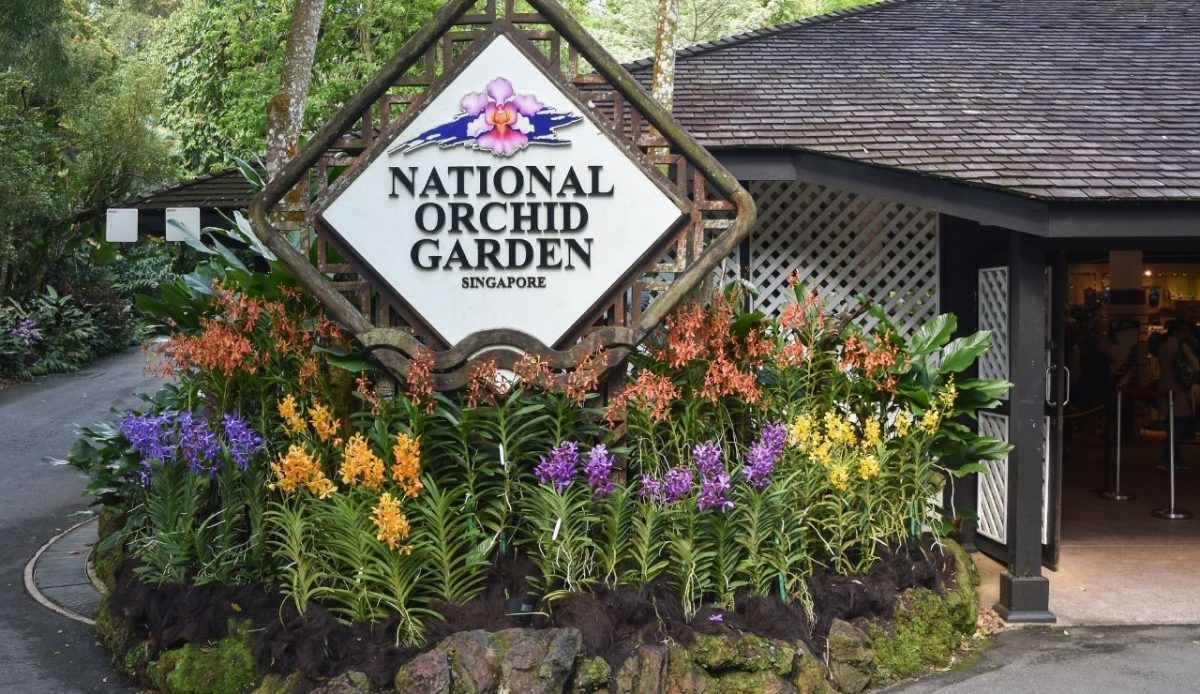
The National Orchid Garden inside the Singapore Botanic Gardens is a compact way to see the site’s research legacy. The larger gardens began in 1859 and gained UNESCO World Heritage status in 2015, while the orchid section highlights breeding and display work.
Paths are labeled by species groups and hybrids, and interpretation boards explain cultivation methods used in a humid climate. It is a controlled, ticketed area, so it stays orderly even when the free lawns are busy.
A morning visit avoids midday heat and matches local routines, since residents use the wider gardens for exercise. The stop balances science, horticulture, and public space in one short outing.
10. Night Safari At Mandai

Night Safari at Mandai is a signature Singapore experience built around nocturnal animal behavior. The park opened in 1994 and uses low lighting and naturalistic habitats so species can be observed during active hours without bright floodlights.
A tram route gives broad coverage, while walking trails add closer viewing and interpretive signs. Show times and entry slots can sell out on weekends, so booking reduces the risk of missing the main loops.
This visit also shows how conservation education is delivered in a family-friendly format. Talks highlight habitat loss and breeding programs, so the night outing still carries clear learning value.
