
The Paris Metro is one of the easiest ways to explore the city, but it can also be confusing for first-time visitors. With dozens of lines, multiple ticket types, and busy stations, it’s easy to make simple mistakes that slow you down or even lead to fines. Many travelers jump into the system without understanding how it works, which can cause frustration during their trip. Knowing what to avoid can make your Metro rides smoother, quicker, and far more enjoyable as you explore Paris.
1. Not Buying the Right Ticket
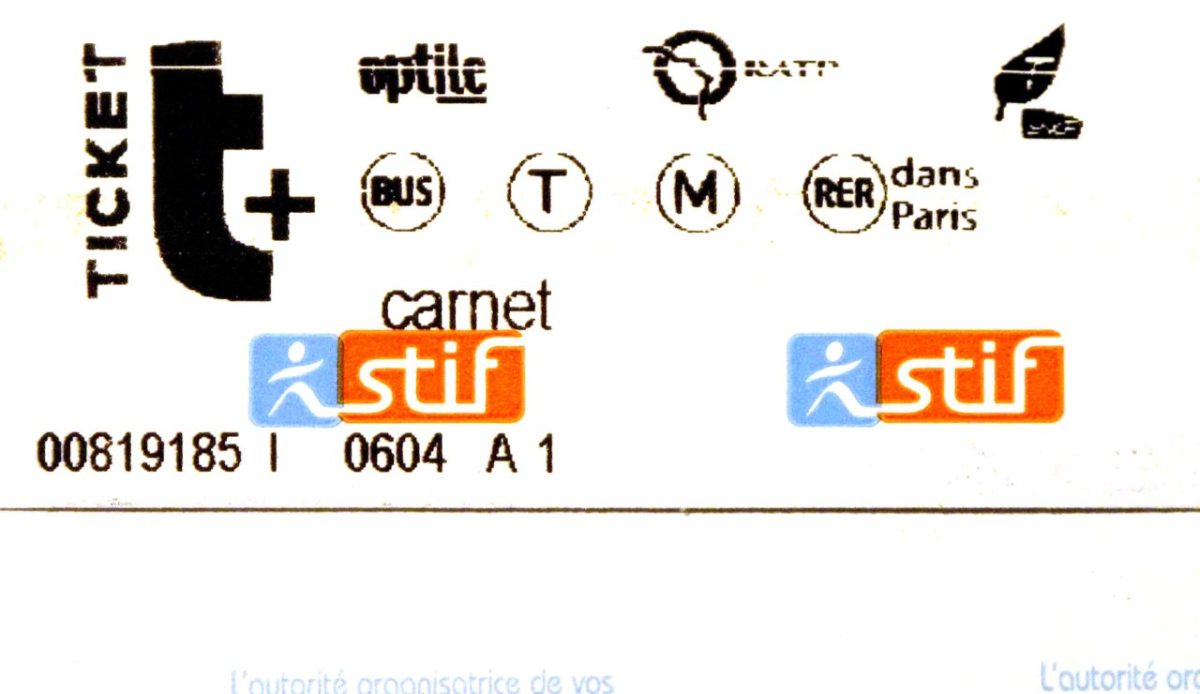
Many tourists buy single tickets because they seem cheap, but the costs add up quickly if you’re sightseeing across the city. The Metro offers options such as daily passes, weekly Navigo cards, or special tourist passes that provide unlimited rides. Using the wrong ticket for certain zones can even lead to fines during random checks. Researching your plans, how many rides you’ll take, and where you’ll go, helps you choose the best option and avoid unnecessary expenses.
2. Ignoring Zone Boundaries
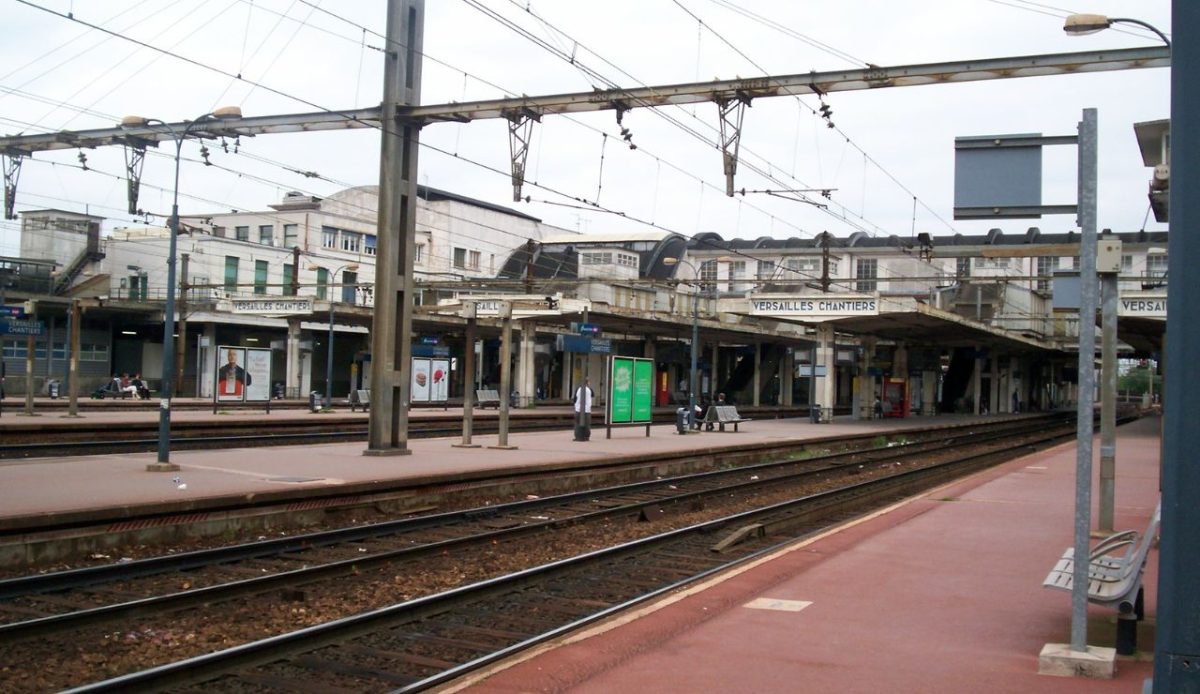
Paris’ Metro mainly runs within central zones, but trips to places like Versailles or the airports require different fares. Tourists often assume a regular Metro ticket works everywhere, only to face fines when traveling outside zone limits. Signs can be confusing, especially when switching to RER trains. Always check the zone of your destination and buy the correct fare. A simple misunderstanding can turn a quick outing into an expensive mistake you could’ve easily avoided.
3. Forgetting to Validate Tickets
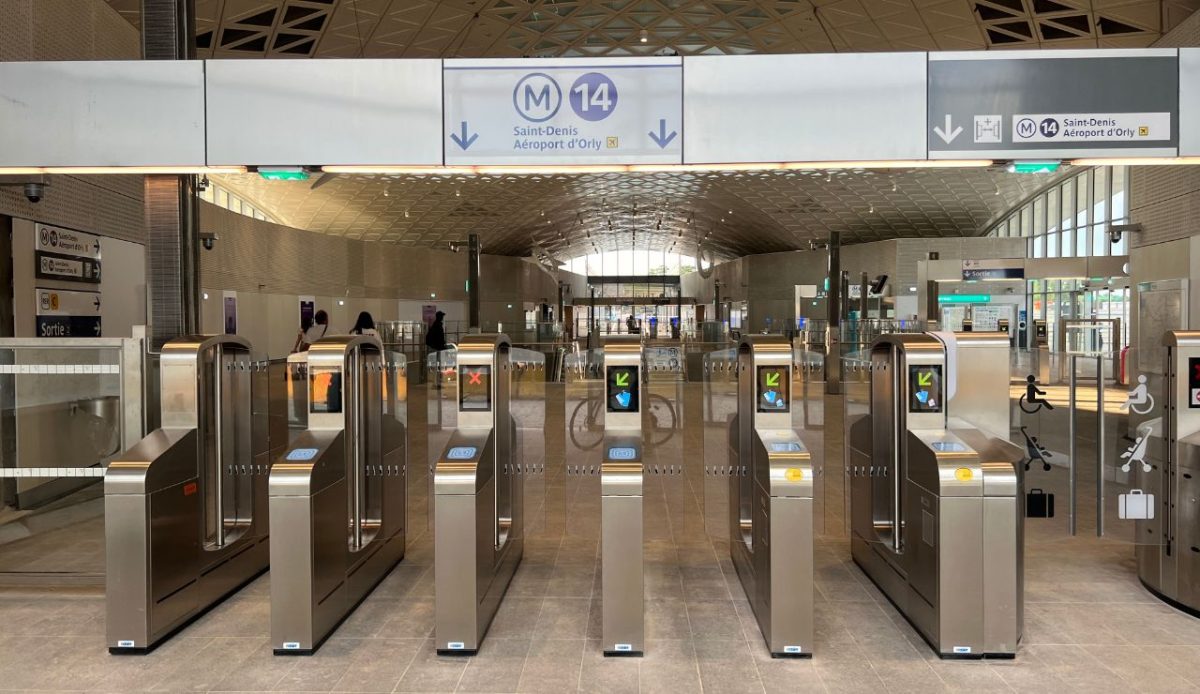
Even when travelers buy the right ticket, they sometimes forget to validate it at the turnstile. Some stations keep their gates open, tricking tourists into thinking they can walk through without scanning. But inspectors are common, and an unvalidated ticket is treated the same as not having one at all. Always insert your ticket or tap your pass before entering. It takes a second and saves you from a fine that can seriously dampen your Paris experience.
4. Using the Metro for Short Walks
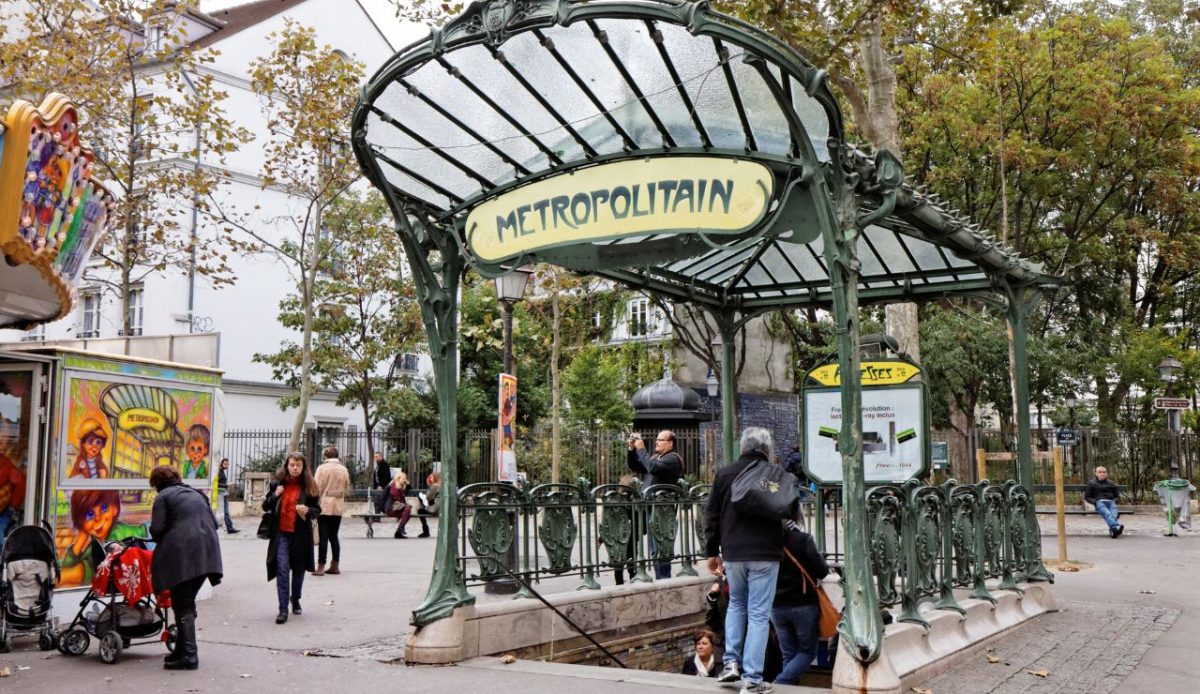
The Metro is fast, but that doesn’t mean it’s always the best choice. Many stations in central Paris are extremely close to each other, making it quicker and far more enjoyable to walk. Tourists often miss beautiful streets, cafés, and architecture by going underground for one stop. Plus, walking avoids stairs, transfers, and crowded platforms. Before hopping on, check a map; a short stroll might save time and help you discover a hidden Parisian gem along the way.
5. Traveling During Rush Hour
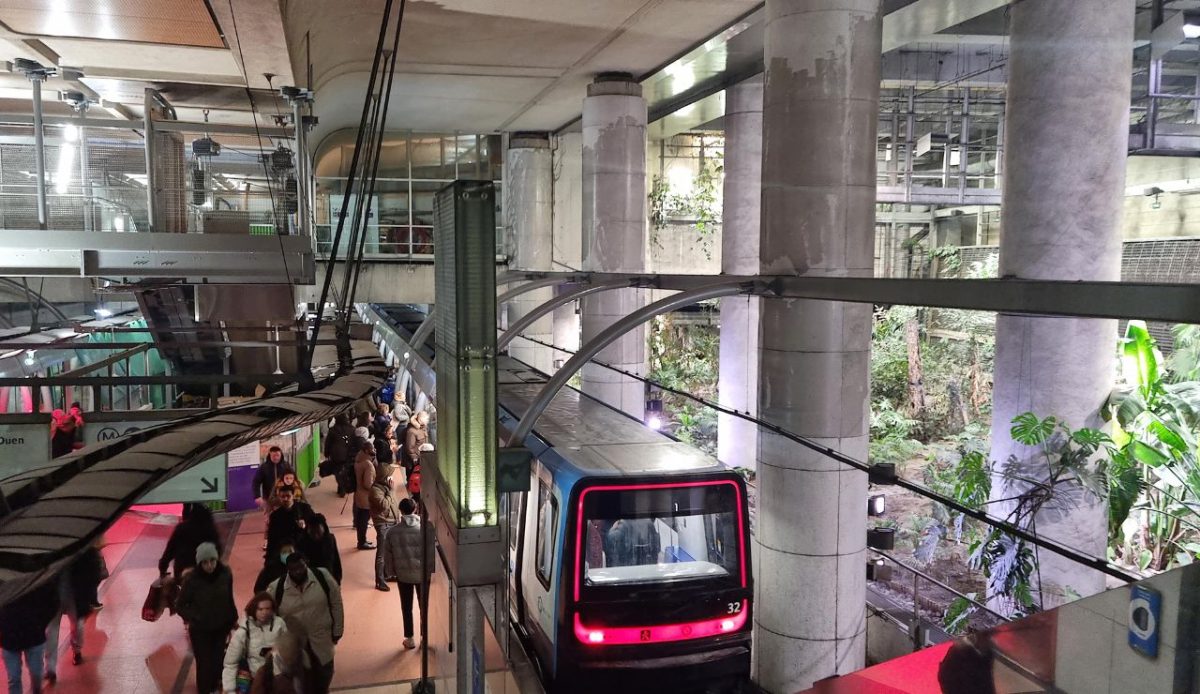
Rush hour in Paris can be intense, with trains packed tightly and platforms overflowing. Tourists carrying luggage or stopping suddenly often frustrate commuters who are just trying to get to work. Riding the Metro between 8–9 a.m. and 6–7 p.m. can feel overwhelming, especially for those unfamiliar with the system. Avoiding these times not only gives you a more peaceful journey but also helps you blend in better with locals who move quickly and purposefully.
6. Standing on the Left Side of Escalators
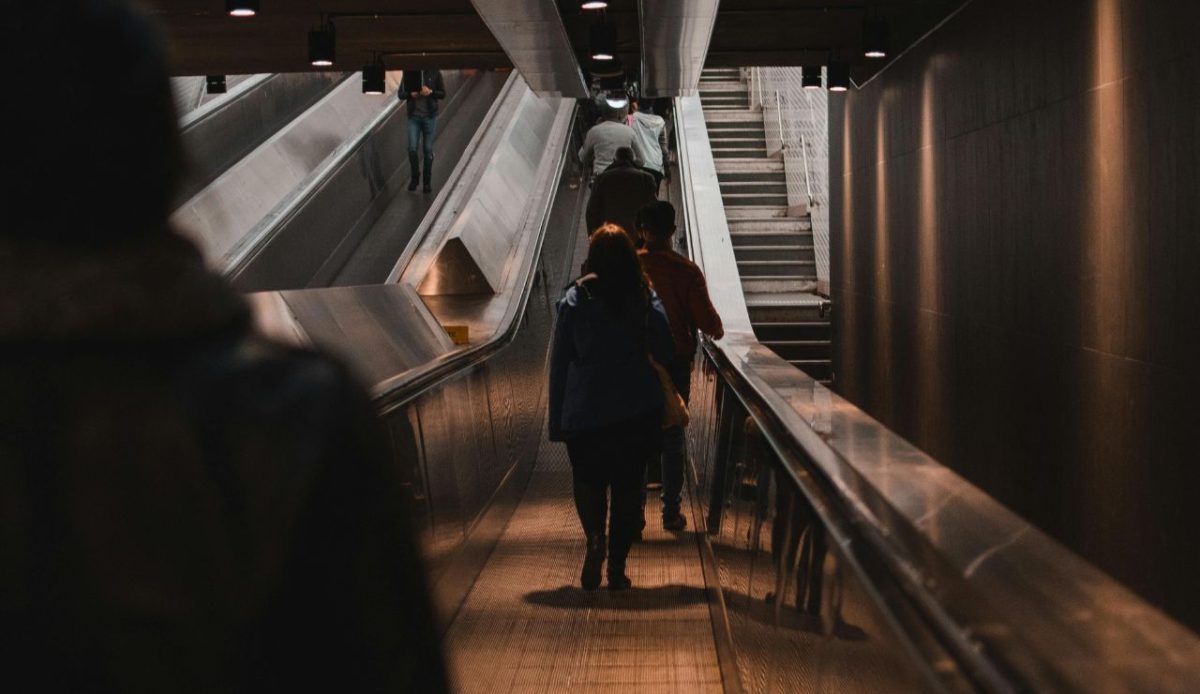
Escalator etiquette is serious in Paris: stand on the right, walk on the left. Tourists unknowingly blocking the left side slow down commuters and cause frustration. During busy hours, this can lead to congestion or annoyed comments. It’s a small habit, but following it keeps traffic flowing smoothly throughout the station. Watching what locals do is the easiest way to learn. Stand right unless you’re climbing, and you’ll instantly look more like a seasoned Paris traveler.
7. Holding Up the Line at Turnstiles
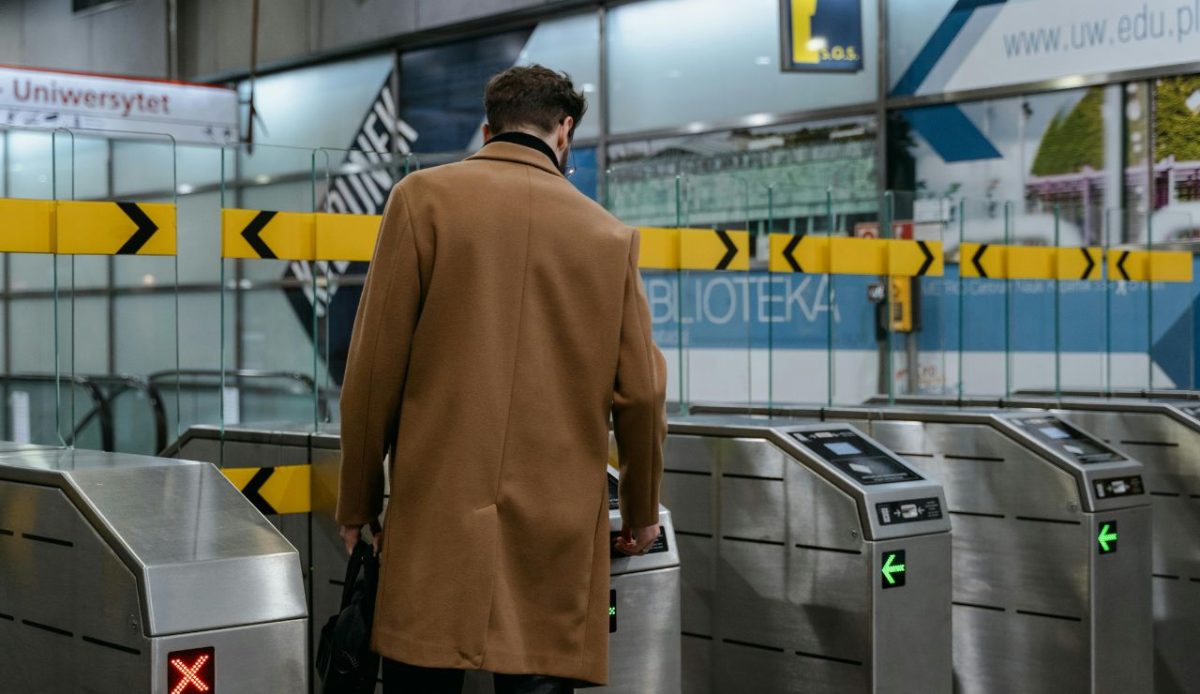
Turnstiles in Paris Metro stations can feel rushed, especially during busy hours. Tourists often fumble with their tickets or cards, accidentally block others, or hesitate too long before walking through. This delay frustrates locals and creates congestion. To avoid this, get your ticket ready in advance and observe how others use the gates. If you’re unsure, step aside to figure it out first. Being prepared keeps the line moving and helps you avoid unwanted attention or confusion.
8. Not Paying Attention to Line Directions
Each Metro line has two directions based on its final stop, and many tourists hop on trains without checking which way they’re headed. Some stations have multiple hallways and platforms, making it easy to get turned around. Always look at the terminus signs above the platform; this tells you the exact direction of the train. Taking 10 seconds to double-check can prevent long detours, unnecessary transfers, and the frustration of realizing you’re headed the wrong way.
9. Forgetting to Hold On
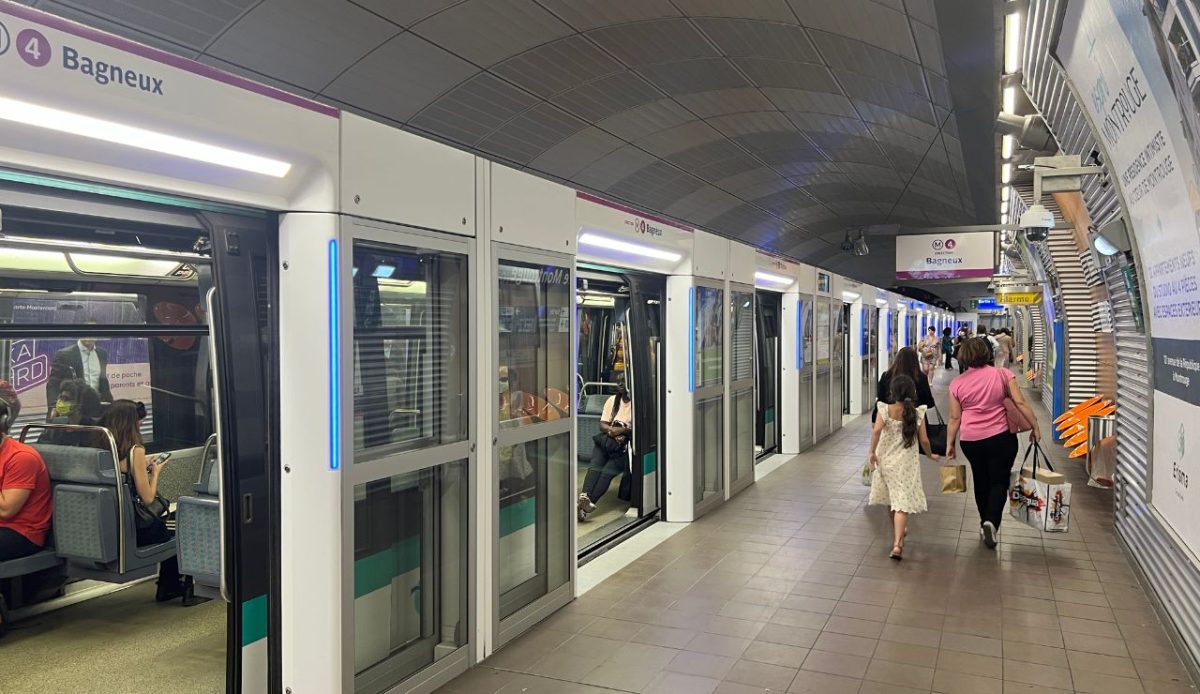
Trains in Paris can start and stop abruptly, catching unprepared riders off guard. Tourists looking at maps or taking photos often lose balance, especially during crowded moments. Holding onto a pole or handrail is essential, even if the train looks calm. It prevents falls, bumps, and awkward moments with other passengers. The Metro moves quickly, and staying steady makes your ride safer and much more comfortable, especially if you’re standing with bags or luggage.
10. Missing the Last Train
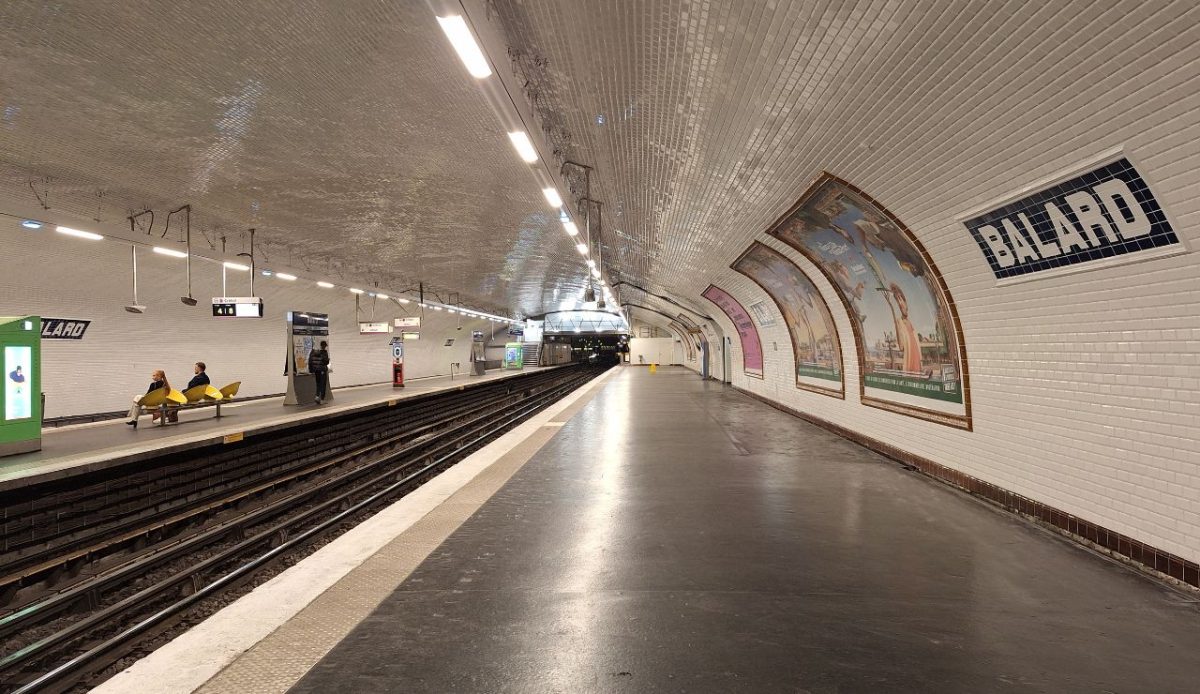
Paris Metro trains don’t run 24/7, and many visitors don’t realize service stops shortly after midnight. On weeknights, the last train is usually around 12:30 a.m., while weekends stretch only slightly later. Tourists out enjoying nightlife or late dinners often miss their ride and face expensive taxi fares or long, unfamiliar walks. Avoid this mistake by checking your final line’s schedule ahead of time. Setting an alarm or reminder ensures you’re not stranded when the trains stop running.
