
India is a land of vibrant traditions and festivals, with towns across the country celebrating unique cultural practices that attract travelers from around the world. From age-old rituals and eccentric competitions to colorful processions and artistic performances, these towns showcase creativity, history, and strong community spirit. Each destination offers visitors the chance to witness festivities that go beyond ordinary tourism, blending religion, folklore, and local identity. Experiencing these events provides an immersive journey into India’s diverse and fascinating cultural landscape that leaves lasting memories.
1. Jaisalmer, Rajasthan
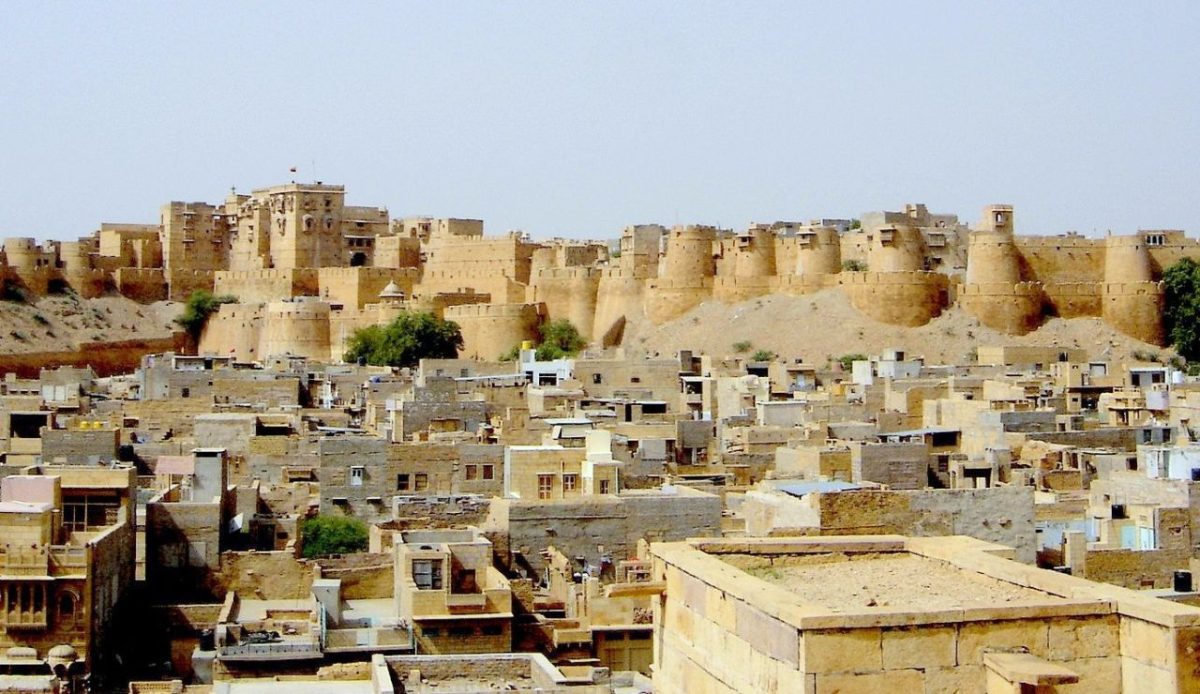
Jaisalmer, known as the Golden City, hosts the annual Desert Festival in winter, a vibrant celebration of Rajasthani culture. Travelers witness camel races, folk dances, and traditional music against the backdrop of the Thar Desert. Artisans display crafts, and locals dress in colorful attire, creating a lively atmosphere. The festival also includes turban-tying competitions and mustache contests, highlighting regional pride and heritage. Visitors experience the fusion of tradition, creativity, and entertainment, making Jaisalmer a destination where Rajasthan’s desert culture is celebrated with energy, color, and community spirit.
2. Hampi, Karnataka
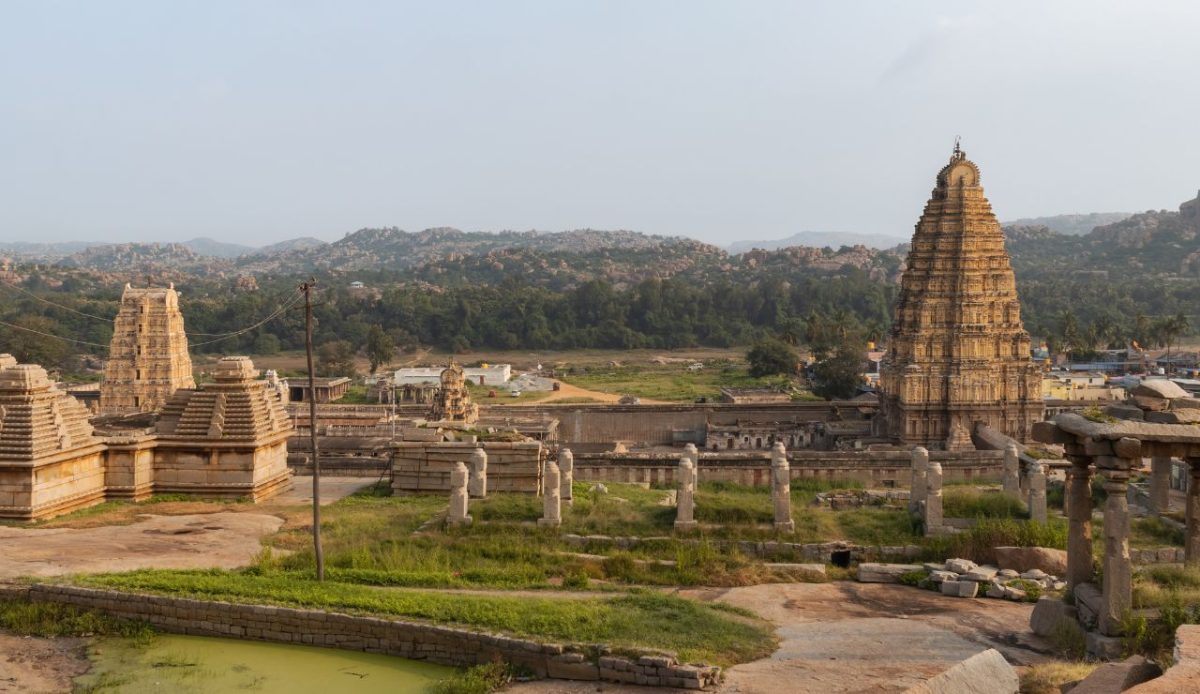
Hampi, famous for its ancient ruins, comes alive during the Virupaksha Car Festival, honoring Lord Virupaksha. Travelers witness the massive temple chariot being pulled through the streets, accompanied by music, dance, and devotion. Local artisans sell crafts, and ceremonial rituals create a spiritual atmosphere. The festival showcases centuries-old customs and community participation. Hampi’s combination of historical architecture, religious significance, and vibrant celebrations lets visitors immerse in a cultural experience, observing how ancient traditions shape modern religious and social life in South India.
3. Shani Shingnapur, Maharashtra
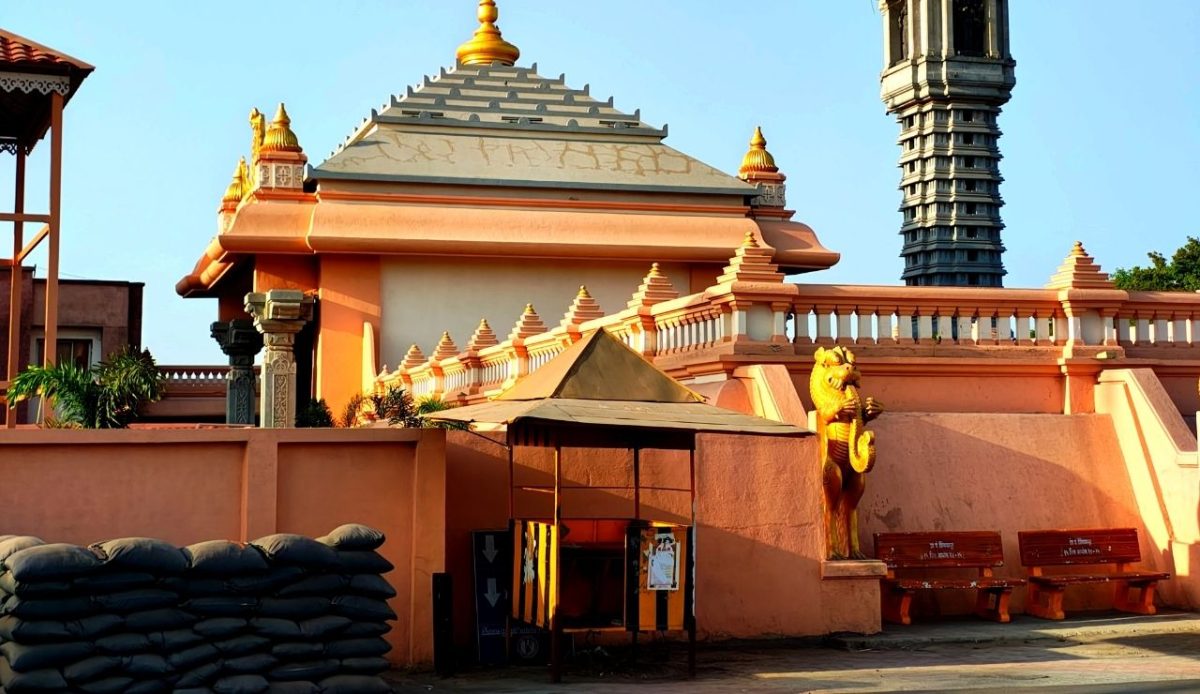
Shani Shingnapur is renowned for its unusual belief that homes need no doors to ward off theft, honoring the deity Shani. Travelers explore villages where black stone shrines dominate public spaces, and locals observe daily rituals linked to protection. Festivals include processions, offerings, and ceremonial observances dedicated to Lord Shani. The town’s distinctive customs, architectural simplicity, and communal trust create a unique cultural experience. Visitors witness how faith, legend, and social cohesion shape daily life, providing insight into India’s diverse and unconventional spiritual practices still thriving today.
4. Kodinhi, Kerala
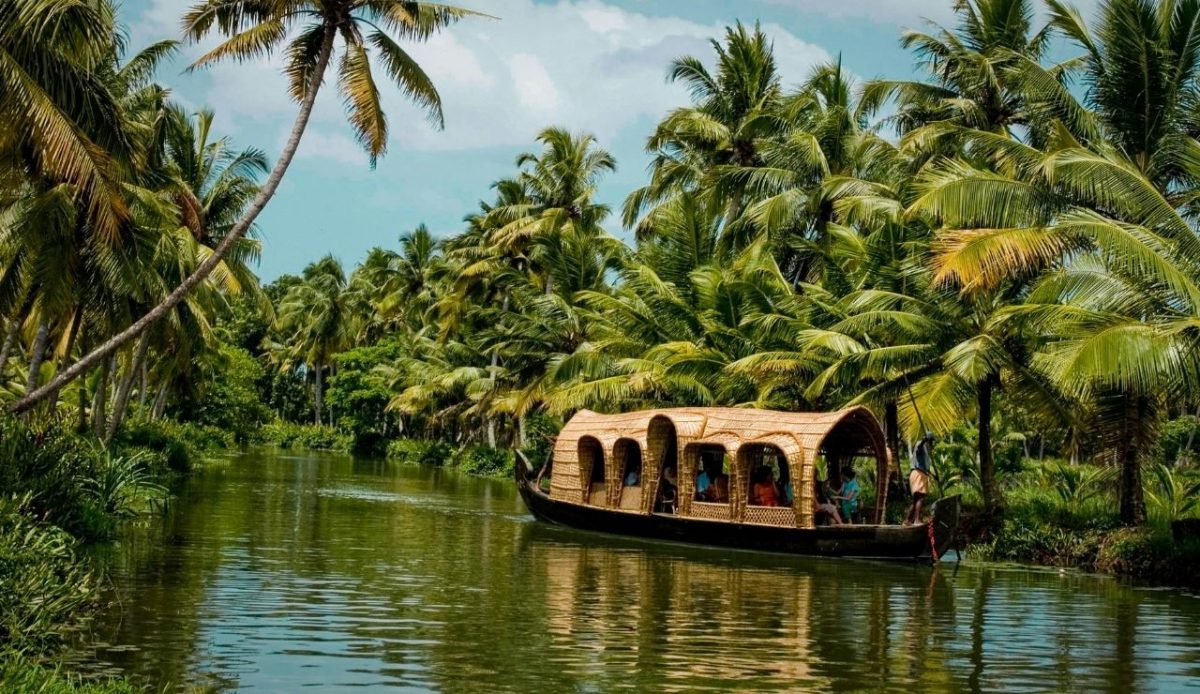
Kodinhi, a small town in Kerala, is famous for its unusually high rate of twin births, celebrated as a unique phenomenon. Travelers often visit during local festivals and rituals, learning about family traditions linked to twin births. Residents share stories, ceremonies, and customs honoring this rare occurrence. Cultural events incorporate local music, dance, and food, providing insight into regional lifestyle. Visitors experience an intimate environment where biology, folklore, and tradition intersect, making Kodinhi an extraordinary example of how unusual local phenomena shape community identity in India.
5. Alanganallur, Tamil Nadu
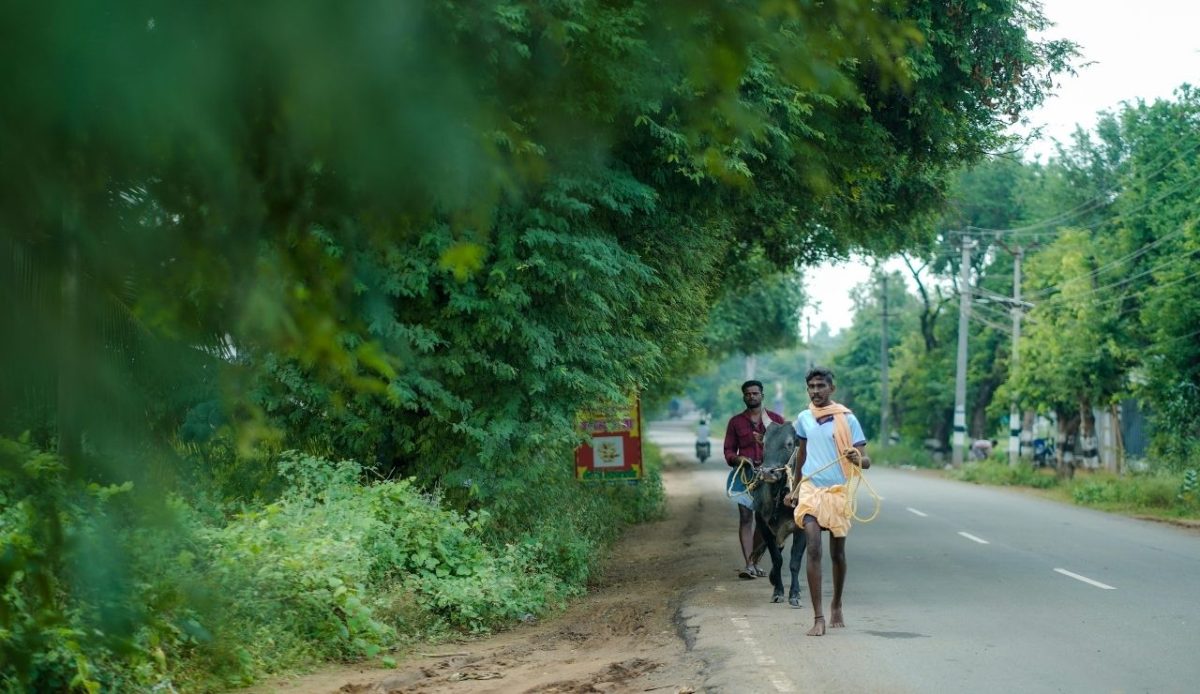
Alanganallur comes alive during Pongal with Jallikattu, a traditional bull-taming sport testing bravery and skill. Travelers witness men holding bulls by the hump as crowds cheer and drums beat. The event symbolizes valor, heritage, and agrarian culture, attracting locals and tourists alike. Safety measures, rituals, and ceremonial openings emphasize respect for tradition. Alanganallur’s adrenaline, cultural pride, and festival energy provide visitors firsthand experience of Tamil Nadu’s rural customs. Jallikattu highlights the enduring bond between communities, livestock, and centuries-old celebratory practices.
6. Khajuraho, Madhya Pradesh
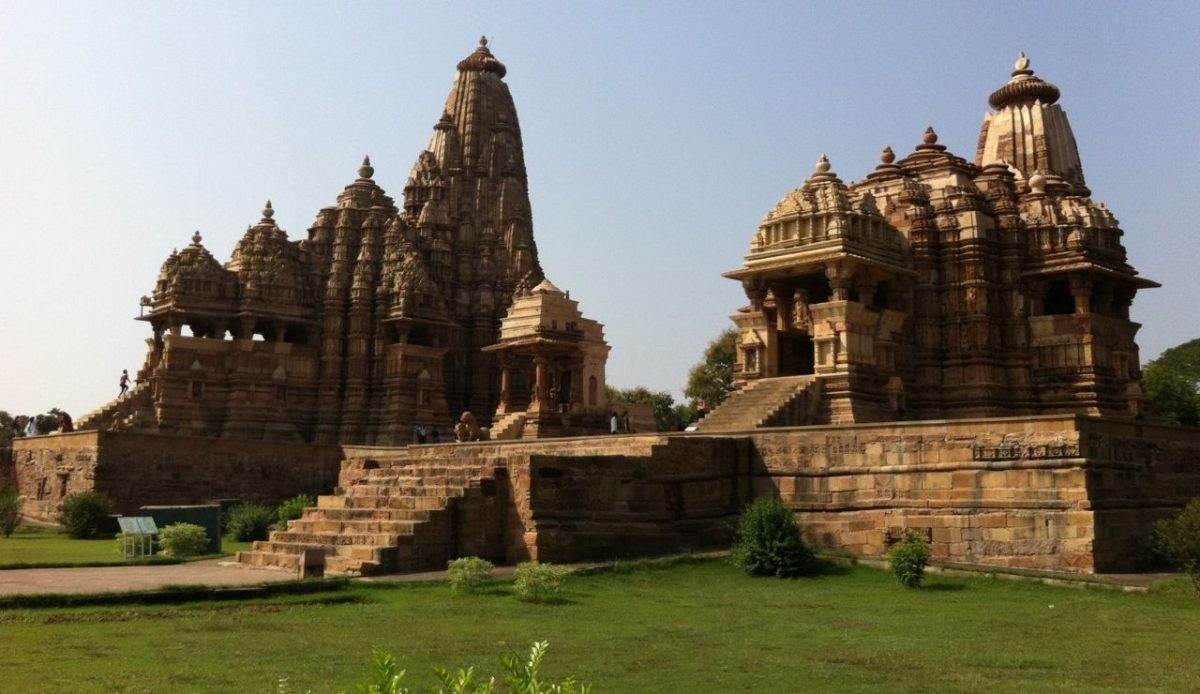
Khajuraho, famous for its intricately carved temples, hosts the annual Dance Festival, celebrating classical Indian dance forms. Travelers witness performances in temple courtyards illuminated by floodlights, featuring Kathak, Bharatanatyam, and Odissi. The festival blends history, art, and spirituality, with artisans selling crafts and food, adding cultural depth. Visitors gain insight into the preservation of heritage and performing arts, observing how monuments inspire contemporary expression. Khajuraho’s festival provides a mesmerizing combination of aesthetics, rhythm, and communal celebration, leaving a lasting impression on all visitors.
7. Varanasi, Uttar Pradesh
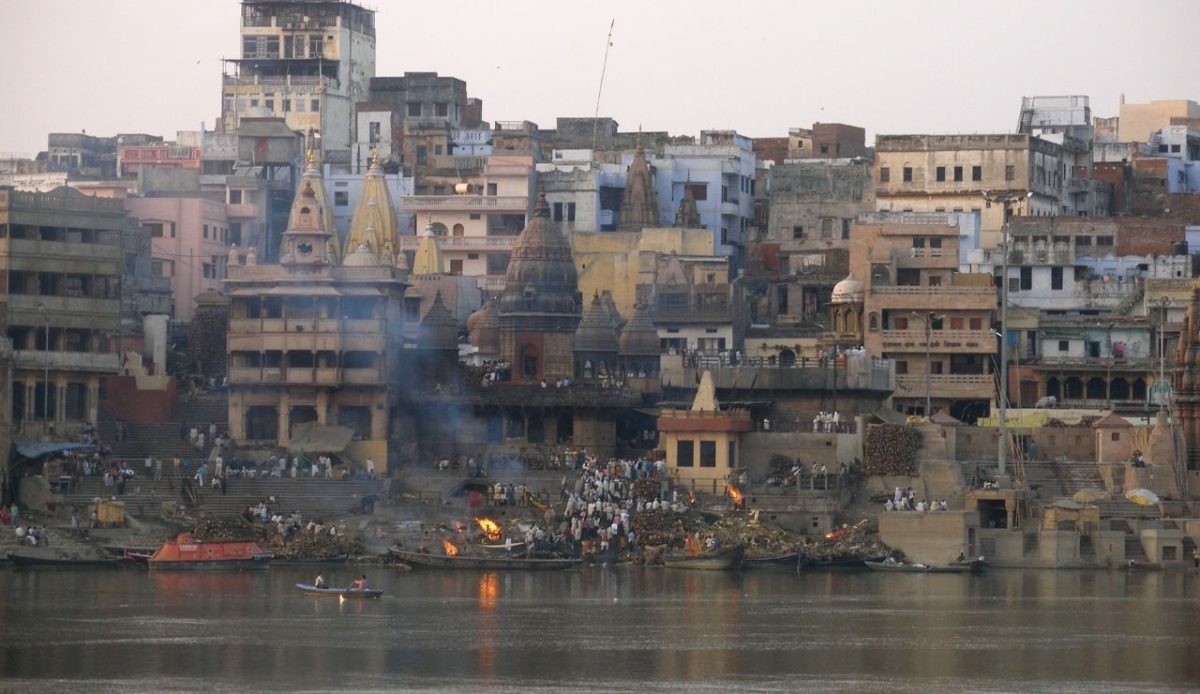
Varanasi, India’s spiritual capital, hosts the Ganga Aarti each evening along the ghats, a ritual worshiping the holy river. Travelers witness priests performing synchronized ceremonies with lamps, incense, and chants, while devotees and tourists gather in awe. Festivals like Dev Deepawali and Makar Sankranti amplify the spectacle with lights, fireworks, and cultural displays. The rituals showcase the city’s deep spiritual heritage and continuity of traditions over centuries. Varanasi offers an immersive experience where ancient ceremonies coexist with modern tourism, highlighting India’s enduring religious vibrancy.
8. Patna, Bihar
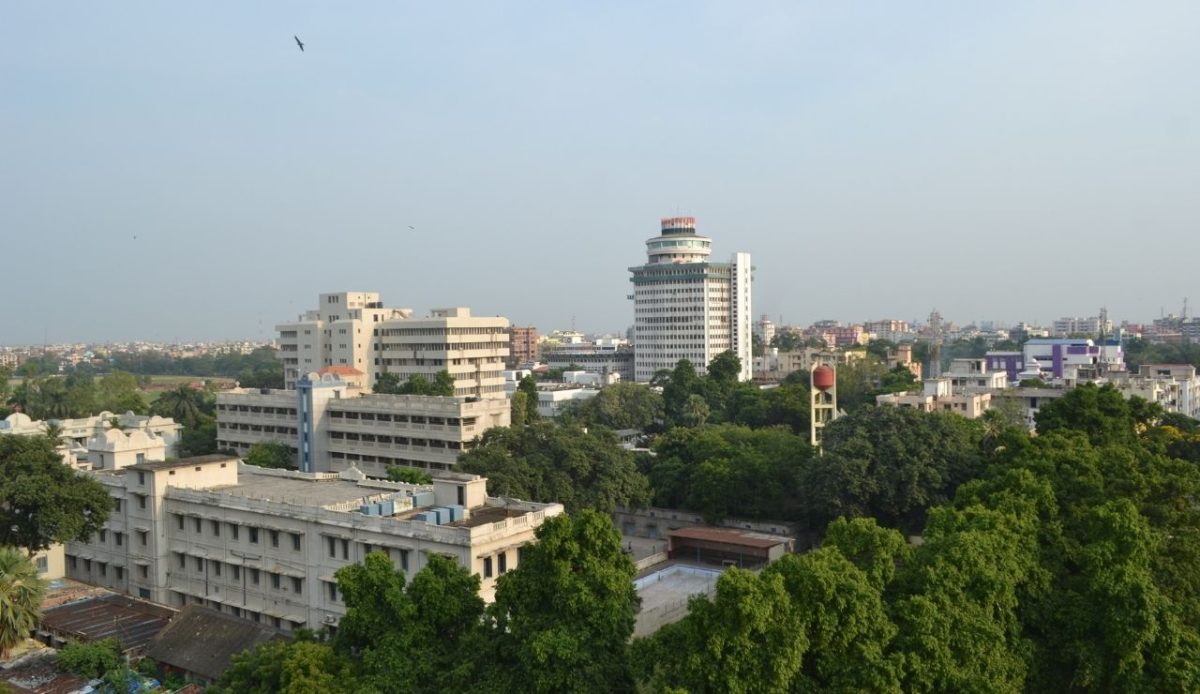
Patna comes alive during Chhath Puja, a festival dedicated to the Sun God, celebrated along the Ganges with prayers, offerings, and communal bathing. Travelers witness thousands of devotees performing rituals at sunrise and sunset, reflecting devotion, gratitude, and environmental reverence. Temporary platforms, music, and local food stalls create a festive yet spiritual ambiance. The festival emphasizes family, community, and cultural continuity. Visitors can participate respectfully or observe traditional rites, gaining insight into Bihar’s heritage and the influence of religious festivals on local identity and social cohesion.
9. Pushkar, Rajasthan
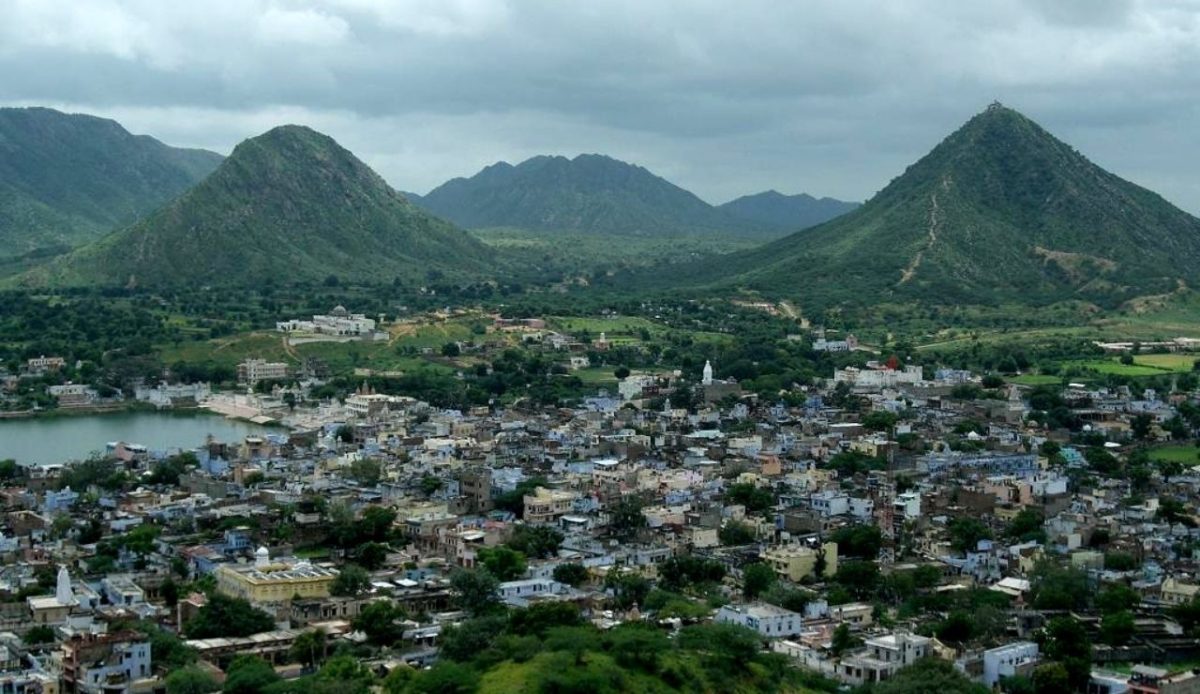
Pushkar hosts the world-famous Camel Fair, combining livestock trading, competitions, and cultural festivities. Travelers enjoy camel races, mustache contests, folk dances, and vibrant marketplaces. Traditional rituals, music, and handicrafts add color to the event, reflecting centuries-old customs. Visitors experience local cuisine, art, and performances, immersing themselves in Rajasthan’s rural heritage. Pushkar exemplifies how agricultural, religious, and social traditions converge into grand celebrations. The fair provides a dynamic cultural experience where tourism, community pride, and historical continuity come together.
10. Mawlynnong, Meghalaya
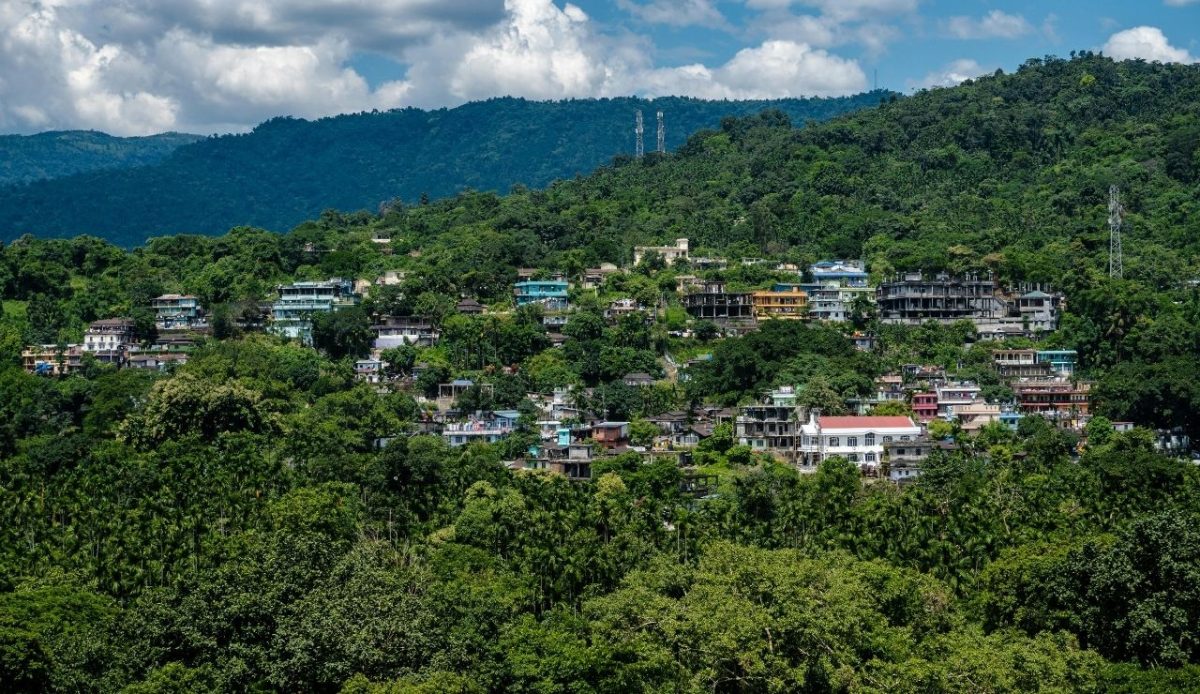
Mawlynnong, known as India’s cleanest village, celebrates cleanliness and community through local festivals and rituals. Travelers witness traditional Khasi dances, cultural exhibitions, and eco-friendly practices in public events. The village emphasizes harmony with nature, sustainable living, and social responsibility, creating a distinctive festival culture. Visitors can explore living root bridges, gardens, and community spaces while learning about local customs. Mawlynnong highlights how cultural pride and environmental stewardship intersect, offering travelers a glimpse into a community where traditions and social cohesion thrive.
