
Moving to Canada can be exciting and rewarding when you understand how life works there. Immigration systems, housing, healthcare, and taxes differ from country to country, so learning the essentials helps you adapt quickly. Each province has its own policies, weather, and living costs, which makes preparation essential. Knowing these key points before relocating helps you plan better, save money, and begin your new life with confidence.
1. Winter Roads Weather Readiness And Vehicle Insurance Basics

Canadian winters can be harsh, and preparation makes driving safer and less stressful. Drivers should install winter tires and carry emergency kits that include blankets, flashlights, and non-perishable snacks. Some provinces legally require snow tires between set dates, and fines apply when rules are ignored. Vehicle insurance rules differ across Canada, with coverage options and claims handled by private or public agencies depending on location. Reviewing policy details and understanding deductibles ensures you stay protected during winter travel and severe storms.
2. Proof Of Funds, Language Tests, And Educational Credential Assessments

Applicants must show financial stability when applying for permanent residence. Immigration programs often require proof that you can support yourself and your dependents upon arrival. English or French language tests verify communication ability, and scores must meet the program’s minimum standards set by approved testing agencies. An Educational Credential Assessment confirms that your foreign degrees match Canadian qualifications. Preparing these documents early simplifies the process and prevents delays. Keeping clear records ensures your file remains accurate during each stage of immigration review.
3. Permanent Resident Residency Obligation And Citizenship Timeline
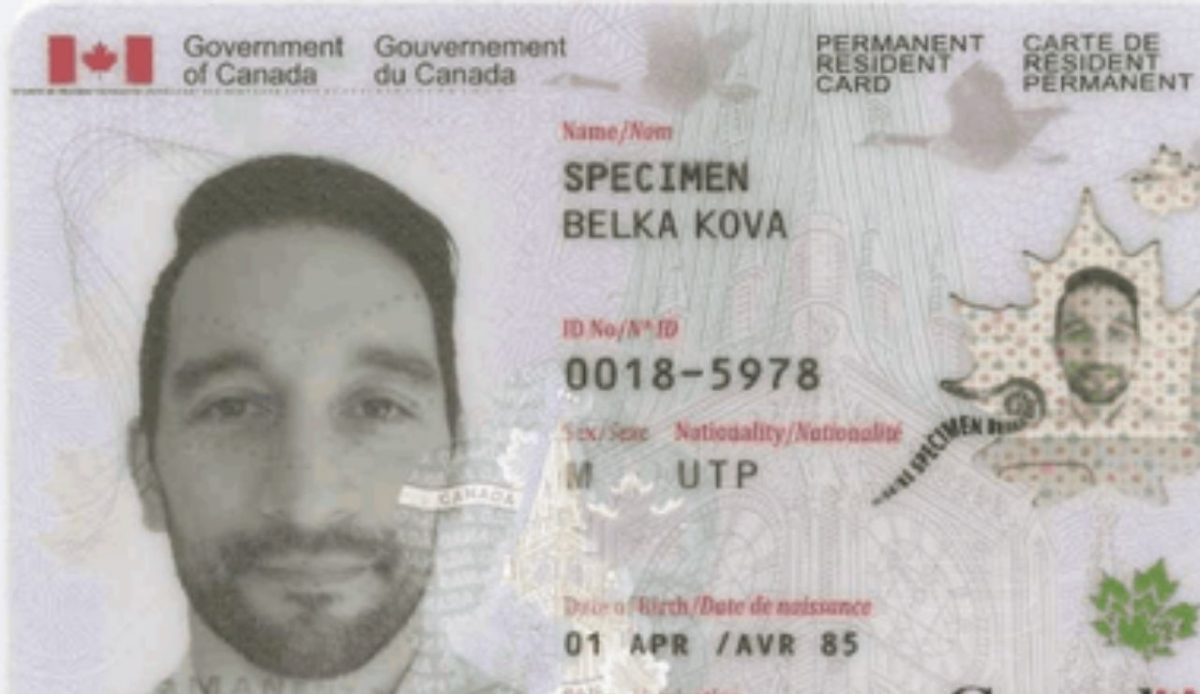
Holding permanent resident status comes with responsibilities. To keep this status, residents must live in Canada for at least two years within every five years. Those who spend long periods abroad risk losing their residency and may need to reapply. After several years of living in the country and meeting language and tax obligations, permanent residents may apply for citizenship. Tracking travel history and maintaining consistent residency records with proper documentation makes the application process faster and easier.
4. Public Health Care Coverage And Newcomer Wait Periods

Canada provides publicly funded health care through provincial systems. New residents must apply for a health card once they settle in their new province. Some areas start coverage immediately, while others require up to three months before activation. Private insurance is helpful during that gap, especially for prescriptions and emergency visits that can be costly. Health plans vary by province, so reviewing coverage details before moving ensures you understand what is included. Being prepared helps you avoid medical costs and receive care without interruptions.
5. Taxes, Benefits, And Your First Return As A New Resident

After arrival, newcomers must file taxes on all income earned in or outside Canada from the date they become residents. The filing deadline is usually April 30 each year, and penalties apply for late submission. Opening an online account with the Canada Revenue Agency helps track payments and refunds through secure login tools. New residents may qualify for benefits such as the GST/HST credit and family allowances. Saving receipts for eligible expenses like moving or housing costs makes tax filing easier. Understanding the system early prevents confusion during your first tax season.
6. Cost Of Living And Sales Taxes Vary By Province And Territory

Living expenses differ widely across Canada, and research is key before arrival. Major cities such as Toronto and Vancouver have higher rents and transportation costs than smaller centers like Regina or Halifax. Provinces charge their own sales taxes in addition to the federal Goods and Services Tax, which raises prices on most daily goods and services. Utilities, food prices, and public transit also vary by region, influenced by distance and seasonal demand. Creating a budget based on verified local data helps prevent financial strain and supports smoother planning.
7. Renting A Home: Leases Deposits, Condition Report,s And Tenant Rights

Rental laws differ from one province to another, so understanding them early is important. Most agreements last twelve months and include a refundable deposit that landlords must keep in trust. A written inspection at move-in records any existing damage and protects both tenant and landlord if conflicts arise later. Rent increases must follow provincial rules, and landlords cannot keep deposits for regular wear. Reading tenancy guides provided by provincial housing departments clarifies rights and obligations and helps tenants avoid disputes during renewal or move-out.
8. Opening A Bank Account And Building Canadian Credit History

Opening a bank account soon after arrival helps manage income and daily payments efficiently. Most banks require a passport, immigration documents, and proof of address, such as a lease or utility bill. Building credit starts with paying bills on time, keeping card balances low, and avoiding unnecessary loans. A strong credit score often helps when renting housing or financing a car. Comparing newcomer packages at different banks allows you to find lower fees, flexible transfers, and online tools designed for recent immigrants. Responsible habits early create long-term financial security.
9. Social Insurance Number, Provincial IDs, And Essential Documents
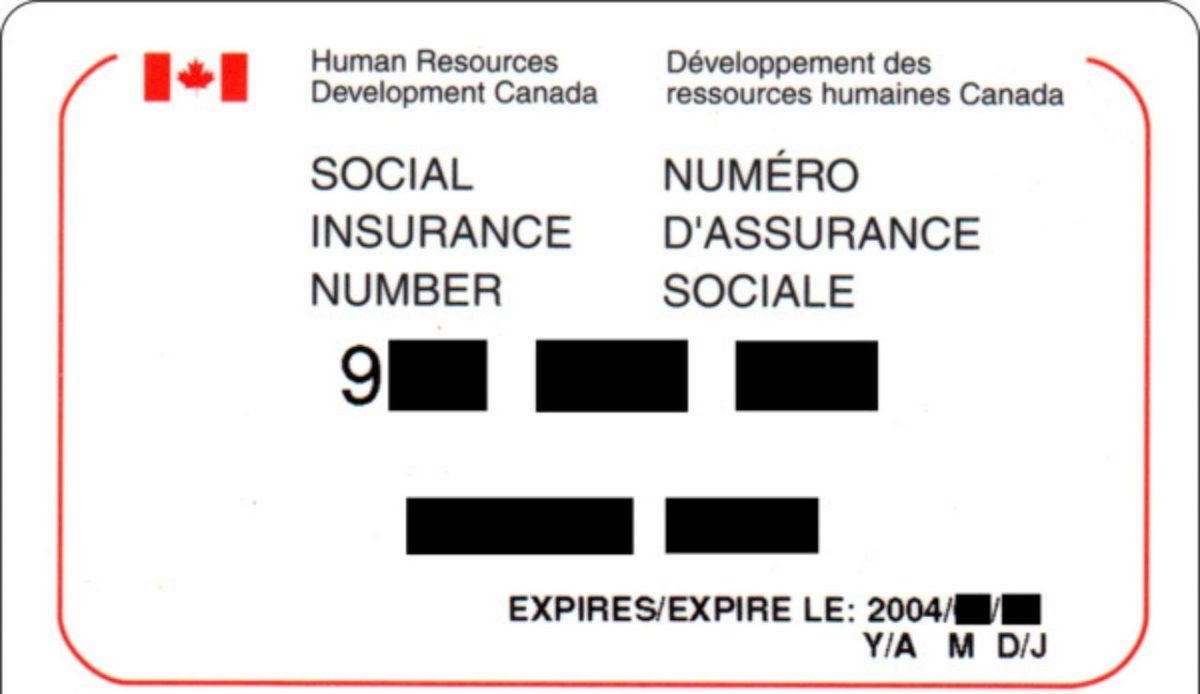
A Social Insurance Number is required for employment, taxes, and access to most public programs. Applications can be made at Service Canada offices or online using verified identity documents. Provincial identification cards also serve as legal proof of address, which many institutions require to open accounts or register services. Keeping important papers such as job offers, leases, and immigration records well-organized saves time during renewals or address changes. Digital backups on secure drives prevent setbacks when replacing lost or expired documents later.
10. Mobile Phone And Internet Plans, Contracts, Coverage, And Low-Cost Options

Telecom services in Canada often cost more than in other countries, so comparison helps. Many carriers use contracts that last two years, while prepaid options offer flexibility for newcomers. Urban coverage is strong, though remote areas may have weaker signals depending on the provider. Bringing an unlocked phone allows switching carriers without paying extra. Community programs and smaller networks provide affordable internet and mobile data plans. Understanding billing cycles and data limits helps manage expenses and prevents unexpected charges on monthly statements.
