
Historic neighborhoods are often living communities, not just backdrops for photos. Across the U.S., some residents say heavy visitor traffic strains daily life, from noise and litter to packed sidewalks and curbside congestion.
This article looks at ten well-known districts where locals, preservation groups, or city officials have debated the impacts of tourism. The point isn’t to shame travelers, but to show how popularity can change housing, storefronts, and street culture over time.
If you visit any of these places, small choices matter: keep voices down at night, respect private porches and courtyards, and spend money with long-standing local shops.
1. French Quarter, New Orleans, Louisiana
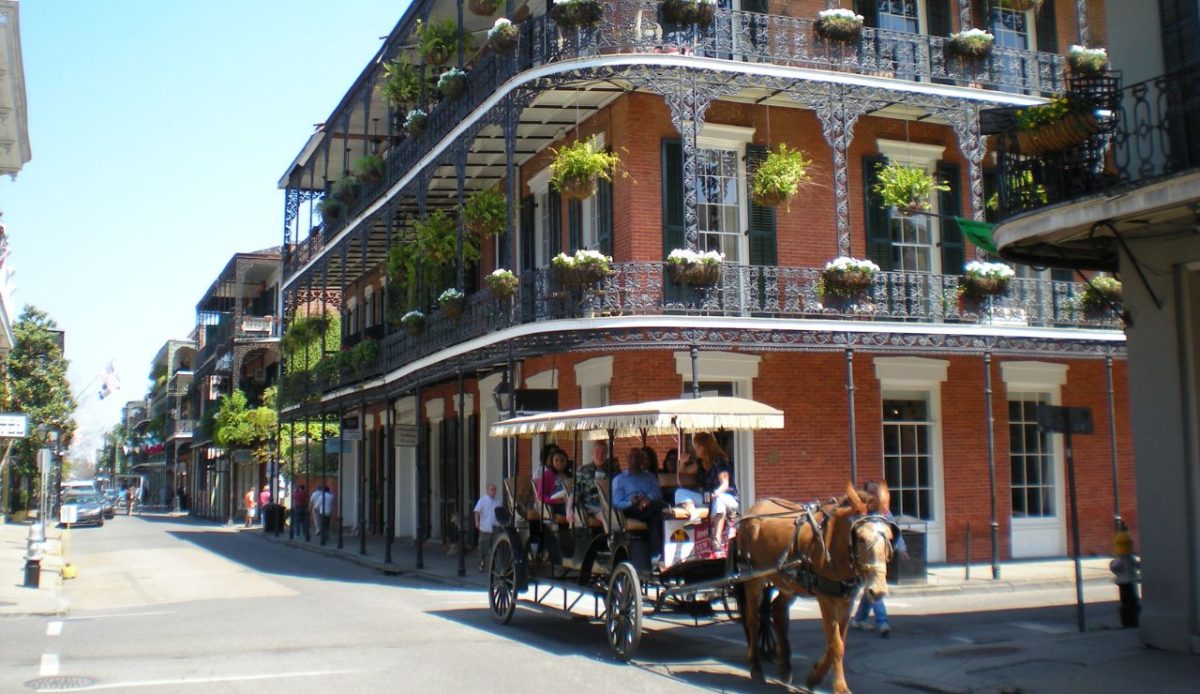
The French Quarter’s narrow streets were built for foot traffic, not constant nightlife crowds. Residents and preservation advocates have long complained that party tourism brings late-night noise, public drinking spillover, and extra cleanup costs for crews.
Short-term rentals have also been a flashpoint, with critics saying they reduce long-term housing and shift buildings toward mini-hotels. City rules and enforcement have changed over the years as officials try to balance visitors with residents.
Tour respectfully by keeping to busy corridors after dark, using licensed tours, and treating balconies and stoops as private space, not seating.
2. Historic District, Charleston, South Carolina
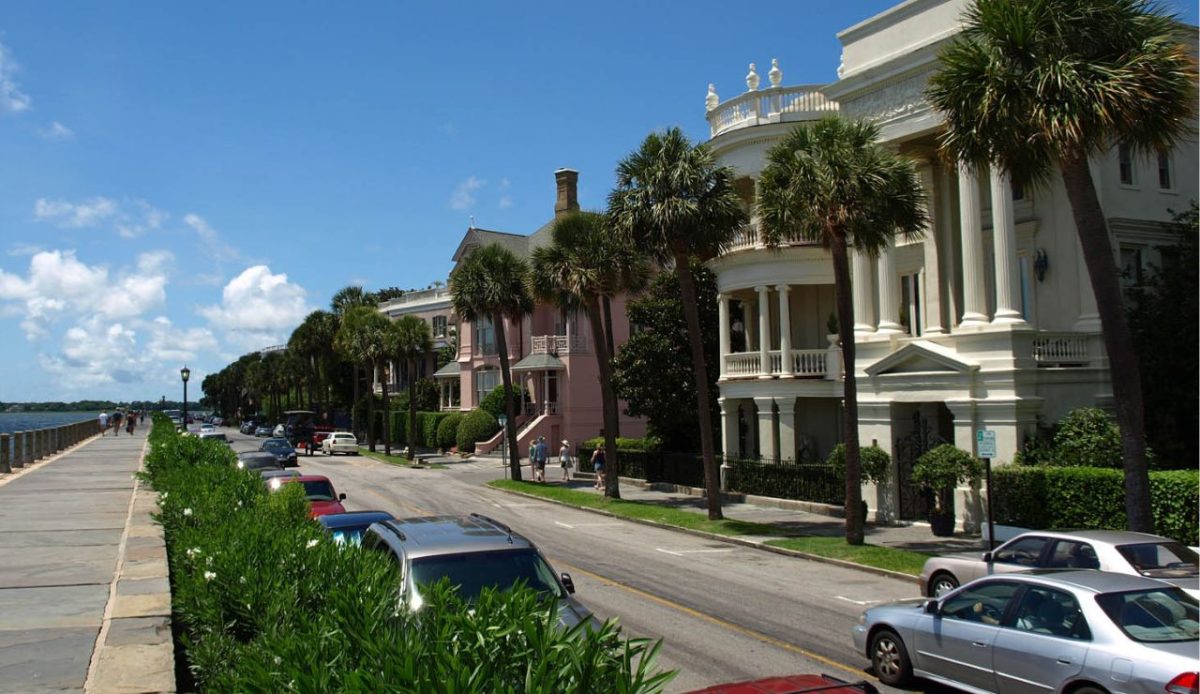
Charleston’s Historic District is prized for intact streetscapes, gardens, and centuries-old homes. Locals say the city’s popularity can turn residential blocks into informal photo sets, with visitors peering into gates or lingering on steps.
Wedding parties and influencer shoots can add to the friction, especially when props, drones, or loud directions spill into quiet areas. Carriage tours and tour buses are another frequent complaint, tied to congestion and repeated wear on small streets.
Stick to public sidewalks, avoid blocking driveways for pictures, and choose small-group walking tours that keep noise down on narrow lanes year-round.
3. Georgetown, Washington, D.C.
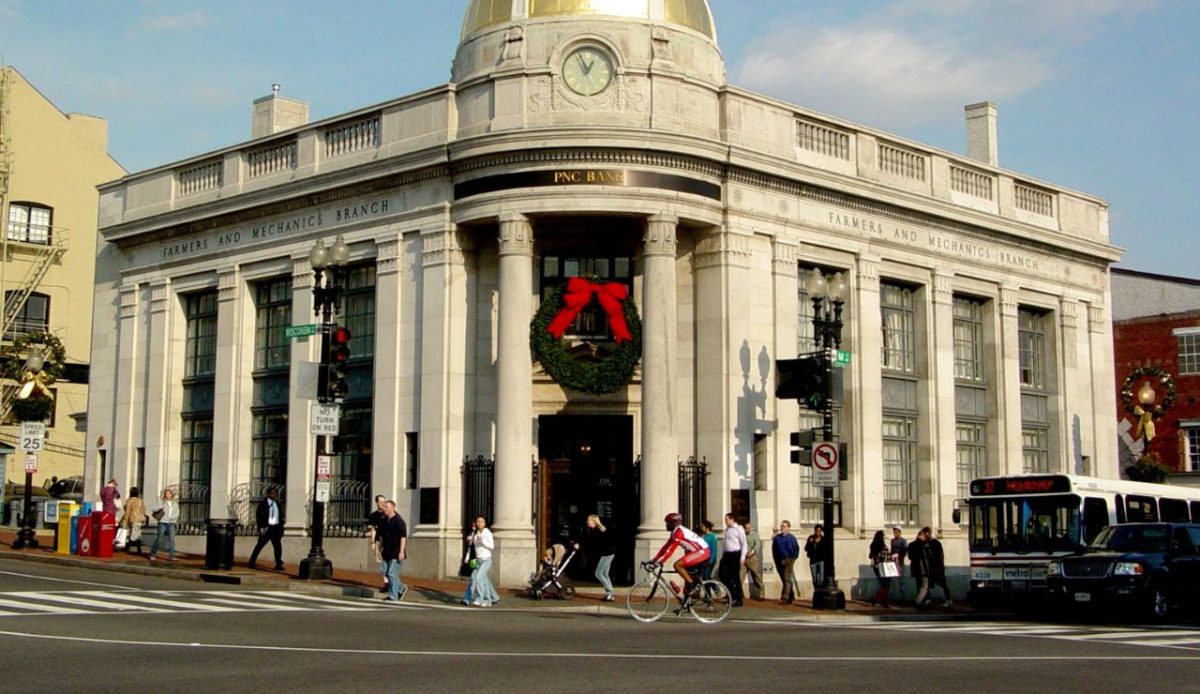
Georgetown mixes historic rowhouses with major retail, waterfront parks, and a university, so visitor volume is baked in. Residents still argue that weekend crowds, rideshares, and restaurant lines can overwhelm tight streets and limited parking.
Some complaints focus on nightlife around popular corridors, where late hours and curbside noise disrupt nearby blocks. Preservationists also watch renovations closely, worried that high demand can pressure older buildings and small local businesses.
Travel smart by using transit or walking from Metro areas, keeping to commercial streets for dining, and treating side streets as people’s front yards.
4. Beacon Hill, Boston, Massachusetts
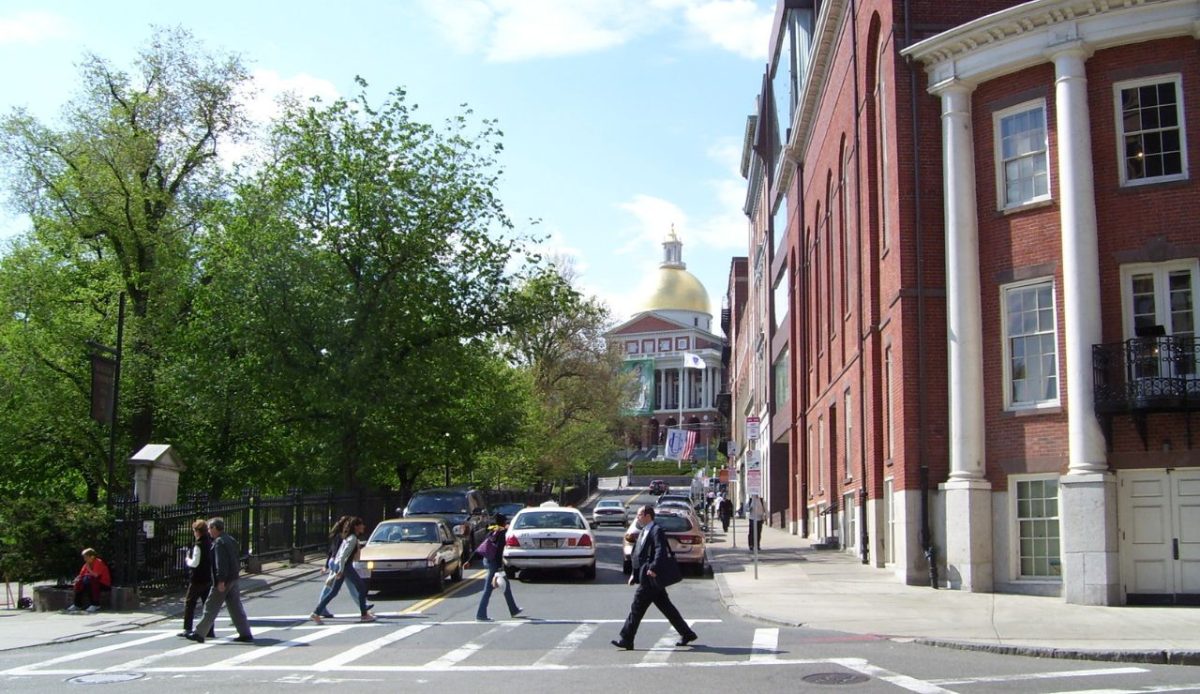
Beacon Hill’s brick sidewalks, gas lamps, and compact lanes make it one of Boston’s most photographed areas. That attention can be tiring for residents, who report doorways used as props, peak-season crowding on the steepest streets, and trash on stoops.
The neighborhood’s age adds practical limits: narrow roads, scarce loading space, and fragile steps aren’t designed for constant foot traffic. Local groups often emphasize that the district is a residential place first, with real routines.
Visit early, keep moving on narrow sidewalks, and save long photo sessions for nearby public spaces like the Common rather than private entryways or steps.
5. Historic District, Savannah, Georgia
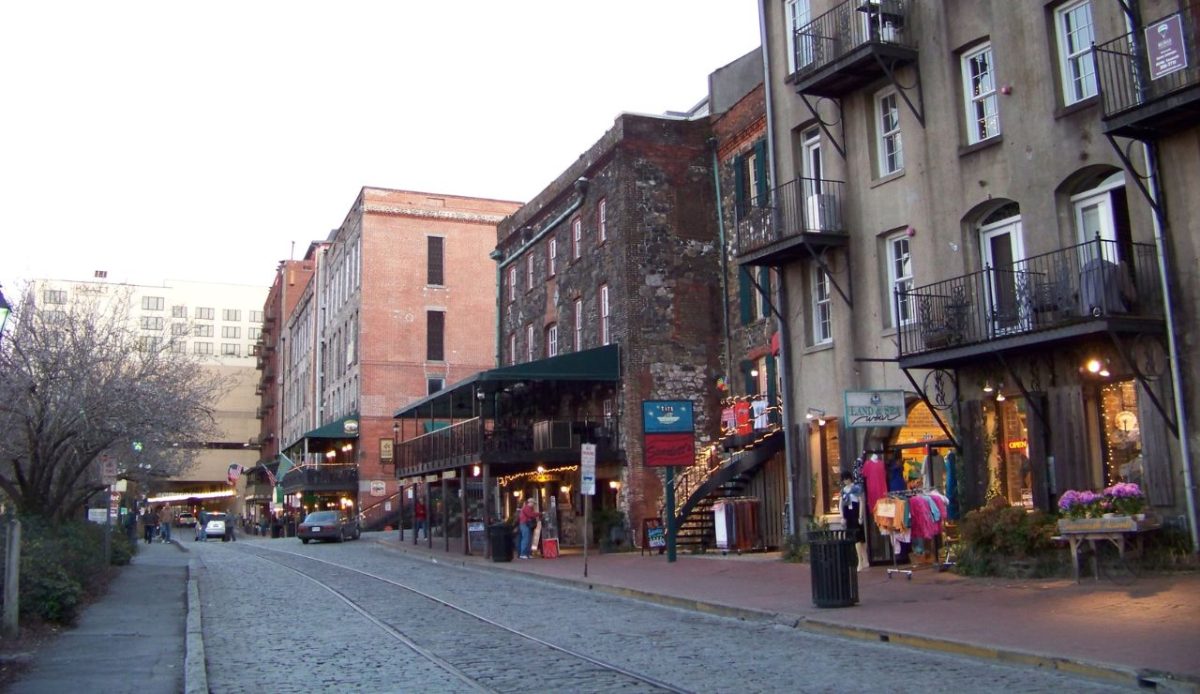
Savannah’s Historic District is organized around famous squares that draw walkers, trolley tours, and weekend trips. Locals have raised concerns about open-container behavior near popular routes, plus the pressure that festivals and bachelorette groups can create.
Another debate centers on housing, where critics say short-term rentals and second homes can thin out year-round neighbors. Supporters counter that tourism helps maintain historic buildings and keeps restaurants and museums operating.
To reduce friction, follow alcohol rules, keep tours small in the squares, and spread your spending beyond the busiest blocks so local services can diversify.
6. Old Town, Key West, Florida
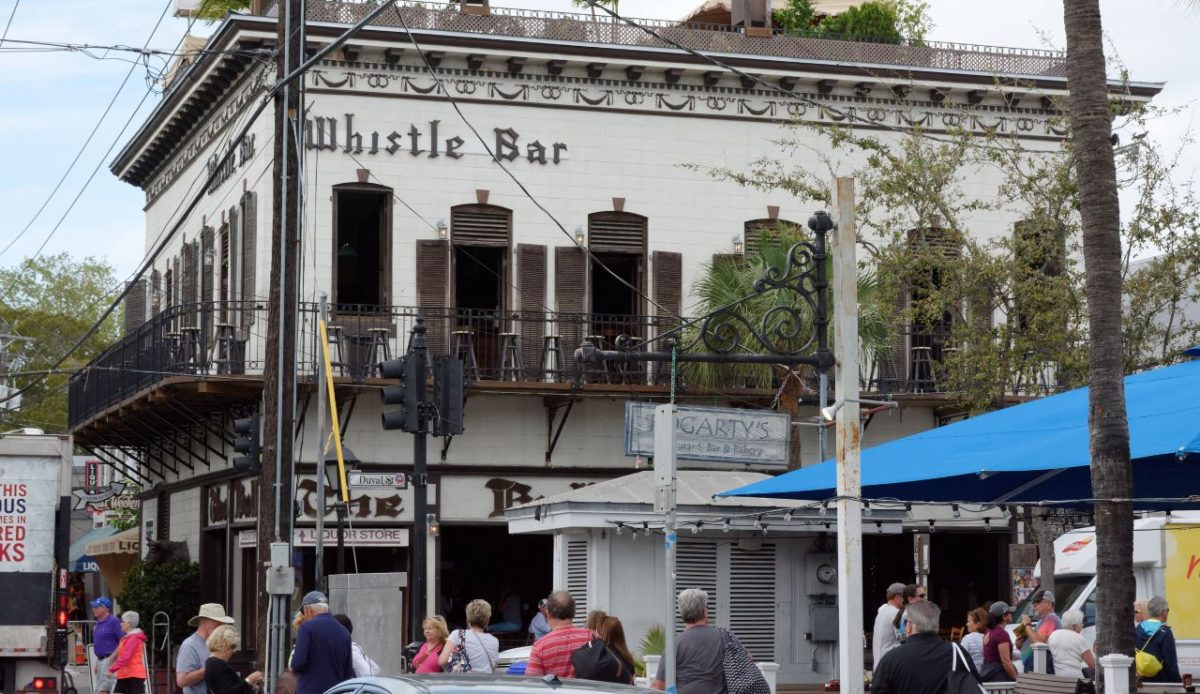
Old Town Key West is a compact historic grid where the daily pace can collide with cruise-day surges. Residents often point to crowded sidewalks, scooter and bike conflicts, and loud bar traffic as the downsides of the island’s popularity, especially in peak season.
Housing is also a recurring issue, with limited land and high demand pushing prices upward and encouraging short stays over long leases. Local officials regularly revisit rules for rentals, noise, and alcohol to keep streets livable.
Help by walking instead of renting a noisy vehicle, keeping nightlife to main strips, and remembering that many pastel homes are occupied, not attractions.
7. North Beach, San Francisco, California
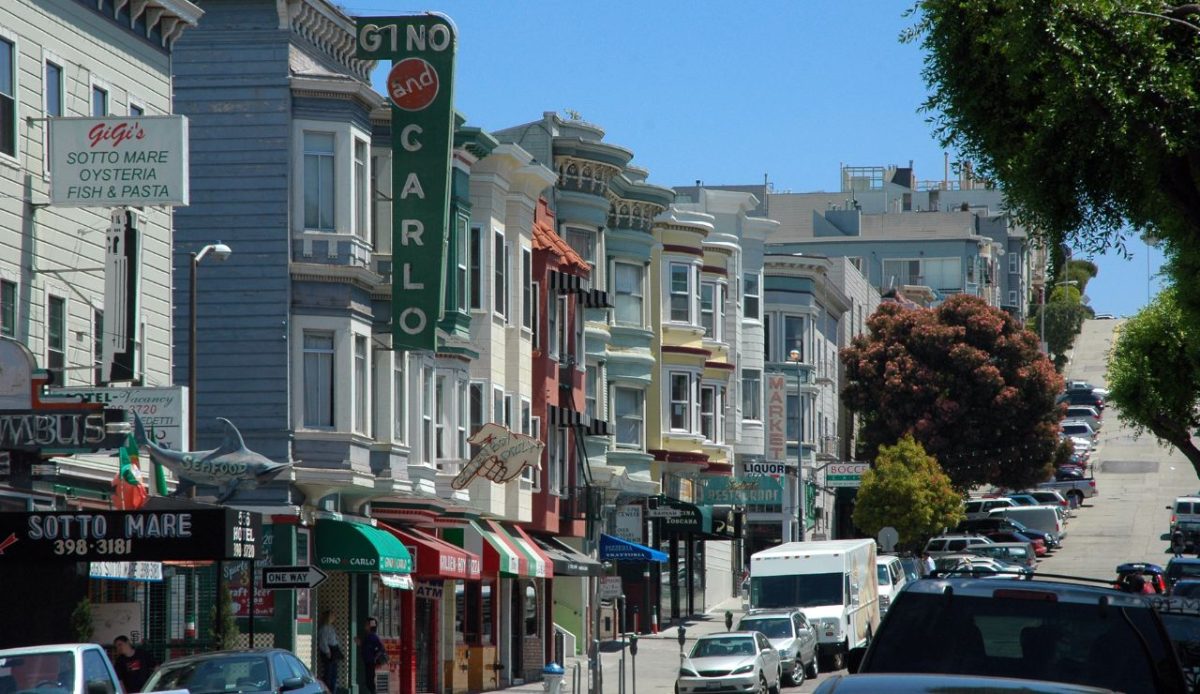
North Beach blends Italian-American heritage, Beat-era history, and busy nightlife near major visitor draws. Residents and neighborhood advocates have criticized late-night noise, parking churn, and crowds that overflow onto residential blocks after events.
Tourism can also reshape commerce, as souvenir-heavy storefronts replace everyday services and rents climb. At the same time, the area relies on visitors to sustain cafes, music venues, and small restaurants with long histories.
Be a low-impact guest: use transit, keep voices down on side streets, and spend time at museums and bookstores that preserve local stories, not just photo spots.
8. West Village, New York City, New York
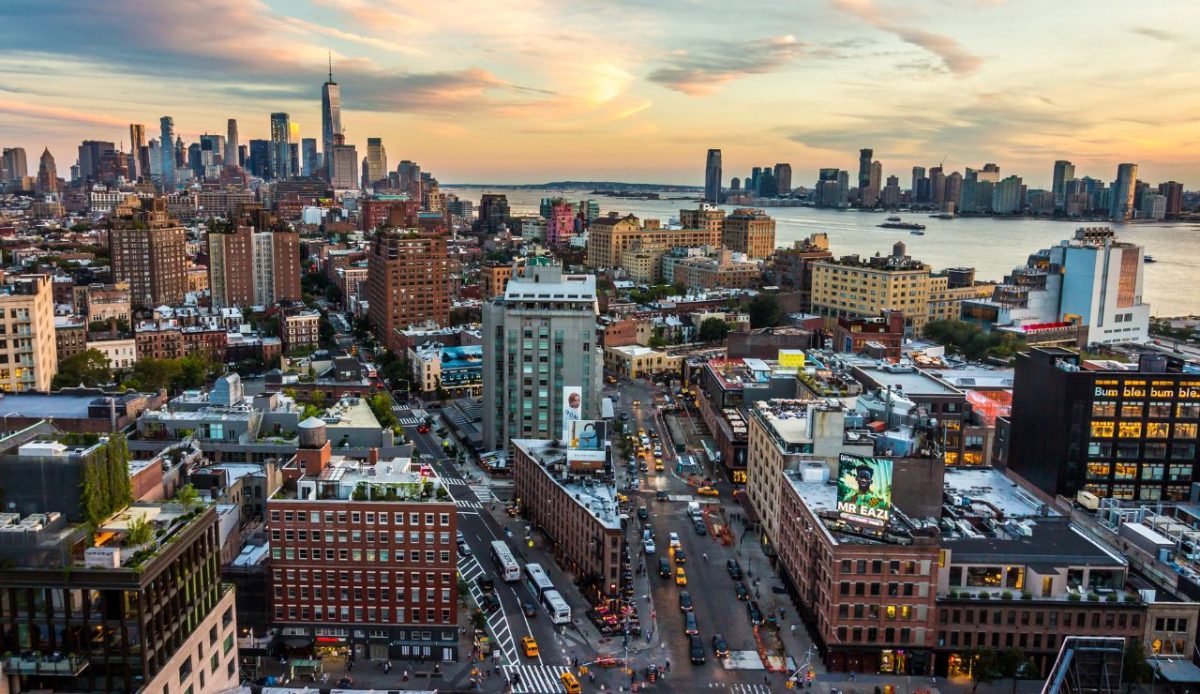
The West Village is known for irregular streets, historic townhouses, and a strong neighborhood identity. As it became a social-media staple, residents have complained about crowding on specific corners, intrusive photo shoots, and tour groups stopping in front of homes.
Nightlife and restaurant demand add another layer, with delivery traffic and ride-hail pickups squeezing narrow streets. Local boards and community groups often debate how to keep the area walkable while supporting businesses.
Visit like a neighbor would: keep moving, avoid filming people’s doorways, and plan dinners off-peak so sidewalks stay passable for residents and strollers.
9. Brooklyn Heights, Brooklyn, New York
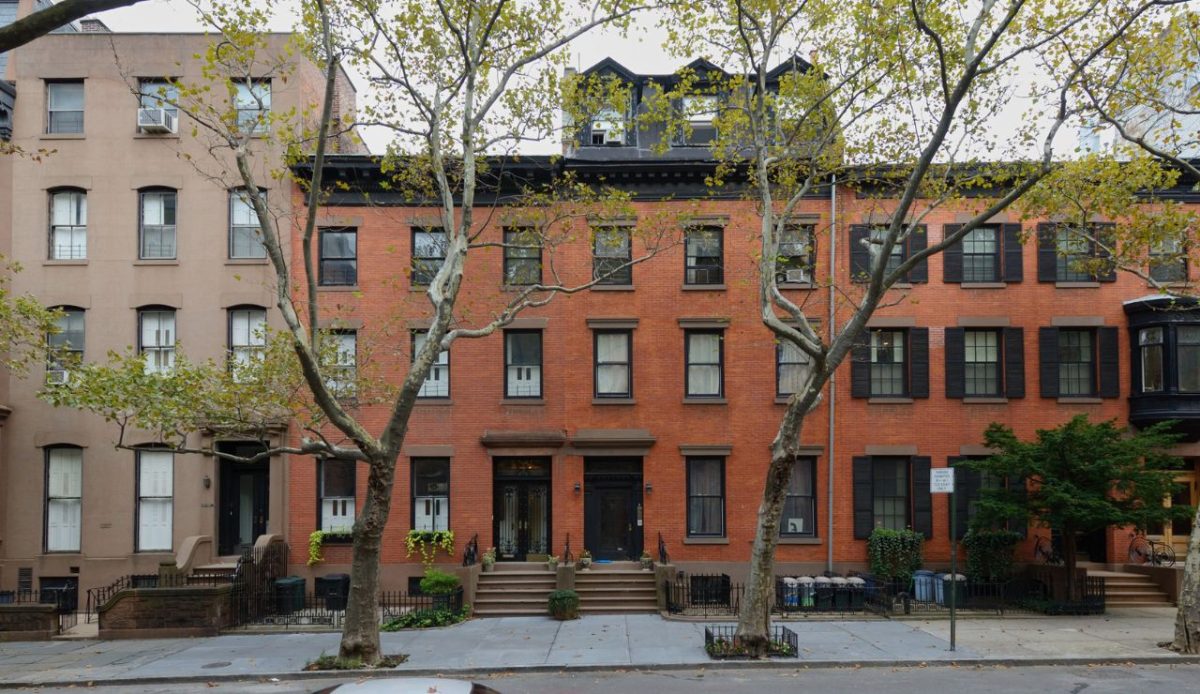
Brooklyn Heights pairs landmarked brownstones with iconic skyline views from the Promenade, making it a steady magnet for visitors. Residents sometimes argue that sightseers spill into quiet blocks, creating noise, litter, and congestion around narrow intersections.
Commercial change is part of the worry, too: as foot traffic rises, rents can push out small services in favor of visitor-oriented shops. Preservation groups also track renovations, aiming to protect the architectural character that draws people in.
Enjoy the Promenade and parks, then keep residential streets calm by limiting amplified sound, respecting stoops, and using designated crossings instead of jaywalking.
10. Historic Eastside, Santa Fe, New Mexico
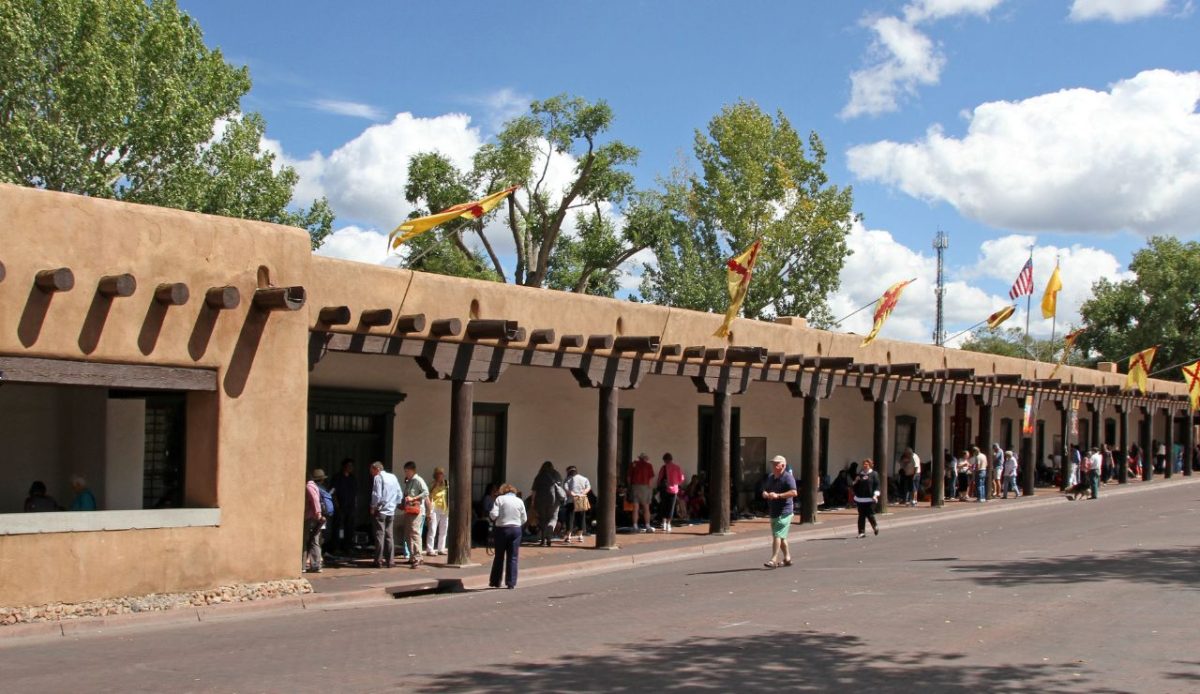
Santa Fe’s Historic Eastside, including areas near Canyon Road, mixes adobe homes, galleries, and long-standing local life. Residents have voiced concerns that heavy visitor traffic and second-home ownership can hollow out the year-round community and increase congestion on tight streets.
Art tourism is a major economic driver, but it can also shift retail toward high-end visitor spending while everyday needs move farther away. City debates often circle around parking, noise during events, and protection of traditional building forms.
Travel respectfully by parking in approved lots, walking between galleries, and treating courtyards and low garden walls as private boundaries, not shortcuts.
