
Historic travel often promises contact with real places that carried earlier American life. Yet many travelers now report that some famous heritage stops feel less rooted in local memory and more arranged for traveler throughput.
The shift usually comes from visible changes such as reconstructed streetscapes, branded retail, ticketed add-ons, and housing turnover that removes residents. When everyday use fades, the setting can read as a set rather than a neighborhood.
This article reviews ten U.S. destinations where recurring traveler commentary and credible reporting point to that gap. Each section explains the specific mechanism that can make a historic setting feel less authentic on arrival.
1. Colonial Williamsburg
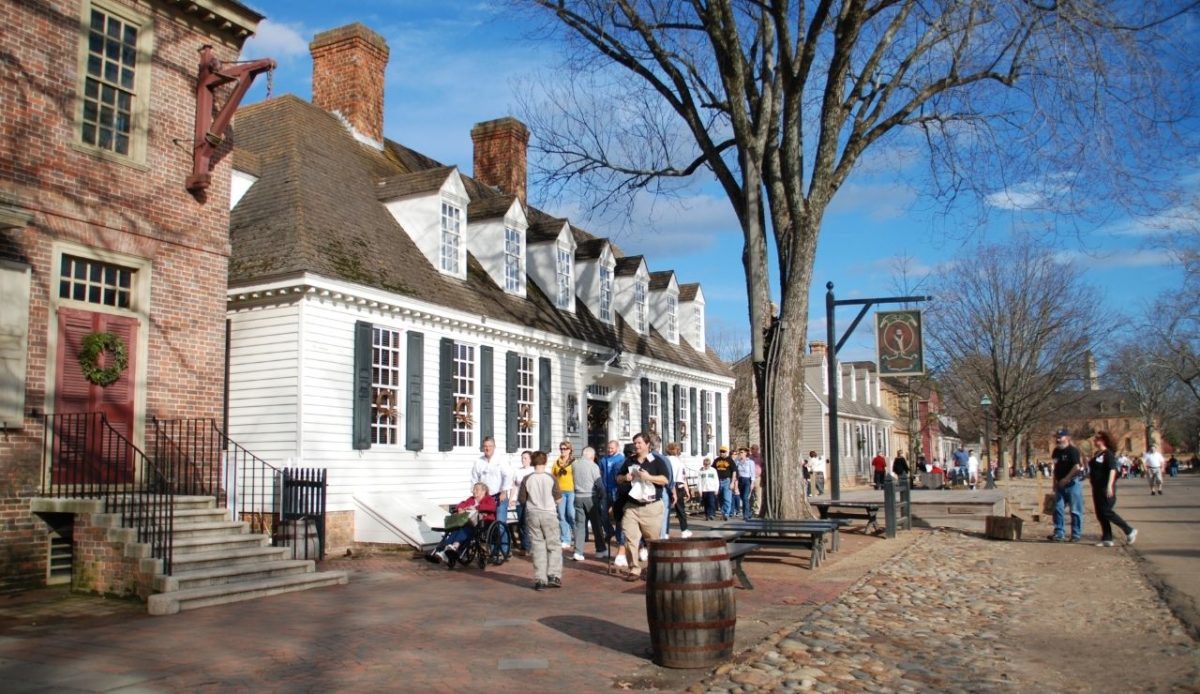
Colonial Williamsburg offers a large restored area that models Virginia life before the Revolution. Many buildings were rebuilt after the original structures disappeared, so travelers may struggle to tell what is surviving fabric and what is modern construction.
Because the site operates as a planned campus, movement is guided by admission zones, timed programs, and costed experiences. Retail streets and branded dining cluster near main routes, which can pull attention away from the historical context.
Travelers who expect a self-directed town often describe the day as staged. Even when research is careful, the blend of reconstructions and managed activity can reduce the sense of unfiltered place.
2. French Quarter, New Orleans
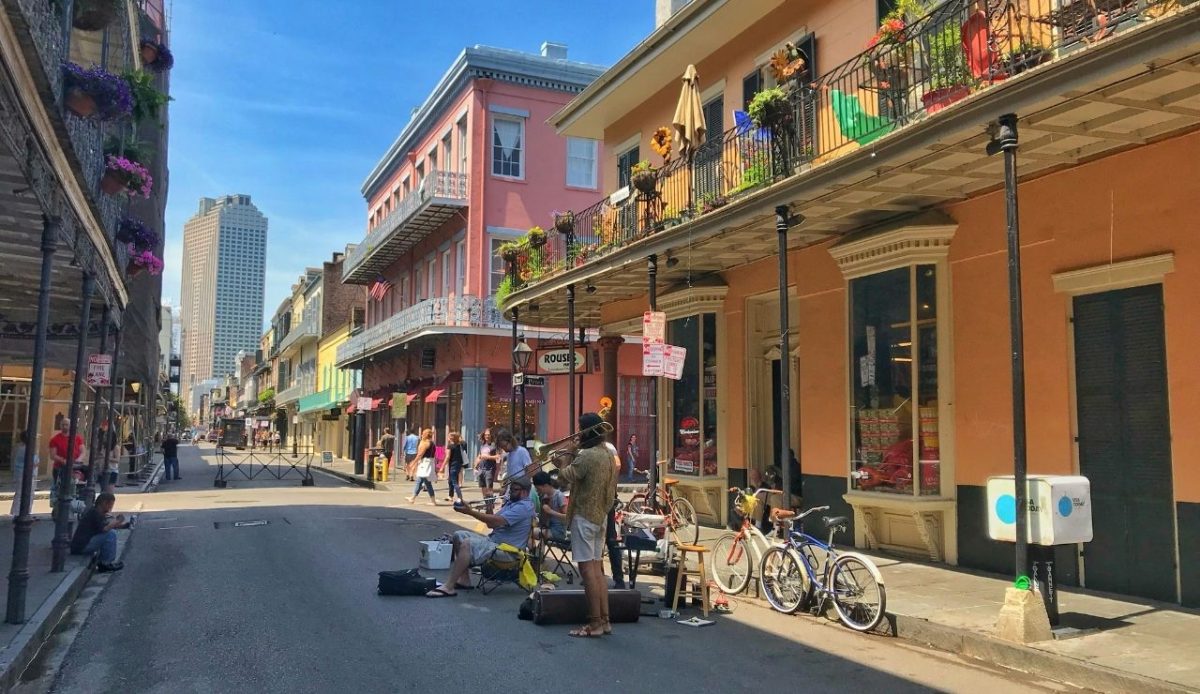
New Orleans built its French Quarter identity on dense housing, small commerce, and street life tied to residents. Travelers still see wrought iron balconies and early street grids, but many reviews note that the district feels oriented toward short trips.
A key driver is lodging turnover. When apartments shift to short-term rentals, daily routines thin out and services change toward weekend demand. Noise, policing, and signage then reflect a traveler economy rather than neighborhood use.
Travelers often describe a mismatch between historic architecture and present-day culture. The built shell remains, yet the lived texture that signals authenticity can be harder to find outside curated venues.
3. Faneuil Hall Marketplace
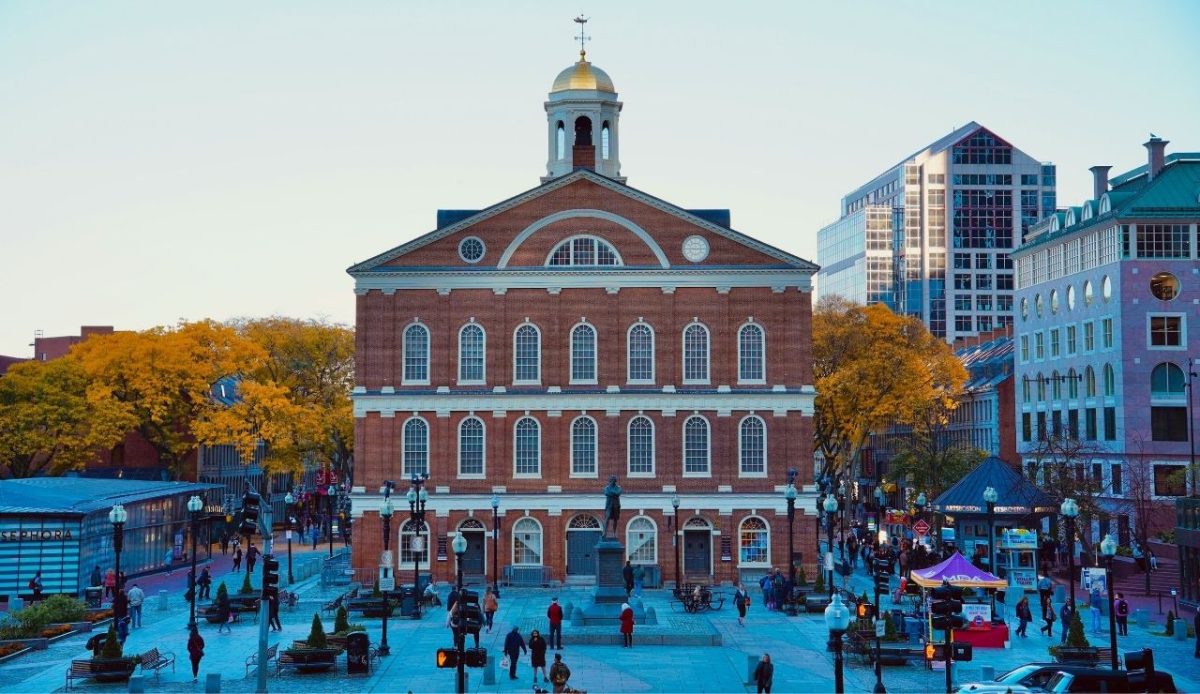
Faneuil Hall is linked to Boston’s pre-independence politics, but the surrounding experience is dominated by a festival marketplace model. Many travelers describe the area as a shopping stop first, with history treated as background.
The site’s current design funnels foot traffic through food halls and national retailers. That layout limits quiet interpretation, while crowd volume pushes people to keep moving rather than linger with exhibits or local guides.
Because commercial cues are stronger than historical cues, travelers may leave with photos but little sense of place. The landmark stays real, yet the atmosphere can feel standardized across cities.
4. South Street Seaport
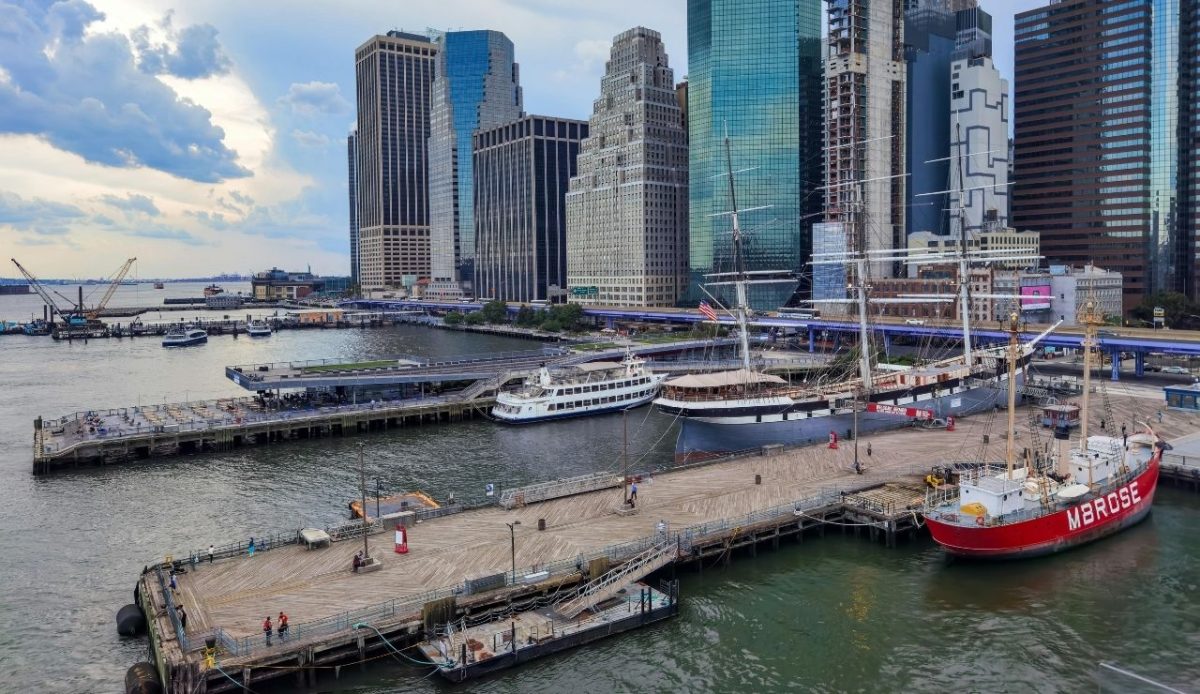
South Street Seaport began as a working waterfront tied to New York shipping and immigrant labor. Travelers today often encounter a redeveloped district where heritage streets sit beside modern retail and event spaces.
Repeated reconstruction after storms and economic shifts has prioritized revenue uses. When historic interpretation competes with leased storefronts, maritime history becomes signage rather than an active function that travelers can observe.
Many travelers say the area feels polished but detached from the port story. The place remains identifiable, yet the commercial frame can make the historic elements feel like scenery during peak hours.
5. Fisherman’s Wharf
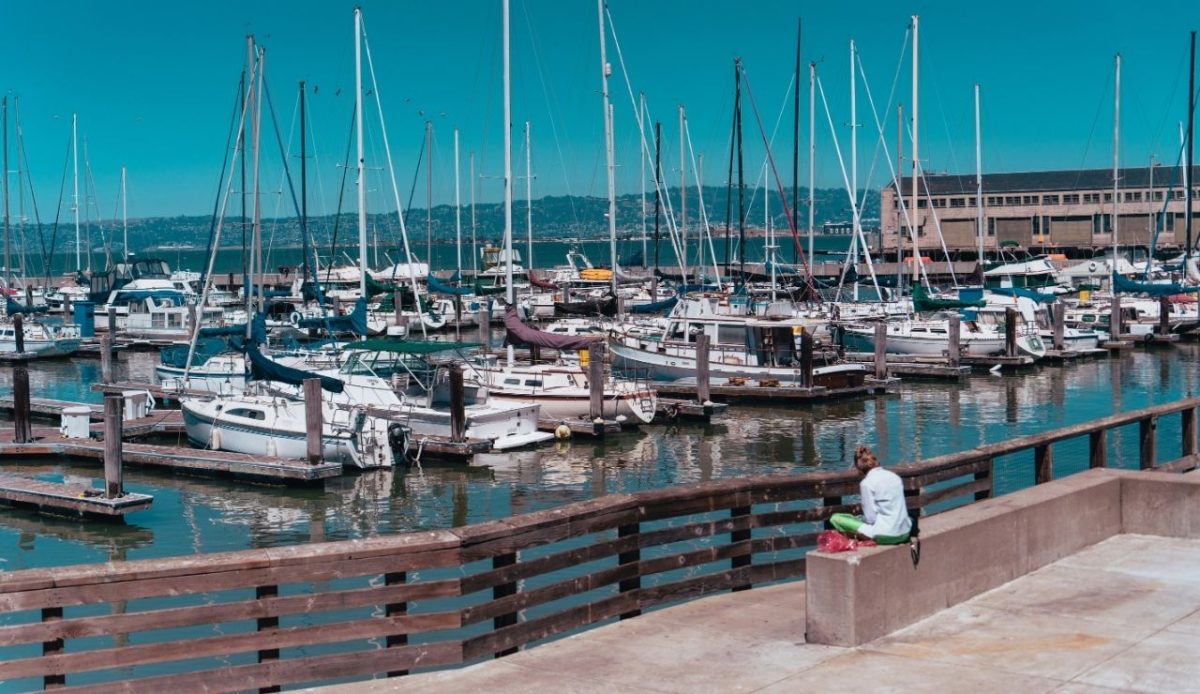
San Francisco’s Fisherman’s Wharf grew around piers, canneries, and a working fleet. Travelers still find boats and seafood, yet reviews often call the district a traveler zone that no longer reflects everyday waterfront labor.
As rents climbed, many small operators were replaced by souvenir stores and packaged tours. The remaining historic signals become props, while interpretive material is limited compared with the scale of retail and dining on the main blocks.
The result can feel like a themed shoreline rather than a port community. People who arrive seeking a living industry may sense that commerce for tourists has overtaken local function.
6. Hollywood Walk of Fame
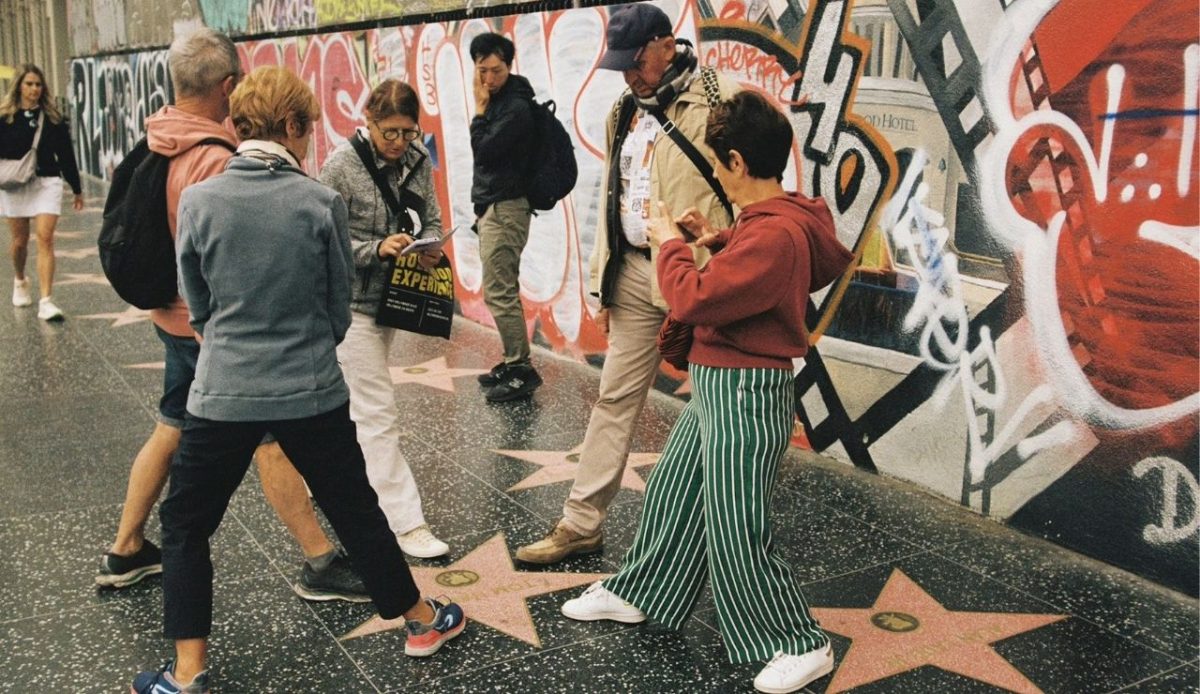
The Hollywood Walk of Fame marks film and music history with thousands of sidewalk stars. Travelers frequently report that the surrounding street experience feels chaotic and sales-driven, which can drown out any sense of heritage.
Vendors, costume performers, and crowd control shape how people move and where they stop. Context for the names is sparse on the site, so the place functions more as a photo corridor than an interpreted historic district.
When the environment demands constant navigation, travelers may struggle to connect the landmark to Hollywood’s studio past. The symbol stays iconic, but the setting can feel disconnected from history.
7. Times Square
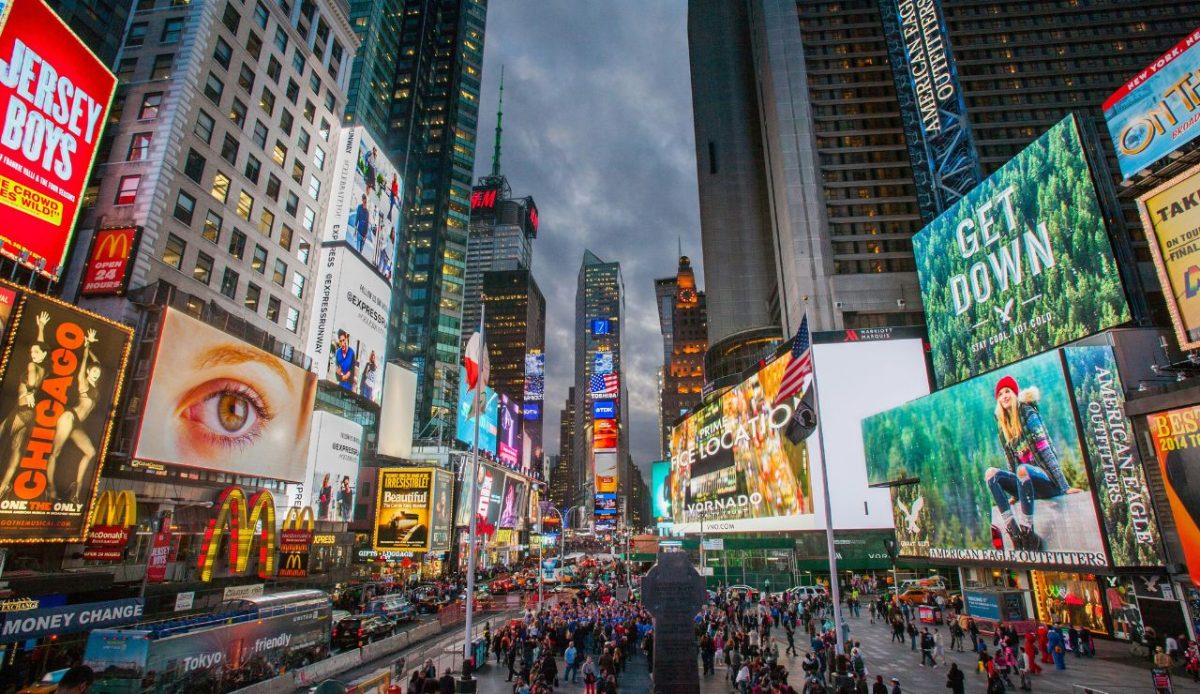
Times Square was once centered on theaters, newsrooms, and street-level commerce tied to Midtown workers. Many travelers now describe it as an advertising basin where screens, chain stores, and ticket sellers define the experience.
The modern plaza is engineered for heavy volume. Barricades, pedestrian routing, and security planning keep people flowing, but they also reduce the chance of discovering older layers of the neighborhood at street scale.
Historic playhouses still operate nearby, yet the visual field is dominated by global branding. Travelers who expected a theater district often say the place feels manufactured rather than rooted in local life.
8. Salem Witch Attractions
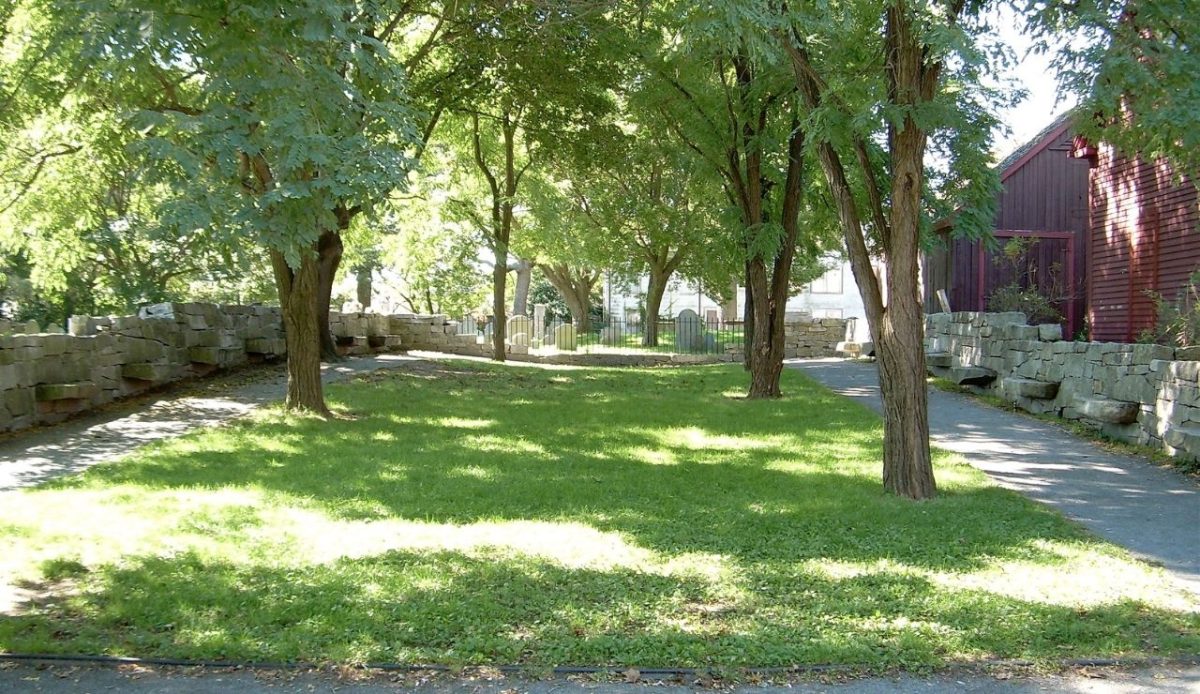
Salem’s 1692 witch trials left a documented record and a lasting moral lesson. Travelers who come for that history often comment that many popular attractions feel theatrical, especially during October when demand spikes.
High season crowds reward short experiences built for throughput. Museums and tours may compress complex evidence into quick scenes, sound effects, and gift shops, which can blur the line between education and entertainment.
When the story is delivered as spectacle, people may doubt accuracy even at serious sites nearby. The town remains historic, but the dominant presentation can feel less authentic to some travelers each season.
9. Plimoth Patuxet Museums
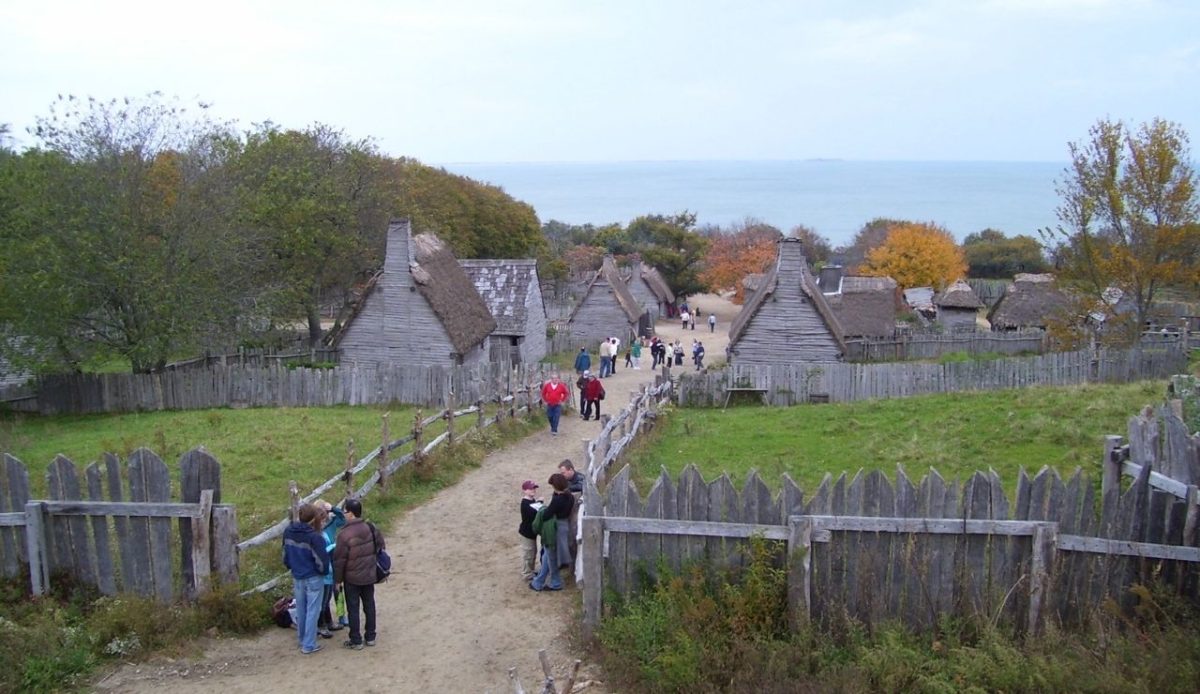
Plimoth Patuxet Museums interpret early colonial settlement and Wampanoag lifeways through living history. Some travelers praise the effort, while others report that authenticity feels complicated by who speaks for which parts of the story.
Interpretation choices matter because people rely on guides for context they cannot verify on site. When narratives appear simplified or uneven, trust drops even if costumes and settings look convincing.
These concerns are not about the age of buildings, but about authority and framing. For travelers seeking a grounded account, perceived gaps in representation can make the experience feel less authentic overall.
10. Gettysburg Tourism Corridor
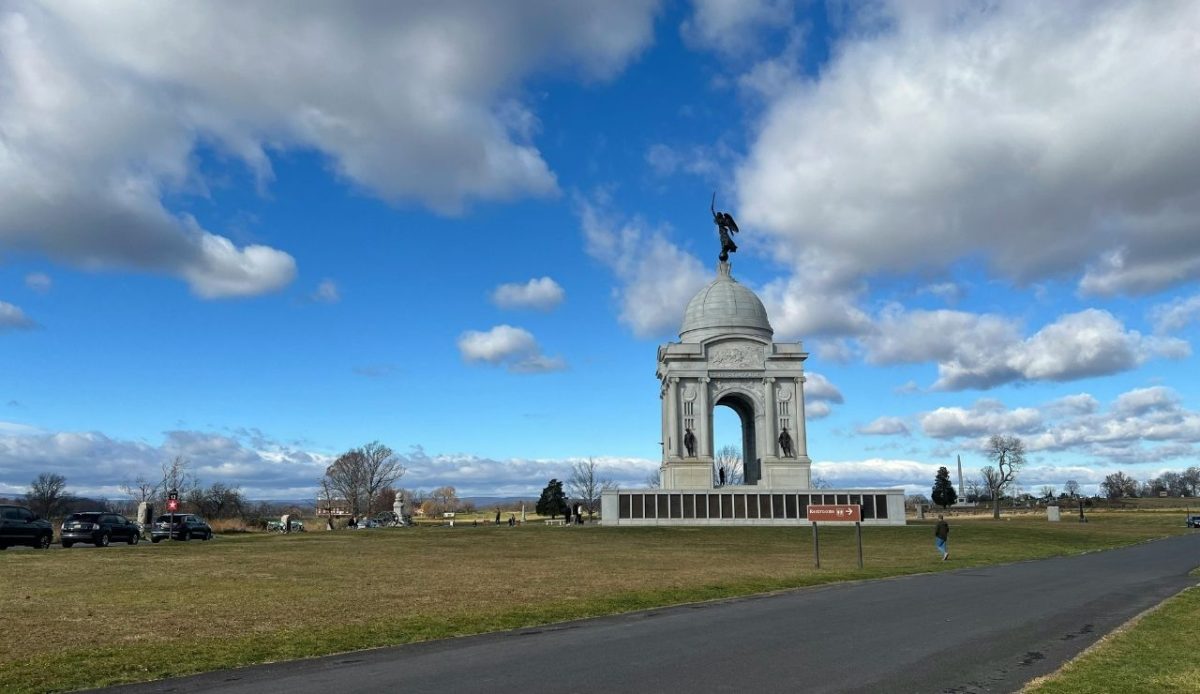
Gettysburg National Military Park preserves a battlefield where the terrain still supports learning and reflection today. Yet traveler comments often separate that core stop from the surrounding commercial strip that frames arrival.
The town’s tourism economy includes souvenir retail, themed attractions, and dense signage. These features can change the mindset before people reach quieter ground, shifting the day from remembrance to consumption for many groups.
When emotional tone flips between storefronts and memorial fields, some travelers say the wider destination feels less genuine. The battle history stays real, but the approach can feel commodified.
