
Long before highways and modern cities, trails carved by Indigenous peoples, explorers, and traders crisscrossed North America. These paths carried stories of survival, migration, and cultural exchange, many of which can still be walked today. From mountain passes to desert routes, these trails reveal the continent’s deep history and natural wonders. Whether you’re a hiker, history buff, or curious traveler, exploring these ancient routes offers a chance to step into the footsteps of those who shaped the land long before us.
1. Natchez Trace, Mississippi to Tennessee
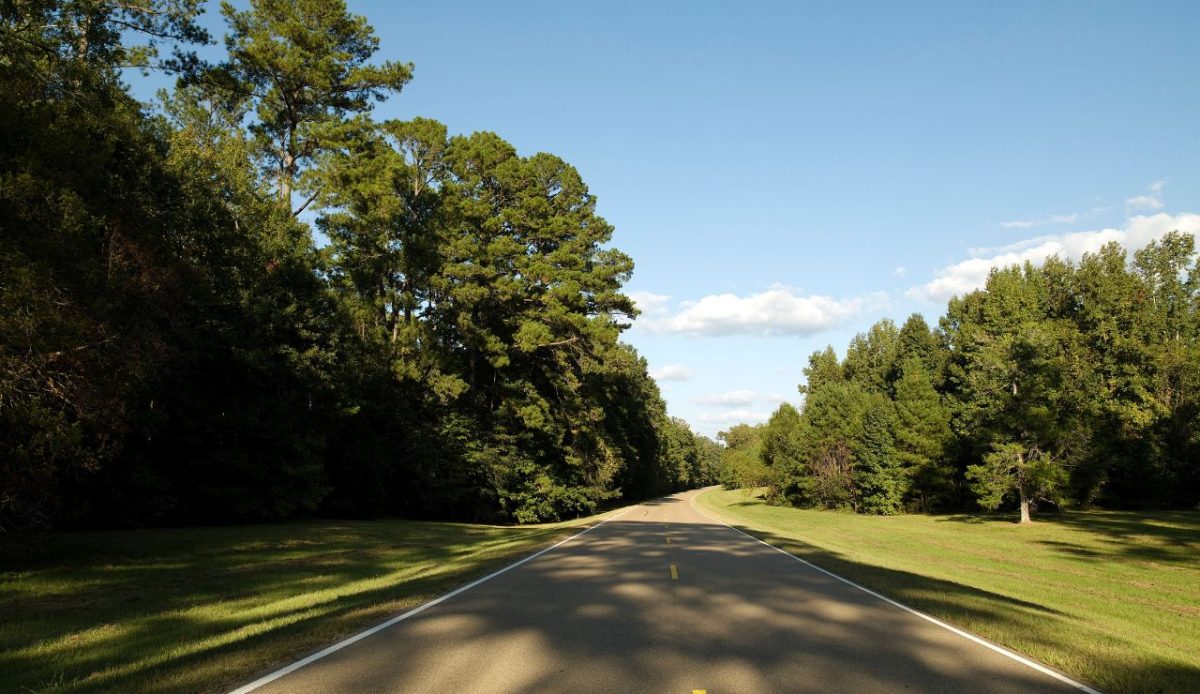
Once used by Native Americans, traders, and settlers, the Natchez Trace spans 444 miles through lush forests, rivers, and historic landmarks. It connected communities long before modern roads, serving as a vital artery for trade and communication. Today, visitors can explore sections by car, bike, or foot, discovering preserved mounds, old inns, and scenic overlooks. Walking the Natchez Trace is like traveling through centuries of history, where nature and culture intertwine along one of North America’s most storied routes.
2. Camino Real de Tierra Adentro, New Mexico
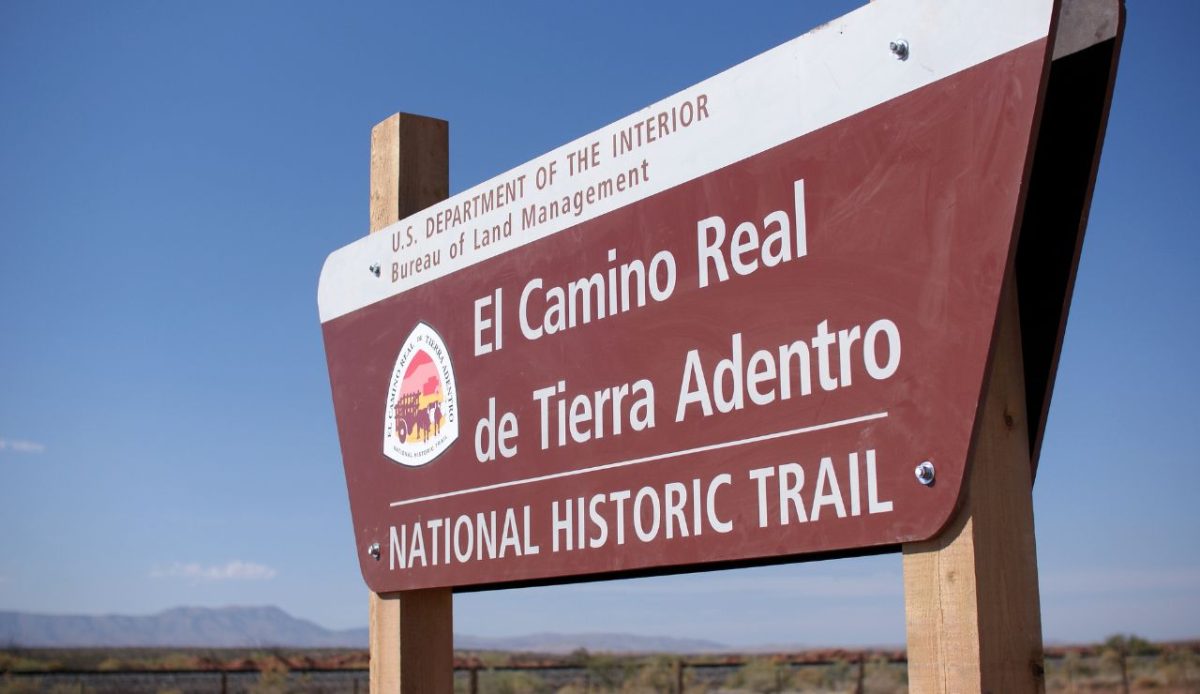
This ancient trade route stretched from Mexico City to northern New Mexico, linking Spanish colonies with Indigenous lands. Traders carried silver, textiles, and cultural traditions along its dusty paths for over 300 years. In the U.S., remnants of the trail pass through New Mexico, where desert landscapes and adobe missions still echo its past. Walking sections today connect travelers to a multicultural history shaped by exploration, commerce, and resilience in the harsh but beautiful Southwest.
3. Oregon Trail, Missouri to Oregon
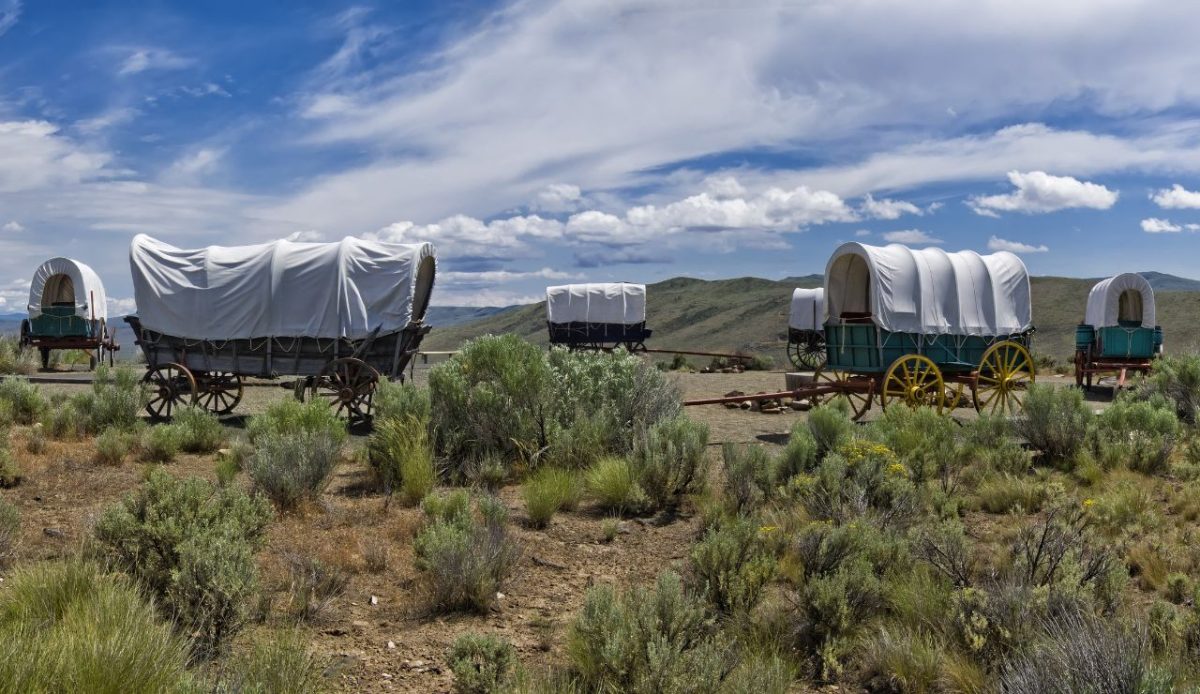
Perhaps the most famous pioneer route, the Oregon Trail, carried thousands of settlers westward during the 19th century. Spanning over 2,000 miles, it followed ancient Native American pathways before becoming a highway for wagons seeking new opportunities. Landmarks like Chimney Rock and Independence Rock remain symbols of this epic migration. Today, visitors can hike preserved sections, explore museums, and imagine the hardships faced by early travelers who braved deserts, rivers, and mountains to reach the Pacific frontier.
4. Chilkoot Trail, Alaska to Canada
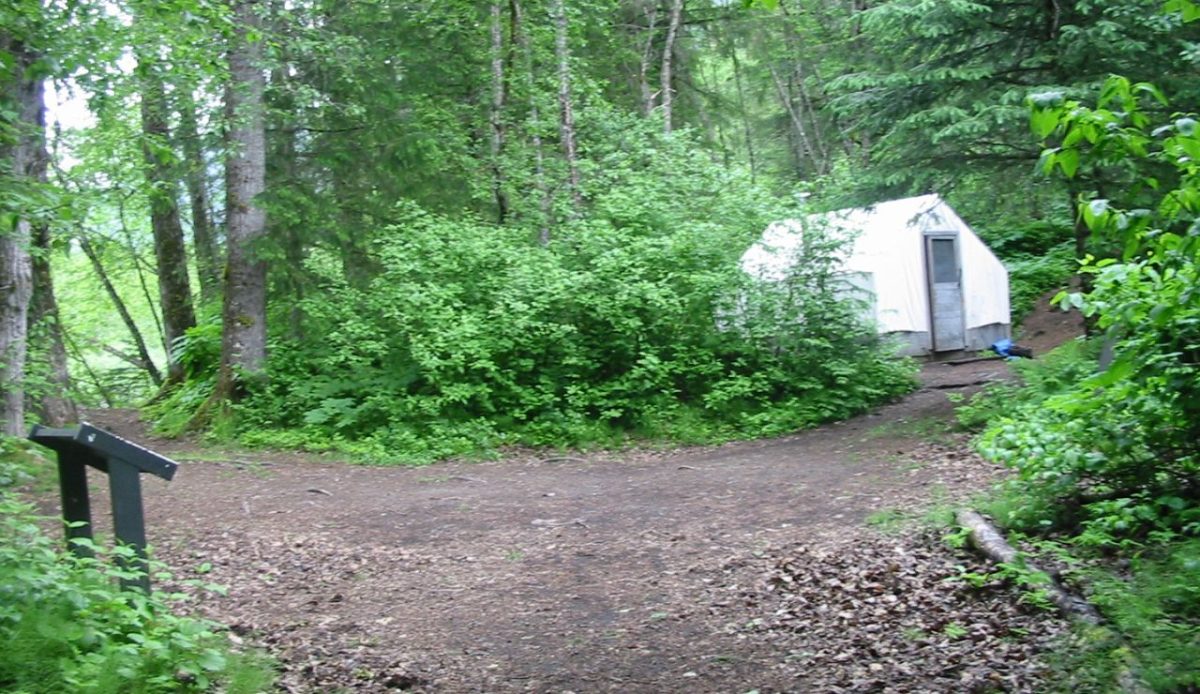
The Chilkoot Trail gained fame during the Klondike Gold Rush, but long before, it was a trade route for the Tlingit people. Stretching 33 miles from Alaska into Canada’s Yukon, it’s a challenging trek through rugged terrain, glaciers, and alpine passes. Hikers retrace the steps of stampeders who carried supplies in hopes of striking gold. The trail’s mix of natural beauty and historic relics makes it a living museum, offering adventure and insight into North America’s past.
5. Iditarod Trail, Alaska
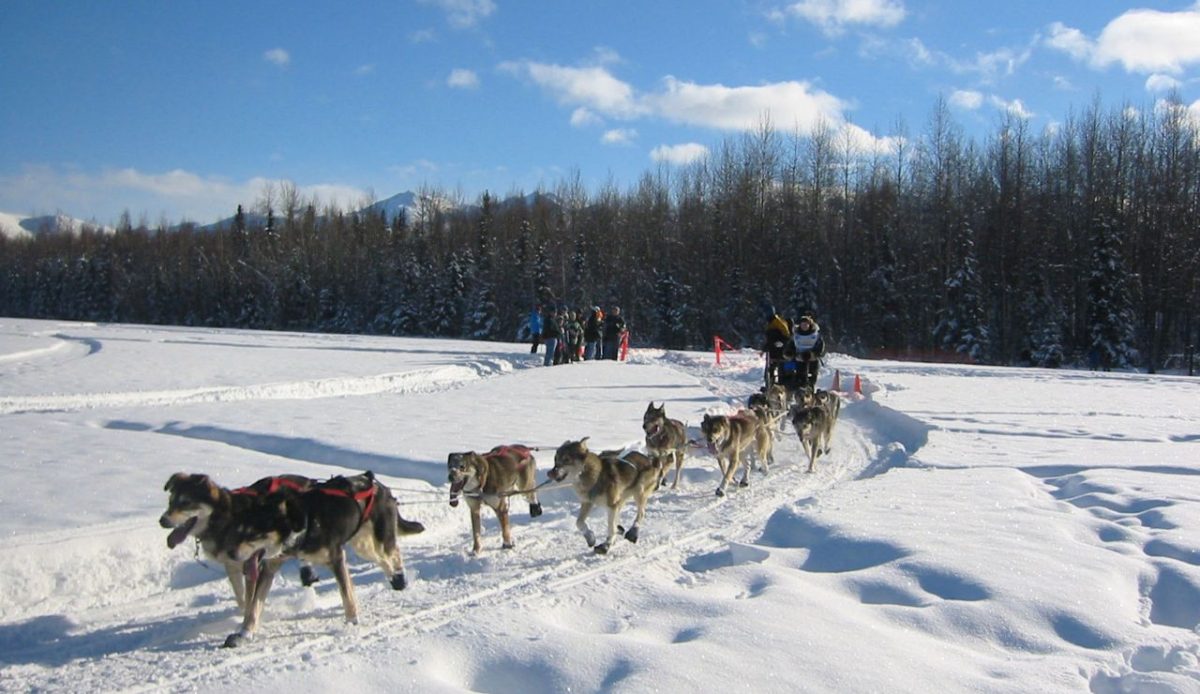
The Iditarod is best known for its legendary sled dog race, but its origins run deeper. Indigenous Alaskans and later settlers used the trail for centuries to connect remote villages and deliver supplies across frozen landscapes. Stretching over 1,000 miles, it’s a testament to survival in extreme conditions. Today, parts of the trail can be hiked or explored by snowmobile, offering travelers a glimpse into Alaska’s rugged wilderness and the resilience required to navigate its icy terrain.
6. Gila Trail, Southwest U.S.
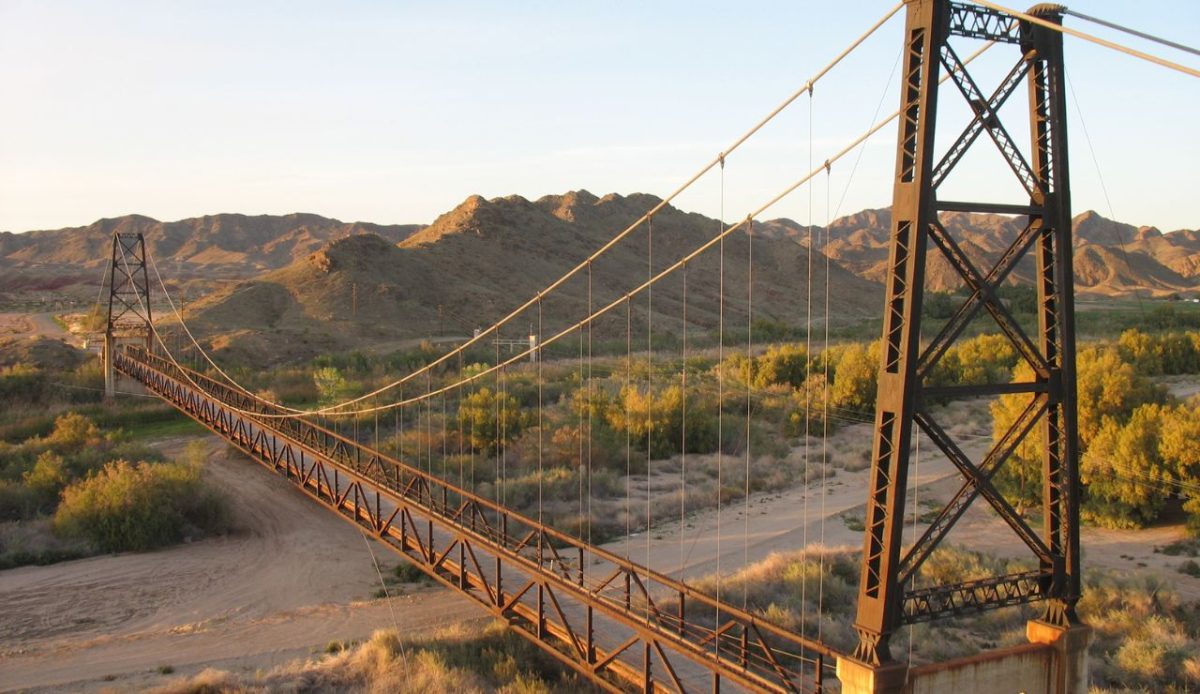
The Gila Trail follows routes once used by Native Americans, Spanish explorers, and later, American pioneers heading west. Stretching across Arizona and New Mexico, it cut through desert valleys and river corridors that made survival possible. Its historic role as part of the southern migration trails highlights its importance in shaping settlement patterns. Visitors today can explore segments surrounded by rugged beauty, picturing the struggles of those who braved harsh conditions along this ancient and vital path.
7. Old Spanish Trail, New Mexico to California
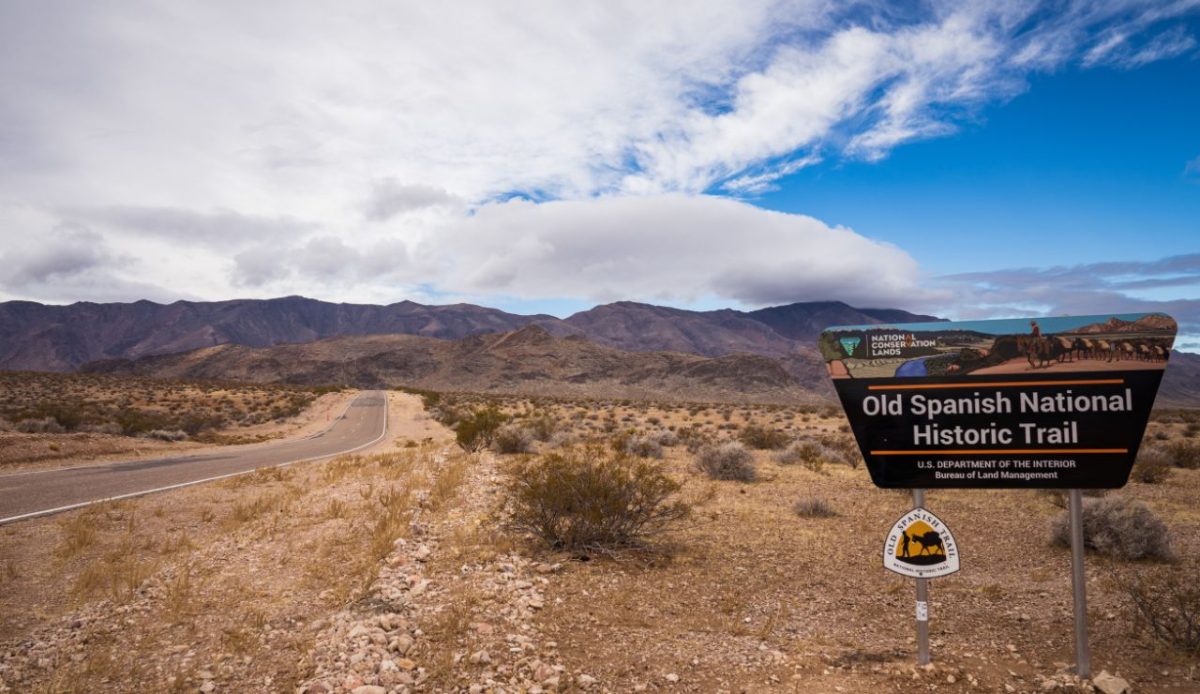
Linking Santa Fe to Los Angeles, the Old Spanish Trail was a trade route traveled by Mexican traders, Indigenous peoples, and explorers. It carried wool, horses, and cultural exchange across 2,700 miles of deserts, canyons, and mountain passes. Today, parts of the route can be hiked or driven, with historic markers highlighting its significance. This trail represents both the challenges and opportunities of early trade networks, weaving together landscapes and cultures across the American Southwest.
8. Overmountain Victory Trail, Appalachians
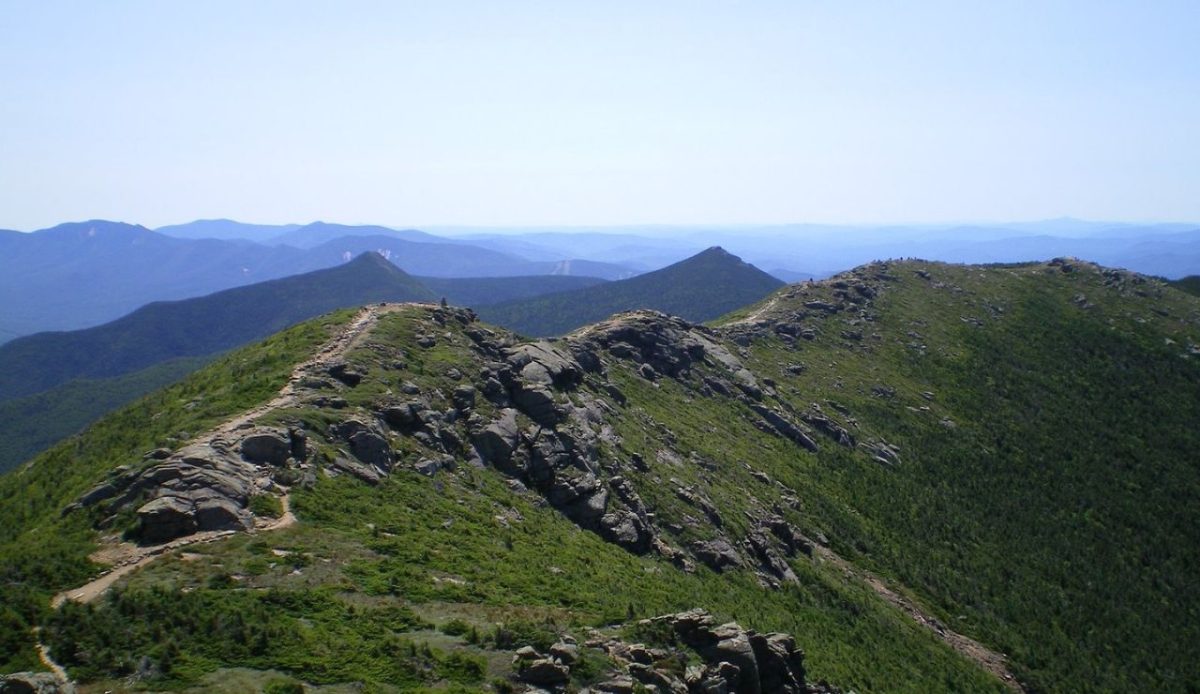
The Overmountain Victory Trail traces the march of patriot militias during the Revolutionary War, but its roots go back further as Native hunting paths. Crossing the Appalachian Mountains, the trail offers both scenic beauty and rich history. Visitors can walk preserved sections that pass through forests, valleys, and historic battlefields. It’s a trail that reminds travelers how geography shaped pivotal moments in American independence, blending natural landscapes with the footsteps of those who fought for freedom.
9. Santa Fe Trail, Missouri to New Mexico
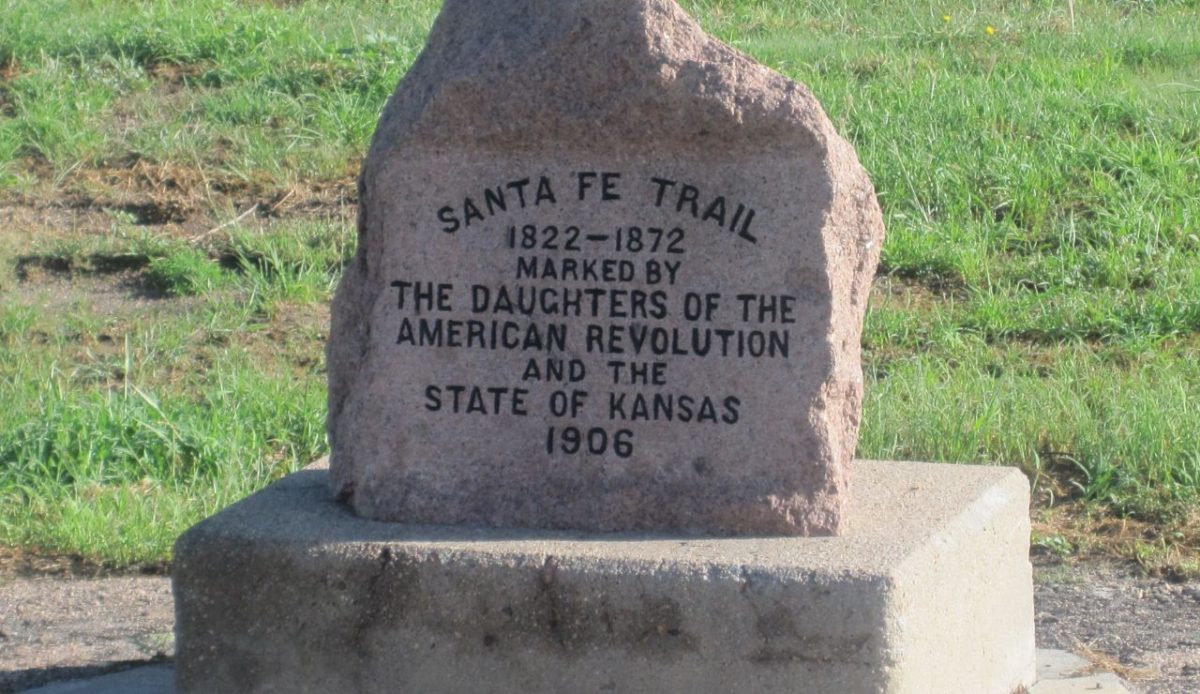
The Santa Fe Trail was a vital commercial highway in the 19th century, connecting the U.S. with Mexico for trade. Stretching 900 miles, it crossed plains, deserts, and mountains, serving merchants, settlers, and military expeditions. Originally based on Indigenous paths, the trail carried goods like silver, furs, and textiles. Today, visitors can explore historic landmarks, wagon ruts, and forts along its route. The Santa Fe Trail remains a symbol of cultural exchange and westward expansion.
10. Great Trail, Canada
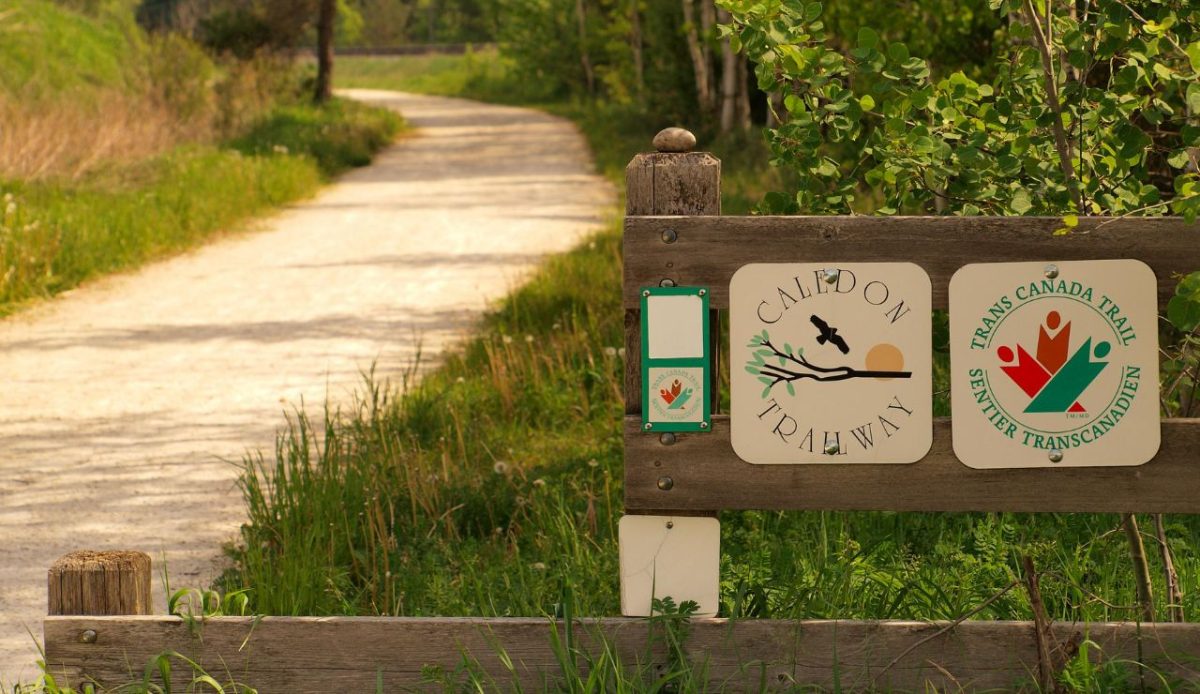
Known as the Trans Canada Trail, the Great Trail follows routes that once connected Indigenous communities and early explorers across vast landscapes. Spanning more than 15,000 miles, it’s the longest recreational trail in the world. While modernized, its roots reflect centuries of human movement across rivers, forests, and mountains. Travelers today can hike or bike sections, experiencing Canada’s wilderness while honoring the ancient pathways that linked people and shaped its history.
