
Travelers often choose well-known streets because they give simple routes, easy navigation, and steady access to landmarks without complicated planning. These areas usually line up shops, food spots, and cultural points in a way that helps people move at their own pace. The streets listed below remain useful for visitors who want dependable paths through major cities, whether they plan short stops or longer walks. Each route supports clear movement, reliable signage, and convenient access to transport. The variety across regions gives travelers different types of experiences while still keeping navigation practical. These streets stay busy for good reason, offering straightforward walks that help visitors learn the structure of each city.
1. Champs-Élysées, Paris, France
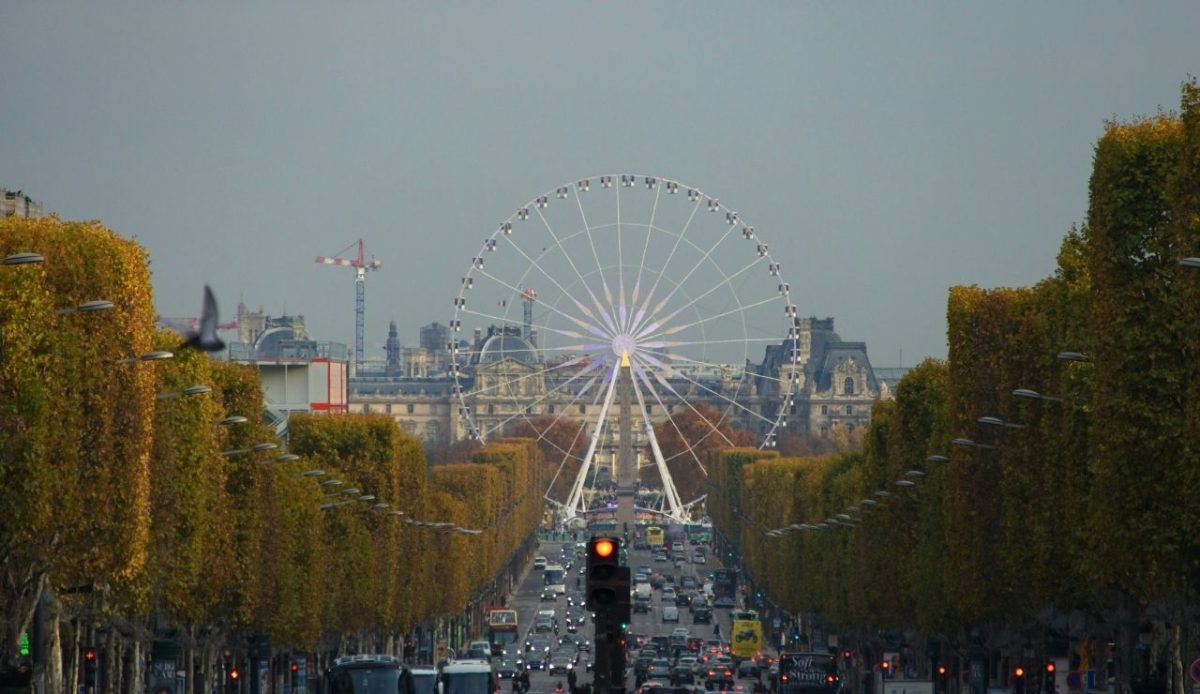
Champs-Élysées starts travelers near Place de la Concorde and leads them toward the Arc de Triomphe without confusing turns, making it one of Paris’s easiest major routes. Visitors walk past cafés, storefronts, and side streets that help them break up the walk without losing direction. Crowds grow during afternoons, but the wide sidewalks allow a steady flow on most days. People often choose early morning visits for clearer space and quicker progress. The street’s linear design gives travelers enough structure to stay oriented even on their first visit. Champs-Élysées remains a practical route because it links major attractions in one continuous stretch.
2. Fifth Avenue, New York City, USA
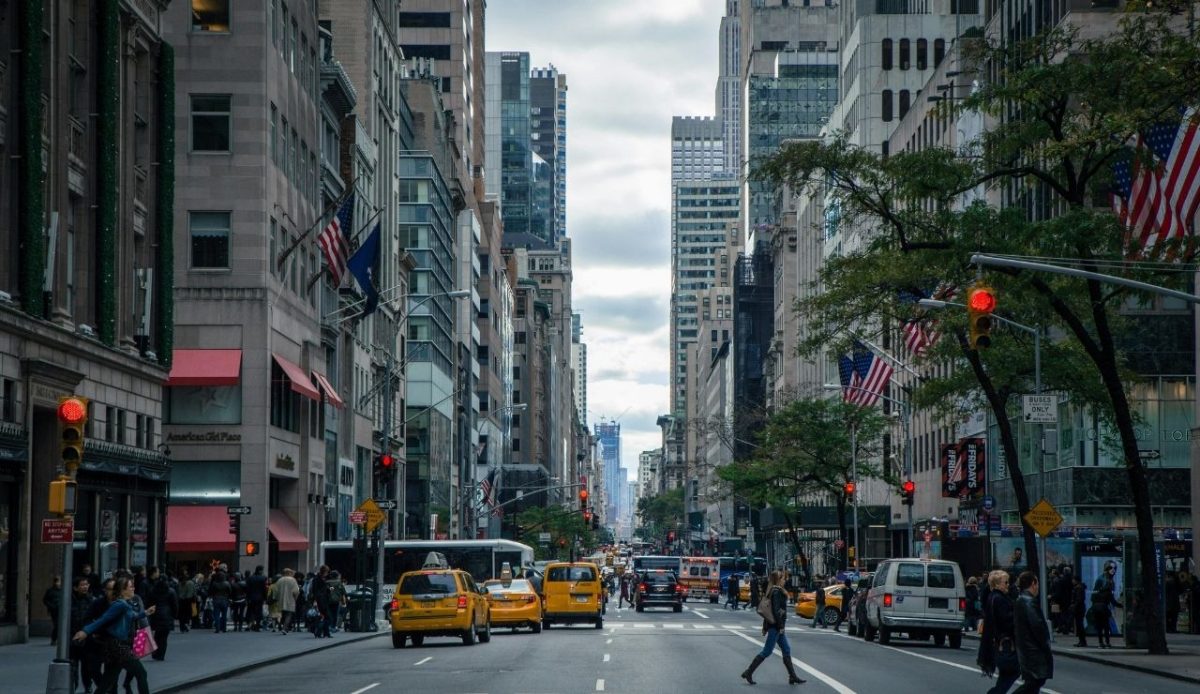
Fifth Avenue leads travelers through Midtown’s most visited blocks, especially between 42nd and 59th Streets, where stores, museums, and well-known landmarks follow a direct path. People pause near the New York Public Library or Rockefeller Center to rest without blocking others, as these areas offer open space. The sidewalks handle heavy crowds, and the grid layout helps visitors keep track of direction. During winter months, window displays add interest, but the walk stays functional year-round due to its central location. Travelers use this route to move quickly between destinations without relying on additional transport. Fifth Avenue continues to serve visitors who want a clear Midtown route.
3. Oxford Street, London, England
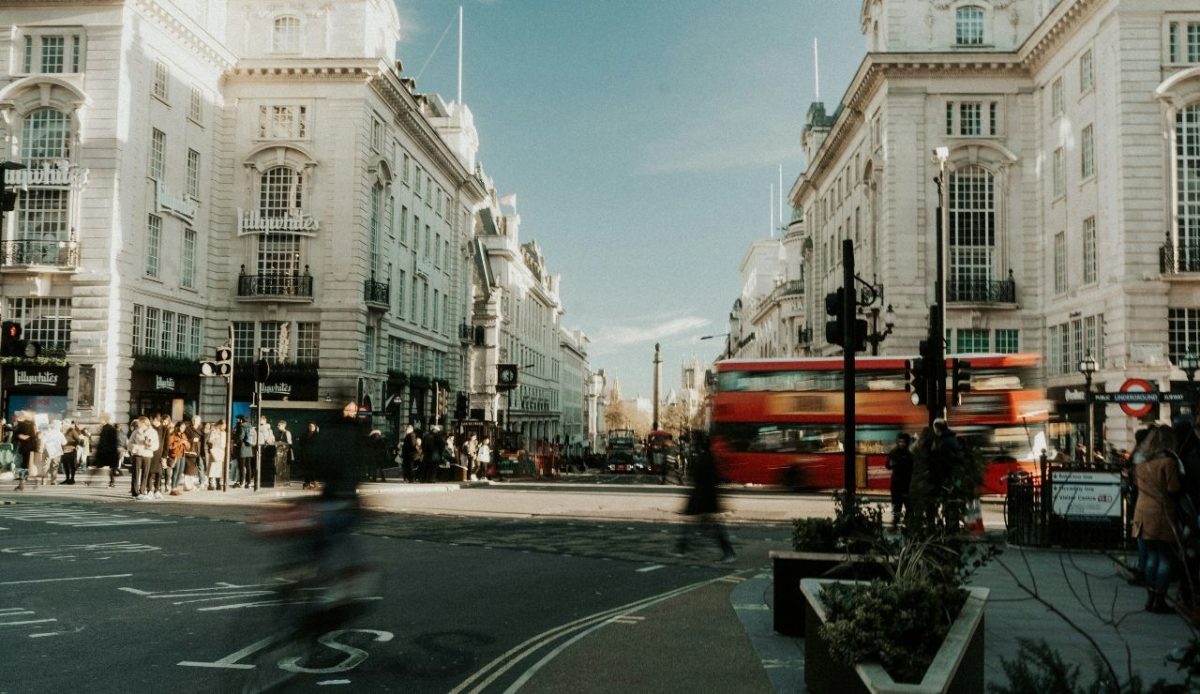
Oxford Street begins for many travelers at Marble Arch or Tottenham Court Road, giving them multiple entry points into one of London’s busiest commercial zones. The straight layout keeps people oriented even when crowds grow, and store clusters make it easy to plan short stops. Visitors take advantage of frequent Underground stations that sit close to the street, allowing quick access in and out. Travelers often branch into nearby areas like Soho once they finish the main route. The walk stays manageable due to wide sidewalks and predictable movement patterns. Oxford Street gives visitors a direct way to cover a key part of central London.
4. Las Ramblas, Barcelona, Spain
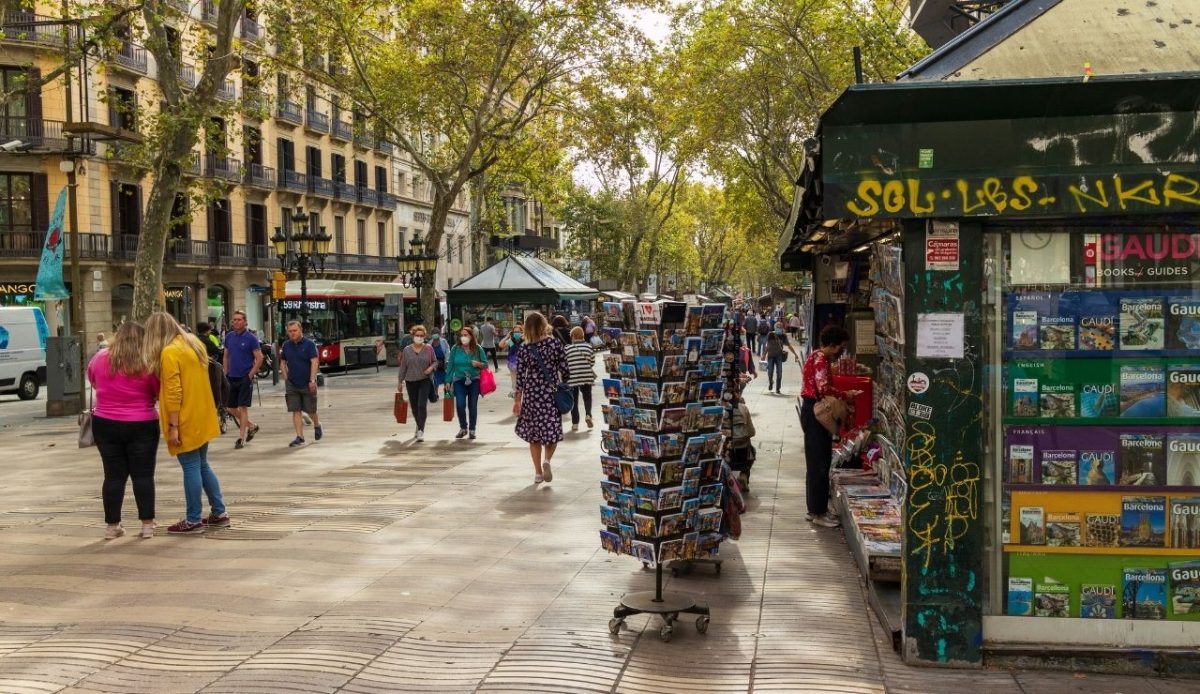
Las Ramblas guides travelers from Plaça de Catalunya to the waterfront while keeping most attractions along a single central walkway. People move through kiosks, cafés, and small performance areas without losing their route. La Boqueria market appears near the midpoint and works well as a short refresh stop. The area gets crowded in midday, encouraging many visitors to plan morning or evening walks. Side paths link quickly to nearby neighborhoods, helping travelers extend their visit without extra planning. Las Ramblas remains easy to follow because its design keeps foot traffic flowing in both directions.
5. Shibuya Crossing Area, Tokyo, Japan
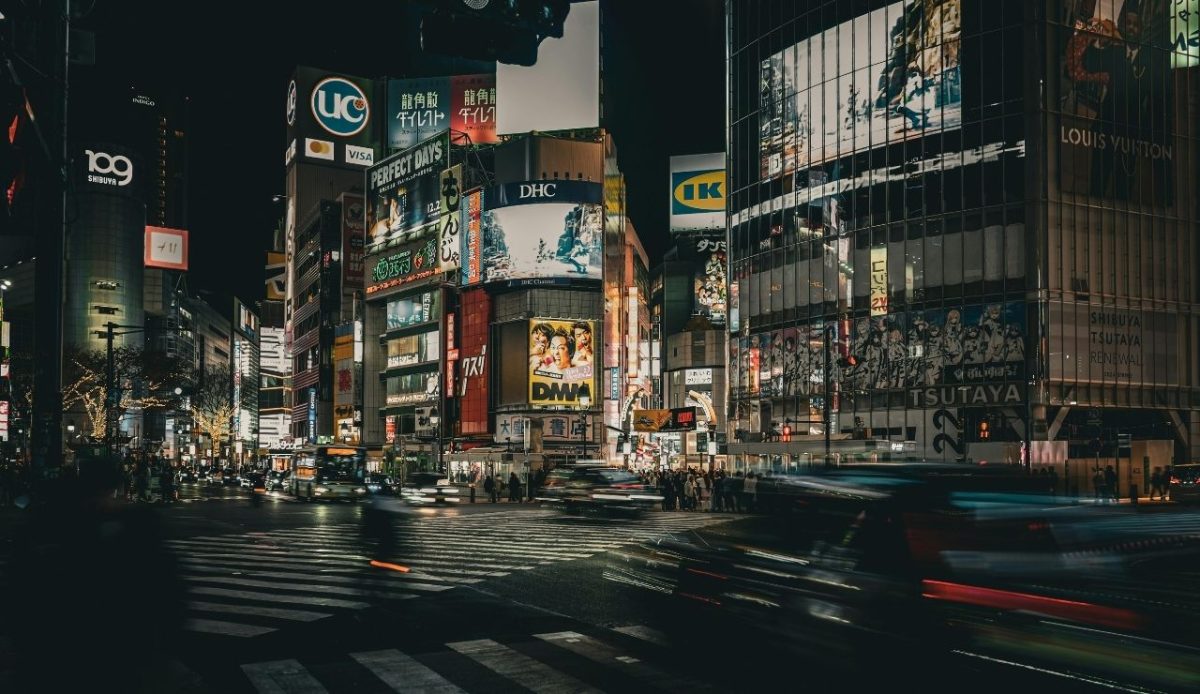
Shibuya Crossing directs travelers through one of the most active pedestrian zones in Tokyo, where signals, crosswalks, and station exits organize heavy movement. People use observation points to take short breaks before continuing into shopping blocks or food alleys. The area stays busy but manageable because signage and wide paths guide crowds. Travelers rely on Shibuya Station as their main anchor since it provides clear access to multiple districts. Streets around the crossing remain compact, letting visitors reach stores and cafés with minimal navigation. The route suits travelers who want a controlled but lively walking experience.
6. Hollywood Boulevard, Los Angeles, USA
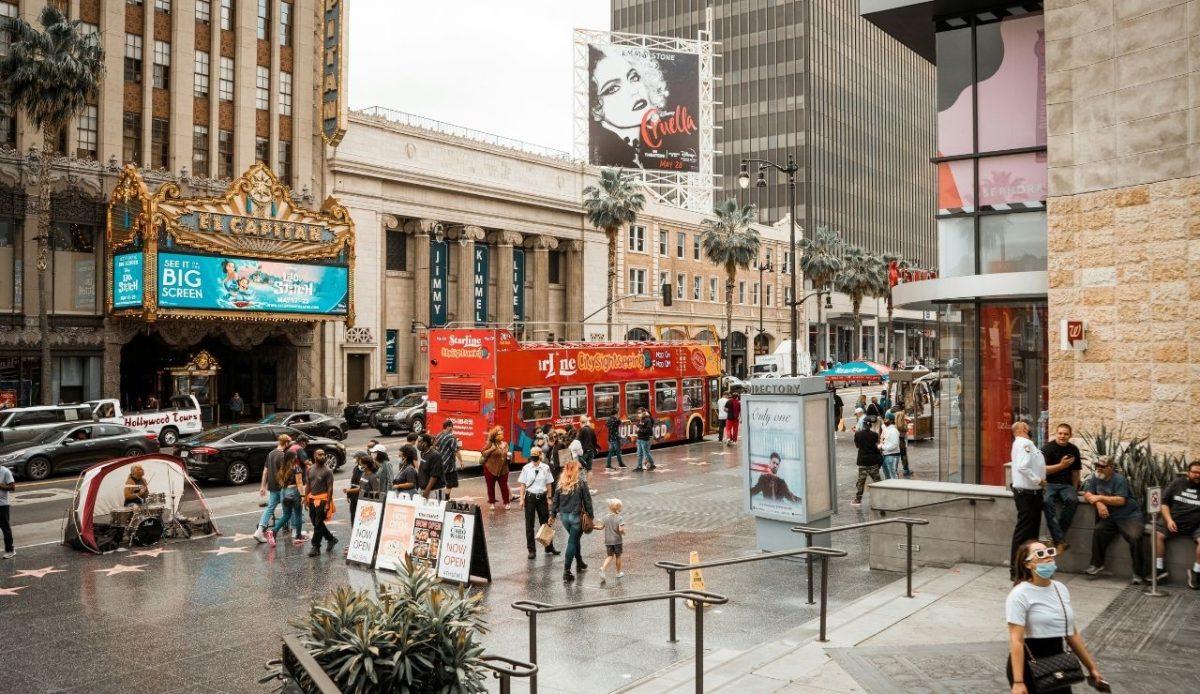
Hollywood Boulevard places travelers along a corridor lined with theaters, museums, and well-known markers like the Walk of Fame. People often start at the TCL Chinese Theatre because the open plaza helps them adjust before moving forward. Street performers create regular stops, but the sidewalk layout keeps movement consistent. Travelers look for stars of well-known actors while staying mindful of steady foot traffic. Nearby viewpoints of the Hollywood Sign give visitors a short detour option. Hollywood Boulevard proves useful for newcomers because its main points fall along one continuous line.
7. Orchard Road, Singapore
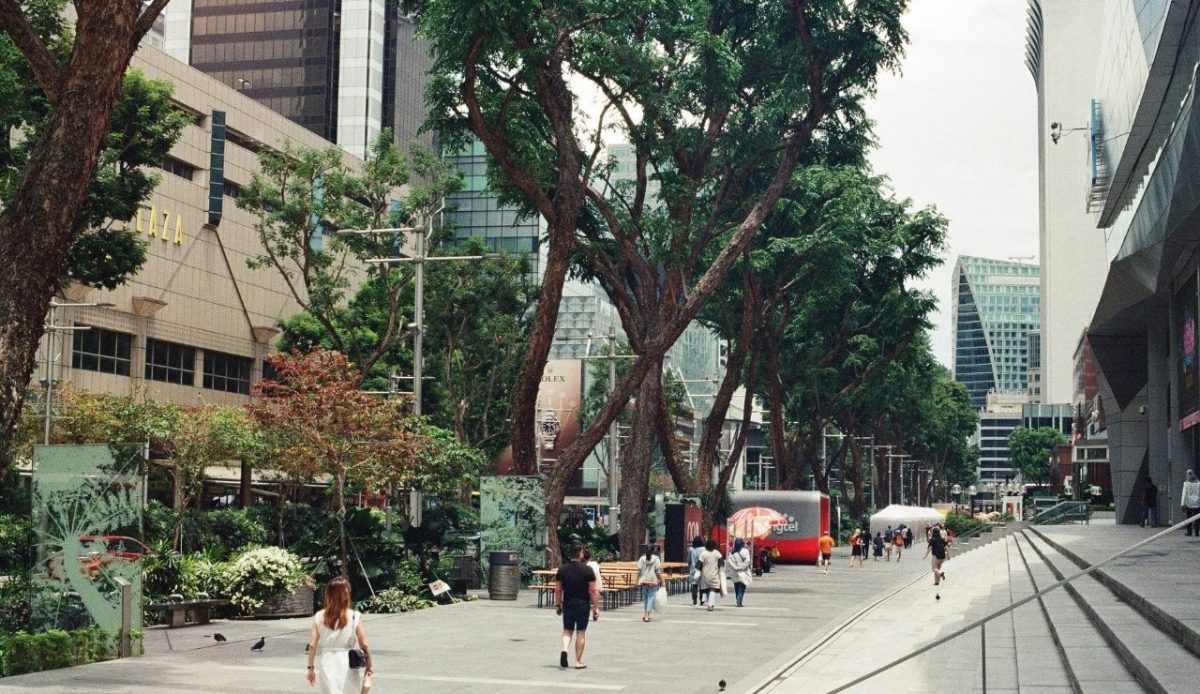
Orchard Road helps travelers stay comfortable in humid conditions through shaded paths, escalators, and underpasses that connect malls and food courts. People enter from ION Orchard or Dhoby Ghaut, depending on their transit line, both offering direct access to the main retail area. Walkers find seating zones near plazas where they can stop without causing congestion. The area maintains order thanks to wide sidewalks and clear signs. Travelers often plan their time around meal breaks since food options appear frequently along the route. Orchard Road works well for visitors who want predictable navigation in a compact district.
8. Istiklal Avenue, Istanbul, Türkiye
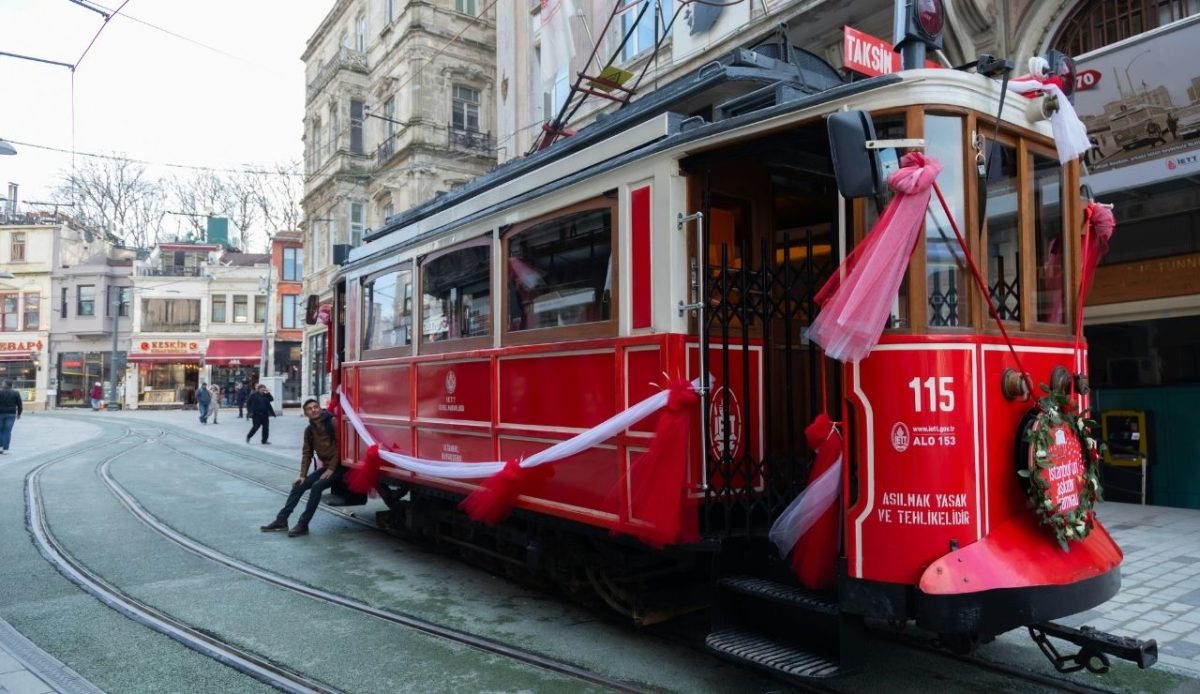
Istiklal Avenue begins for many travelers at Taksim Square and stretches toward the historic tunnel station, giving them a long but simple point-to-point walk. Side streets lead to cafés and bakeries, and people return easily to the main path due to its straight layout. The vintage tram acts as a reference point and keeps visitors oriented. Travelers stop at cultural spots like Galata Mevlevi House to break up the route. Crowds gather in peak hours, but the wide roadway handles a steady flow. Istiklal Avenue remains practical for visitors moving through central Istanbul.
9. Caminito Street, Buenos Aires, Argentina

Caminito Street brings travelers into a compact zone of art displays, painted buildings, and open-air performances. People follow the narrow pedestrian lane to view murals and small craft stalls without needing detailed maps. Morning hours give visitors more space before larger groups arrive. Most activity stays within a short stretch, allowing consistent movement at a relaxed pace. Nearby river views help travelers extend their visit without leaving the area entirely. Caminito remains a manageable route for visitors exploring La Boca.
10. Grafton Street, Dublin, Ireland
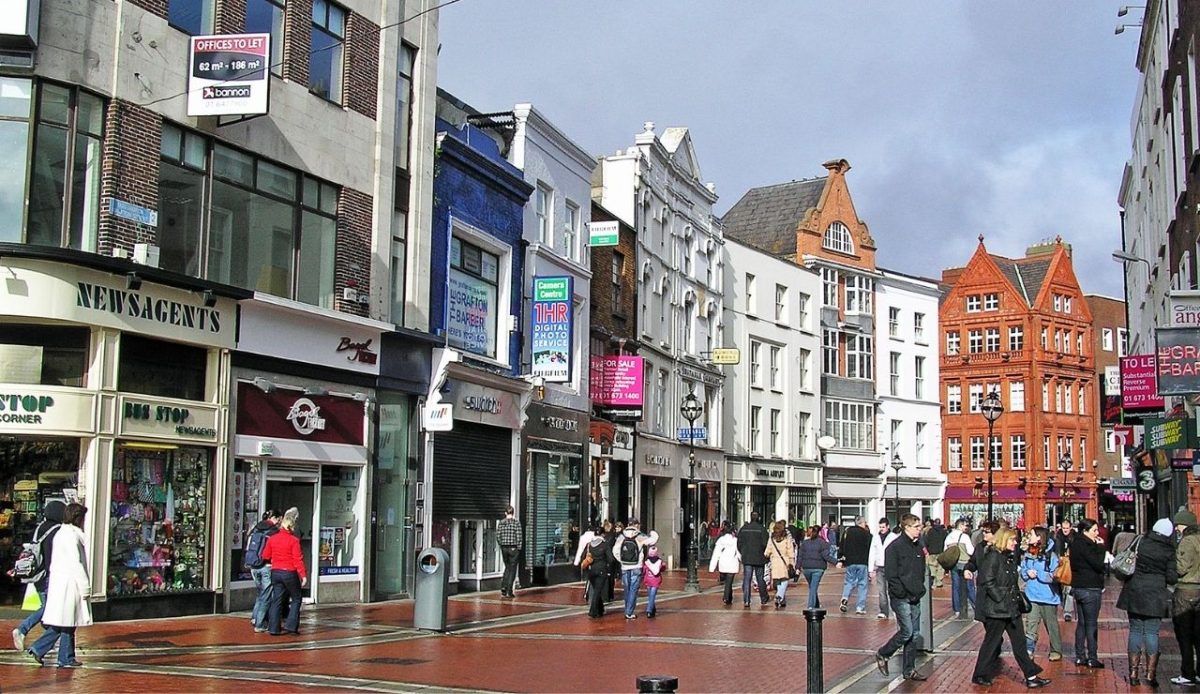
Grafton Street moves travelers from St. Stephen’s Green through a pedestrian zone filled with performers, cafés, and small shops. People start near the park to stay oriented and follow the route north toward central shopping areas. The walkway keeps foot traffic organized because entrances and seating corners give space for temporary stops. Travelers often adjust their pace based on performers gathered along the way. The street remains short enough to walk quickly while still offering plenty of activity. Grafton Street works well for visitors who want a compact, easy path through Dublin’s center.
