
Our planet is filled with breathtaking landmarks, but only a few are so massive or striking that they’re visible from space. Thanks to their size, shape, or strong contrast with their surroundings, these marvels can be spotted by astronauts orbiting Earth. From ancient wonders like the Great Wall to the massive Grand Canyon and vivid reefs of Australia, these sights connect Earth to the cosmos. Here are ten landmarks so bold, they’ve earned a place in orbit’s spotlight.
1. The Great Wall of China

Although visibility depends on lighting and weather, parts of the Great Wall of China can be seen from space. Stretching over 13,000 miles across deserts, mountains, and grasslands, this ancient defense line was built over centuries. Some sections are wide and high enough to create visual contrast with the landscape. From low Earth orbit, astronauts have occasionally spotted its winding path, especially in regions with minimal vegetation or snow cover.
2. The Pyramids of Giza
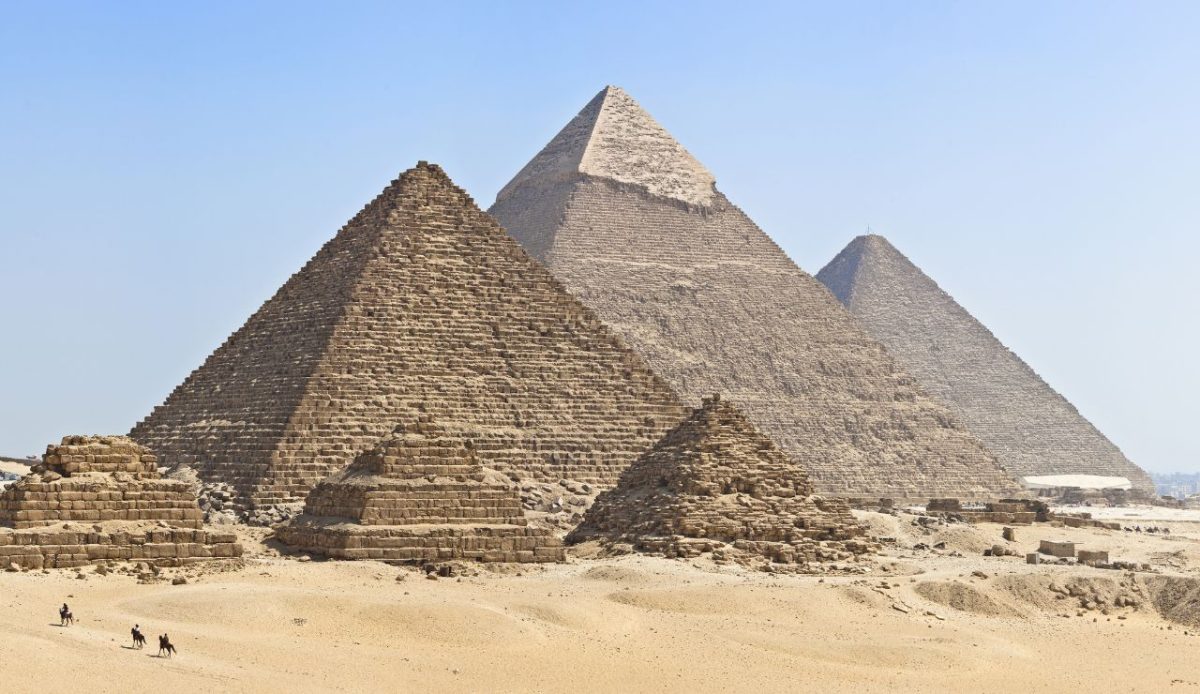
The three pyramids at Giza are remarkably visible from space due to their distinctive triangular shapes and the surrounding desert backdrop. Their precise geometric design and alignment with celestial bodies give them an unmistakable presence. Built over 4,500 years ago, these marvels of engineering reflect sunlight off their limestone surfaces, making them easier to detect from orbit. Their compact scale is offset by their clarity and stark contrast with the golden sands of the Sahara.
3. Palm Jumeirah, Dubai
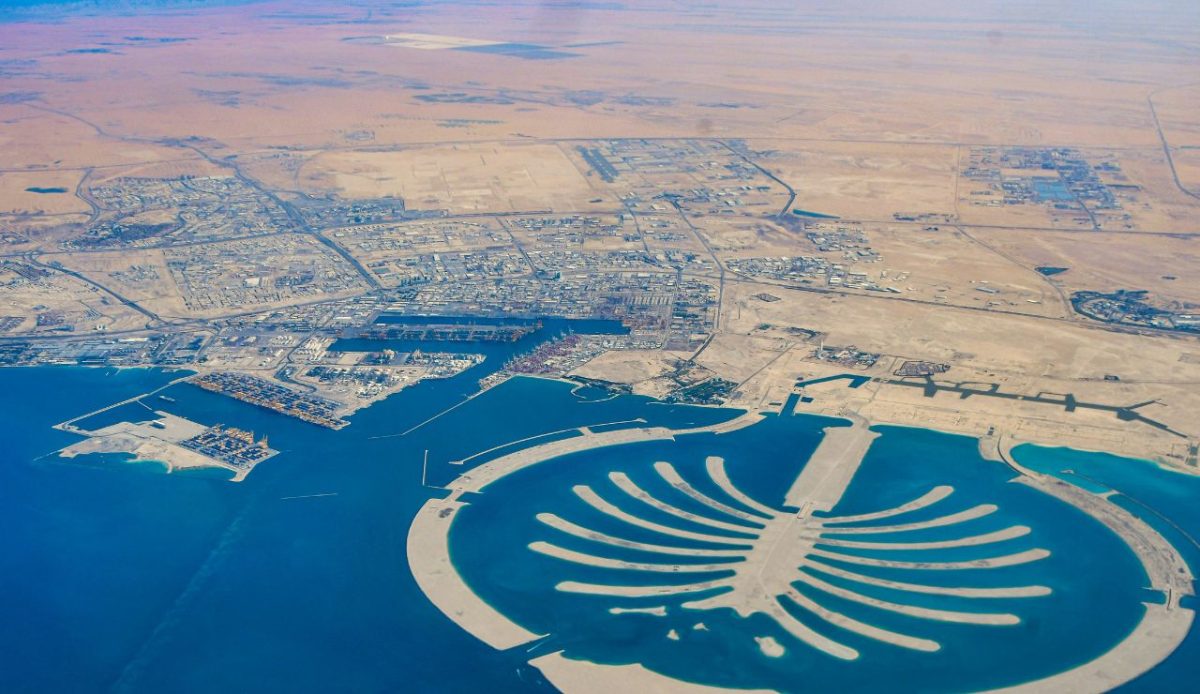
This man-made island is shaped like a palm tree and stretches several miles into the Persian Gulf. It’s a marvel of engineering with luxury resorts, residences, and leisure areas arranged along its fronds and crescent breakwater. Its bold, symmetrical layout stands out against the deep blue sea and is easily visible from above, especially in daylight. Palm Jumeirah symbolizes Dubai’s ambition and has become one of the world’s most iconic satellite-visible landmarks.
4. The Amazon River
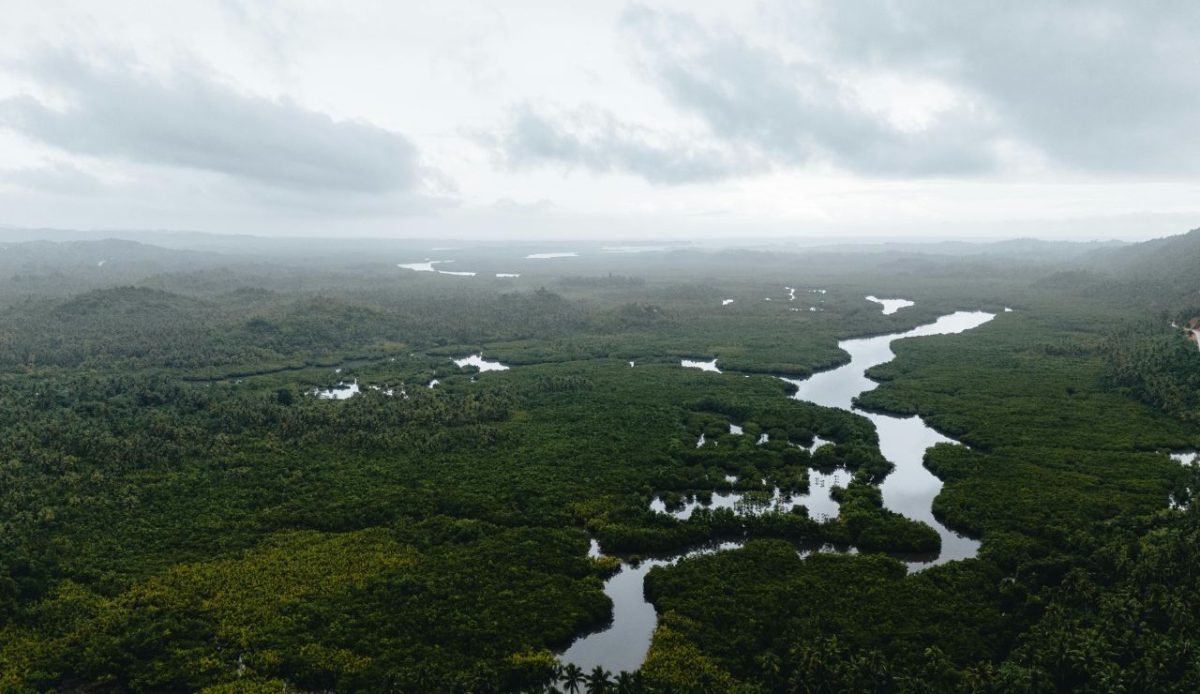
Winding through South America for over 4,000 miles, the Amazon River is a colossal natural force. It often spans more than 20 miles across, creating a dark, twisting ribbon in the dense green rainforest. From space, this contrast makes it easy to see, especially during flood season when its waters spill into surrounding basins. Astronauts have noted its visibility along with the white clouds that often hover above the humid jungle, marking its course unmistakably.
5. The Grand Canyon
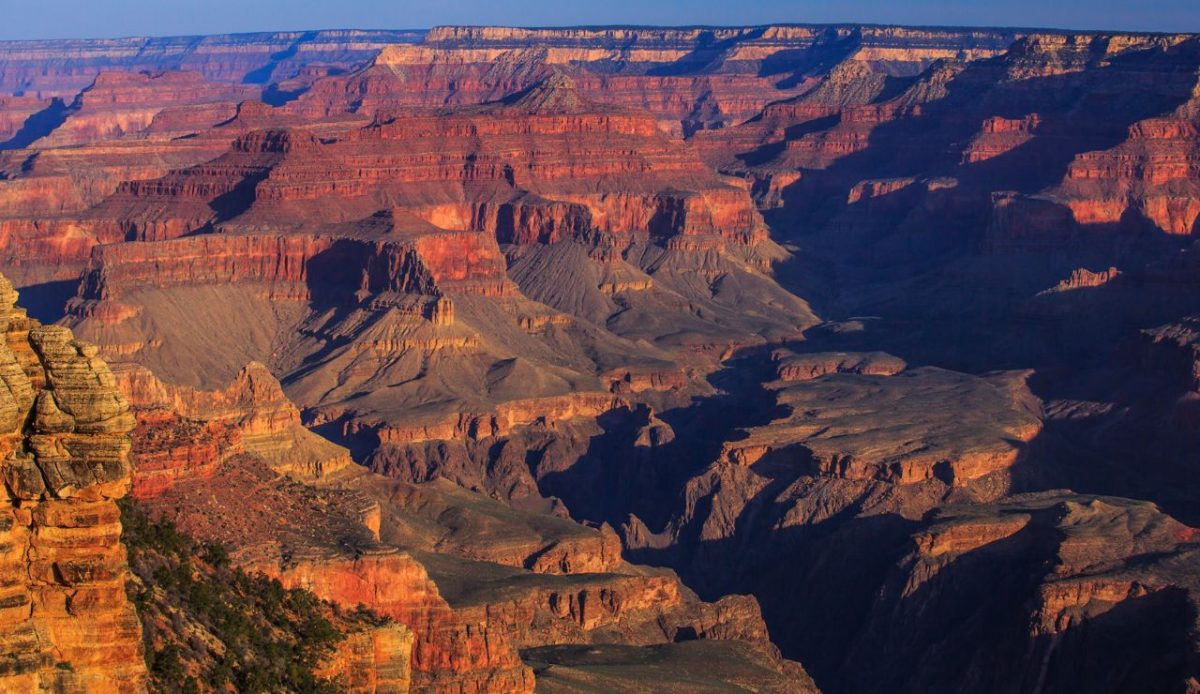
Cut by the Colorado River over millions of years, the Grand Canyon is 277 miles long, up to 18 miles wide, and over a mile deep. Its layers of red, orange, and brown rock formations produce vivid patterns from space. Located in northern Arizona, this iconic landmark appears as a bold slash across the plateau, especially in low-angle sunlight. Its enormous scale, depth, and geological richness make it one of the most easily spotted canyons from orbit.
6. The Great Barrier Reef
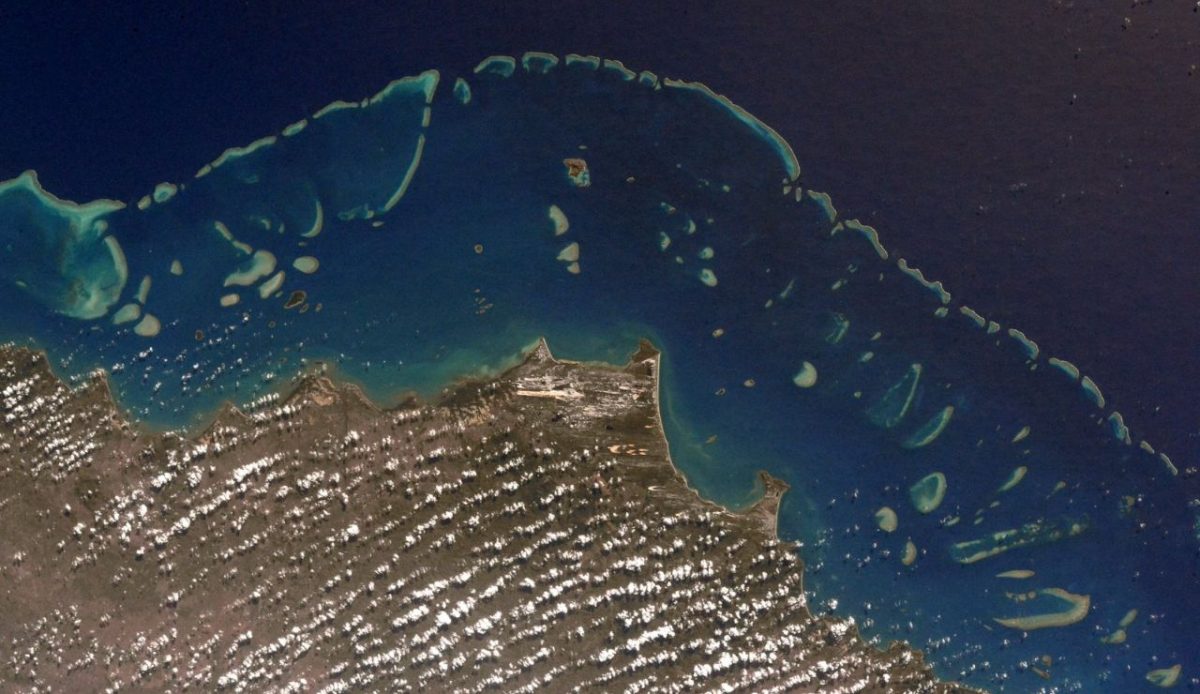
Stretching over 1,400 miles along Australia’s northeast coast, the Great Barrier Reef is the largest living structure on Earth. Despite being underwater, its vibrant corals, sand cays, and shallow lagoons form colorful patterns that are visible from orbit. From space, the reef’s turquoise blues contrast sharply with the deep ocean, especially during clear weather. It’s not just a biodiversity hotspot; it’s also a visual wonder that stands out to astronauts above.
7. The Himalayas

The Himalayas stretch across five countries and include the world’s highest peaks, including Mount Everest. Their snow-covered ridges and dramatic elevation shifts cut a bright white swath across southern Asia. This massive range appears as a jagged, glowing border separating the Tibetan Plateau and the Indian plains. From space, astronauts can identify the sharp contrasts in terrain and snow, making the Himalayas among the most recognizable mountain ranges on Earth.
8. The Nile River and Delta
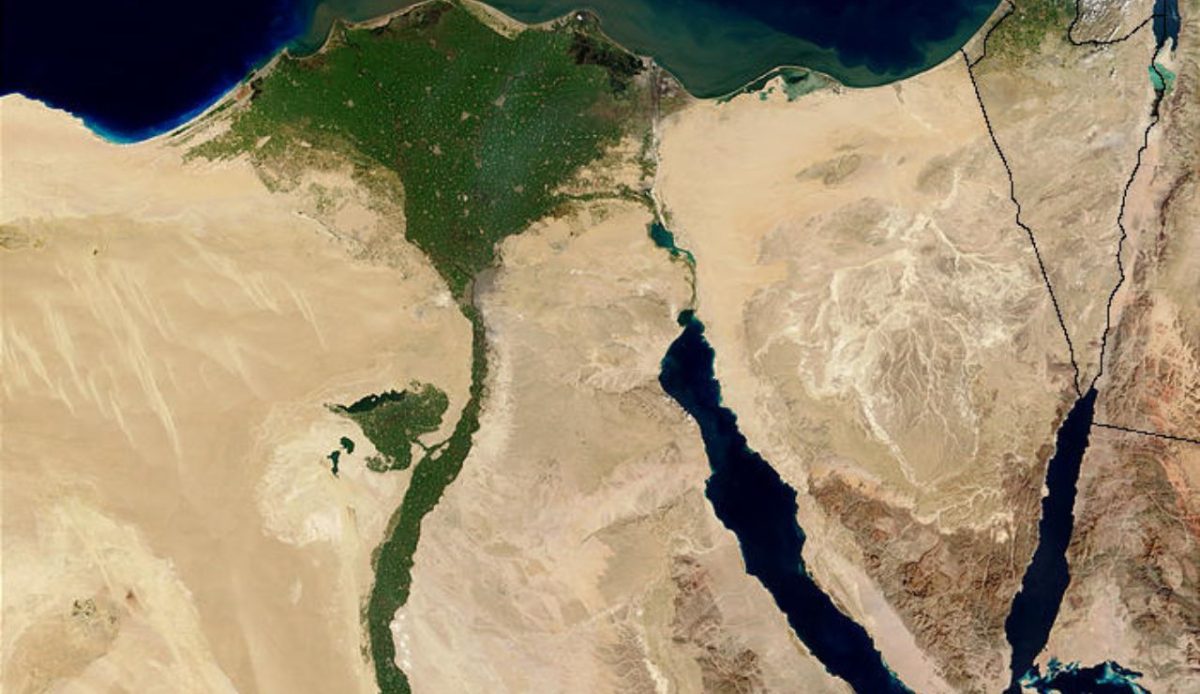
The Nile River carves a green path through Egypt’s otherwise barren landscape. It’s delta fans out in a vast triangular shape near the Mediterranean Sea. This greenery surrounded by desert is highly visible from orbit. The delta spans over 150 miles and supports millions of lives with its fertile soil. Astronauts often photograph this striking contrast from the International Space Station, where the river and delta appear like a lush scar across the golden terrain.
9. The Deforestation of the Amazon

Sadly, human impact on the Amazon is also visible from space. Vast patches of cleared forest create sharp contrasts against the untouched green canopy. These irregular scars often take the shape of roads, farmland, or burned zones. Satellites track this transformation in real-time, but astronauts also note the scale of deforestation with the naked eye. It’s a sobering reminder that Earth’s ecological shifts are not only serious, but they’re visible beyond our atmosphere.
10. The Bingham Canyon Mine
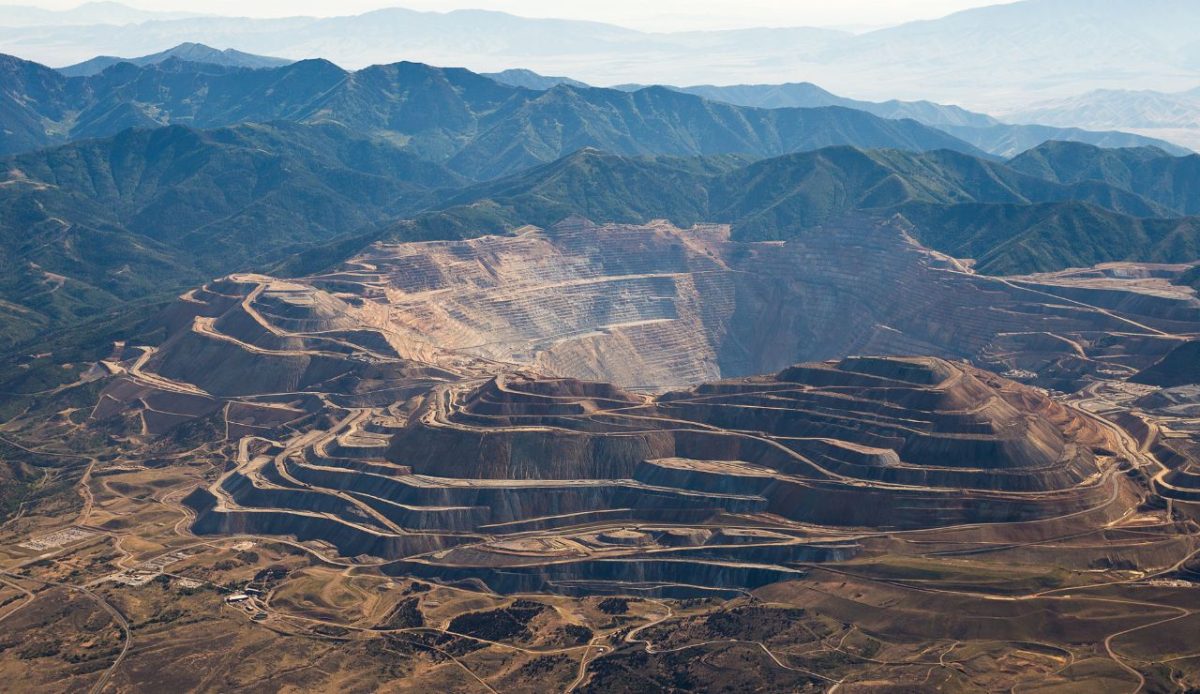
The Bingham Canyon Mine in Utah is one of the largest man‑made holes on Earth, making it easily visible from space. This enormous open‑pit copper mine stretches nearly 2.5 miles wide and plunges close to 4,000 feet deep, carved into spiraling terraced layers. Its circular shape and stark contrast against the surrounding mountains make it stand out clearly from orbit. Astronauts often photograph it because its scale, symmetry, and color variations create a striking pattern rarely matched by other industrial sites.
