
Europe’s train stations are more than just points to catch a train; they’re gateways to history, culture, and architectural marvels. Some stations impress with modern efficiency, shops, and traveler-focused design, while others struggle with outdated layouts, overcrowding, or limited amenities. This ranking evaluates ten major European stations from best to worst based on accessibility, services, aesthetics, and overall traveler experience. Whether you’re planning a rail-heavy journey or just passing through, knowing what to expect can make your trip smoother, more enjoyable, and stress-free from start to finish.
1. Berlin Hauptbahnhof, Germany
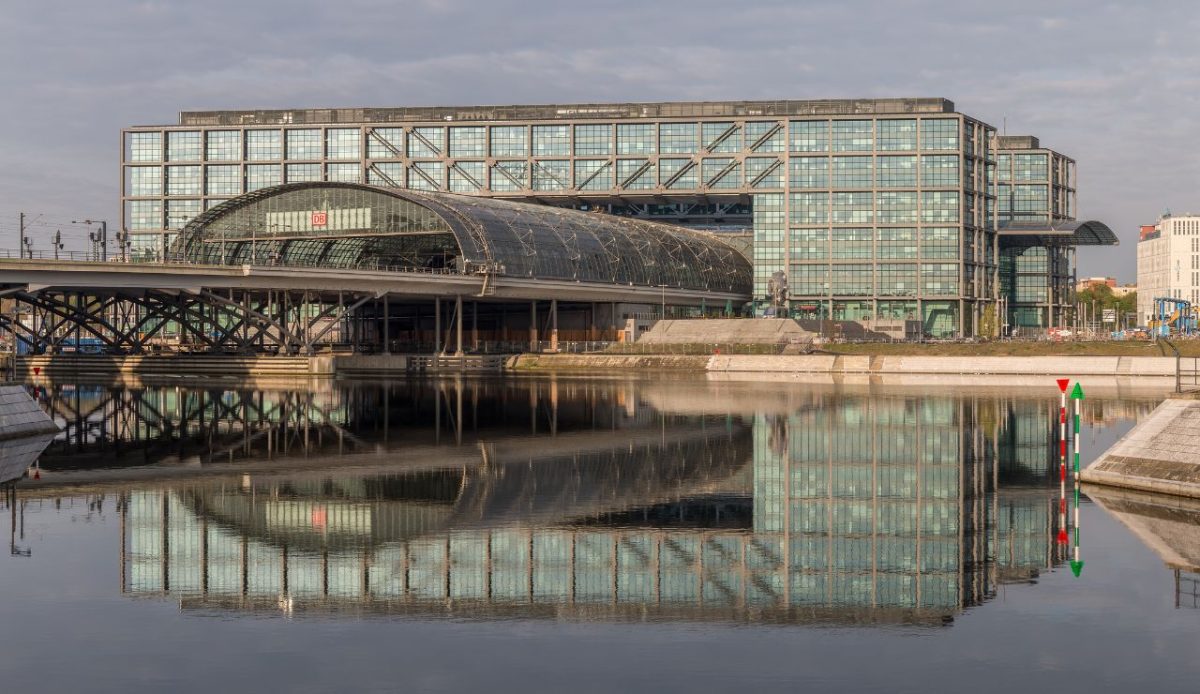
Berlin Hauptbahnhof consistently ranks among Europe’s best for its impressive glass architecture, multiple connected levels, and strong passenger flow. Travelers appreciate its wide range of shops, restaurants, and seamless connections to long-distance, regional, and local transit. Clear signage and modern facilities make navigating the massive station surprisingly easy. Despite its size, the station rarely feels chaotic thanks to well-designed platforms and efficient operations. It remains one of Europe’s most reliable, visually striking, and traveler-friendly major transport hubs for first-time visitors and locals alike.
2. Wien Hauptbahnhof, Austria
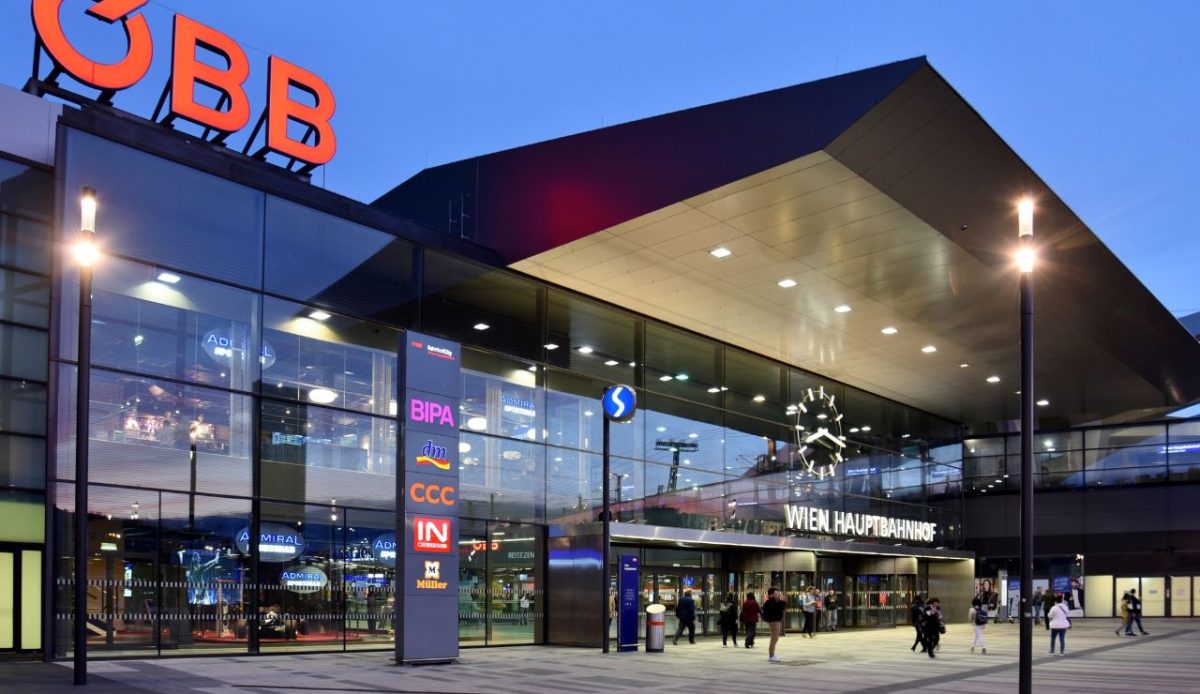
Vienna’s central station earns top marks for its organization, cleanliness, and smooth transfers. Its modern design, wide concourses, and intuitive layout make it easy for travelers to move between international and domestic services. The station’s amenities, grocery stores, cafés, lounges, and retail options are well arranged without feeling overwhelming. Trains are known for punctuality, and real-time updates help travelers stay informed. Serving as a major connection point across Central Europe, it consistently offers a calm, efficient, and highly enjoyable travel experience for both tourists and daily commuters alike.
3. Zürich Hauptbahnhof, Switzerland
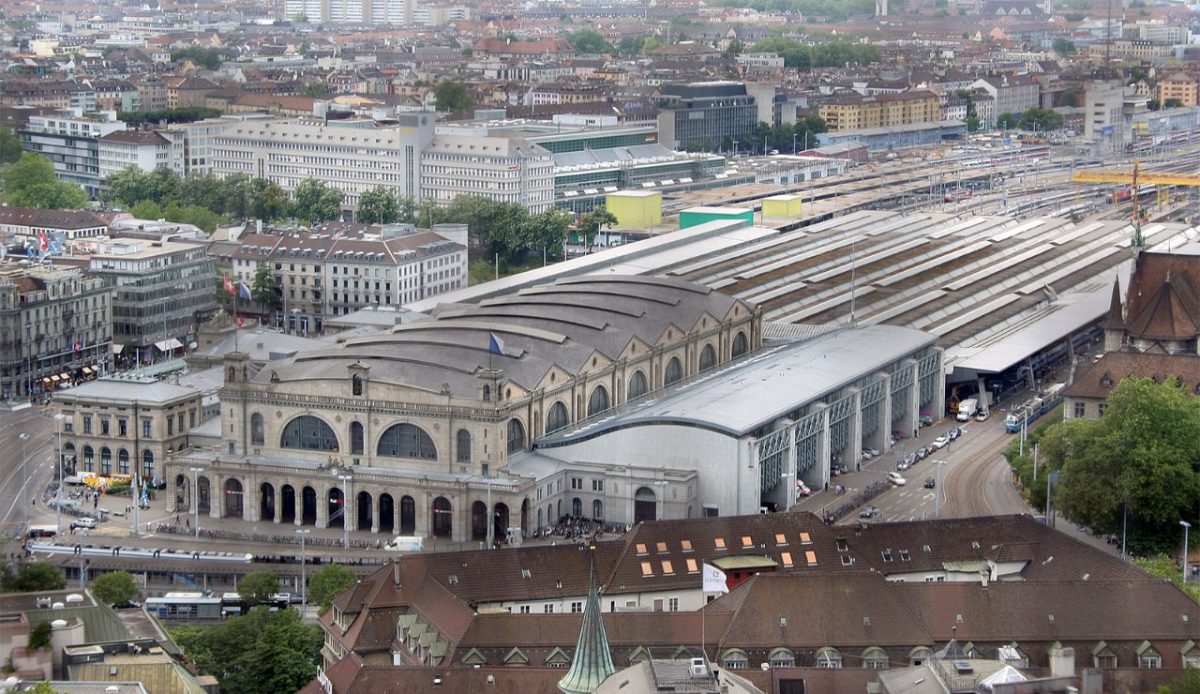
Zürich HB is one of Europe’s busiest stations, yet it manages crowds with impressive efficiency. The historic building blends beautifully with modern expansions, housing shops, restaurants, and cultural spaces like the popular underground “ShopVille.” Swiss punctuality is a defining feature; travelers find schedules extremely reliable, even during peak periods. The station’s central location makes city access quick and easy, while multilingual signage caters to international visitors. Although busy, Zürich HB maintains a polished, well-managed atmosphere that reflects Switzerland’s high service standards and attention to traveler comfort.
4. München Hauptbahnhof, Germany
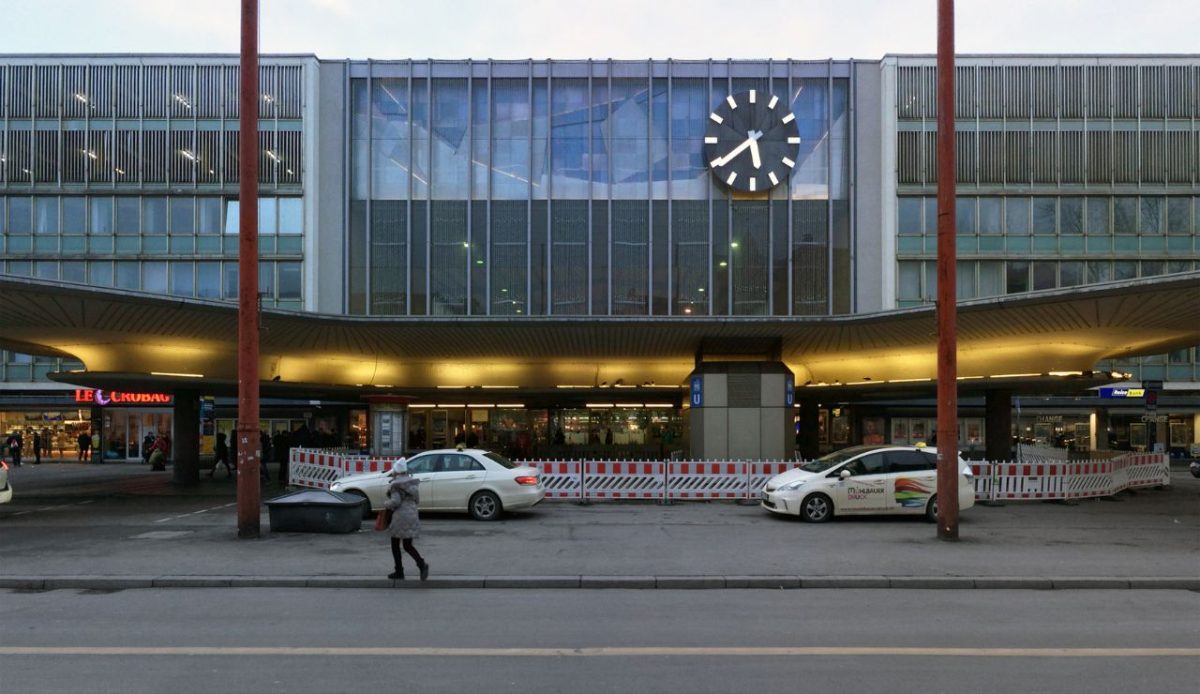
Munich’s main station delivers a strong performance thanks to ongoing modernization efforts that have improved accessibility, comfort, and overall flow. Spacious waiting areas, updated platforms, and expanded commercial spaces have made the station far more welcoming than in previous decades. Connections to U-Bahn, S-Bahn, trams, and buses are seamless, giving travelers reliable options in all directions. While still prone to congestion at peak travel times, the station continues improving year after year and remains one of southern Germany’s most efficient and traveler-friendly rail hubs for daily commuters and tourists alike.
5. Milano Centrale, Italy
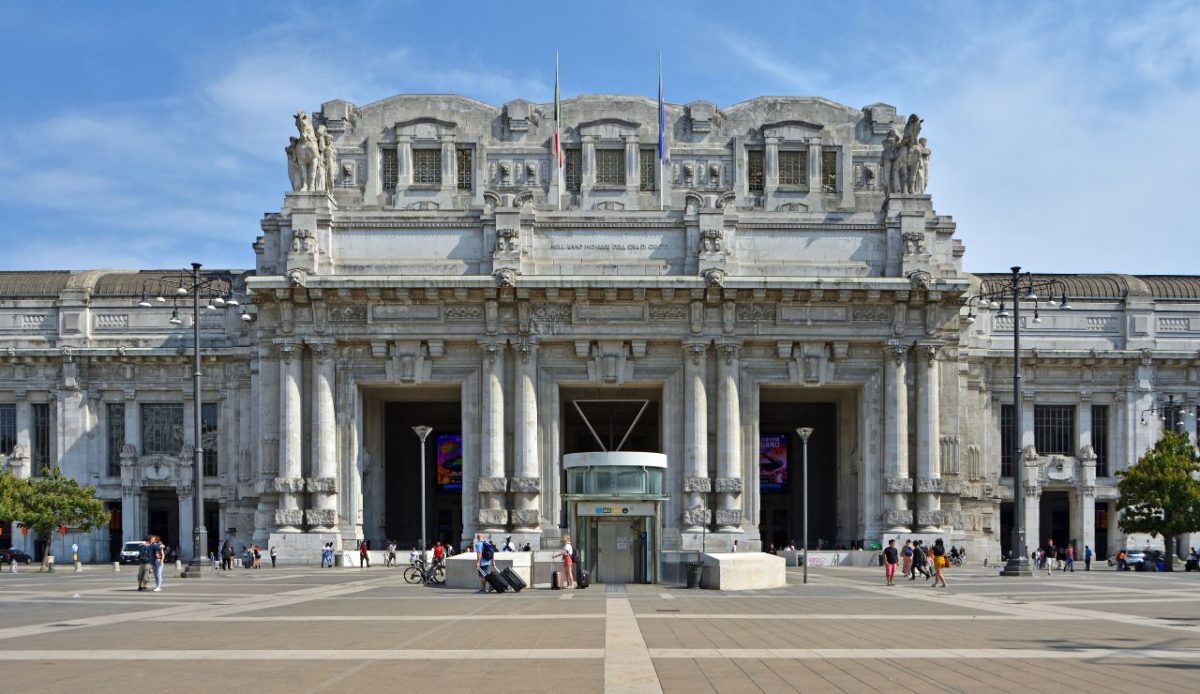
Milano Centrale is famous for its monumental architecture, blending grand historic design with modern upgrades that enhance functionality. The station offers an impressive range of shops and dining options, and high-speed connections make travel across Italy and Europe straightforward. However, its large size and heavy foot traffic can sometimes make navigation feel overwhelming, especially for first-time visitors. Ongoing renovations continue to improve comfort and accessibility, and its unique combination of artistic style and operational efficiency keeps it one of Europe’s most iconic and memorable stations.
6. Napoli Centrale, Italy
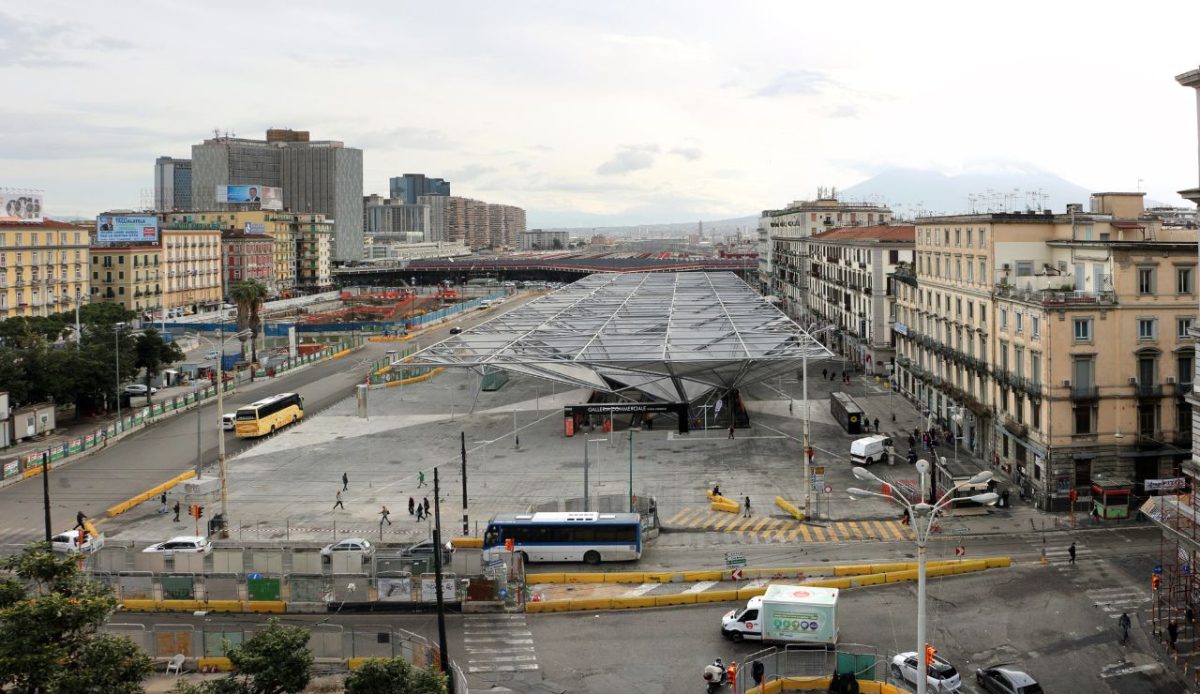
Naples’ central station has improved significantly over the years, thanks to renovations that modernized its concourses and platforms. Travelers benefit from convenient metro access, a shopping gallery, and improved safety features. While still busy and occasionally chaotic, the station is far more manageable than before, with better signage and more reliable services. Its location offers straightforward connections to key attractions and regional routes, including the Amalfi Coast and Pompeii. Though not perfect, Napoli Centrale continues trending upward as an essential southern Italy transport hub for both locals and tourists.
7. Roma Termini, Italy
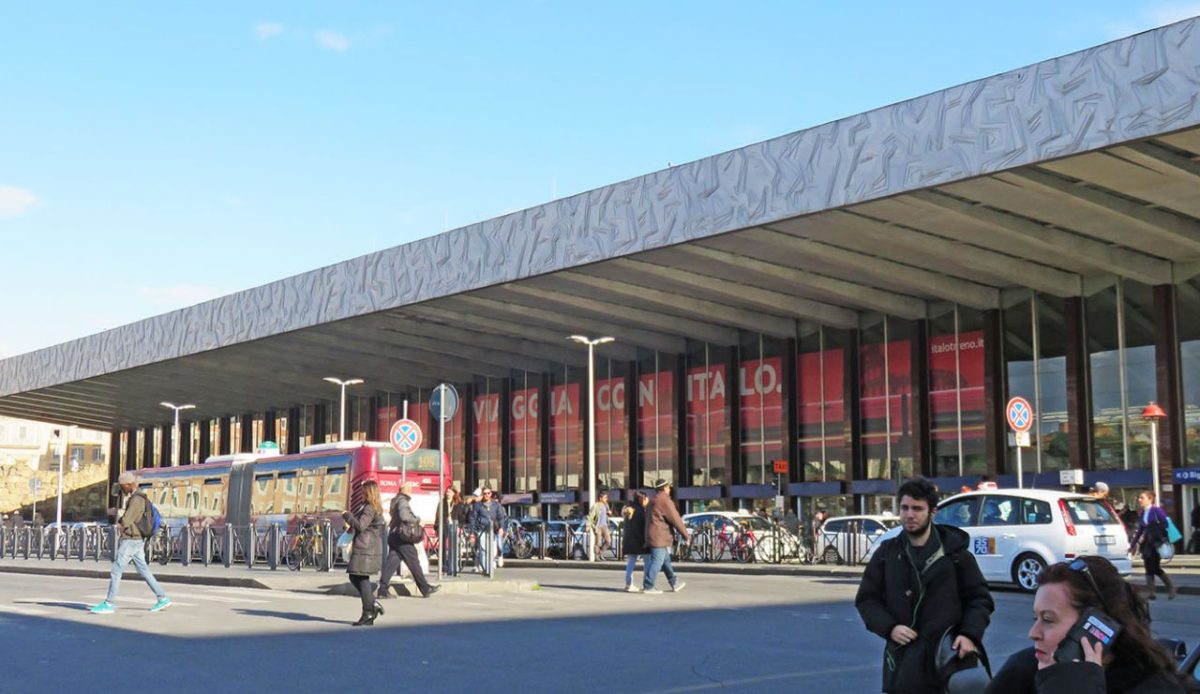
Roma Termini is one of Europe’s largest and busiest stations, offering extensive services, international links, and a massive shopping area. Despite recent improvements, it can still feel crowded and confusing, particularly during rush hours or peak tourist seasons. The station’s aging structure contrasts with modernized sections, creating a mixed experience for travelers. Security has improved, but visitors must stay alert in busy areas. Still, its unmatched connectivity, central location, and essential role in Italy’s rail network make it a core gateway for exploring Rome and traveling across the country efficiently and comfortably.
8. Paris Gare du Nord, France
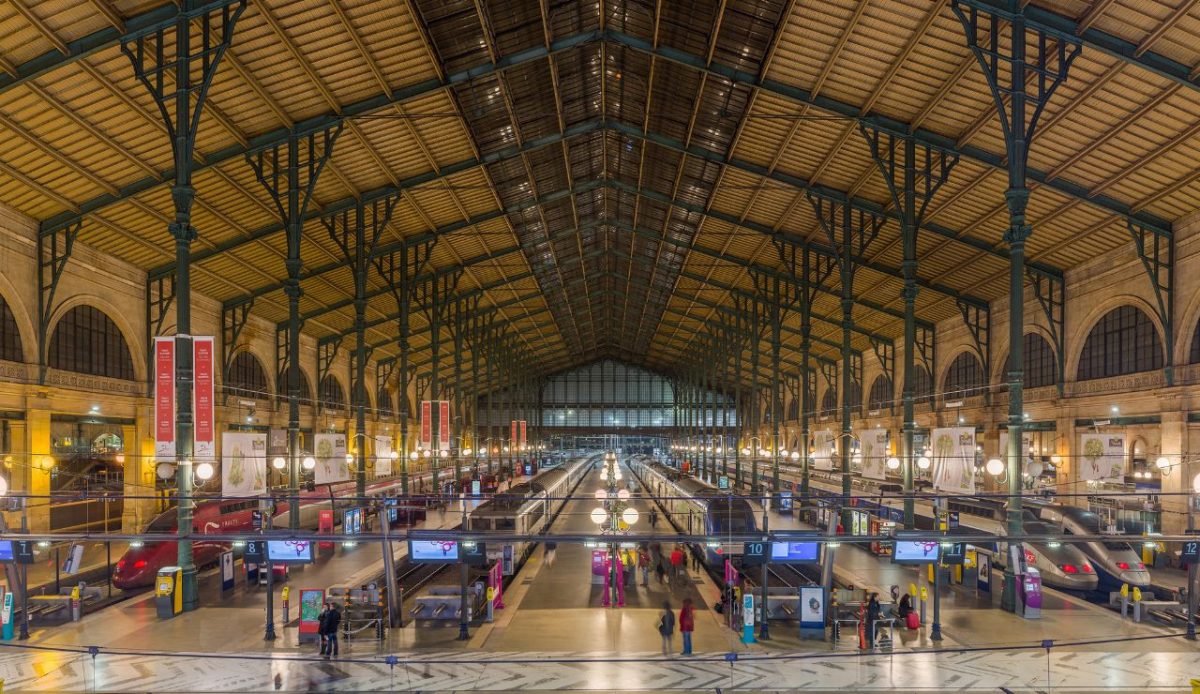
Gare du Nord handles millions of passengers each year, especially travelers on Eurostar and regional routes. While architecturally impressive, the station struggles with congestion, occasional delays, and an overall outdated layout that can complicate navigation. Renovations are underway, but progress has been gradual. Amenities are decent but scattered, making the station feel less cohesive than others on the list. Despite these challenges, its exceptional connectivity keeps it an essential hub for northern France and international travelers heading to London, Belgium, or the Netherlands each year.
9. Bruxelles-Midi, Belgium
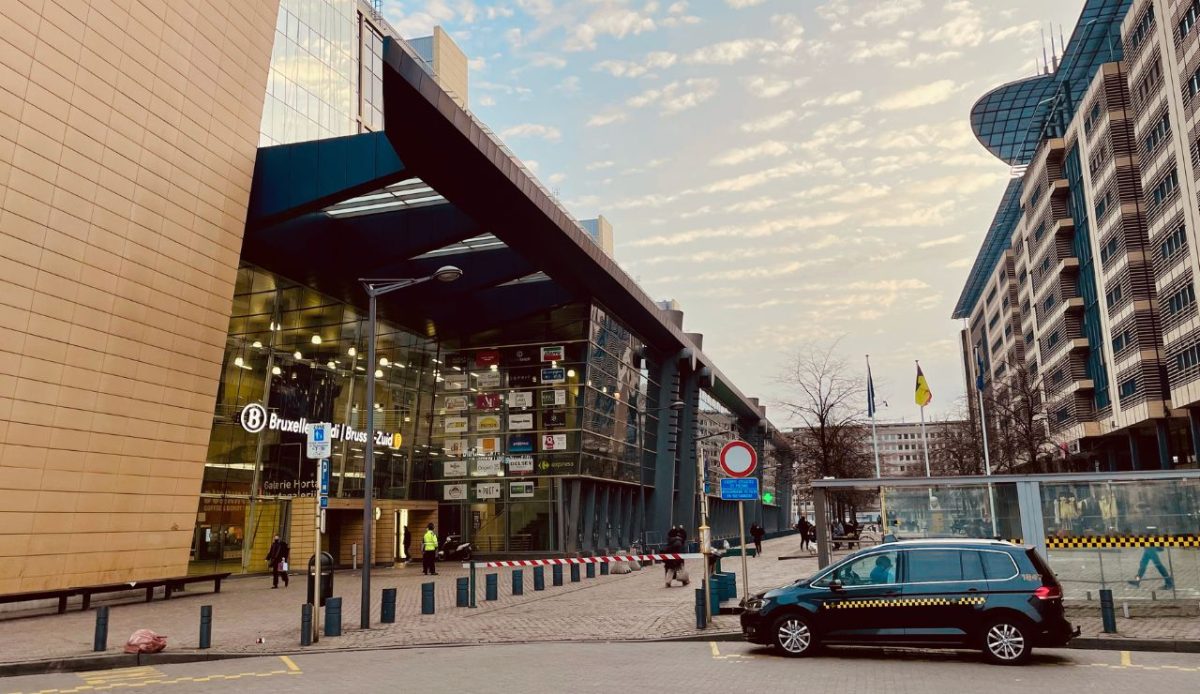
Brussels-Midi offers strong international links with high-speed trains like Eurostar, Thalys, and ICE. However, the station’s atmosphere often feels uninspiring, with limited natural light and an industrial layout that lacks the warmth and charm of many European stations. Amenities are functional but not memorable, and the surrounding neighborhood can feel less welcoming than other central districts. While reliable from a transportation standpoint, the overall experience ranks lower due to ambiance and design issues that leave travelers wishing for a more comfortable and aesthetically pleasing station environment.
10. Paris Gare de Lyon, France
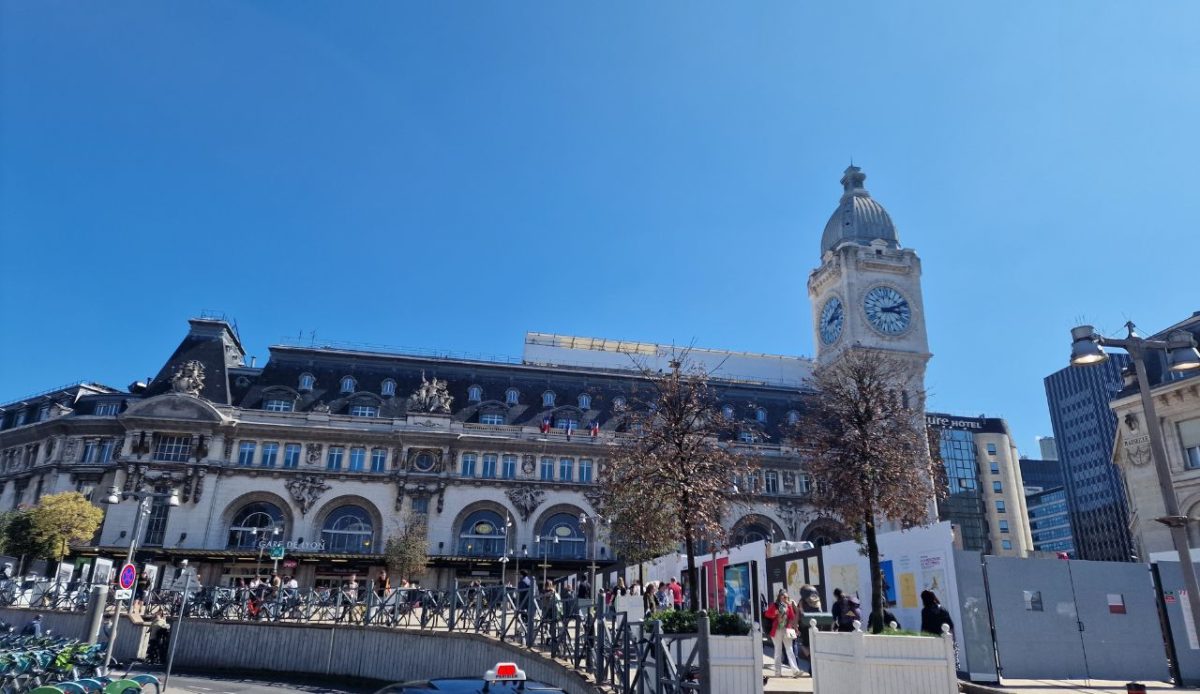
Gare de Lyon is one of Paris’s most important stations, yet travelers often find it difficult to navigate due to its complex footprint, crowded concourses, and inconsistent signage. Although the station features iconic elements, like the historic façade and the famous Train Bleu restaurant, its overall flow and clarity lag behind other major hubs. Services are adequate but can feel scattered, leading to confusion for visitors unfamiliar with the layout. Despite these challenges, its long-distance connections make it vital for southern France and an unavoidable stop for many international rail passengers.
