
Solo living has become a major trend across Europe, and official data from census offices and city statistics show a clear pattern. Some urban centers now record high concentrations of women living alone across student age groups, working professionals, and older residents who enjoy independent lifestyles with strong services and transit. These cities combine walkability, safety, healthcare access, career opportunities, and supportive public spaces, all of which help women maintain autonomy. The following list uses the most reliable indicator available across European governments today: women in one-person households.
1. Paris

Paris concentrates one of Europe’s largest populations of women living alone. Dense districts, secure entry buildings, and walkable streets make solo life accessible for students, professionals, and older residents. Public transit and neighborhood clinics support daily routines without a car. Cultural venues, markets, and parks help residents stay socially active. High rents remain a challenge, yet demand stays steady. Census tables show female one-person households leading across several age ranges, confirming the capital’s long-standing solo living culture.
2. Berlin

Berlin reports substantial female solo households supported by compact flats, strong tenant rules, and widespread transit. A large public sector, fast-growing tech scene, and creative economy draw younger residents, while established neighborhoods host older women who value services close by. Bike lanes, childcare centers, and pharmacies are common, so daily life remains convenient. Municipal data consistently show a sizable female base across age groups. The pattern is structural, not seasonal, reflecting deep housing and lifestyle trends.
3. Barcelona
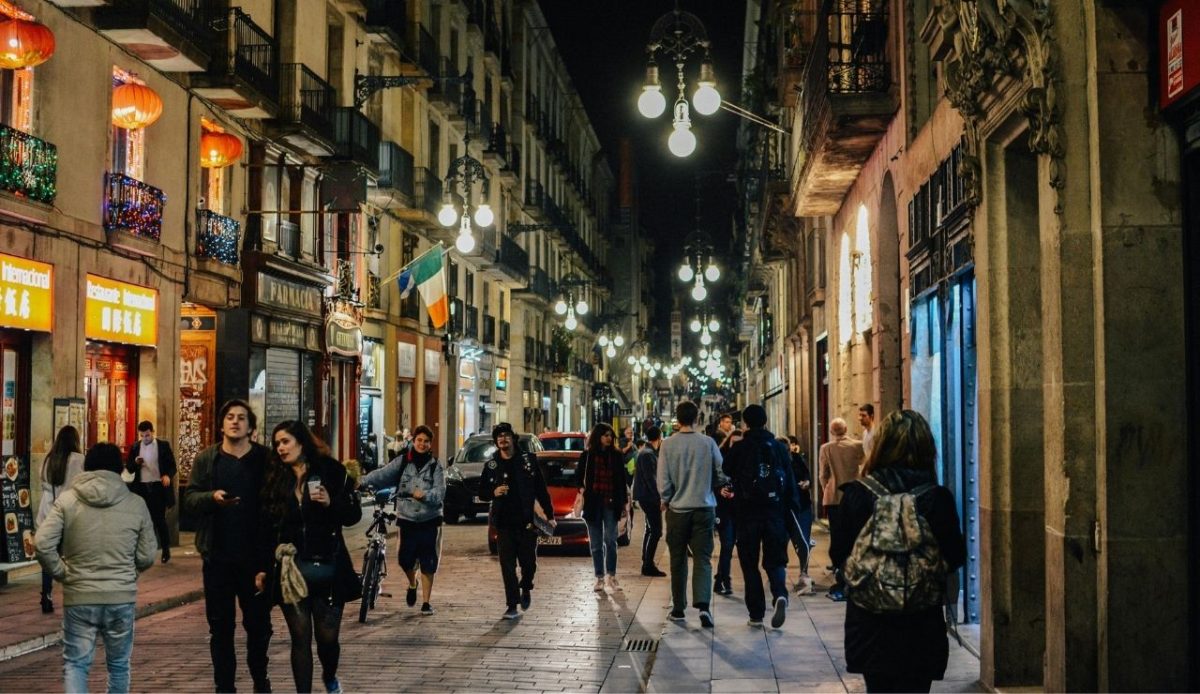
Barcelona’s official statistics show a high share of women living alone. Compact apartments, metro connectivity, and active neighborhood squares support independent routines. Jobs in tourism, design, healthcare, and education bring steady arrivals, while older residents stay connected through community networks. Groceries, pharmacies, and clinics sit close to homes, and the evening street life helps many solo residents feel secure. Recent municipal releases confirm female one-person households concentrated in both central and well-connected outer districts.
4. Helsinki
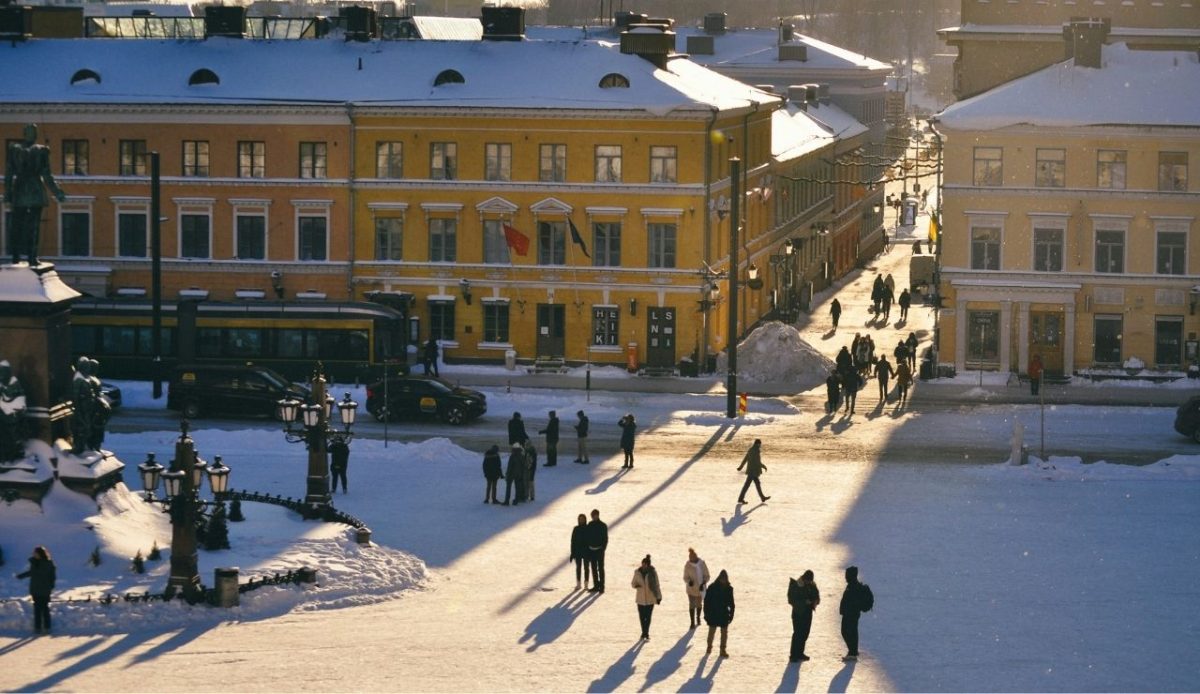
Helsinki’s open data series breaks out single-person households by sex and age, and women form a large share. Nordic welfare systems, reliable transit, and safe public spaces make independent living feasible throughout life. Compact apartments, efficient heating, and winter-ready sidewalks support daily movement. Tech and education attract younger adults, while health services allow older residents to remain in their neighborhoods. District-level tables show strong distribution rather than a single cluster.
5. Stockholm

Stockholm reflects Sweden’s strong solo living tradition with a large female cohort. Co-ops and rentals provide options near transit lines, and healthcare access plus parental support systems ease long-term city living. Universities and major employers keep demographics balanced, with many younger residents choosing small flats near downtown. Official city and national statistics confirm one-person homes as the most common household type, with women prominent across several brackets.
6. Amsterdam
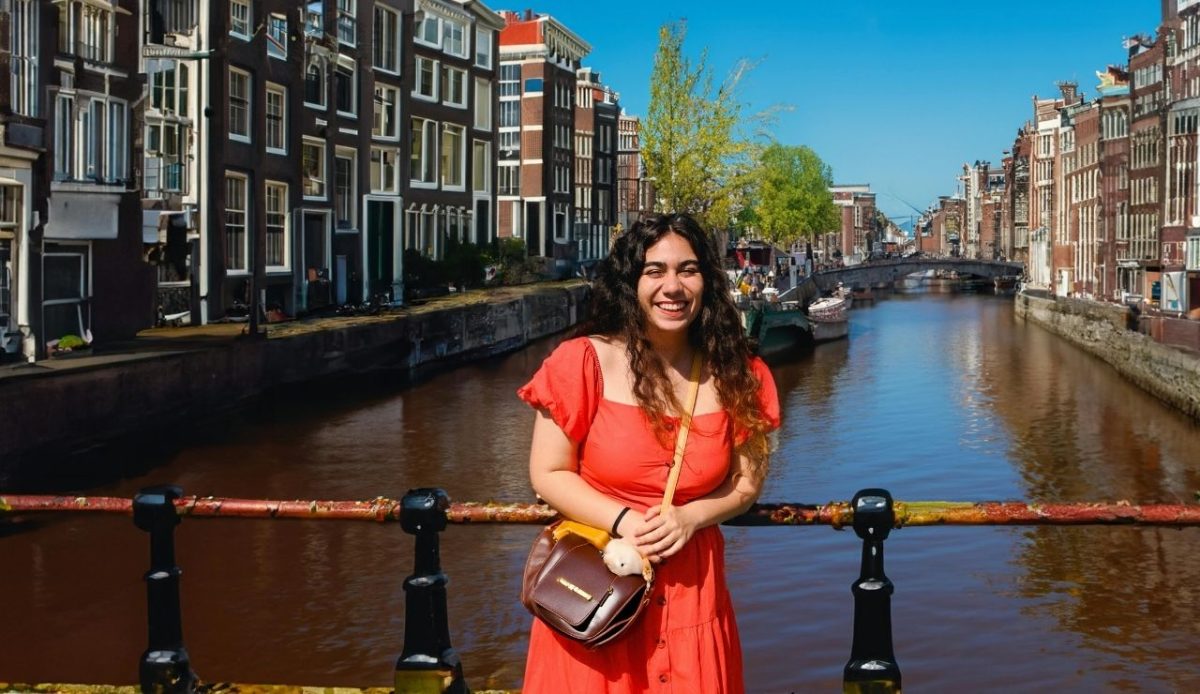
Amsterdam shows high numbers of women living alone, backed by dense transit and walkable blocks. Compact homes, nearby clinics, and bike infrastructure create a setting where independent routines feel manageable. Creative industries, NGOs, and tech firms draw younger workers, while older residents stay connected through neighborhood programs. National tables list Amsterdam among the top Dutch municipalities for female one-person households, reinforced by city’s social support networks.
7. Copenhagen
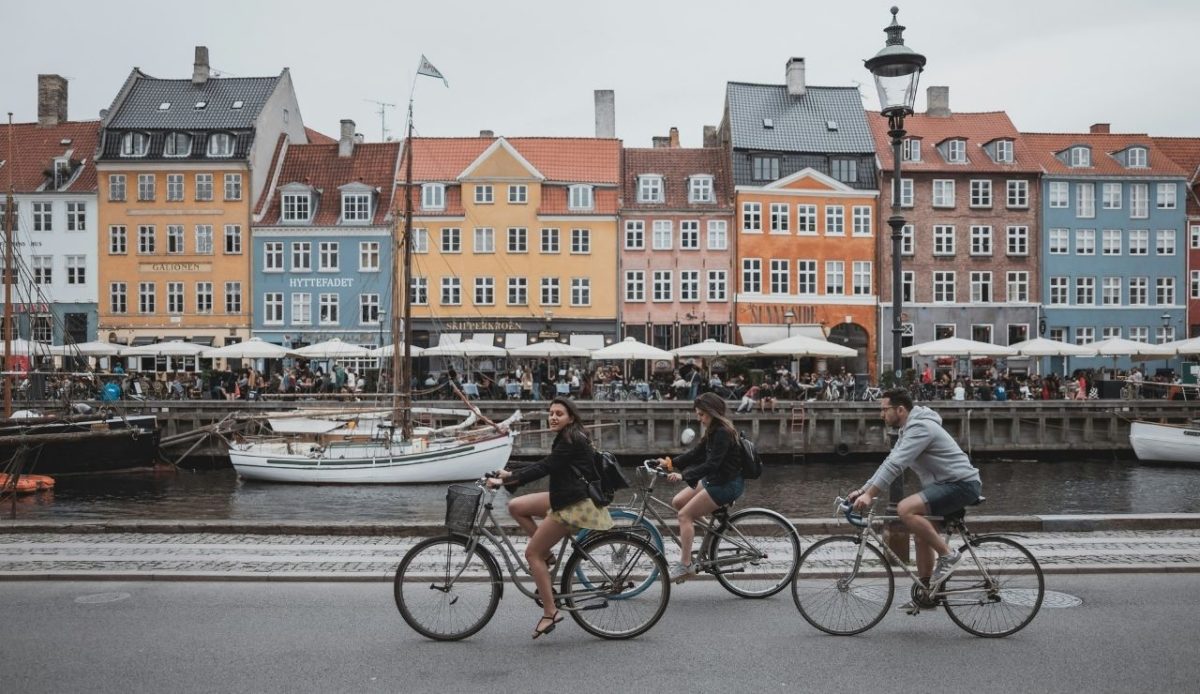
Copenhagen’s municipal data lists high totals of women living alone. Safe cycling routes, good lighting, and year-round transit access support evening mobility. Co-ops and public rentals offer stable housing across budgets. Community centers and health services help older residents stay engaged. Universities and life science firms draw younger residents, and frequent cultural events maintain social opportunities. Official data highlight a broad female solo demographic.
8. Vienna

Vienna combines strong absolute numbers and a significant share of female one-person homes. Rent regulation keeps leases stable, and U-Bahn routes cover most districts. Health services and green spaces make long-term independent living practical. Cultural institutions, adult education, and neighborhood cafés offer connection points. Published city yearbooks and national releases align: many households consist of women living alone across inner and outer areas.
9. Dublin

Census results show Dublin City with a large base of single women and many female one-person homes. Walkable cores, frequent buses, and proximity to workplaces support independence. Government, financial, and healthcare jobs attract younger women, while older residents value nearby services. Community health clinics and local policing provide support, and nightlife remains active in central districts. Data from geohub and small area releases confirm these patterns.
10. Prague

Prague’s census records hundreds of thousands of one-person households, with analysis pointing to a majority being women. Grocery stores, pharmacies, and transit stops sit close to residential blocks, making daily life manageable without a car. Universities draw younger residents, and established healthcare access helps older women remain independent. Tram and metro lines ensure mobility across districts. Government data underline the scale of female solo households.
